标签: Europe

欧洲

  • UK should send non-combat troops to Ukraine now, former PM Johnson tells BBC

    UK should send non-combat troops to Ukraine now, former PM Johnson tells BBC

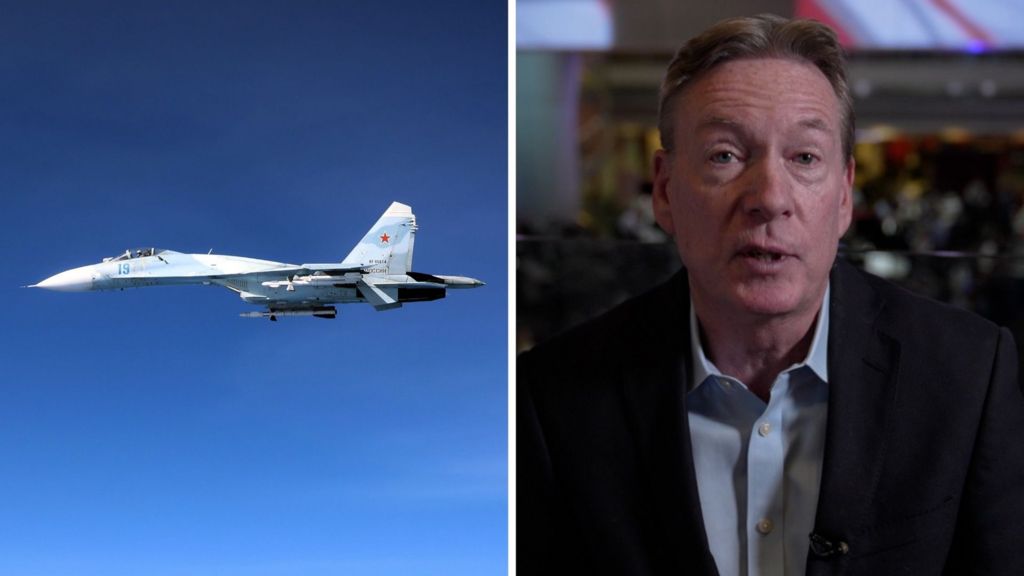
    Former British Prime Minister Boris Johnson has called for the immediate deployment of Western non-combat troops to Ukraine, arguing such a move could fundamentally alter Russian President Vladimir Putin’s strategic calculations. In an exclusive interview with BBC’s Sunday with Laura Kuenssberg, Johnson contended that if Western nations plan to station peacekeeping forces after a potential ceasefire, they should consider doing so immediately in peaceful regions of Ukraine.

    Speaking alongside former UK military chief Admiral Sir Tony Radakin, Johnson reflected on the fourth anniversary of Russia’s invasion, suggesting the conflict could have been prevented had Western allies responded more decisively to Putin’s 2014 annexation of Crimea. Both Johnson and Radakin acknowledged that Western support for Ukraine, while substantial, has often been delayed through months of cautious deliberation they described as ‘incrementalism.’

    Johnson characterized this hesitation as needless delay that has ultimately cost Ukrainian lives. ‘We’ve always delayed needlessly,’ he stated. ‘We’ve then ended up giving the Ukrainians what they have been asking for, and actually it’s always served to their advantage and to the disadvantage of Putin. The one person who suffers from escalation is Putin.’

    The former prime minister specifically proposed that UK and allied forces could be deployed to secure areas of Ukraine in non-combat roles, such as training, logistical support, or infrastructure protection. This presence, he argued, would demonstrate constitutional support for Ukrainian sovereignty without directly engaging in combat operations.

    Johnson also offered a critical assessment of Western foreign policy failures that he believes emboldened Putin, including the inadequate response to chemical weapons use in Syria, the chaotic withdrawal from Afghanistan, and what he termed ‘the general ambiguity of the Western position’ regarding Ukraine.

    Admiral Radakin separately addressed defense spending, urging the UK government to clarify its commitment to allocate 3.5% of national income to defense by 2035—a pledge made at last year’s NATO summit. He emphasized that while the UK remains secure as a nuclear power within NATO, sustained investment is essential for long-term security amid a ‘weak but dangerous’ Russia.

    The proposal to deploy troops represents a significant escalation beyond current Western policy, which has consistently ruled out direct military presence. The UK government is reportedly working with allies to plan a ‘coalition of the willing’ that would provide forces only after a formal peace agreement is established.

  • Hungary says it will block a key EU loan to Ukraine until Russian oil shipments resume

    Hungary says it will block a key EU loan to Ukraine until Russian oil shipments resume

    BUDAPEST, Hungary — In a significant escalation of regional tensions, Hungary has declared it will veto the European Union’s proposed €90 billion ($106 billion) financial assistance package for Ukraine until Russian oil shipments through the Druzhba pipeline are fully restored. The announcement came from Hungarian Foreign Minister Péter Szijjártó, who accused Ukrainian authorities of deliberately obstructing energy supplies to Central Europe.

    The diplomatic confrontation stems from the January 27 interruption of Russian oil deliveries to Hungary and Slovakia, which occurred after Ukrainian officials reported damage to the Druzhba pipeline following a suspected Russian drone attack. Both Central European nations, which maintain exemptions from EU sanctions on Russian oil imports, have alleged without presenting concrete evidence that Ukraine is intentionally delaying the resumption of flows.

    In a social media address delivered Friday evening, Minister Szijjártó characterized Ukraine’s actions as economic blackmail, stating: ‘We will not yield to this pressure tactic. While we don’t support Ukraine’s military efforts, we refuse to bear the cost. Until Ukraine permits oil transit to Hungary, we will obstruct EU decisions beneficial to Ukraine.’

    This funding blockade represents the latest in a series of confrontational moves from Budapest, coming just days after Hungary suspended diesel shipments to Ukraine and mere days before the fourth anniversary of Russia’s full-scale invasion. The position highlights Hungary’s outlier status within the EU and NATO, as nearly all other member states have dramatically reduced or completely eliminated Russian energy imports since February 2022.

    Prime Minister Viktor Orbán’s government continues to maintain that Russian fossil fuels remain essential for Hungary’s economic stability, arguing that alternative energy sources would trigger immediate economic collapse—a position disputed by numerous energy experts. As the Kremlin’s most vocal supporter within the EU, Orbán has consistently opposed sanctions targeting Russia’s energy sector and repeatedly threatened to veto Union-wide support measures for Ukraine.

    The €90 billion loan package, approved by the EU in December to address Ukraine’s military and economic requirements over the next two years, already faced opposition from Hungary, Slovakia, and the Czech Republic. A compromise arrangement had previously been reached wherein these nations abstained from blocking the loan in exchange for financial safeguards.

  • Ukraine strikes a key industrial site deep inside Russia

    Ukraine strikes a key industrial site deep inside Russia

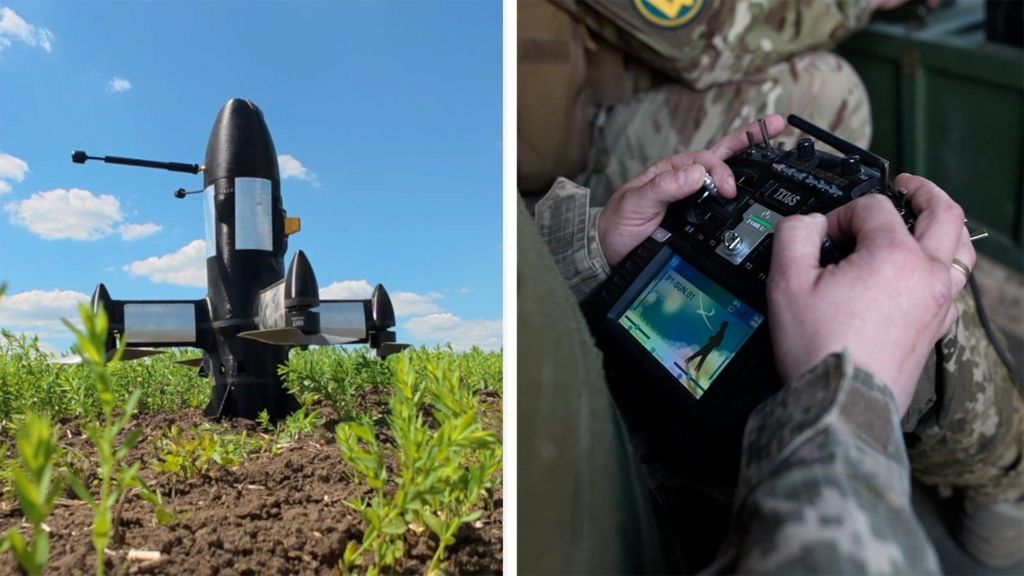
    In a significant escalation of cross-border operations, Ukrainian drones penetrated deep into Russian territory on Saturday, striking a strategic defense installation in the Udmurt Republic approximately 1,400 kilometers from the Ukrainian border. The attack resulted in eleven casualties, with three individuals requiring hospitalization according to regional health minister Sergei Bagin.

    Regional Governor Alexander Brechalov confirmed the drone assault via Telegram, acknowledging injuries and structural damage while withholding specific facility identification. Multiple Russian Telegram channels, including Astra and SHOT, identified the target as the Votkinsk Machine Building Plant—a critical state-owned defense enterprise responsible for producing Iskander ballistic missiles routinely deployed against Ukrainian targets, along with nuclear-capable intercontinental ballistic missiles.

    Visual evidence circulated by Russian news outlets depicted substantial black smoke emanating from the industrial complex and structural damage including shattered windows following reported nocturnal explosions. Local residents described hearing at least three detonations accompanied by distinctive drone acoustics during the nighttime operation.

    The strike represents one of Ukraine’s deepest known penetrations into Russian territory since the conflict’s inception, targeting infrastructure directly linked to missile production used against Ukrainian cities. Ukrainian authorities maintained official silence regarding the operation, while the attack demonstrates Kyiv’s growing capability to project force against strategic military targets within Russia’s defense industrial base.

  • Macron orders review of violent activist groups after fatal beating of far-right activist

    Macron orders review of violent activist groups after fatal beating of far-right activist

    French President Emmanuel Macron has announced an urgent governmental review of violent political activist groups following the fatal beating of a far-right student in Lyon, an incident that has intensified political hostilities ahead of France’s upcoming presidential election.

    Macron confirmed he will convene high-level meetings with ministers next week to evaluate extremist organizations with political affiliations, signaling potential disbandment of certain groups. “In the Republic, no violence is legitimate,” Macron declared during his appearance at the Paris agriculture fair. “There is no place for militias, wherever they come from. We must be absolutely uncompromising.”

    The crisis emerged after 23-year-old Quentin Deranque succumbed to brain injuries sustained during clashes between far-left and far-right activists outside a student event featuring far-left lawmaker Rima Hassan as keynote speaker. Seven individuals now face preliminary charges, with Lyon prosecutors seeking indictments for intentional homicide, aggravated violence, and criminal conspiracy. Six defendants face all three charges, while the seventh is charged with complicity.

    Deranque’s death has ignited fierce political recriminations, particularly targeting the France Unbowed party and its leader Jean-Luc Mélenchon. Among those implicated is a parliamentary aide to France Unbowed lawmaker Raphaël Arnault, who established the anti-fascist group The Young Guard. Opposition figures accuse the party of inciting violence through its confrontational far-left politics, though Mélenchon has vehemently denied responsibility and condemned the tragedy.

    The incident occurs against a backdrop of escalating political tensions, with municipal elections approaching next month and Macron’s final term concluding next year. Lyon, identified by intelligence services as the historical cradle of French far-right activism, has experienced increasing clashes between newly formed far-left groups and long-established far-right organizations.

    Despite planned memorial gatherings organized by far-right groups, Deranque’s parents have appealed for calm and declined participation. Authorities have permitted the demonstrations but will maintain significant police presence to prevent further violence.

  • Germany’s Johannes Lochner storms to a big lead midway through Olympic four-man bobsled

    Germany’s Johannes Lochner storms to a big lead midway through Olympic four-man bobsled

    CORTINA D’AMPEZZO, Italy — Germany’s Johannes Lochner has positioned himself as the commanding frontrunner after the initial two heats of the four-man bobsled competition at the Milan Cortina Winter Olympics. Lochner and his crew—Thorsten Margis, Jorn Wenzel, and Georg Fleischhauer—completed their Saturday runs with a combined time of 1:48.61, establishing a substantial 0.43-second advantage over compatriot Francesco Friedrich, the reigning four-time Olympic champion.

    Lochner acknowledged some technical difficulties during their second descent but expressed overall satisfaction with their performance. ‘The first run was exceptional,’ Lochner commented. ‘We encountered challenges during the second run, particularly at the start and through the mid-section. Nevertheless, we’re pleased with our current standing.’

    Germany currently occupies all three podium positions at the competition’s midpoint, with Adam Ammour sitting in third position, 0.59 seconds behind Lochner. Ammour’s impressive second-heat performance, which registered as the fastest time of that round, prevented Lochner from maintaining his perfect record at the Cortina track.

    For Team USA, Kris Horn made his Olympic debut after missing the two-man competition due to insufficient World Cup qualifications. Horn and his team of Caleb Furnell, Hunter Powell, and Carsten Vissering currently hold ninth position, precisely one second behind the leader but within striking distance of medal contention. ‘We had an extended break,’ Horn noted. ‘I was concerned about maintaining my driving form.’

    American flagbearer Frank Del Duca, who started from the disadvantageous 27th position, sits in 12th place with his team. Del Duca described the challenges of competing on deteriorated ice conditions: ‘The ice maintenance crew performs exceptionally, but with sleds weighing approximately 1,400 pounds generating over 4 Gs of force at 85 mph, the surface becomes significantly altered.’

    The competition witnessed concerning developments during the second heat when Austrian pilot Jakob Mandlbauer lost control of his sled, resulting in a crash that required medical evacuation. Austrian officials confirmed Mandlbauer maintained movement in his extremities while he underwent hospital evaluation. Additional crashes involved teams from France and Trinidad and Tobago, eliminating them from Sunday’s final heats.

    The medal-deciding runs scheduled for Sunday will determine whether Lochner can join the exclusive group of six pilots who have achieved Olympic gold in both two-man and four-man bobsled events during the same Games.

  • Italian toddler dies after transplant with heart ‘burned by frostbite’

    Italian toddler dies after transplant with heart ‘burned by frostbite’

    A two-year-old Italian boy, Domenico, has tragically passed away following a transplant procedure involving a severely damaged donor heart. The child succumbed to his condition on Saturday morning at Naples’s Monaldi Hospital, where medical staff reported a sudden and irreversible deterioration in his clinical state.

    The incident, which has provoked national outrage and prompted an official investigation, centers on critical failures in organ transportation protocols. The donor heart, transported approximately 800 kilometers from Bolzano to Naples in late December, was allegedly placed in direct contact with dry ice inside an unsuitable container. This improper handling caused severe frostbite damage to the tissue, rendering the organ critically compromised upon arrival.

    Legal representative Francesco Petruzzi disclosed that the transportation unit lacked essential monitoring equipment, including a thermometer, which would have alerted the medical team to dangerously low temperatures. Following the botched transplant, Domenico remained on life support for nearly two months. A recent consensus among pediatric specialists concluded that his condition had deteriorated beyond the point of viability for another transplant attempt, with prolonged extracorporeal support having potentially caused damage to multiple organs.

    The case has drawn responses at the highest levels of Italian government, with Health Minister Orazio Schillaci vowing absolute clarity on the circumstances. Meanwhile, six medical professionals are under formal investigation as prosecutors examine potential negligence. The family’s legal team has emphasized their transition from hope to demanding accountability, seeking full access to all relevant medical documentation.

  • Avalanches kill five in Austrian Alps, officials say

    Avalanches kill five in Austrian Alps, officials say

    A devastating series of avalanches swept through the Austrian Alps on Friday, resulting in five fatalities as extreme snowfall battered the region. The incidents occurred across multiple locations, highlighting the severe winter conditions currently affecting alpine areas.

    Near the Swiss-Italian border in Nauders, a German father and his teenage son were caught in an avalanche. The 42-year-old man perished in the incident, while rescuers successfully airlifted the 16-year-old to a nearby medical facility for treatment.

    Separately, three skiers lost their lives in an avalanche close to the renowned St Anton am Arlberg resort. According to police reports and Austrian broadcaster ORF, the victims included two American and Polish nationals, along with a 21-year-old Austrian man who subsequently died from his injuries at a hospital. Authorities indicated that the skiers themselves likely triggered the massive avalanche, which measured approximately 450 meters in width. A substantial rescue operation involving four mountain rescue teams, three helicopters, and emergency services successfully recovered two additional men with injuries from the same site.

    In the neighboring Vorarlberg region, a snowboarder became another casualty of the dangerous conditions after being buried by sliding snow.

    The avalanche risk remains critically high in Tyrol, where Friday’s fatal incidents occurred in off-piste areas. This winter season has now claimed at least 21 avalanche-related deaths in Austria alone, with dozens more fatalities recorded throughout the Alpine region.

    The severe weather created additional hazards beyond the slopes. In the northern city of Linz, a 53-year-old man died after being crushed by a snow plough that slid down a staircase where he had been clearing snow. The significant snowfall also caused widespread power outages and transportation chaos across southeastern Austria. In Styria, roads became virtually impassable to private vehicles, requiring Red Cross intervention to assist stranded motorists. Vienna International Airport temporarily closed during the morning hours and experienced continued disruptions throughout the afternoon.

    This season’s avalanche death toll in the Alps has exceeded typical numbers, including three British nationals who perished in France’s La Grave region earlier this month.

  • Murky outlook for businesses after tariff ruling prompts countermoves by Trump

    Murky outlook for businesses after tariff ruling prompts countermoves by Trump

    The U.S. business community faces extended trade policy instability following a landmark Supreme Court decision that struck down presidential tariffs imposed under emergency powers. Despite the court’s ruling that President Donald Trump overstepped his authority, the administration immediately pledged to utilize alternative legal mechanisms to maintain import taxes, creating fresh uncertainty for American enterprises.

    Corporate leaders across multiple sectors expressed concern about the practical implications of the legal victory. While the Supreme Court determined that the International Emergency Economic Powers Act did not authorize presidential tariff imposition, the ruling affects only specific duties, leaving steel, aluminum, furniture, and cabinet tariffs intact. Within hours of the decision, President Trump announced plans to implement a comprehensive 10% tariff on all imports for 150 days while exploring additional trade remedies.

    Economic analysts warn that any potential relief from lowered tariffs may be negated by prolonged uncertainty. Michael Pearce of Oxford Economics noted, “With the administration likely to rebuild tariffs through other, more durable means, the overall tariffs rate may yet end up settling close to current levels.”

    The complex process of reclaiming an estimated $133-$175 billion in previously collected tariffs now deemed illegal favors large corporations with substantial legal resources, leaving small businesses and consumers unlikely to receive compensation. Industries including retail, technology, and agriculture have borne significant costs, with companies implementing price increases, supply chain diversification, and cost-cutting measures to offset tariff impacts.

    International trading partners reacted with skepticism to the development. Italian winemakers, European manufacturers, and Canadian exporters expressed concerns that alternative tariff mechanisms could maintain or exacerbate trade tensions. Lamberto Frescobaldi of Italian winemakers association UIV warned of “renewed uncertainty in commercial relations between Europe and the United States,” while ING economist Carsten Brzeski noted that alternative legal authority could produce identical or worse economic impacts.

    Business leaders across sectors emphasized the need for trade policy stability. Jonathan McHale of the Computer & Communications Industry Association stated, “With this decision behind us, we look forward to bringing more stability to trade policy,” echoing sentiments from retail, agricultural, and manufacturing representatives who have faced increased costs and operational challenges throughout the trade disputes.

  • In war-weary Kyiv, wounded Ukrainian veterans turn epic poetry into living testimony

    In war-weary Kyiv, wounded Ukrainian veterans turn epic poetry into living testimony

    KYIV, Ukraine — In an extraordinary fusion of classical literature and contemporary reality, Ukrainian military veterans and drama students have collaboratively brought to life a groundbreaking theatrical production. The performance, an adaptation of Ivan Kotliarevskyi’s 18th-century work ‘Eneida’ itself based on Virgil’s ‘Aeneid,’ serves as both artistic expression and therapeutic rehabilitation for participants bearing the physical and psychological scars of Russia’s ongoing invasion.

    Directed by Olha Semioshkina, the production at Kyiv’s National Academic Molodyy Theatre features a cast ranging from their 20s to 60s, including veterans who sustained amputations, severe burns, and vision loss during combat. The year-long preparation process involved not only theatrical training but fundamental physical and emotional rehabilitation, with participants spending months learning to communicate, move, and exist with their changed bodies before even beginning script work.

    Semioshkina’s conceptual framework transforms every male actor into Aeneas and every female actor into Dido, mirroring the epic journey of Virgil’s hero who wanders after tragedy in search of a new homeland. In this modern interpretation, the Trojan hero becomes a Cossack—raw, resilient, and profoundly human—while the veterans’ real experiences blur the lines between myth and reality.

    The performance reaches its emotional zenith when actors break character to share personal testimonies: accounts of drone strikes, occupation, loss of comrades, and returning to war despite advanced age. Yehor Babenko, a border service veteran with severe burns, delivers darkly humorous lines about shared experiences with being ‘burned out,’ while Andrii Onopriienko, who lost his sight in an artillery strike, provides resonant narration despite initially doubting his ability to contribute.

    The production’s technical elements incorporate prosthetic limbs and metal rods that serve both as theatrical props and practical supports, creating a visual language that acknowledges rather than hides the actors’ conditions. Even the performance itself faced wartime realities when a power outage during the premiere required actors to continue under flashlight illumination, creating an unplanned but profoundly symbolic moment of perseverance.

    The standing ovation that greeted the cast affirmed not only their artistic achievement but the production’s deeper message about veteran resilience and community support. As Semioshkina emphasized, the production serves as an invitation to all veterans to reconnect with life beyond their trauma: ‘Come out. You can do something. Live. Don’t close yourself off. Live every single minute.’

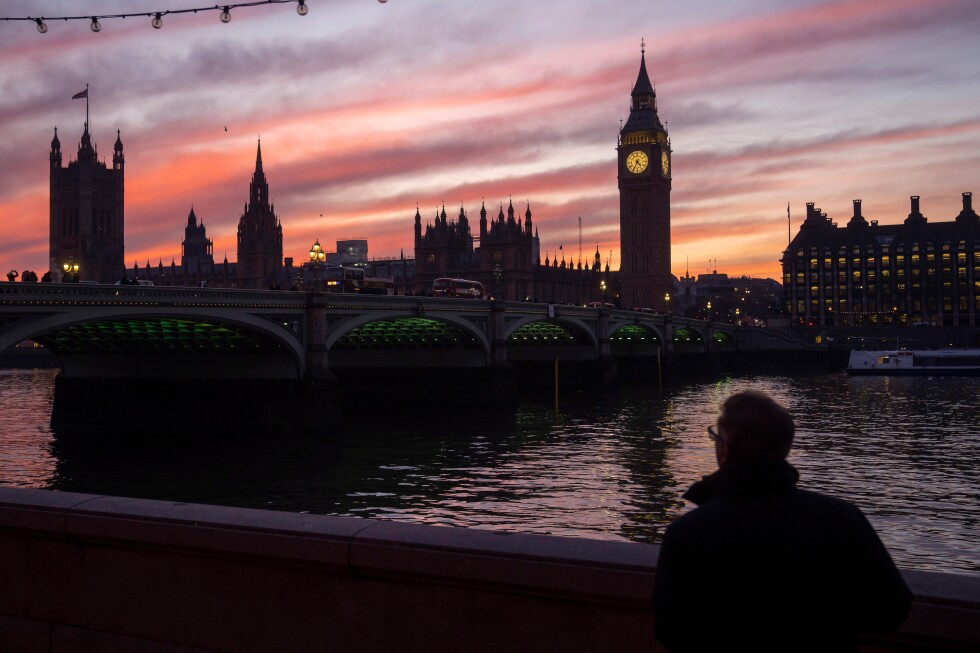
  • Keeping calm and carrying on, the royal family weathers worst crisis in generations

    Keeping calm and carrying on, the royal family weathers worst crisis in generations

    Buckingham Palace faces its most severe constitutional crisis in nearly a century following the dramatic arrest of King Charles III’s brother, Andrew Mountbatten-Windsor, on allegations of misconduct in public office. The 66-year-old royal was detained for eleven hours before being released under ongoing investigation, creating unprecedented turmoil within the House of Windsor.

    Despite the seismic developments, senior royals maintained their public engagements with remarkable composure. King Charles attended London Fashion Week openings while Queen Camilla proceeded with a scheduled concert appearance. Princess Anne continued her duties with a prison visit, demonstrating the monarchy’s determination to project stability amid growing scandal.

    Historical parallels are being drawn to the 1936 abdication crisis of Edward VIII, though commentators note the current situation lacks clear resolution pathways. The crisis stems from recently released U.S. Justice Department documents detailing Andrew Mountbatten-Windsor’s relationship with convicted sex offender Jeffrey Epstein during his tenure as Britain’s special trade envoy.

    The palace has attempted institutional damage control by stripping the former prince of his titles and royal privileges. However, constitutional experts note he remains eighth in line to the throne unless Parliament passes specific legislation for his removal. At least eight British police forces are now examining evidence contained within the Epstein documents.

    Royal historian Ed Owens observes this crisis differs fundamentally from previous scandals: “There’s no blueprint to follow in terms of how the monarchy and associated organizations deal with these allegations.” The institution faces mounting pressure for transparency regarding what family members knew about Andrew’s activities during his controversial association with Epstein.

    This represents the first major test of King Charles’s reign, occurring amidst rapidly evolving public expectations for accountability from leadership figures. The monarchy’s response will likely determine its relevance in modern British society, with critics arguing the institution was slow to address concerns about Andrew’s connections that have circulated for over a decade.