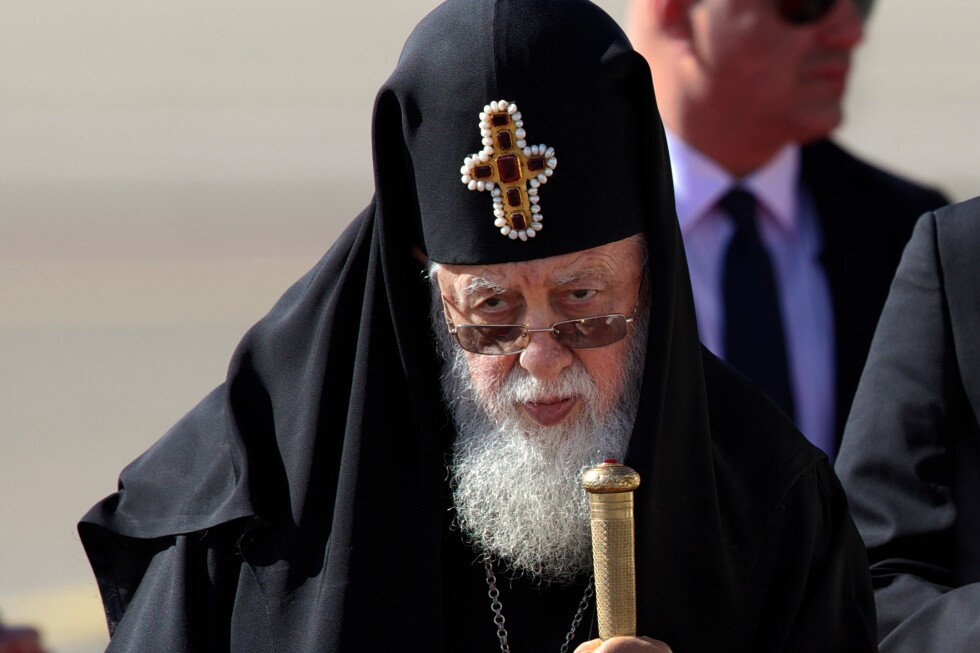
The nation of Georgia enters a period of profound mourning following the passing of Patriarch Ilia II, the revered head of the Georgian Orthodox Church, who died Tuesday evening at age 93. His death marks the conclusion of a transformative spiritual leadership spanning nearly half a century.
The Patriarch’s health had deteriorated significantly, leading to his hospitalization in critical condition due to internal bleeding. The medical complications ultimately proved fatal, leaving a spiritual void in one of Eastern Orthodoxy’s most significant sees.
Shio Mujiri, who has assumed temporary leadership of the church during this transitional period, characterized the loss as monumental. “He was an epochal figure; it is a tremendous loss for the entire Orthodox Church,” Mujiri stated, reflecting the sentiment shared by millions of faithful across Georgia and the Orthodox world.
Patriarch Ilia II’s tenure represented one of modern Christianity’s most remarkable leadership arcs. Ascending to the patriarchal throne in 1977 during Soviet rule, he guided the church through decades of religious suppression under communist ideology. His steadfast leadership provided spiritual continuity as Georgia transitioned from Soviet republic to independent nation in 1991, maintaining the church’s central role in national identity throughout profound political transformations.
Church authorities have announced that the process to elect a new patriarch will commence promptly, with a successor to be chosen within the canonical timeframe of two months. This transition occurs amid concerns about potential power struggles within the church hierarchy and questions about whether any successor can match Ilia II’s unique combination of spiritual authority and national influence.