标签: Europe

欧洲

  • Eurovision is almost here! But how much do you know about Europe’s biggest pop spectacular?

    Eurovision is almost here! But how much do you know about Europe’s biggest pop spectacular?

    As the highly anticipated Eurovision Song Contest grand final rapidly approaches, fans across the globe are gearing up for one of the biggest cultural events in the international entertainment calendar. For those looking to get into the competitive spirit before the live show kicks off, a fun new challenge has emerged: put your Eurovision expertise to the test, and aim to walk away with a strong score – rather than the competition’s most infamous blank result, nul points.

    For more than six decades, the Eurovision Song Contest has brought together musical acts from across Europe and beyond, captivating millions of viewers with its unique blend of catchy pop music, over-the-top stage productions, and cross-cultural celebration. Each year, the event builds for weeks of semi-finals before culminating in the iconic grand final, where 26 finalists compete for the coveted winner’s trophy, with viewers and professional juries from each participating country casting their votes to crown a champion.

    Among the most recognizable phrases to come out of the contest is “nul points”, the French term for “zero points” that was historically announced when a country failed to earn any votes from other participants. Finishing with nul points is seen as the ultimate disappointment for competing acts, and has become a beloved part of Eurovision folklore among fans.

    Now, ahead of this year’s final, the challenge invites fans to test their own knowledge of Eurovision history, iconic entries, past winners, and quirky contest facts to see if they can score high and avoid the humiliation of a nul points result on their own quiz. Whether you are a long-time superfan who has watched every contest for decades, or a first-time viewer tuning in for this year’s show, the quiz offers a lighthearted way to build excitement in the final hours before the grand final gets underway.

  • Prisoner swap goes ahead as Kyiv mourns 24 killed in Russian strike on flats

    Prisoner swap goes ahead as Kyiv mourns 24 killed in Russian strike on flats

    On Friday, as the Kyiv city government declared a day of mourning for 24 civilians killed in a devastating Russian missile strike, Russia and Ukraine carried out the first phase of a planned large-scale prisoner of war exchange, freeing 205 captives from each side. This dual development underscores the stark contradiction that continues to define the 2022 full-scale invasion: fleeting diplomatic progress toward de-escalation is consistently overshadowed by mounting civilian casualties and escalating military hostilities.

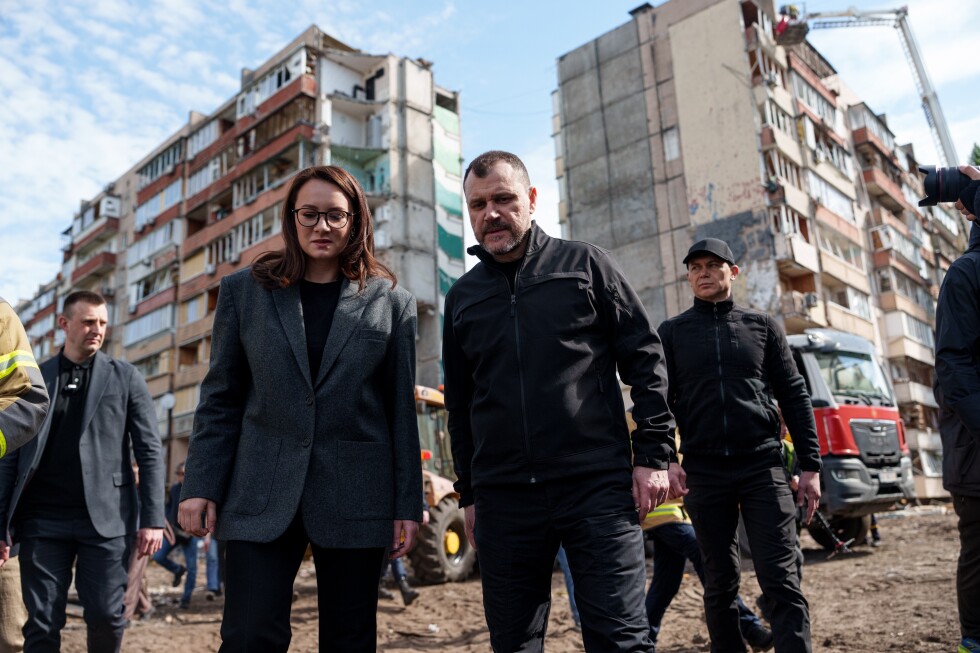
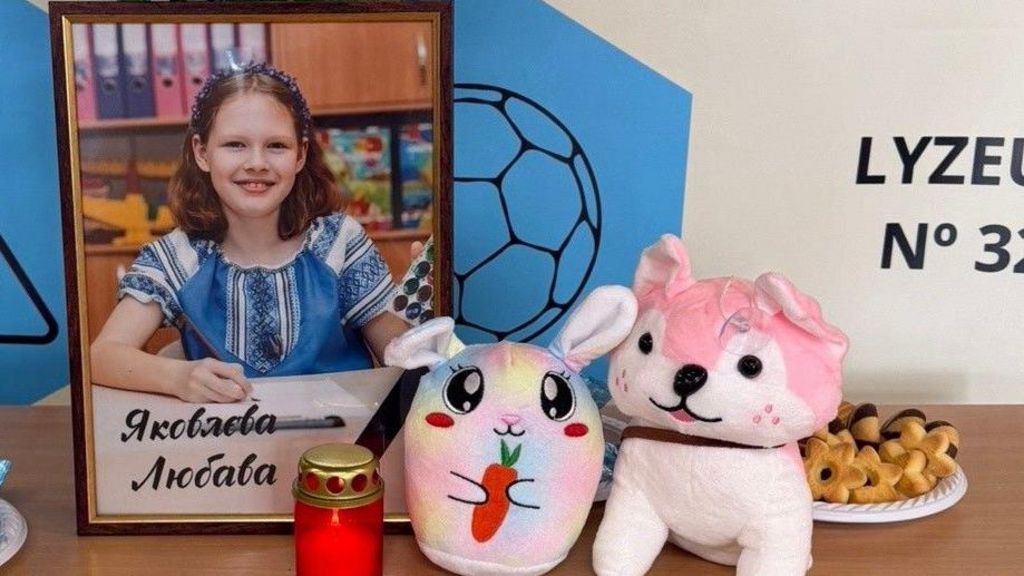
    Hours before the POW transfer, Ukrainian rescue workers concluded a 28-hour search operation through the rubble of a nine-story residential apartment block in Kyiv’s southeastern Darnytskyi district, which was reduced to ruin by a Russian X-101 cruise missile attack launched Thursday. The strike completely destroyed 18 apartments and killed 24 people, among them three teenage girls – 12-year-old Lyubava Yakovleva, whose father had already been killed earlier in the war, and two 15-year-old girls. Lyubava’s older sister was initially reported missing before her death was confirmed, adding another layer of grief to the tragedy. Other fatalities included two postal workers, a kindergarten teacher, an English language instructor, and a former professional hockey player.

    First responders and civilian volunteers, including 18-year-old Ivan who rushed to the site with his father, described chaotic scenes of smoke and fire as they pulled survivors from the debris. Ukrainian Prime Minister Yulia Svyrydenko confirmed that 30 people were rescued from the rubble. A day of mourning was held across Kyiv on Friday, and President Volodymyr Zelensky joined crowds of mourners laying flowers at the site of the destroyed building. Zelensky emphasized that the missile used in the attack had been manufactured in recent weeks, arguing that this proves Russia continues to evade international sanctions to import critical components for weapons production. “Russia deliberately destroys lives and hopes to remain unpunished,” Zelensky said, calling for increased international pressure on Moscow.

    Parallel to the mourning in Kyiv, Russian officials reported that a Ukrainian drone attack on the city of Ryazan, located southeast of Moscow, killed four people including one child and injured 28 more. Governor Pavel Malkov said debris from downed drones damaged two residential apartment blocks, while a Ukrainian drone commander confirmed that the attack targeted Ryazan’s major oil refinery, one of the largest energy facilities in central Russia.

    The POW exchange completed Friday marks the opening phase of a broader agreement to swap 1,000 prisoners from each side of the conflict, brokered jointly by the United States and the United Arab Emirates. Zelensky confirmed that most of the 205 released Ukrainian prisoners had been in Russian captivity since the early months of the full-scale invasion in 2022. Among those freed were fighters who defended the besieged port city of Mariupol, troops who held the Chornobyl nuclear plant in the opening weeks of the war, and service members from contested border regions. Russia’s defense ministry stated that the 205 released Russian prisoners have been transferred to Belarus for medical and psychological assessment.

    The exchange was negotiated as part of a three-day ceasefire agreement between the two warring parties, which ran from May 9 to May 11, coinciding with Russia’s annual Victory Day holiday. The truce was marred by repeated violations from both sides from its start, and collapsed entirely earlier this week when Russian forces launched one of the largest combined drone and missile offensives of the entire war. Ukrainian defense officials reported that between May 13 and 14 alone, Russia launched 1,410 drones and 56 missiles targeting civilian and infrastructure sites across the country.

    Despite Russian President Vladimir Putin’s recent comment that the war is “heading to an end,” no peace negotiations have been held between the two sides since February, and there is no visible indication of upcoming diplomatic progress. Ukrainian officials and political analysts have suggested the timing of the recent Russian escalation is intentional: it coincided with a planned visit by U.S. President Donald Trump to Beijing for talks with Chinese President Xi Jinping, and Zelensky accused Moscow of seeking to “disrupt the overall political atmosphere” ahead of the high-level meeting. The Kremlin has since announced that Putin will travel to China to meet with Xi “really soon” following Trump’s Beijing visit, with talks set to cover bilateral relations and pressing global issues.

  • Boy, 15, shot dead in France as prosecutors blame drug war

    Boy, 15, shot dead in France as prosecutors blame drug war

    A quiet riverside neighborhood in western France’s Nantes has been plunged into grief and outrage after a brazen, drug-linked shooting that left one 15-year-old boy dead and two other teenagers critically injured, marking the second fatal attack in the same area within just 30 days.

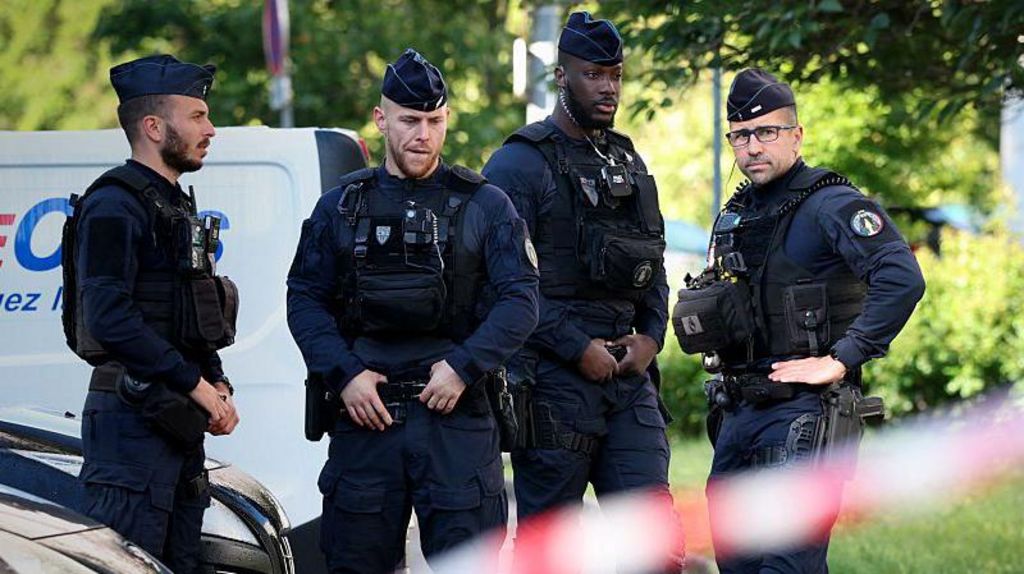
    French prosecutors confirmed that the violence unfolded when assailants opened fire on three young males. Antoine Leroy, Nantes’ chief prosecutor, told reporters the attack bore all the markers of a targeted settling of scores tied to local illegal drug activity. According to Interior Minister Laurent Nuñez, the attackers wore balaclavas to conceal their identities and carried out the assault with automatic weapons, marking a dramatic escalation in brutality compared to the previous month’s shooting.

    Of the three victims, the 15-year-old boy succumbed to his injuries at the scene. A 13-year-old boy remains in critical, life-threatening condition in hospital, while a third teenage boy was also wounded in the attack. The claim of drug involvement has been fiercely contested by the family of the deceased 15-year-old, who lived in Port-Boyer, a working-class district of Nantes where the shooting took place.

    Paola, the boy’s aunt, rejected prosecutors’ assessment outright in comments to reporters, insisting her nephew “was not a criminal.” “He was just in the wrong place at the wrong time,” she said. “He wasn’t involved in any of that; he had simply come to visit a friend.”

    As local residents gathered behind a police cordon cordoning off the crime scene, the anguish of the community was palpable. The wailing of one victim’s mother could be heard from her car parked nearby. The neighborhood sits along the banks of the Erdre River, lined with mid-century high-rise apartment blocks that have in recent years become a hub for open drug trafficking.

    Stella, 35, a local resident whose own son was at the scene and whose nephew was wounded, described the incident as a waking nightmare. “The boys were on their way to their grandmother’s house,” she explained. “I was home when it happened. A police officer called me to bring my son back and tell me my nephew was injured. I feel like I’m in a nightmare and I’m angry because I almost lost my son.”

    Another 18-year-old local resident, Angeline, recalled the chaotic moments immediately after the shooting: she heard two volleys of roughly 10 gunshots each, before spotting several hooded figures dressed all in black fleeing across a grassy area nearby.

    Nantes Mayor Johanna Rolland has publicly condemned the attack, calling out the drug trafficking networks that she says are “plaguing the country” and tearing apart vulnerable local communities. She stressed that the neighborhood was already reeling from the trauma of the previous fatal shooting that took place at the end of last month, which also killed one man and left another seriously injured. That attack, also linked to the local drug trade, was carried out with a pistol before the gunman escaped.

    Rolland has called on national law enforcement to deploy all available resources to track down and arrest the attackers behind the latest shooting. The incident comes amid a growing national crisis over drug-related youth violence across France: official data from the French Ministry of Justice shows that the number of teenagers involved in illegal drug trade has increased more than fourfold over the past eight years. In 2025, a number of major French cities implemented overnight curfews for minors in an attempt to curb the rising tide of violence tied to drug trafficking.

  • Why is Ireland not taking part in this year’s Eurovision?

    Why is Ireland not taking part in this year’s Eurovision?

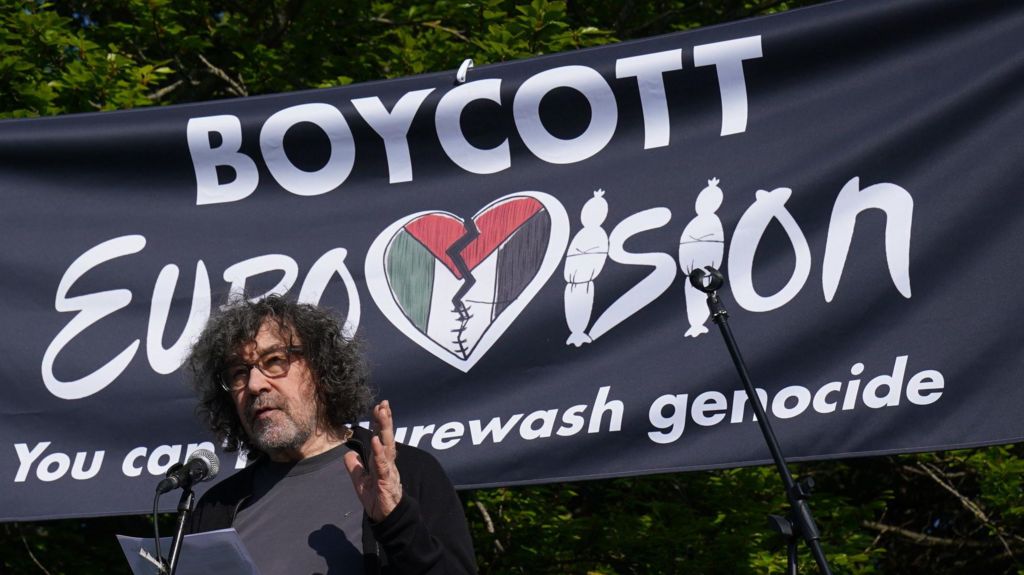
    For decades, Ireland has stood as one of the most decorated competitors in the Eurovision Song Contest, sharing the record for the most tournament wins with neighboring Sweden and producing some of the competition’s most iconic moments from the 1980s through its dominant run in the early 1990s. In most years, the Irish public and national broadcaster RTÉ would join millions of viewers across the continent in counting down to the annual grand final. But 2025 marks a historic break from that tradition: Ireland is one of five European nations – joining Iceland, the Netherlands, Slovenia and Spain – that have withdrawn from the contest in protest of the European Broadcasting Union’s (EBU) decision to allow Israel to compete amid its ongoing military campaign in Gaza.

    With no Irish entrant selected for this year’s competition hosted in Austria, RTÉ has opted to replace its traditional live grand final broadcast with a popular 1996 Eurovision-themed episode of the classic Irish sitcom *Father Ted*, a scheduling choice that has only amplified the fierce national debate around the boycott.

    Controversy around Israel’s Eurovision participation has simmered since the country launched its Gaza offensive in October 2023, following a deadly attack by Hamas that Israeli authorities say killed roughly 1,200 people and took 251 hostages. The Hamas-run Ministry of Health in Gaza reports that Israeli military operations have killed more than 72,600 people in the territory to date, triggering widespread humanitarian catastrophe. In both the 2024 and 2025 contests, anti-Israel protests have been a consistent presence, and Israeli participants have required armed security for their appearances. Last year’s competition erupted in additional scandal after Israel’s entry unexpectedly finished first in the public vote, with multiple nations alleging that Israeli Prime Minister Benjamin Netanyahu’s government orchestrated a coordinated social media campaign to drive up votes for the entry. The EBU revised its voting and promotional rules in response to the outcry, but the reforms were not enough to prevent the 2025 boycott.

    Shortly before this year’s contest, the EBU issued a formal warning to Israeli public broadcaster Kan after Israeli entrant Noam Bettan released social media videos urging fans to vote for Israel 10 times each. Bettan has said he was caught off guard by protests that interrupted his semi-final performance earlier this month.

    In its official statement announcing the boycott, RTÉ argued that sending an Irish competitor and broadcasting the 2025 contest would be unconscionable given the massive loss of civilian life and unfolding humanitarian catastrophe in Gaza. The broadcaster also highlighted its deep concern over the targeted killing of journalists in Gaza and the ongoing Israeli ban on international media access to the enclave. Irish Taoiseach (Prime Minister) Micheál Martin framed the withdrawal as an act of solidarity with journalists killed in violation of international humanitarian law during the conflict.

    But the decision has drawn sharp criticism from across the political and social spectrum in Ireland. Alan Shatter, a former Irish government minister and member of Ireland’s Jewish community, has accused RTÉ of moral bankruptcy, claiming the broadcaster acted solely to appease domestic political pressure. The controversy extended even to the replacement programming: Graham Linehan, co-creator of *Father Ted* and a prominent public supporter of Israel, issued a scathing rebuke of RTÉ’s choice to air the sitcom’s Eurovision episode during the grand final time slot. In a social media petition, Linehan called for the resignation of RTÉ Director General Kevin Bakhurst and labeled the broadcaster’s stance antisemitic. RTÉ has declined to issue a formal response to Linehan’s comments.

    The Eurovision boycott is only the latest high-profile step in what has become one of Europe’s most unequivocally pro-Palestine national positions. In 2024, the Irish government formally recognized a Palestinian state, and it joined South Africa’s genocide case against Israel at the International Court of Justice (ICJ). Last December, Israel announced it would close its embassy in Dublin, citing what it called the Irish government’s extreme anti-Israel policies. Israeli Foreign Minister Gideon Sa’ar has even labeled Dublin “the capital of antisemitism.” A separate controversy unfolded last year over a local proposal to rename south Dublin’s Herzog Park, named for former Israeli president Chaim Herzog, who was born in Belfast and raised in Dublin; Martin called the proposal overtly divisive and wrong.

    Public opinion on the boycott is deeply split across Ireland. Young people and visitors surveyed on the streets of Dublin overwhelmingly expressed support for the move. Two visitors from Manchester, Celine Flanagan and Niamh Worthington, said the United Kingdom should follow Ireland’s lead, arguing that participation in the contest amounts to tacit acceptance of Israel’s military actions. Two local students, Neha Anna Joseph and Nidhy Anna Abraham, said they supported the boycott even as they missed watching the contest amid their exam schedule, with Neha calling the move “great.” Brazilian visitors Aline Capucho and Augusto Neto also backed the boycott, saying nations linked to human rights crises should not be allowed to participate in the pan-European cultural event.

    For Ireland’s small Jewish community, estimated at around 2,500 people, the boycott has sparked feelings of marginalization and anxiety. Oliver Sears, a 40-year resident of Ireland and founder of Holocaust Awareness Ireland, said he has long opposed cultural boycotts of Israel, arguing that the move amounts to collective punishment that will not save a single Palestinian life. “We have no power and we don’t really count in retail politics and don’t really count at all. That very much feeds into how we are feeling as a community, we feel dismissed, our concerns disbelieved and it’s been horribly isolating,” Sears told reporters. He added that Jewish residents in Ireland have faced a sharp rise in antisemitic language and incidents, fueled by widespread public confusion around Jewish identity, antisemitism and Zionism. “Those three words, Jews, antisemitism and Zionism have all been weaponized and distorted,” he said.

    Israeli broadcaster Kan has characterized the boycott as an attack on creative freedom, describing the mass withdrawal as a cultural boycott that harms freedom of creation and freedom of expression.

    Looking ahead, the controversy is set to spill over into Irish sports this fall, when the Republic of Ireland is scheduled to face Israel in UEFA Nations League matches. A group of Irish pro-Palestine activists, sports figures and musicians including former Irish national football manager Brian Kerr has published an open letter calling on the Football Association of Ireland (FAI) to boycott the fixtures. The FAI has confirmed it will go forward with the scheduled matches as planned.

  • UK government faces weeks of uncertainty over the prime minister’s future

    UK government faces weeks of uncertainty over the prime minister’s future

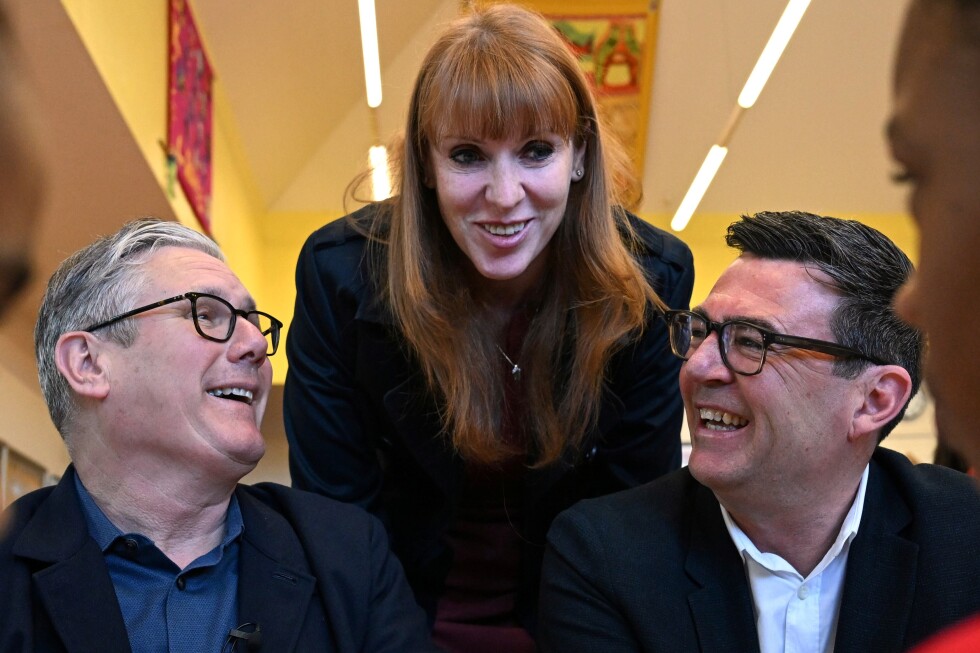
    LONDON – The United Kingdom has entered a period of prolonged political uncertainty, as embattled Prime Minister Keir Starmer confronts an open, high-stakes leadership challenge that has shaken the governing Labour Party just months after the party took power. The challenge is being led by Andy Burnham, the widely popular Greater Manchester mayor, who has laid out his intention to contest the top job but faces a critical barrier: he cannot formally launch his leadership bid until he secures a seat in the UK Parliament.

    Burnham’s path back to Westminster is anything but guaranteed. A Labour lawmaker from Northern England, Josh Simons, stepped down from his Makerfield constituency seat on Thursday specifically to clear a path for Burnham’s return. But the upcoming by-election will test Burnham’s political strength: the anti-immigrant Reform UK party delivered unexpectedly strong performances in last week’s local elections across the country, and the party is expected to mount a fierce campaign to seize the Makerfield seat.

    In a statement confirming his plan to run in the by-election, Burnham acknowledged the uphill battle ahead. “I truly do not take a single vote for granted and will work hard to regain the trust of people in the Makerfield constituency, many of whom have long supported our party but lost faith in recent times,” he said.

    The brewing leadership crisis has already sent ripples through global financial markets. On Friday, British government borrowing costs jumped, and the pound sterling weakened against the U.S. dollar, as investors reacted to fears of sustained political gridlock at the core of the UK government. For the week, the pound has fallen 1.4% against the greenback, marking one of its worst weekly performances this year.

    What began as weeks of behind-the-scenes speculation about Starmer’s future erupted into open rebellion within the Labour Party on Thursday. After Starmer led the party to disastrous results in last week’s local elections – losing right-leaning votes to Reform UK and left-leaning support to the Green Party – pressure for his resignation reached a breaking point. Burnham publicly confirmed his intention to seek the party leadership, and two other senior Labour figures have also begun positioning their own potential bids.

    The crisis deepened Thursday when Wes Streeting, the UK’s Health Secretary, became the first sitting Cabinet minister to resign in protest of Starmer’s leadership. In a scathing resignation letter, Streeting praised Starmer’s work on international affairs but said he had lost confidence in his ability to lead on domestic policy. “Where we need vision, we have a vacuum. Where we need direction, we have drift,” Streeting wrote. He added that Starmer’s heavy-handed crackdown on internal dissent had weakened the party, and that the prime minister had too often forced junior lawmakers to take blame for policy missteps instead of accepting responsibility himself. Streeting stopped short of declaring his own candidacy, instead calling on Starmer to step aside to allow a full, open contest for the leadership.

    Senior party moderates have now issued urgent calls to halt the leadership challenge, warning a divisive contest will derail the government’s policy agenda and hand a major political advantage to Reform UK. Housing Secretary Steve Reed, a close ally of Starmer, urged party members to pause the push for a leadership vote during an interview with the BBC on Friday. He argued that a drawn-out contest would prevent the government from addressing urgent national issues, most notably the ongoing cost of living crisis that remains the top concern for British voters.

    “This weekend people just need to take a breath, look at what’s gone wrong this week, and come back next week ready to do what we said we’d do — country first, party second — and focus on delivering the change we were elected to deliver,” Reed said.

    His appeal comes after a full week of relentless political jockeying that overshadowed all other government business in Westminster. Dozens of backbench Labour lawmakers have already publicly called for Starmer to step down, leaving the prime minister fighting to hold onto his position as the country faces economic uncertainty and growing political fragmentation across the ideological spectrum.

  • Claudine Longet, singer and actor at center of a notorious manslaughter trial, dies at 84

    Claudine Longet, singer and actor at center of a notorious manslaughter trial, dies at 84

    Claudine Longet, the Paris-born singer and actor whose life and career became intertwined with one of the most sensational public trials of the 20th century, has passed away at the age of 84. Her death was first announced Thursday in a heartfelt social media tribute from her nephew, Bryan Longet, who remembered her as a lasting personal inspiration, calling her “another star in the sky” when sharing the news. When contacted by The Associated Press via phone, Bryan Longet confirmed the death but declined to share any details about the cause of her passing.

    Longet began her performance career as a child performer in her native France before building a public profile in Hollywood and the American entertainment industry. Over the course of her career, she guest-starred on dozens of popular television series, released multiple studio albums including the charted hit LP *Claudine*, and earned widespread recognition for her bossa nova ballad “Nothing to Lose”—a standout track from the 1968 comedy film *The Party*, where she starred opposite legendary actor Peter Sellers.

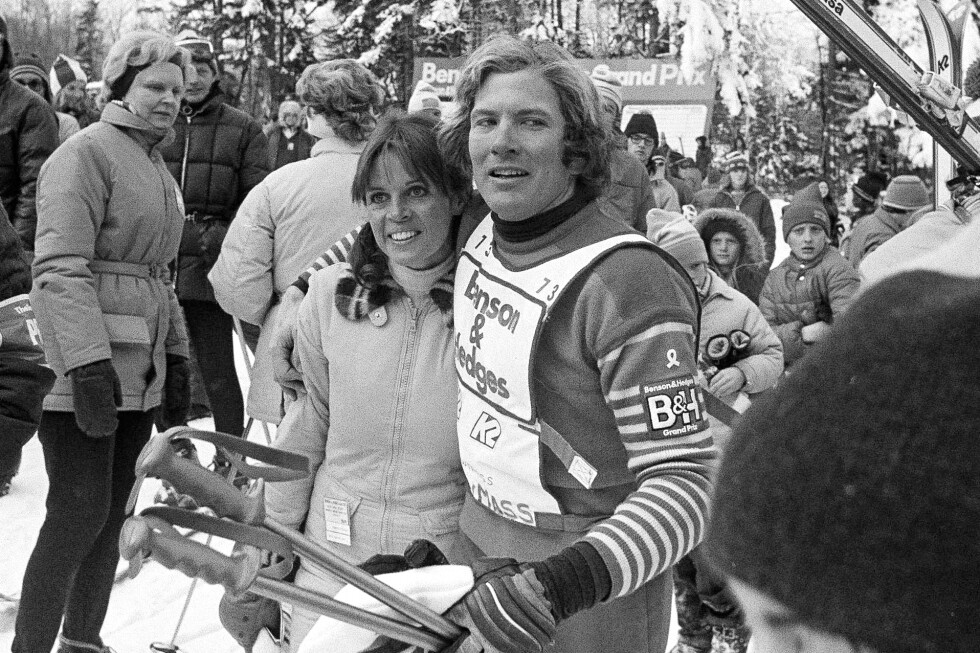
    In the early 1960s, Longet met iconic American singer Andy Williams while performing as a dancer in a Las Vegas stage revue. The pair married and raised three children together before divorcing in the mid-1970s. Following her split from Williams, Longet relocated to a community near Aspen, Colorado, where she began a relationship with Vladimir “Spider” Sabich, a celebrated American alpine skier who had competed for the United States at the 1968 Winter Olympic Games.

    It was in that Aspen home that the event that would define Longet’s public legacy unfolded on March 21, 1976. Longet fatally shot Sabich, 31, in the abdomen with a vintage Luger pistol; she maintained from the beginning that Sabich had been showing her the weapon when the shot fired accidentally, and she accompanied Sabich in the ambulance to the local hospital as he received emergency care.

    The subsequent trial held in Aspen drew intense global media attention, turning a local criminal case into a worldwide tabloid sensation. Notably, Longet’s ex-husband Andy Williams stood by her throughout the proceedings: he escorted her to and from the courthouse every day, covered all her legal expenses, and publicly maintained his belief that the case against her was unjust and the shooting was an accidental tragedy, a position he reaffirmed in a 2009 interview with *CBS This Morning*.

    Longet was originally charged with reckless manslaughter, but a major procedural error by law enforcement—collecting a blood sample from Longet without a required search warrant—weakened the prosecution’s case. After four days of deliberation in January 1977, the jury found Longet guilty on the lesser charge of negligent homicide. Her sentence included two years of probation, a $250 fine, and a 30-day jail term that she was allowed to serve on a flexible schedule of her choosing.

    Despite the relatively lenient sentence, the trial and its surrounding media frenzy effectively ended Longet’s entertainment career. For years after the verdict, she became a target of public mockery in mainstream American pop culture: she was parodied in a sketch on *Saturday Night Live*, and the Rolling Stones even recorded an unreleased taunting track titled *Claudine* with the refrain “Claudine’s back in jail again.”

    After the trial, Longet married her lead defense attorney Ron Austin and remained a private resident of Aspen for the rest of her life. In 1977, Sabich’s family filed a $1.3 million wrongful death civil suit against Longet; the two parties reached an out-of-court settlement that included a permanent gag order, barring Longet from ever publicly discussing the 1976 shooting or the subsequent trial.

  • Death toll in attack on Kyiv apartment building now stands at 24

    Death toll in attack on Kyiv apartment building now stands at 24

    In a sharp escalation of hostilities that derails recent optimistic rhetoric of an impending end to the Russia-Ukraine war, Moscow has launched one of its largest aerial barrages since the full-scale invasion began, killing 24 civilians in a Kyiv apartment building strike and triggering reciprocal deadly drone attacks across Russian territory.

    Ukrainian President Volodymyr Zelenskyy confirmed the civilian death toll from Thursday’s cruise missile strike on a nine-story residential corner block in Kyiv on Friday, noting that three of the victims were teenagers. Two children were among the 48 people wounded in the attack, which came as part of Russia’s multi-day wave of large-scale assaults. After more than 24 hours of exhaustive search and rescue operations, emergency crews completed clearing the rubble of the destroyed building, according to an update Zelenskyy posted to the social platform X.

    The latest Russian offensive follows a three-day ceasefire initiative announced by former U.S. President Donald Trump, who claimed he had secured agreement from both Zelenskyy and Russian President Vladimir Putin to observe a halt to fighting between May 9 and 11. While active fighting did scale back during that 72-hour window, hostilities never fully paused. Within days of the ceasefire’s end, Russia renewed large-scale aerial attacks across Ukraine, contradicting recent public statements from both Trump and Putin that the nearly five-year-old war was moving toward a negotiated conclusion.

    Zelenskyy reported that between Wednesday and the end of Thursday, Russia had launched more than 1,560 drones targeting Ukrainian populated areas, with strikes damaging roughly 180 sites nationwide — more than 50 of which were civilian residential buildings. This barrage surpasses the previous record for the largest single Russian drone attack, which saw nearly 1,000 missiles and drones fired against Ukraine between March 23 and 24 this year. The missile that destroyed the Kyiv apartment block was manufactured in the second quarter of 2025, Zelenskyy added, citing preliminary analysis of missile wreckage by Ukrainian weapons experts. This new production, he emphasized, proves Russia continues to bypass international sanctions to import critical components, raw materials and manufacturing equipment for its weapons programs. “Stopping Russia’s sanctions evasion schemes must be a genuine priority for all our partners,” Zelenskyy wrote in a separate X post Thursday night.

    Kyiv declared an official day of mourning on Friday for the victims of the apartment strike, and Zelenskyy visited the blast site to meet with first responders and surviving residents.

    The escalation has not been one-sided: Ukraine has significantly expanded its long-range strike capabilities in recent months, and overnight Friday Russia’s Ministry of Defense announced its air defense systems had intercepted 355 Ukrainian drones in a single night — marking one of the largest single drone attacks launched by Kyiv since the start of the full-scale invasion. The attack forced temporary flight suspensions at multiple Russian airports, and a Ukrainian drone strike on the city of Ryazan, located roughly 60 miles southeast of Moscow, left four people dead including one child, according to Ryazan Governor Pavel Malkov. The strike ignited a large fire at a local oil refinery that sent thick plumes of black smoke billowing into the air, consistent with Ukraine’s recent strategy of targeting Russian energy infrastructure to cut off critical export revenue that funds Moscow’s war effort and increase domestic pressure on the Kremlin. Ukrainian officials have not issued any immediate public comment on the Ryazan strike.

    Amid the spiraling violence, a rare diplomatic breakthrough brought a measure of positive development Friday: both countries confirmed a large prisoner of war exchange brokered with the assistance of the United Arab Emirates. A total of 205 prisoners from each side returned to their home countries Friday, in what Zelenskyy described as the first phase of a planned 1,000-for-1,000 swap. Many of the released Ukrainian prisoners had been held in Russian captivity since 2022, having fought in some of the war’s bloodiest and most protracted battles. Russia’s Defense Ministry officially confirmed the exchange and publicly thanked the UAE for its mediation work.

    This reporting is part of ongoing comprehensive coverage of the Russia-Ukraine war from the Associated Press, with additional contributions from correspondent Lorne Hatton reporting out of Lisbon, Portugal.

  • Animal welfare group finds systemic neglect at public dog shelters in Romania

    Animal welfare group finds systemic neglect at public dog shelters in Romania

    Across a network of publicly funded stray dog shelters scattered across Romania, an undercover investigation has pulled back the curtain on widespread abuse, neglect, and systemic failure that has left tens of thousands of animals suffering in life-threatening conditions. The probe, conducted between January 8 and 18 by Four Paws — the global animal welfare organization also known by its original name Vier Pfoten — sent hidden-camera investigators to nine shelters in different regions of the country, uncovering grim conditions that leaders of the investigation describe as a national crisis.

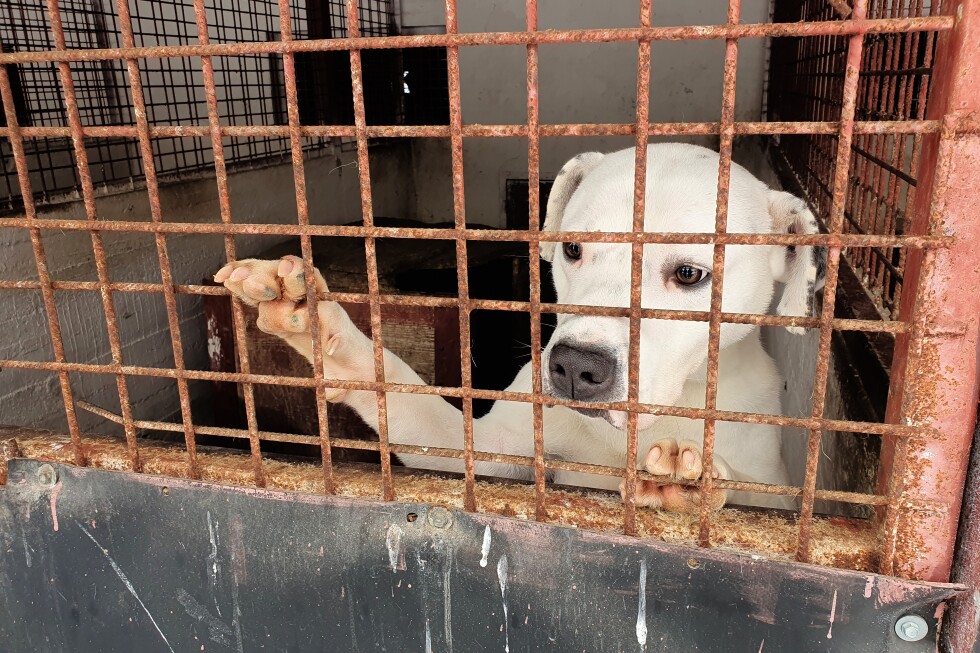
    Graphic footage captured inside one eastern Romanian compound shows a confined space enclosed by steel mesh: one dog struggles to lick ice from a frozen metal water bucket, while another chews apathetically on dried feces scattered across the unforgiving hard packed ground. Across all nine sites, investigators documented overcrowded kennels, dogs with untreated open festering wounds, and packs left exposed to subzero winter temperatures without insulation or heating. The report’s findings detail enclosures constantly caked in waste, overcrowding that sparks violent aggression and inter-dog fighting, and such extreme chronic stress that one dog was observed self-mutilating by biting off sections of its own tail.

    Even at one of the highest-quality facilities visited, a public shelter in western Romania’s Arad County, investigators found only cold concrete floors, no heated bedding, and no enrichment or toys for the hundreds of dogs held there. The organization did note that frontline staff at the facility worked diligently to improve outcomes and boost adoption rates, despite the systemic shortcomings that left them without resources to meet even basic animal welfare standards.

    Romania is home to an estimated 500,000 stray dogs, one of the largest unhoused canine populations in the entire European Union. Public and private shelters across the country hold thousands of these strays, where animals wait for potential adoption — or, in many cases, legal euthanasia. Four Paws’ investigation, however, found that most public shelters act as little more than holding facilities where dogs are confined to wait for death, with no access to the minimum standards of care required by international norms.

    Manuela Rowlings, a stray animal specialist with Four Paws, told the Associated Press that the problematic conditions uncovered are not isolated incidents of mismanagement, but the result of broken national policy that demands full systemic reform. “Public shelters are horrible places in Romania,” Rowlings said. “It’s simply places where dogs are locked up and where they wait to die, and they do not even receive the minimum care or minimum standards.”

    Beyond poor living conditions, the report also criticized most participating shelters for actively blocking adoption efforts, and freedom of information requests submitted by the organization revealed profound a lack of transparency around public funding, stray intake numbers, and official euthanasia statistics. To illustrate the scale of unreported mortality, Four Paws shared data from a northeastern Galati County shelter: of 644 strays admitted in 2024, only 134 were adopted, 28 were legally euthanized, and 412 died from what are listed as “other causes” — largely neglect and untreated illness.

    Worryingly, current Romanian law does not criminalize the poor conditions documented in the investigation, leaving activists with little recourse to hold facility operators accountable. “There is nothing that can be reported to the authorities, because it is not illegal to keep dogs in very, very poor conditions in the shelters,” Rowlings explained.

    The roots of Romania’s stray dog crisis stretch back more than a decade. In 2013, after a four-year-old boy was killed by a pack of strays in the capital city of Bucharest, national lawmakers passed a sweeping law that ordered mass roundups of stray dogs, requiring that any unadopted animal be euthanized 14 days after being taken into custody. But animal welfare advocates have long argued that targeted mass neutering is the only sustainable long-term solution to reduce the stray population humanely.

    So far, large-scale sterilization programs have failed to gain traction nationwide, and some insiders say that is no accident. Hilde Tudora, Director of Animal Protection at Ilfov County Council, told AP that the stray dog industry has become a profitable enterprise for private operators funded by public money, giving stakeholders an incentive to keep the population high rather than solving the crisis.

    “Private companies have swelled up with public money, and then it turned into a business,” Tudora said. “There must be dogs, because if you castrate en masse, there’s no more merchandise … No one really wants to solve the problem.”

    Recent legislative efforts aim to upend this status quo. A bill introduced to parliament in November 2024 would formally recognize animals as “living beings with rights and freedoms” and shift national policy away from mass euthanasia toward expanded sterilization and mandatory microchipping. Andrei Baciu, a National Liberal Party parliamentarian backing the bill, noted that Romania has spent more than 1.3 billion euros ($1.5 billion) on stray dog euthanasia over the past three decades. He pointed out that a single unsterilized pair of dogs can produce more than 67,000 puppies in just six years; capturing and euthanizing that entire resulting litter would cost roughly 13.4 million euros, a sum that could instead fund sterilization for more than 268,000 adult dogs.

    As of Tuesday, Romania’s National Sanitary Veterinary and Food Safety Authority, the government body that oversees animal welfare and shelter regulation, had not responded to AP requests for comment on the investigation’s findings.

  • How Eurovision pioneered transnational broadcasting

    How Eurovision pioneered transnational broadcasting

    As millions of music fans across the globe make their final preparations for the 2026 iteration of the Eurovision Song Contest, a brand new exhibition in the United Kingdom is pulling back the curtain on the seven-decade history of technical breakthroughs that transformed this iconic singing competition from a risky broadcast experiment into one of the world’s most watched live annual events.

    The very first Eurovision, held back in 1956 at Switzerland’s Teatro Kursaal in Lugano, was far from a simple production. In an era long before high-speed digital communications, engineers faced the unprecedented challenge of transmitting live video footage across Western Europe, navigating rugged mountain terrain, crossing multiple national borders, and working around incompatible domestic broadcasting systems using nothing more than microwave relay towers and early terrestrial transmission links.

    “It really was groundbreaking, because it was a really early example of a live simultaneous broadcast across Europe,” explained Sarah Rawlins, public programme developer at Bradford’s National Science and Media Museum and curator of the new exhibition. “Everyone in France and West Germany, Italy, they were all watching the same thing at the same time. When you think that was happening in 1956, that is actually remarkable that they had the technology to pull that off.”

    The foundational work for this cross-continental broadcast had already been laid years earlier, when the 1953 coronation of Queen Elizabeth II was transmitted across multiple European countries, Rawlins noted. That successful large-scale experiment proved both that there was widespread public appetite for shared pan-European television content and that transnational live broadcasting was technically achievable, clearing the way for the launch of Eurovision.

    Over the 70 years since that first contest, Eurovision has expanded dramatically from its original lineup of just 7 competing nations to the 35 countries that take part today. Alongside this growth, broadcast technology for the event has evolved continuously, adapting to rising global audience demand through shifts from early microwave transmission to satellite broadcasting, and more recently to high-speed digital fibre optic connections. That evolution has cemented Eurovision’s status as one of the world’s largest live broadcast events, with the 2025 contest drawing a global audience of more than 166 million viewers.

    The exhibition, titled *Setting the Stage: 70 Years of the Eurovision Song Contest*, traces this steady technological evolution step by step. Visitors can explore everything from the first satellite-broadcast contest in 1969 to behind-the-scenes time-lapse footage showing the rapid construction of the 2021 contest stage at Rotterdam Ahoy Arena in the Netherlands. The display also highlights Eurovision’s long history of driving industry-wide broadcast innovation: the contest hosted the first widespread color television broadcasts for a pan-European audience, launched the global career of iconic pop group ABBA with its 1974 competition, and pioneered the large-scale public televoting systems that remain a core part of the event today. That 1997 televoting trial also cemented one of Eurovision’s most iconic cultural phrases: “nul points.”

    While the exhibition’s central focus is the engineering and technology behind Eurovision’s global broadcast, it also dedicates space to the passionate global fan community that has sustained the competition for seven decades. “When you are talking about why it has been going for 70 years, a lot of it is down to the fans,” Rawlins said. “A lot of the time when we speak to fans, they talk a lot about their love of the competition, but also how it brings them together. I have spoken to a lot of people who have essentially made friends for life, and the community around Eurovision is a really big part of what they enjoy.”

    *Setting the Stage: 70 Years of the Eurovision Song Contest* will run at the National Science and Media Museum in Bradford until February 2027. Visitors can access additional related content on BBC Sounds and the BBC’s Look North regional news programme.

  • Finland’s hotly tipped Eurovision performance features flames, a valuable violin and a safety plan

    Finland’s hotly tipped Eurovision performance features flames, a valuable violin and a safety plan

    VIENNA — For every act competing at the Eurovision Song Contest, only 180 seconds stand between a relative unknown and global stardom. When 25 acts take the grand final stage in rapid succession on Saturday night, competitors need to pull out every creative trick — both musically and visually — to etch their performance into the memory of millions of watching viewers. This year, one of the clearest pre-contest favorites embodies this high-stakes approach: Finnish duo Pete Parkkonen, a chart-topping pop vocalist, and Linda Lampenius, a world-renowned classical violinist, have built a buzzy, ambitious entry that pairs genre-bending music with pyrotechnics, a priceless 18th-century instrument, and a secret team of backstage “ninjas” tasked with preventing disaster.

    The pair’s competing entry, *Liekinheitin* (translated as “Flamethrower”), has climbed to the top of fan polls and betting odds alike, winning over audiences with its seamless blend of catchy pop structure and virtuosic classical performance, paired with one of the most elaborate staging concepts of this year’s contest. To pull off the vision they set out to create, however, the duo had to overcome a major hurdle set by Eurovision’s official rules.

    Parkkonen and Lampenius describe their unique sound as “new pop with a classical touch.” Centered on a theme of all-consuming burning love, the track is a nonstop burst of energy: Parkkonen’s gritty, passionate vocals weave around Lampenius’ fast-paced, fiery violin playing, with each instrument acting as an equal narrative counterpoint to the other. To achieve that dynamic, the pair insisted that Lampenius play her violin live during the performance — a request that required special exception from Eurovision organizers.

    Eurovision’s standard rules mandate that all lead vocals must be performed live, but all instrumental tracks are pre-recorded to streamline quick changeovers between the 25 competing acts. Lampenius argued that the track was written as a true vocal-instrumental duet, where both performers carry equal narrative weight. “It’s a woman and a man, it’s a female voice and a male voice. So I do all my lyrics through my violin, by playing, and you [Parkkonen] are singing it with words. But we are talking. We are equally as important, both of us,” she explained.

    The Finnish delegation entered the contest in Vienna with no guarantee that organizers would approve their exception request. It was only after a successful live public rehearsal that the European Broadcasting Union (EBU), the governing body that oversees Eurovision, granted final approval. The EBU noted that contest rules explicitly allow for “live audio capture of instruments may exceptionally be permitted where artistically justified,” a provision that cleared the way for the duo’s vision.

    To prepare for all possible outcomes, Lampenius brought two violins to Vienna. The first is a coveted 1781 Gagliano violin, a rare, valuable antique that delivers the warm, rich tone needed for a perfect live performance. The second is an affordable, expendable backup instrument that would be used if the request was denied, eliminating any risk of damaging the priceless Gagliano during the performance’s pyrotechnic stunts.

    Months of rigorous rehearsal have prepared the duo for the grand final spotlight. They began preparing the act immediately after winning Finland’s national Eurovision selection contest in February, and have now run through the full performance hundreds of times, working out every detail of the high-risk choreography and staging.

    The performance builds to a dramatic climax: jets of flame burst from the central stage, where Lampenius stands in a flowing, billowing dress, the fabric fanned by a hidden leaf blower for extra visual drama as she plays her antique violin. Lampenius admits that the setup carries a small element of risk: “It’s a bit scary when you think of it,” she says. But what home viewers never see is the team of black-clad backstage stagehands the duo calls their “ninjas,” who are positioned offstage to keep Lampenius’ flowing dress clear of the open flames and guide her through the dynamic choreography.

    “They’re running with me — first one guy carrying my dress when I’m running, then the other one catching me during my run,” Lampenius explained. “And he helps me also when I jump up on the stage and do the pirouette.” Even Parkkonen takes on a hidden safety role: during the dramatic final pose, where Lampenius perches on stacked chairs in high heels with her violin held high, the pop singer keeps a close watch ready to catch her if she loses her balance and topples. “That’s my work,” Parkkonen said.