标签: Europe

欧洲

  • Large-scale Ukrainian drone attack kills three in Moscow region, says Russia

    Large-scale Ukrainian drone attack kills three in Moscow region, says Russia

    A new wave of cross-border drone strikes has killed three civilians and left multiple others injured in the Moscow region early Sunday, according to senior Russian regional officials, in what marks the latest escalation in aerial attacks between Russia and Ukraine amid the ongoing full-scale invasion.

    Andrei Vorobiev, governor of the Moscow region, announced via Telegram that Russian air defense units had been working to repel a large-scale unmanned aerial vehicle (UAV) attack targeting the area surrounding Russia’s capital starting from 3 a.m. local time. Among the casualties, a woman lost her life in Khimki, a city located just north of Moscow, where one person was initially trapped under collapsed building rubble. Two more civilians – another woman and a man – were killed in the village of Pogorelki. Vorobiev added that four additional people, three men and one woman, were wounded across the region, and multiple residential properties sustained structural damage. A private residence also caught fire in Subbotino, a village southwest of Moscow, he confirmed.

    Moscow Mayor Sergei Sobyanin reported that 12 people were injured when multiple drones struck the entrance gate of a major oil refinery within city limits. Three nearby residential buildings were also damaged in the strike. Russia’s busiest international airport, Sheremetyevo, which serves the Moscow area, later announced that drone wreckage was found on its grounds, but no injuries were reported. Airport authorities stated that operations remained unaffected: “The situation in the passenger terminals is calm. Sheremetyevo Airport is providing stable passenger and aircraft services.”

    The Russian military claimed it intercepted a total of 55 Ukrainian drones, the highest number of intercepted UAVs in a single attack on the Moscow region in recent months.

    Parallel to the strikes on Russian territory, Russia carried out its own overnight barrage of drone attacks and artillery shelling across Ukraine’s central Dnipropetrovsk region. Oleksandr Hanzha, the region’s top administrative official, said more than 30 separate strikes targeted four districts, leaving eight people injured and dozens of residential structures damaged or destroyed. Three of the injured were in the regional capital Dnipro, where multiple blazes broke out across the city following the attacks.

    The overnight strikes came just days after a massive Russian drone and missile assault on Ukraine’s capital Kyiv killed 24 people, and one day after Ukrainian President Volodymyr Zelenskyy publicly pledged to retaliate for that deadly attack. “This week Ukraine has already destroyed high-value Russian military equipment, including aircraft, a helicopter and a cargo ship,” Zelenskyy said Saturday. “Our long-range sanctions also hit Russian oil facilities and ships. Most of the operations are still ongoing.”

    Ukrainian officials have not yet issued any public comment on Sunday’s strikes against the Moscow region. In recent months, Ukrainian military forces have stepped up their drone campaign targeting key energy and industrial infrastructure deep inside Russian territory. Ukrainian authorities have repeatedly stated that these strikes are against legitimate military-related targets, as the facilities help Russia sustain its full-scale invasion that began in 2022.

    In another separate incident Saturday evening, one woman was wounded in a Russian drone attack in Ukraine’s southern Zaporizhzhia region, local officials confirmed. In an updated statement Sunday, Ukraine’s Air Force reported that Russia launched 287 drones against Ukrainian territory starting late Saturday. Air defense units intercepted or shot down 279 of those unmanned aircraft, but direct hits were recorded at seven different locations across the country, the statement added.

    Russian President Vladimir Putin launched the full-scale invasion of Ukraine in February 2022, and Russian forces currently occupy roughly 18% of Ukraine’s internationally recognized territory. The conflict has killed tens of thousands of people on both sides and displaced millions more since the invasion began.
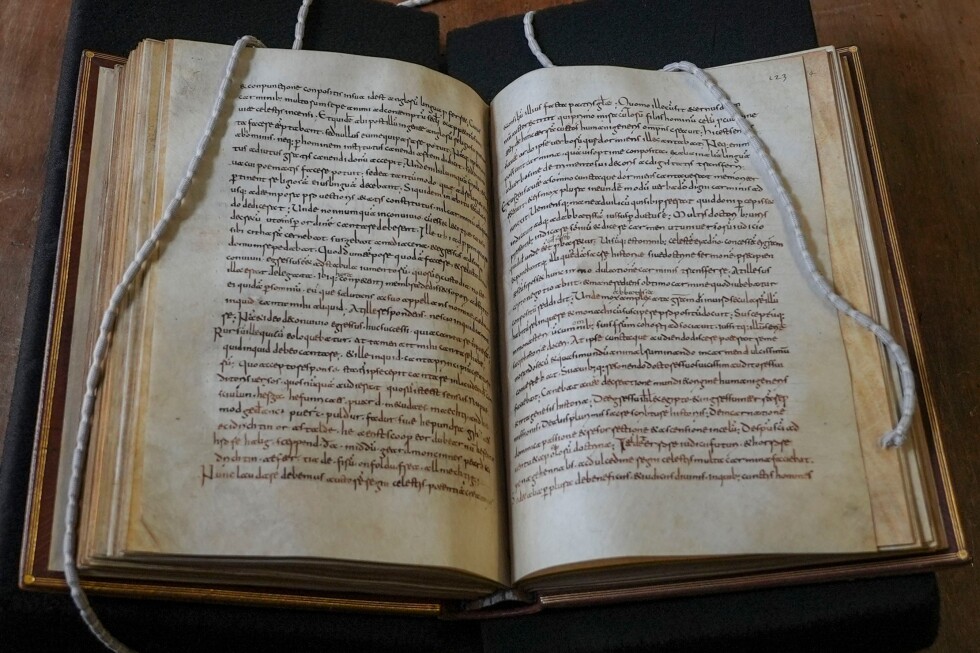

  • A medieval book in Rome has been hiding the oldest English poem

    A medieval book in Rome has been hiding the oldest English poem

    A team of medieval literature researchers from Trinity College Dublin has made a landmark scholarly discovery: a 9th-century manuscript holding the oldest intact copy of *Caedmon’s Hymn* — widely recognized as the earliest surviving work of English literature — tucked inside a centuries-old Latin text held in Rome’s National Central Library. The find upends previous timelines for the diffusion of written English, pushing evidence of the language’s cultural significance back more than 300 years.

    Elisabetta Magnanti, a visiting research fellow in Trinity College Dublin’s School of English, told the Associated Press that the moment the team examined digitized scans of the long-overlooked manuscript left the team stunned. Unlike the two earlier known copies of the Old English poem, which were added as afterthoughts by later scribes in margins or appended loosely to the main text, this version is fully integrated into the core of the 9th-century Latin transcription of the Venerable Bede’s *Ecclesiastical History of the English People*. “We were extremely surprised. We were speechless. We couldn’t believe our eyes when we first saw that,” Magnanti said. “It was extraordinary.”

    Scholars widely regard *Caedmon’s Hymn* as the foundational starting point of English literary tradition. Composed in the 7th century by Caedmon, a Northumbrian agricultural worker and later monk at Whitby Abbey in North Yorkshire, the nine-line hymn centers on the creation of the world. According to legend, Caedmon left a medieval feast after feeling embarrassed he could not recite a poem as the other guests did; that night, a vision appeared to him in a dream, commanding him to sing of creation. He awoke and composed the iconic hymn, which Bede recorded in his landmark ecclesiastical history of England.

    Mark Faulkner, associate professor of medieval literature at Trinity College Dublin and Magnanti’s research partner, explained that prior to this discovery, the earliest verified manuscript containing *Caedmon’s Hymn* dated only to the early 12th century. This new find dates to the 9th century, predating the previous record holder by 300 years. Faulkner, who traveled to Rome with Magnanti to examine the manuscript in person for the first time, noted that the discovery reshapes scholarly understanding of how early written English spread across regions. “Prior to the discovery of the Rome manuscript… this attests to the importance that was already being attached to the English in the early 9th century,” Faulkner said.

    The journey of the manuscript to its long-ignored resting place in Rome reads like a centuries-long historical detective story, researchers say. The transcription of Bede’s text was originally completed in the scriptorium of the Benedictine Abbey of Nonantola, a major medieval manuscript production center near modern-day Modena in northern Italy. As the abbey’s influence waned in the 17th century, its vast collection of manuscripts was relocated multiple times: first to another Roman abbey, then to the Vatican, and finally to a small local church. Along the way, dozens of texts were separated from the collection and disappeared into private hands, reemerging only in the early 19th century among the stocks of prominent international rare book collectors.

    This particular copy of Bede’s history passed through several prominent owners: it was first acquired by renowned English antiquarian Thomas Phillipps, who later sold portions of his collection after falling into financial hardship. Swiss bibliophile Martin Bodmer acquired the text, before it moved to New York City as part of the rare book collection of Austrian-born dealer H.P. Kraus in the 20th century. Italy’s Ministry of Culture, which had spent decades tracking down and repatriating the Nonantola Abbey’s missing manuscripts, purchased the text from Kraus in 1972 and transferred it to Rome’s National Central Library, where it remained largely unexamined by scholarly circles for the next 50 years.

    Magnanti, who had spent more than four years compiling a comprehensive catalog of all existing copies of Bede’s *Ecclesiastical History*, spotted the manuscript listed in the library’s public catalog and suspected it had never received rigorous scholarly analysis, due to its convoluted provenance. She requested access to the text, and three months after confirming the manuscript was still held in the library’s stacks, she received full digitized scans of the entire document, leading to the game-changing discovery.

    The discovery comes as Rome’s National Central Library undertakes a major open-access initiative to digitize its entire collection of Nonantola Abbey manuscripts, making all texts freely available to researchers around the world via the library’s website. The project is part of a broader effort to unlock thousands of rare, understudied medieval texts for global scholarly collaboration. Andrea Cappa, head of manuscripts and the rare books reading room at the library, noted that the discovery of *Caedmon’s Hymn* is just the first of what may be many new breakthroughs from the collection. “The discovery made by the experts of Trinity College is just one starting point, a single manuscript that might pave the way for countless other discoveries, in countless other fields, through international cooperation like this,” Cappa said.

  • Lights, camera, Bangaranga: Highlights from Eurovision

    Lights, camera, Bangaranga: Highlights from Eurovision

    The world’s most flamboyant and widely watched live music competition, the Eurovision Song Contest, delivered another year of breathtaking performances, viral moments, and surprise outcomes that had global audiences talking for days after the final curtain fell. Among the dozens of talented acts representing nations from across Europe and beyond, two stand-out achievements captured the public’s attention more than any other, cementing their place in Eurovision’s decades-long history.

    First, Bulgaria’s rising pop sensation Dara delivered a powerhouse, electrifying performance of her entry *Bangaranga* that resonated with both the viewing public and the professional juries voting across the competition. Her dynamic stage presence, catchy original production, and seamless vocal control set her apart from a crowded field of competitors, ultimately earning her enough top points to claim the contest’s coveted first-place trophy. The win marks Bulgaria’s first major Eurovision victory in nearly two decades of participation, sending shockwaves of celebration across the Balkan nation.

    But Dara’s triumph was not the only record-breaking moment of the week. In a stunning display of vocal stamina that left the live arena audience and global viewers stunned, Ukraine’s competing act broke a long-standing Guinness World Record for the longest continuous note ever sung in the history of the Eurovision Song Contest. The unprecedented feat, which lasted more than 25 seconds, went viral within hours of the performance, drawing praise from vocal coaches and music fans worldwide for the singer’s exceptional breath control and technical skill. While Ukraine’s act ultimately finished outside the top three, the record-breaking moment will be remembered as one of the most iconic individual achievements in the contest’s modern era.

    For fans who tuned in from across the globe, this year’s Eurovision delivered exactly what it promises every year: a celebration of cultural diversity, musical creativity, and unforgettable live entertainment that brings hundreds of millions of people together across borders. This year’s highlights, from Dara’s breakthrough win to Ukraine’s historic vocal accomplishment, have already set high expectations for next year’s contest, set to be hosted in Bulgaria as a result of Dara’s victory.

  • ‘Look Mum, one point’: Why does the UK keep getting Eurovision wrong?

    ‘Look Mum, one point’: Why does the UK keep getting Eurovision wrong?

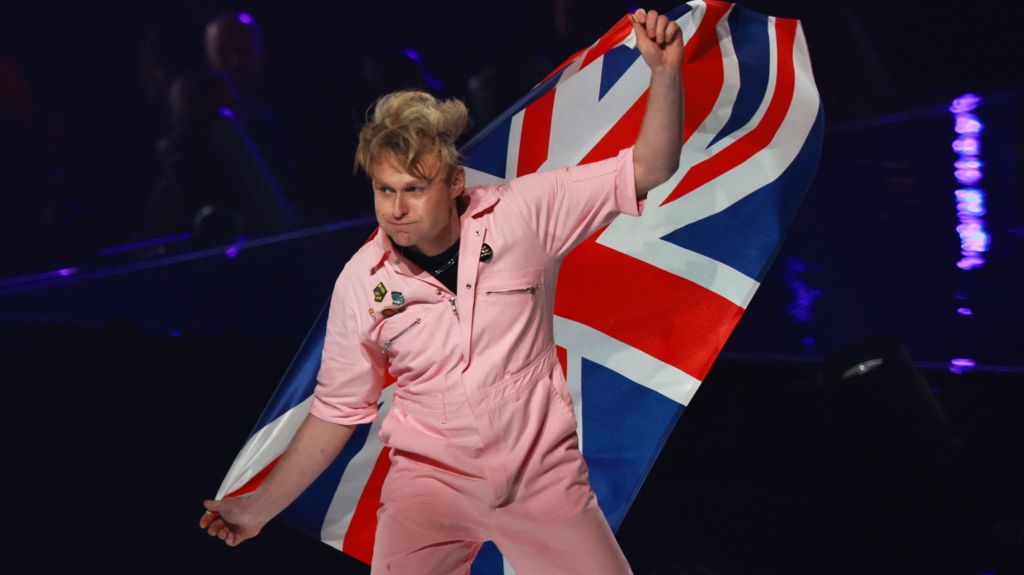
    For the fourth year running, the United Kingdom is grappling with another disappointing Eurovision result, after eccentric independent artist Sam Battle — known professionally as Look Mum No Computer — placed dead last at the 2026 contest with just one single point from jury votes and zero public votes. This marks the UK’s third bottom-of-the-table finish since 2020, and only one top 10 ranking across 16 years dating back to 2010, leaving fans and industry observers questioning the country’s long-standing slump in the global song contest.

    Battle entered the competition with his unapologetically quirky synth-pop track *Eins, Zwei, Drei*, a high-energy track about leaving a 9-to-5 office job to move to Germany that he performed in a bright pink boiler suit, bringing an unfiltered, distinctly British eccentricity to the Eurovision stage. Pre-contest predictions were already grim for the entry, but even so, Battle gave an unforgettable, high-octane performance that commentators framed as a welcome break from the UK’s history of safe, generic polished pop entries.

    Adrian Bradley, a commentator for the Eurovision-focused *Euro Trip* podcast, praised the BBC’s ambitious choice to select an unconventional act. “They took a risk on something that maybe people won’t like, but which some people might pick up the phone and vote for,” he noted. Satoshi, this year’s Moldovan contest representative, echoed that praise, pointing out that the track’s distorted vocals and unique synth work carried a clear, authentic British creative identity — even if it was never going to appeal to every voter across Europe. Battle himself acknowledged the gamble ahead of the final, comparing his entry to Marmite: “You either love it or hate it – but I think there’s a slot open for our sort of thing.” Ultimately, that open slot never materialized, as the track’s hiccuping beat and quirky British cultural references left European voters and juries bewildered.

    Many critics point to deep structural issues that have held the UK back for decades. Established British recording artists widely view representing the UK at Eurovision as a “poisoned chalice,” fearing a poor result will damage their mainstream careers. When established stars do participate, they often face harsh backlash: 2024 entrant Olly Alexander finished 18th with 46 total points, receiving zero public votes, and later called the experience “brutal,” advising future participants to seek mental health support after going into debt to fund his staging. This reputation has pushed the BBC to rely on emerging independent artists without major label backing, like Battle and 2025’s Remember Monday, leaving entries without the industry support that many competing countries enjoy.

    International contestants and Eurovision insiders say the UK could turn its fortunes around by looking to Finland, which overcame a 15-year post-victory slump after 2006’s win by Lordi to reemerge as a consistent top contender. After the 2020 breakthrough of pop star Erika Vikman at Finland’s national selection contest Uuden Musiikin Kilpailu (UMK), a growing number of established Finnish artists have embraced the contest, creating a self-reinforcing cycle of success. Finland now leans into its unique creative identity, leading to viral breakout hits like 2023’s runner-up *Cha Cha Cha* by Käärijä, which cemented the country’s new reputation for bold, memorable entries.

    Matti Myllyaho, Finland’s Eurovision show producer and organizer of UMK, says the key to Finland’s turnaround was embracing national quirkiness rather than shying away from it. When asked what advice he would give the UK, he noted: “In Finland, we started to realise our strengths, and own our slight weirdness. It’s hard to speak for the UK, but I think the path I’d recommend any Eurovision project to follow would be to, like, just own your quirkiness.”

    Still, Battle’s bold quirky entry failed to deliver a better result, leading observers to note that a successful Eurovision bid requires far more than a unique identity: it needs alignment across 10 key factors, from a strong accessible song and a seasoned performer to impressive staging, pre-show promotion, favorable running order placement, and a dose of good luck. The BBC has consistently come close to putting all the pieces together, only to miss critical elements that sink its entry year after year.

    With the good will built by 2022’s runner-up finish from Sam Ryder — the UK’s only major success in over a decade — now faded, the BBC faces the daunting task of rebuilding its Eurovision strategy. Recommendations from pundits and fans include courting major labels and established songwriters year-round instead of relying on outside collaborators, bringing in heads of music from UK’s leading radio networks to leverage their industry insight and connections, and adopting an open national selection format similar to Finland’s UMK or Sweden’s Melodifestivalen to draw broader public and industry engagement. Fans on the ground in Vienna offered their own takes, calling for bigger, more engaging stage productions, viral-friendly hooks, better embrace of multiple languages, and even a return of legendary British contest participants like Cliff Richard.

    As the BBC begins preparations for 2027, the question remains: can the UK reverse its long Eurovision slump, or will last place finishes become the norm for one of the world’s most influential music industries?

  • Bangaranga! Bulgaria wins Eurovision – but UK comes last

    Bangaranga! Bulgaria wins Eurovision – but UK comes last

    The 2026 Eurovision Song Contest, held in Vienna to mark the iconic competition’s 70th platinum anniversary, delivered a stunning upset when Bulgarian pop star Dara claimed the nation’s first ever victory with her high-energy dance track *Bangaranga* — a surprise win that capped a night of political tension, unexpected results, and memorable live performances.

    Going into the grand final, Dara was far from the favorite to win, with bookmakers having favored Finnish duo Pete Parkkonen and Linda Lampenius for weeks and many commentators tipping Australian star Delta Goodrem to take the trophy. But the 27-year-old Bulgarian talent, already a household name in her home country with more than 80 million combined streams and views and a coaching role on Bulgaria’s *The Voice*, defied all pre-contest expectations. She dominated both the jury and public vote to finish with a massive 516 points, a nearly 200-point lead over second-place finisher Israel’s Noam Bettan. Third place went to Romania’s Alexandra Căpitănescu, followed by Goodrem and Italy’s Sal Da Vinci to round out the top five.

    Beyond its catchy, unforgettable chorus and high-impact choreography, *Bangaranga* carries a deeply personal meaning for Dara. The track’s title, often mislabeled as just another whimsical Eurovision nonsensical phrase, translates to “uproar” in Jamaican patois, and its lyrics explore her journey managing anxiety and ADHD, a diagnosis she received just one year prior. Her dynamic performance drew inspiration from Bulgaria’s ancient Kukeri tradition, where masked performers drive out evil spirits, with whiplash-inducing choreography that earned her the pre-final award for best staging, voted on by contest commentators including the UK’s Graham Norton. After accepting the crystal microphone trophy, Dara told backstage reporters: “I want to thank everybody who felt the Bangaranga and felt connected to the force.” Bulgarian National Television has since confirmed that the 2027 Eurovision contest will be hosted in the country’s capital, Sofia.

    This year’s contest was overshadowed by significant political controversy surrounding Israel’s participation, sparked by widespread anger over the Gaza war’s civilian death toll. Five countries including Spain, Iceland and seven-time winners Ireland boycotted the event, and large public protests were held in central Vienna in the lead-up to the grand final. Anti-Israel chants interrupted Bettan’s semi-final performance, and the singer was booed during the final when he briefly held the top spot on the leaderboard, though no major disruptions marred his performance of the heartfelt Mediterranean love song *Michelle*. Bettan ultimately held on to secure second place.

    For the United Kingdom, the contest brought another disappointing result, marking the third time since 2020 that the nation has finished in last place. UK entry Look Mum No Computer, a YouTube creator best known for building unusual musical contraptions, earned just one single point for his synth-driven track *Eins, Zwei, Drei*. The artist had pre-emptively acknowledged the song’s divisive appeal, calling it “Marmite — you either love it or hate it”, and maintained a positive attitude after the results, saying “I always say to expect nothing, because if you expect nothing, you lose nothing.” Norton noted after the final that “He gave it his all, it just clearly didn’t shine with the audiences across Europe.”

    Several other unexpected moments shaped the night’s competition. Pre-contest favorites Parkkonen and Lampenius failed to meet expectations, their duet *Liekinheitin (Flamethrower)* finishing in sixth place, outside the top five. Goodrem, tipped to become Australia’s first ever Eurovision champion, delivered a viral vocal performance of her power ballad *Eclipse* from a stage platform borrowed from Beyoncé, but the track was ultimately seen as too dated to claim the top spot, finishing fourth. Romania’s Căpitănescu faced controversy over her track *Choke Me*, with campaigners accusing the song of glorifying sexual violence, but the artist explained the track is actually about the suffocating weight of self-doubt. Her nu metal-influenced performance resonated with voters, pushing her to a surprise third-place finish.

    A minor technical disruption interrupted Czech entrant Daniel Žižka’s performance, when a camera error distorted the video feed and briefly cut away from the singer. Žižka requested an opportunity to restart his performance, but contest organizers declined, noting that the audio and core performance had not been affected by the “small camera issue”.

    To mark the 70th anniversary of the contest, which launched in 1956 as the European Grand Prix with just seven participating nations, organizers put together a star-studded tribute to seven decades of iconic Eurovision music. Former winners joined special guests to reimagine classic hits: Finnish rock winners Lordi performed a heavy metal rework of Brotherhood of Man’s *Save Your Kisses For Me*, Ukrainian icon Verka Serduchka delivered a playful version of Sandie Shaw’s *Puppet On A String* accompanied by an Oompah band, Finnish star Erika Vikman recreated ABBA’s iconic 1974 winning performance of *Waterloo*, and Norwegian winner Alexander Rybak gave Cliff Richard’s *Congratulations* a hoedown twist. The tribute closed with a mass audience singalong of *Nel blu, dipinto di blu*, the 1958 Italian winner that has sold more than 18 million copies worldwide, and remains the only Eurovision track to ever top the US Billboard charts.

    Across the 26 competing entries, the 2026 final showcased a wide range of themes and styles, from the opening number from Denmark’s Søren Torpegaard Lund that set a tone of raw passion, to Croatia’s folk band Lelek, who told the untold story of Catholic women’s resistance during the Ottoman Empire through haunting harmonies and symbolic face paint. Lithuania’s Lion Ceccah delivered a commentary on algorithmic culture, painting his entire body silver to illustrate his message of reclaiming humanity from digital systems, while Greece’s Akylas wove a sweet story of working to lift his parents out of poverty into a high-energy techno performance full of theatrical stunts.

  • The girl group who’ve sold out venues and toured the world – without releasing a record

    The girl group who’ve sold out venues and toured the world – without releasing a record

    It’s hard to believe that just two years ago, the 11 members of all-female Irish traditional music supergroup BIIRD had never played a full set together. Many had only met hours before they stepped onto London’s Trafalgar Square stage on St. Patrick’s Day 2024, dressed in bold, theatrical costumes, to perform for a crowd of 10,000. Today, they’ve sold out headline venues across the UK and Ireland, opened for global pop star Ed Sheeran on stadium tour dates across three continents, and built a devoted worldwide fanbase — all before releasing their first studio record. This staggering, organic rise has been fueled almost entirely by electric live performances and word-of-mouth buzz, a testament to the group’s one-of-a-kind energy and vision.

    For Miadhachlughain O’Donnell, a County Down-based singer and flautist, the group’s current trajectory felt entirely unthinkable in the chaotic aftermath of that first show. “It was mental, to be honest,” she shared in an interview. “It all came together in the blink of an eye… We didn’t have another gig lined up for a couple of months, and I had no idea where it would go from there.”

    While the group’s early path was uncertain for its members, BIIRD’s founder Lisa Canny, a seven-time All Ireland champion for harp and banjo from County Mayo, had nurtured the concept for a full decade. Often described as a rule-breaker in the traditional Irish music scene, Canny set out to create what fans now call the “Spice Girls of trad”: a collective that reimagines what women in traditional Irish music can look like and sound like.

    “Beyond creating incredible music, our core mission is to reframe the narrative and image surrounding women in trad and folk music,” Canny explained. “Big global Irish productions like Riverdance, Celtic Woman, and Lord of the Dance have brought so much attention to our art form, but their representation of women still relies on outdated, one-dimensional tropes that don’t reflect the modern reality of female musicians in this space.”

    Unlike many musical collectives built through formal auditions and strategic casting, BIIRD grew organically out of Canny’s existing professional network in the Irish traditional music world. Every member was hand-picked for their unique voice and talent, and the group’s size — which fluctuates between 8 and 11 performers depending on the show — was never part of the original plan. As Cavan-based concertina player Zoran Donohoe put it: “Once she handpicked all of us, we got to 11 and she just said, ‘We’re keeping all of them — every one of these women deserves a spot on this stage.’ We’re all so different, with our own individual projects and styles, and she wanted all of those voices to be heard.”

    What stands out to audiences as much as the group’s size and all-female lineup is their intentional, boundary-pushing aesthetic. Partnering exclusively with Irish fashion designers including Simone Rocha, Paul Costelloe, and Sara O’Neill, the group prioritizes sustainable, dramatic couture that stands in stark contrast to the understated, casual look long associated with traditional Irish folk performance. Corsets, glitter, heavy eyeliner, and dark moody palettes shocked the traditional music world when the group released their first promotional photos. “I won’t say we broke the internet, but everyone in the trad community was asking ‘what is happening here?’” Donohoe recalled. “None of us were used to dressing like this — I’d always worn trackies to gigs before, it was a total learning curve. But now we love it; every show feels like putting on a performance from the moment we get dressed.”

    Despite their modern styling and contemporary edge, BIIRD’s sound remains firmly rooted in Irish tradition. Their high-energy sets blend classic trad instrumentation — fiddles, flutes, harps, banjos, cellos, and concertinas — with Irish lilting and a pop-infused energy that comes from years of playing intimate pub céilís, house parties, and regional folk festivals. “We’re not here to reinvent traditional Irish music,” O’Donnell emphasized. “We’re just here to bring a new perspective to it.”

    Their big break into mainstream fame came by chance, during an impromptu jam session at a County Wexford pub during the 2024 Fleadh Cheoil na hÉireann, where Ed Sheeran caught their set. Sheeran, who famously collaborated with Irish trad group Beoga on his hit “Galway Girl”, immediately invited BIIRD to join his ongoing *Loop* world tour as opening acts, alongside other up-and-coming Irish artists. “He just came up to us after the jam and said, ‘You guys are incredible, come on tour — what do you need from me?’ It was surreal,” Donohoe said.

    Since then, the group has joined Sheeran for sell-out stadium runs across the UK, Europe, Australia, and New Zealand, and is set to join the tour for North American dates later in 2026. Between tour stops, they’ve been recording their debut album of original compositions at the iconic Decoy Studios in Melton, England, with the project on track for release in the near future. Donohoe says the recording process has been seamless, thanks to the close bond the group has built over two years of touring: “We’re all used to each other now, we can be honest about what works and what doesn’t, and it just flows.”

    For the members of BIIRD, the success they’ve found is about more than sold-out shows and global tours: it’s about paving the way for the next generation of female traditional Irish musicians. O’Donnell says young girls have already reached out to the group to say they’ve been inspired to pick up traditional instruments after seeing BIIRD perform. “I hope we’re laying the groundwork for something that lasts longer than our time as a group,” she said. “In 10 or 20 years, there might be new groups like BIIRD taking this space, and that’s exactly what we want. Our mission was never just about us — it was about changing the scene for good.”

  • Two dead and four injured in crash in Donegal

    Two dead and four injured in crash in Donegal

    A serious road traffic collision in the west of Ireland’s County Donegal has left two men dead and four other people injured, after a crash between two vehicles on Saturday afternoon. The tragedy unfolded just after 2:00 PM local time on the N15, a key arterial route connecting the towns of Donegal and Ballybofey, at the Birchhill stretch of the highway. The two victims, one man in his 20s and a second man in his 30s, were both occupants of the same vehicle. Emergency responders arriving at the scene pronounced both men dead shortly after the incident. Four additional people involved in the collision sustained non-life-threatening injuries, according to initial updates from Irish law enforcement. The injured group comprises two pairs: a young man and woman in their 20s, and an adult man and woman in their 40s. All four have been transported to Letterkenny University Hospital to receive ongoing medical care for their wounds. In the immediate aftermath of the crash, An Garda Síochána, Ireland’s national police service, confirmed that it has launched a full investigation into the cause of the incident. Forensic and collision investigation teams have carried out a detailed forensic examination of the crash site, and the entire N15 route through Birchhill remains closed to all traffic to preserve evidence while the investigation proceeds. Police have issued a public appeal for any witnesses who were traveling through the area at the time of the collision to come forward with information. Investigators are particularly eager to review dash-cam footage captured by any drivers who passed the location shortly before or after the crash, which could provide critical context for determining the sequence of events that led to the fatal incident.

  • Man drives car into pedestrians in Italy, injuring eight

    Man drives car into pedestrians in Italy, injuring eight

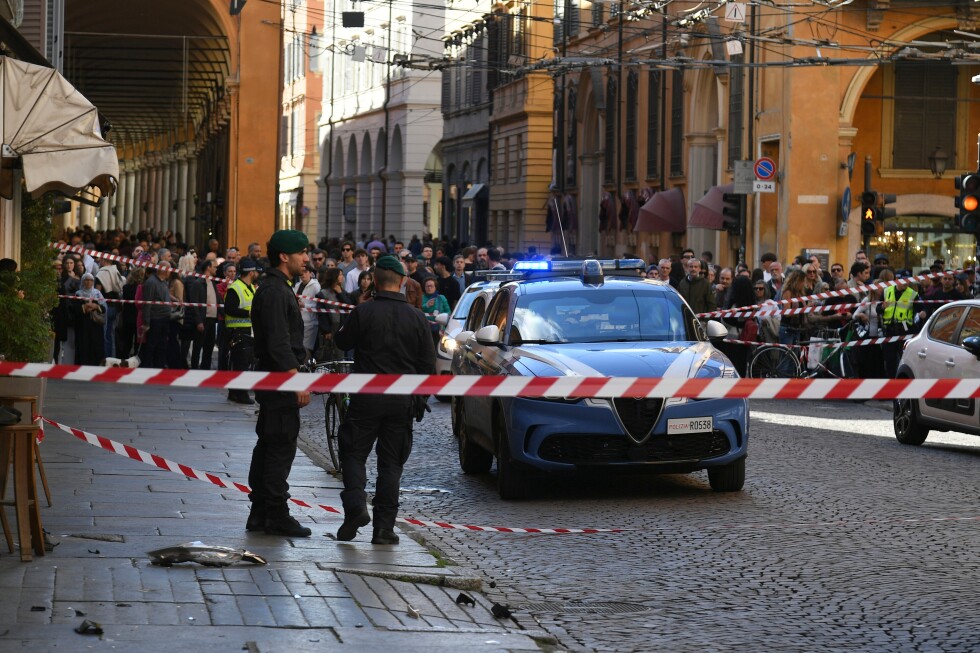
    A shocking violent incident unfolded in the historic northern Italian city of Modena on Thursday, leaving eight people wounded after a man in his 30s deliberately drove his vehicle into pedestrians before launching a stabbing spree, local authorities confirmed. Of those injured, four are in critical condition, including one woman who suffered devastating crushing injuries to both legs, according to initial official reports. The attack unfolded at approximately 16:30 local time, which translates to 14:30 GMT, in the busy central district of Modena, a city located roughly 45 kilometers southeast of Milan.

    Modena Mayor Massimo Mezzetti told reporters that early investigations indicate the driver intentionally veered his speeding car onto a crowded pedestrian sidewalk, striking multiple people before crashing through the glass front of a local shop. After exiting his wrecked vehicle, the suspect pulled out a knife and began threatening and attacking bystanders. One civilian who stepped in to intervene during the chaos suffered only minor injuries, authorities added.

    Quick action from members of the public prevented further harm: eyewitnesses and passersby immediately pursued the suspect after the attack, successfully overpowering and detaining him before turning him over to responding law enforcement officers. Italian Prime Minister Giorgia Meloni issued a statement shortly after the incident, calling the event “extremely serious” and expressing concern over the violence. Mayor Mezzetti echoed the prime minister’s sentiment, noting that the incident would carry even graver implications if investigators confirm the attack was premeditated.

    Officials have confirmed the suspect is an Italian national who was born in Bergamo, a city in northern Italy’s Lombardy region, and has Maghreb ancestry. He has been a resident of the Modena province for an undisclosed period, and local Italian media outlets have already published his full identity following the attack. Law enforcement have not yet released an official motive for the attack, with investigations ongoing as of Thursday evening.

  • A French judge will look into complaints against Saudi crown prince over Khashoggi’s killing

    A French judge will look into complaints against Saudi crown prince over Khashoggi’s killing

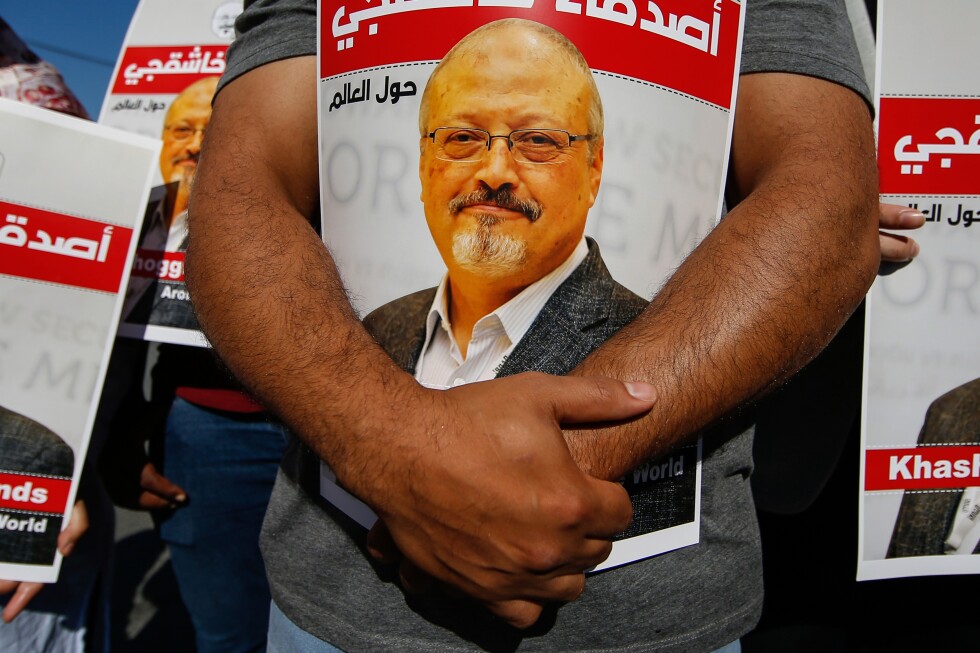
    PARIS – France’s national anti-terrorism prosecution agency, the PNAT, announced Saturday that an investigating judge will review a legal complaint brought by two international human rights organizations that implicates Saudi Crown Prince Mohammed bin Salman in the 2018 assassination of Saudi dissident journalist Jamal Khashoggi.

    The procedural shift follows a May 11 ruling from the Paris Court of Appeal, which confirmed the complaint is admissible and transferred the case to an investigating judge within the court’s specialized crimes against humanity unit. The complaint was originally lodged in 2022 by Switzerland-based legal advocacy group Trial International and press freedom organization Reporters Without Borders. The two groups hold the Saudi crown prince complicit in torture and enforced disappearance linked to Khashoggi’s brutal killing, which unfolded inside the Saudi Arabian consulate in Istanbul in October 2018. After Khashoggi was murdered, his body was dismembered and has never been recovered.

    In its official statement, the PNAT confirmed that the Court of Appeal ruled the complaint could move forward because investigators cannot yet dismiss the potential classification of the killing as a crime against humanity, which encompasses the underlying offenses of torture and enforced disappearance under French law. The prosecution noted it has acknowledged the court’s ruling, while adding that the decision does not alter its earlier interpretation of French criminal procedure rules regarding the two rights groups’ standing to file the complaint as civil parties.

    The original complaint was submitted in 2022, coinciding with an official visit by Prince Mohammed to France. In the years immediately following Khashoggi’s assassination, the crown prince faced widespread diplomatic isolation across Western nations, but in recent years he has gradually been welcomed back into mainstream global diplomacy by Western leaders and high-level dignitaries.

    It is important to note that the launch of a formal judicial inquiry does not equate to formal charges against Prince Mohammed, nor does it represent a finding of guilt by French judicial authorities. What it does establish is a formal process for an investigating judge to thoroughly review the evidence and allegations laid out in the complaint to determine whether further legal proceedings are warranted.

    Prince Mohammed has repeatedly denied issuing any order to kill Khashoggi, though he has accepted accountability for the killing as the de facto ruler of Saudi Arabia, acknowledging the incident occurred on his watch. U.S. intelligence agencies have previously reached a conclusive assessment that the crown prince directly approved the operation that resulted in Khashoggi’s death.

    Following the assassination, Saudi authorities conducted a closed-door domestic trial of the case and announced that they had penalized the individuals found responsible for the killing. However, human rights organizations around the world have widely criticized the Saudi proceedings as non-transparent and inadequate, failing to hold all complicit parties accountable.

  • Car plows into pedestrians in Italy’s Modena, 8 injured, 4 critically, mayor says

    Car plows into pedestrians in Italy’s Modena, 8 injured, 4 critically, mayor says

    On a regular Saturday in the northern Italian city of Modena, a sudden and shocking incident unfolded that left multiple civilians seriously hurt after a car veered onto a crowded pedestrian sidewalk and struck passersby before crashing into a local shop window. Local authorities confirmed that eight people were hurt in the crash, with four of the victims suffering life-threatening injuries that demanded urgent, advanced medical intervention. No fatalities have been reported as of the latest updates from city officials.

    Modena Mayor Massimo Mezzetti shared detailed accounts of the devastating event with reporters, confirming that one woman was trapped between the out-of-control vehicle and a shop display window, a trauma that left surgeons with no choice but to amputate both of her legs to save her life. The 31-year-old driver, who was born in Bergamo and grew up in Modena’s surrounding province, was quickly taken into custody after civilians nearby intervened to stop him as he attempted to flee the scene. He is currently being held at Modena’s central police headquarters, where investigators are conducting extensive questioning to determine whether he was operating the vehicle while under the influence of alcohol or drugs, or if the incident was a deliberate deliberate act of violence.

    According to Mezzetti’s retelling of the sequence of events, the vehicle pulled onto one of the city’s busiest central thoroughfares before suddenly swerving onto the pedestrian sidewalk, striking multiple people and sending several bodies flying through the air before the car collided with the shop’s glass front. Though witnesses told investigators they saw the driver carrying a knife, he did not succeed in stabbing any bystanders before he was detained. That detail has only deepened the questions surrounding what prompted the incident, with local authorities still working to parse whether the event was premeditated, or stemmed from a medical emergency, substance impairment, or other unintended causes.

    All eight injured victims have been transported to receive care at major hospitals in both Modena and nearby Bologna, with the most critical cases airlifted by emergency helicopter to ensure they received treatment as quickly as possible. Multiple layers of Italian law enforcement and emergency response agencies, including local police, the national carabinieri, and financial police, were dispatched to the scene immediately after the crash. The entire area was cordoned off while first responders provided on-site care to injured people before they were moved to hospitals.

    Italian Prime Minister Giorgia Meloni publicly addressed the incident in a social media statement, calling the event “extremely serious” and offering her official solidarity to all the people harmed in the crash and their families. Meloni extended her gratitude to the civilians who stepped in to stop the driver before police arrived, as well as to the law enforcement and emergency medical teams that responded to the emergency. The prime minister added that she has remained in constant contact with local Modena authorities, and made clear that she expects the full weight of accountability to be applied to the suspect regardless of what investigators uncover about his motives.

    Mayor Mezzetti echoed that sentiment, noting that regardless of the root cause of the incident, it represents an uncommonly severe act of harm against innocent civilians. “If it were an attack, it would be even more serious,” he told reporters, as investigators continue to piece together the full context of what unfolded on Modena’s downtown streets.