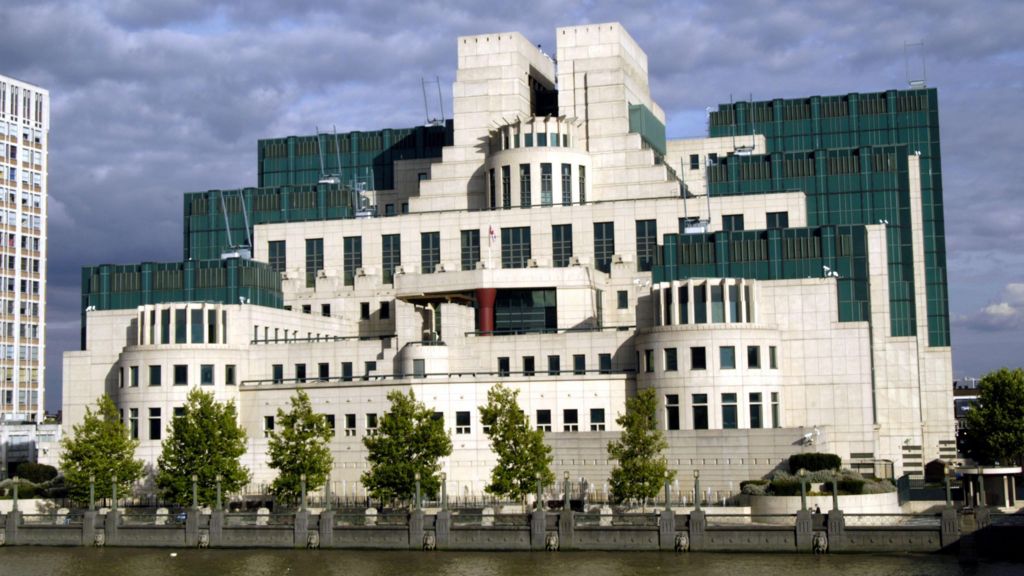
In a bold move to enhance national security, the UK’s Secret Intelligence Service, MI6, is set to unveil a dedicated portal on the dark web aimed at recruiting new spies, particularly from Russia. The initiative, named ‘Silent Courier,’ is designed to streamline the process of identifying and engaging potential agents worldwide. The announcement is expected to be confirmed by outgoing MI6 chief Sir Richard Moore during a speech in Istanbul on Friday morning. Sir Richard is scheduled to hand over his role to Blaise Metreweli later this month. Foreign Secretary Yvette Cooper emphasized the importance of this initiative, stating, ‘National security is the first duty of any government. As threats evolve, we must ensure the UK remains ahead of its adversaries. Our intelligence agencies are at the forefront of this effort, and this new technology will bolster their capabilities.’ The portal, accessible from Friday, will allow individuals to securely share sensitive information related to terrorism or hostile intelligence activities. Instructions for using the portal will be available on MI6’s verified YouTube channel, with recommendations to access it via secure VPNs and untraceable devices. This strategy mirrors the CIA’s 2023 campaign to recruit Russian spies through social media videos. However, the CIA faced significant setbacks when its dark web connections were compromised by China’s Ministry of State Security, leading to one of the most severe security breaches in recent years.
标签: Europe
欧洲
-
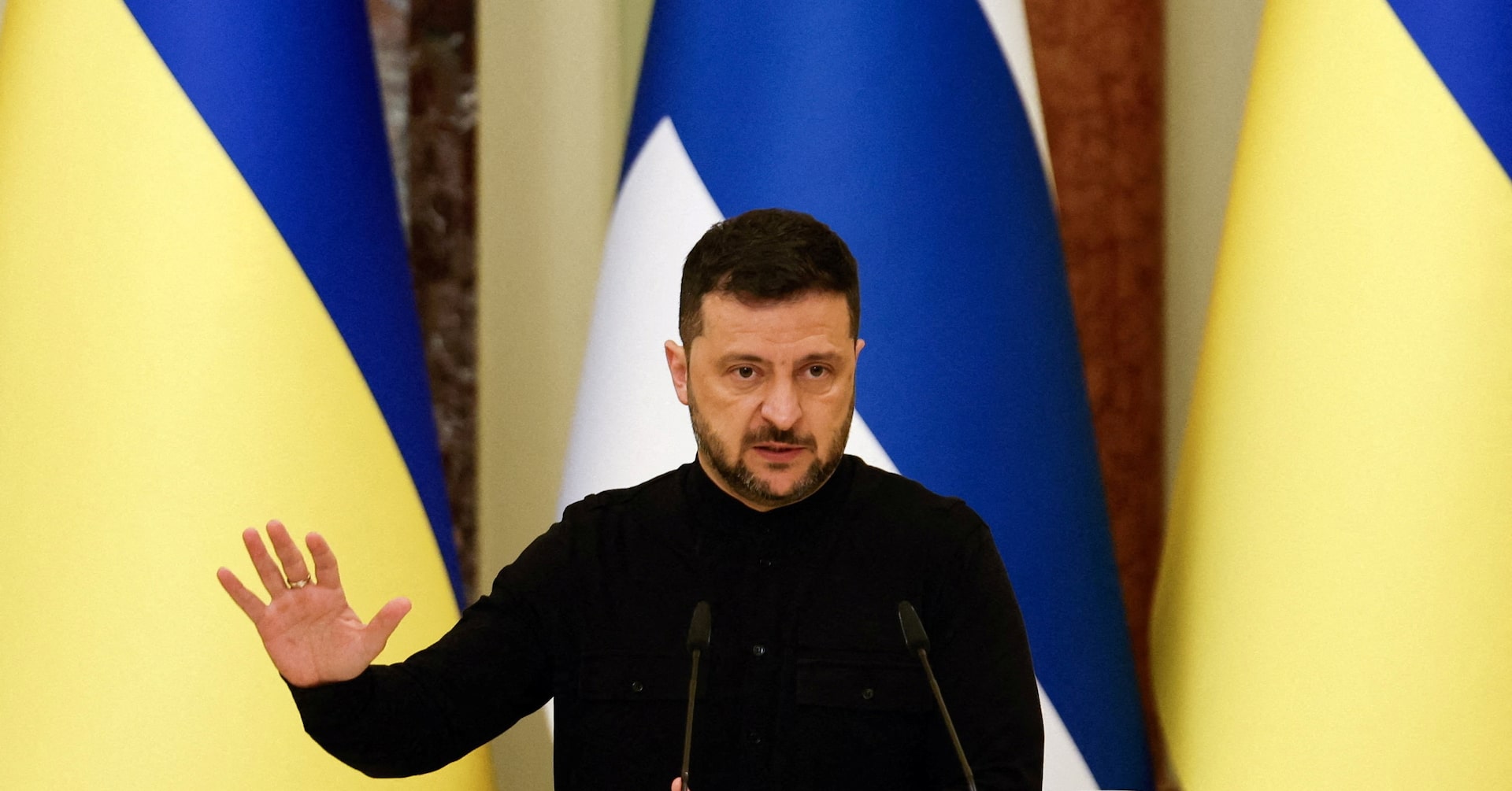
Ukrainian military in counteroffensive on eastern front, Zelenskiy says
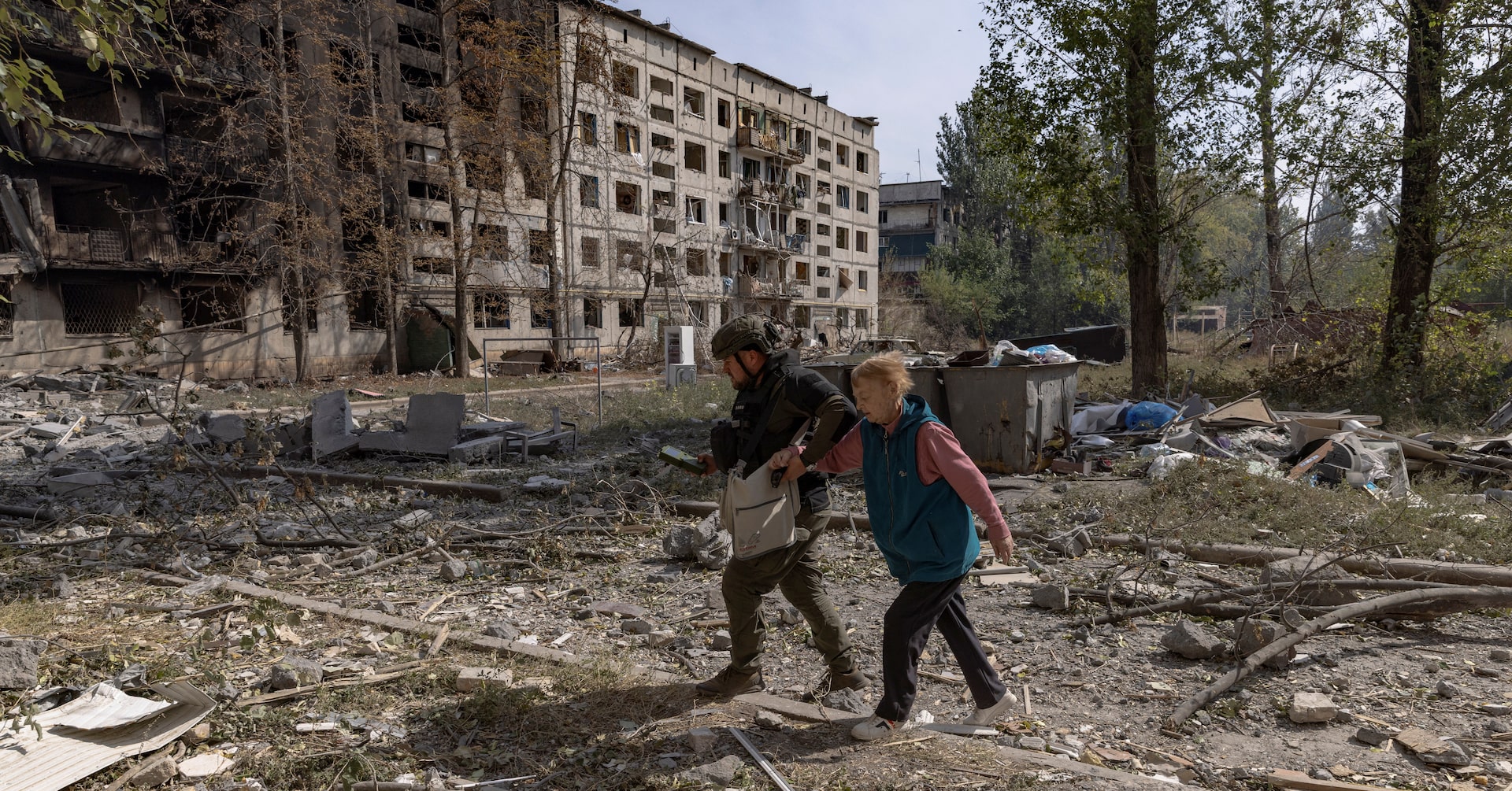
In a significant development in the ongoing conflict between Ukraine and Russia, Ukrainian President Volodymyr Zelenskiy announced on Thursday that Ukrainian forces have successfully reclaimed seven settlements in the eastern Donetsk region. Speaking during a visit to the front lines, Zelenskiy emphasized that the counteroffensive has disrupted Russia’s plans for a full-scale offensive operation. ‘Our forces are depriving the occupier of the opportunity to carry out their long-planned offensive,’ he stated in a video address. Since the operation began, Ukrainian troops have regained control of 160 square kilometers (62 square miles) and cleared over 170 square kilometers of Russian presence, including nine additional settlements. The President did not specify the exact start date of the operation but highlighted the intense fighting in areas such as Dobropillia and Pokrovsk, where Russian forces had made rapid advances in mid-August. The Donetsk region, partially occupied by Russia, remains a focal point of the conflict, with Moscow demanding Kyiv’s withdrawal as a precondition for any peace settlement. Tragically, a Russian guided bomb strike on Thursday killed five civilians in Kostiantynivka, located approximately 40 kilometers (25 miles) from Dobropillia. Russian forces have reportedly advanced to within 8 kilometers of the city, a critical logistics hub for Ukrainian defenses. The battlefield situation remains fluid, with Reuters unable to independently verify the latest developments in the war that began with Russia’s full-scale invasion in February 2022.
-
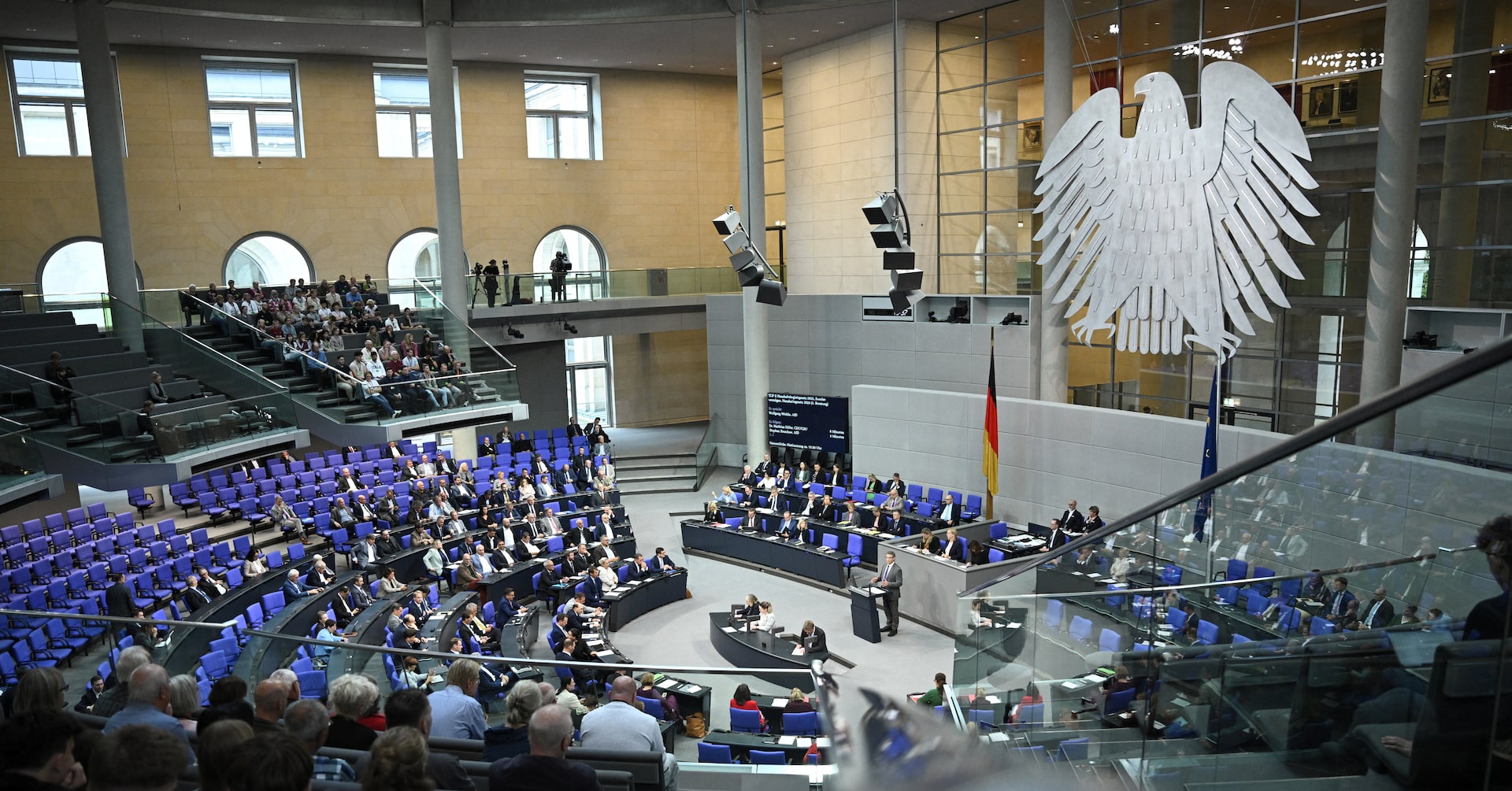
Germany approves 2025 budget, ushering in new era of spending
In a landmark decision, Germany’s Bundestag, the lower house of parliament, has approved the nation’s 2025 federal budget, marking a significant departure from decades of fiscal conservatism. The budget, passed on September 18, 2025, in Berlin, allocates a record €116 billion ($136.94 billion) in investments, enabled by a €500 billion infrastructure fund and exemptions from debt rules for defense spending, which were approved earlier in March. Finance Minister Lars Klingbeil hailed the budget as a ‘huge paradigm shift in German fiscal policy,’ emphasizing its role in revitalizing the economy and bolstering national defense. The budget reflects Germany’s commitment to increased military spending, particularly in support of Ukraine and NATO allies, while addressing the economic stagnation that has plagued Europe’s largest economy. The 2025 budget also includes a core borrowing plan of €81.8 billion, with total borrowing rising to €143.2 billion when accounting for special funds for infrastructure and defense. This fiscal shift comes after Germany operated on a provisional budget in 2024 due to the collapse of the former ruling coalition. Looking ahead, Chancellor Friedrich Merz’s coalition government faces challenges in balancing future budgets, particularly with a projected €30 billion shortfall in 2027. Difficult debates on welfare cuts and spending priorities are expected, as the coalition seeks to reconcile differing views between conservative and Social Democrat partners. Parliament is set to begin discussions on the 2026 budget next week, with final approval anticipated in November.
-

Former chief of UK directors’ lobby group banned for COVID loan abuse
Anna Daroy, a former director general of the Institute of Directors (IoD), has been disqualified from holding company directorships for 11 years after exploiting the UK government’s Bounce Back Loan Scheme during the COVID-19 pandemic. The 61-year-old, who was once shortlisted for the ‘Businesswoman of the Year’ award, secured two £50,000 loans for her management consultancy, Globepoint Associates Ltd, in 2020, despite the scheme’s rule limiting companies to a single loan. The Insolvency Service, which announced the ban on Thursday, stated that Daroy should have repaid one of the loans, which were obtained from separate banks within five days. Globepoint Associates Ltd went into liquidation in March 2023 with both loans unpaid. Kevin Read, chief investigator at the Insolvency Service, criticized Daroy’s actions, emphasizing that the loans were intended to support struggling businesses, not to be misused. Daroy, who served as interim chief operating officer and interim director general of the IoD from October 2018 to November 2019, has not publicly commented on the matter. The Insolvency Service has disqualified over 2,400 directors for similar abuses of COVID financial support schemes. The IoD reiterated its commitment to high standards of conduct and stated that any member disqualified as a director would have their membership terminated.
-
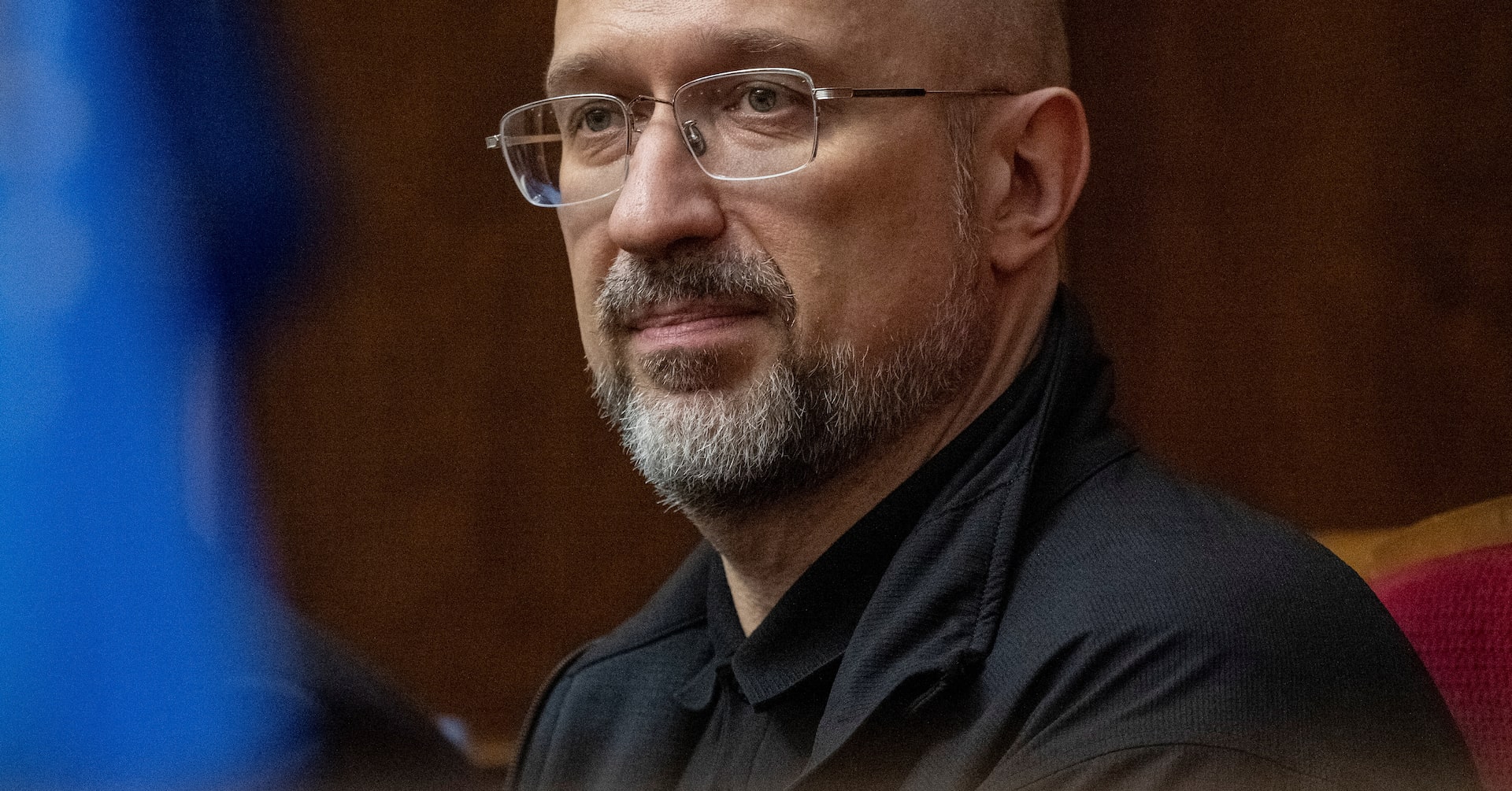
Ukraine to give Polish forces drone defence training after incursion
In a significant move to bolster regional security, Ukraine and Poland have announced a joint initiative to counter drone threats, following a recent incursion of Russian drones into Polish airspace. Ukrainian Defence Minister Denys Shmyhal revealed the collaboration during a press conference in Kyiv on Thursday, alongside his Polish counterpart, Wladyslaw Kosiniak-Kamysz. The partnership will focus on training Polish troops and engineers in advanced drone interception techniques, leveraging Ukraine’s expertise in combating massed Russian drone attacks. Shmyhal emphasized that the training would encompass the entire ‘ecosystem’ of drone defense, from electronic jamming to deploying interceptor drones. Ukraine will also share its systems for tracking Russian aerial targets with Poland, enhancing early detection capabilities. The joint exercises will take place at a training ground in Lipa, southern Poland. This initiative comes after more than 20 Russian drones entered Polish airspace on September 9-10, prompting NATO jets to intercept them. While Russia claimed the drones were targeting Ukraine, the incident has heightened concerns in Warsaw about Moscow’s intentions. Ukraine’s layered defense system, which includes interceptor drones, heavy machine guns, and electronic warfare, has proven effective against Russian drone swarms, offering a cost-efficient solution compared to traditional missile interceptions.
-
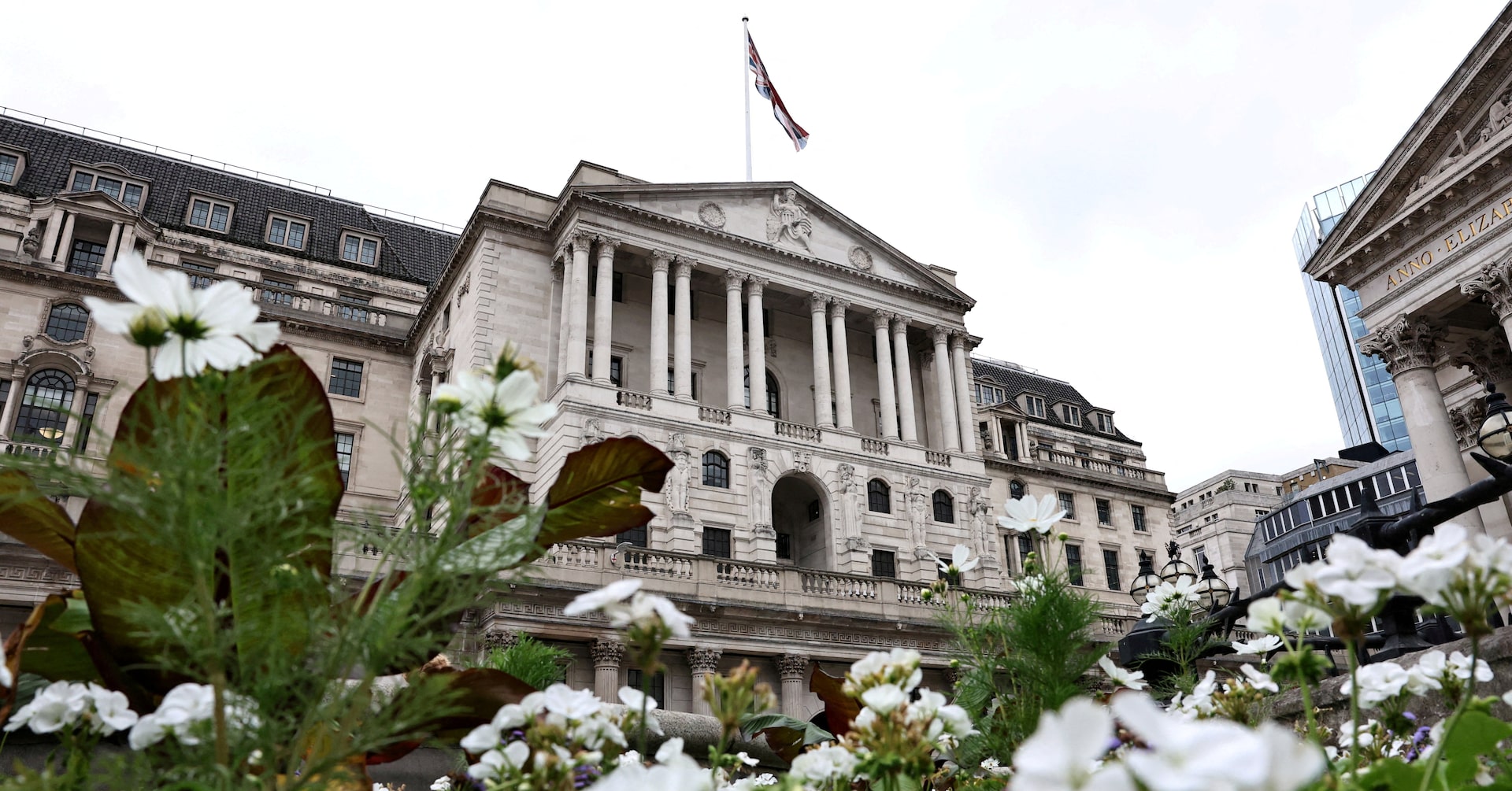
Bank of England slows pace of bond rundown and keeps rates on hold
The Bank of England (BoE) announced a significant shift in its quantitative tightening (QT) strategy on Thursday, reducing the pace of its government bond sales to £70 billion from £100 billion over the next year. This marks the first slowdown since the central bank began unwinding its gilt holdings in 2022. The Monetary Policy Committee (MPC) voted 7-2 in favor of the adjustment, which aims to minimize disruptions in the volatile gilt market. The decision comes as long-dated gilt yields hit their highest levels since 1998 earlier this month, raising concerns about market stability. Governor Andrew Bailey emphasized that while inflation is expected to return to the 2% target by mid-2027, the UK is ‘not out of the woods’ yet. The BoE also maintained its benchmark interest rate at 4%, aligning with market expectations. Future gilt sales will be skewed toward short- and medium-dated bonds, with a 40:40:20 split, compared to the previous even distribution. Economists suggest this move could ease pressure on the UK bond market ahead of the upcoming budget announcement. Sterling weakened slightly against the dollar following the decision, while 30-year gilt yields edged lower. The BoE also revised its third-quarter growth forecast upward to 0.4%, signaling cautious optimism about the economy.
-
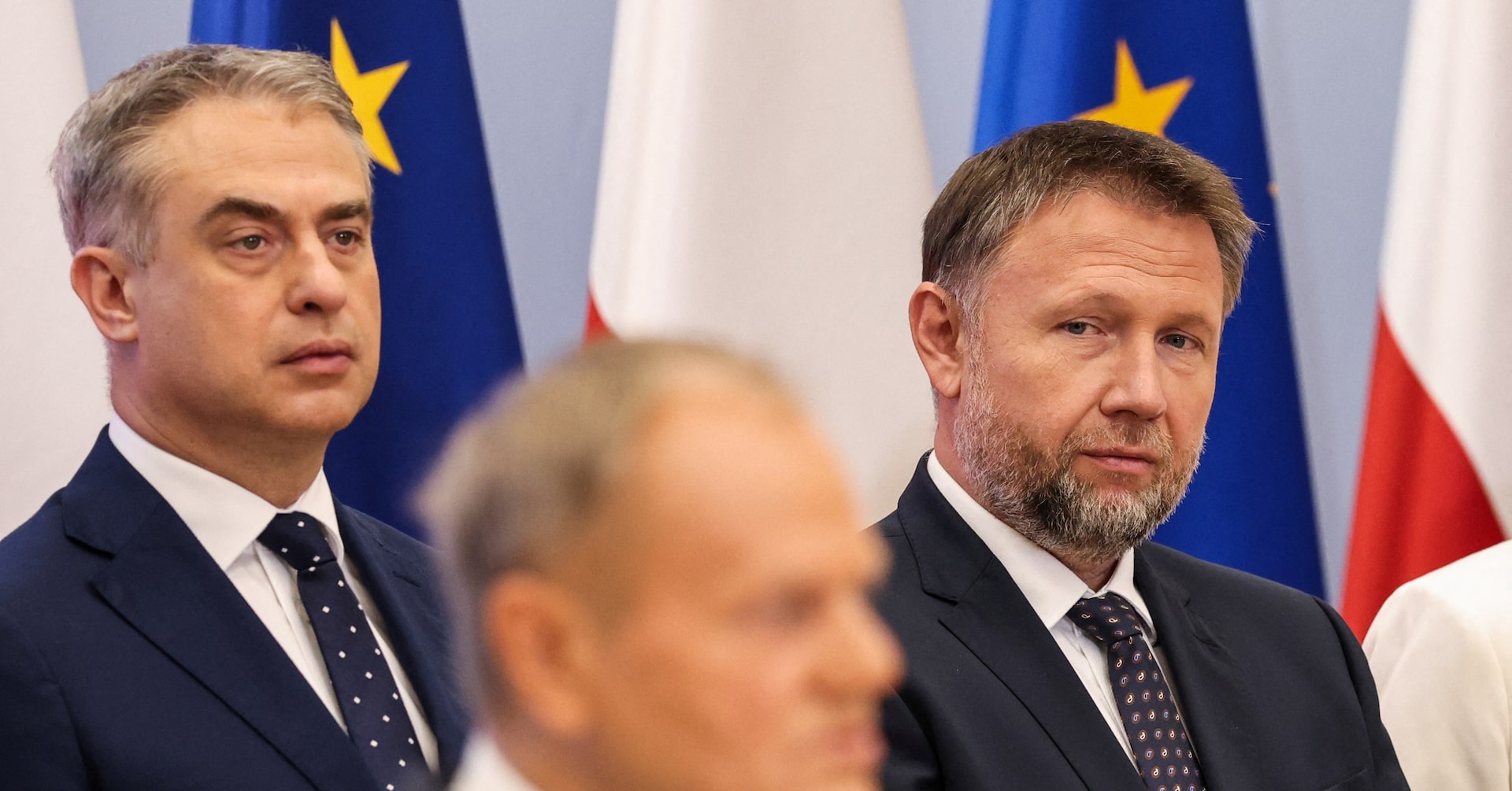
Poland reports increased drone activity near Belarus border
Poland has reported a surge in drone activity near its border with Belarus, intensifying tensions in the region. The announcement came on Thursday, September 18, 2025, following the closure of several border crossings due to ongoing military exercises involving Belarus and its ally, Russia. The ‘Zapad’ (West) war games, which concluded recently, had already raised alarms when approximately 21 Russian drones breached Polish airspace on September 9-10. Interior Minister Marcin Kierwinski, who assumed office in July 2025, stated that the border would remain closed until the situation stabilizes. ‘Last night, the Border Guard observed increased activity by Belarusian and Russian drones attempting to cross Polish airspace,’ Kierwinski said. ‘The situation on the Polish-Belarusian border remains very, very tense.’ While no Polish intervention or drone shootdowns were reported, the heightened activity underscores the strained relations between Poland and Belarus. Belarus has deepened its alliance with Russia, particularly since Moscow’s invasion of Ukraine, allowing Russian troops to transit through its territory. Poland, a staunch supporter of Ukraine, has already closed four of its six road border crossings with Belarus, along with three rail crossings for freight. The ongoing friction continues to strain regional security and diplomatic relations.
-
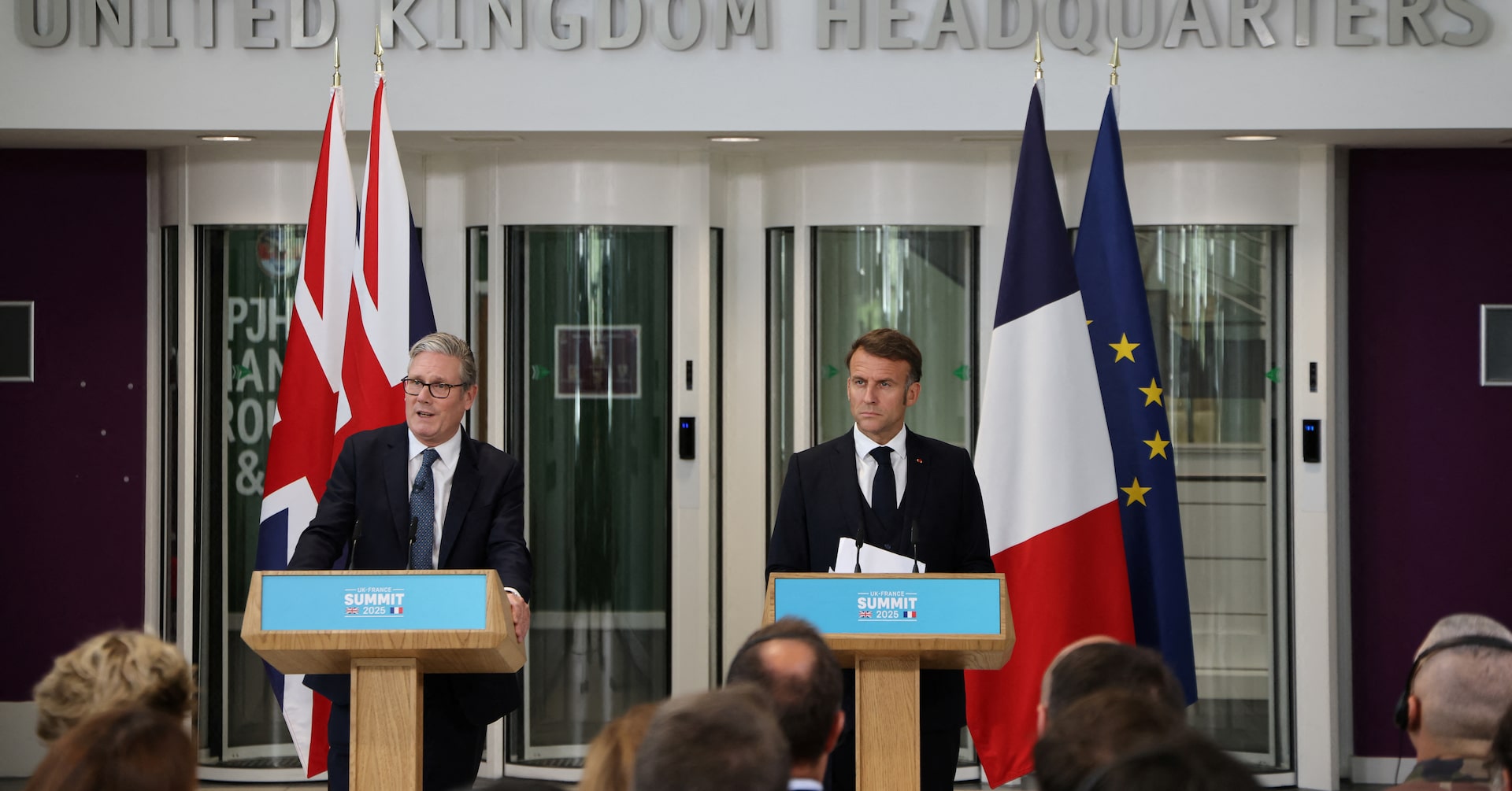
Britain says first migrant returned to France under ‘one in, one out’ deal
In a significant move to address illegal migration, the United Kingdom has deported its first migrant to France under the newly implemented ‘one in, one out’ agreement. The pilot scheme, agreed upon by British Prime Minister Keir Starmer and French President Emmanuel Macron in July 2025, aims to remove undocumented individuals arriving in small boats to France while accepting an equal number of legitimate asylum seekers with British family ties. The UK’s Home Office confirmed that a man who arrived by small boat in August was removed on a commercial flight, with additional flights scheduled in the coming weeks. Home Secretary Shabana Mahmood emphasized the importance of this step in securing the UK’s borders and deterring illegal crossings. The policy, however, has faced legal challenges, with London’s High Court temporarily halting the removal of one asylum seeker pending a full legal review. Despite these hurdles, the government remains committed to the scheme, reviewing modern slavery legislation to prevent its misuse. Critics, including campaign group Freedom from Torture, argue that the policy lacks compassion and access to legal support, urging a more humane approach to asylum seekers.
-
EU floats plan to use frozen Russian assets for Ukraine loan, bypassing a Hungary veto
The European Union is actively considering innovative financial strategies to support Ukraine amidst its ongoing conflict with Russia. One such proposal involves leveraging frozen Russian assets to underpin a ‘reparation loan’ aimed at bolstering Ukraine’s wartime finances. This approach seeks to circumvent potential vetoes from Hungary, a member state known for its pro-Moscow stance. European Commission President Ursula von der Leyen recently introduced the concept, emphasizing that the loan would be structured around cash balances linked to Russian central bank assets frozen in the West following Moscow’s invasion of Ukraine. Crucially, the plan avoids seizing these assets, a move that has been a red line for some EU members. The proposed mechanism would involve replacing the frozen Russian assets with zero-coupon bonds issued by the European Commission, guaranteed by either all EU countries or a coalition of willing participants. This strategy aims to ensure that Ukraine would only repay the loan once it receives compensation from Russia for war-related damages. The initiative is still in its preliminary stages, with many details, including the exact amounts, yet to be finalized. However, officials believe that this approach could provide Ukraine with much-needed financial support while minimizing political risks associated with Hungary’s potential veto. The EU has already been using interest from the frozen assets to repay a $50 billion loan extended to Ukraine by G7 countries. Moving forward, the proposed scheme could offer greater investment flexibility and higher returns, further aiding Ukraine’s recovery efforts.
-
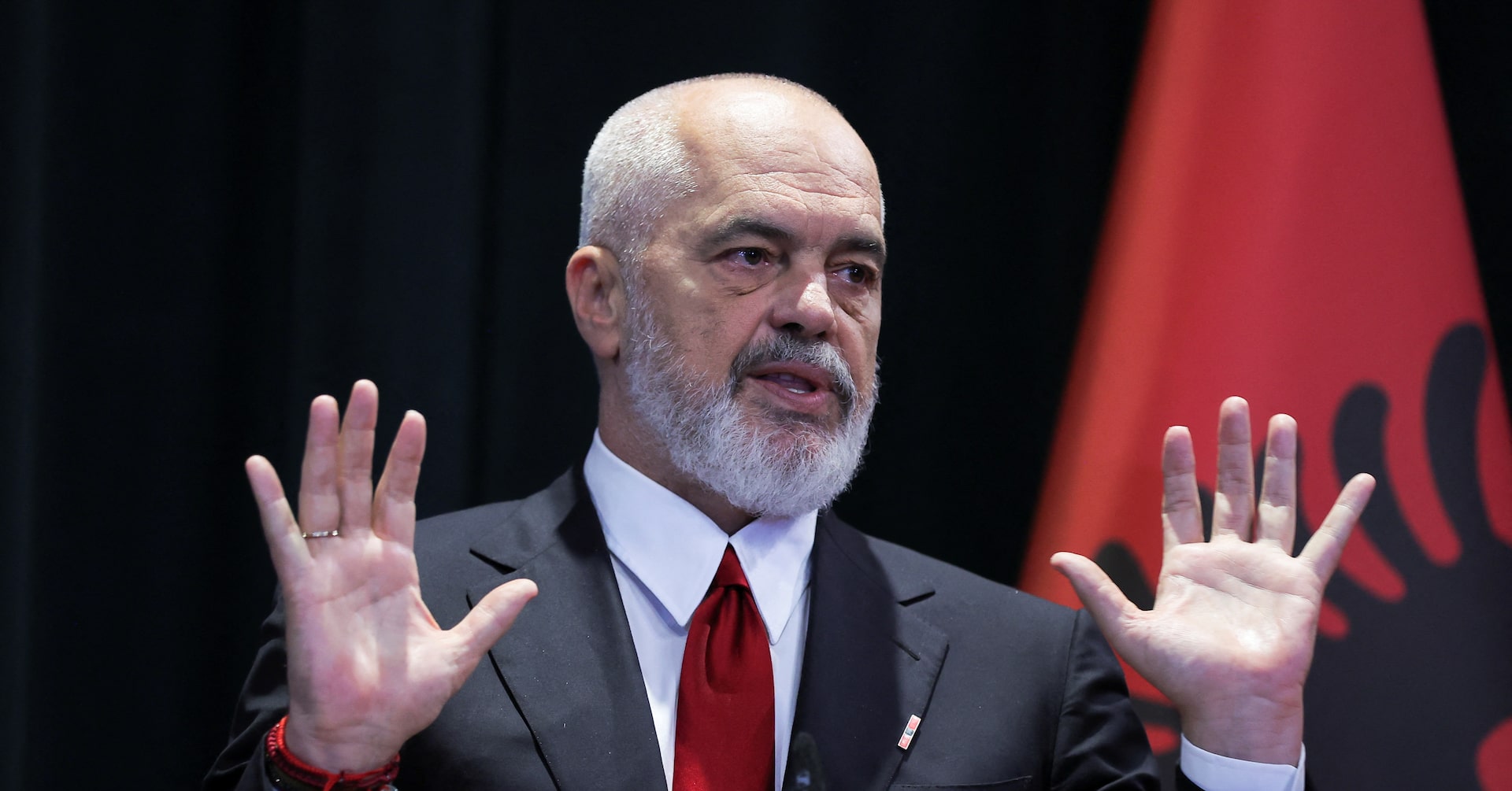
Albania’s Rama starts fourth term as PM, targets EU membership
Albania’s Prime Minister Edi Rama has been confirmed for a historic fourth consecutive term by the country’s parliament, solidifying his leadership in the Balkan nation. The Socialist Party leader, who ran unopposed, secured 82 votes in the 140-seat assembly, marking another majority victory following May’s elections. During his address to lawmakers, Rama emphasized his commitment to steering Albania toward European Union membership by 2030, declaring it the cornerstone of his new mandate. ‘European Albania is the guiding compass for every aspect of our program and the metronome for the rhythm of every reform we will undertake,’ he stated. However, Albania’s path to EU integration faces significant hurdles, including widespread corruption and its reputation as a hub for money laundering linked to drug and weapons trafficking. In a bold and controversial move, Rama recently appointed an AI-powered bot named Diella to oversee public tenders, aiming to curb corruption. Diella, introduced via a video address, asserted its role as a facilitator rather than a replacement for human oversight. The opposition has vehemently criticized the appointment, labeling it unconstitutional and potentially exacerbating corruption. Sali Berisha, leader of the Democratic Party, accused Rama’s mandate of being ‘based on crime, corruption, drugs, and the violation of the Constitution.’ The lack of parliamentary debate on the new government further fueled opposition discontent. Despite these challenges, Rama remains steadfast in his vision for Albania’s future within the EU.