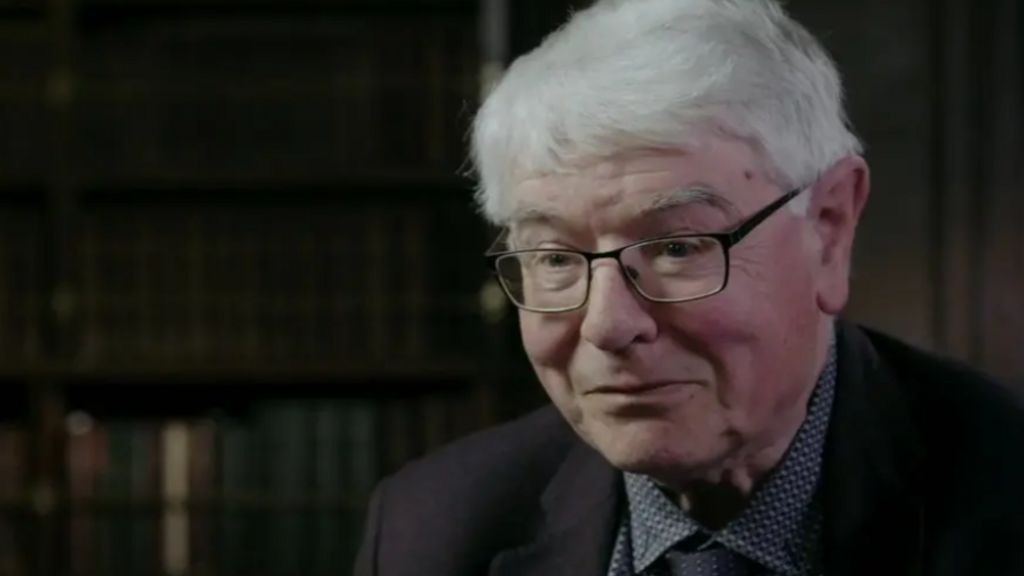
Martin Mansergh, a pivotal figure in the Northern Ireland peace process and former advisor to the Irish government, has died at the age of 78. His passing occurred during a trip to the Sahara with fellow retired parliamentarians. Mansergh, who served as an advisor to Fianna Fáil, was widely recognized for his instrumental role in securing peace in Northern Ireland, particularly through his early secret negotiations in Belfast and his decade-long efforts to overcome obstacles in the peace process. Irish Taoiseach Micheál Martin hailed him as a ‘true Irish republican’ who leaves behind a ‘proud legacy,’ emphasizing his critical contributions to the Good Friday Agreement. Mansergh also held various political roles, including Minister of State for the Office of Public Works, Senator from 2002 to 2007, and TD for Tipperary South from 2007 to 2011. Former Sinn Féin leader Gerry Adams praised him as a ‘key figure’ in building the peace process, while former Taoiseach Bertie Ahern described him as an ‘extraordinary person with a towering intellect.’ Tánaiste Simon Harris underscored Mansergh’s unparalleled influence in shaping Irish government policy on Northern Ireland, highlighting his dual role as an intermediary and a visionary in crafting a new political framework for peace.
标签: Europe
欧洲
-
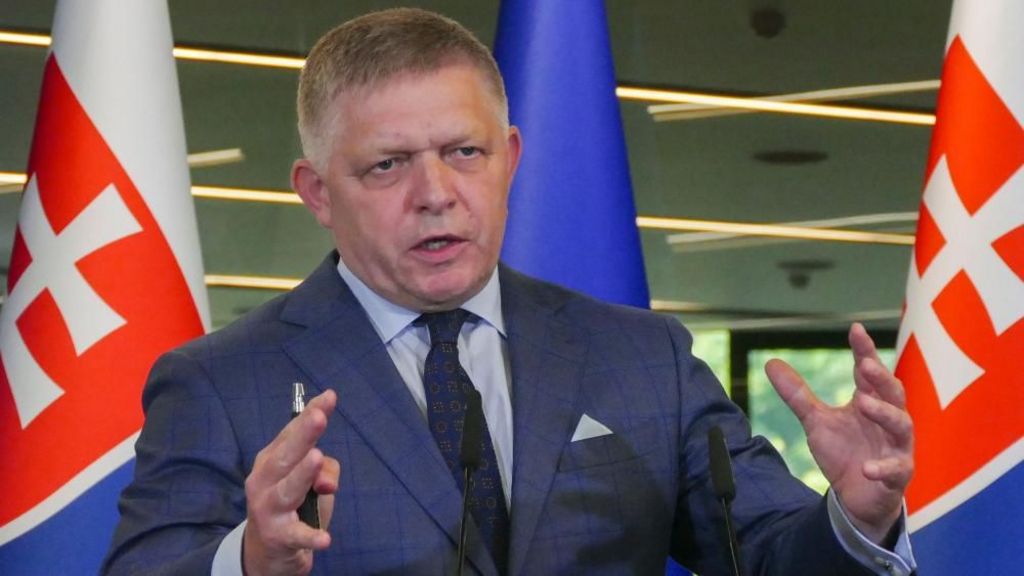
Slovakia passes law to recognise only two sexes and restrict adoption
Slovakia has enacted a significant constitutional amendment, legally recognizing only two sexes—male and female—and imposing restrictions on adoption and surrogate pregnancies. The amendment, which passed by a narrow margin in parliament, also asserts sovereignty in cultural and ethical matters. Prime Minister Robert Fico hailed the decision as a ‘great dam against progressivism,’ emphasizing his government’s commitment to traditional values. Critics, including Amnesty International, have condemned the move, warning it could marginalize the LGBT community and align Slovakia with illiberal regimes like Hungary and Russia. The amendment’s passage was unexpected, as Fico’s coalition initially lacked the necessary votes. However, last-minute support from opposition MPs secured the majority. Opposition leader Igor Matovic labeled the defectors as ‘traitors.’ Legal experts predict the amendment will provoke legal disputes with the European Union, potentially leading to sanctions. Critics argue the move is a political maneuver by Fico to divert attention from declining poll ratings and unpopular policies. President Peter Pellegrini has pledged to sign the amendment, calling it a unifying measure in a divided society. Meanwhile, Fico’s Smer-Social Democracy party faces expulsion from the Party of European Socialists (PES) for deviating from progressive values. The party’s alignment with far-right factions and Fico’s frequent meetings with Russian President Vladimir Putin have further strained relations with European allies.
-

Turkey abandons bid to force doner kebab rules on Europe
Turkey has abandoned its attempt to impose strict regulations on how doner kebabs are prepared across the European Union, a move that would have significantly impacted Germany’s thriving kebab industry. The proposal, which sought a ‘Traditional Speciality Guaranteed’ label, aimed to standardize ingredients and preparation methods, including meat types, slicing thickness, and marinades. However, the bid faced strong opposition, particularly from Germany, where the doner kebab has evolved into a distinct culinary tradition. German officials argued that the kebab has become an integral part of their national cuisine, diverging from its Turkish origins. The Turkish International Doner Federation (Udofed) had proposed that only specific meats, such as beef, lamb, or chicken, be used, while banning veal and turkey. The German version, often made with veal and served in flatbread with vegetables and sauces, would have been at odds with these rules. The bid’s withdrawal on September 23 followed widespread objections and failed compromise attempts. Germany’s kebab industry, which employs 60,000 people and generates €2.4 billion annually, celebrated the decision. Former German Agriculture Minister Cem Özdemir, of Turkish descent, emphasized that the doner kebab ‘belongs to Germany,’ reflecting its cultural integration.
-

Eurovision body to hold vote on Israel’s participation
The European Broadcasting Union (EBU) has announced a pivotal vote to determine whether Israel will be allowed to participate in the 2026 Eurovision Song Contest. This decision follows mounting controversy over Israel’s inclusion due to the ongoing conflict in Gaza. The vote, set to take place at the EBU’s general assembly in early November, will involve all 68 member countries, including non-participating broadcasters from nations such as Tunisia, Egypt, Turkey, Algeria, Jordan, and Lebanon. A simple majority will decide the outcome, potentially excluding Israel if over 50% of members vote in favor.
-
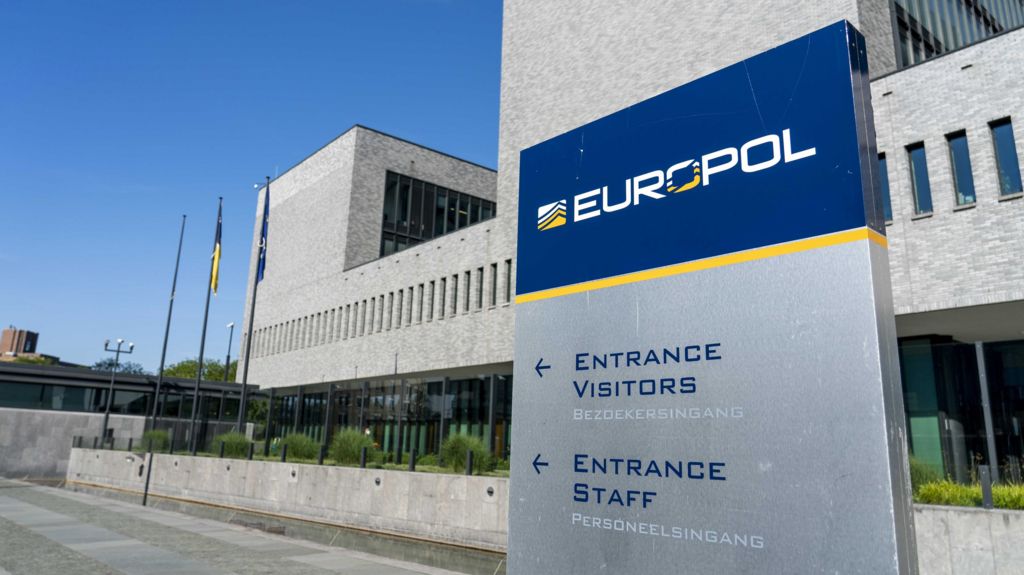
Two Dutch teenagers arrested in spying case linked to Russia
Two 17-year-old boys have been apprehended in the Netherlands on suspicion of ‘state interference,’ with reported connections to Russian espionage activities, according to prosecutors. Dutch media revealed that the teenagers were allegedly contacted by pro-Russian hackers via the messaging app Telegram. One of the suspects was reportedly spotted near the offices of Europol, Eurojust, and the Canadian embassy in The Hague, carrying a ‘wi-fi sniffer’—a device capable of identifying and intercepting wi-fi networks. The duo appeared in court on Thursday, where one was ordered to remain in detention, while the other was placed under strict home bail conditions pending a hearing scheduled within the next two weeks. The father of one of the boys informed De Telegraaf, a Dutch newspaper, that his son was arrested on Monday afternoon while completing his homework. He stated that police linked the arrest to espionage and providing services to a foreign nation. The teenager, described as tech-savvy with a keen interest in hacking, also works part-time at a supermarket. The Netherlands’ domestic intelligence and security agency declined to comment on the case when approached by the BBC.
-
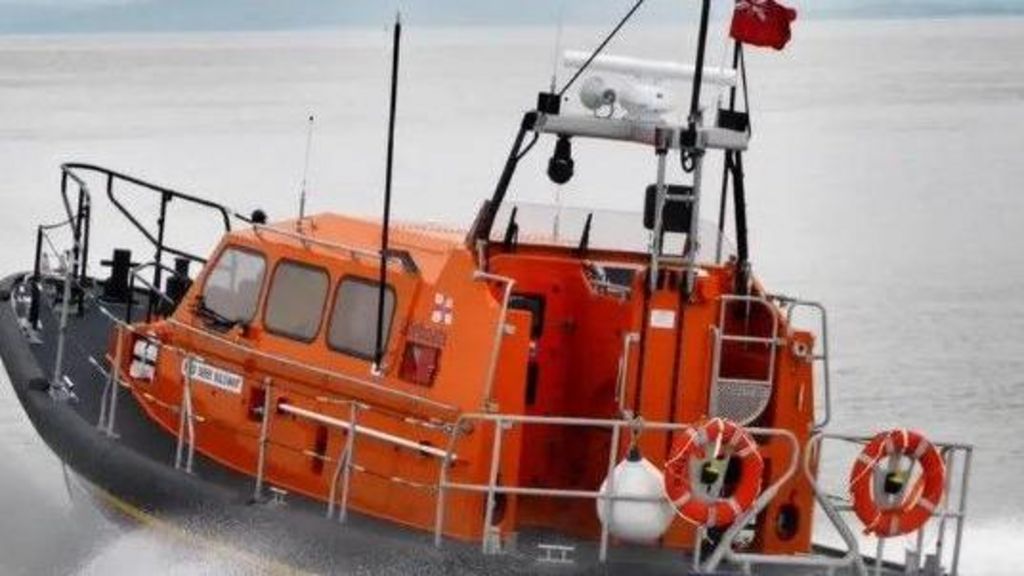
Search resumes for missing fisherman after vessel ran aground
A comprehensive search operation is underway for a fisherman who went missing off the coast of County Sligo in the Republic of Ireland. The emergency response was initiated on Thursday evening at approximately 20:00 local time after a concerned member of the public reported a fishing vessel stranded near Mullaghamore Head. The multi-agency search effort, involving various rescue teams, is focused on the area off Mullaghmore and extends into Donegal Bay. The Royal National Lifeboat Institution (RNLI) confirmed that the search persisted throughout the night and resumed early Friday morning. A spokesperson for the RNLI detailed that the Sligo Bay and Bundoran RNLI’s inshore lifeboats were redirected from a routine training exercise by the Irish Coast Guard following the distress call. The alarm was raised after a grounded boat with its engine still running was spotted near Cliffoney Beach. The search operation also includes the Arranmore and Ballyglass RNLI’s all-weather lifeboats, the Irish Coast Guard helicopter Rescue 118 from Sligo, and the Killybegs Coast Guard’s inshore lifeboat. Additionally, the Gardaí (Irish police) are actively supporting the search efforts.
-
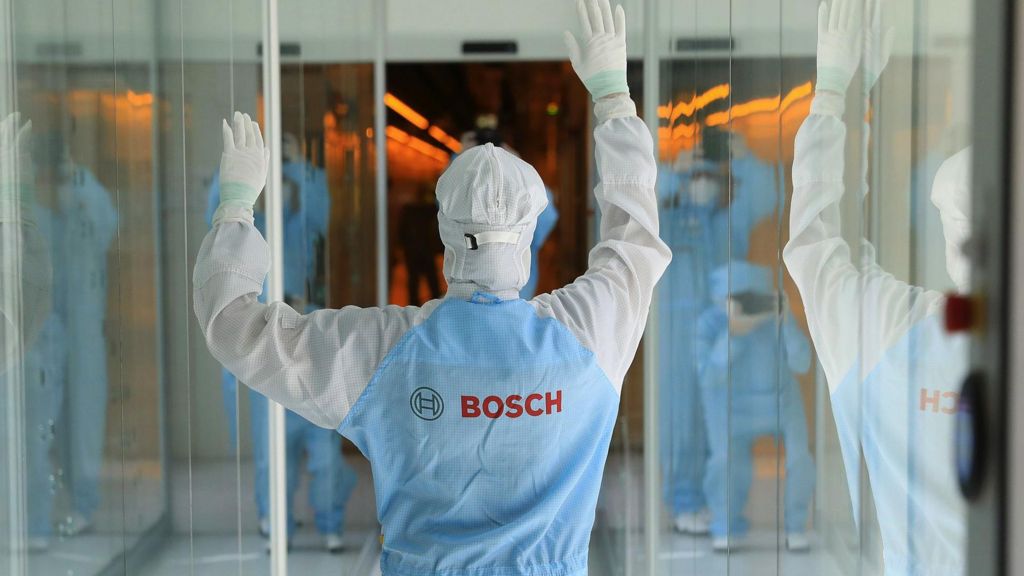
Bosch to cut 13,000 jobs to save billions in costs
Bosch, the global engineering powerhouse, has unveiled plans to slash 13,000 jobs as part of a strategic initiative to save €2.5 billion (£2.06 billion). The cuts will primarily impact the company’s mobility division in Germany, which specializes in vehicle parts and software. The decision comes in response to a stagnated market, intensified competition from industry giants like Tesla and China’s BYD, and rising costs exacerbated by former US President Donald Trump’s tariffs on EU exports.
The company identified a significant ‘cost gap’ of €2.5 billion in its automotive business, prompting a comprehensive cost-reduction strategy. In addition to workforce reductions, Bosch plans to scale back investments in production facilities and infrastructure, citing a ‘sharp decline in demand’ for its products. As of December 2024, Bosch employed 418,000 people worldwide, with the latest cuts expected to affect roles in administration, sales, development, and production across key locations in Germany, including Feuerbach, Schwieberdingen, Waiblingen, Bühl, and Homburg.
Stefan Grosch, a member of Bosch’s board of management and director of industrial relations, expressed regret over the decision, stating, ‘Regrettably, we will not be able to avoid further job cuts beyond those already communicated. This hurts us greatly, but unfortunately, there is no alternative.’ The announcement underscores the challenges facing the once-dominant German automotive industry, which has seen its market share eroded by foreign competitors.
Bosch emphasized that its UK operations would remain unaffected for now, though it would ‘continually assess’ its global operations based on customer demand and market developments. The company also highlighted the broader economic pressures, including Trump’s 15% tariff on EU exports to the US, which, while lower than tariffs imposed on other countries, has significantly increased operational costs. Bosch plans to initiate discussions with affected employees immediately as it navigates this turbulent period.
-
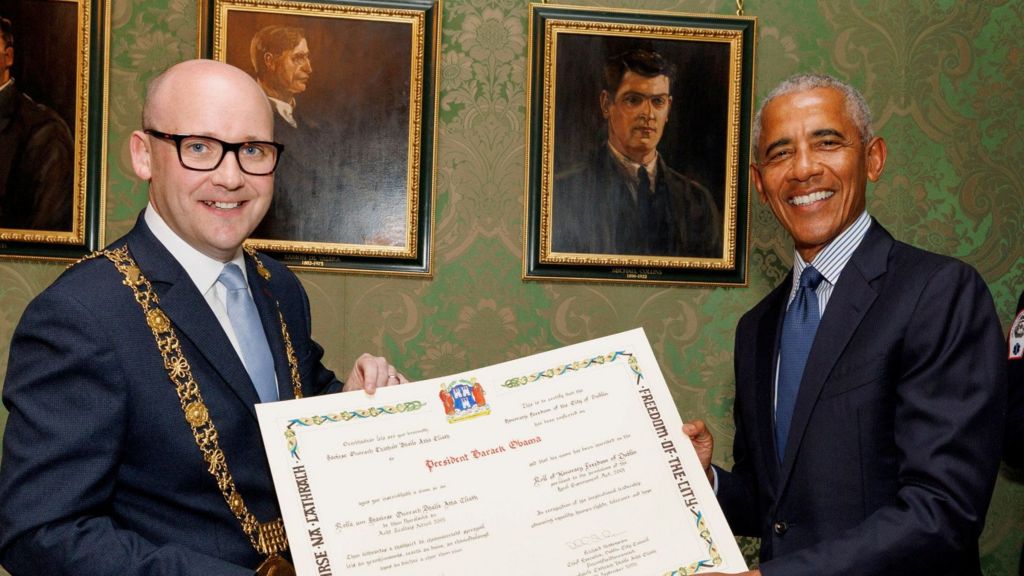
Obama gets Freedom of the City of Dublin amid some backlash
Former U.S. President Barack Obama was formally awarded the Freedom of the City of Dublin in a ceremony held at the Shelbourne Hotel on Thursday. The honor, bestowed by Dublin’s Lord Mayor Ray McAdam, recognizes Obama’s global leadership and vision for a fairer society. However, the event was not without controversy, as several Dublin councillors opposed the decision, citing concerns over Obama’s foreign policy, particularly his stance on Israel, Libya, Yemen, and Somalia. The council had initially voted in 2017 to grant the honor to Obama and his wife Michelle, with 30 votes in favor and 23 against. At the ceremony, Obama received a first edition of James Joyce’s *Ulysses* and a bottle of Teeling Whiskey. In his acceptance speech, he emphasized the enduring bond between Ireland and the United States, rooted in shared hope and resilience. The event was attended by approximately 30 guests, including the Lord Mayor’s six-year-old son, who presented Obama with a homemade Spider-Man card. Despite the opposition, Lord Mayor McAdam defended the decision, stating that no political career is without flaws and that the honor reflects Dublin’s recognition of Obama’s contributions. The Freedom of the City of Dublin, the highest honor the city can bestow, has been awarded to only 88 individuals, including notable figures like Nelson Mandela, John F. Kennedy, and Greta Thunberg. Obama’s visit to Dublin also includes a sold-out event at the 3Arena, where he will engage in a conversation with Irish journalist Fintan O’Toole.
-
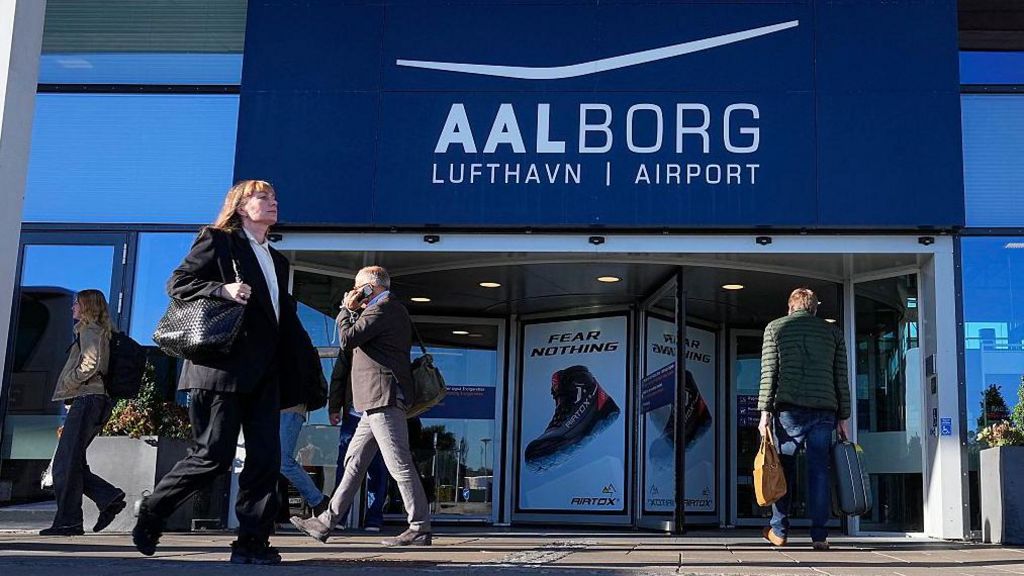
Drone attacks leave Denmark exposed – and searching for response
A series of drone incidents across Denmark’s airports and military bases in Jutland has exposed vulnerabilities in the nation’s defense systems, raising concerns about hybrid warfare tactics. Although no harm or damage was reported, the events have highlighted Denmark’s susceptibility to such attacks, prompting urgent discussions on national security measures. Aalborg and Billund airports were forced to close, while drones were also spotted at Esbjerg, Sonderborg, and Skrydstrup, the latter housing the Danish Air Force’s F-35 and F-16 fighter jets. Additionally, drones were observed over the Jutland Dragoon regiment in Holstebro and near Denmark’s North Sea oil and gas platforms. Defense officials opted not to shoot down the drones, citing safety concerns, but acknowledged the need for long-term solutions. Denmark’s Defense Minister Troels Lund Poulsen described the incidents as a “hybrid attack,” though no concrete evidence points to Russia. However, Prime Minister Mette Frederiksen emphasized Russia’s ongoing threat to Europe. The Danish government is now considering invoking NATO’s Article 4 for consultation, as neighboring countries like Poland and Estonia have done following similar incidents. Denmark’s cautious approach contrasts with Poland’s more aggressive stance, where Russian drones were shot down recently. The Danish government has announced plans for an “integrated layered air defense” system and investments in long-range precision weapons. Meanwhile, discussions are underway with NATO allies and Ukraine to establish a “drone wall” along the EU’s eastern borders, focusing on early detection systems. The incidents have served as a stark reminder of Denmark’s need to bolster its defenses in an era of evolving hybrid warfare.
-
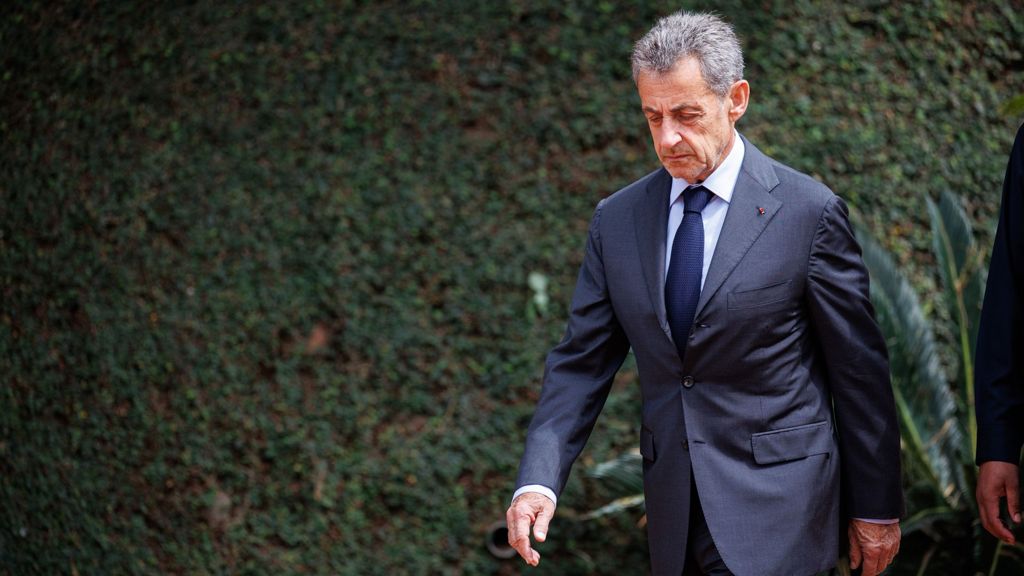
From former president to future prisoner: Sarkozy’s conviction divides France
Former French President Nicolas Sarkozy has been sentenced to five years in prison, marking a historic moment as he becomes the first ex-president of France to face such a fate. The verdict, delivered on Thursday in the high-profile ‘Libyan money’ trial, has reignited the polarizing debates that have long surrounded Sarkozy’s political career. Convicted of criminal conspiracy, Sarkozy expressed vehement outrage, claiming to be a victim of ‘limitless hatred’ from his adversaries. This case has once again highlighted the deep-seated divisions within French society and its political landscape. Sarkozy, who has consistently portrayed himself as a target of a left-wing judicial and media conspiracy, now faces a humiliating punishment that his supporters argue is disproportionate. The court acquitted him of three charges—illegal party funding, embezzlement of Libyan funds, and corruption—but convicted him on the broader charge of ‘criminal association,’ often used in cases involving organized crime. Critics question the severity of the sentence, especially given the 20-year gap since the alleged offense and the non-suspensive nature of the punishment, which means Sarkozy will serve time even if he appeals. The case has drawn sharp reactions from both ends of the political spectrum. Marine Le Pen, leader of the far-right National Rally, condemned the verdict as an example of judicial overreach, while the left views it as evidence of systemic privilege among the powerful. Sarkozy’s legal troubles are not new; he has previously been convicted on charges of corruption and illegal campaign financing. This latest chapter underscores the enduring influence of his controversial legacy on French politics, even as he remains a figure of the past. The trial has laid bare the fractures in a nation already deeply divided, with Sarkozy’s supporters and detractors clashing over the implications of his sentencing.