标签: Europe

欧洲

  • Kosovo authorities arrest over 100 people over alleged ballot manipulation in December vote

    Kosovo authorities arrest over 100 people over alleged ballot manipulation in December vote

    Kosovo’s political landscape faces renewed turmoil as authorities announced the detention of 109 individuals on Friday in connection with extensive electoral fraud allegations. The scandal has prompted a nationwide recount of December’s parliamentary elections, casting doubt on the integrity of the democratic process in the Balkan nation.

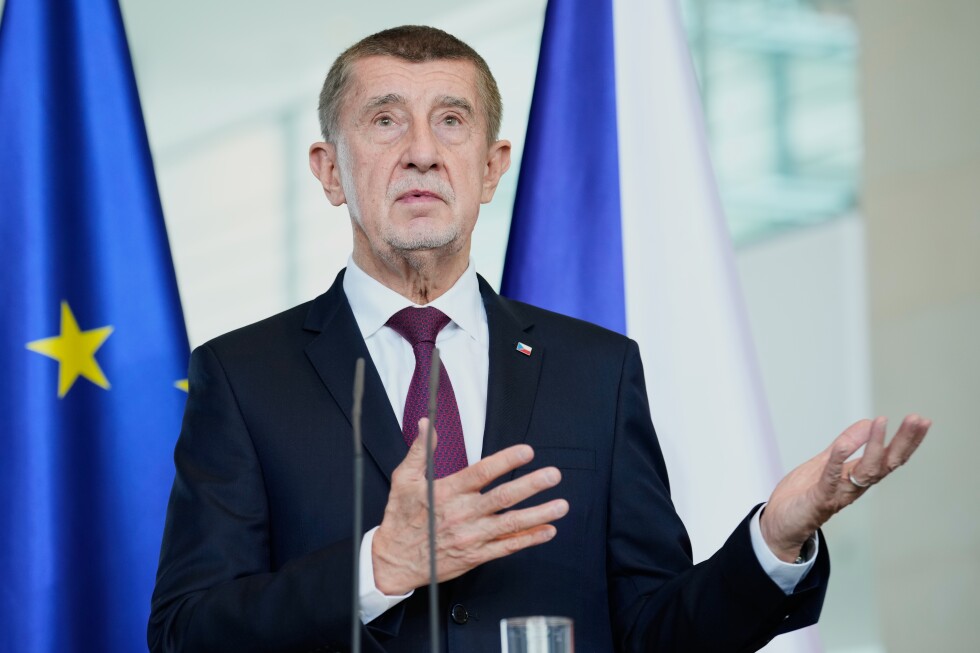
    Prosecutors from the southern municipality of Prizren revealed that suspects face serious charges including election result falsification, coercion through threats, and systematic bribery. Chief Prosecutor Petrit Kryeziu disclosed that the alleged manipulation affected a staggering 68,017 ballots in Prizren alone, representing significant electoral interference.

    The Central Election Commission mandated a comprehensive recount earlier this week following evidence of widespread irregularities. Despite the scale of suspected fraud, officials indicate the overall election outcome remains unchanged, though individual candidate results within specific parties may be altered.

    Prime Minister Albin Kurti’s Vetevendosje (Self-Determination) party had secured a decisive victory with approximately 51% of votes in the December snap election. This political force had previously dominated February’s polls but failed to form a governing coalition, triggering months of political paralysis that necessitated the December revote.

    The unfolding crisis threatens to prolong Kosovo’s governmental instability, potentially delaying parliamentary formation and budget approval. With a critical presidential election deadline approaching in early March, failure to meet constitutional requirements could force yet another snap election, further destabilizing the young democracy.

    Kosovo, which gained independence from Serbia in 2008 following the 1998-99 conflict, continues to grapple with economic challenges as one of Europe’s poorest nations. The current political impasse complicates its aspirations for European Union integration alongside other Western Balkan states.

  • Spanish track was fractured before high-speed train disaster, report finds

    Spanish track was fractured before high-speed train disaster, report finds

    A preliminary investigation into Spain’s deadliest rail accident in over a decade has revealed that a critical track fracture occurred prior to the passage of a high-speed train that derailed near Adamuz last Sunday, resulting in 45 fatalities. The catastrophic incident occurred at approximately 19:45 local time when an Iryo-operated train traveling from Málaga to Madrid experienced a derailment of its final three carriages, which subsequently collided with an oncoming state-run Renfe service bound for Huelva.

    The Commission for Railway Accident Investigations (CIAF) has identified a 40-centimeter gap in the track as the central focus of their inquiry. Critical evidence emerged when investigators discovered distinctive grooves on the wheels of multiple trains that had traversed the same section of track before the disaster. These markings were found not only on the Iryo train’s carriages that remained on the rails but also on three preceding trains that passed over the compromised track at 17:21, 19:01, and 19:09 on Sunday evening.

    The technical report indicates that ‘these notches in the wheels and the deformation observed in the track are compatible with the fact that the track was cracked’ before the derailment occurred. Particularly telling was the discovery of a groove on the outer edge of carriage five—the final carriage that did not derail—suggesting the rail was already tilting outward before carriage six completely lost contact with the tracks.

    Spanish Transport Minister Óscar Puente has characterized the CIAF report as a ‘working hypothesis’ requiring further detailed analysis. While acknowledging that definitive answers remain premature, Minister Puente indicated that if the track fracture proves to be the primary cause, it likely developed in the immediate hours preceding the accident and would have been undetectable by existing monitoring systems.

    This tragedy represents Spain’s most severe rail disaster since the 2013 Galicia derailment that claimed 80 lives and injured 140 passengers. The investigation continues as authorities work to determine the exact sequence of events and implement preventive measures for the future.

  • Russia, Ukraine and the US are holding peace talks in Abu Dhabi. They’re coming at a key moment

    Russia, Ukraine and the US are holding peace talks in Abu Dhabi. They’re coming at a key moment

    In an unprecedented diplomatic development, senior envoys from Ukraine, Russia, and the United States convened in Abu Dhabi on Friday, marking the first confirmed trilateral engagement facilitated by the Trump administration to address Moscow’s protracted invasion of Ukraine now entering its fourth year.

    The high-stakes negotiations emerge amid intensified diplomatic movements across Europe, though substantial hurdles persist regarding territorial sovereignty. While Ukrainian President Volodymyr Zelenskyy indicated during Davos discussions that a peace agreement appeared ‘nearly ready,’ critical disputes concerning territorial control remain fundamentally unresolved.

    This dialogue distinguishes itself through both its location in the United Arab Emirates capital and Washington’s direct participation. Previous encounters between Russian and Ukrainian officials occurred without American mediation, making this trilateral format a significant evolution in diplomatic efforts. The engagement follows closely timed bilateral meetings: Zelenskyy’s hour-long closed-door discussion with President Trump in Switzerland, which both leaders characterized as productive, and an extensive four-hour nocturnal Kremlin meeting between Russian President Vladimir Putin and U.S. envoys Jared Kushner and Steve Witkoff.

    The Ukrainian delegation features National Security and Defense Council head Rustem Umerov, Chief of General Staff Andrii Hnatov, and Presidential Office head Kyrylo Budanov. Russia’s representation is led by military intelligence chief Admiral Igor Kostyukov, accompanied by Defense Ministry officials and presidential envoy Kirill Dmitriev.

    Central to the negotiations is the incendiary issue of territorial concessions, particularly regarding the Donbas region. Zelenskyy identified this as the pivotal obstacle, while Kremlin officials emphasized that lasting resolution remains impossible without addressing territorial claims. Russia demands Ukrainian withdrawal from eastern territories it annexed in 2022, despite never establishing full military control. Meanwhile, Ukraine seeks binding security guarantees from Western nations to prevent future aggression.

    The talks occur against a backdrop of continued military action, with Russia maintaining offensive operations against Ukrainian energy infrastructure during winter months. Although Moscow has achieved significant territorial gains since initiating hostilities in 2014, these advances have come at substantial economic and military costs due to international sanctions and determined Ukrainian resistance.

    The Abu Dhabi negotiations are scheduled to conclude Saturday, with parallel economic discussions occurring between Witkoff and Dmitriev alongside the primary security dialogue.

  • French prosecutors investigate seized oil tanker suspected of evading sanctions on Russia

    French prosecutors investigate seized oil tanker suspected of evading sanctions on Russia

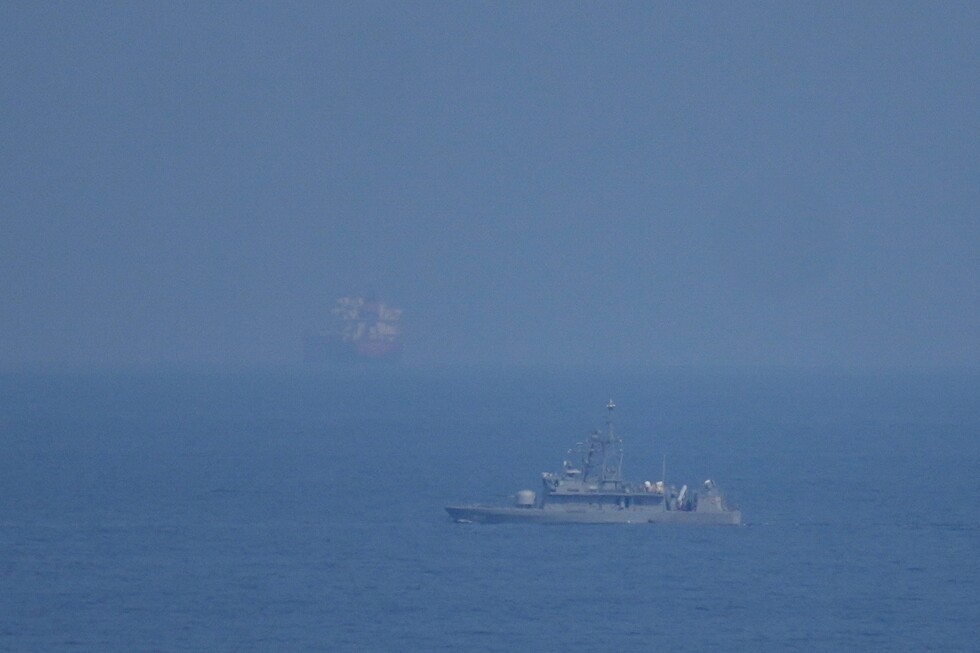
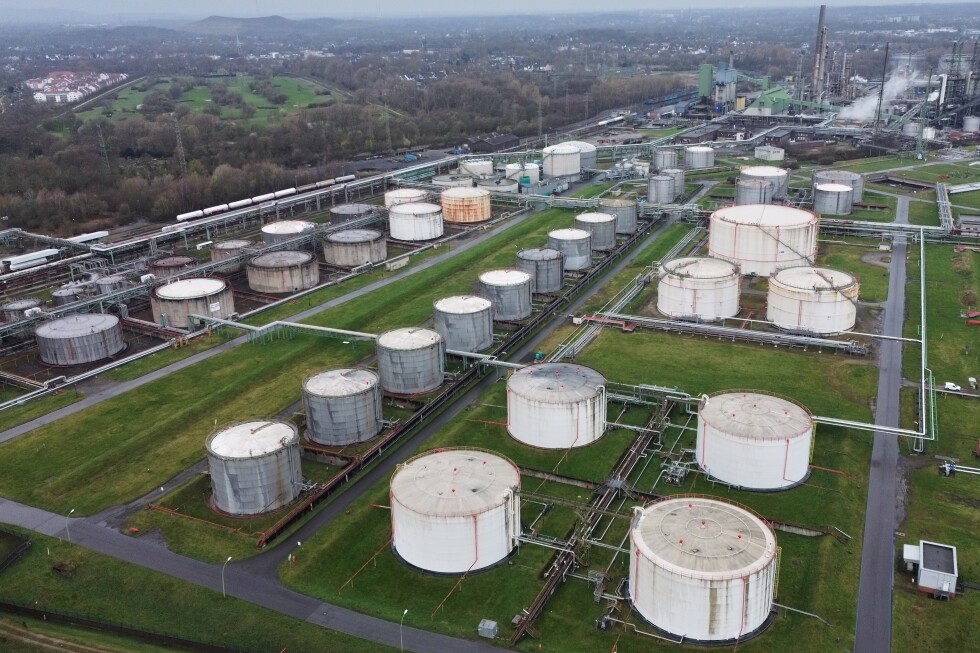
    French authorities have launched a formal investigation into a Russian-affiliated oil tanker intercepted by the French navy in the Mediterranean Sea, marking the latest escalation in Western efforts to enforce sanctions against Moscow. The vessel ‘Grinch,’ which originated from Murmansk in northwestern Russia, was identified as a suspected member of Russia’s clandestine petroleum transportation network designed to circumvent international restrictions.

    Prosecutors from Marseille confirmed Friday they have initiated proceedings against the tanker for allegedly failing to properly declare its nationality during maritime verification procedures. The interception operation, conducted on Thursday, involved French naval forces boarding the vessel from military helicopters before redirecting it to a controlled anchorage area for further inspection.

    This incident represents part of a broader pattern of enforcement actions targeting what experts describe as Russia’s ‘shadow fleet’—an estimated armada of over 400 aging vessels and tankers operated through opaque ownership structures registered in non-sanctioning countries. These ships typically sail under flags from jurisdictions that have not implemented restrictions against Russian petroleum exports.

    The current case mirrors a similar interception from September, when French forces boarded another suspected shadow fleet tanker off the Atlantic coast. That earlier incident provoked strong condemnation from Russian President Vladimir Putin, who characterized the enforcement action as ‘piracy.’ The captain from that previous interception is scheduled to face trial in February regarding allegations of non-cooperation with French authorities.

    France has joined other Western nations in committing to intensified surveillance and interception operations targeting vessels believed to be facilitating the circumvention of sanctions imposed following Russia’s invasion of Ukraine.

  • Could trilateral talks yield a breakthrough in Ukraine-Russia war?

    Could trilateral talks yield a breakthrough in Ukraine-Russia war?

    In a significant diplomatic development, representatives from Ukraine, Russia, and the United States have convened for unprecedented trilateral discussions, marking the first such meeting since Russia’s full-scale invasion of Ukraine in February 2022. This groundbreaking dialogue represents a potential turning point in the protracted conflict that has reshaped global security architecture.

    The high-level meeting brings together key stakeholders at a critical juncture in the nearly two-year conflict, suggesting possible behind-the-scenes diplomatic maneuvering that may pave the way for more substantive negotiations. While specific agenda items remain confidential, the very occurrence of this tripartite engagement indicates a potential willingness among parties to explore diplomatic channels alongside military operations.

    International observers are closely monitoring these talks for indications of potential compromise areas, including security guarantees, territorial considerations, and humanitarian arrangements. The participation of Washington as both a major military supporter of Ukraine and a global superpower adds considerable weight to the proceedings, potentially creating conditions for confidence-building measures that could de-escalate tensions.

    This diplomatic initiative occurs amid evolving battlefield dynamics and increasing international pressure for conflict resolution. The involvement of all three principal actors simultaneously distinguishes this effort from previous bilateral contacts and suggests a recognition that sustainable peace requires addressing the concerns of all major parties involved in or affected by the conflict.

  • High stakes but low expectations ahead of Ukraine talks with Russia and US

    High stakes but low expectations ahead of Ukraine talks with Russia and US

    In a significant diplomatic development, representatives from Russia, Ukraine, and the United States are convening in Abu Dhabi for their first tripartite negotiations since Russia’s full-scale invasion of Ukraine in 2022. This meeting marks a new format in peace discussions, though fundamental disagreements between the parties remain largely unchanged.

    Ukrainian President Volodymyr Zelensky has characterized his recent discussions with former US President Donald Trump in Davos as “really positive,” expressing hope for enhanced air defense support against Russia’s ongoing assaults. Despite this optimism, Zelensky maintains cautious realism regarding the Abu Dhabi talks, describing them merely as “a step” toward peace rather than a breakthrough.

    The core obstacle to any potential agreement centers on territorial sovereignty in eastern Ukraine. Russia continues to demand control over substantial portions of the Donbas region—territory it has failed to secure militarily. Ukraine remains steadfast in its refusal to cede these lands, where countless soldiers have perished defending the nation’s integrity.

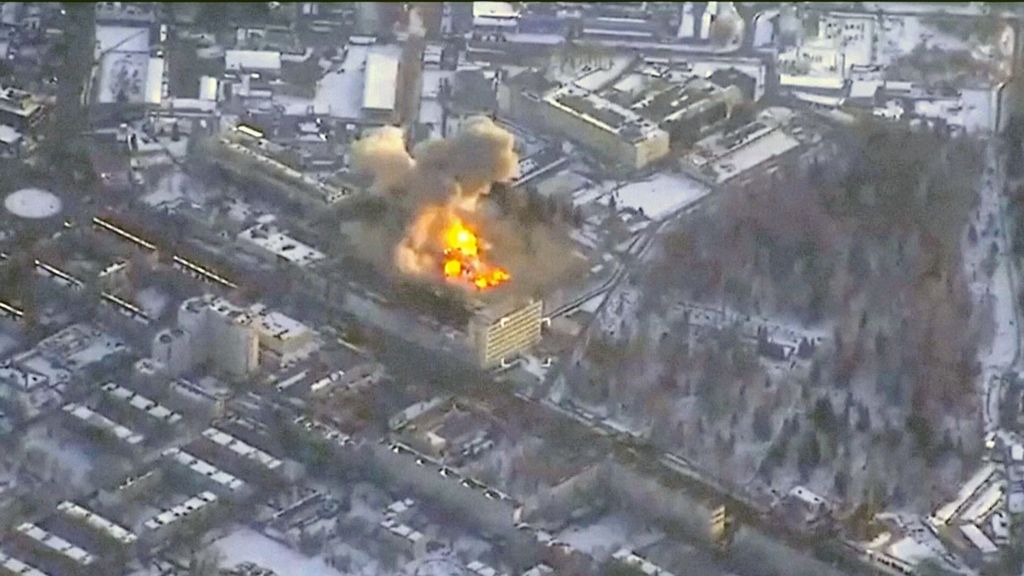
    Concurrently, Russia has intensified attacks on Ukrainian civilian infrastructure, creating a humanitarian crisis during the harsh winter months. Kyiv’s mayor has advised residents to evacuate if possible, warning that critical infrastructure remains vulnerable to systematic bombardment.

    The reliability of US security guarantees under a potential Trump administration presents another layer of uncertainty. Previous actions, including the temporary suspension of military aid and intelligence sharing, coupled with Trump’s unconventional approach to international alliances, have raised questions about America’s long-term commitment to Ukrainian sovereignty.

    Despite these challenges, Ukraine approaches negotiations with determined pragmatism, recognizing that diplomatic engagement remains essential both for achieving peace and maintaining international support.

  • Trump steals the show in Davos with a mixed bag of rhetoric and results at elite gathering

    Trump steals the show in Davos with a mixed bag of rhetoric and results at elite gathering

    DAVOS, Switzerland — The 2020 World Economic Forum witnessed a striking dichotomy as U.S. President Donald Trump’s geopolitical theater eclipsed substantive discussions on artificial intelligence and climate initiatives that traditionally dominate the annual gathering of global elites. During his whirlwind 24-hour appearance in the Swiss Alps, Trump commanded unprecedented attention through a combination of provocative policy announcements and diplomatic reversals that reshaped the forum’s narrative landscape.

    The presidential presence created what observers termed ‘two parallel conferences’: one focused on technological innovation where business leaders like Elon Musk and Nvidia’s Jensen Huang discussed AI infrastructure and employment impacts, and another dominated entirely by Trump’s geopolitical maneuvers. This division was notably articulated by former Congresswoman Jane Harman, who observed the forum’s unusual bifurcation between technological and political discourses.

    Trump’s agenda included the abrupt announcement of tariffs against eight European nations opposing his Greenland acquisition attempt—a move he dramatically reversed within days following international criticism. Simultaneously, he launched the controversial ‘Board of Peace’ initiative for Middle East conflict resolution, drawing mixed reactions from global leaders. While NATO’s Mark Rutte and Ukraine’s Volodymyr Zelenskyy praised Trump’s engagement with Eastern European security concerns, European allies expressed skepticism about the proposed alternative to UN frameworks.

    Amid the political spectacle, technological discussions advanced with cautious optimism. AI executives emphasized the technology’s potential to create infrastructure jobs rather than eliminate employment, while addressing concerns about energy consumption and U.S.-China trade tensions. The forum concluded with BlackRock’s Larry Fink invoking Elon Musk’s optimistic perspective, underscoring the business community’s preference for hopeful engagement over pessimistic forecasting despite the prevailing political turbulence.

  • Trump says Greenland framework includes mineral rights. What minerals does the island have?

    Trump says Greenland framework includes mineral rights. What minerals does the island have?

    Former President Donald Trump has reignited geopolitical interest in Greenland by claiming to have established a preliminary framework for future agreements concerning the island’s defense infrastructure and mineral rights. This development underscores Greenland’s growing strategic value due to its vast deposits of rare earth elements essential for electronics, green energy, and military technologies.

    Geological surveys indicate Greenland possesses 25 of the 34 minerals classified as critical raw materials by the European Commission, including graphite, niobium, and titanium. While Trump publicly emphasizes security concerns regarding Russian and Chinese Arctic expansion, analysts suggest resource acquisition remains a primary motivator. “This is fundamentally about securing those resources and preventing Chinese dominance,” stated Professor Steven Lamy of the University of Southern California.

    The U.S. has intensified engagement with Greenland since reopening its Nuuk consulate in 2020. Recent actions include approving $120 million in financing through the Export-Import Bank for a American mining project there, aligning with broader efforts to diversify rare earth supplies away from China. Allies like UN Ambassador Mike Waltz emphasize Greenland’s multidimensional value: “This concerns shipping lanes, energy resources, fisheries, and ultimately national security.”

    However, significant challenges persist. Greenland’s mining industry faces extreme operational hurdles including harsh weather, insufficient infrastructure, and limited labor. Although climate change is gradually exposing new mineral-rich areas and potential hydroelectric sources, only two active mines currently operate despite 100 exploration permits being issued. Researchers like Mikkel Runge Olesen note that while mineral quantities are substantial, extraction costs remain prohibitively high.

    Critics question whether U.S. control is necessary for resource access, while experts characterize current mining prospects as largely theoretical. Dr. Patrick Schröder of Chatham House acknowledged Greenland’s potential to “shift the dial” in global mineral supply chains, though Jennifer Spence of Harvard’s Arctic Initiative noted operations remain “all still about potential” despite the evident economic and strategic interests driving Trump’s approach.

  • ‘The ultimate insult’: Trump downplaying NATO’s Afghanistan involvement causes distress in UK

    ‘The ultimate insult’: Trump downplaying NATO’s Afghanistan involvement causes distress in UK

    LONDON — Former U.S. President Donald Trump has ignited fierce condemnation from British officials and military families following controversial remarks questioning NATO allies’ combat commitment during the Afghanistan conflict. Speaking during a Fox News interview in Davos on Thursday, Trump cast doubt on NATO’s reliability while suggesting non-American troops deliberately avoided front-line engagement.

    The comments struck a particularly raw nerve in the United Kingdom, which deployed over 150,000 personnel to Afghanistan—the largest contingent after the United States—with 456 ultimately sacrificing their lives. British Defense Secretary John Healey emphasized that UK forces ‘answered the U.S. call’ following the 9/11 attacks, stating fallen troops should be ‘remembered as heroes who gave their lives in service of our nation.’

    Lawmaker Ben Obese-Jecty, a former captain in the Royal Yorkshire Regiment who served in Afghanistan, expressed dismay at seeing ‘our nation’s sacrifice, and that of our NATO partners, held so cheaply.’ The criticism extended to Trump’s personal military service record, with author Stephen Stewart highlighting the ‘huge irony’ of draft deferment recipient Trump questioning others’ combat commitment.

    The controversy emerges amid escalating transatlantic tensions following Trump’s threats to seize Greenland—a semi-autonomous Danish territory—and impose tariffs on European nations. Historical context further contradicts Trump’s assertions: Article 5 of NATO’s founding treaty, the mutual defense clause, was invoked only once—in response to the 9/11 attacks on the United States.

    Denmark, which suffered the highest per capita casualties among coalition forces in Afghanistan, exemplified this commitment through former platoon commander Martin Tamm Andersen’s reminder: ‘When America needed us after 9/11 we were there.’

    The remarks have prompted calls for diplomatic pushback, with Diane Dernie—mother of a severely injured British soldier—describing Trump’s comments as ‘the ultimate insult’ and urging Prime Minister Keir Starmer to ‘make a stand for those who fought for this country.’

  • Liz Hurley and Anna Wintour among mourners at Valentino’s funeral in Rome

    Liz Hurley and Anna Wintour among mourners at Valentino’s funeral in Rome

    The global fashion community converged upon Rome to pay final respects to the legendary Italian couturier Valentino Garavani, who passed away at 93. The solemn funeral service, held in the Italian capital, became a gathering of international luminaries from the worlds of fashion, film, and celebrity culture. Among the distinguished mourners were actress and model Elizabeth Hurley and Vogue’s editorial director Anna Wintour, both emblematic figures whose careers intersected with Valentino’s enduring influence on haute couture. The ceremony reflected the designer’s monumental impact on fashion, drawing both industry insiders and public admirers who gathered to commemorate his life’s work. Valentino’s death marks the conclusion of an extraordinary 70-year career that redefined elegance and established an unmistakable aesthetic of sophistication and luxury. His legacy includes dressing generations of royalty, Hollywood stars, and style icons, cementing his status as one of fashion’s most transformative figures. The gathering in Rome represented not just a farewell to an individual designer, but the closing of a significant chapter in fashion history.