标签: Europe

欧洲

  • When in Rome: Budapest pizzeria offers time-travel twist with ancient Rome-inspired pie

    When in Rome: Budapest pizzeria offers time-travel twist with ancient Rome-inspired pie

    BUDAPEST, Hungary — A pioneering pizzeria in the Hungarian capital is offering culinary adventurers a taste of ancient Rome with a historically inspired creation that predates the modern pizza by nearly two millennia. Neverland Pizzeria, located in central Budapest, has developed a limited-edition dish using exclusively ingredients available during the Roman Empire era, challenging conventional notions of what constitutes pizza.

    Founder Josep Zara explained that the project originated from a question about historical culinary practices. ‘Curiosity drove us to explore what pizza might have resembled in ancient times,’ Zara stated. ‘We journeyed back to the Roman Empire to investigate whether they consumed anything resembling pizza.’

    Historical accuracy required significant innovation since tomatoes and mozzarella—staples of contemporary pizza—were unavailable in Europe until centuries later. Archaeological discoveries, particularly a 2023 excavation in Pompeii that revealed frescoes depicting flatbreads with various toppings, provided inspiration for the culinary experiment.

    Zara conducted extensive research into Roman gastronomy, consulting with German historians and studying the ancient cookbook ‘De re coquinaria’ from the 5th century. This historical investigation yielded a list of authenticated ingredients that head chef László Bárdossy and his team incorporated into their creation.

    The development process presented substantial technical challenges. ‘We faced months of experimentation and several failed attempts,’ Bárdossy revealed. ‘The absence of modern water systems in Roman times complicated our dough preparation, as water constitutes over 80% of pizza dough.’

    The culinary team devised innovative solutions, including using fermented spinach juice as a leavening agent and incorporating ancient grains like einkorn and spelt that were commonly cultivated during the Roman period. The resulting dough possesses a denser texture than conventional pizza bases.

    The finished product features aristocratic Roman ingredients including epityrum (olive paste), garum (ubiquitous fermented fish sauce), confit duck leg, toasted pine nuts, ricotta cheese, and a grape reduction. While acknowledging the creation’s niche appeal, Bárdossy describes it as ‘something special’ that blends historical authenticity with modern culinary accessibility.

    The project reflects Neverland Pizzeria’s commitment to balancing innovation with tradition, though Zara humorously noted one modern boundary they maintain: ‘We definitely do not use pineapple.’

  • Killing of nationalist student leaves French far left in deep trouble as elections loom

    Killing of nationalist student leaves French far left in deep trouble as elections loom

    A fatal incident in Lyon has triggered a seismic shift in France’s political landscape, potentially upending decades of established norms. The killing of nationalist student Quentin Deranque on February 12th by suspected far-left militants has unleashed a political storm that threatens to redefine the boundaries of acceptable political discourse.

    Mobile footage captured the brutal attack near Sciences Po university, showing masked assailants repeatedly kicking and punching Deranque as he lay defenseless on the ground. The victim, who had been providing security for a small far-right feminist protest, succumbed to severe head injuries.

    The seven suspects charged in connection with the killing maintain ties to La Jeune Garde (The Young Guard), a recently banned organization that previously provided security for radical left party La France Insoumise (LFI). Notably, Jacques-Elie Favrot, charged with complicity to murder, served as parliamentary assistant to LFI deputy Raphaël Arnault, who established the controversial group in 2018.

    This tragedy has ignited intense scrutiny of LFI and its veteran leader Jean-Luc Mélenchon, whose party controls approximately 70 seats in the National Assembly. The political ramifications extend far beyond the courtroom, potentially reversing the long-standing dynamic where the National Rally (RN) traditionally faced isolation for extremist associations.

    The incident occurs just weeks before critical local elections, with potential implications for the 2027 presidential race. For decades, mainstream parties maintained a cordon sanitaire against the far right, but the Lyon killing threatens to legitimize RN while ostracizing the radical left. This paradigm shift could dismantle the anti-RN electoral alliances that previously blocked Marine Le Pen’s party from power.

    Commentator Guillaume Tabard observed in Le Figaro that the political landscape has fundamentally transformed, with Mélenchon’s party now facing the condemnation that historically targeted the far right. The conservative Republicans, with their 50 parliamentary seats, might now consider cooperation with RN, potentially bringing the far right into the political mainstream.

    The mainstream left faces an impossible dilemma: distance themselves from LFI without strengthening the far right. Former Prime Minister Dominique de Villepin warned that exclusive focus on LFI creates ‘a corridor of respectability for the RN,’ granting the far right the appearance of normality it has long sought.

  • In the army now: Pictures that show how ordinary Ukrainians have been shaped by war

    In the army now: Pictures that show how ordinary Ukrainians have been shaped by war

    When Russia launched its full-scale invasion on February 24, 2022, ordinary Ukrainian citizens underwent an extraordinary transformation—becoming soldiers virtually overnight. Four years into the conflict, the BBC has documented the profound personal journeys of nine such individuals, whose lives have been irrevocably altered by war.

    Olena, once a nightclub administrator in Prague, abandoned her cosmopolitan existence to become a military pilot. She reflects on her pre-war self as “more naive” and notes how her priorities have shifted from material pursuits to the fundamental preservation of her comrades’ lives. “My place is here as long as the enemy is in my house,” she states with resolve.

    Oleh, a publishing graduate and former NGO worker, described his initial reaction as one of fear and confusion. Despite having no military background, he enlisted within a month, trading role-playing board games for actual combat. The war shattered his belief in positive thinking techniques, revealing that only direct action could counter armed aggression.

    Anastasia’s path led from being a barista to operating First Person View drones—a role where she constantly battles gender discrimination. “You constantly have to prove you are worthy,” she explains. The conflict has clarified her values, teaching her to appreciate simple happiness: time with loved ones, good food, and the security of waking up tomorrow.

    Roman, a top bio-engineer specializing in facial reconstruction, might have been working with leading surgeons in Copenhagen. Instead, he applies his medical expertise on the front lines while operating drones. He lives strictly in the present, acknowledging that reconstruction work will await him long after hostilities cease.

    Viktor, who had previously served four years before moving to Poland, returned immediately after the invasion began. He barely recognizes his pre-war self, describing the person in earlier photos as “a little boy” unaware of what awaited him. Most of his comrades have perished in the conflict.

    The most harrowing accounts come from soldiers who endured captivity. Serhii, captured during the siege of Azovstal, spent over two years as a prisoner of war—an experience he describes as feeling “doomed” without any certainty about the future. Kyrylo, held for several weeks in 2022, witnessed comrades being abused while powerless to intervene. Both struggle with reintegration, with Kyrylo noting the painful transition from being “someone” on the battlefield to feeling like “nobody” in civilian life.

    These personal narratives reveal the war’s deep psychological toll and the complete transformation of identity experienced by those who answered their nation’s call. From redefined values to enduring trauma, these soldiers embody both the resilience and sacrifice of Ukraine’s civilian army.

  • Lindsey Vonn has more surgery after Olympic crash. ‘I’m bionic for real now’

    Lindsey Vonn has more surgery after Olympic crash. ‘I’m bionic for real now’

    Olympic skiing champion Lindsey Vonn remains hospitalized following a complex six-hour surgical procedure to repair severe damage to her left leg, nearly two weeks after a catastrophic crash during training for the Milan Cortina Games. The 41-year-old athlete underwent the operation Friday, marking at least her fifth surgical intervention since the incident occurred on the slopes of Cortina d’Ampezzo.

    Vonn provided a detailed medical update through her Instagram account, revealing the extensive nature of the procedure. “It took a bit more than 6 hours to complete. As you can see, it required a lot of plates and screws to put back together,” the champion skier posted alongside radiographic images displaying significant internal hardware now stabilizing her fractured tibia.

    The skiing legend acknowledged ongoing recovery challenges, stating: “With the extent of the trauma, I’ve been struggling a bit post op and have not yet been able to be discharged from the hospital just yet. Almost there. Baby steps.” In a subsequent post on X, Vonn displayed characteristic resilience with the message: “I’m bionic for real now,” referencing the metal components now supporting her damaged limb.

    Vonn’s attempted comeback represented one of the most remarkable stories of the upcoming Winter Olympics. Competing at age 41 with a previously torn ACL in her left knee and a partial titanium replacement in her right knee, she aimed to add to her collection of Olympic medals. The crash occurred merely 13 seconds into her downhill run when she became entangled with a gate, triggering a violent, airborne descent down the mountain.

    The accident has sparked serious safety discussions within the international skiing community. Of particular concern was the failure of Vonn’s ski bindings to release during the catastrophic fall, a malfunction that potentially exacerbated her injuries and raised questions about equipment safety protocols for elite competitors.

    Vonn was initially treated at an Italian medical facility before being medically transported to the United States last weekend for continued specialized care. The extended hospitalization and multiple surgeries underscore the severity of the trauma sustained during the training incident.

  • UK agrees drone defence plan with four EU allies

    UK agrees drone defence plan with four EU allies

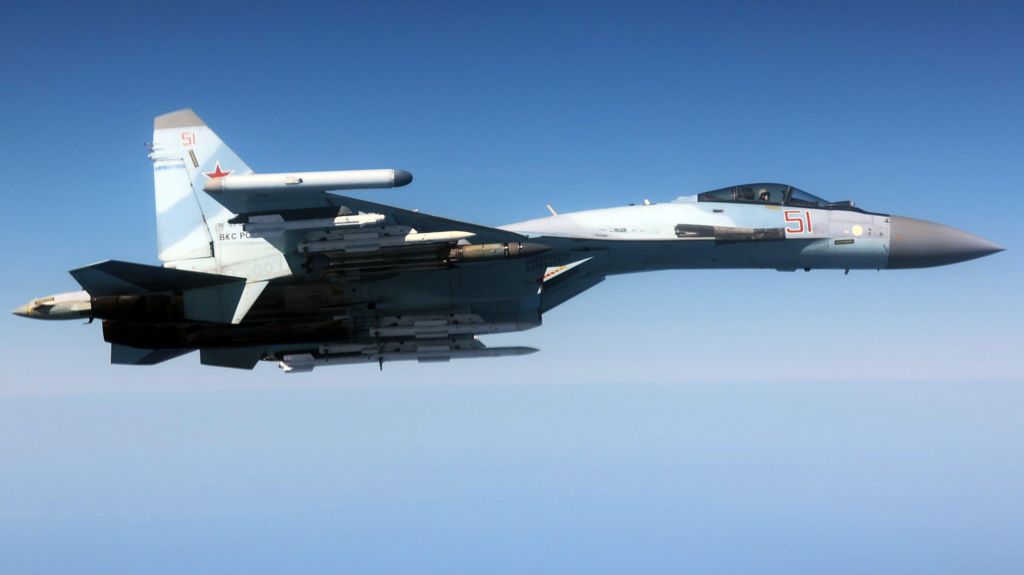
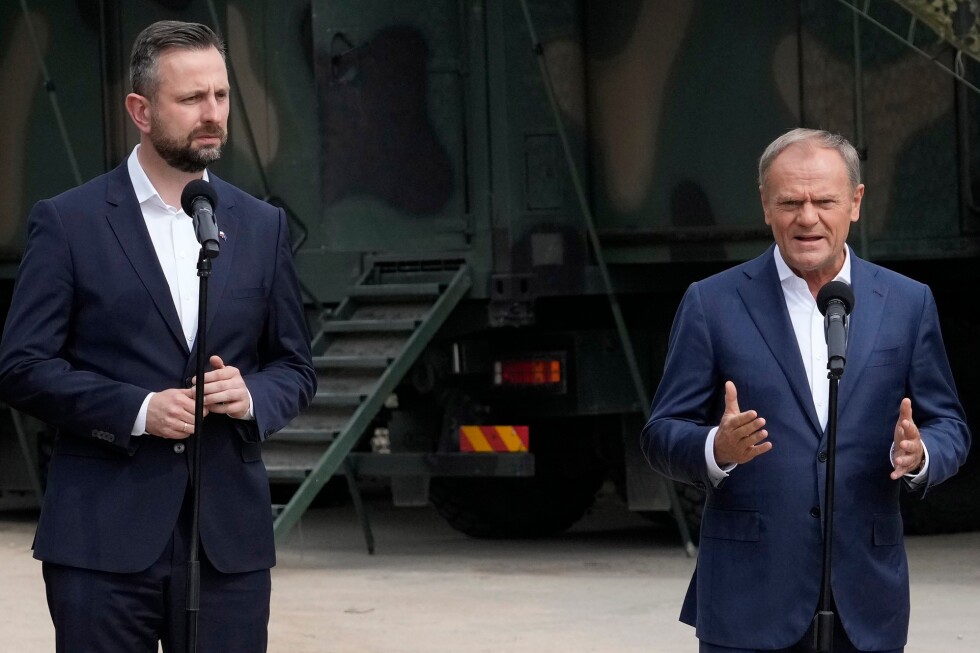
    In a significant move to strengthen European defense capabilities, Britain has entered a groundbreaking partnership with Germany, France, Italy, and Poland to develop advanced air defense weapons. The collaborative initiative, announced during a ministerial meeting in Krakow, Poland, will focus on creating cost-effective missile systems and autonomous drones inspired by Ukraine’s successful adaptation of affordable drone technology against Russian aggression.

    The UK Ministry of Defence confirmed the program will prioritize lightweight, affordable surface-to-air weaponry, with initial deliverables expected within the coming year. This development marks a notable improvement in UK-European defense relations following last year’s stalled negotiations regarding British participation in the EU’s €150 billion defense fund, which collapsed over disputes regarding multibillion-euro entry fees.

    Defence Minister Luke Pollard revealed that each participating nation has committed multimillion-pound and multimillion-euro investments to the scheme, though specific budget allocations remain undisclosed. The program draws direct inspiration from Ukraine’s remarkable establishment of a robust domestic drone manufacturing sector since Russia’s full-scale invasion four years ago.

    The strategic partnership, operating under the E5 framework, represents a concerted effort to transform the economics of modern warfare. Pollard emphasized the critical need to develop defensive systems that match the cost-effectiveness of current threats, stating: ‘To be effective at shooting down relatively low-cost missiles, drones and other threats facing us, we need to ensure we’re matching the cost of the threat with the cost of defence.’

    This initiative aligns with broader European efforts to enhance defense capabilities amid growing concerns about NATO reliability and increased pressure to bolster military spending following the Ukraine conflict. The E5 group, which has convened seven times since its formation after Donald Trump’s re-election in autumn 2024, has emerged as a pivotal organization for advancing European defense cooperation outside formal EU structures.

    The development program also reflects the UK’s strategic shift toward embracing more permissive regulations for autonomous weapons systems, potentially moving away from previous positions requiring ‘context-appropriate human involvement’ in military operations. The MoD has pledged enhanced collaboration with smaller technology firms and streamlined operational requirements to accelerate development timelines.

  • Diplomacy is still the only viable path to peace in Ukraine, UN refugee chief Barham Salih says

    Diplomacy is still the only viable path to peace in Ukraine, UN refugee chief Barham Salih says

    KYIV, Ukraine — The newly appointed head of the United Nations refugee agency emphasized Friday that despite significant obstacles, diplomacy remains the sole viable path to ending the conflict in Ukraine. Barham Salih, former Iraqi president who assumed leadership of UNHCR in December, concluded his first official visit to Ukraine with sobering assessments of the humanitarian situation.

    During his tour of front-line cities including Kharkiv and Zaporizhzhia, Salih witnessed firsthand the devastating impact of Russia’s targeted attacks on energy infrastructure during harsh winter conditions. His meetings with President Volodymyr Zelenskyy focused on both immediate relief efforts and long-term peace prospects.

    ‘While I maintain hope, I fully recognize the considerable difficulties in achieving peace,’ Salih stated in an exclusive interview with The Associated Press. ‘Ultimately, there exists no military solution to this conflict. What Ukraine requires is a durable and just peace that enables citizens to reclaim their normal lives.’

    The UNHCR faces severe operational challenges, with only $150 million pledged toward its $470 million Ukraine appeal. This funding gap reflects broader reductions in humanitarian aid worldwide, complicating relief efforts across multiple simultaneous crises.

    Current statistics reveal 3.7 million internally displaced Ukrainians and nearly 6 million refugees abroad. The agency projects that 10.8 million Ukrainians will require humanitarian assistance in 2026, with the most critical needs concentrated along active front lines in eastern and southern regions.

    Salih’s Ukraine visit forms part of a broader global tour that has included Kenya, Chad, Turkey, and Jordan—regions grappling with their own refugee emergencies. The erosion of humanitarian infrastructure, particularly following drastic cuts to U.S. funding during the Trump administration, has severely constrained organizational capacity to deliver aid.

    Globally, 117 million people remain displaced, including at least 42 million refugees, with two-thirds experiencing protracted displacement and continued reliance on humanitarian support. Salih emphasized the difficult prioritization decisions required amid shrinking resources and expanding needs.

    In his discussions with Ukrainian leadership, Salih stressed the importance of transitioning toward recovery phases and sustainable solutions that promote self-reliance rather than perpetuating dependency on aid.

  • Carrick says Man United is proud of its culture after Ratcliffe’s comments

    Carrick says Man United is proud of its culture after Ratcliffe’s comments

    MANCHESTER, England — Manchester United’s leadership has moved to reinforce the club’s commitment to diversity following inflammatory comments about immigration from co-owner Jim Ratcliffe that sparked widespread condemnation across British society.

    The controversy emerged when Ratcliffe, billionaire owner of petrochemical conglomerate INEOS and recent minority stakeholder in Manchester United, claimed Britain had been ‘colonized’ by immigrants during a media interview. The remarks immediately drew criticism from Prime Minister Keir Starmer’s office, political figures across the spectrum, and the club’s own supporters.

    Interim head coach Michael Carrick addressed the situation during his Friday press conference, carefully navigating the sensitive topic while emphasizing the club’s core values. ‘Sir Jim has made a statement, and then the club’s made a statement on the back of it so for me to add to that is not my place,’ Carrick stated, demonstrating diplomatic restraint.

    The longtime club figure instead highlighted Manchester United’s global impact and inclusive environment: ‘As I’ve been around this club many, many years, we always make a huge impact globally. We’re really proud of the environment and the culture that we’ve got at the club, and equality and diversity and respect for each other is something that we look to carry through every day.’

    Ratcliffe subsequently apologized for his word choice, acknowledging that his language had ‘offended some people.’ However, the incident touched a raw nerve in Britain’s ongoing immigration debate and raised questions about hypocrisy, as Ratcliffe himself resides in Monaco for tax purposes—a fact critics were quick to highlight.

    The episode represents Ratcliffe’s first significant controversy since acquiring his stake in the storied football club, testing the relationship between new ownership and a fanbase that proudly celebrates its diverse composition.

  • Italian authorities accuse man of training dog to illegally dump his rubbish

    Italian authorities accuse man of training dog to illegally dump his rubbish

    Authorities in the Sicilian city of Catania have uncovered an unconventional attempt to circumvent municipal surveillance systems: a man allegedly trained his small dog to act as an accomplice in illegal waste disposal. The incident occurred in the San Giorgio district, where local police obtained video evidence showing the canine transporting a bag of rubbish in its mouth before depositing it roadside.

    The footage, captured over two consecutive days, depicts the dog carrying out what officials describe as a carefully orchestrated deception. City representatives stated the evidence ‘leaves little room for doubt’ that the animal was deliberately trained to discard waste on behalf of its owner, thereby avoiding detection by CCTV cameras specifically installed to combat fly-tipping.

    In an official statement released through its Facebook platform, the City of Catania condemned the act as ‘cunning’ and ‘doubly wrong,’ emphasizing that ‘ingenuity can never become an alibi for incivility.’ The administration further criticized the owner for ‘exploiting an unwitting four-legged friend’ and reiterated that ‘respect for decorum and the environment is everyone’s duty.’

    While the statement did not specify whether legal action has been initiated against the dog’s owner, it highlights ongoing challenges Italian municipalities face combating illegal waste disposal. Despite national laws prohibiting fly-tipping, the practice remains persistent, prompting cities like Catania to implement technological solutions including surveillance cameras to identify offenders.

    The case represents a novel approach to evading environmental regulations while demonstrating the lengths to which some individuals will go to avoid responsibility for proper waste management.

  • French soldier dies after being shot in head during ‘game’ with other soldiers

    French soldier dies after being shot in head during ‘game’ with other soldiers

    A somber cloud hangs over the French military community following the tragic death of 20-year-old Brigadier Alexandre Lanckbeen, who succumbed to injuries sustained from an accidental shooting during what was described as a military game. The fatal incident occurred last Saturday during an alcohol-involved gathering at the Percy Military Teaching Hospital in Clamart, west of Paris.

    According to judicial authorities, the tragedy unfolded when four soldiers stationed at the hospital engaged in a military training exercise repurposed as recreational activity. The game typically involves participants attempting to disarm colleagues and neutralize their weapons, conventionally performed with unloaded firearms. However, in this devastating instance, the handgun used was loaded, resulting in a single shot striking Brigadier Lanckbeen in the head.

    Paris Military Governor Loïc Mizon expressed profound sorrow upon confirming the young soldier’s passing last Friday, extending deepest condolences to Lanckbeen’s family and affirming the armed forces’ full support. The brigadier had been serving with the distinguished 35th Parachute Artillery Regiment based in Tarbes and was actively deployed as part of Operation Sentinelle, France’s enduring domestic security initiative.

    Three fellow soldiers now face serious legal consequences following judicial proceedings. One has been charged with ‘violence with a weapon resulting in permanent disability and breaching orders by consuming alcohol,’ while two others confront charges of ‘involuntary bodily harm resulting in work incapacity exceeding three months through deliberate violation of safety protocols.’ Additional charges include tampering with a crime scene to obstruct justice. With Lanckbeen’s tragic death, these charges are expected to be elevated in severity.

    The criminal investigation service of Hauts-de-Seine has assumed control of the inquiry as the military community grapples with this preventable tragedy that highlights critical concerns regarding weapon safety protocols and alcohol consumption during informal military gatherings.

  • Bagpipers play at Olympic curling in homage to sport’s Scottish heritage — but they’re Italian

    Bagpipers play at Olympic curling in homage to sport’s Scottish heritage — but they’re Italian

    CORTINA D’AMPEZZO, Italy — Amid heavy snowfall at the Winter Olympics, spectators arriving at the curling venue received an unexpected cultural treat: the resonant sounds of Scottish bagpipes performed not by Scots, but by a dedicated group of Italian musicians. The Cateaters Pipe Band, hailing from Italy’s northeastern Veneto region, has brought authentic Scottish musical tradition to the Olympic medal ceremonies—a homage to curling’s Scottish origins despite being over 2,000 miles from Scotland.

    This marks a significant milestone for the band, whose performances were previously limited to local concerts, ballet accompaniments, and regional ceremonies. Their Olympic appearance represents their most prestigious engagement to date. Band members maintain strict adherence to traditional Scottish musical arrangements, consciously avoiding Italian modifications to preserve authenticity.

    Marianna Spadarotto, the ensemble’s sole female member who plays bass drum, described the experience as profoundly emotional yet nerve-wracking. The musicians faced challenging conditions with ungloved hands enduring freezing temperatures, their dedication visible as snowflakes accumulated on instruments and traditional glengarry caps.

    Interestingly, several band members discovered Scottish music through unconventional paths. Luca Eze transitioned from playing the zampogna (a traditional Italian bagpipe) to Scottish bagpipes, while Mauro Fortuna shifted from electric guitar to Scottish music in 2008. Snare drummer Cristian Negro noted that specializing in Scottish music has provided unique performance opportunities due to its rarity in Italy.

    The musical tribute holds historical significance as curling traces its origins to 16th century Scotland, where the first documented evidence of the sport was recorded in Latin by a Paisley notary. The tradition of stones being slid across frozen lochs evolved into the modern Olympic sport now celebrated with appropriate musical homage.

    Spectators responded enthusiastically to the performances, with Scottish flags waving proudly among crowds supporting Britain’s Scottish-curling representatives. Italian tourists particularly enjoyed understanding the band’s between-song conversations, adding an unexpected layer of cultural connection to the international event.