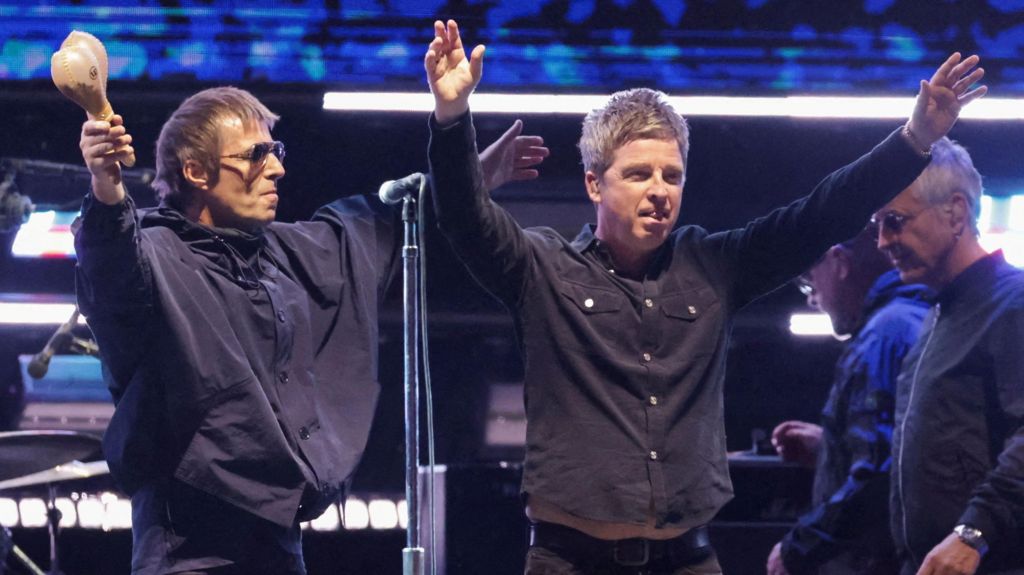
Fifteen years after splitting up, iconic British rock band Oasis sent shockwaves through the global live music scene when they announced their long-awaited reunion tour, triggering a feverish ticket rush that would ultimately spark a major consumer law controversy. When tickets went on sale to the public on August 31, 2024, more than 900,000 passes sold out almost instantly, as hundreds of thousands of diehard fans waited for hours in virtual waiting rooms across the world, hoping to secure a spot at the band’s first shows in over a decade. The band was even inducted into the Rock & Roll Hall of Fame the same year, adding extra momentum to the reunion hype.
标签: Europe
欧洲
-
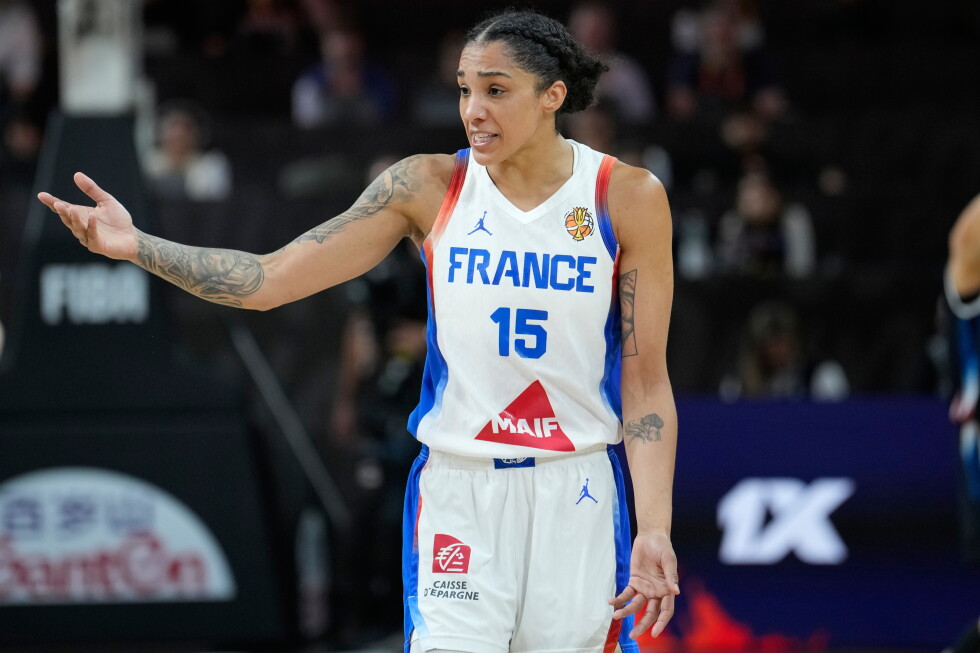
Record-breaking France aims for medal round of women’s FIBA World Cup for first time in 73 years
BERLIN – A historic three-point shooting display has cemented France’s place in the quarterfinals of the 2024 Women’s FIBA World Cup, after the European side posted a dominant 111-56 victory over Nigeria on Monday while shattering a tournament record set just three days prior.
The French squad drained 22 three-pointers throughout the matchup, surpassing the previous benchmark of 20 three-pointers Japan notched in its opening-round win against Mali earlier in the competition. The record-breaking shot came from Migna Toure, who sunk a corner three with 5:45 remaining in the fourth quarter to push France past the old record at 21. Following the game, Toure admitted she had no idea the team was nearing the historic mark when she stepped up to take the shot.
“I didn’t know we broke the record, to me it was just a corner 3,” Toure told reporters after the win.
Forward Gabby Williams led France’s historic shooting performance, converting six of her eight three-point attempts, while guard Marine Johannes added five threes of her own. As a team, France finished 22-for-40 from behind the three-point arc, an impressive 55% conversion rate that left opponents overwhelmed.
This red-hot form continues a strong run for France, which entered the World Cup fresh off a narrow one-point silver-medal loss to the United States at the 2024 Paris Olympics this summer. Through three preliminary round matches, France has won each contest by an average margin of 43 points, signaling the team is one of the most dominant contenders in the tournament.
Johannes attributed the team’s overwhelming success to a balanced approach on both ends of the court. “I think we are just happy about the way we are playing right now,” Johannes said. “We are shooting the ball and playing good defense so we can run the floor. I think we are pretty good when we push the ball.”
Williams echoed her teammate’s comments, noting that France’s unprecedented roster depth is its biggest competitive advantage in the condensed tournament schedule. “Our depth is definitely going to be our strength. Especially in this compact a tournament,” Williams said. “It’s physical, it’s tough. You know, it’s fatiguing. So if we can be able to just put someone on the court for five minutes, they give their all and our intensity never drops. That’s going to be our goal.”
With the preliminary round wrapped up, France now has several days of rest before its quarterfinal matchup. A win in the next round would see France advance to the tournament’s medal round for the first time in 73 years. The team’s best finish in FIBA Women’s World Cup history came back in 1953, when it claimed bronze under the tournament’s old round-robin format.
-
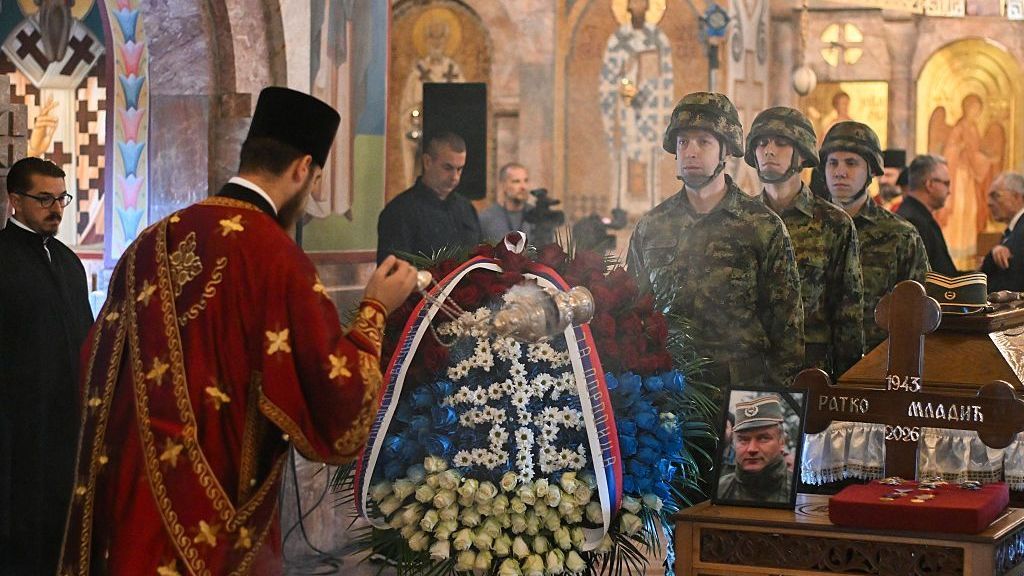
Thousands turn out in Serbia for funeral of ‘Butcher of Bosnia’ Ratko Mladić
The death of convicted Bosnian Serb military leader Ratko Mladić at age 84, while serving a life sentence for genocide at a United Nations prison in The Hague, Netherlands, has drawn thousands of mourners to the Serbian capital of Belgrade for a public funeral, while triggering sharp international backlash over efforts to honor a man widely branded the “Butcher of Bosnia”.
Mladić commanded Bosnian Serb military forces during the 1992–1995 Bosnian War, waging a campaign of ethnic cleansing to forcibly expel non-Serb populations from territory claimed by Bosnian Serb separatists. His forces oversaw the 44-month siege of Sarajevo that killed more than 10,000 civilians, and he was ultimately found guilty of genocide for orchestrating the 1995 Srebrenica massacre, where roughly 8,000 Bosniak Muslim men and boys were executed in the worst European atrocity committed since World War II. After 16 years as a fugitive, Mladić was arrested in 2011, and following a nine-year international trial, he received a sentence of life imprisonment in 2021.
Despite his confirmed conviction for mass atrocities, Mladić retains a deeply revered status among many Serbian nationalists, who view him as a heroic defender of Serbian interests. This divide was on full display in the days leading up to and during his funeral. Plans to grant Mladić an official state funeral were initially announced by a Serbian government minister, but the proposal was scrapped after widespread pushback from European leaders. Even so, the event retained significant state-aligned support: Mladić’s remains were transported back to Serbia from The Hague on a government aircraft, carried by six active-duty soldiers, and free bus transport was organized to bring mourners from across Serbia and the Bosnian Serb entity of Republika Srpska to the capital.
Long queues formed outside Belgrade’s St Luka church hours before the public lying in state began, with thousands of people waiting to pay their respects. Attendees included multiple sitting Serbian government ministers — including Defence Minister Bratislav Gašić and Justice Minister Nenad Vujić — and the funeral service itself was led by Patriarch Porfirije, head of the Serbian Orthodox Church. In his remarks, the patriarch stated that Mladić’s name would remain “deeply etched in the memory and prayers of the majority of our Serbian Orthodox people, who feel and nurture a deep sense of gratitude towards him.” Many in attendance were war veterans, and some attendees wrapped themselves in Serbian flags emblazoned with Mladić’s portrait. Outside the church, mourners lit candles as a choir performed over loudspeakers under clear skies. Mladić’s coffin was guarded by veteran volunteers inside the church, as his immediate family received condolences from the public. The tribute extended even to Serbian football: the night before the burial, supporters of top-tier club Red Star Belgrade unfurled a large tifo display honoring Mladić ahead of their capital derby match against Partizan Belgrade.
The public honoring of Mladić has prompted fierce condemnation from international bodies and war survivors alike. The European Union, which Serbia has sought to join since 2012 (with accession talks currently stalled), issued a formal statement denouncing any glorification of the convicted war criminal. “Ratko Mladić was a convicted war criminal who committed war crimes, genocide, and crimes against humanity,” the statement read. “Any glorification of war criminals, genocide denial and revisionism contradict the most fundamental European values and have no place in the EU or in EU candidate countries.”
For survivors of Mladić’s campaign of violence, the funeral has reawakened decades-old trauma. Zdravka Gvozdjar, a Sarajevo resident whose nine-year-old son was killed by Mladić-led forces during the siege of the capital, called the public funeral “really horrible.” “Mladić deserved to be erased from memory for good, not to be promoted as a hero,” she told reporters. “He should only be remembered as a butcher.”
Analysts point to systemic failures in confronting the legacy of the Bosnian War as the root of Mladić’s continued popularity in Serbia. Daniella Peled, editor at the Institute of War and Peace Reporting, who covered Mladić’s international trial extensively, noted that while the UN tribunal produced a comprehensive, evidence-based record of Mladić’s crimes, Serbia’s domestic media and education systems have not acknowledged the full scale of his atrocities or centered the perspectives of survivors. Pro-government outlets in Serbia regularly frame Mladić as a loyal soldier who only followed orders, Peled explained, leaving many ordinary Serbs with a skewed understanding of his actions. “It’s extremely challenging for post-conflict societies to undertake a national reckoning or acknowledge responsibility for the crimes of the past,” she added.
-
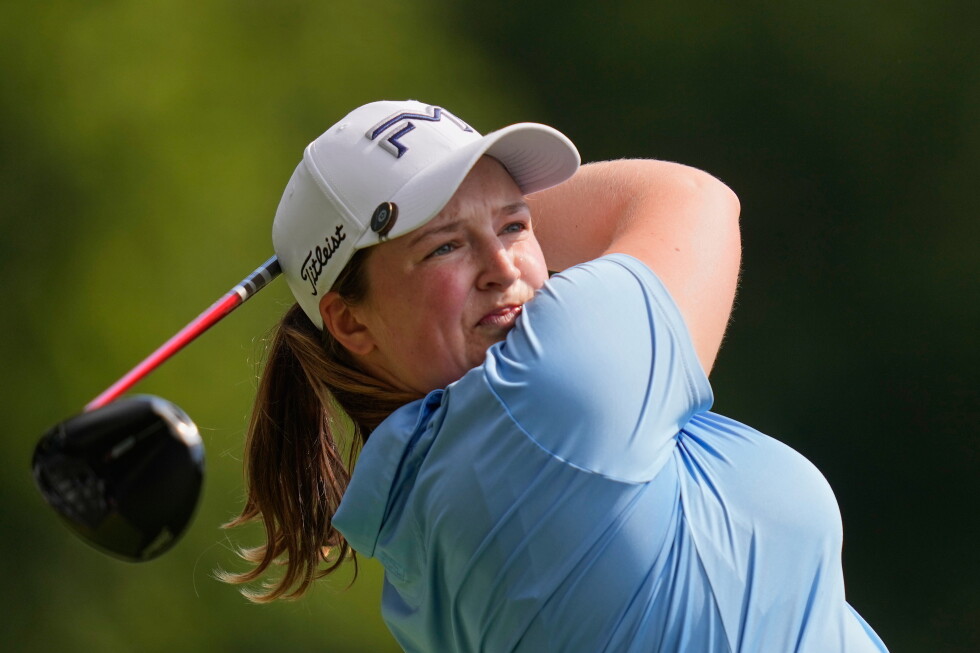
SOLHEIM CUP ’26: Capsules of European players
As the 2025 Solheim Cup prepares to kick off this Friday at Netherlands’ Bernardus Golf, all eyes are turning to Team Europe’s full roster of competitors, a mix of seasoned veterans with decades of team experience and exciting rookie prospects making their first appearance in one of women’s golf’s most prestigious team events. Below is an in-depth profile of every player set to represent the European side, broken down by career milestones, past Solheim Cup performance, and recent form heading into this year’s competition.
Celine Boutier, 32, of France, enters the tournament ranked 34th in the world with 11 global professional wins to her name, including the 2023 Evian Championship. Making her fourth Solheim Cup appearance, the French star holds a career team record of 7-6-1 across matches. Boutier has experienced both the highest highs and lowest lows of Solheim Cup competition: she went undefeated with a 4-0-0 record in her 2019 debut, but dropped all three of her matches during the 2023 event hosted in Spain. She earned a win on the LPGA Tour at the ShopRite LPGA earlier this year, carrying momentum into her fourth showing.
Spain’s Carlota Ciganda, 36, is one of Team Europe’s most experienced competitors, ranked 60th globally with 11 worldwide professional titles. Ciganda is tied with England’s Charley Hull for the most Solheim Cup appearances in Team Europe’s 2025 roster, marking her seventh trip to the team event with a career record of 12-11-1. Her most iconic Solheim Cup moment came on home soil in 2023, when she defeated American star Nelly Korda to lock in Europe’s retention of the cup.
At 27, Sweden’s Linn Grant holds the 61st spot in the global rankings with nine worldwide professional wins, though she has yet to claim a major championship title. Grant is making her third Solheim Cup appearance with a career team record of 3-6-0. The talented Swede has struggled with consistency throughout 2025, missing the cut in four of this year’s five major championships and finishing outside the top 60 in the remaining event. She dropped all four of her matches during the 2024 Solheim Cup, and will be looking to turn her form around at Bernardus Golf.
Germany’s Esther Henseleit, 27, enters the tournament as one of Europe’s top-ranked competitors at 20th in the world, with two global professional titles to her name. Henseleit is making her second Solheim Cup appearance, holding a 1-1-1 career record from her first showing. The German player has hit her stride in recent years, claiming a silver medal at the 2024 Paris Olympic Games and coming within a putt of winning the Women’s British Open, where she holed a dramatic 45-foot birdie putt to force a playoff before ultimately falling short.
Charley Hull, 30, of England, ranks eighth in the world with eight worldwide professional wins, and is tied for the most Solheim Cup appearances on Team Europe with her seventh showing this year. Hull boasts an impressive career team record of 15-9-3, widely regarded as the energetic heart of the European side and one of the most charismatic personalities in global women’s golf. Her signature aggressive playing style has consistently delivered results in Solheim Cup match play, and she is expected to be a key contributor for Europe in 2025.
Denmark’s Nanna Koertz Madsen, 31, ranks 68th globally with two professional wins, and is making her second Solheim Cup appearance, her first in five years. Madsen holds a 1-1-1 career record from her debut team appearance, but has not claimed a professional tournament win in four years heading into this year’s event.
Ireland’s Leona Maguire, 31, is ranked 78th in the world with three worldwide professional wins, making her third Solheim Cup appearance with an impressive career record of 8-3-1. Named Europe’s top match play competitor during the 2021 Solheim Cup, Maguire has struggled through a two-year winless slump, and only appeared in two matches during the 2023 tournament. She will be aiming to recapture her standout match play form in the Netherlands.
The 2025 Team Europe roster includes four first-time Solheim Cup competitors, headlined by 21-year-old French rookie Nastasia Nadaud. Ranked 89th globally with one professional win, Nadaud earned her spot after claiming victory at the Ladies European Tour season finale last year.
Another rookie, 23-year-old Spaniard Julia Lopez Ramirez, enters her first Solheim Cup ranked 93rd in the world with no professional wins to date. In just her second full season as a professional, Lopez Ramirez rose to the top of the women’s world amateur rankings in 2024 before leaving Mississippi State University to turn pro.
England’s Mimi Rhodes, 24, is the third rookie on Team Europe, ranked 105th globally with three professional titles. Rhodes earned promotion to the event after claiming three wins on the Ladies European Tour last season, though she has only notched two top-10 finishes on the LPGA Tour in 2025 so far.
Sweden’s Maja Stark, 27, enters the tournament ranked 28th in the world with seven global professional wins, including the 2025 U.S. Women’s Open – the biggest win of her career to date. Stark held off American star Nelly Korda to claim the major title last year, which remains her most recent tournament win. Making her third Solheim Cup appearance, she holds a career team record of 3-3-2.
The final member of Team Europe’s 2025 roster is 22-year-old English rookie Lottie Woad, who has skyrocketed to seventh in the world rankings in just the early stages of her professional career. Woad notched an amateur win at the Women’s Irish Open followed by a professional victory at the Women’s Scottish Open, a dynamic start to her career that has led many golf analysts to predict she will compete like a seasoned veteran rather than a first-time Solheim Cup rookie in this week’s tournament.
-
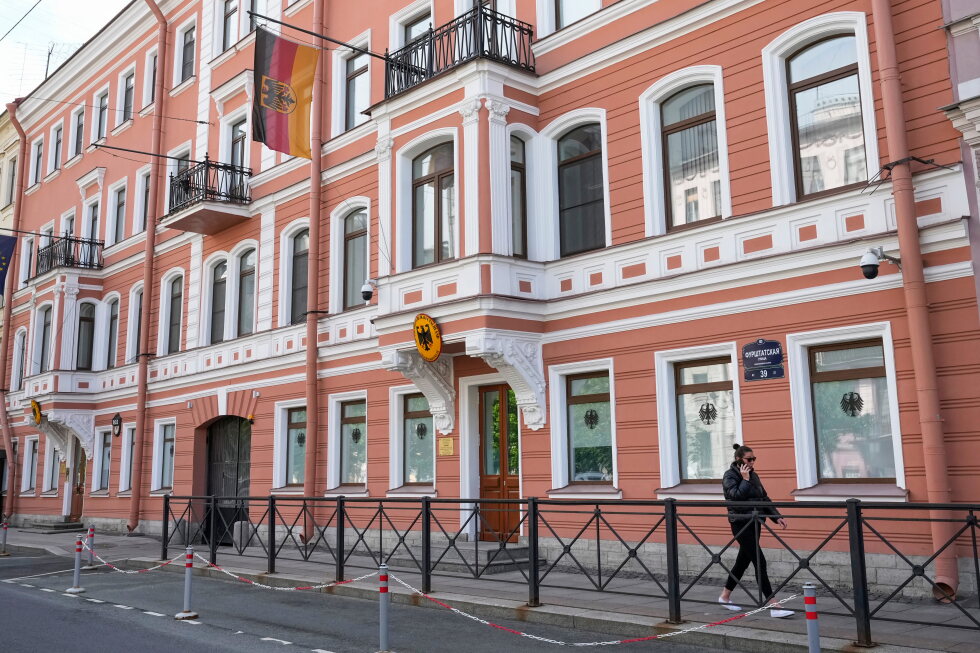
Russia shuts German consulate in St. Petersburg in tit-for-tat move after Leipzig drone incident
Diplomatic tensions between Russia and Germany have surged to a new low this week, as Russia’s Foreign Ministry announced Monday it will shutter Germany’s consulate general in St. Petersburg — the latest retaliatory measure in a rapidly expanding cycle of reciprocal diplomatic actions. The escalation traces back to an alleged attempted drone strike at Germany’s Leipzig/Halle Airport in early August, a plot Berlin has openly blamed on Russian actors.
According to the official Russian Foreign Ministry statement, all operations at the St. Petersburg German consulate must cease, and all consular staff are required to exit Russian territory by September 18. The announcement also reaffirmed an earlier order to close two German-run cultural institutions, the Goethe-Institut centers in Moscow and St. Petersburg, giving their personnel until this coming Sunday to leave the country.
Moscow framed the entire set of measures as a direct response to what it called Germany’s “unfriendly” actions taken just last Wednesday. In that move, Berlin ordered the shutdown of Russia’s consulate in the western German city of Bonn, as well as the Russian House cultural center located in the heart of Berlin, Germany’s capital.
The root of the current confrontation lies in the August 4 incident at Leipzig/Halle Airport, a critical European cargo hub that frequently handles shipments of military and humanitarian aid bound for Ukraine amid the ongoing Russia-Ukraine conflict. German authorities discovered an explosive-laden drone positioned in close proximity to a Ukrainian cargo plane parked at the airport; the device was successfully disarmed before it could cause any harm or casualties.
Russian officials have flatly denied any connection to the attempted attack, with Moscow characterizing the entire incident as a deliberate provocation staged against Russia. “It was the German authorities who once again provoked a new round of escalation in bilateral relations,” the Russian Foreign Ministry stressed in its statement Monday. “All responsibility for the consequences lies entirely with the German government.”
This latest exchange comes amid a broader pattern of accusations from Western governments, which have repeatedly claimed Moscow is orchestrating a coordinated campaign of sabotage and disruptive activities across Western nations. Western officials argue these actions are intended to erode public and political support for Ukraine, and to destabilize domestic political order in European countries. The Kremlin has consistently rejected all such allegations as unfounded and misleading.
-
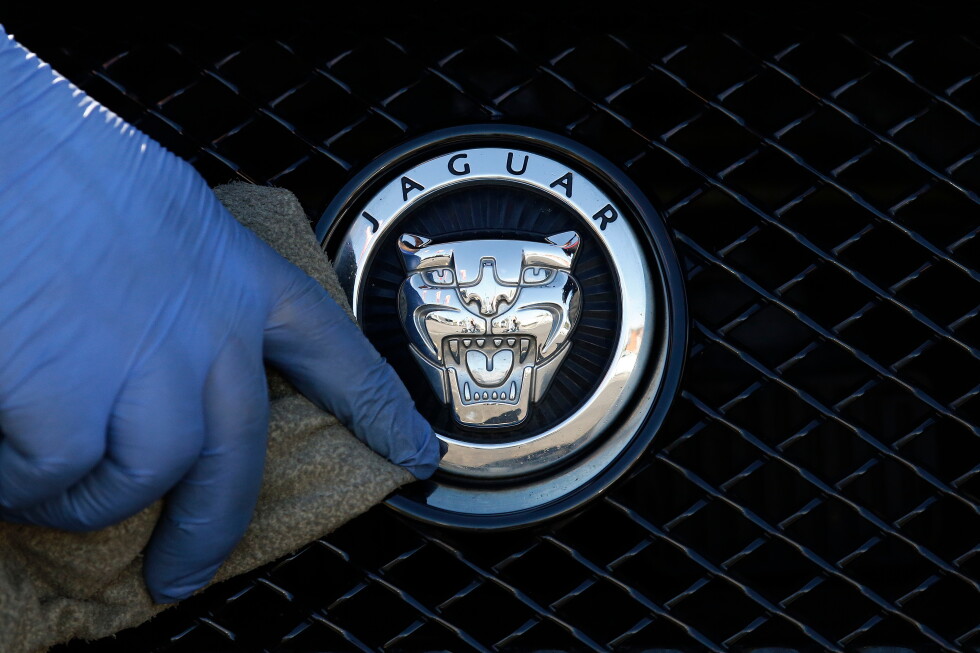
Jaguar Land Rover will cut 4,000 jobs to reduce costs and compete with China
LONDON – In a landmark restructuring move announced Monday, iconic British luxury automaker Jaguar Land Rover confirmed plans to eliminate 4,000 positions from its global workforce over the next two years. The cuts are a core part of a sweeping cost-saving strategy designed to free up £1.7 billion ($2.3 billion) to strengthen the company’s competitiveness as the entire global automotive industry accelerates its shift from internal combustion engines to battery-powered electric vehicles.
Jaguar Land Rover Chief Executive Officer PB Balaji framed the difficult decision in the context of unprecedented industry headwinds in a formal statement. “The automotive industry faces significant challenges, with rapid technological change unfolding alongside cutthroat competition and persistent geopolitical uncertainty,” Balaji said. He added that the cost reductions and workforce restructuring would allow the company to funnel between £15 billion and £18 billion ($20 billion to $24 billion) into electrification, digital innovation and other critical priority areas over the coming five years.
Best known for its luxury lines including Range Rover, Discovery and Defender SUVs, the automaker has accumulated mounting pressure from multiple directions in recent years. In addition to rising input and operational costs across global supply chains, the company has faced growing competition from more affordable electric vehicle manufacturers based in China, which have rapidly expanded their market share in key regions across Europe and North America. It has also absorbed ongoing economic fallout from tariffs imposed during the administration of former U.S. President Donald Trump, which have raised costs for the company’s exports to the critical American market. Compounding these challenges, a major cyberattack in 2023 forced the company to suspend production across most of its facilities for a full month, delivering a significant blow to annual sales volumes.
Owned by India’s Tata Motors, Jaguar Land Rover maintains its largest manufacturing footprint in the United Kingdom, where it employs roughly 34,000 workers. Company officials confirmed that the majority of the planned job cuts will fall on operations based in the U.K. Despite widespread industry speculation about potential government support, Downing Street made clear Monday that it has no plans to offer a government bailout to the automaker, even as it acknowledged that challenging market conditions are impacting automotive manufacturers across the globe.
-
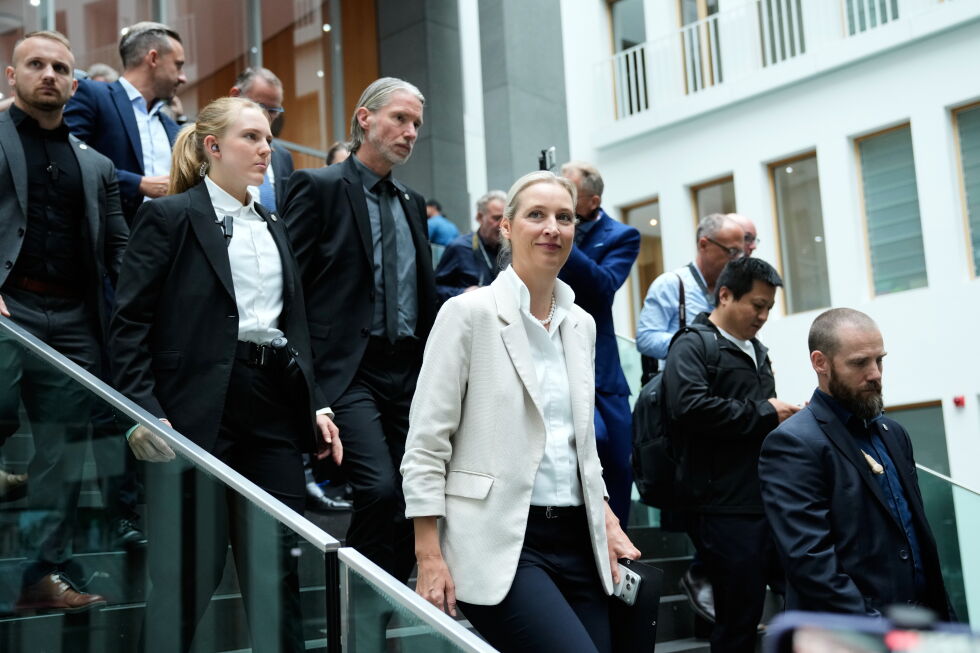
AfD party’s landslide win in eastern Germany tests country’s ‘firewall’ against the far right
Over the 13 years since its founding, Germany’s far-right, anti-immigrant Alternative for Germany (AfD) has evolved from a fringe political movement to a major national force — yet it has never held a seat in any state or federal governing coalition. This exclusion has been sustained by what political observers call a long-standing “firewall”: a cross-ideological agreement among all mainstream German parties to reject any formal or informal cooperation with the party.
Now, that unbroken policy faces its most severe challenge. In Sunday’s regional election in the eastern German state of Saxony-Anhalt, AfD secured a resounding landslide victory, taking 43.8% of the vote — more than double its share from the state’s previous election five years ago. Chancellor Friedrich Merz’s center-right Christian Democratic Union (CDU), by contrast, lost roughly half of its voter support in the race.
The refusal to cooperate with AfD stems from more than just ideological divides. Germany’s domestic intelligence agency classifies AfD as an extremist extremist in multiple regions, including Saxony-Anhalt itself. For German society, deeply shaped by its reckoning with the horrors of the Nazi dictatorship, any mainstream collaboration with a far-right nationalist party carries unique historical sensitivity. For decades, most Germans held the conviction that post-war education, legal safeguards against persecution, and public reckoning with the past had built permanent national immunity to racist nationalism. Recent electoral shifts have upended that belief: across Germany, mirroring far-right gains across Europe, voters are increasingly turning to the AfD, which has repeatedly rejected accusations of anti-democratic and anti-constitutional views.
This is not the first time regional politics have forced mainstream parties to contort themselves to keep AfD out of power. Two years ago, when AfD became the largest party in the neighboring eastern state of Thuringia, mainstream parties spanning left, center and right formed an ideologically fractured three-party coalition just to maintain the firewall. The pattern repeated at the national level last year, when AfD posted the best result for a far-right party since World War II, rising to become the largest opposition bloc in federal parliament. Merz, whose CDU led government formation, upheld the anti-cooperation firewall by forming an unpopular grand coalition with the center-left Social Democrats, keeping AfD out of national power.
But the scale of the Saxony-Anhalt win has left the future of the firewall in doubt. AfD’s lead candidate for state governor, Ulrich Siegmund, has positioned himself to become the first far-right head of a regional German government since 1945. He has already announced plans to reach out to all parties and individual lawmakers in the new state parliament to build a governing majority, and has ruled out leading a minority AfD government.
The small hard-left BSW party, which won 5.3% of the vote, has emerged as the potential kingmaker. AfD and BSW share key policy priorities: both take a Russia-friendly diplomatic stance and oppose mass immigration, even as they disagree on many other domestic issues. On Monday, BSW’s lead Saxony-Anhalt candidate Thomas Schulze openly confirmed his party’s willingness to support an AfD-led government in the state parliament, opening a path for the far right to take power.
A governing coalition that excludes AfD would require the cooperation of five separate parties: the CDU, Social Democrats, Greens, Left Party, and BSW. Political analysts widely agree that such a broad, ideologically fragmented five-party coalition would be unprecedented in German regional politics, exceedingly difficult to negotiate, and highly vulnerable to collapse once in power. There is also a persistent wild card: if just three sitting lawmakers from other parties defect to AfD, the party would immediately secure a governing majority on its own.
While top CDU officials reiterated the party’s commitment to the firewall immediately after Sunday’s result, other regional actors have signaled openness to breaking the long-standing taboo. Political analyst Volker Resing told the Associated Press that AfD’s strong showing, paired with BSW’s willingness to negotiate, could finally break through the decades-old barrier. “This tiny party could now play a decisive role in determining the future of Saxony-Anhalt,” Resing noted, adding that it remains uncertain whether shared policy positions on Russia and immigration will be enough to overcome decades of political convention and deliver Germany its first post-WWII far-right state government.
-
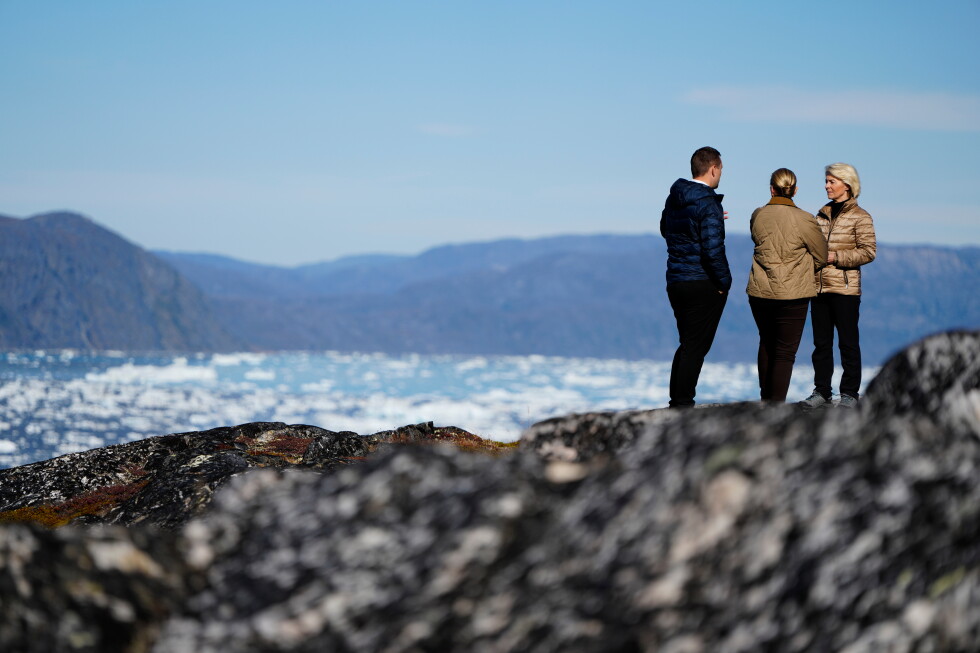
EU chief unveils $232 million Greenland package as tensions heighten with Trump claims
BRUSSELS – On a landmark visit that underscores growing European interest in the Arctic region, European Commission President Ursula von der Leyen announced a €200 million ($232 million) strategic investment package for Greenland on Monday, as the bloc moves to deepen diplomatic and economic ties with the semi-autonomous Danish territory.
Following a trio of high-level meetings that brought together von der Leyen, Greenlandic Prime Minister Jens-Frederik Nielsen and Danish Prime Minister Mette Frederiksen, the two sides signed a joint EU-Greenland declaration cementing their new partnership. “Greenland can count on the EU,” von der Leyen affirmed during the ceremony, framing the investment as a long-term commitment to the island’s development and regional stability.
As a semi-autonomous territory of Denmark, a core NATO member, Greenland has risen sharply in global geopolitical prominence since former U.S. President Donald Trump first publicly pushed claims that the United States should acquire the island for national security purposes. Trump’s repeated assertions sparked immediate sovereignty fears among both Greenlandic and Danish leadership, triggered widespread pushback, and stoked unprecedented tensions within the NATO alliance.
In a show of collective support for Greenland’s sovereignty earlier this year, Denmark and seven other European allies deployed a small contingent of military personnel to the island for publicly announced military exercises focused on bolstering Arctic security, a move widely interpreted as a unified response to Trump’s territorial claims. In retaliation, Trump threatened to impose sweeping new tariffs on Denmark, Finland, France, Germany, the Netherlands, Norway, Sweden and the United Kingdom. European leaders pushed back firmly against the pressure, issuing a joint statement warning that “tariff threats undermine trans-Atlantic relations and risk a dangerous downward spiral” while reaffirming their unwavering commitment to upholding Greenlandic sovereignty. The standoff ultimately de-escalated after NATO reached a new regional security agreement, and Trump backed down from his territorial demands.
The multi-sector investment package announced Monday targets key areas of Greenlandic development: it will fund upgrades to education programs and fisheries management, expand broadband internet connectivity across the sparsely populated island, modernize existing hydropower infrastructure, and support sustainable development of Greenland’s abundant reserves of critical raw minerals. Additional funding is allocated to expanding affordable housing, providing targeted support for local small and medium enterprises, and building out a sustainable tourism sector that aligns with the island’s environmental protection goals.
Von der Leyen emphasized the strategic logic of the EU’s growing engagement, noting that the investment partnership “will create new opportunities and establish a strong and engaged EU in both Greenland and the Arctic, because Greenland is a strategic ally and a trusted friend.”
Coinciding with von der Leyen’s visit, 11 NATO countries launched the 12-day Arctic Shield military exercises in Greenland on Monday, bringing together roughly 400 military personnel, including elite special forces trained for Arctic operations from Canada, Denmark and Finland. Notably, no U.S. troops are participating in the drills, which are scheduled to run through September 18.
-
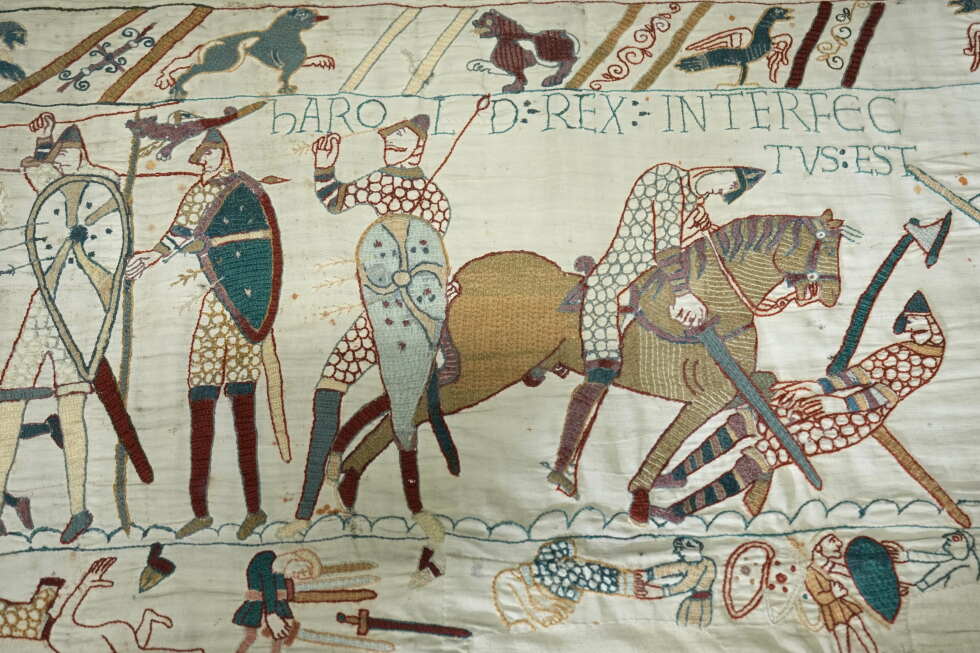
Tale of conquest and symbol of friendship, the Bayeux Tapestry is a hot ticket at the British Museum
Nearly a millennium after it was last on British territory, one of the world’s most iconic medieval artifacts has made its historic debut to the British public this week at the British Museum. The 70-meter embroidered Bayeux Tapestry, which chronicles the 1066 Norman Conquest of England — the last successful invasion of the British Isles — has drawn extraordinary public excitement months ahead of its opening, with all advance tickets sold out and organizers projecting up to 1 million visitors before the exhibition closes in July 2027. Special educational programs will also bring the tapestry’s history to life for school groups across the United Kingdom, ahead of a private pre-opening preview attended by Britain’s King Charles III and French President Emmanuel Macron. As British Prime Minister Keir Starmer’s government has joked, the legendary work is ultimately a 230-foot reminder of one of the most consequential defeats in British history.
More than a simple medieval artwork, the tapestry unfolds as a narrative panorama of betrayal, conflict and regime change that shaped the course of European history. Structured in 58 sequential scenes, it opens with English nobleman Harold Godwinson’s journey to Normandy, where he swears an oath to support William, Duke of Normandy’s claim to the English throne. When Edward the Confessor, the ruling English king, dies months later, Harold claims the crown for himself, prompting William to assemble an invasion fleet and sail across the Channel. The tapestry builds to the climactic Battle of Hastings, where William’s forces defeated Harold’s Anglo-Saxon army, a victory that installed William as England’s first Norman king, tied the fates of Britain and France irrevocably, and introduced French linguistic and cultural influences that endure in English society to this day.
Exhibition curator Michael Lewis explained at a press preview on Monday that the work carries an intentional early political messaging core. “1066 is the most important event in English history,” Lewis noted, adding that the tapestry was stitched with a clear propaganda function: it was designed to convince the conquered English population that while loyalty to Harold was understandable, the old order had fallen, and the new Norman rule under William had to be accepted.
Beyond its political purpose, the tapestry offers an unparalleled, granular window into daily life in 11th-century Europe, blending depictions of brutal battlefield violence with intimate, mundane domestic details. It shows soldiers stealing livestock, cooking meals over open fires, eating from their own shields, and sacking English settlements as women and children flee the violence. Lively marginal illustrations fill the top and bottom edges of the fabric, populated by fish, hunting dogs, mythical winged beasts and ordinary commoners that often offer subtle ironic commentary on the main narrative. For 11th-century audiences, Lewis argued, the work would have felt deeply immersive: “Maybe they would even have tried to pick out themselves in the story of these events,” he said.
For modern historians, the tapestry remains an invaluable primary source, revealing insights into medieval shipbuilding, fashion, cuisine, military armor, architecture and even astronomy. One panel clearly depicts Halley’s Comet streaking across the sky, matching the comet’s actual appearance in 1066, the year of the invasion. Many mysteries still surround the centuries-old work, however: scholars continue to debate whether the famous arrow that strikes Harold’s eye, killing the Anglo-Saxon king, was added centuries after the original stitching; a final planned panel, likely showing William’s coronation as king, has been lost to time; even the exact count of human and equine genitalia depicted in the marginalia remains a point of contention, with counts ranging from 93 to 94.
In the modern era, the tapestry’s enduring cultural popularity stems in part from its accessible, comic-strip style that makes it adaptable to contemporary commentary, explained Leonie Hicks, a professor of medieval studies at Canterbury Christ Church University. Hicks noted that its simple, vivid illustrations are “very meme-able,” often repurposed to mock modern political events. She pointed to a recent magazine cover that reimagined a 2020s UK leadership contest, depicting current Prime Minister Keir Starmer as Harold falling with an arrow in his eye, and former opposition leader Andy Burnham as William advancing on horseback, with modern touches like Big Ben and Downing Street’s resident Larry the Cat added to the tapestry-style margins.
Historians broadly agree that while the tapestry has been housed in the French town of Bayeux for nearly 1,000 years, where it was likely commissioned by Bishop Odo of Bayeux, William the Conqueror’s half-brother, it was almost certainly stitched by female artisans in southeast England, just miles from the Battle of Hastings battlefield. King Charles III even noted at a joint reception with Macron last week that the work could just as accurately be called the Canterbury Embroidery.
The landmark loan has been framed by both the British and French governments as a powerful symbol of enduring Franco-British friendship, but securing the artifact’s journey to London required nearly a decade of delicate diplomacy. Decades of repeated British requests to borrow the tapestry were unsuccessful, before an initial agreement was reached in 2018. The opening was then delayed repeatedly by COVID-19 pandemic disruptions and post-Brexit diplomatic tensions, before the arrangement was finally confirmed during Macron’s state visit to the UK in 2024.
The move has not been without controversy: some French cultural heritage advocates and the late legendary British artist David Hockney opposed the loan, citing major risks of irreversible damage to the fragile, nearly 1,000-year-old textile. To mitigate risk, the tapestry was insured for 960 million euros ($1.1 billion), packed in custom climate-controlled, shock-proof packaging, and transported to London under heavy police escort via road and rail, arriving at the museum under cover of darkness. Unlike its traditional hanging display in Bayeux, the tapestry will be exhibited flat in a purpose-built, state-of-the-art protective case that curators say eliminates strain on the fabric. Lewis confirmed that the collaborative work of conservation teams from both France and Britain allowed the artifact to arrive in London completely undamaged, noting that the planning process for the trip has generated new conservation knowledge that will ensure the tapestry’s safe return to France when the exhibition concludes. “It has to make that trip back as well,” Lewis said. “But we’ve learnt so much in that process. I’m confident that we’ve learned a lot that helps us be sure that going back is going to be as good.”
-
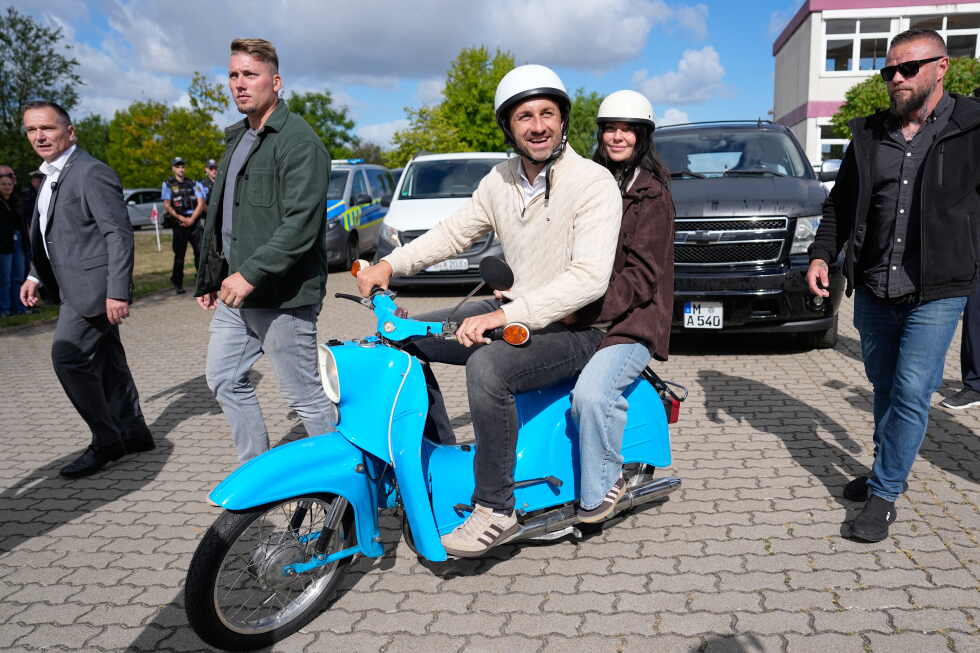
Charismatic candidate propels German far-right party to victory after giving it a friendly face
BERLIN — In a historic shift for German regional politics, the far-right Alternative for Germany (AfD) has notched its strongest electoral performance to date, propelled by the approach of 35-year-old party leader Ulrich Siegmund, who has worked to soften the group’s radical image while clinging to its core extremist positions. The party secured a resounding victory in Sunday’s regional election in the eastern German state of Saxony-Anhalt, but stopped just short of an outright majority, leaving its bid to form Germany’s first far-right state government since World War II hanging in the balance.
Siegmund, who was born just weeks after German reunification in October 1990, has emerged as a carefully cultivated public face for the AfD, blending youth-focused energy with targeted nostalgia for past eras that resonates with disaffected eastern German voters. Across Saxony-Anhalt’s campaign trail, his face dominated every AfD campaign poster under the rallying motto “everything is possible.” At public events, crowds of supporters — many sporting custom T-shirts printed with Siegmund’s portrait — lined up for hours to snap selfies and exchange brief words with the candidate.
Unlike many high-profile AfD figures known for abrasive, openly provocative rhetoric, Siegmund has deliberately steered clear of inflammatory public statements, framing himself as a relatable “man of the people” to win over voters who would otherwise reject the party’s well-documented radical stances, which include hardline pro-Russian policy, sweeping anti-immigration positions, and far-right extremist ideology. Despite his moderated public tone, Siegmund remains uncompromising on the AfD’s core platform. Following the election, he made clear the party would not abandon its core beliefs to form a coalition government.
Siegmund’s political trajectory began with a short early stint in Germany’s center-right Christian Democratic Union, the party of current Chancellor Friedrich Merz, before he defected to the AfD. A business management graduate who previously worked in commercial air freshener sales, he is far from a political newcomer: he has served as a legislator in Saxony-Anhalt’s Magdeburg-based state parliament for a decade, and has held the role of co-leader of the AfD’s parliamentary caucus there since 2022. He first built a large loyal following on social media through his vocal criticism of COVID-19 public health restrictions, capitalizing on widespread public discontent to grow his base.
A central pillar of Siegmund’s campaign has been deliberate nostalgia, echoing voter demands for what he frames as “the old, safe Germany back.” He has specifically courted lingering nostalgia for former communist East Germany among older eastern voters, most notably through iconic campaign appearances on vintage Simson mopeds, a beloved East German-manufactured brand. He even arrived at his hometown polling station in Tangermuende on one of the vehicles to cement that image. That choice, however, has sparked significant backlash: the Simson family, whose Jewish ancestors were stripped of their company by the Nazis in the 1930s before fleeing to the United States, has publicly condemned the AfD’s use of the brand.
The Saxony-Anhalt regional branch of the AfD is one of multiple AfD state organizations officially classified as a confirmed right-wing extremist group by Germany’s domestic intelligence agency. Siegmund also faced scrutiny over his attendance at a 2023 secret meeting in Potsdam, where a leading figure in the extremist Identitarian Movement laid out a radical “remigration” plan calling for the mass deportation of immigrants and German citizens with immigrant backgrounds. When the meeting was exposed months later, it sparked massive nationwide protests. As a result of his attendance, Siegmund was removed from his post as chair of the state legislature’s social affairs committee. He has consistently denied any wrongdoing, claiming his presence at the meeting did not equal an endorsement of the plan.
Incumbent Saxony-Anhalt Governor Sven Schulze, when asked in a recent televised debate whether he considered Siegmund a right-wing extremist, declined to issue a direct personal judgment, but noted that “I know who he surrounds himself with,” adding that “very extreme people” make up Siegmund’s closest political circle. The AfD has repeatedly and vehemently rejected all accusations of extremism. Just last month, Siegmund sought to reassure voters, claiming that “no one here needs to be afraid, quite the contrary. Every honest person in Saxony-Anhalt will benefit from an AfD-led government.”
Political analysts note that Siegmund’s carefully crafted public image is the key to the AfD’s historic gains in Saxony-Anhalt. “He manages to come over as likable, open, always smiling,” explained Wolfgang Merkel, a political science professor at the WBZ Berlin Social Science Center. Unlike other prominent AfD leaders, Siegmund deliberately avoids abrasive, overtly ideological or provocative language. “He is avoiding major conflicts at present; that doesn’t have to mean that he is a moderate, or conservative. He isn’t,” Merkel noted ahead of the election, adding that “whether he can govern is something he still has to prove.”