标签: Europe

欧洲

  • Europeans accuse Putin of faking interest in peace after talks with US envoys

    Europeans accuse Putin of faking interest in peace after talks with US envoys

    Diplomatic efforts to resolve the Ukraine conflict reached an impasse Wednesday as European and Ukrainian officials accused Russian President Vladimir Putin of feigning interest in peace negotiations following inconclusive talks with U.S. envoys at the Kremlin.

    The five-hour meeting between Putin and U.S. President Donald Trump’s special envoy Steve Witkoff and senior adviser Jared Kushner produced no tangible breakthroughs, though both sides agreed to continue discussions. The negotiations represent the latest attempt by the renewed Trump administration to broker a settlement to the nearly four-year conflict that has defresolution since Russia’s February 2022 invasion.

    Ukrainian Foreign Minister Andrii Sybiha characterized the Russian leader’s engagement as disingenuous, stating Putin should ‘stop wasting the world’s time.’ This sentiment was echoed by U.K. Foreign Secretary Yvette Cooper, who urged the Russian president to ‘end the bluster and the bloodshed and be ready to come to the table and to support a just and lasting peace.’

    The core disagreement remains the status of occupied Ukrainian territories, with both Moscow and Kyiv refusing to compromise on territorial sovereignty. Yuri Ushakov, a senior Putin adviser, acknowledged that ‘so far, a compromise hasn’t been found’ on this fundamental issue, without which the Kremlin sees ‘no resolution to the crisis.’

    European officials expressed growing skepticism about Moscow’s intentions. Estonian Foreign Minister Margus Tsahkna noted that Putin ‘has not changed any course’ and is ‘pushing more aggressively on the battlefield,’ while Finnish counterpart Elina Valtonen called for immediate confidence-building measures including ‘a full ceasefire.’

    As diplomatic efforts faltered, military actions intensified. Russia launched 111 strike and decoy drones at Ukraine overnight, with attacks in the Dnipropetrovsk region killing two civilians and injuring three others. Ukraine’s air defenses reportedly destroyed 102 Russian drones in reciprocal operations.

    NATO allies simultaneously announced enhanced military support for Ukraine, with Canada, Germany, Poland, and the Netherlands committing hundreds of millions of dollars collectively to purchase U.S. weapons for Kyiv. NATO Secretary-General Mark Rutte emphasized the alliance’s dual approach: continuing peace talks while ensuring Ukraine maintains ‘the strongest possible position to keep the fight going.’

    The situation remains volatile both diplomatically and militarily, with no immediate path to resolution evident as casualties mount and destruction continues across the conflict zone.
  • Belgium rejects EU plan to use frozen Russian assets for Ukraine, saying the move is too risky

    Belgium rejects EU plan to use frozen Russian assets for Ukraine, saying the move is too risky

    BRUSSELS — In a significant development within European Union policymaking, Belgium has formally opposed a controversial proposal to utilize frozen Russian assets as collateral for financing Ukraine’s reconstruction and military needs. The plan, championed by the European Commission, sought to address Ukraine’s projected budget shortfall of approximately 130 billion euros ($150 billion) for 2026-2027 through an innovative “reparations loan” mechanism.

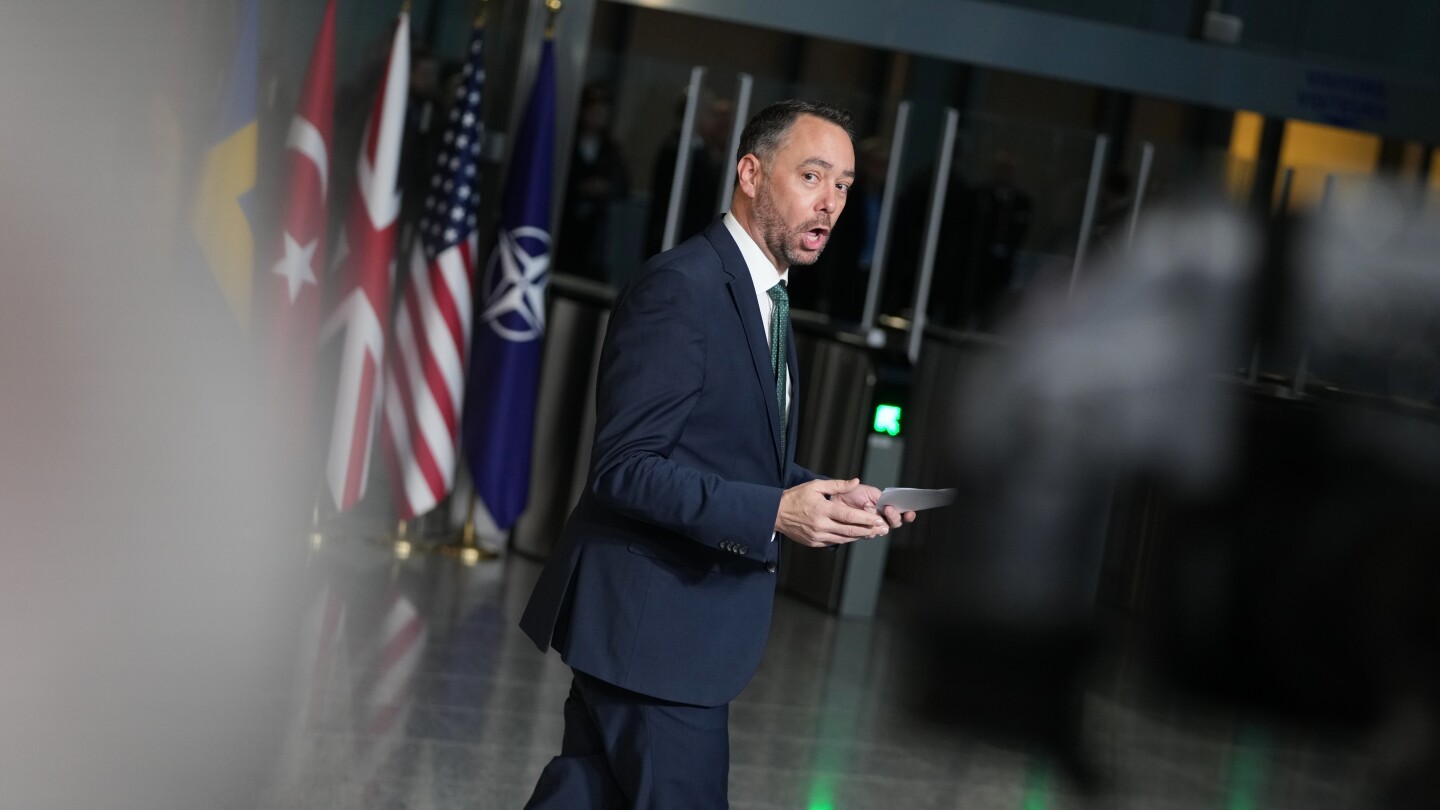
    Belgian Foreign Minister Maxime Prévot articulated his nation’s firm stance during remarks at NATO headquarters, characterizing the proposed scheme as “the worst of all options” due to its unprecedented nature and substantial risks. Prévot emphasized that Belgium considers the plan fraught with “consequential economic, financial and legal risks” that remain unaddressed in current proposals.

    The heart of Belgium’s concern lies with Euroclear, the Brussels-based financial clearing house currently holding approximately 194 billion euros in frozen Russian assets as of June. Belgian authorities fear potential legal repercussions should Moscow challenge the asset utilization, alongside possible damage to Euroclear’s international reputation and business operations. Prévot noted that Belgium has derived some tax revenue from these frozen assets, with accrued interest already contributing to a G7-organized loan program for Ukraine.

    Instead of the reparations loan framework, Belgium advocates for conventional international market borrowing to meet Ukraine’s financial requirements. Prévot described this alternative as “a well-known, robust and well-established option with predictable parameters” that would avoid potentially disastrous consequences for member states.

    The Belgian position highlights emerging tensions within EU solidarity mechanisms, with Prévot explicitly stating that Belgium seeks “to avoid potential disastrous consequences for a member state that is being asked to show solidarity without being offered the same solidarity in return.”

    This development occurs against the backdrop of broader concerns, including those raised by the European Central Bank regarding potential erosion of confidence in the euro should the reparations loan proceed. EU leaders are scheduled to deliberate further on Ukraine’s economic and military requirements during their upcoming summit in Brussels on December 18.

  • German bakers preserve tradition of iconic Christmas delicacy rich with dried fruit and nuts

    German bakers preserve tradition of iconic Christmas delicacy rich with dried fruit and nuts

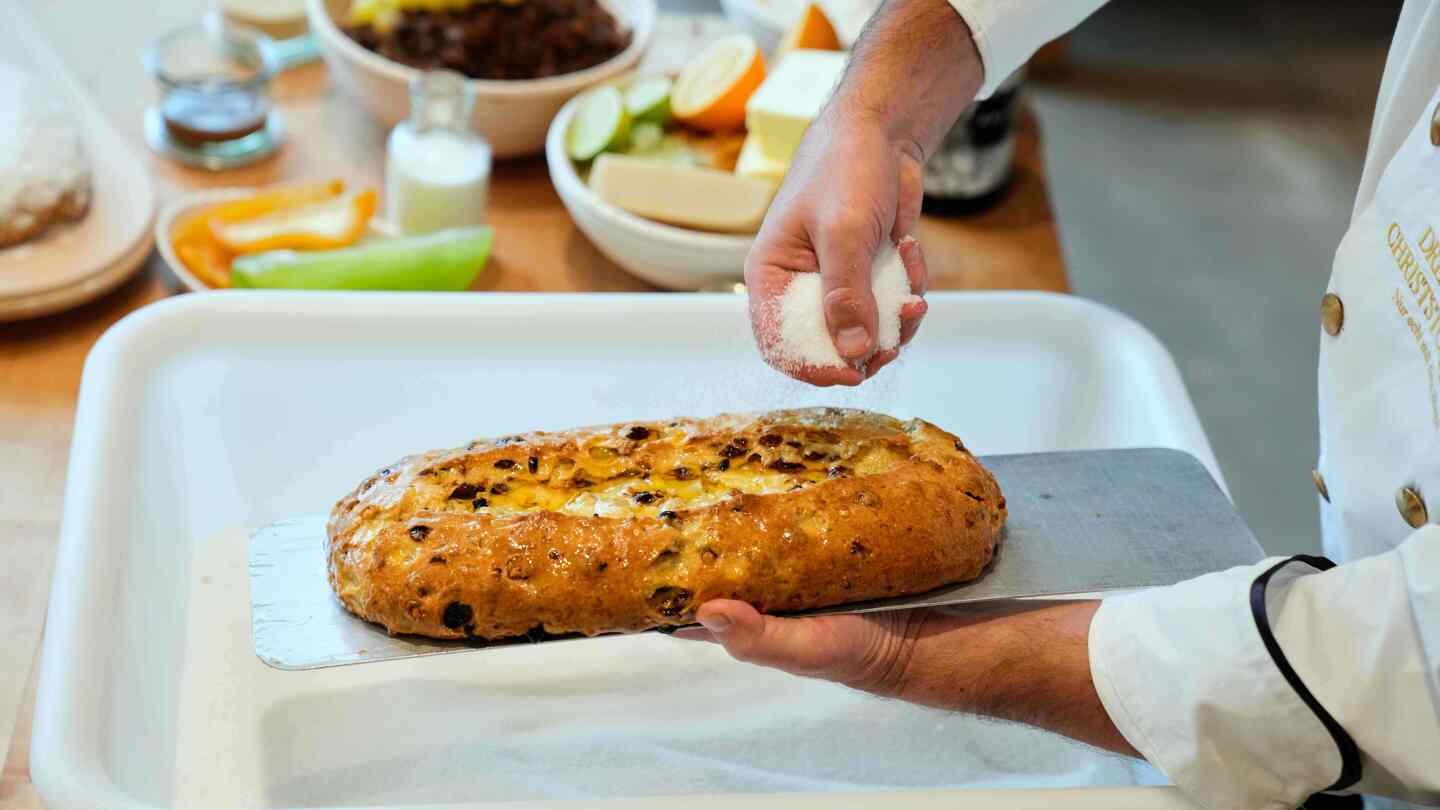
    DRESDEN, Germany — In the historic eastern German city of Dresden, master pastry chef Tino Gierig embodies the living tradition of Christstollen, a seasonal delicacy that has defined Christmas celebrations for centuries. With passionate enthusiasm, the 55-year-old artisan describes the rich pastry filled with raisins and dried fruits as tasting “like Christmas, like family, like tradition, like hominess, peace, serenity.”

    The Dresdner Backhaus bakery where Gierig works maintains meticulous standards for creating what locals consider not merely bread or cake, but a specialized pastry exclusively crafted for the Advent season. The preparation process involves careful kneading of buttery yeast dough, folding in golden raisins, and finishing with precise butter brushing and sugar dusting.

    This culinary tradition operates under stringent protection from the Dresden Stollen Protection Association, which awards a golden quality seal to bakeries meeting specific geographical and compositional requirements. Authentic Dresden stollen must contain at least 50% butter relative to flour content, generous quantities of golden raisins, candied citrus peel, and almonds, while excluding margarine, artificial preservatives, or flavors.

    The product enjoys European Union protected status alongside other regional specialties like Lübecker Marzipan and Schwarzwälder Schinken. While maintaining core ingredients, generational bakeries incorporate their distinctive spice blends featuring vanilla, cardamom, and sometimes tonka beans, cinnamon, nutmeg, or cloves.

    Historical records indicate stollen first appeared in 1474 as a fasting pastry made simply of flour, yeast, and water. The transformation into today’s rich delicacy began after 1491 when Pope Innocent VIII granted Saxony’s Elector Ernest permission to use butter during Advent. The pastry maintained its cherished status even during East Germany’s Communist era, when exotic spices were scarce, and became a symbolic gift connecting families across divided Germany.

    Modern production reaches impressive commercial scale with over 5 million loaves sold annually in 2024, approximately 20% exported primarily to Austria and Switzerland, with growing online sales to the United States. When stored in cool, dark, dry conditions, the pastry remains edible for several weeks, making it both a culinary treasure and practical Christmas gift.

  • Italian fashion giant Prada buys Versace – at a discount

    Italian fashion giant Prada buys Versace – at a discount

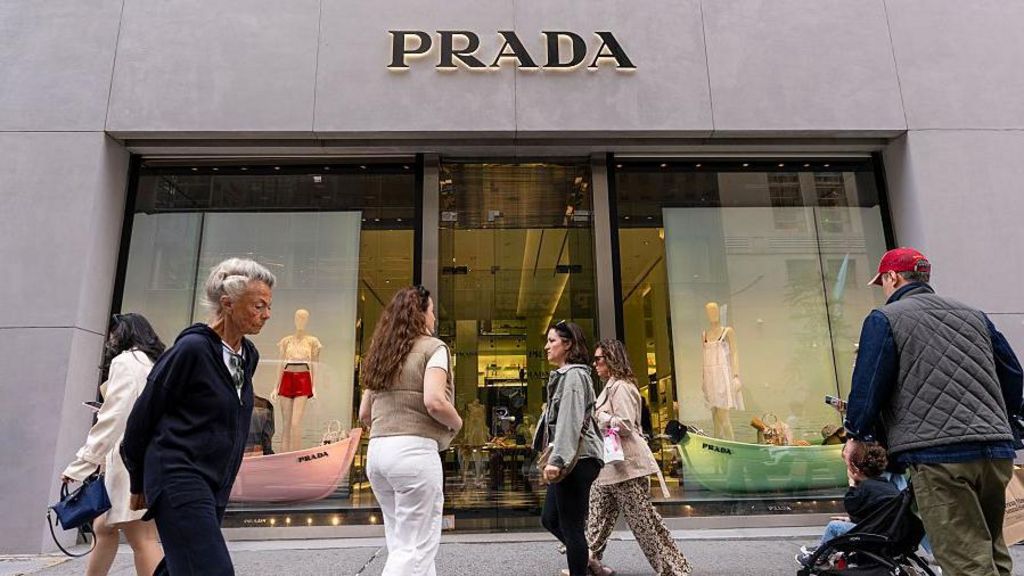
    In a landmark transaction reshaping the global luxury landscape, Italian fashion powerhouse Prada Group has finalized its acquisition of rival Versace for $1.38 billion. The deal, announced Tuesday, unites two of Italy’s most iconic fashion houses under single ownership, creating a strengthened competitor against French luxury conglomerates like LVMH.

    The purchase price represents a significant discount from the approximately $2 billion that former parent company Capri Holdings paid for Versace in 2018. The reduced valuation follows slowed sales across Capri’s portfolio, which also includes Michael Kors and Jimmy Choo, and reflects Versace’s $700 million loss under Capri’s ownership.

    This strategic move expands Prada’s brand portfolio beyond its namesake label and youth-focused Miu Miu line. The acquisition comes during a period of transformation for Versace, which saw creative leadership change hands in March when longtime creative chief Donatella Versace stepped down after 27 years. She was succeeded by Dario Vitale, previously a design director at Miu Miu.

    Under Capri’s stewardship, Versace underwent notable strategic shifts, moving away from its signature ornate designs toward minimalist trends while simultaneously implementing price increases. Prada CEO Andrea Guerra expressed confidence in Versace’s future, noting earlier this year that the brand possesses ‘huge potential’ while acknowledging that realizing it would ‘require disciplined execution and patience.’

    For Capri Holdings, the sale proceeds will primarily service outstanding debt, significantly strengthening the company’s balance sheet according to CEO John D. Idol. The transaction received all necessary regulatory approvals before Tuesday’s announcement.

  • German president’s UK state visit will celebrate strategic ties and recall historic scars

    German president’s UK state visit will celebrate strategic ties and recall historic scars

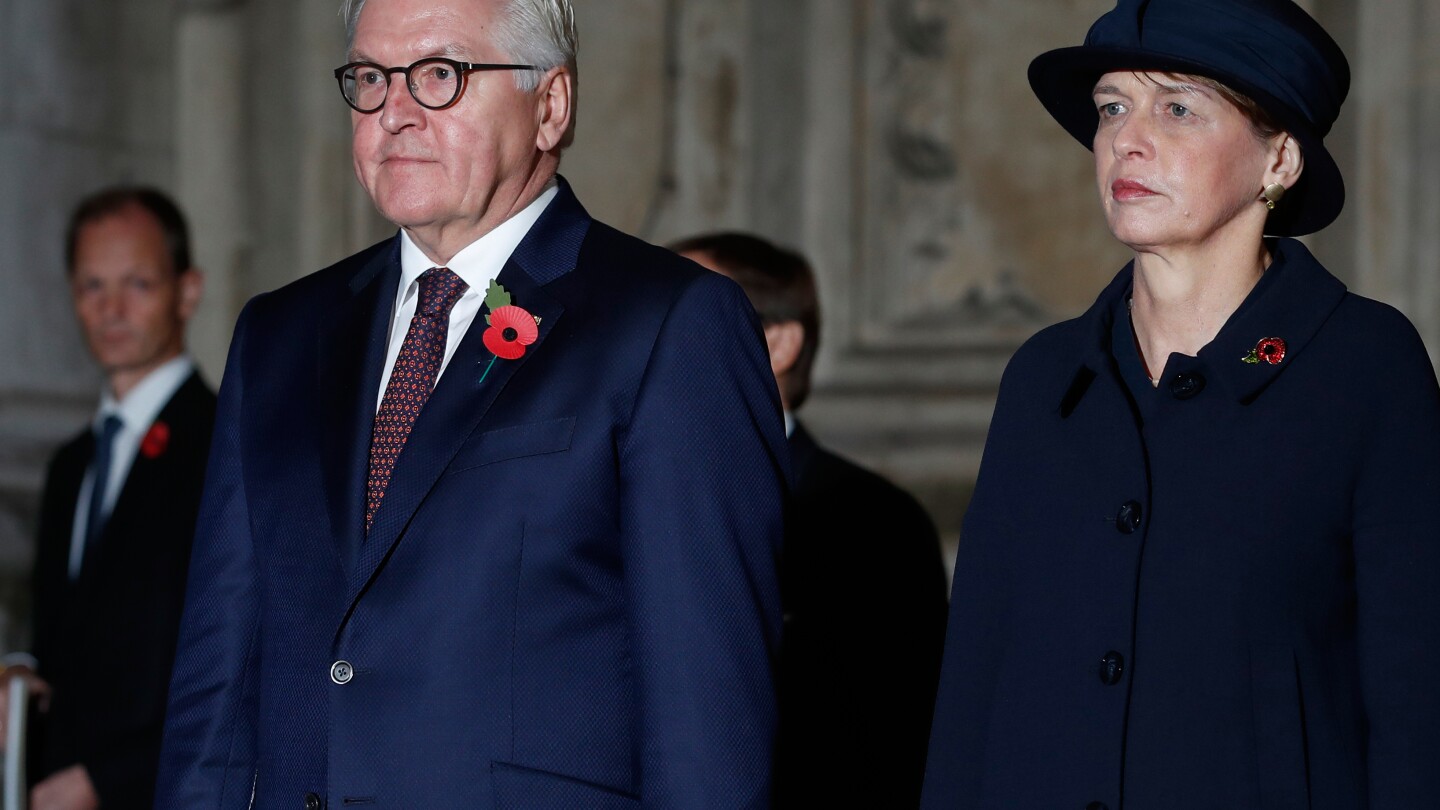
    LONDON — German President Frank-Walter Steinmeier embarked on a landmark three-day state visit to Britain on Wednesday, marking the first formal visit by a German head of state in over a quarter-century. The meticulously orchestrated occasion combines traditional British pageantry with profound historical reflection on the complex relationship between the two nations.

    King Charles III personally welcomed President Steinmeier and First Lady Elke Büdenbender at Windsor Castle, where the full spectacle of British royal protocol was displayed. The visit features the characteristic elements of British state hospitality: military precision demonstrations, glittering tiara events, and a lavish banquet served on centuries-old silverware against the backdrop of St. George’s Hall’s monumental Christmas decorations.

    Beyond the ceremonial splendor, the visit carries significant historical weight. On Friday, the German delegation will travel to Coventry Cathedral to commemorate the devastating November 1940 Luftwaffe bombing that killed 568 civilians and destroyed much of the city—the most concentrated aerial attack on Britain during World War II.

    This solemn gesture continues a pattern of mutual reconciliation. During King Charles’s state visit to Germany in 2023, the monarch paid respects at Hamburg’s St. Nikolai Church memorial, acknowledging the approximately 30,000 casualties from Allied bombing raids in July 1943.

    Political analysts note the strategic timing of this diplomatic exercise. Both nations seek to reinforce their partnership amid contemporary challenges including the Ukraine conflict and concerns over potential shifts in U.S. foreign policy under Donald Trump’s ‘America First’ approach. The visit builds upon Charles’s successful 2023 Bundestag address, where he impressed German officials by seamlessly switching between English and German while emphasizing enduring bilateral ties.

    As Majesty Magazine’s Joe Little observed, ‘It’s a particularly poignant time in British and German history, so the fact that this is being factored into the state visit clearly is important to both sides.’ The visit represents carefully choreographed soft diplomacy, using royal spectacle to strengthen international bonds while acknowledging the complex historical legacy between these European partners.

  • Putin hosts Trump negotiators at Kremlin for ‘constructive’ Ukraine talks

    Putin hosts Trump negotiators at Kremlin for ‘constructive’ Ukraine talks

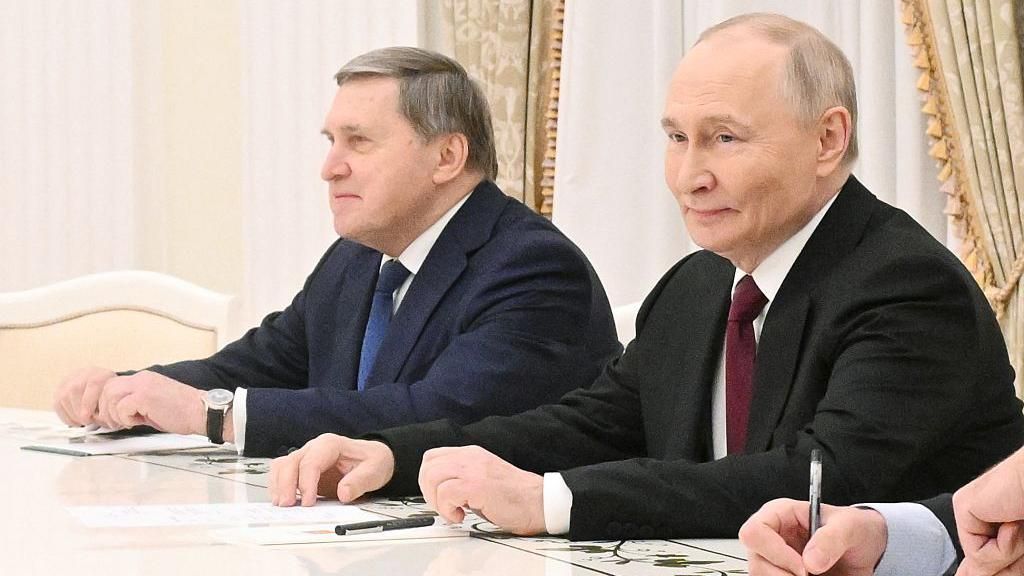
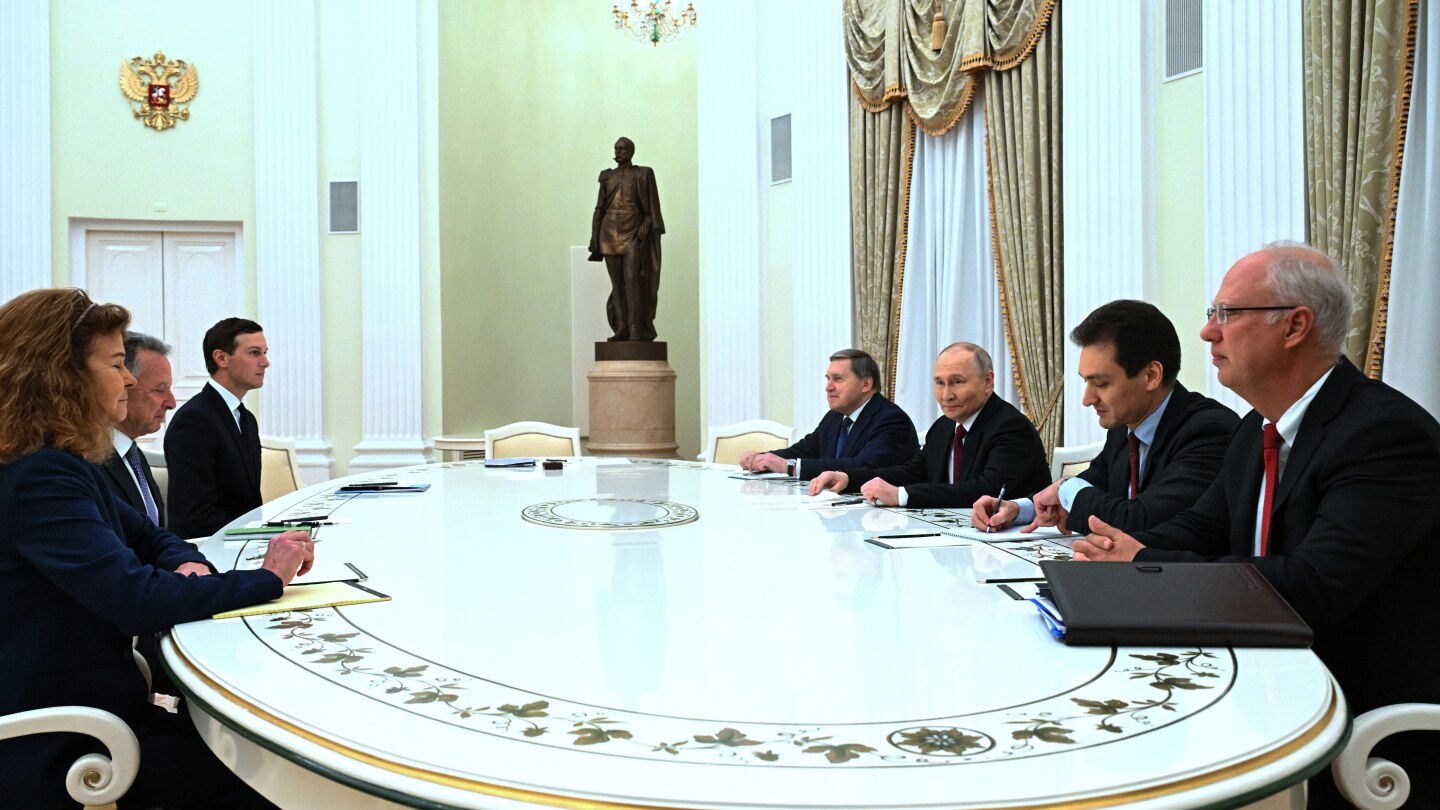
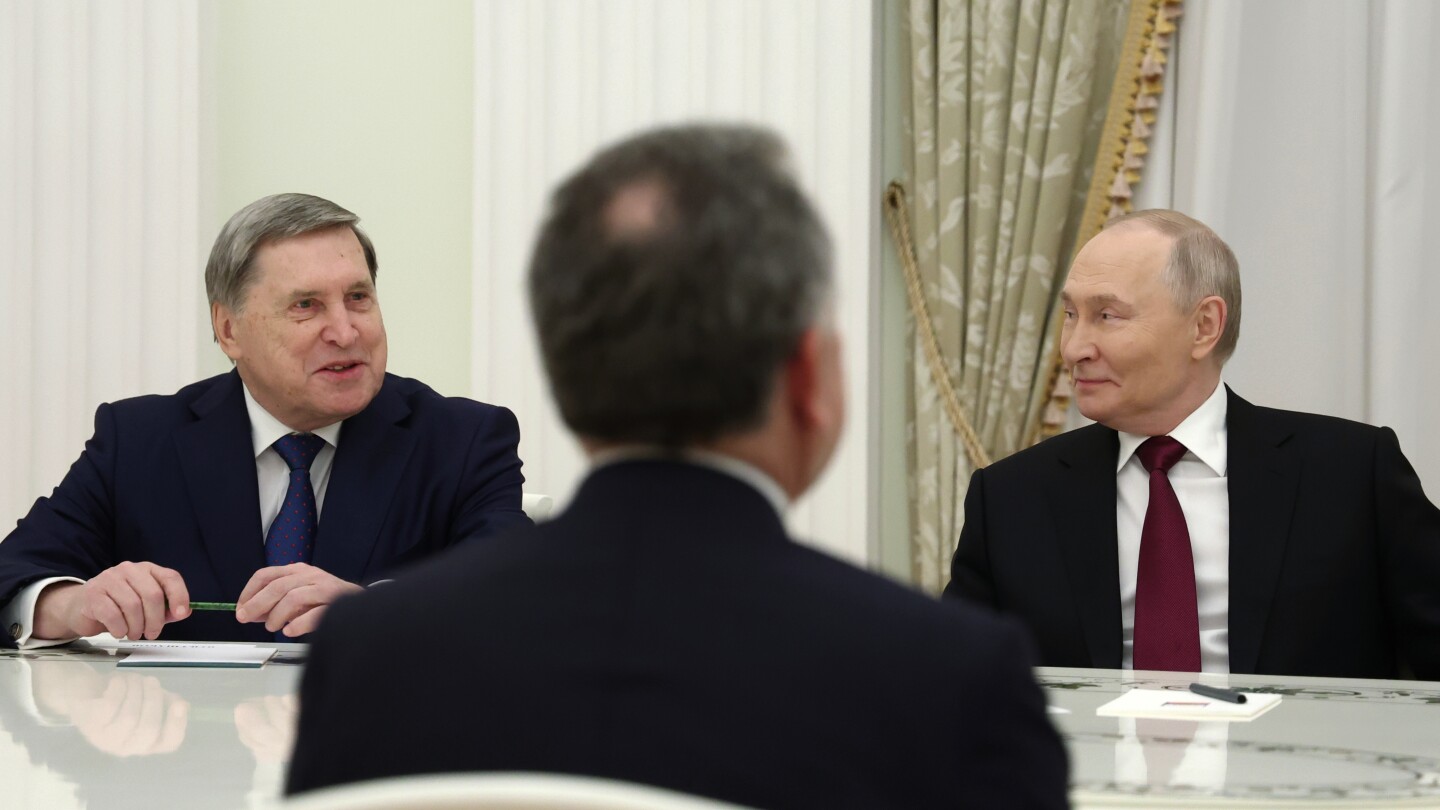
    Russian President Vladimir Putin engaged in an extensive five-hour diplomatic session with American negotiators at the Kremlin on Tuesday, marking a significant development in efforts to resolve the ongoing Ukraine conflict. The high-stakes discussions featured Putin’s foreign policy aide Yury Ushakov alongside US envoy Steve Witkoff and Jared Kushner, former President Donald Trump’s son-in-law.

    Despite the marathon closed-door meeting, Ushakov characterized the dialogue as “constructive” while emphasizing that substantial work remains before any comprehensive agreement can be reached. The negotiations occurred against a backdrop of heightened tensions, with Putin previously declaring European demands regarding the US-Russia draft peace proposal “unacceptable” and warning that Russia stands prepared should Europe seek confrontation.

    The American diplomatic team arrived in Moscow following two previous rounds of discussions with Ukrainian representatives over the past fortnight. Ukrainian President Volodymyr Zelensky, speaking from Dublin during an official visit to Ireland, expressed anticipation for a post-meeting briefing from US officials. While acknowledging that “no simple solutions” exist, Zelensky highlighted that current circumstances present the most favorable opportunity for conflict resolution since the war’s inception.

    Central to the diplomatic impasse remains the controversial 28-point peace plan initially circulated in November, which drew widespread criticism for perceived favorable treatment of Moscow’s interests. The proposal sparked particular concern regarding Ukrainian sovereignty over Russian-occupied territories and security guarantees, with Zelensky insisting on NATO membership provisions—a condition Russia has consistently opposed and Trump administration officials previously ruled out.

    European allies have countered the original American draft with a modified document eliminating contentious elements, including recognition of Donetsk and Luhansk as de facto Russian territories. Putin dismissed these European demands as obstructionist to peace efforts during pre-meeting comments with journalists.

    Meanwhile, military confrontations continued unabated along the front lines. Ukrainian authorities disputed Russian claims of capturing strategic locations including Pokrovsk and Vovchansk, characterizing Russian assertions as propaganda maneuvers. International observers corroborated Ukrainian positions regarding territorial control, noting significant Russian casualties in ongoing engagements.

    The human cost of the conflict continues to mount, with UN documentation confirming over 14,000 civilian casualties alongside tens of thousands of military injuries and fatalities since Russia’s full-scale invasion began in February 2022. Civilian infrastructure including educational facilities, medical centers, and residential buildings have sustained systematic destruction through nightly aerial assaults.

    The current confrontation represents an escalation of tensions originating in 2014 following Ukraine’s political realignment and Russia’s subsequent annexation of Crimea and support for separatist movements in eastern regions.

  • Some Irish officers to get tasers in new six-month pilot scheme

    Some Irish officers to get tasers in new six-month pilot scheme

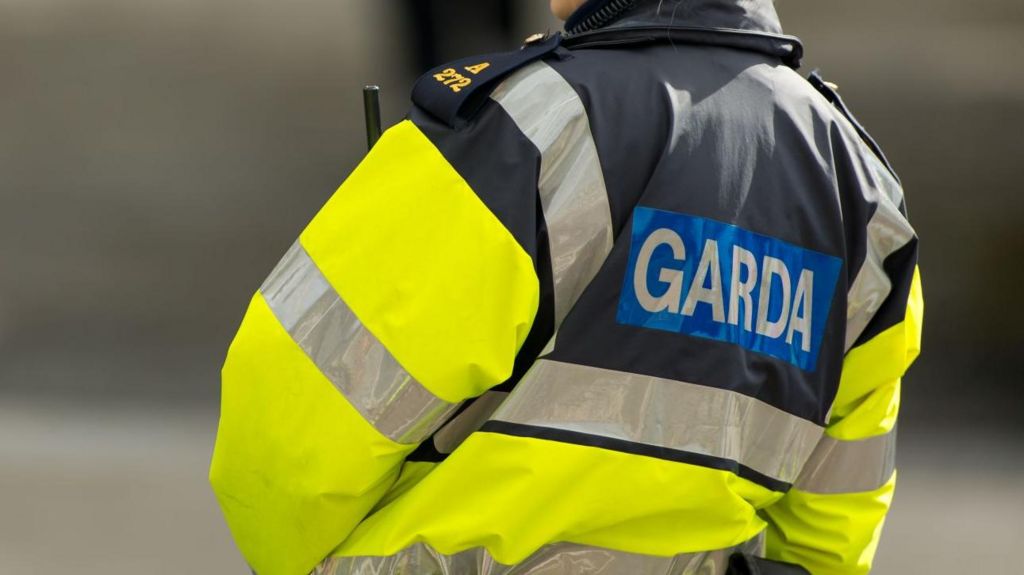
    The Irish government has approved a groundbreaking six-month pilot program to equip approximately 128 frontline gardaí with conducted energy weapons (tasers), marking a significant shift in policing methodology in the Republic of Ireland. The initiative, presented to the Cabinet by Justice Minister Jim O’Callaghan, will deploy the devices to officers already trained in body-worn camera usage across Dublin, Waterford, and Kilkenny.

    This development represents a notable departure from Ireland’s longstanding tradition of largely unarmed policing, where currently only specialized armed response units routinely carry weapons. Tánaiste Simon Harris justified the measure by highlighting escalating dangers faced by officers, stating that ‘brave men and women who put on their uniform every day are often faced now with increased levels of abuse on the streets, levels of attacks.’

    The Garda Representative Association has enthusiastically endorsed the program, with Vice President Niall Hodgins noting approximately 1,000 assaults on officers occurred last year, including 300 classified as serious. He emphasized that tasers could ‘contribute to the deescalation of the more violent and aggressive encounters that our members are experiencing year-on-year.’

    However, the Irish Council for Civil Liberties has expressed profound reservations, with Director Joe O’Brien characterizing the move as a ‘complete step change’ from established policing principles. The civil rights organization questions the evidentiary basis for the initiative, noting tasers are not ‘effective de-escalation tools in all situations’ and ironically suggesting they are not the ‘Christmas gift Gardaí need.’ The pilot program’s implementation methodology and evaluation criteria remain subjects of ongoing scrutiny from civil liberties advocates.

  • Rare Fabergé egg fetches record £22.9m at London auction

    Rare Fabergé egg fetches record £22.9m at London auction

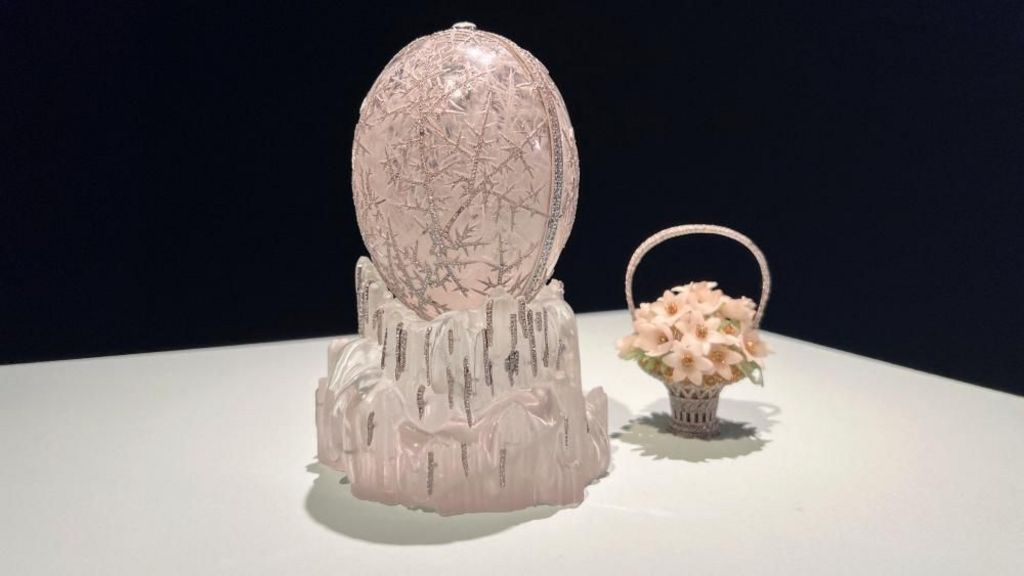
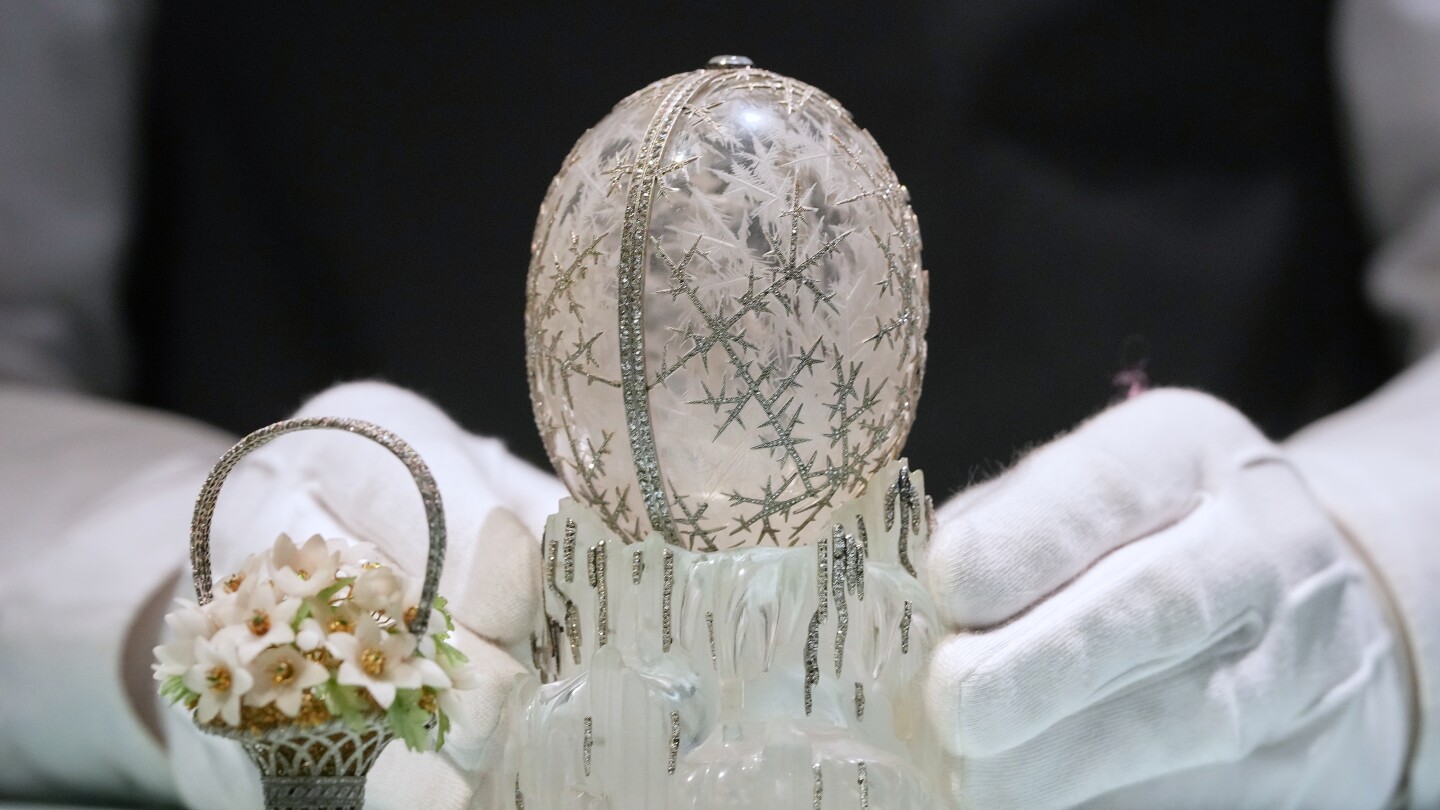
    A magnificent diamond-encrusted Fabergé egg, originally crafted for Russia’s imperial Romanov dynasty, has achieved a historic auction milestone, fetching an unprecedented £22.9 million ($30.2 million) at Christie’s in London. The anonymous purchaser secured the legendary Winter Egg, widely regarded as one of master jeweler Carl Fabergé’s most exquisite creations, during Tuesday’s bidding session.

    Commissioned in 1913 by Tsar Nicholas II as an Easter gift for his mother, Dowager Empress Maria Feodorovna, the masterpiece showcases extraordinary craftsmanship with approximately 4,500 meticulously placed diamonds adorning its rock crystal shell. The 8.2-centimeter (3.2-inch) treasure features elaborate platinum snowflake motifs crafted from rose-cut diamonds, embodying its wintry theme. Upon opening, the egg reveals an intricate surprise—a delicate basket containing white quartz blossoms.

    This transaction substantially surpasses the previous auction record for Fabergé eggs, which stood at £8.9 million established in 2007. Margo Oganesian of Christie’s remarked to AFP that the result ‘reaffirms the enduring significance of this masterpiece’ within the art market.

    The Winter Egg represents exceptional historical and artistic significance, designed by Alma Theresia Pihl—one of only two female master artisans at Fabergé’s St. Petersburg workshop. Of the fifty imperial eggs created between 1885 and 1917, when Nicholas II abdicated, the Winter Egg is among merely seven remaining in private ownership, with others residing in museum collections or considered lost.

  • Key negotiators in the talks to end the war in Ukraine

    Key negotiators in the talks to end the war in Ukraine

    The Trump administration is accelerating diplomatic efforts to broker a resolution to the Ukraine conflict, deploying an unconventional team of negotiators who have engaged in intensive shuttle diplomacy across global capitals. This diplomatic offensive has brought together a unique combination of government officials and private citizens working through both formal and backchannel communications.

    Leading this unconventional diplomatic corps is Steve Witkoff, a real estate billionaire and longtime Trump confidant who has emerged as a key foreign policy facilitator. Despite lacking Senate confirmation, the 68-year-old businessman has made multiple trips to Moscow while coordinating efforts to resolve both the Ukraine and Gaza conflicts. His personal relationship with the President has provided unusual access to high-stakes negotiations.

    Secretary of State Marco Rubio has spearheaded official diplomatic channels, recently leading the U.S. delegation in Geneva where significant amendments were proposed to the U.S.-Russia mediated peace framework. These modifications have drawn attention for their perceived alignment with Russian interests.

    Jared Kushner, the President’s son-in-law and former White House adviser, has continued his diplomatic involvement following his earlier ceasefire achievement between Israel and Hamas. His recent meetings with Ukrainian representatives in Florida and Russian officials in Moscow demonstrate his ongoing role in the administration’s peace efforts.

    The negotiation team includes unexpected participants such as Army Secretary Dan Driscoll, a 38-year-old Iraq War veteran and friend of Vice President JD Vance. Driscoll personally presented Trump’s peace proposal to Ukrainian President Zelenskyy in Kyiv before engaging Russian officials in the United Arab Emirates.

    Ukraine’s representation has shifted with the appointment of Rustem Umerov to lead their delegation following the resignation of Zelenskyy’s chief of staff. Umerov brings substantial experience from his tenure as defense minister and involvement in previous negotiation rounds.

    The Russian delegation features seasoned diplomats including Yuri Ushakov, a presidential aide and former ambassador to the United States, who has received coaching from Witkoff on presenting proposals to the Trump administration. Kirill Dmitriev, head of Russia’s sovereign wealth fund despite being on the U.S. sanctions list, has emerged as an important backchannel communicator. Veteran Foreign Minister Sergey Lavrov continues to represent Russian interests with his characteristic determination and linguistic fluency.

    This multifaceted diplomatic push represents one of the most significant efforts to end the conflict, characterized by its blend of formal government channels and unconventional personal diplomacy.

  • Crystal Fabergé egg crafted for Russian royalty shatters record and sells for $30.2 million

    Crystal Fabergé egg crafted for Russian royalty shatters record and sells for $30.2 million

    LONDON — An extraordinary piece of imperial Russian history achieved unprecedented auction success on Tuesday when the legendary Winter Egg by Fabergé commanded a staggering £22.9 million ($30.2 million) at Christie’s London. This monumental sale establishes a new world record for any Fabergé creation ever sold at auction.

    Crafted in 1913 during the final years of the Romanov dynasty, the Winter Egg represents one of only seven imperial Fabergé eggs remaining in private ownership. The masterpiece stands merely 4 inches (10 centimeters) tall yet embodies extraordinary craftsmanship with its exquisitely carved rock crystal shell adorned with a delicate platinum snowflake pattern set with approximately 4,500 brilliant diamonds.

    The egg’s magical design reveals an intricate surprise interior—a removable basket crafted from bejeweled quartz flowers symbolizing the arrival of spring. This artistic marvel was originally commissioned by Tsar Nicholas II as an Easter gift for his mother, Dowager Empress Maria Feodorovna, continuing a royal tradition initiated by his father Alexander III in 1885.

    Notably, the Winter Egg holds distinction as one of only two imperial Fabergé eggs designed by a female artist, Alma Pihl, whose other creation remains in the possession of the British royal family. The egg’s journey through history reflects Russia’s turbulent past—sold by communist authorities in the 1920s for merely £450, it disappeared for decades before resurfacing at auction in 1994 for 7 million Swiss francs.

    Margo Oganesian, head of Christie’s Russian art department, described the piece as ‘the Mona Lisa of decorative arts,’ emphasizing its unparalleled significance in the world of collectible art objects. Of the 50+ imperial eggs created by Peter Carl Fabergé between 1885-1917, only 43 survive today, with most residing in museum collections, making this private sale particularly exceptional.