标签: Europe

欧洲

  • 1 killed, 8 injured in an overnight Russian attack on Kyiv

    1 killed, 8 injured in an overnight Russian attack on Kyiv

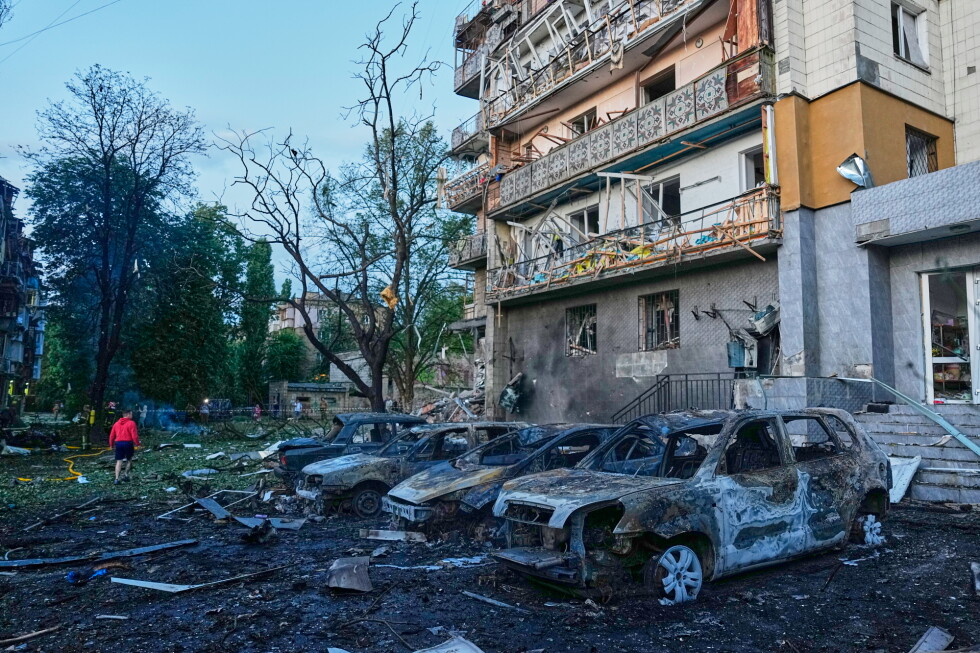
    KYIV, Ukraine — A deadly overnight assault involving Russian ballistic missiles has left one civilian dead and eight more wounded, according to local Ukrainian officials, marking the latest large-scale bombardment of the country’s capital amid ongoing regional conflict.

    The assault began shortly after 1:30 a.m. local time, with the wave of strikes stretching across multiple hours. Deafening explosions resonated across every quarter of Kyiv, jolting residents awake and triggering widespread emergency responses. Ukraine’s State Emergency Service confirmed that the strikes ignited destructive blazes across five of the capital’s districts, leaving a trail of damage that spans civilian and infrastructure sites: residential apartment blocks, private homes, commercial office spaces, industrial facilities, a student dormitory, and dozens of civilian vehicles were all hit in the attack.

    Emergency rescue teams worked through the night to extract trapped civilians from burning structures. In the Sviatoshynskyi district, crews pulled four people from a decimated private home that had caught fire. Over in the Shevchenkivskyi district, responders evacuated residents from a three-story residential building that was fully engulfed in flames. Firefighters also successfully contained a large blaze at a non-residential commercial structure in the area, where the body of the deceased victim was later recovered. Additional fire response teams were deployed to blazes across the Solomyanskyi, Desnianskyi and Dnipro districts, bringing the total number of affected administrative areas to five.

    The attack is part of a recent uptick in large-scale Russian strikes targeting Kyiv, coming at a critical moment where Ukrainian defense forces face a crippling shortage of Patriot air defense missiles — the most capable interceptor system Ukraine currently has to shoot down incoming Russian ballistic missiles before they reach their targets. In a recent development that could shift Kyiv’s defensive capabilities, former U.S. President Donald Trump announced that his administration is prepared to issue manufacturing licenses that would allow Ukraine to produce its own Patriot interceptor missiles domestically. If implemented, the move could significantly strengthen Ukraine’s ability to fend off ongoing Russian ballistic missile attacks. To date, however, no concrete details have been released about the scope of the agreement or a clear timeline for rolling out the domestic production program, leaving the future of this defensive boost uncertain for Ukrainian forces.

  • Trump celebrates the World Cup as a US victory as he prepares to present trophy to the winning team

    Trump celebrates the World Cup as a US victory as he prepares to present trophy to the winning team

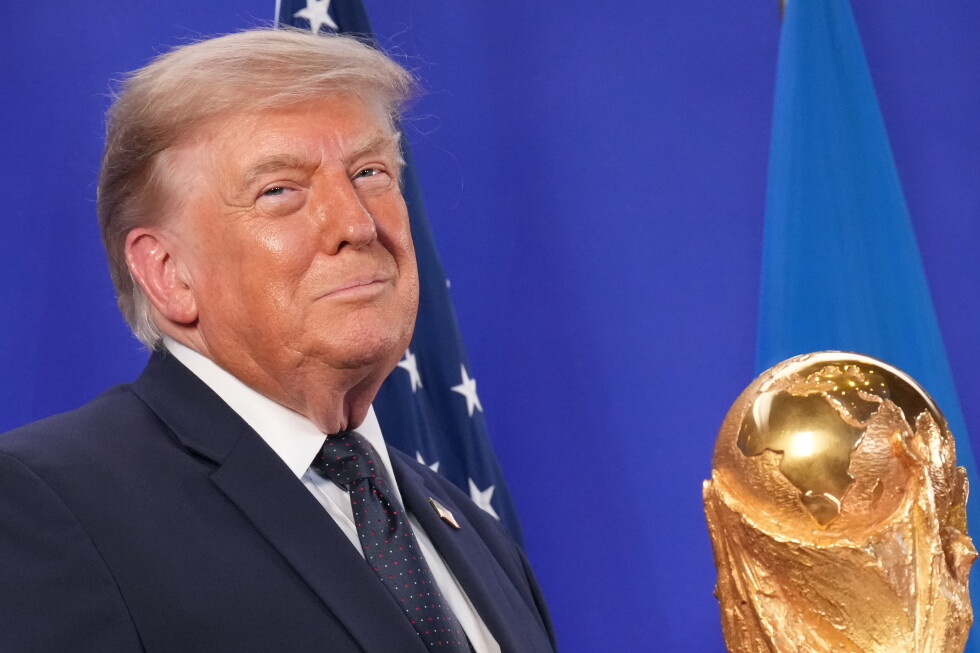
    As tens of millions of soccer fans around the globe prepare to watch the 2026 FIFA World Cup final between Argentina and Spain this Sunday, all eyes will also be on U.S. President Donald Trump, who is set to step onto the pitch to present the iconic tournament trophy to the winning side. For the sitting president, however, the real victory of this month-long event is not on the line between the two competing nations — he argues it has already been claimed by the United States.

    Speaking Friday at a FIFA-hosted reception held at his Manhattan Trump Tower property, Trump emphasized that the 2026 tournament has cemented the U.S. status as a global soccer powerhouse. “It turned out we were a soccer country, and I think it’s going to remain,” he told attendees. “This has really brought the world together.”

    Sunday’s final marks the end of more than 18 months of high-stakes logistical and political navigation for the White House, which has overseen preparations for the largest World Cup in history alongside co-hosts Canada and Mexico. The planning process was fraught with challenges from the start: the Trump administration’s hardline immigration policies barred entry to fans from several countries that participated in World Cup qualifying, drawing sharp criticism from human rights organizations. Fans across the globe also pushed back against exorbitant official ticket prices. For months, Trump openly floated the idea of relocating matches from cities that refused to cooperate with federal immigration enforcement, and just weeks before the tournament kicked off, local officials clashed with FIFA over inflated transit costs, further escalating pre-tournament tensions.

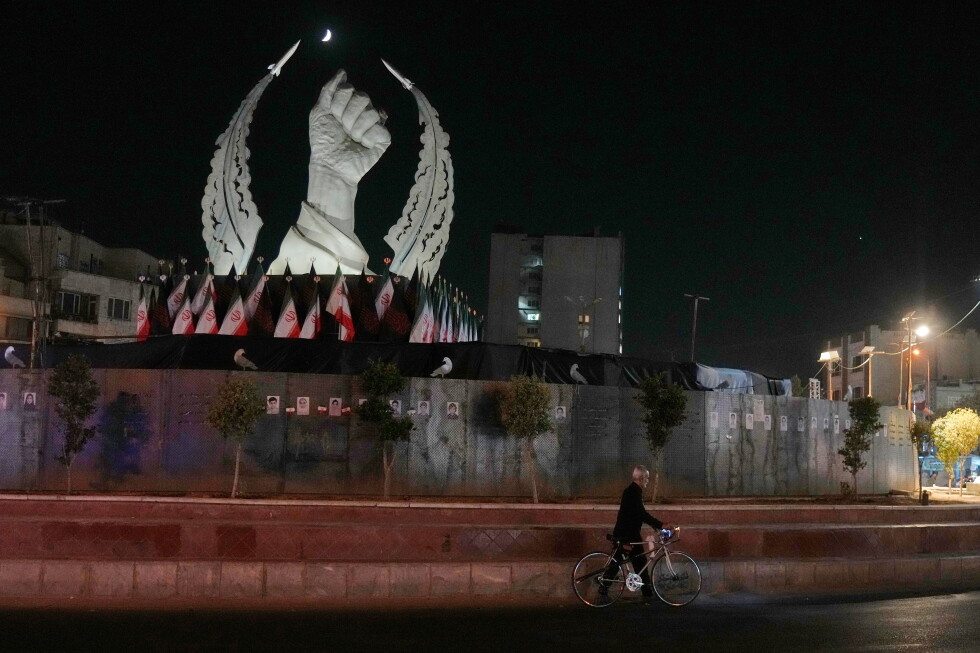
    Even as teams arrived for their opening matches, the administration remained under intense global scrutiny over controversial visa decisions. Most notably, a highly decorated Somali referee was denied entry to the country ahead of the tournament. Tensions rose further after the Trump administration launched a military conflict with Iran, which forced the entire Iranian national team to base itself across the U.S. border in Tijuana, Mexico, after most of its support staff and fans were barred from entering the U.S.

    But in the end, the narrative of the tournament shifted dramatically away from political friction. Social media platforms have been flooded with viral content showing fans from every corner of the world embracing American food and cultural traditions, from craft beer to the ubiquitous ranch dressing. Many of the most widely circulated pre-tournament fears, including rumors that federal immigration authorities would conduct targeted raids near match venues, never came to fruition.

    Andrew Giuliani, executive director of the White House FIFA Task Force, told the Associated Press that the tournament has exceeded expectations. “One of the things that we talked about beforehand was, if we’re talking about what happened on the pitch, then we’ve done our job,” Giuliani explained. “But I think it’s even better than that. We’re not just talking about only the incredible, athletic feats on the pitch, but we’re talking about all these incredible, incredible cultural moments.”

    The tournament has not been without its share of political controversy, however. Earlier this month, Trump sparked outcry after placing a phone call to FIFA President Gianni Infantino to request a review of a controversial red card issued to U.S. star forward Folarin Balogun during a group stage match against Bosnia and Herzegovina. The original ruling would have sidelined Balogun for the team’s subsequent match against Belgium. Infantino, who has already faced widespread backlash for his close ties to Trump, ultimately reversed the call. At Friday’s reception, Trump praised Infantino for the decision, saying “you made another great decision, if you think about it” — even with the U.S. falling to Belgium 4-1 in the match.

    Giuliani defended the administration’s intervention, saying the White House had a “duty” to raise concerns about officiating, which had come under scrutiny after the red card was issued following a slow-motion video review. He noted that the Trump administration had allocated billions in federal funding to ensure the World Cup was “not just a safe and secure event, not just where we welcomed the world, but an event that was filled with integrity.”

    The administration faced particularly high pressure to deliver a successful tournament, as the U.S. is already scheduled to host the 2028 Summer Olympics in Los Angeles and the 2034 Winter Olympics in Salt Lake City. The country is also widely expected to be awarded hosting rights for the 2031 FIFA Women’s World Cup. Giuliani made clear in his interview that the administration’s stance on transgender participation in women’s sports would shape that bid, noting that securing hosting duties requires “ensuring that, in fact, women and only women will play in that 2031 Women’s World Cup.”

    Democratic Sen. Andy Kim of New Jersey, whose home state is hosting Sunday’s final and describes himself as a lifelong World Cup superfan, acknowledged that minor logistical hiccups — most notably around transit to match venues — popped up over the course of the tournament. Still, he said the overall positive energy of the event has far outweighed any setbacks. “Overall, just the joy that people have, the excitement that they have, has dramatically outweighed” any downsides, Kim said, adding he has enjoyed watching matches over the past month with his two young sons.

    Bilateral tensions have also simmered between the U.S. and its co-hosts throughout the tournament. Shortly after returning to the White House, Trump implemented steep new tariffs on both Canada and Mexico and declined to renew the tri-national trade agreement between the three countries, launching a period of tense new negotiations. Just this Friday, Trump threatened additional tariffs on Canada over wildfire smoke that has worsened air quality in parts of the U.S., including northern New Jersey, where Sunday’s final will take place. He even joked during the reception that the U.S. should host the World Cup again soon, adding “this time, we’ll leave Mexico and Canada out.”

    Despite the friction, both Mexican President Claudia Sheinbaum and Canadian Prime Minister Mark Carney have accepted Trump’s invitation to attend Sunday’s final, a powerful sign that global soccer diplomacy can cut through geopolitical gridlock. “I received an invitation from President Trump to attend the World Cup final on Sunday, and I decided to go because it’s a direct invitation from the President of the United States,” Sheinbaum confirmed to reporters. “Prime Minister Carney will also be there.”

    While Trump will fulfill the traditional duty of the host nation’s head of state by handing the trophy to the winning captain, he has not publicly revealed which side he is rooting for. That said, his administration’s geopolitical stances have made his preferences clear: Spain has long been a point of friction for Trump, due to its failure to meet NATO defense spending targets and its refusal to allow the U.S. to launch strikes against Iran from Spanish military bases. Conversely, Argentine President Javier Milei is a staunch ally of the Trump administration, with Trump even threatening to cut U.S. aid to Argentina if Milei’s coalition did not win recent legislative elections. Spanish Prime Minister Pedro Sanchez will attend Sunday’s match in person, while Milei will stay home in Argentina, citing soccer superstition around watching national team matches in person.
  • US launches more airstrikes against Iran after announcing another death of a service member

    US launches more airstrikes against Iran after announcing another death of a service member

    In the early hours of Monday, the United States launched a fresh wave of airstrikes targeting Iran, marking nine straight nights of sustained bombardment, just one day after the Pentagon confirmed the death of a third American service member killed in recent regional attacks. The rapid escalation of hostilities comes as a previously brokered interim ceasefire deal, negotiated to lay the groundwork for a permanent end to conflict between the two nations, has completely collapsed, leaving the Middle East on the brink of a wider regional war that threatens to draw in neighboring Israel and key U.S. allies across the Gulf.

    The latest American service member death was announced Saturday, after the service member was killed in Iraq while conducting a controlled detonation of a downed Iranian drone that had entered coalition-controlled territory. This fatality followed a deadly Iranian attack on U.S. troops stationed in Jordan that killed two service members; remains found during recovery operations for a missing service member from that strike were confirmed on Sunday, bringing the total number of U.S. service members killed since the outbreak of hostilities to 17.

    U.S. Central Command, which oversees American military operations across the Middle East, confirmed in an official statement that Monday’s strikes continued a campaign focused on degrading Iranian military capabilities that Tehran has used to target commercial shipping and civilian mariners moving through the Strait of Hormuz, the world’s most critical chokepoint for global energy supplies. Shortly after the new strikes began, the British military reported a large ship caught fire off the coast of Oman in the Strait of Hormuz, a route Washington has encouraged commercial vessels to use to avoid Iranian interception. The cause of the blaze remains unconfirmed as of Monday morning.

    Tehran has responded to the ongoing U.S. bombardment with retaliatory strikes targeting U.S. allied states across the Middle East, drawing Jordan, Bahrain, Kuwait and other Gulf nations directly into the escalating conflict. Early Monday, Iran fired a barrage of missiles toward Jordanian territory, prompting Jordan’s military, which hosts major U.S. military bases and relies on American air defense support, to shoot down multiple incoming projectiles. Jordanian officials confirmed no casualties or damage from the strike, and later summoned Iran’s top diplomatic representative in Amman to issue a formal protest.

    The missile strike toward Jordan prompted Israeli security officials to issue a rare warning, noting that falling debris from intercepted missiles could cross into Israeli territory, marking the first time Israeli civilians have faced air raid warnings in weeks. Two Israeli air defense interceptors were launched on the outskirts of Eilat, the Israeli coastal city adjacent to Jordan’s port of Aqaba, the target of the Iranian strike, to neutralize any rogue debris.

    Across the Gulf, Bahrain activated its air defense systems early Monday and the U.S. embassy in Manama issued an emergency security warning alerting American personnel to potential Iranian targeting of unspecified sites in the capital. Kuwait also confirmed that one of its key power and water desalination plants, a critical piece of civilian infrastructure that supplies nearly 90% of the country’s drinking water, was attacked for the second time in 48 hours, causing significant fires but leaving the national power grid stable.

    In a revelation that adds new urgency to global nuclear non-proliferation concerns, Iran’s state-run television reported Sunday that U.S. strikes hit the construction site of the planned Darkhovin nuclear power plant in southwestern Iran. Satellite imagery captured by Planet Labs PBC on July 9 shows the site remains in early stages of development, with only preliminary earth clearing completed. The International Atomic Energy Agency, the United Nations’ nuclear watchdog, confirmed that during its most recent inspection, the site contained no nuclear material. Iran had not previously reported any strike on the facility to international observers.

    Jasem Mohamed al-Budaiwi, secretary-general of the six-nation Gulf Cooperation Council, has publicly condemned Iran for targeting critical civilian infrastructure, accusing Tehran of committing war crimes. Under international humanitarian law, civilian sites including power plants, water facilities and bridges are generally protected from deliberate attack, though they lose that protection if repurposed for military use. Even in those cases, attacking forces are required to minimize civilian harm and ensure strikes are proportionate to the military objective. The U.S. has similarly targeted Iranian bridges and electrical facilities as part of its nine-day bombing campaign, drawing criticism from humanitarian groups for the risk to Iranian civilians.

    The fight for control over the Strait of Hormuz remains at the core of the ongoing conflict. Before the outbreak of war, roughly one-fifth of the world’s global oil supplies transited the narrow waterway each day, making any disruption to shipping a major threat to global energy markets. U.S. President Donald Trump has publicly threatened to target Iran’s critical civilian infrastructure including power stations and bridges to force Tehran to back off its claims to control the strait, and recent U.S. targeting indicates the administration is following through on that threat. Over the past week, the U.S. Navy has reimposed a full naval blockade on Iranian ports to halt all Iranian crude oil exports, with military officials reporting Saturday that six tankers have been redirected and one Iranian vessel disabled since the blockade began.

    A maritime safety body overseen by the U.S. Navy issued an updated advisory Sunday warning that the threat to commercial mariners transiting the region remains severe, with deliberate hostile action against shipping considered highly likely. Shipping activity through the strait has fallen to a fraction of pre-war levels: just eight ships completed transits on Saturday, and only three did so on Friday, compared to a pre-war daily average of nearly 140. The near-standstill in traffic has already sent ripple effects through global energy markets, pushing fuel prices higher and hurting some of the world’s most vulnerable economies that rely on affordable energy imports.

    Iran’s Supreme Leader Mojtaba Khamenei issued a stern warning to the U.S. in a public statement Saturday, saying that continued attacks on the Islamic Republic will result in “unforgettable lessons” for Washington. An Iranian nuclear negotiator also confirmed that Tehran is suspending all its commitments under the previously agreed interim ceasefire deal, accusing the U.S. of being the first to violate the agreement. The 60-day window set out by the interim deal to negotiate a permanent end to hostilities and resolve outstanding disputes over Iran’s nuclear program is now past its halfway point, with no signs of renewed diplomatic progress.

    Iranian authorities reported Sunday that at least 50 Iranian civilians and personnel have been killed in the latest round of U.S. airstrikes, with another 517 people wounded. Tehran has not yet released any official figures on overall material losses from the nearly two weeks of sustained exchange of fire.

  • New EU border system tripling time at passport control, airport boss says

    New EU border system tripling time at passport control, airport boss says

    As peak summer travel season hits the European Union, the bloc’s newly rolled-out digital Entry Exit System (EES) has triggered widespread long queues and significant processing delays for non-EU travelers at major continental airports, drawing sharp criticism from airport operators and airline carriers alike.

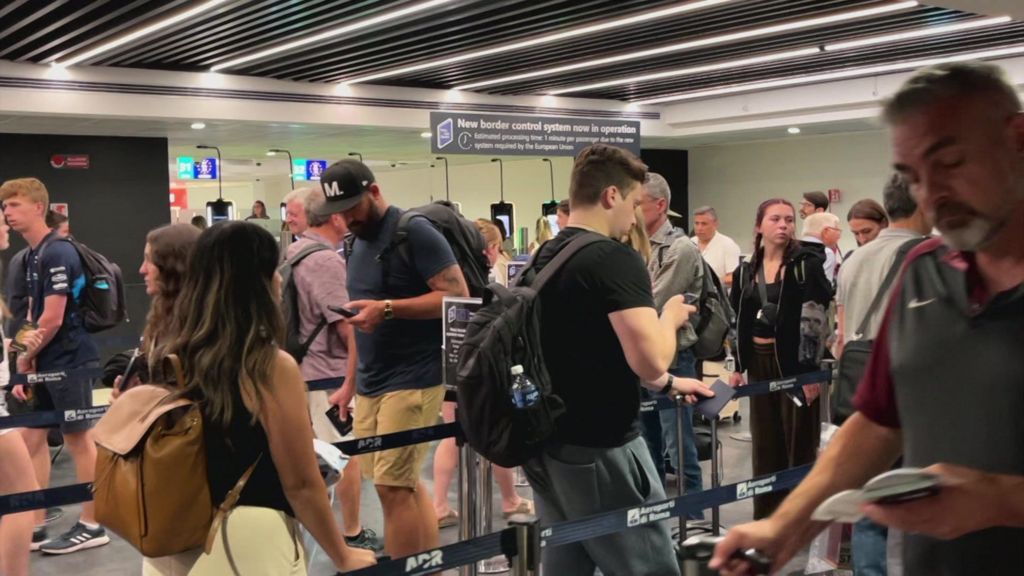
    Implemented in a phased rollout starting last October, EES mandates that all non-EU citizens entering the 29-nation Schengen Area must register biometric data — including fingerprints and a facial photograph — upon arrival, with the information cross-checked when travelers exit the bloc. Most processing is completed via standalone automated kiosks, though minors and other travelers with special requirements must complete the step in person with border agents. Even with incremental technical adjustments and process changes implemented in recent months, top officials at Rome’s Fiumicino Leonardo da Vinci Airport, Italy’s busiest international gateway, confirm wait times for UK travelers have nearly tripled compared to pre-EES protocols.

    Fiumicino’s Chief Aviation Officer Ivan Bassato told the BBC that even after integrating EES processing into existing passport e-gates — a modification that followed a €12 million investment in standalone kiosks that proved unable to handle peak passenger volumes — average wait times for UK nationals have jumped from just 7 minutes pre-EES to 20 minutes currently. Some passengers arriving during peak windows have reported waiting one to two hours to clear border control, with several missing connecting transportation and even departing flights after long holds. Bassato, whose airport is widely regarded as one of the most technologically advanced in Europe, emphasized that current wait times are unacceptable, calling for urgent systemic fixes. He outlined two key adjustments: cutting redundant process steps that create unnecessary duplication, and expanding the use of the EU’s pre-registration app, which is currently only active in two member states: Sweden and Portugal.

    While airport and airline leaders have urged the European Commission to allow member states to temporarily suspend EES during peak travel periods to ease congestion, a policy meeting held earlier this month failed to produce any changes to the current framework. Member states retain the right to suspend the system only under exceptional circumstances.

    The issue is not isolated to Italy. At Portugal’s busy Faro Airport, a top destination for summer sun-seeking UK travelers, border police have also documented growing delays linked to EES, as well as recurring technical bugs. Superintendent Pedro Oliveira, head of border control at Faro, acknowledged that what previously would have been a 10-minute wait can now stretch to more than 30 minutes. He added that the system is vulnerable to cross-network outages: server issues originating in other parts of the EU can crash EES across all member states simultaneously, requiring a full system reboot that adds more downtime for passengers. Oliveira noted that these outages have become less frequent in recent months, and that extreme waits over an hour are rare at Faro, limited only to unexpected peaks when dozens of flights arrive within a narrow window. Portugal has responded to delays by recruiting additional border officers and adjusting rules to require all minors under 16 to process with staff rather than kiosks.

    Budget carrier Ryanair, one of the largest operators of transnational flights into the EU, has been among the most vocal critics of the rollout, calling it a “failed implementation” that creates avoidable travel disruption. The airline has warned UK passengers traveling to Europe this summer to plan for extended waits and build extra time into their travel itineraries. Passengers interviewed across Rome, one of the world’s most popular tourist destinations, shared widespread stories of frustrating delays: UK traveler Carl, who arrived in Rome from Yorkshire with young children, reported a two-hour wait from plane disembarkation to border clearance. “I knew it was going to be bad, but not that bad,” he said. US visitor David, traveling with his wife, waited an hour and missed his pre-booked private transfer. Other travelers arriving through Barcelona similarly reported 45 to 60 minute waits, with some noting their border queue time matched the length of their flight to Spain.

    In response to the widespread reports of disruption, the European Commission stated that disruptions are limited at most EU airports, adding that it will continue providing full support to member states as they work through implementation challenges.

  • Russians turn to cash, putting more strain on slowing wartime economy

    Russians turn to cash, putting more strain on slowing wartime economy

    More than four years into Russia’s ongoing conflict with Ukraine, a dramatic shift toward cash transactions is sweeping the country, driven by two interconnected forces: repeated mobile internet shutdowns ordered to counter Ukrainian drone strikes, and growing numbers of businesses turning to off-the-books operations to survive mounting financial and tax pressures.

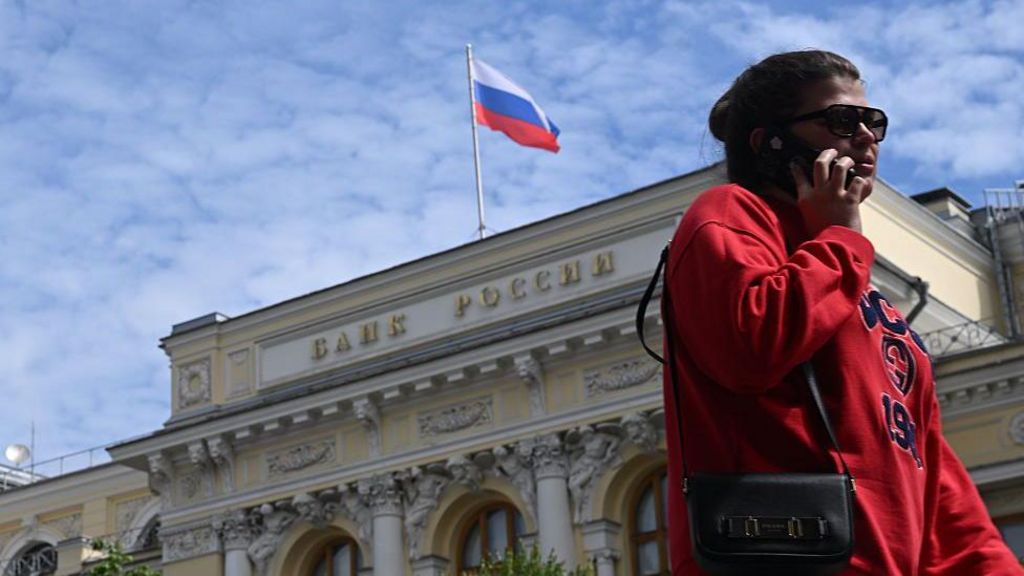
    New analysis of Russian Central Bank data conducted by the BBC reveals that the nation has injected 1.56 trillion roubles (equivalent to $20 billion or £14.8 billion) into cash circulation since the start of 2026. This marks the largest first-half increase in cash supply outside the acute disruption of the Covid-19 pandemic, underscoring the scale of the current trend.

    The immediate trigger for the latest spike in cash demand has been a series of widespread mobile internet outages implemented by the Kremlin to disrupt Ukrainian drone operations. Without stable connectivity, digital card payments and mobile transactions frequently fail, leaving millions of consumers unable to complete purchases unless they have physical banknotes on hand. For many ordinary Russians, holding cash has become a simple hedge against the uncertainty of wartime life. “Having cash on hand gives you some sense of control and security,” a Moscow resident, speaking on condition of anonymity, told the BBC. “If there’s an emergency in the city, I know I’ll still be able to buy basic necessities, even if the mobile network goes down.”

    This is not the first time cash withdrawals have surged during the war. Previous spikes occurred after President Vladimir Putin announced partial mobilization in September 2022, and again during the short-lived Wagner mercenary group mutiny in June 2023, as Russians rushed to build a financial buffer against chaos. What makes the current shift unique is its lasting impact on state finances, coming at a moment when the Kremlin is already grappling with a widening budget deficit and urgently needs additional revenue to fund its military campaign in Ukraine.

    While Russia’s oil and gas sector – which generates roughly a quarter of all state revenue – has seen a short-term boost from rising global oil prices following the Iran conflict, the broader domestic economy is slowing sharply. In May 2026, the Russian Ministry of Economy downgraded its full-year GDP growth forecast to just 0.4%, which would be the weakest annual expansion the country has seen since 2022.

    To close the budget gap, the Kremlin implemented a controversial tax hike in January 2026, raising the standard value-added tax (VAT) from 20% to 22% and lowering the income threshold that requires small and medium-sized enterprises (SMEs) to pay the tax. The change has squeezed already thin profit margins for countless small businesses, pushing many toward informal cash operations to underreport their income and avoid the full tax burden.

    From neighborhood pharmacies and family restaurants to beauty salons and local corner shops, more merchants are now encouraging customers to pay with cash to keep transactions off official books. “Stalls at our market have been closing one after another because it’s no longer profitable to stay open,” said the owner of a small clothing boutique at a market in Pskov, a western Russian city. “Most of those still trading ask customers to pay in cash whenever they can, so less money goes through the till.”

    The trend extends even to employee wages. Taras Skvortsov, chief financial officer of Sberbank, Russia’s largest financial institution, warned in a recent June 2026 address that there are “very serious signs” of a rise in under-the-table “envelope wages” that avoid payroll tax. Cited by Russian state news agency Interfax, Skvortsov noted: “We are not seeing cash return to the banking system through cash collection, ATMs or self-service terminals. It is staying in people’s hands.”

    A May 2026 survey conducted by Opora Russia, the country’s largest small business association, found that roughly 6% of entrepreneurs have already adopted “grey economy” schemes to cope with the new higher tax burden, including skipping official cash register receipts. For businesses, cash transactions allow them to underreport total turnover to remain below the mandatory VAT threshold, while unreported cash wages cut their payroll tax obligations.

    The growing shadow economy puts the Kremlin in a contradictory position. Cracking down on informal activity has been a top policy priority for the Russian government: before the VAT hike took effect, Putin publicly warned that the new rules must not push businesses into the informal sector, and called for a “radical reduction in illegal employment.”

    Analysts point out that the Kremlin’s own policies are working at cross-purposes. “One arm of the government is trying to squeeze as much money as possible out of people through higher taxes, fines and other charges,” said Alexander Kolyandr, non-resident senior fellow at the Center for European Policy Analysis. “But another, in trying to counter so-called terrorist threats, is undermining that strategy by making it harder to collect tax,” he explained, referencing the routine mobile internet shutdowns that have made digital payments unreliable.

    Even with the Central Bank holding interest rates high to combat war-driven inflation – offering double-digit returns on bank deposits that should incentivize keeping money in accounts – the old Soviet-era habit of holding cash “under the mattress” is making a rapid comeback. Sberbank currently offers a 10% annual interest rate on 100,000-rouble one-year fixed deposits, yet Central Bank data shows that Russians withdrew 550 billion roubles from bank accounts in May 2026 alone, including 200 billion roubles from fixed-term savings products.

    For consumers, the shift is also being driven by businesses offering incentives for cash payments. Anton, a Moscow-based copywriter, told the BBC he recently received a discount for paying cash at a local vinyl record shop, with the vendor openly citing higher taxes as the reason. During the heightened security and mobile internet shutdowns around Russia’s May Victory Day celebrations, Anton said he witnessed widespread disruption at a central Moscow flower market, where customers scrambled to find working ATMs that still had cash available. “There was a woman going from one ATM to another, looking for one that still had banknotes,” he recalled.

  • Social media influencers Andrew and Tristan Tate arrested in Miami, US Marshals Service tells AP

    Social media influencers Andrew and Tristan Tate arrested in Miami, US Marshals Service tells AP

    Controversial social media influencers Andrew and Tristan Tate have been taken into federal custody by U.S. Marshals in Miami, according to official statements from the agency. The arrest, carried out on Saturday, centers on a sealed arrest warrant that has not yet been released to the public, per U.S. Marshals spokesperson Brady McCarron, who confirmed the details to The Associated Press.

    Hours after the Miami arrest, the Crown Prosecution Service (CPS), the UK’s public prosecution body, publicly confirmed that British authorities are moving forward with a formal extradition request for the two brothers. The new charges from UK prosecutors include rape and organized sex trafficking, with the alleged offenses spanning from 2010 through 2017. Specifically, prosecutors say the alleged abuse occurred between 2012 and 2015 in a region north of London, where the pair grew up.

    Both Andrew and Tristan Tate, who are dual citizens of the United States and the United Kingdom, relocated to Romania in 2016. The pair, both former professional kickboxers, rose to global fame by cultivating a persona centered on extreme hypermasculinity, a lavish luxury lifestyle, and unapologetic misogyny, amassing millions of followers across major social media platforms. Their audience draws heavily from young men and adolescent boys, making their controversial ideological stances a frequent topic of public debate worldwide.

    This is not the first time the brothers have faced criminal allegations related to sexual exploitation. In 2022, Romanian authorities arrested the pair on charges that they ran a criminal scheme to lure women into coerced sexual exploitation. The brothers have consistently denied all wrongdoing in every case brought against them, and the 2022 Romanian charges never proceeded to trial after legal and procedural irregularities were identified in the handling of the case. Defense representatives for the Tate brothers have also reaffirmed their clients’ denial of the new UK allegations.

  • Kylian Mbappé passes Lionel Messi for career World Cup scoring record with 22 goals

    Kylian Mbappé passes Lionel Messi for career World Cup scoring record with 22 goals

    MIAMI GARDENS, Florida — The 2024 FIFA World Cup third-place match between France and England entered the history books on Saturday, as Kylian Mbappé cemented his status as the greatest goalscorer in World Cup history by overtaking legendary Argentine forward Lionel Messi on the all-time tournament scoring chart.

    Mbappé’s two goals against England pushed his career World Cup goal tally to 22, one clear of Messi’s previous record of 21. The outpouring of goals also keeps him firmly on track to claim a second Golden Boot, the individual honor awarded to the tournament’s top goalscorer. He currently holds 10 goals at this year’s competition, holding a two-goal advantage over Messi, who is competing for Spain in Sunday’s World Cup final.

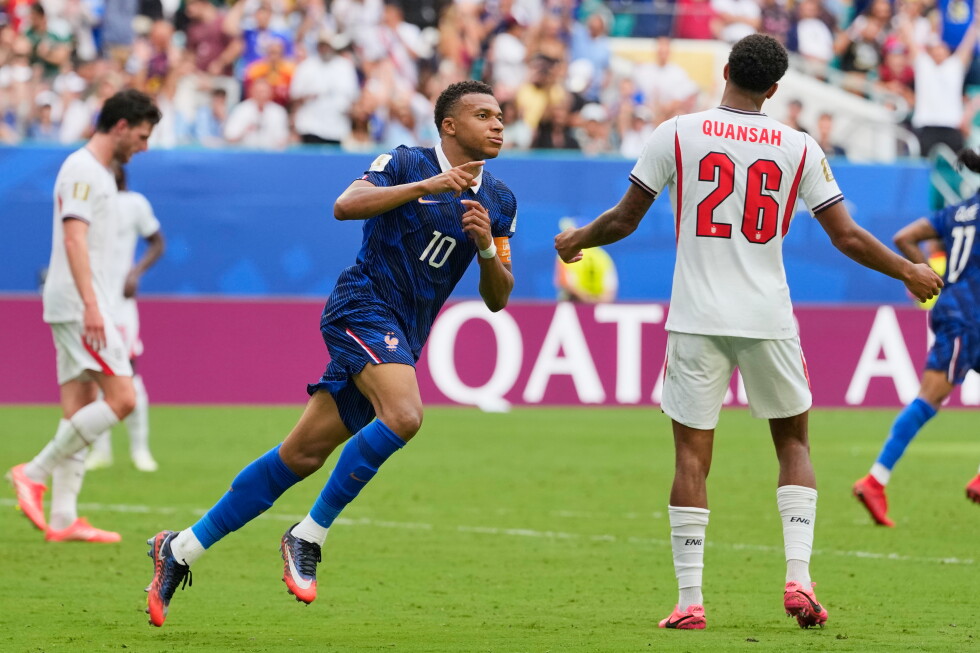
    The match unfolded with England taking a dominant 4-0 lead heading into halftime, putting France in a difficult position to climb back for the win. Mbappé opened his account in the 48th minute, flicking a clever shot past England backup goalkeeper Dean Henderson to put France on the board. Eighteen minutes later, he netted his second of the match and record-breaking 22nd career World Cup goal with a powerful left-footed strike from 14 yards out, beating Henderson once again to find the back of the net.

    Mbappé’s second strike pulled France within one goal of England at 3-4, though Les Bleus could not find the late equalizer needed to force extra time or turn the tie around. France’s run to the third-place match marked a near repeat of their consecutive final appearances in 2018 and 2022, but their bid for a third straight final spot fell short against Spain in a tightly contested semifinal defeat.

    This is not the first time Mbappé has challenged Messi for World Cup honors. Four years ago at the 2022 Qatar World Cup, Mbappé scored eight goals to claim the Golden Boot, even as France fell to Messi’s Argentina in a dramatic final that was decided by a penalty shootout.

    Unlike the high-stakes pressure of the semifinal and final rounds, the third-place match is often seen as a contest that offers little more than a moral victory for eliminated teams. For Mbappé, however, it provided the perfect stage to etch his name deeper into World Cup history, with the Golden Boot also still within reach. England, meanwhile, fielded a weakened starting lineup for the match, with star forwards Harry Kane and midfield playmaker Jude Bellingham held out of the starting XI and never entering the match even after halftime.

  • England takes 4-0 lead over France at halftime of World Cup third-place match

    England takes 4-0 lead over France at halftime of World Cup third-place match

    MIAMI GARDENS, Fla. – In a shocking turn of events at the Hard Rock Stadium, England produced a dominant first-half performance to secure a 4-0 lead over 2022 runner-up France in Saturday’s World Cup third-place playoff, leaving Kylian Mbappé’s race for the tournament’s Golden Boot hanging in the balance.

    Mbappé, who claimed the Golden Boot at the 2022 Qatar World Cup, retained his spot in France’s starting lineup for the high-stakes consolation match, still locked in a close top-scorer battle with Argentina’s Lionel Messi. Entering the game, both superstars sat level on eight goals apiece, though Messi holds the tiebreaker advantage with a 4-3 lead in assists.

    What was expected to be a tightly contested encounter turned into a one-sided rout inside the opening 45 minutes. England manager opted to rest key stars Jude Bellingham and Harry Kane on the bench, but the decision paid off far faster than most observers predicted. Arsenal midfielder Declan Rice broke the deadlock just three minutes into the match, curling a precise finish beyond France goalkeeper Mike Maignan to put England ahead.

    Aston Villa defender Ezri Konsa doubled England’s lead in the 18th minute, nodding home from a corner kick. Arsenal winger Bukayo Saka put the game out of reach for France with a third goal in the 37th minute, before adding a fourth in first-half stoppage time. The blowout was particularly staggering for France: entering Saturday’s match, Deschamps’ side had conceded only four goals across the entire tournament.

    Both nations entered the third-place playoff acknowledging they would have rather been competing in Sunday’s title decider. France fell to Spain in a tight semi-final clash, ending their bid to reach a third consecutive World Cup final. This match also marked the final international game in charge for long-serving France manager Didier Deschamps, with Mbappé and his squad having arrived in Florida aiming to send their departing coach out with a win. That goal now looks all but out of reach heading into the second half.

    For England, a third-place finish would mark their best performance at a men’s World Cup since the Three Lions lifted their only global title in 1966.

    In the tournament’s upcoming final, defending champion Argentina – who came from behind to defeat England in the semi-finals – will face Spain on Sunday, with Messi already guaranteed a chance to claim the Golden Boot and the World Cup trophy in what is widely expected to be his final World Cup appearance.

  • Hungary’s president signs a constitutional amendment ending his term

    Hungary’s president signs a constitutional amendment ending his term

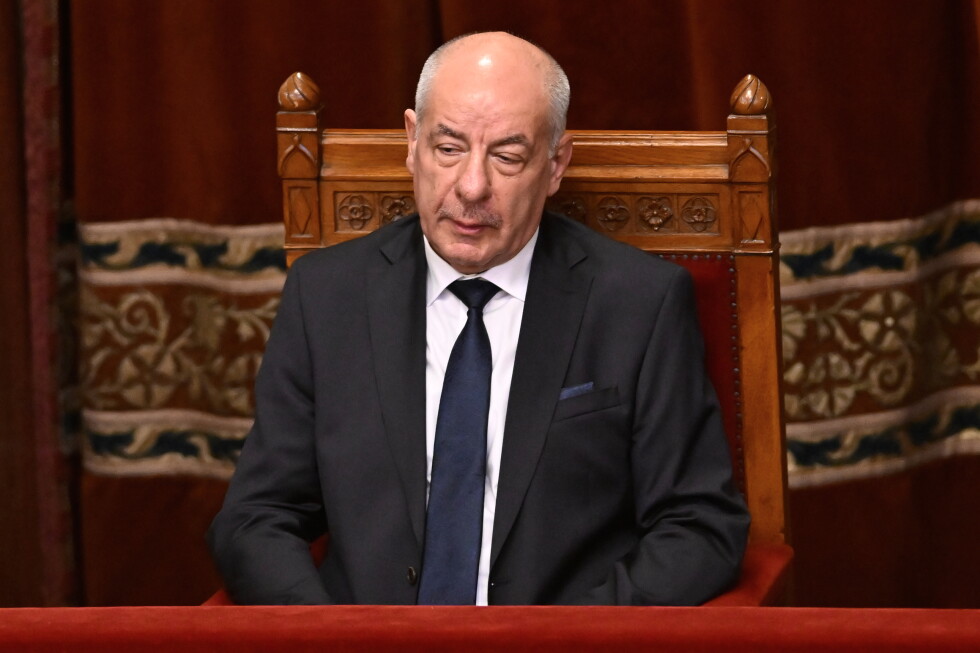
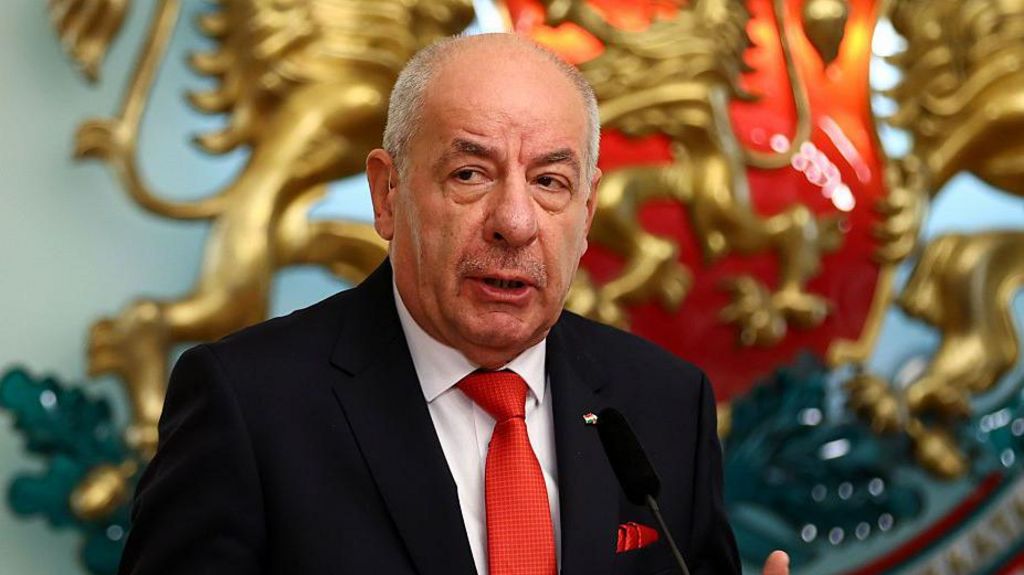
    BUDAPEST, Hungary — A dramatic chapter of Hungarian political transition drew to a close Saturday when outgoing President Tamás Sulyok signed a constitutional amendment that formally terminates his term in office, wrapping up a bitter standoff between Sulyok — an appointee of long-ruling former Prime Minister Viktor Orbán — and the new administration led by Prime Minister Péter Magyar.

    Magyar, whose center-right, pro-European Tisza Party secured a landslide election victory over Orbán’s long-standing government in April, made Sulyok’s removal a top priority after taking office in May. The new prime minister has framed the ouster of Sulyok and other Orbán-aligned officials as a necessary purge to dismantle what he calls Orbán’s autocratic “mafia state.” Magyar repeatedly called on Sulyok to step down, arguing the president failed to uphold his constitutional duty by failing to check anti-democratic policies advanced during Orbán’s 12-year tenure.

    When Sulyok refused to resign voluntarily, Magyar’s parliamentary majority pushed through the constitutional amendment earlier this week, a measure that mandated the immediate end of Sulyok’s presidency. The legislation gave Sulyok five days to sign the amendment into law, and he acted on the final day of that window to put the measure into effect.

    In a video posted to Facebook Saturday evening, Sulyok — who Magyar repeatedly labeled Orbán’s political puppet — pushed back against his removal, saying the forced end to his term served as “lasting proof that the fundamental values of a free society, the rule of law, democracy, the principle of power-sharing, have been trampled on in the interest of power.”

    Sulyok’s term will officially end at midnight on Monday. Following the vacancy, Parliament Speaker Ágnes Forsthoffer will assume presidential duties on an acting basis, until Hungarian lawmakers elect a permanent new president within a constitutionally mandated 30-day window. Magyar announced Saturday he would convene his party caucus on Monday to discuss the Tisza Party’s nomination for the new head of state.

    Sulyok’s removal is just the latest step in Magyar’s sweeping campaign to remove Orbán-era political appointees and undo the institutional changes implemented during his predecessor’s decade-plus rule. Since taking power in May, the new government has suspended the news division of state-owned public television and radio — which Magyar accuses of operating as a propaganda arm for Orbán’s ruling party — and dissolved the controversial Sovereignty Protection Office, a body Orbán’s opponents have long condemned as a tool to harass government critics and muzzle independent media outlets.

    Beyond ending Sulyok’s term, the constitutional amendment approved this week includes a package of broader governance reforms: it introduces new judicial oversight changes, establishes a special office tasked with investigating allegations of financial corruption and abuse during the Orbán administration, and enshrines a 12-year term limit for members of parliament into the national constitution.

    Orbán, who led Hungary for 12 years before his election defeat, reacted sharply to Sulyok’s signing of the amendment Saturday. In a Facebook post, the former prime minister warned that “tyranny is no longer a threat, but a reality.” He added, “If this could be done to the president of the republic, then tomorrow no one will be safe.”

    But Magyar framed the amendment’s passage as a landmark win for Hungarian democratic renewal. In his own Saturday Facebook video statement, the prime minister argued that by approving the amendment, “we have fulfilled several of our important commitments and returned what the Orbán regime tried to take away from the Hungarian people for many years.”

  • Hungary’s president agrees to stand down after parliament backs removal

    Hungary’s president agrees to stand down after parliament backs removal

    In a dramatic shakeup of Hungarian politics that caps months of upheaval following the April general election, President Tamás Sulyok has formalized his early exit from office, signing a controversial constitutional amendment that will end his term at midnight Sunday. The move comes after Prime Minister Péter Magyar’s ruling Tisza party pushed the constitutional change through parliament in a fast-track process to remove Sulyok, a figure widely recognized as a key loyalist to long-serving former Prime Minister Viktor Orbán, whose 16-year grip on power ended with a landslide defeat for his Fidesz party in April.

    Sulyok faced an explicit five-day deadline to sign the amendment, with the alternative being a messy constitutional crisis and formal impeachment proceedings. As the clock ran down on Saturday evening, the outgoing president confirmed he would comply with the new law — but used his final statement to deliver a scathing rebuke of Magyar’s new administration. He argued that the forced ouster via constitutional amendment represents a clear breach of the rule of law, calling the moment a “breaking point in Hungarian constitutional democracy.” In his remarks, Sulyok claimed that the “core values of a free society… have been trampled underfoot for the sake of political power,” adding that he had no existing constitutional pathways to challenge the amendment.

    This ouster marks the most high-profile and consequential action taken by the Tisza government to date, which has framed Sulyok as a leftover puppet of the Orbán era that had no place in the new administration. Since taking power after a commanding election victory in April, the party has moved rapidly to implement sweeping constitutional changes to undo the institutional legacy of Fidesz.

    The amendment has already drawn fierce pushback from Orbán and what remains of his party. Orbán has condemned the move as an act of tyranny and called on his supporters to hold public protests against the ouster. Since the April election defeat, Fidesz has collapsed into disarray, still reeling from the shock of losing power after 16 years in control. Orbán himself has largely vanished from public life, and has refused to claim his allocated seat in the new parliament.

    The roots of this political clash stretch back to the 16 years of Fidesz rule from 2010 to 2026. During that time, the party used its long-held two-thirds parliamentary majority to reshape Hungarian state institutions to align with its ideological and political goals, filling dozens of nominally independent state positions — including the presidency — with hand-picked party loyalists.

    When the constitutional amendment vote passed parliament on Monday, the 141 Tisza deputies gave a standing ovation as the final results were read out. The move has split legal and political observers, however. András Baka, the former head of Hungary’s Supreme Court, publicly expressed support for Sulyok’s removal in comments to the BBC. Baka argued that between 1989 and 2010, Hungary operated as a consistent rule-of-law democracy, but after Fidesz took power in 2010, the party systematically captured independent state institutions to build an authoritarian regime. “And it is now very difficult to break up a sophisticated authoritarian regime… which was designed to survive even after electoral defeat,” Baka explained, justifying the removal of Sulyok as a necessary step to undo Fidesz’s institutional legacy.