标签: Europe

欧洲

  • Andy Burnham becomes the UK’s seventh prime minister in a decade after Starmer resigns

    Andy Burnham becomes the UK’s seventh prime minister in a decade after Starmer resigns

    LONDON — In a carefully choreographed transfer of power that brought a temporary end to years of British political upheaval, Andy Burnham has been officially sworn in as the United Kingdom’s new prime minister, taking over from the resigning Keir Starmer in a historic transition that required no national general election.

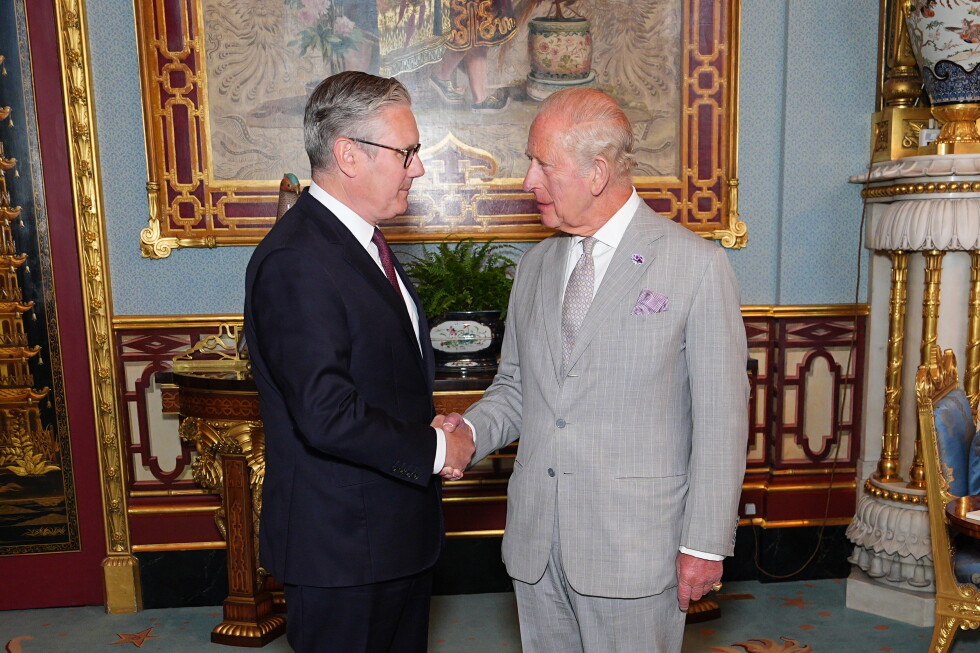
    The formal handover unfolded Monday following constitutional tradition laid out over centuries. After Starmer traveled to Buckingham Palace to formally tender his resignation to King Charles III — an offer the monarch graciously accepted — Burnham met separately with the king for the traditional “kissing hands” ceremony. A newly released official photograph captures the moment the king and Burnham shook hands, with Buckingham Palace confirming in an official statement that the monarch “received in audience the Rt. Hon. Andrew Burnham MP and requested him to form a new Administration. The Rt. Hon Andrew Burnham MP accepted The King’s offer and kissed hands upon his appointment as Prime Minister and First Lord of the Treasury.”

    While the ceremony retains its historic roots, modern constitutional arrangements mean the king holds no formal political power; the invitation to form a government is automatically extended to the leader of the party that holds a majority in the House of Commons, and no actual hand-kissing is required today.

    Burnham’s ascent to the top job makes him the UK’s seventh prime minister since 2016, a streak of rapid leadership turnover that the new leader openly acknowledged in his first public remarks from outside 10 Downing Street. The former Greater Manchester mayor, who was confirmed as the new leader of the governing centre-left Labour Party last Friday after running unopposed and securing the nominations of 379 out of 403 sitting Labour MPs, said he is “acutely conscious” of the revolving door of leadership the country has navigated over the past decade.

    “This a moment for reflection and new resolution,” Burnham told assembled reporters and onlookers. “It requires my generation of politicians to raise our game and rise to the new challenge. Britain needs to show the world that we can regain our stability once again, and that is our challenge to make politics work, to make it work better.”

    In his opening policy pledges, Burnham committed to ending street homelessness across the UK, and promised to deliver a “circuit breaker” for a national governing system he argues has taken wrong turns since the 1980s. Beyond tangible policy goals, he has positioned himself as a leader committed to rebuilding trust in public life, pledging to deliver a “new politics” that is less divisive, lifts living standards for all regions of the country, and restores hope that has faded among much of the public.

    “I will work to build a new politics,” Burnham said after winning the Labour leadership last Friday. “The country is crying out for it.”

    His predecessor Keir Starmer, who left Downing Street alongside his wife Victoria after delivering a short farewell address, struck a gracious tone as he stepped down. Starmer, who was forced to resign after missteps and judgment calls eroded his support among both his party and the general public, took the opportunity to highlight his achievements in office.

    Starmer became Labour leader in 2020 in the wake of one of the party’s worst ever general election defeats, overhauled the party to make it electorally competitive, and led Labour to a landslide general election victory in 2024. In his two years as prime minister, he pointed to progress including strengthened protections for working people, reduced child poverty, new legislation banning official cover-ups following public tragedies, and increased defense spending, alongside steady support for Ukraine in its conflict against Russia.

    “I go with good grace, I go with a smile and I go proud of everything that we have achieved,” Starmer said. “Since then, it has been the privilege of my life to serve you and this great country as prime minister. I am confident that Britain is now stronger and fairer than it was two years ago.”

    Burnham has already said he will build on the policy foundation Starmer laid, but political observers across the UK are now waiting for details of how he will deliver his ambitious pledges. Joshi Herrmann, founder of Manchester-based news outlet The Mill who has followed Burnham’s political career for years, noted that all of the new prime minister’s goals depend on unlocking long-stagnant economic growth.

    “Fundamentally, it only will work if you can generate significant economic growth, because it’s the lack of growth that’s really holding the country back,” Herrmann said.

    All eyes are now on Burnham’s upcoming first cabinet appointments, where he is widely expected to shake up Starmer’s top team, with changes anticipated for three of the most senior roles: Chancellor of the Exchequer, Foreign Secretary, and Home Secretary. Under UK parliamentary rules, the governing party is able to replace its leader — and thus the prime minister — without holding a snap general election. The next mandatory national election is not scheduled until 2029, though Burnham retains the power to call an earlier vote if he chooses to do so.
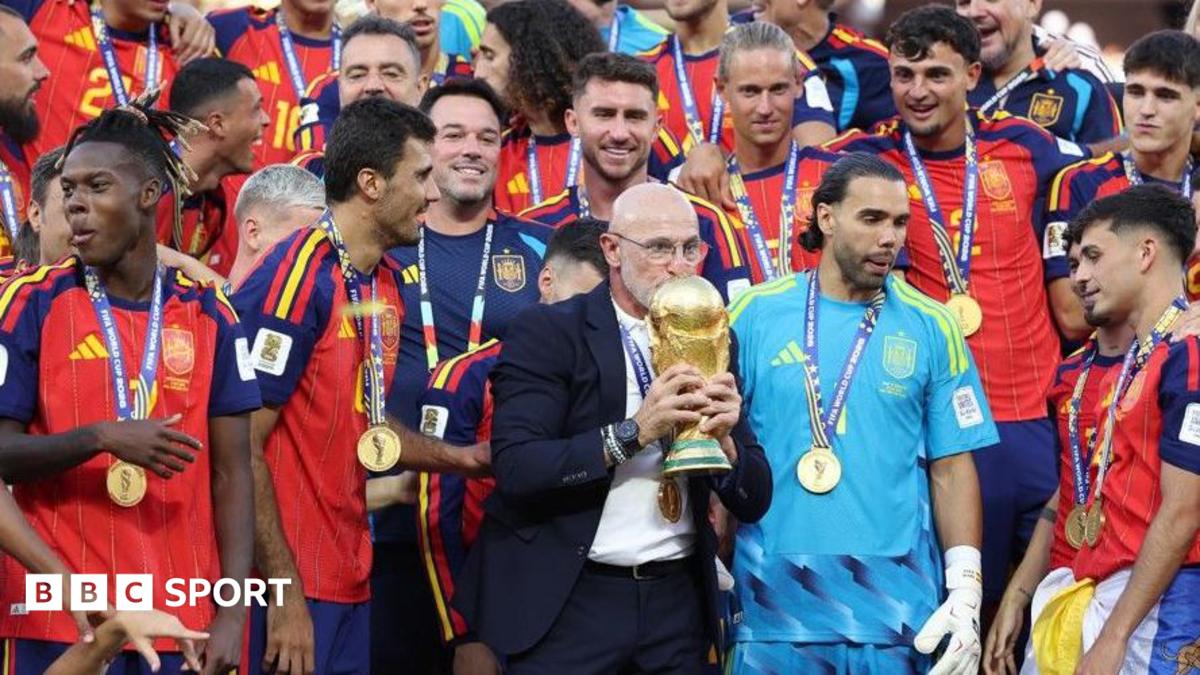

  • Sixteen titles in five years – why Spain are a dominant force

    Sixteen titles in five years – why Spain are a dominant force

    In a historic display of sustained tactical and youth development excellence, Spain has etched its name forever into football folklore, claiming the 2026 Men’s World Cup title with a hard-fought 1-0 extra-time victory over Argentina in New Jersey on Sunday. This triumph mirrors the nation’s iconic 2010 World Cup win, which came two years after claiming the European Championship crown — a feat La Roja has now repeated for a second time, following their 2024 European title in Berlin. This latest success cements Spain’s status as the first nation in history to simultaneously hold both the men’s and women’s World Cup trophies, following the women’s senior World Cup victory in 2023, and caps off an unparalleled run of international success across every age and gender category.

    Over the past five years, Spanish football has amassed an extraordinary 16 combined World Cup and European titles, ranging from under-17 age-group competitions through to senior national teams. Breakdowns of this dominant run show 11 titles claimed by Spanish women’s sides between 2022 and 2026, including the 2023 senior World Cup, back-to-back Nations League crowns in 2024 and 2025, a 2022 under-20 World Cup, five consecutive under-19 European championships, and a 2022 under-17 World Cup alongside the 2024 under-17 European title. For the men, five major titles have been claimed in the same period: the 2026 senior World Cup, 2024 European Championship, 2023 Nations League, 2024 Olympic gold medal, and the 2026 under-19 European Championship.

    Leading this extraordinary senior men’s run is head coach Luis de la Fuente, whose appointment in December 2022 following Spain’s disappointing 2022 Qatar World Cup round-of-16 exit to Morocco was widely viewed as a high-risk gamble. Having never managed a top-tier European club, de la Fuente spent 15 years working in lower-league men’s football and Spanish youth national team setups after retiring as a player in 1994, giving him intimate familiarity with the talent coming through the country’s famed academy system. In just over three years, he has delivered three consecutive major trophies: the 2023 Nations League, 2024 European Championship, and now the 2026 World Cup. “It was a very risky decision – I don’t think anyone thought he would be so successful,” Spanish football expert Guillem Balague told BBC Sport, adding that de la Fuente’s deep understanding of Spain’s long-established playing philosophy has been key to unlocking sustained success.

    Former Spanish midfielder Juan Mata echoed that assessment, noting de la Fuente’s connection to the nation’s youth pipeline has created a squad built for both immediate and long-term success. “De la Fuente knew most of these players from the academies and they are growing as a team,” Mata said. “This is not only a team for the present, but also a team for the future.” Under de la Fuente’s leadership, the senior side has also cultivated a culture of consistent improvement, rejecting complacency even after claiming every possible major trophy. “Once we finished the game, there were footballers who said ‘coach, now what else is there to win as we have won everything in all the categories’,” de la Fuente told reporters ahead of the final. “We came to the conclusion that what remains is the next match in September because this team are relentless.”

    This sustained success at the international level has been decades in the making, with dramatic transformation in the women’s game over the past 10 years laying the groundwork for recent titles. When former player Maria Garrido was competing for FC Barcelona a decade ago, there was no dedicated girls’ academy at the club’s famed La Masia facility, players covered their own travel costs, and earned no salary. Today, the landscape is unrecognizable: targeted investment has expanded youth categories, upgraded training facilities and working conditions, and established dedicated girls’ academies across the country. “This transformation has not only revolutionised the sport but also elevated the respect for women’s football in Spain,” Garrido explained in a 2024 interview.

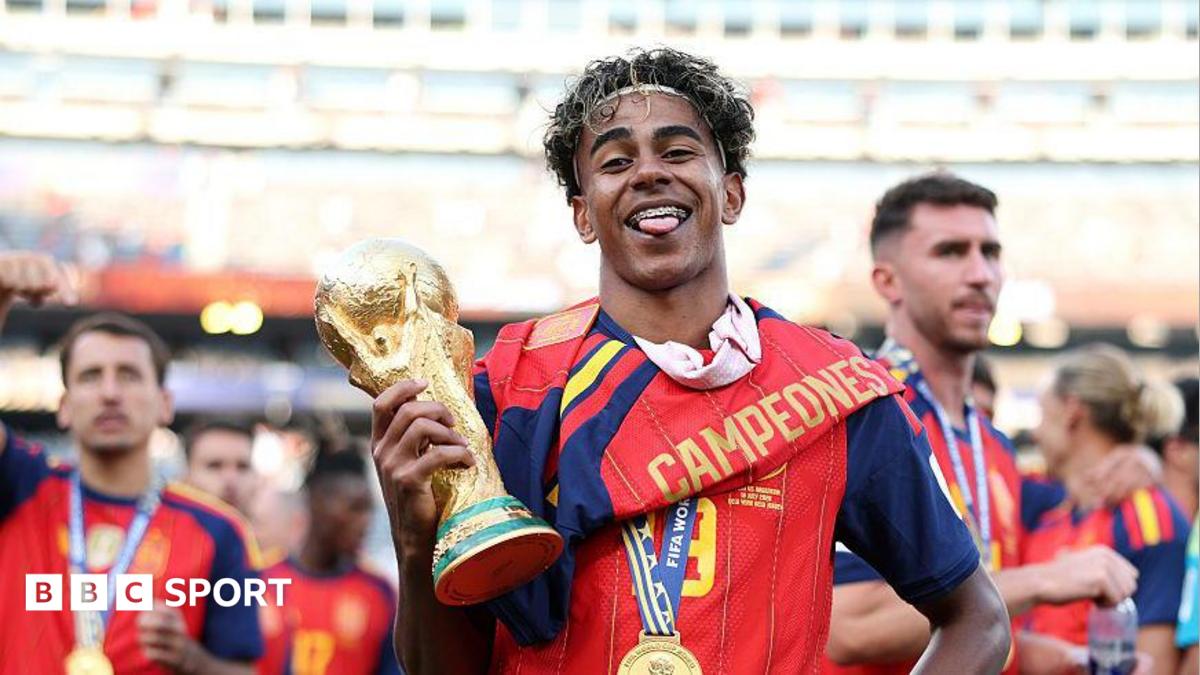
    The depth of Spain’s youth talent pipeline was on full display in the 2026 World Cup final, where 19-year-old stars Lamine Yamal and Pau Cubarsi became the first two teenagers to start a men’s World Cup final in history. Yamal entered the record books as the third-youngest player to ever feature in a men’s World Cup final, trailing only Pele (1958) and Giuseppe Bergomi (1982), and both players walked away with winner’s medals in their first World Cup appearance. The women’s side boasts similarly elite young talent: 19-year-old Vicky Lopez already has three Champions League titles with Barcelona to her name, while forward Salma Paralluelo earned more than 50 senior caps for Spain before turning 23.

    Former England goalkeeper Joe Hart lauded Spain’s defensive and tactical dominance throughout the 2026 tournament, noting the side conceded only 10 total shots on target across their entire World Cup run. “Spain have got a way of playing that no one in the world has proven they can get anywhere near,” Hart said. 1998 World Cup winner Thierry Henry echoed that praise, telling Fox Sports that Spain’s systemic investment across all levels puts them in position to dominate global football for years to come. “I want to give credit to the system and what they put in place,” Henry said. “Because Spain never used to win like that. And now they win at every level.”

    Heading into the next international cycle, Spain holds another historic record: an unbeaten streak of 38 consecutive matches across all competitions, the longest run ever recorded by any European or South American national team. This success has also spilled over into club football, with Spanish coaches holding at least a quarter of all head coaching roles in the 2026-27 Premier League season, even after Pep Guardiola’s departure from Manchester City after a decade of trophy-laden success. For fans and analysts alike, all signs point to this era of Spanish dominance only continuing to grow in the years ahead.

  • Norway opens new memorial for victims of 2011 Breivik massacre

    Norway opens new memorial for victims of 2011 Breivik massacre

    Fifteen years after Norway’s deadliest peacetime atrocity sent shockwaves across the Scandinavian nation, the country has inaugurated a permanent public memorial honoring the 77 lives lost to far-right extremist Anders Behring Breivik’s 2011 terror attacks.

    On July 22, 2011, Breivik first detonated a car bomb in central Oslo’s government district, killing eight people before traveling to nearby Utoeya island, where he gunned down 69 more attendees — most of them teenage members of the Norwegian Labour Party’s youth wing, the AUF — at the group’s annual summer camp. Hundreds of others were wounded in the two-pronged attack, which remains the worst act of domestic terrorism Norway has seen in modern history.

    Just days ahead of the 15th anniversary of the atrocity, survivors, victim family members, royal representatives, and senior government officials gathered in Oslo’s renovated government quarter on Sunday for the official unveiling of the new memorial, named Upholding. The large-scale contemporary artwork sits steps from the original site of Breivik’s opening bomb blast.

    Created by Norwegian artist Matias Faldbakken, who first spotted the small native wading bird that inspired the work during a visit to Utoeya, the memorial centers on a 12-meter-tall stone mosaic of the bird, framed by a massive blue steel structure. The piece also integrates straw, sticks, and mirrored elements reflecting the surrounding environment, and the full names of all 77 victims are engraved into its surface. Per Faldbakken, the work serves a dual purpose: it preserves memory of the lives cut short, and stands as a public act of democratic resilience against the violent far-right ideologies that motivated Breivik’s attack.

    Merete Stamneshagen, leader of a national support organization for victims and survivors, emphasized the attack’s broader target beyond individual victims, telling reporters from AFP, “July 22, 2011 was a brutal attack not only on individuals, but also on our democracy.” Norway’s Crown Prince Haakon was among the senior dignitaries in attendance at the inauguration, and he also toured the newly opened 22 July Centre, the country’s national memorial and educational hub dedicated to documenting the attacks and their legacy.

    The attack itself continues to cast a long shadow over Norwegian public life more than a decade on. Breivik was convicted in 2012 and handed a 21-year prison sentence — the maximum penalty available under Norwegian law — with provisions that allow for indefinite sentence extensions as long as he is deemed a threat to public safety. Breivik has repeatedly challenged the conditions of his incarceration in the years since his conviction: in 2016, he won a partial ruling in a human rights case against the Norwegian government, only for that decision to be overturned a year later. He was denied parole in 2022, with courts ruling he had not renounced his extremist views and remained a danger to society. Most recently, in 2024, he lost a lawsuit against the government over his separate incarceration, a security measure implemented to prevent him from radicalizing other incarcerated people.

  • Simón says it was Spain’s record defense that made the goalkeeper’s job so easy in the World Cup

    Simón says it was Spain’s record defense that made the goalkeeper’s job so easy in the World Cup

    EAST RUTHERFORD, N.J. — When the confetti settled on the 2024 World Cup final, the full extent of Spain’s historic defensive dominance stood unmatched in men’s international soccer. After a tournament run defined by stifling backline play that barely gave opponents scoring chances, La Roja capped their run with a masterclass 1-0 shutout victory over Argentina on Sunday, cementing their place as champions with a record seventh clean sheet of the competition.

    This defensive achievement is one for the record books: Spain conceded only one single goal across the entire tournament, and in the 90 minutes of regulation against Argentina, Lionel Messi’s side did not manage a single shot on target. By the end of extra time, Argentina had only put two total shots off target, capping a lopsided 20-2 shot advantage for the Spanish side.

    Spain’s goalkeeper Unai Simón, who took home the tournament’s Golden Glove award for top netminder, summed up the defensive effort in post-match comments: his gloves barely had to break a sweat. “(My hands) didn’t really have to work that hard as much as other keepers,” Simón said through an interpreter. He doubled down on the praise for his teammates later, noting, “If all of the gloves were able to speak that I have used throughout the entire tournament, what I think is that, at the end of the day, what they would be able to tell you, is that they didn’t have to really work as hard as other keepers. I think that this is due to all of my teammates, for us to have been able to have all of these wins.” Even with the Golden Glove honor, Simón only needed to make 14 total saves across the entire tournament, a testament to how effectively Spain’s backline blocked opportunities before they reached the goal.

    The previous record for fewest goals conceded in a single World Cup was two, shared by Spain’s 2010 championship squad and two other tournament-winning teams. That 2010 team was on hand to witness the new record being set, with legendary Spain goalkeeper Iker Casillas watching from the stands at MetLife Stadium alongside iconic 2010 teammates including Xavi Hernández, Andrés Iniesta, Carles Puyol and Sergio Ramos.

    Spain’s path to the final was equally impressive when it came to shutting down soccer’s biggest attacking talents. The only goal the side conceded all tournament came in a 2-1 quarterfinal win over Belgium, before Spain shut out two of the greatest goalscorers the World Cup has ever seen: Kylian Mbappé’s France in the semifinal, and Messi’s Argentina in the final.

    For Argentina, it was a rough end to what was billed as likely Messi’s final World Cup run. Argentine goalkeeper Emiliano Martinez had a historic day in net, making 11 saves on Sunday alone to keep the scoreline close — nearly matching Simón’s total save count across the entire tournament. Despite Martinez’s best efforts, Spain’s relentless pressure broke through for one goal, securing their place as World Cup champions and cementing their legacy as one of the most defensively dominant tournament winners in history.

  • Victory for football? Spain beat Argentina to win World Cup

    Victory for football? Spain beat Argentina to win World Cup

    The 2026 FIFA Men’s World Cup final will go down in history as more than just a title decider — it will be remembered as a vindication of attacking, possession-focused football, after Spain outclassed defending champions Argentina to lift the trophy for the second time in their history, following a tense extra-time clash marred by unsportsmanlike conduct from the South American side.

    Ferran Torres settled a tight contest in the 106th minute, slotting home a clinical finish that broke the deadlock and secured Spain’s 1-0 win at the New Jersey final venue. After the final whistle confirmed the result, Spain midfielder Rodri lifted the golden World Cup trophy, capping off an extraordinary tournament run that cements Spain’s status as the preeminent force in global men’s football.

    Calling the result a ‘victory for football’ may sound like overused sporting cliché, but few neutral observers have pushed back on that framing of Sunday’s final. Across nearly every statistical measure, and in the eyes of most fans and pundits, Spain earned the win through dominant, attractive play. Former England captain Alan Shearer emphasized that the outcome was never in question in terms of merit. “From start to finish, Spain controlled possession. They were the ones looking to play football, create chances and get in behind,” Shearer told BBC One. “This is a result for football because of the way that they have played. Spain deserve it.”

    The numbers back that assessment up: Spain held 65% of total possession through the 120 minutes, registered an expected goals total of 1.94, and put 11 of their 20 total shots on target. Goalkeeper Unai Simón cemented his status as the tournament’s best shot-stopper, claiming the Golden Glove award after keeping his seventh clean sheet in eight matches. Remarkably, Spain conceded just one single goal across the entire tournament — the lowest total ever recorded by a World Cup-winning men’s side.

    Spain’s historic triumph completes an unprecedented run of success for the Spanish men’s national team: they now hold the World Cup, European Championship and Olympic titles, complementing the women’s side’s World Cup crown. The men’s team also extended their unbeaten run across all competitions to 38 matches, the longest undefeated streak recorded by any European men’s national team in history.

    Young talent was at the heart of their success, with the core of the squad suggesting this title could be the first of many for this generation. Nineteen-year-old defender Pau Cubarsí, who played every minute of the final, was named the tournament’s best young player, and his 19-year-old Barcelona teammate Lamine Yamal made history of his own. At 19 years and six days old, Yamal became the third-youngest player to ever feature in a men’s World Cup final, and the third-youngest to claim a winner’s medal, trailing only Pelé in 1958 and Giuseppe Bergomi in 1982. Two Spanish players also made final records on Sunday: Cubarsí completed 121 passes, while Rodri notched 101, meaning two of the only three 100-plus pass performances in World Cup final history came in this match. Even after a slow start to the tournament — a 0-0 opening draw with Cape Verde echoed Spain’s 2010 title run, when they lost their opening match to Switzerland before going on to claim the crown — the side found their rhythm and never looked back.

    For Argentina, the match will be remembered for far less positive reasons. The defending champions were outplayed from the first whistle, resorting to physical, disruptive tactics to stop Spain’s fluid attacking play. Leandro Paredes led the roughhousing, with Enzo Fernández acting as his second-in-command, and four Argentine players picked up yellow cards through the match, a stat that fuelled existing criticism that the side received unusually lenient officiating throughout the tournament. By the end of 90 minutes, Argentina had not registered a single shot on goal, a first in the history of men’s World Cup finals. Their first attempt of the whole match did not come until Lionel Messi’s 117th-minute effort, long after Torres had put Spain ahead. Argentina goalkeeper Emiliano Martínez was forced to make 11 saves to keep his side in the game, the most stops ever recorded by a goalkeeper in a men’s World Cup final.

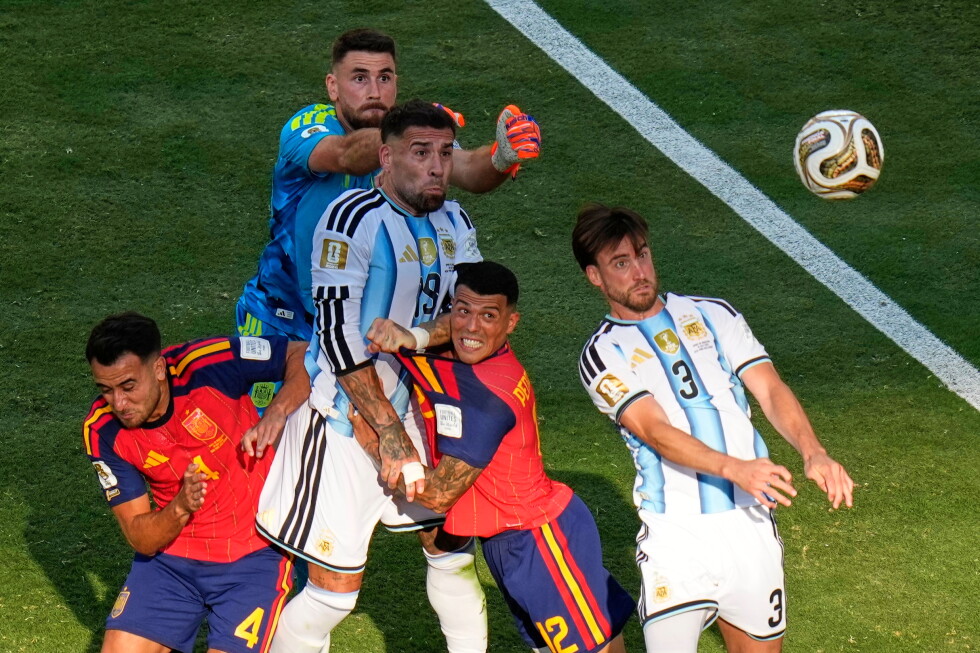
    Things boiled over late, when Fernández was sent off in the 90th minute after picking up a second yellow card: first for dissent, then for a brutal late challenge that sent Cubarsí tumbling through the air. The chaos spilled over after the final whistle, with Paredes getting into scuffles with multiple Spanish players including Rodri, Gavi and Borja Iglesias, while Argentina defender Nahuel Molina was captured on camera throwing a punch at a Spanish player walking past the melee.

    Former England forward and BBC pundit Wayne Rooney slammed the post-match behaviour as unacceptable. “Embarrassing, seeing that sort of stuff after the game has been played,” Rooney said. “Someone has been crowned World Cup champions. It is not good enough. Paredes is better than that. It doesn’t stop there. He keeps going and going.” Former England goalkeeper Joe Hart called the conduct “disgusting”, though acknowledged that tempers were frayed after 120 minutes of high-stakes football.

    Argentina manager Lionel Scaloni fought back tears in his post-match press conference, attempting to defend his side but ultimately acknowledging the better team won. “Even though they were out-playing us until the 85th minute, I would love to know what would have happened had we still had 11 men on the pitch,” Scaloni said. “We managed to go all the way to the end when the match was so open and it just couldn’t be. They deserved the victory, that is the reality.”

    The result brings an end to a dramatic 2026 World Cup, and confirms Spain’s place among the great national teams in men’s football history. For Argentina, the loss ends their title defence and leaves questions over the future of the side, overshadowed by controversy over their on-pitch conduct.

  • ‘Everyone’s afraid to die’: Struggle to recruit soldiers in Ukraine turns violent

    ‘Everyone’s afraid to die’: Struggle to recruit soldiers in Ukraine turns violent

    Five years into Russia’s full-scale invasion, Ukraine’s push to mobilize new troops has devolved into a cycle of violence that is tearing at social cohesion within the country, leaving both serving soldiers and civilians injured and exposing deep flaws in the nation’s conscription system.

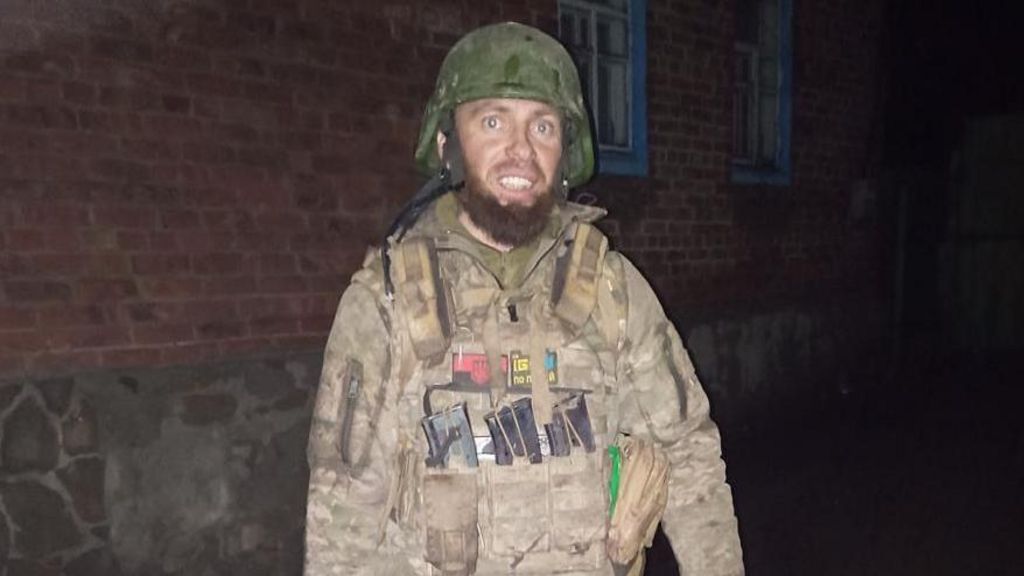
    For Vasyl Krupych, a veteran machine gunner who survived brutal Russian assaults on Ukraine’s eastern Donbas region, the danger did not end when he was reassigned to rear-area duty searching for people avoiding conscription. Last December, he encountered two men who refused to present identity documents and fled the scene. When his patrol gave chase, the pair beat Krupych severely with a crowbar, breaking one of his ribs and leaving him struggling to breathe. He spent six weeks recovering in a hospital, and still grapples with disillusionment over the attack. “What did we fight for, if soldiers can now get beaten?” the frontline veteran asked in a recent interview.

    Krupych’s assault is far from an isolated incident. Ukraine’s military ombudswoman has confirmed that attacks on conscription officers are now “regular” and represent a “major problem” as Kyiv races to replenish frontline ranks depleted by years of continuous combat. While the topic is rarely discussed openly in Ukraine, out of caution that it could be exploited by Russian propaganda, official data tells a stark story: Ukraine’s National Police Service has recorded more than 600 assaults on recruitment personnel to date, and has warned that the violence is growing increasingly aggressive.

    The first major public outcry over the crisis came in April, when several recruiters were stabbed in a single attack that left one dead. Just this month, tensions boiled over in the western city of Lviv, where roughly 200 protesters surrounded officers attempting to detain a suspected draft dodger. The crowd smashed and overturned the officers’ vehicle, sparking national headlines and drawing condemnation from President Volodymyr Zelenskyy.

    In the wake of the Lviv riot, Zelenskyy’s controversial decision to dismiss Defence Minister Mykhailo Fedorov has thrown efforts to resolve the conscription crisis into further chaos. Fedorov, who was removed over reported disagreements over strategy and leadership with Ukraine’s commander-in-chief, had only served six months in the role and had just begun implementing reforms to address growing conscription tensions. His departure leaves the ministry with only an acting minister, and all planned overhauls of the conscription system are currently stalled. Despite the policy pause, public anger over the current system has reached a breaking point, making urgent action unavoidable.

    Analysts and politicians point to multiple root causes of the current backlash. After five years of war, nearly every Ukrainian knows someone who has been killed or injured on the front line, and widespread fear is compounded by a sense that the conflict has no clear end in sight. Enthusiasm for voluntary enlistement peaked only once after the initial 2022 wave of mobilization, during Ukraine’s late 2023 counteroffensive to retake southeastern territory. When that counteroffensive failed to deliver major territorial gains, public willingness to volunteer faded rapidly. Opposition MP Oleksandr Honcharenko argues that the government’s shift to what he calls “brutal mobilization” tactics after the counteroffensive directly sparked the current wave of violence. “These officers are hunting for people on the streets and sometimes using quite violent methods,” Honcharenko explained. “Violence leads to violence. It’s a huge problem and it’s going to get worse.”

    Military analyst Ivan Stupak agrees that aggressive tactics are the core of the problem. He notes that mounting battlefield casualties and a growing shortage of manpower forced Ukraine’s high command to adopt the controversial practice widely known as “busification” — mobile conscription patrols that detain eligible men on the street and bundle them directly onto buses bound for recruitment centers. “When they need an extra 5,000 men, they start grabbing them — and if they refuse it turns into fights on the street,” Stupak said.

    Accounts of abuse by conscription officers are just as common as reports of attacks on those officers. Ukraine’s Human Rights Commissioner received more than 6,000 complaints about illegal or aggressive conscription practices last year — double the number recorded in 2024. Complaints range from excessive use of force and unlawful detention to poor, dangerous conditions at recruitment processing centers.

    Kyrylo Ogdansky, a university professor who qualifies for a legal draft exemption, is one of hundreds of civilians who have experienced this abuse firsthand. Last November, he was stopped on a street in Dnipro by an unaccompanied man in plain clothes who demanded to check his conscription status — a violation of official rules that require uniformed officers and police presence for street checks. When Ogdansky objected, he was violently assaulted. “One of them knocked the phone from my hand and two pushed me into the bus from behind. When I asked what’s happening, one started to beat me to the head. He hit me in the nose several times,” Ogdansky recalled. The recruiters even threatened to ship him directly to the frontline city of Pokrovsk regardless of his exemption. Ogdansky spent two weeks in hospital recovering from a suspected neck injury and severe bruising, and has filed formal complaints over the attack. Like many Ukrainians, he hesitated to speak publicly out of fear his story would be exploited by Russian propaganda, but ultimately decided to go public to force change. “If everyone is silent, then why would it stop? I understand the problem of conscription, but no official has the right to act like this,” he said.

    For Krupych, the violence exposes a painful disconnect between soldiers who have fulfilled their duty and civilians willing to use violence to avoid service. The veteran volunteered on the first day of the full-scale invasion, survived an FPV drone strike that killed two of his comrades, and dragged an injured friend to safety. He still bears the physical and psychological scars of the war, suffers from regular nightmares, and wears a neck tattoo reading “Glory to the Ukrainian Armed Forces” as a testament to his pride in his service. His own assault case remains tied up in Ukrainian courts, and he says the anger he feels runs deeper than his own injuries. “We are doing our duty. We fought, we defended our people — and now they are attacking us,” he said.

    When asked what could encourage more voluntary enlistment instead of relying on coercive patrols, Krupych pointed to higher salaries for frontline troops, but ultimately acknowledged there are no easy fixes. “It can’t be done differently, it can’t. Our lads need to be replaced. But nobody volunteers,” he said. “Everyone is afraid to die.”

    Before his dismissal, Fedorov had begun rolling out incremental reforms to make military service more appealing, including fixed-term contracts with an option to end service after the contract term, and increased pay for troops in high-risk frontline roles. The reforms were still in their early stages, and a full overhaul of the flawed conscription system was still on his to-do list when he was removed from office. Policy proposals still on the table include shifting responsibility for conscription patrols from military recruiters to police officers, who are seen as less likely to use aggressive tactics, as well as requiring formal training and psychological screening for all recruitment staff.

    For the first time, the Ukrainian government has openly acknowledged it has a serious crisis on its hands. But with no permanent defence minister in place and no consensus on how to move forward, a concrete solution to the growing cycle of violence remains out of reach.

  • Moment fans in Madrid celebrate World Cup win

    Moment fans in Madrid celebrate World Cup win

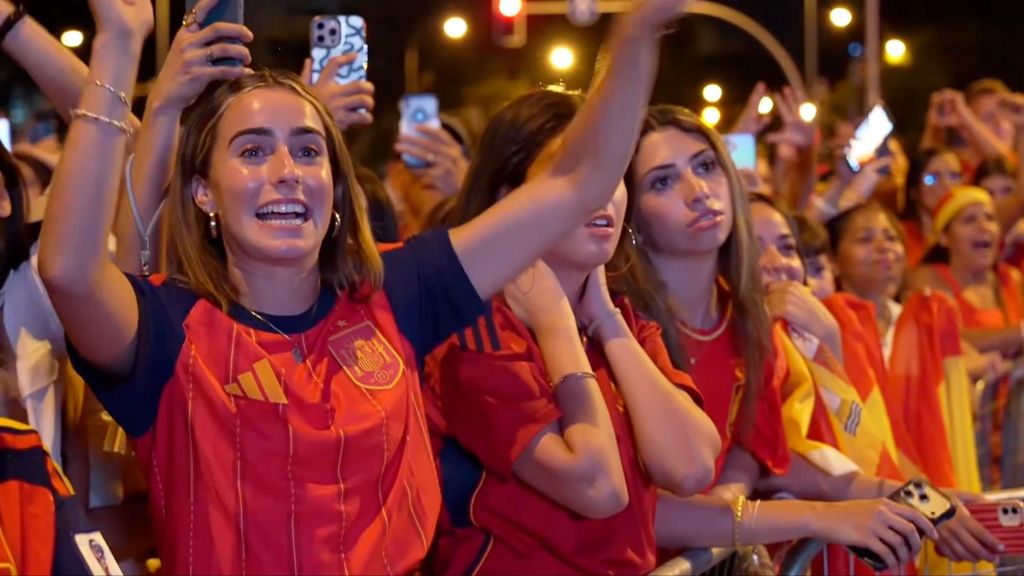
    On a late Sunday night, the bustling heart of central Madrid transformed into a sea of red and yellow as thousands of elated supporters gathered to witness and celebrate Spain’s triumphant World Cup win. What began as a planned public viewing event quickly escalated into an outpouring of national joy, with crowds packing plazas, sidewalks and open public spaces across the city center to catch a glimpse of the decisive match. As the final whistle blew confirming Spain’s victory, deafening cheers erupted across the gathering. Fans waved national flags, chanted team anthems, and embraced one another, turning the central district into an impromptu street party that stretched into the early hours of Monday. Local reports note that the gathering remained largely peaceful, with supporters sharing their excitement over the landmark win that adds another prestigious title to Spain’s decorated soccer history.

  • Messi can conjure no more magic as crown passes from Argentina to Spain

    Messi can conjure no more magic as crown passes from Argentina to Spain

    EAST RUTHERFORD, N.J. – For 90 minutes, and another 30 minutes of extra time, the 80,663 fans packed into MetLife Stadium clung to every touch of the ball at Lionel Messi’s feet, hoping the 39-year-old legend would conjure one last bit of iconic magic to cement his legacy as the sport’s undisputed greatest. It was not to be. Two decades after his first World Cup appearance, and fresh off leading Argentina to the 2022 World Cup crown and back-to-back Copa America titles, Messi could not push the Albiceleste over the line to become the first men’s national team to win consecutive World Cup trophies in more than 50 years.

    From the opening whistle, Spain controlled every facet of the final. The European side’s signature possession-focused style dominated Argentina from start to finish, out-passing the two-time finalists 845 to 433 and holding a lopsided 20-1 advantage in total shots. Just 37 seconds into the second period of extra time, Ferran Torres found the back of the net, securing a 1-0 win for La Furia Roja and giving the nation its second men’s World Cup title.

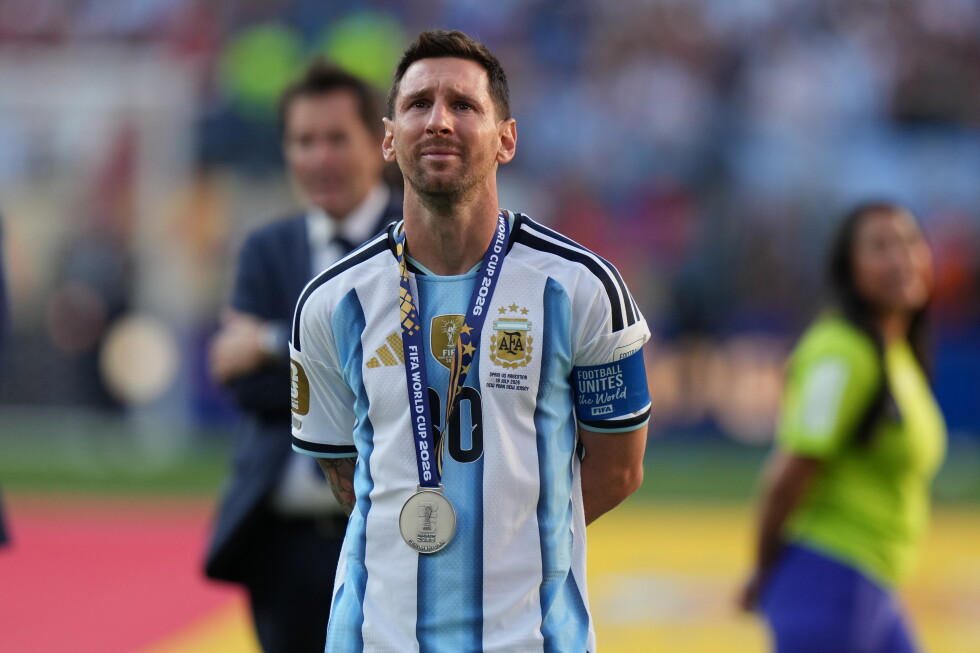
    The result shifted the global soccer hierarchy. While Spanish stars climbed the podium at midfield to lift the golden trophy, an emotional Messi fought back tears alongside his dejected teammates, bowing to thousands of cheering Argentina fans gathered in the stadium’s south end. The moment served as a quiet passing of the torch: just moments after Torres’ game-winner, 19-year-old Lamine Yamal, widely tipped to be soccer’s next generational superstar, ran across the pitch to celebrate with the goalscorer.

    Spain’s dominant run through the entire tournament will go down in World Cup history. La Furia Roja conceded only one goal across their six matches – the lowest total ever for a men’s World Cup champion – and extended their unbeaten streak to 38 games, the longest run ever recorded by a European men’s national side. This historic victory also makes Spain the first country in soccer history to simultaneously hold both the men’s and women’s World Cup trophies, cementing their status as the new global powerhouse of the sport.

    For Messi, the match capped off a historic, record-breaking World Cup campaign that defied all expectations. When he left European top-flight soccer for Major League Soccer three years ago, after collecting four Champions League medals and 12 domestic league titles with Barcelona and Paris Saint-Germain, many analysts wrote him off as a fading legend winding down his career. Instead, he dragged Argentina back to the final, netting eight goals and notching four assists in the tournament, pushing his all-time World Cup career goal total to 21 (a record only broken by France’s Kylian Mbappé in the third-place match a day prior).

    Messi leaves the tournament as the first player in history to start three World Cup finals, and sits second on the all-time list of men’s international goal scorers with 125, only trailing Cristiano Ronaldo’s 146. For decades, he has been ranked alongside Pelé and Diego Maradona as one of the three greatest players to ever step onto the pitch, and his performance in this tournament only reinforced that standing. Even in defeat, his legendary career remains unmatched.

    Messi’s history at MetLife Stadium has long been marked by frustration. It was at this same venue that he dramatically retired from international soccer following a 2016 Copa America final loss to Chile on penalties, only reversing his decision 47 days later to lead Argentina to the 2022 World Cup title. In this final, he managed only 15 touches in the first half, and just 54 total touches across the entire match, with Spain’s defense shutting down every attempt he made to create danger.

    When the final whistle blew, several Spanish players crossed the pitch to embrace and console the Argentine legend. Messi dropped to the turf, hands propped behind him, staring blankly into the distance. As Spain formed a traditional guard of honor for the Argentina side to receive their second-place medals, Messi forced a faint smile that faded quickly, walking through the line of Spanish players with an empty expression as opponents patted him on the back and shoulder. As gold confetti rained down on the celebrating Spanish champions, Messi walked slowly toward a corner exit, shoulders hunched, his face etched with disappointment.

  • How Ferran Torres scored the World Cup-winning goal for Spain to beat Argentina

    How Ferran Torres scored the World Cup-winning goal for Spain to beat Argentina

    In a dramatic, tension-filled World Cup final decided in extra time at East Rutherford, New Jersey, Ferran Torres delivered the championship-winning goal for Spain, capping off a team-built attacking sequence that combined contributions from both starting stars and impact substitutes to down the defending champions Argentina 1-0.

    The game-defining play unfolded mere moments after the second half of extra time kicked off, with Argentina already facing an uphill battle after midfielder Enzo Fernandez received a red card in the 113th minute of regulation that left the side down to 10 men for the closing stages of the match.

    Teenage standout Lamine Yamal, who had already created two of Spain’s clearest scoring opportunities earlier in the contest, collected a well-placed pass from Martín Zubimendi on the right wing. Zubimendi had received the ball after a calm build-up from the Spanish backline, where Marc Cucurella shifted possession to Eric García before moving it upfield to the midfield creator. Yamal quickly slid a pass to fullback Pedro Porro, who had recorded more touches than nearly any other player on the pitch throughout the final.

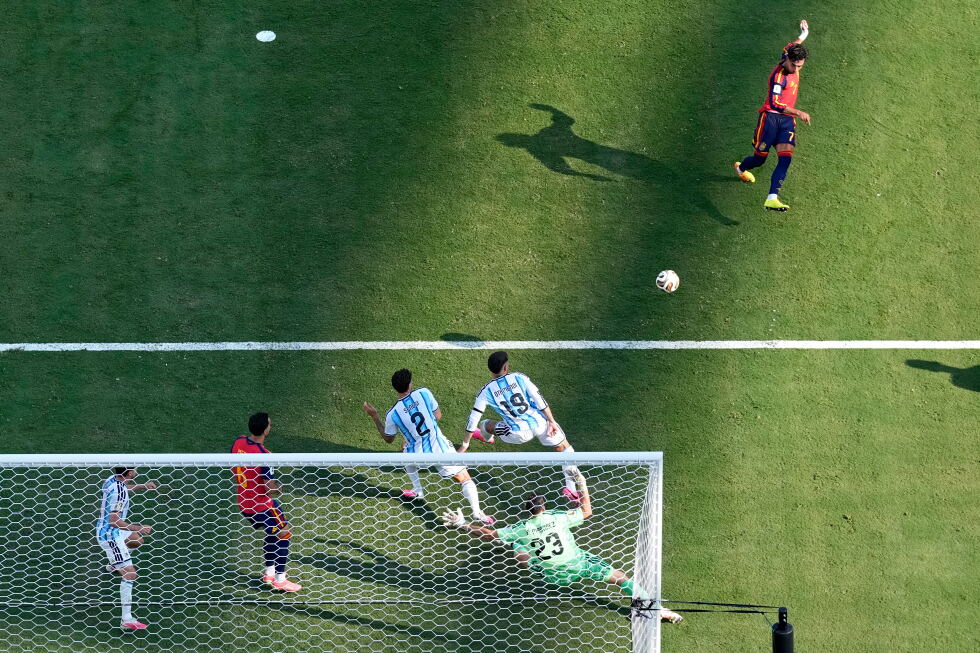
    Porro’s driven right-footed cross into the 18-yard box looked set to drift out of bounds over the far goal line, but second-half substitute Nico Williams — who entered the match in the 75th minute — rose to meet the ball and nod it neatly back into the path of Torres. Torres, another substitute brought on just after the 60th minute, struck a perfect first-time left-footed finish that beat two covering Argentine defenders and goalkeeper Emiliano Martínez to put Spain ahead 1-0 in the 106th minute. At the time of the goal, Spain had outshot Argentina 20 to zero, a staggering dominance of possession and attacking threat throughout the match.

    Reflecting on the historic moment after the final whistle, Torres, who plays his club football for Barcelona, emphasized the unity of the entire nation behind the squad. “I think at the end of the day, it was a goal scored by 47 million people,” Torres said, referencing the approximate population of Spain. “I feel very happy. I was heavily criticized during the World Cup, but I think it was written in destiny. I always trusted I would get that chance to contribute, and God gives opportunities to those who believe and deserve them.”

    The Barcelona forward celebrated wildly, tearing down the corner flag near the stands as his jubilant teammates swarmed him to celebrate the go-ahead goal. Torres came close to doubling Spain’s lead just minutes later, but his second effort was ruled out for offside. Over the remaining minutes of extra time, Argentina threw everything into attacking from set pieces, earning multiple corner opportunities that the Spanish defense successfully weathered to hold onto their narrow lead.

    When the final whistle blew, Spain confirmed its second World Cup title, ending the defending champion Argentina’s tournament run and etching a new chapter in Spanish football history.

  • They sing, they stomp, they dance. World Cup fans from Argentina, Spain spent cash at the final

    They sing, they stomp, they dance. World Cup fans from Argentina, Spain spent cash at the final

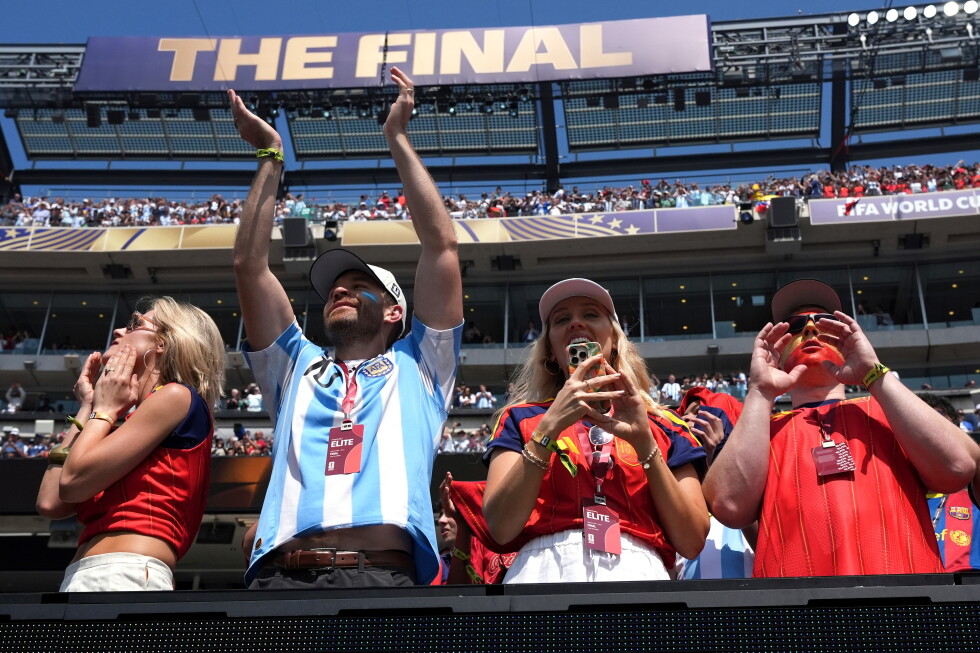
    East Rutherford, New Jersey — On the eve of one of the most anticipated World Cup finals in modern history, the buzz inside MetLife Stadium had less to do with celebrity opening remarks and far more to do with the thousands of passionate fans who crossed continents and emptied their savings to be there. When Hollywood star Tom Cruise stepped out to deliver a pre-match speech framing soccer as a unifying global force, his words were completely drowned out by the roar of tens of thousands of Argentine and Spanish supporters. Their joyful singing, rhythmic clapping, and thunderous drum beats drowned out every syllable, a fitting reminder that the soul of the World Cup belongs not to celebrity guests, but to the fans who show up for their teams.

    For most of these supporters, the draw was clear: this was almost certainly Lionel Messi’s final appearance on the World Cup stage, and no price tag was too high to share in what could be the final chapter of the greatest career in modern soccer. “Money comes back,” explained Manuel Lopez Maccotta, an Argentine fan who traveled all the way from Buenos Aires to New Jersey for the match. “This is once in a lifetime. You’re seeing the best player in the world in his last World Cup. Money is worthless compared to this.”

    Maccotta, a 28-year-old software company founder, paid nearly $10,000 alone for his final match ticket, a sum that made the stadium’s widely noted $18 beer look like a trivial expense in comparison. His travel partner, Santiago Burcaco, a real estate professional, got a relative bargain at $5,000 for his seat — a price he locked in when he purchased his ticket before Argentina even secured its spot in the final. In total, Maccotta estimates he spent roughly $35,000 to follow the Argentina national team through the entirety of the World Cup tournament, a journey that already included a standout highlight in Argentina’s quarterfinal win over England. His trip to New Jersey almost fell apart entirely: a 14-hour delay from Miami caused by severe thunderstorms left him landing at JFK Airport just after 4:50 a.m. on match day, but he still made it to the stadium in time for kickoff. “It’s the last Messi World Cup,” he said. “My country. Hopefully we go back-to-back. We have to share the feeling. It’s once in a lifetime.”

    This final carries historic stakes for both sides. Argentina enters the match vying to become the first men’s national team to win back-to-back World Cup titles since Pele led Brazil to victories in 1958 and 1962. For Messi, a win would cap what he has publicly signaled is his final World Cup run with a fairy-tale ending, cementing his legacy as the greatest player of all generation. His iconic No. 10 jersey could be spotted on thousands of fans throughout the stadium, a visible tribute to the loyalty and passion he has inspired in supporters across the globe.

    For Spain, the match offers a chance to claim the country’s second World Cup title following its 2010 victory, and solidify its reputation as the dominant global men’s soccer power of the current era. Spanish supporters filled their sections of the stadium with bright red-and-yellow afro wigs printed with the national flag, many only removing the headpieces to pour cool water over their heads to beat the unseasonably warm sunny day.

    Curro Sanchez, a 42-year-old fan from Madrid, paid $8,000 for his ticket, even after convincing only one friend to join him on the trip after 10 other loved ones turned him down over the high cost and scheduling conflicts. He even had a high-stakes argument with his wife over the trip before she ultimately agreed to let him go. “Had a big, big, big fight with my wife,” Sanchez said. “At the end of the day, she understood.” Sanchez landed in New York just one day before the match and plans to stay in Manhattan through Thursday to soak in the once-in-a-lifetime experience.

    Ticket prices for the final skyrocketed in the weeks leading up to the match, climbing as high as five figures before dipping slightly in the hours before kickoff, still well out of reach for all but the most well-resourced fans. On FIFA’s official resale platform, prices dropped as low as $18? No, as low as $2,334.50 in the hours before the match. That still left base-priced tickets available through FIFA on the morning of the match for $10,990. While some fans scrimped and saved for months to afford their spots, the majority of fans inside MetLife Stadium had the financial means to make the transcontinental trip: Maccotta and Burcaco are a case in point, running successful businesses in their home country.

    In the lead-up to kickoff, even celebrity sightings added to the buzz: Modern Family star Sofía Vergara drew a crowd of fans waiting for photos in one stadium concourse just 45 minutes before the opening kickoff. Organizers handed out “Join The Celebration” signs to fans instructing them to “clap along using your clapper!” when the music started, a guide that fans joked was just as useless as asking Messi to give basic soccer lessons. Fans from both nations had been hyped up from the moment they joined long security lines to enter the stadium, singing and chanting nonstop in their native languages, setting a high bar for scheduled halftime performers including Madonna and Shakira. Notably, the presence of former U.S. President Donald Trump in attendance did not appear to slow security processing for ordinary fans.

    The festive energy that filled MetLife Stadium on match day had already spilled out into New York City over the weekend, as thousands of Argentine and Spanish fans packed Times Square, breaking out into spontaneous chants, songs, and street celebrations — the same joyful revelry that has defined host city atmospheres across the North American World Cup. Many fans credit Messi’s legacy for the all-consuming passion and unwavering loyalty of Argentina’s global fanbase, while Spain’s supporters have proven every bit as dedicated to their side’s push for a second world title.