标签: Asia

亚洲

  • Xi takes Trump on tour of Communist Party’s seat of power in Beijing

    Xi takes Trump on tour of Communist Party’s seat of power in Beijing

    The final stop of former U.S. President Donald Trump’s two-day Beijing visit was a rare guided tour of Zhongnanhai, the centuries-old heavily secured compound that houses China’s top leadership, with Chinese President Xi Jinping serving as his host. The high-profile excursion capped a trip defined by elaborate diplomatic pageantry, though concrete details of finalized policy agreements between the two global powers remained largely undisclosed.

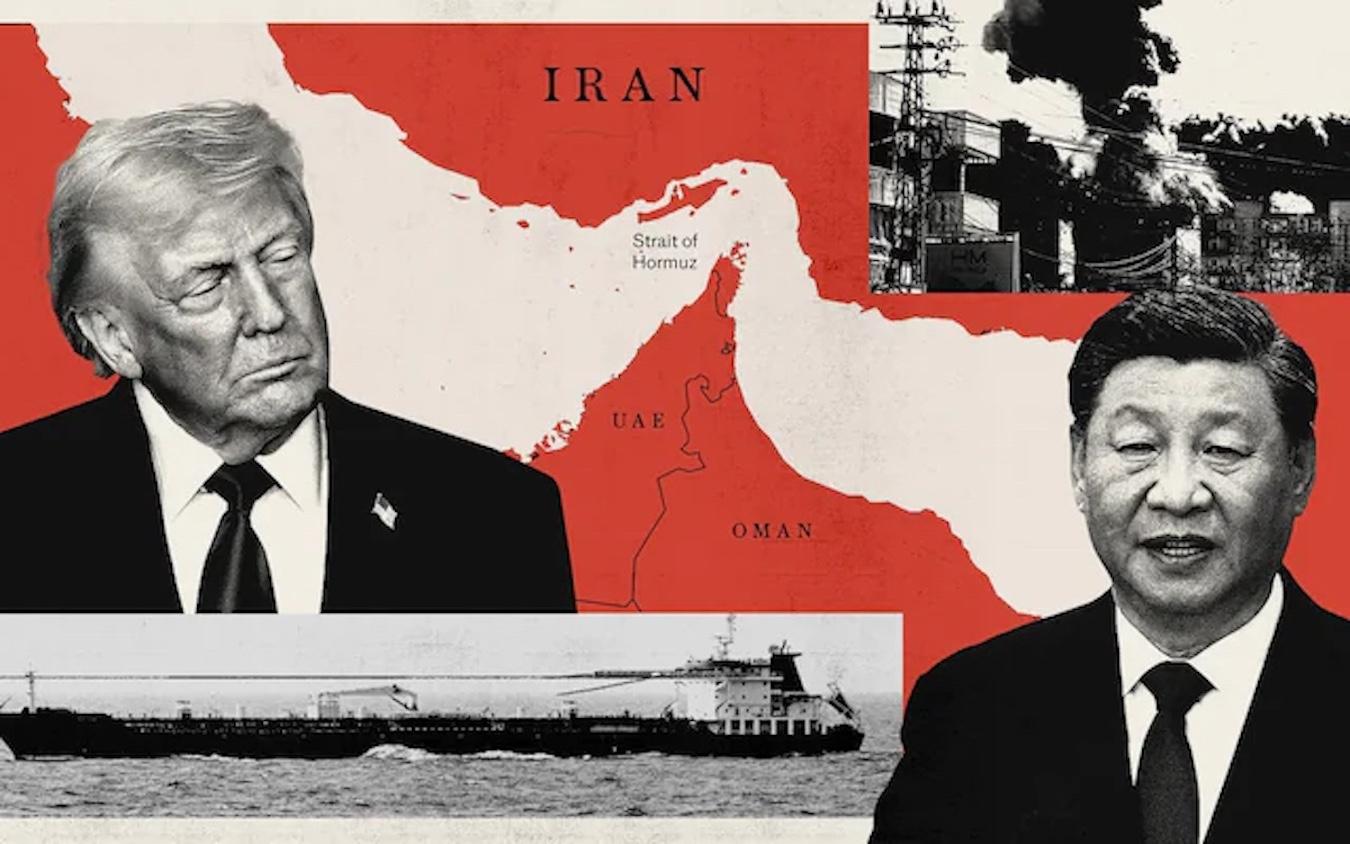
    Coming on the heels of escalating tensions over bilateral trade and tensions surrounding the Iran conflict, the summit saw both leaders adopt a notably conciliatory tone. Trump described his time in China as “incredible,” while Xi framed the meeting as a step forward in building a “new bilateral relationship.” During a stroll through the compound’s landscaped grounds, the pair stopped to admire blooming Chinese roses, and Xi promised to send cuttings of the flowers to Trump, a gesture the U.S. president welcomed enthusiastically.

    Nestled just kilometers from central Beijing, the 14th-century Zhongnanhai compound holds a status equivalent to the White House in U.S. politics. Originally built as a secondary imperial retreat for Chinese emperors, the site is celebrated for its scenic lakes, sprawling manicured gardens, and centuries-old historic trees. It has served as the central headquarters of China’s Communist government since 1949, and today ranks among the country’s most politically symbolic landmarks. For foreign dignitaries, an invitation to tour the compound is widely interpreted as a marker of high honor and close bilateral ties.

    When Trump asked how many foreign leaders had previously been granted access to the compound, Xi noted that such invitations remain “extremely rare.” Past visitors include Russian President Vladimir Putin and Belarusian President Alexander Lukashenko, who toured the site the previous year. Several U.S. presidents have also received invitations dating back decades: Richard Nixon during his groundbreaking 1972 visit, George W. Bush, and Barack Obama all toured the compound during their time in office.

    During the tour, Trump paused to admire what he called “the most beautiful roses anyone has ever seen” and mature ancient trees, which Xi confirmed were between 200 and 400 years old. When Trump expressed surprise at their longevity, Xi added that even older 1,000-year-old specimens can be found across China.

    Hours before the Zhongnanhai walk, Fox News aired a pre-recorded exclusive interview with Trump, where he praised Xi as “warm” and “very sharp.” In the interview, Trump claimed Xi had pledged that China would not supply military weapons to Iran, though he added that Xi noted China would continue purchasing large volumes of Iranian crude oil and supported keeping the Strait of Hormuz open to global shipping.

    While Chinese officials have not issued a formal public response to Trump’s specific claims, the country’s foreign ministry released a general statement confirming that Beijing has been working behind the scenes to facilitate an end to the Iran conflict, confirming that Chinese diplomats are pushing for Tehran to enter negotiations. As Iran’s largest crude oil buyer and biggest overall trade partner, China holds unique economic and political leverage over Tehran – a lever the Trump administration had hoped Beijing would use to advance its diplomatic goals ahead of the summit.

    Though a fragile temporary trade truce was a core item on the summit agenda, the Iran issue had grown into a more pressing priority in the months leading up to the meeting. Even so, Trump told reporters that trade talks between the two sides had progressed “better than last time.” The U.S. delegation included a cohort of American business leaders, who Trump said were in Beijing to finalize commercial agreements and help create new jobs back in the United States.

    Trump publicly claimed China had agreed to purchase U.S. crude oil, 200 new commercial jets from Boeing, and large volumes of U.S. agricultural products. However, when asked to confirm these deals during a press briefing later that day, China’s foreign ministry declined to comment on the specific agreements. Chinese officials have only referenced “a series of new consensuses” reached between the two leaders without elaborating on the content of any deals.

    Independent policy analysts note that China’s global economic standing has expanded steadily in recent years, as Beijing has diversified its trade partnerships beyond the U.S. to insulate itself from the impact of U.S. tariffs. Trump’s visit came on the heels of high-profile trips by leaders from Britain, Canada, and Germany, all of whom traveled to Beijing to expand bilateral trade ties.

    Following the conclusion of the Beijing summit, Trump extended an invitation to Xi to visit the White House for a second summit in September, a date that has already been added to the official diplomatic calendar. Closing out his visit after the Zhongnanhai tour, Trump told reporters: “You’re gonna walk away hopefully very impressed, like I’m very impressed with China.”

  • WWII legacy honors peace and friendship

    WWII legacy honors peace and friendship

    When discussions turn to World War II concentration and internment camps, Auschwitz, the haunting symbol of Nazi atrocities in Europe, immediately comes to mind for most people. Half a world away, however, in China’s eastern Shandong Province, sits a lesser-known site that holds a equally powerful story of suffering, courage, cross-cultural solidarity and enduring hope for peace: the former Weihsien Internment Camp, now preserved at the Courtyard of the Happy Way in Weifang.

    The site’s origins stretch back to 1882, when an American missionary built a sprawling complex that housed a church, school, and hospital. After Japan launched its full-scale invasion of China during World War II, the occupying Japanese military seized the property and repurposed it into an internment camp to detain non-Chinese citizens from Allied nations. Established in retaliation for the United States’ internment of Japanese and Japanese American civilians following the 1941 attack on Pearl Harbor, the camp would go on to hold more than 2,000 civilians from 30 different Allied countries, making it the largest Allied civilian internment camp in Asia during the war.

    Unlike the extensively documented Nazi concentration camps of Europe, the Weihsien Internment Camp’s history has remained largely out of global public consciousness, even for descendants of those who were imprisoned there. For Professor John Stanley, a history scholar at Pennsylvania’s Kutztown University, this forgotten chapter of World War II became a life-long research passion, sparked by a 1991 trip to the site with his father, Charles A. Stanley, who had been interned at Weihsien as an infant. Imprisoned alongside his parents at 10 months old in 1943, Charles remained in the camp until it was liberated by US soldiers and a Chinese translator in August 1945. Like many other survivors, Charles never spoke of his experience growing up; the trauma of internment led generations of survivors to leave this painful chapter of their lives unspoken.

    Stanley’s 1991 visit was originally organized to dedicate a memorial to Eric Liddell, the legendary 1924 Olympic 400-meter gold medalist who died of illness in the camp due to severe shortages of food and medical care. That trip ignited Stanley’s broader interest in Chinese and East Asian history, and he has spent decades uncovering the details of daily life in the camp and the critical role local Chinese residents played in supporting the imprisoned civilians.

    Among the detainees were several prominent figures, including Arthur W. Hummel Jr., who would later go on to serve as the second United States Ambassador to the People’s Republic of China. Hummel successfully escaped the camp months before liberation with help from local Chinese rescuers. Stanley’s research highlights that the support local residents provided went far beyond escape aid: it kept internees hopeful as the war dragged on and outside news grew increasingly scarce.

    Most famously, local residents risked harsh punishment, even death, to smuggle scarce food and supplies into the camp through an informal underground network referred to as the “black market.” While eggs were the most common contraband thrown over the camp’s walls, Stanley even documented accounts of a live chicken being smuggled in to feed hungry detainees.

    Zhang Zhiren, a Europe-based writer who spent years researching the camp for his book *Weihsien West Civilians Concentration Camp: 1943-1945*, says the quiet bravery of local Chinese people who risked their lives to help is the most moving part of the camp’s history. His book details the harsh conditions detainees faced: overcrowding, malnutrition, inadequate medical care that led to the deaths of at least 31 internees, and complete isolation from outside news. It also documents the selfless acts of solidarity from nearby residents who, despite facing their own hardship under Japanese occupation, chose to help the trapped foreigners.

    One of the most notable stories of courage centers on Zhang Xingtai, a local villager who worked as a latrine cleaner inside the camp. Japanese guards dismissed him as an unthreatening ordinary farmer, but Zhang secretly operated as a critical information lifeline for internees cut off from the outside world. Working alongside his son, he smuggled outside news into the camp and carried notes from internees out — and it was the pair that secretly spread the word of Japan’s surrender to detainees days before the formal liberation, at enormous risk to their own lives.

    Tragedy is also part of this story: Zhang documents the death of a local Chinese child who was electrocuted on the camp’s perimeter fence while attempting to deliver food to starving internees. Japanese guards refused to allow the child’s family to retrieve his body, leaving the small body caught on the electric wire as a grim warning.

    “What strikes me most is that the people of Weifang did not care what nationality the internees were,” Zhang explained. “They only knew that people were suffering, and they had a duty to help. This simple kindness crossed all lines of war and national borders.”

    As the decades passed after the war, survivors remained largely silent about their experiences, and the camp’s history began to fade from collective memory. Today, as the number of living survivors dwindles, Zhang and other researchers are working to preserve this shared history for future generations. Zhang notes that the story of mutual aid between Chinese civilians and foreign internees 80 years ago serves as a powerful example of shared humanity in the face of war, perfectly embodying the vision of a global community with a shared future.

    The importance of this history has not gone unrecognized. In 2021, International Cities of Peace, a global non-profit dedicated to advancing the international peace movement, designated Weifang as the 308th International City of Peace — only the second Chinese city to receive the designation, after Nanjing. This year marks the fifth anniversary of that designation, and International Cities of Peace chair J. Frederick Arment has praised Weifang for its intentional work to heal historical trauma and turn a site of suffering into a beacon of hope for future peace.

    In 2024, to mark the 45th anniversary of formal diplomatic relations between China and the United States, the story of the Weihsien Internment Camp reached a new international audience through a special traveling exhibition hosted in San Francisco. Stanley attended the opening as a representative of survivors’ descendants, and he praised Weifang’s ongoing work to preserve the camp’s original buildings and share its story with global audiences.

    “These efforts show a real commitment to raising public awareness of the true human cost of war, and why we must work to avoid it whenever possible,” Stanley said. Speaking to the enduring relevance of the camp’s legacy today, he expressed hope that remembering this story would encourage global leaders to prioritize diplomacy and collaborative conflict resolution through international institutions, rather than turning to violence or coercive pressure to resolve disputes.

  • Indonesia’s first giant panda cub, Rio, is growing and healthy before his public debut

    Indonesia’s first giant panda cub, Rio, is growing and healthy before his public debut

    CISARUA, Indonesia — The very first giant panda cub ever born in Indonesian territory has passed a routine health assessment, with veterinary specialists confirming the young animal is developing steadily and in excellent health, just weeks ahead of his first public appearance at the Indonesian Safari Park outside Jakarta.

    Named Satrio Wiratama and affectionately nicknamed Rio by caretakers, the 169-day-old cub has already hit key developmental milestones: he can walk independently, climb onto his mother’s back for play, and has begun nibbling on nutrient-rich bamboo shoots. He currently weighs 10 kilograms, or 22 pounds, putting his growth slightly ahead of the average pace for giant panda cubs his age, particularly when it comes to tooth development.

    On Friday, veterinary teams carried out comprehensive checks of Rio’s sensory functions, including hearing and vision. All tests confirmed his senses are fully active, leaving veterinarians optimistic about his ability to adapt to the presence of crowds when he opens to visitors later this month.

    “What matters most is that all of Rio’s senses are functioning properly,” explained Bongot Huaso Mulia, the lead veterinarian monitoring Rio’s growth. “He can already process changes in his environment, assess new surroundings, and adapt to the presence of more people, even tolerating moderate levels of noise. We will continue his gradual acclimation training to prepare him for public viewings.”

    Rio was born on November 27 to 15-year-old parents Hu Chun and Cai Tao, who arrived in Indonesia in 2017 as part of a 10-year giant panda conservation partnership between Indonesia and China. The pair reside in a purpose-built enclosure, called the Panda Palace, at the Cisarua park located 70 kilometers, around 43 miles, outside Jakarta in West Java. The 5,000-square-meter hilltop facility features a three-tier living space, an elevator, dedicated sleeping quarters, on-site medical facilities, and separate indoor and outdoor play areas for the bears.

    The two adult giant pandas have already developed a large following among Indonesian wildlife enthusiasts, and Rio’s birth sparked even more excitement across the country. Panda fans have flooded the park’s social media channels with requests for an early public appearance, making Rio’s debut one of the most anticipated local wildlife events of the year.

    Rio’s name carries symbolic weight, representing the shared hope, resilience, and joint conservation commitment between Indonesia and China for protecting endangered species. As a global icon of wildlife conservation and China’s unofficial national mascot, giant pandas have long played a role in diplomatic exchange through Beijing’s international loan programs, a practice widely referred to as “panda diplomacy.”

    Giant pandas are notoriously difficult to breed in captivity, so every successful birth is a major milestone for global conservation efforts. Fewer than 1,900 giant pandas remain in the wild, scattered across the mountainous habitats of China’s Sichuan, Shaanxi, and Gansu provinces. Rio was conceived through artificial insemination, a rare success that carries important implications for research.

    According to Aswin Sumampau, president director of Taman Safari Indonesia, Rio’s birth does more than just add a new beloved member to the park’s panda family. It also contributes valuable new genetic data on giant pandas that will advance collaborative research between Indonesian and Chinese conservation scientists.

    “This is the moment we have all waited years for,” Sumampau noted. “It is a small but meaningful victory for our team. We successfully bred a species that is extremely challenging to reproduce in captivity. To put this achievement in perspective, no giant panda cubs have been born in any ex-situ conservation facility around the world for the past two years. Taman Safari is proud to have achieved this milestone.”

  • Australia bans a neo-Nazi network under new law that criminalizes hate groups

    Australia bans a neo-Nazi network under new law that criminalizes hate groups

    CANBERRA, Australia — Australian authorities have formally designated the notorious neo-Nazi network once known as the National Socialist Network, sometimes operating under the alias White Australia, as the second hate group outlawed under the nation’s landmark new legislation targeting extremist organizations that promote racial and religious hatred.

    The designation, announced Friday by Home Affairs Minister Tony Burke, brings the long-targeted white supremacist network into legal prohibition, with the ban set to enter into force by the end of the same day. The new law, passed by parliament in January 2024, was a direct policy response to a deadly antisemitic attack that left 15 people dead at a Hanukkah gathering on Sydney’s Bondi Beach in December 2023, an act of violence that shocked the nation and spurred urgent legislative action to curtail rising extremism.

    Burke emphasized that the group’s attempt to rebrand itself after announcing a voluntary disbandment in January did not erase its extremist character. Even after changing its name, the organization retained its structure and continued to engage in radical, hateful activity that meets the legal threshold for a ban under the new legislation, Burke told reporters in Canberra. “None of this will stop bigoted people from holding horrific ideologies,” Burke noted. “But it does prevent this group from organizing, from meeting, and prevents some of the sorts of horrific bigoted rallies that we’ve seen around our country.”

    Under the terms of the ban, any act of supporting, funding, training for, recruiting to, joining or leading the group — even if it reorganizes under a new name — carries a maximum penalty of 15 years imprisonment. This landmark legislation fills a critical gap in Australian national security law, allowing authorities to ban hate groups that do not meet the existing legal definition of a terrorist organization, a change widely called for after the Bondi massacre.

    The Islamist group Hibzt ut-Tahrir became the first organization banned under the law back in March, and both that group and the National Socialist Network were openly named by policymakers as the primary targets of the legislation from its early drafting stages.

    The process for designating a banned hate group follows a clear two-step framework: Australia’s national security intelligence agency ASIO first assesses whether an organization meets the statutory criteria, which include a pattern of violence incitement, engagement in hate crime, and elevated risk of public harm. The final ban is then approved by a federal government minister.

    The announcement comes as the group’s former leader, Thomas Sewell, awaits trial on multiple charges stemming from an alleged attack on an Indigenous protest camp in Melbourne last August. During an anti-immigration rally, a group of black-clad men affiliated with the network stormed the camp, leaving three people injured. Sewell has pleaded not guilty to all five counts against him.

    Longstanding connections to transnational white supremacist violence have previously linked Sewell to one of the deadliest far-right attacks in modern history: an independent inquiry into the 2019 Christchurch mosque massacre that killed 51 Muslims in New Zealand found that Sewell attempted to recruit the attack’s perpetrator, Brenton Tarrant, to another Australian white nationalist group two years before the massacre.

    Burke rejected the group’s January claim that it would voluntarily disband to avoid member arrests, a announcement first reported by local Australian news outlets via a post on the network’s Telegram channel. He confirmed the federal government is already prepared to face any potential legal challenges from the newly outlawed organization.

    The ban on the National Socialist Network is the latest in a series of escalating government actions against far-right extremism and rising antisemitism in Australia. Earlier in 2024, before the Bondi Beach attack, Canberra enacted a nationwide ban on Nazi salutes and the public display of swastikas and other Nazi symbols. That policy was itself a response to a months-long surge in antisemitic criminal activity targeting synagogues, Jewish-owned businesses and Jewish schools in Sydney and Melbourne.

  • India’s Adanis agree to pay $18m to settle civil fraud case in the US

    India’s Adanis agree to pay $18m to settle civil fraud case in the US

    One of the world’s wealthiest individuals, Indian conglomerate leader Gautam Adani, has closed a high-stakes civil case with U.S. regulators through an $18 million joint penalty settlement with his nephew, Sagar Adani, even as federal prosecutors prepare to dismiss related criminal fraud charges in a surprising policy shift under the second Trump administration.

    The civil resolution stems from a 2024 enforcement action brought by the U.S. Securities and Exchange Commission (SEC), which alleged that the Adanis paid improper bribes to Indian government officials to secure major renewable energy project contracts. The regulator also claimed the pair misled U.S.-based investors about the conglomerate’s anti-bribery compliance protocols when launching a $750 million bond offering, roughly a quarter of which — $175 million — was raised from American investors.

    Under the terms of the proposed settlement, neither Gautam Adani, chairman of the sprawling Adani Group, nor his nephew are required to admit or deny the SEC’s allegations. The agreement does, however, permanently bar the two men from future violations of core U.S. securities laws that prohibit investor deception, fraudulent trading, and market manipulation. The deal still requires formal approval from a federal judge to take effect.

    News of the civil settlement triggered an immediate positive reaction from global markets, with publicly traded Adani Group shares posting noticeable gains during Friday trading sessions.

    The Adani Group, one of India’s largest diversified business conglomerates, maintains operations across a wide range of critical sectors, including renewable and traditional energy, port infrastructure, and airport management. The conglomerate has repeatedly rejected the SEC’s claims as unfounded since they were first filed. Gautam Adani, 63, boasts an estimated net worth of $82 billion according to Forbes, placing him among the top 10 wealthiest people globally.

    In a parallel development reported Thursday by major international news outlets including The New York Times, Reuters, and Bloomberg, the U.S. Department of Justice (DOJ) is moving to dismiss the separate criminal fraud case against the Indian billionaire.

    The DOJ’s about-face follows a high-profile strategic shift by Adani, who retained a new legal team led by prominent Washington power attorney Robert J. Giuffra Jr. Giuffra, who leads one of the most influential law firms in the United States, previously served as one of former President Donald Trump’s personal legal advisors, most recently leading Trump’s appeal of his conviction in the New York hush-money criminal case.

    Per The New York Times’ reporting, Giuffra held a closed-door meeting with senior DOJ officials last month to outline his client’s objections to the criminal prosecution. During that meeting, Giuffra also reiterated a public pledge Adani made to Trump shortly after his 2024 presidential election victory: the conglomerate would invest $10 billion in U.S. infrastructure and projects, creating an estimated 15,000 American jobs, if the criminal charges were dropped.

    Sources familiar with the decision told the Times that the planned dismissal aligns with a broader policy shift by the second Trump administration to deprioritize prosecution of foreign bribery cases under the Foreign Corrupt Practices Act. The BBC has reached out to both the DOJ and Adani Group for official comment on the developments, as of press time.

  • Former China hawk elected Solomon Islands’ leader

    Former China hawk elected Solomon Islands’ leader

    The Solomon Islands has ushered in a new head of government after weeks of political turbulence, with long-time opposition leader Matthew Wale securing the post of prime minister following a parliamentary vote that ousted the previous pro-Beijing administration. Wale’s elevation comes one week after former prime minister Jeremiah Manele was removed from office via a no-confidence motion, a motion fueled by months of growing public anger over skyrocketing living costs and sustained political uncertainty. By late March 2026, 12 sitting ministers from Manele’s cabinet had already stepped down and defected to the opposition bloc, creating a fatal rift in the pro-Beijing government that ultimately led to its collapse.

    In Friday’s parliamentary vote, Wale defeated former foreign minister Peter Shanel Agovaka by a clear margin of 26 votes to 22, locking in his victory as the nation’s new leader. In his first address to the public after the win, the 57-year-old politician pledged to deliver systemic change for the island nation, noting that the Solomon Islands, located at the center of contemporary great power competition in the South Pacific, cannot escape the spillover effects of ongoing geopolitical gridlock. “These changes are necessary and may be painful. I ask that you join with your government by putting your hand to the plough,” Wale said, adding that he urged Solomon Islanders to hold his new administration accountable, reminding voters: “When we act as if we are your lords, please remind us we are your servants.”

    Wale has been a fixture of Solomon Islands opposition politics for nearly a decade, and first rose to regional prominence for his fierce opposition to the 2022 security pact between the Solomon Islands and China. At the time of the pact’s signing, Wale argued that a majority of Solomon Islanders opposed any expanded Chinese presence in the country, and launched an unsuccessful bid to oust then-prime minister Manasseh Sogavare, who oversaw the agreement. For context, the 2022 security pact was reached just a few years after the Solomon Islands broke its decades-long diplomatic ties with Taiwan to switch recognition to Beijing, and the deal grants China permission to deploy police and military personnel to the island nation. The agreement immediately sparked deep alarm across Australia and other Pacific regional powers, which raised concerns that the deal could clear the way for a permanent Chinese military base in the strategically critical South Pacific.

    In recent years, however, Wale has softened his hardline stance on the agreement and on ties with China more broadly, shifting to call for “balanced international engagement” rather than a full withdrawal from the pact. He has not made any public pledge to scrap the existing security agreement, a key detail that has led regional analysts to predict that major shifts in the Solomon Islands’ foreign policy are unlikely.

    Connor Graham, a research fellow specializing in Pacific affairs at the Lowy Institute’s Pacific Islands Program, explained that despite hopes from Canberra and Western allies for a policy pivot, Wale’s election is unlikely to upend the Solomon Islands’ existing relationship with Beijing. “Chinese infrastructure is embedded. China is also critical to Solomon Islands economy as a major export destination, and now, thanks to the security pact, its military and police are increasingly integrated,” Graham wrote in a recent commentary. He added: “What changes under Wale is tone, transparency and openness to traditional partners. What doesn’t change is the structural weight of seven years of Chinese investment.”

    Australia has remained the Solomon Islands’ largest single aid donor for decades, even as the island nation has deepened its economic and diplomatic ties with Beijing in recent years. Following Wale’s election, Australian Prime Minister Anthony Albanese extended an official congratulation via a post on X, stating that he looks forward to “working together to continue strengthening our economic, development and security partnership” between the two nations. As of publication, Chinese state media has reported on Wale’s victory, but central government authorities in Beijing have not yet released an official comment on the outcome of the parliamentary vote.

  • India raises fuel prices as global energy crisis adds pressure on economy

    India raises fuel prices as global energy crisis adds pressure on economy

    NEW DELHI – In a long-awaited policy shift triggered by spiking global crude costs, India implemented a 3-rupee ($0.03) per liter increase in retail fuel prices on Friday, marking the first major pass-through of global energy market volatility to domestic consumers in one of the world’s largest emerging economies.

    Following the adjustment, retail gasoline in New Delhi now costs 97.77 rupees ($1.17) per liter, while diesel, the fuel that powers most of India’s commercial and freight sectors, has climbed to 90.67 rupees ($1.09) per liter.

    As a nation that relies on imports for roughly 90% of its total crude oil demand, India has faced extreme pressure on its energy budget and foreign exchange reserves amid ongoing supply disruptions tied to the Iran war and repeated closures of the critical Strait of Hormuz chokepoint. Until Friday, New Delhi had kept retail fuel prices frozen despite months of skyrocketing global energy costs, making it the last major global economy to avoid passing crude price increases on to end consumers.

    The price adjustment comes just days after Prime Minister Narendra Modi launched a national call for voluntary energy austerity, framing fuel conservation and foreign exchange savings as an act of national patriotism. In his address Sunday, Modi urged Indian citizens to work from home wherever feasible, cut back on non-essential international travel, reduce gold purchases, and expand adoption of public transit and carpooling. He also called for reduced fertilizer use across the agricultural sector to further cut import costs.

    Opposition political leaders have been quick to criticize the timing of both the fuel price hike and Modi’s austerity appeal, noting that retail prices were kept artificially frozen through the entirety of a key round of state elections, only moving upward once voting concluded.

    The fuel price increase is just the latest in a series of policy moves to shore up India’s strained foreign exchange reserves, which have come under heavy pressure as the Indian rupee has slid to repeated record lows in recent weeks. Earlier this week, New Delhi raised import duties on gold and silver to 15% to dampen consumer demand for the precious metals, which are one of the country’s largest import categories after crude oil.

    India’s national capital has already become the first subnational government to roll out formal austerity measures to cut fuel consumption. On Thursday, New Delhi’s local government announced a 90-day fuel-saving campaign that includes mandatory two-day work-from-home arrangements for all government employees whose roles can be completed remotely. Private sector companies are being encouraged to adopt the same policy voluntarily. Delhi Chief Minister Rekha Gupta said the initiative is designed to cut official fuel consumption and encourage residents to shift from private cars to public transit.

    To reduce long-term dependence on imported crude, India has also accelerated its national program to blend ethanol into gasoline. Most fuel retail outlets across the country now offer E20 gasoline, which contains 20% ethanol, and the federal government has proposed expanding access to higher-blend fuels including E85 (85% ethanol) and even pure E100 ethanol for compatible vehicles.

    Energy analysts have cautioned that while expanded biofuel blending can reduce India’s exposure to global energy market shocks, it carries significant trade-offs. Increased ethanol production, which is largely sourced from food crops including sugarcane in India, could put additional pressure on already overexploited groundwater reserves, divert agricultural land away from food production, and cause damage to the engines of older vehicles not designed to run on high-ethanol blends.

    AP journalist Sibi Arasu in Bengaluru contributed reporting to this article.

  • 6 passengers from hantavirus-hit ship arrive in Australia for 3-week quarantine

    6 passengers from hantavirus-hit ship arrive in Australia for 3-week quarantine

    In the wake of a deadly hantavirus outbreak that has claimed three lives aboard an Antarctic cruise ship, six passengers with potential exposure to the virus touched down in Australia on Friday to start a mandatory quarantine set to last a minimum of 21 days. The long-range Gulfstream business jet that transported the group from the Netherlands landed at RAAF Base Pearce, a military airfield located just outside Perth, the capital of Western Australia. Following their arrival, all passengers and the jet’s crew were transported to a purpose-built quarantine facility in the nearby town of Bullsbrook, according to Australian health officials.

    Australian Health Minister Mark Butler confirmed last Thursday that national authorities have put in place what he described as one of the strictest and most robust quarantine protocols anywhere in the world to address this public health event. Of the six passengers entering quarantine, five hold Australian citizenship and one is a citizen of New Zealand. The Bullsbrook facility they are occupying was originally constructed in 2022 as part of Australia’s response to the COVID-19 pandemic, but has stood almost entirely unused since its completion, until this hantavirus response.
    Butler noted that officials have not yet finalized what additional precautionary measures will be put in place after the initial three-week quarantine period ends. The World Health Organization has stated that hantavirus can have an incubation window of up to 42 days, meaning potential infection could remain undetected beyond the initial 21-day isolation period. Other passengers from the affected cruise ship, the MV Hondius, who returned to their home countries in the United States and the United Kingdom, are completing their quarantine periods at their personal residences, Butler added.
    All six passengers tested negative for hantavirus prior to departing the Netherlands, and none have shown any clinical symptoms of the virus as of their arrival in Australia, according to Butler. The outbreak, which was detected mid-voyage, has resulted in 11 confirmed cases among people aboard the MV Hondius, three of whom have died from complications linked to the infection.
    The MV Hondius was operating an expedition cruise that departed Argentina for Antarctica, before continuing on to visit a number of remote isolated islands across the South Atlantic when the outbreak was first identified. After the evacuation of all passengers and most of the ship’s crew was completed, the vessel set sail back to the Netherlands, where it will undergo a comprehensive professional cleaning and full disinfection process before returning to service.

  • Asian stocks are lower after South Korea’s Kospi hits records, as Trump wraps up Beijing trip

    Asian stocks are lower after South Korea’s Kospi hits records, as Trump wraps up Beijing trip

    HONG KONG – Global financial markets swung between caution and volatility on Friday, as investors tracked two high-stakes developments: ongoing tensions tied to the ongoing conflict in Iran and the final day of former U.S. President Donald Trump’s summit in Beijing with Chinese President Xi Jinping. The day’s trading saw most major Asian equity indexes pull back after early gains, even as U.S. markets had just closed out a second consecutive day of record highs.

    Tokyo’s Nikkei 225, which had climbed in early morning trading, ended the session down 1.2% at 61,880.04. South Korea’s benchmark Kospi turned in the day’s steepest loss: after crossing the 8,000 threshold for the first time in history to hit an all-time peak of 8,046.78, fueled in large part by investor enthusiasm for the global artificial intelligence boom, the index erased all its gains to close 3.2% lower at 7,727.34. Hong Kong’s Hang Seng Index dropped 0.9% to 26,145.66, while mainland China’s Shanghai Composite bucked the downward trend to notch a modest 0.1% gain, settling at 4,183.05. Australia’s S&P/ASX 200 dipped 0.1% to 8,629.70, Taiwan’s Taiex slid 0.5%, and India’s Sensex edged 0.1% higher. U.S. stock futures also ticked downward in early Asian trading, following the previous day’s record closes on Wall Street.

    Friday marked the conclusion of Trump’s visit to China, where his meetings with Xi covered a range of topics from bilateral trade and expanded economic cooperation to the Taiwan issue. Investors are closely watching for updates on potential trade agreements covering key U.S. exports including soybeans, beef, and commercial aircraft. While broader market sentiment holds moderate optimism for improved U.S.-China relations, leading economic analysts are urging caution around any announced deals.

    In a research note published Friday, Capital Economics China economists Leahy Fahy and Julian Evans-Pritchard noted that many of the headline projects and investment commitments announced during Trump’s 2017 visit to China never came to fruition, after bilateral tensions spiked dramatically in the years following that trip. Trump also recently noted in an interview that China could resume purchases of U.S. crude oil, more than a year after Beijing halted imports in response to hefty trade tariffs imposed by the Trump administration.

    Energy markets also moved higher on Friday, as oil prices climbed in response to stalled negotiations between Washington and Tehran to end the ongoing Iran conflict, alongside fresh security incidents involving commercial shipping in the Persian Gulf region. A ship anchored off the United Arab Emirates was seized, and another cargo vessel was attacked near Oman, adding to existing supply concerns. International benchmark Brent crude rose 1.3% to trade at $107.06 per barrel, a sharp jump from the roughly $70 per barrel price point seen before the Iran conflict began in late February. U.S. benchmark crude climbed 1.4% to $102.56 per barrel.

    Global energy supplies remain tight after the Strait of Hormuz — a critical chokepoint for 20% of global oil and gas trade — remains largely closed, and the U.S. has enforced a sea blockade on Iranian ports that began last month. Following Thursday’s bilateral meeting between Trump and Xi, the White House announced that both leaders had agreed the Strait of Hormuz must be kept open for international commerce.

    On Thursday, U.S. equities extended their winning streak to record territory. The benchmark S&P 500 gained 0.8% to close at 7,501.24, notching an all-time high for the second straight day. The Dow Jones Industrial Average rose more than 0.7% to settle at 50,063.46, marking the first time the index closed above 50,000 since the outbreak of the Iran conflict. The technology-focused Nasdaq Composite added 0.9% to close at 26,635.22.

    Tech stocks led much of the gains on Wall Street: Cisco Systems shares jumped 13.4% after the networking giant reported better-than-expected quarterly results and announced plans to cut fewer than 4,000 jobs. AI chip leader Nvidia gained 4.4%, as investor optimism grew around potential updates on sales of its advanced H200 AI chips to Chinese clients, amid CEO Jensen Huang’s visit to Beijing alongside Trump.

    In currency markets, the U.S. dollar edged slightly higher against the Japanese yen, rising to 158.50 yen from 158.37 yen in the previous trading session. The euro slipped modestly to $1.1651, down from $1.1669. AP Business Writer Stan Choe contributed reporting to this article.

  • Takeaways from AP’s report on Jalue Dorje, the US-born teenage Buddhist lama

    Takeaways from AP’s report on Jalue Dorje, the US-born teenage Buddhist lama

    Nestled in the shadow of the Himalayas, thousands of Buddhist pilgrims recently received a blessing from a teenage lama whose life reads like a remarkable study in contrasts. Just six months before standing on the sacred monastery grounds, 19-year-old Jalue Dorje was a typical teenager pulling late-nighter gaming sessions on his Xbox, playing Madden NFL in his family’s Minneapolis suburb. Today, he balances a lifetime of spiritual training with the pop culture touchstones of his American upbringing, forging a unique path as one of the youngest reincarnated lamas of Tibetan Buddhism.

    Recognized as the reincarnation of a revered 17th-century Tibetan Buddhist master just months after his birth, Dorje’s dual identity was shaped from his earliest days. The process of identifying a reincarnated lama is rooted in spiritual signs and visions: when Dorje was only 4 months old, Kyabje Trulshik Rinpoche, one of the faith’s most venerated modern masters, identified him as the eighth Terchen Taksham Rinpoche. The recognition was later confirmed by senior Tibetan Buddhist leaders, and in 2010, when the Dalai Lama traveled to Wisconsin, the global spiritual leader formalized the recognition in a ceremony, cutting a lock of Dorje’s hair and advising his parents to let him grow up in the United States to master English before entering full monastic training.

    For nearly 18 years, Dorje wove two very different worlds into his daily routine. Growing up in Columbia Heights, Minnesota, he balanced sacred scripture memorization with high school football practice, traded spiritual tutoring for rap and Taylor Swift on his car radio after getting his driver’s license, and kept a portrait of the Dalai Lama above his DVD collection of *The Simpsons*, *South Park*, and *Family Guy*, right next to his copy of the graphic novel *Buddha*. To encourage his scripture studies, his father struck a deal: every set of passages he memorized earned him new Pokémon cards, a collection he often snuck into ceremonial robes as a child. On the football field, teammates remembered him for his gentle positivity, always reminding his peers to keep losses in perspective — though he cried after his final senior season game, knowing it would likely be his last as he prepared to leave for monastic life.

    After graduating high school in 2023, Dorje followed the path laid out for him decades earlier, moving 11,500 kilometers to the Mindrolling Monastery on the Himalayan foothills, near the Indian city of Dehradun. For his cross-continental move, he packed light: his headphones, a laptop, a Fantasy Football magazine, and a core text on the Tantric Buddhist master who first brought the tradition to Tibet. His parents accompanied him for his first day of training, fitting him with a larger bed suited to his 6-foot frame left over from his football days, painting his new monastic quarters, and setting up a personal shrine for his daily prayers.

    On a recent trip to Kathmandu, Nepal, where he participated in sacred rituals led by the abbot of Shechen Monastery — one of Tibetan Buddhism’s holiest sites, positioned steps from the 1,500-year-old Boudhanath stupa — the blend of his two lives was on full display. While he traded his signature hoodies and sweatpants for traditional maroon and gold monastic robes, he hid a pair of white Crocs decorated with *The Simpsons* Jibbitz charms beneath them. His daily routine now follows an ancient rhythm: he wakes at dawn for prayers, studies Buddhist philosophy, practices traditional calligraphy and chanting, and adapts to the simple ascetic life of hand-washed clothes and a basic diet of rice and lentils.

    Even thousands of kilometers from home, Dorje stays connected to his American roots. Through WhatsApp and text messages, he keeps in touch with high school friends, and on days off from study, he builds Lego sets, walks to a local arcade to play FIFA, watches Marvel films and NFL and NBA games on his laptop, and eagerly followed this year’s Super Bowl, praising Bad Bunny’s halftime performance as incredible. He gets along easily with fellow monks from across Asia, bonding over shared discussions of spirituality, global pop culture, and sports.

    After years of intensive study and contemplation, Dorje plans to return to Minnesota to lead the local Tibetan Buddhist community, with a clear long-term goal: to become a leader of peace, following in the footsteps of his role models Nelson Mandela, Mahatma Gandhi, and the Dalai Lama. For the 19-year-old who has spent his whole life balancing two worlds, this new chapter is only just beginning. “This is just the beginning,” he says, ready for the decades-long path that lies ahead.

    This reporting on religion is supported by the Associated Press through a collaboration with The Conversation US, with funding from Lilly Endowment Inc. The AP holds sole responsibility for this content.