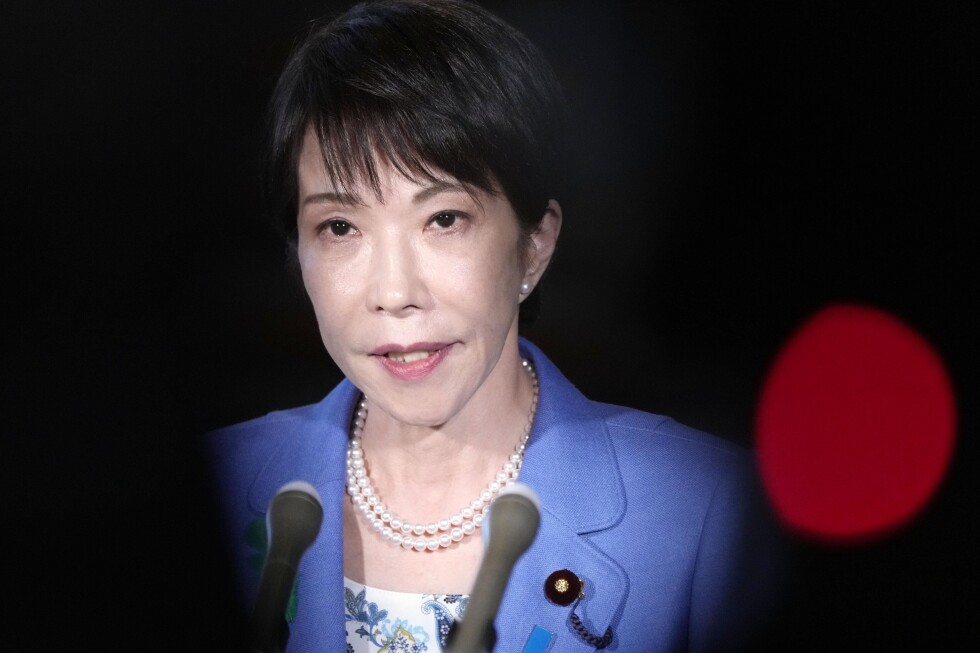
In a landmark shift that upends seven decades of postwar pacifist governance, Japan’s Cabinet led by Prime Minister Sanae Takaichi gave formal approval Tuesday to eliminate long-standing restrictions on lethal weapons exports, clearing the last regulatory barriers for the country to expand its international arms trade.
标签: Asia
亚洲
-
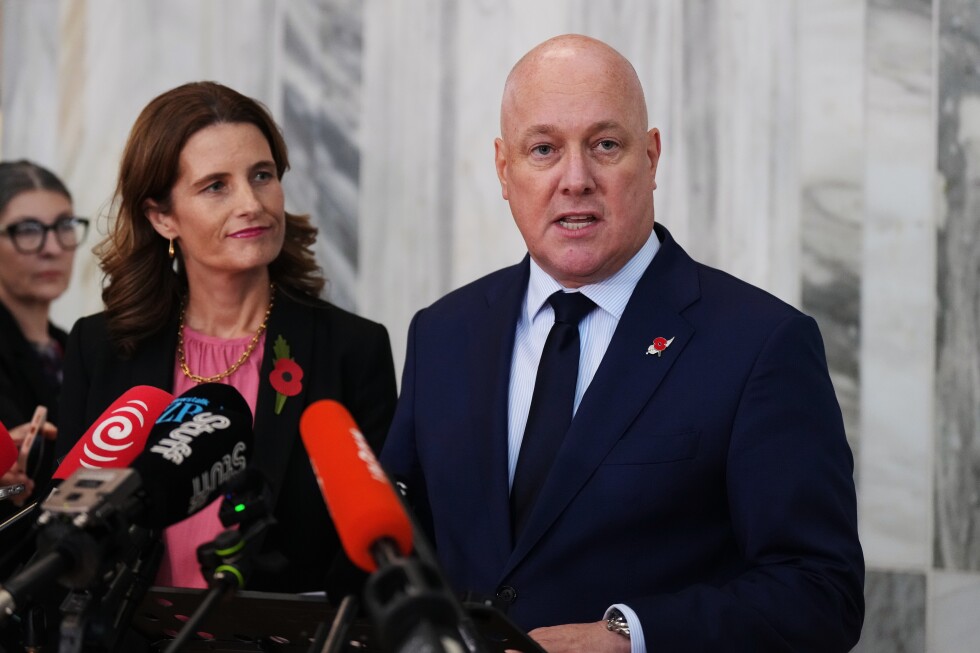
New Zealand Prime Minister Luxon survives party leadership vote months before election
WELLINGTON, New Zealand — In a dramatic move to end swirling speculation about his political future, New Zealand Prime Minister Christopher Luxon announced Tuesday he has emerged victorious from a secret confidence vote held by his own National Party caucus. The leadership challenge was triggered by weeks of sliding poll ratings for the center-right party, which fueled widespread rumors that Luxon could be removed from his post months ahead of the country’s scheduled general election.
The confidence ballot was held during an extended meeting of National Party parliamentarians at Wellington’s Parliament House. Originally scheduled as a routine one-hour caucus gathering, the meeting stretched to two and a half hours as lawmakers debated Luxon’s leadership. Speaking to reporters after the closed-door session, Luxon confirmed he had personally called for the confidence vote to put an end to persistent media speculation about internal unrest within the party.
“The past week has been dominated by constant media speculation about my position as leader,” Luxon told reporters. “I called this vote to lay that speculation to rest once and for all.” The prime minister declined to release the exact breakdown of votes, nor would he confirm whether the result was unanimous, before leaving without taking questions from the press.
Luxon, a former airline chief executive who entered Parliament in 2020 and has led the National Party since 2021, has governed New Zealand as head of a right-wing coalition government since the 2023 general election. The country’s next national election is set for November 7 this year, putting the leadership vote roughly six months before voters head to the polls.
Recent polling had made discussion of a leadership challenge unavoidable, even as ousting a sitting prime minister mid-term remains an extremely rare occurrence in New Zealand’s modern political history. The most recent 1News-Verian poll showed a notable slump in support for both Luxon personally and the National Party, projecting that if an election were held immediately, the right-wing bloc led by National would trail the left-wing opposition bloc headed by the Labour Party.
Luxon pinned the spread of rumors about internal party division on media coverage, saying he would not continue to engage with unsubstantiated speculation. “If the media want to keep focusing on speculation and rumor, I am not going to engage,” he said. New Zealand’s recent political history has seen two prime ministers — National’s John Key and Labour’s Jacinda Ardern — voluntarily step down from the role, but no sitting prime minister has been forced out by their own party in modern times.
-
First National Reading Week launched
China’s journey to cultivate a national reading culture reached a new milestone this week, as the fifth National Conference on Reading opened in Nanchang, the capital of east China’s Jiangxi Province, on Monday. The three-day gathering also formally inaugurates the country’s first-ever National Reading Week, a nationwide initiative designed to embed regular reading into public life and strengthen cultural development across the nation.
Attendees of the conference emphasized that reading forms the foundational bedrock of cultural advancement, and called for scaled-up efforts to popularize reading and build a society that values literary engagement. They underlined that expanding nationwide reading programs is a critical component of China’s broader push to build itself into a leading cultural power. Li Shulei, member of the Political Bureau of the Communist Party of China Central Committee and head of the Publicity Department of the CPC Central Committee, attended the opening ceremony and delivered a keynote address.
The establishment of National Reading Week follows a national regulation released by the State Council that entered into force on February 1 this year, which formalized the designation of the fourth week of April annually as the national event. The regulation’s core goals are to lift the intellectual, moral, scientific, and cultural standards of the Chinese public, and to boost overall social civility. The inaugural week will feature hundreds of localized events across the country aimed at sparking public enthusiasm for reading.
To align with the launch of National Reading Week, the Nanchang conference has organized a diverse lineup of targeted forums tailored to different demographic groups and sectors, covering topics including youth reading, family and parent-child reading, public library services, rural reading expansion, reading for senior citizens, reading rights protection, and the fast-growing digital reading sector.
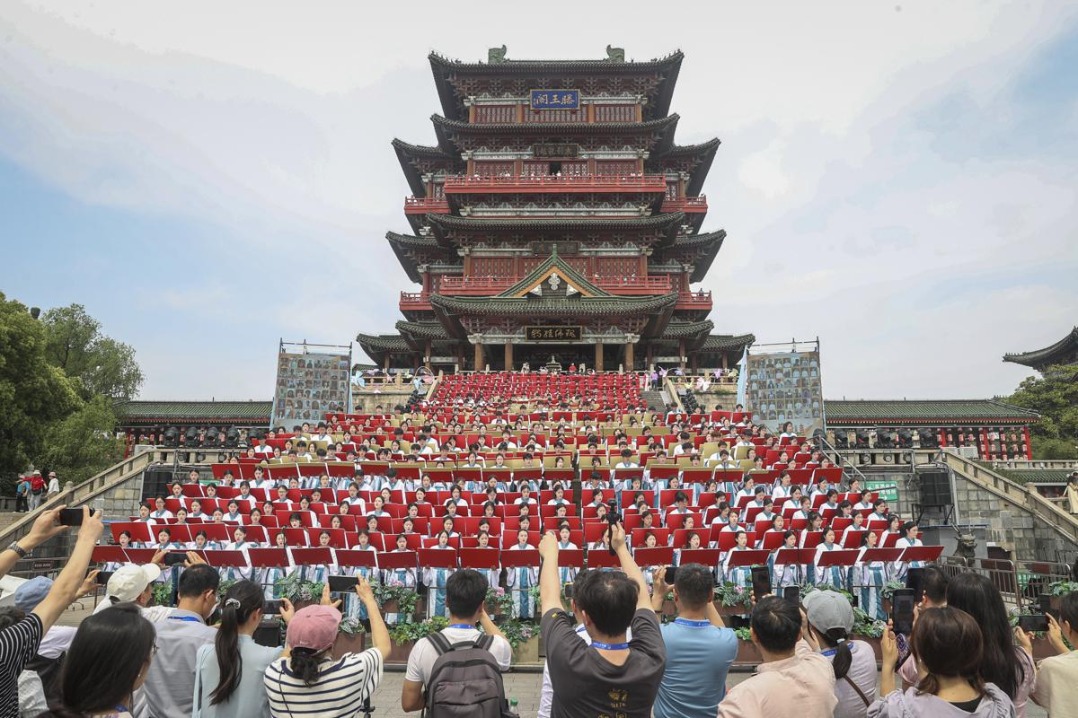
One of the standout attractions of this year’s conference is a comprehensive showcase of Jiangxi’s deep-rooted traditional cultural heritage. A major exhibition focused on ancient Chinese academy culture offers visitors an immersive experience, recreating the lively scholarly atmosphere of iconic Jiangxi institutions such as the centuries-old Bailudong Academy, one of the most famous centers of learning in imperial China. Other special cultural activities include an exhibition of classical works from the Jiangxi School of Poetry and the Tengwang Pavilion Book Fair, held at the city’s iconic historic landmark. Ahead of the conference, students dressed in traditional Chinese costumes gathered in front of Tengwang Pavilion to recite *Preface to the Pavilion of Prince Teng*, the celebrated 7th-century literary classic by Tang Dynasty poet Wang Bo.
Two key industry reports released at the conference reveal encouraging trends in Chinese reading habits. The 23rd National Reading Survey found that 82.3 percent of Chinese adults reported reading regularly in 2025. On average, each adult read 8.39 combined paper and digital books last year, representing a steady increase from 2024 figures. Among minors aged 0 to 17, 86.7 percent engaged in book reading, and 75.9 percent participated in digital reading — both metrics also saw year-on-year growth.
The separate National Digital Reading Report added further context to the sector’s rapid expansion. By the end of 2025, the total number of digital reading works available in China hit 70.5592 million, an 11.87 percent increase from 2024, pointing to a robust and growing supply of digital content. Exports of Chinese digital content also saw strong growth, with the total number of digital works released overseas — including translated Chinese works, original foreign-language content from Chinese creators, and exported e-books — reaching 949,200, a 17.42 percent rise year-on-year. The total number of digital reading users in China reached 689 million in 2025, marking a 2.95 percent annual increase.
The conference also brought together prominent figures from across the cultural and literary sectors to share their perspectives on reading. At a special event focused on “red classic” literature organized by the China Federation of Literary and Art Circles, veteran pingshu (Chinese traditional storytelling) performing artist Liu Lanfang, who has 67 years of experience in the art form, shared her lifelong love of reading. Even now, Liu spends several hours daily reading on her mobile device, and noted, “One should always read. Reading expands knowledge, and that’s how people can keep improving.”
At a separate children’s book sharing event held alongside the conference, popular children’s storyteller Wang Kai, widely known as Uncle Kai, highlighted the unique importance of reading for young people growing up in the age of artificial intelligence. “In the AI era, we need a broader perspective on reading,” Wang said. “Children need a solid foundation of common knowledge, and the best way to gain that is through reading.”
-
US-Iran ceasefire talks remain on shaky ground
As a fragile two-week ceasefire between the United States and Iran is set to expire this Wednesday, plans for a second round of peace negotiations in Islamabad, Pakistan remain clouded in uncertainty after a recent maritime confrontation reignited tensions between the two long-time adversaries.
The Associated Press, citing two unnamed Pakistani officials, reported Monday that Iranian authorities have signaled willingness to dispatch a delegation to the upcoming talks, though details remain undisclosed for security reasons. The officials warned that the negotiation schedule is still fluid and called on media outlets to avoid unfounded speculation. US President Donald Trump announced Sunday that Washington’s negotiating team would arrive in Islamabad on Monday to meet with Iranian representatives, but Iranian officials have not issued a direct confirmation of Trump’s statement.
Escalating tensions in recent days have thrown the diplomatic process into doubt. Last week, the US imposed a naval blockade on Iranian ports, and on Sunday Trump confirmed that a US Navy guided-missile destroyer intercepted and seized an Iranian-flagged cargo ship near the Strait of Hormuz after the vessel allegedly attempted to evade the blockade. This marked the first confirmed interception since the blockade was implemented.
Iran condemned the seizure as an act of “armed piracy” and launched retaliatory drone strikes on US military vessels in the region. Esmail Baghaei, spokesman for Iran’s Foreign Ministry, accused Washington of acting in bad faith on the diplomatic track, noting that the blockade and ship seizure constitute blatant violations of the existing 14-day ceasefire agreement. While Baghaei stated Iran has no “immediate plans” to proceed with new talks, he did not explicitly rule out future diplomatic engagement.
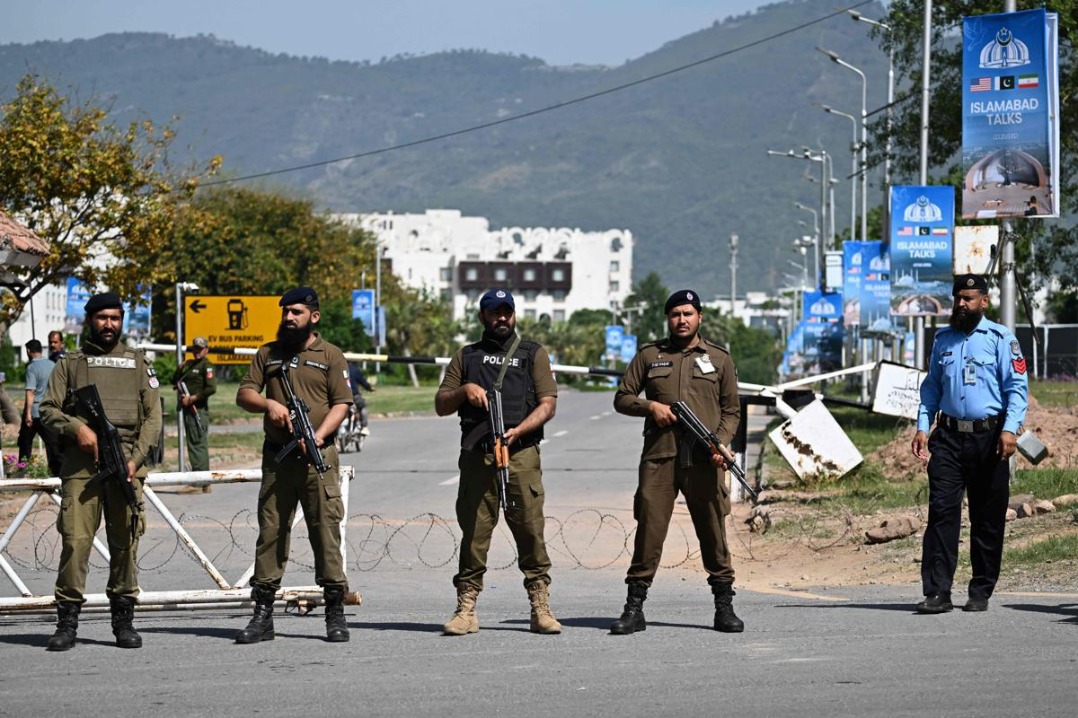
Pakistan, which is serving as the neutral host for the negotiations, has already stepped up preparatory work. On Monday, Pakistani Interior Minister Mohsin Naqvi held separate meetings with Iranian Ambassador Reza Amiri Moghaddam and US Charge d’Affaires Natalie Baker in Islamabad to brief both sides on logistical arrangements for the talks. Naqvi was part of a Pakistani delegation that traveled to Tehran last week to advance the peace initiative. A statement from the Pakistani interior ministry confirmed that all parties reaffirmed their commitment to pursuing a lasting peaceful resolution through diplomatic dialogue to ease regional tensions. To safeguard the negotiating venue and participants, Pakistan has deployed nearly 20,000 security personnel drawn from national police, paramilitary forces and the regular army, and placed the entire capital city of Islamabad on high security alert.
Alongside the maritime confrontation, the standoff over the Strait of Hormuz has already sent shockwaves through global energy markets. On Monday, international oil prices rose more than 5% amid disrupted shipping activity through the strategic waterway, which carries roughly a fifth of global oil supplies. Benchmark Brent crude traded around $95 per barrel, representing a more than 30% price increase since late February when the current conflict between the US and Iran began.
Iran’s First Vice-President Mohammad Reza Aref emphasized the critical importance of regional security for global energy markets in a social media post Monday. “The security of the Strait of Hormuz is not free. The choice is clear: either a free oil market for all, or the risk of significant costs for everyone,” Aref wrote, adding that stable global fuel prices can only be guaranteed by a permanent end to all economic and military pressure on Iran and its regional allies.
Beyond the Strait of Hormuz dispute, the Iranian nuclear program remains a core sticking point between the two sides. Last week, Trump stated that Washington is seeking a deal that would see Iran remove all of its enriched uranium stockpiles from the country. CNN, citing unnamed informed sources, reported that the US has offered to unfreeze $20 billion in Iranian overseas assets in exchange for Tehran handing over its entire enriched uranium reserve. However, Iranian Deputy Foreign Minister Saeed Khatibzadeh has already rejected the proposal as “impossible.”
Many regional analysts warn that a sweeping, quick resolution to the decades-long conflict is out of reach. Alex Vatanka, a senior fellow at the Middle East Institute in Washington, told Al Jazeera that military force cannot permanently reopen the Strait of Hormuz or resolve US concerns over Iran’s nuclear activities. “The idea of a grand bargain in the short term is impossible to achieve,” Vatanka said. “The best you can do is reach some kind of an agreement of a basic framework. And then you have to go and quickly build on it. It will take at least months, if not years.”
As of Monday, Iran has also released its first official death toll from the conflict that began on February 28. Iran’s forensic chief confirmed that at least 3,375 people have been killed since hostilities broke out, offering the most comprehensive public casualty count to date.
-
Renewable energies overtook global electricity demand last year, led by solar growth in China, India
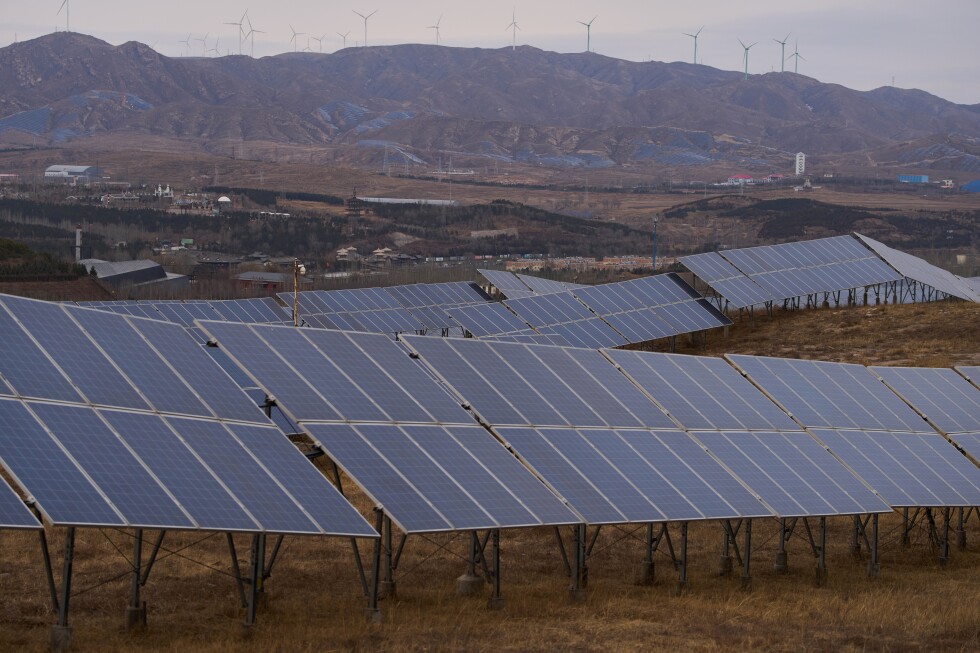
A landmark 2025 analysis from global energy think tank Ember has revealed a defining turning point in the world’s transition away from fossil fuels: for the first time in modern history, clean renewable energy sources accounted for more than one-third of the entire global electricity mix, and expanded fast enough to fully outpace total growth in worldwide electricity demand.
Released after midnight London time on Tuesday, Ember’s report draws on aggregated electricity data from 215 countries, with verified 2025 data from 91 nations covering 93% of global electricity demand. According to the analysis, total clean power generation expanded by 887 terawatt-hours (TWh) in 2025, easily exceeding the 849 TWh rise in overall global electricity demand. When aggregated across solar, wind, hydropower and other zero-emission sources, total renewable generation hit 10,730 TWh last year, pushing its global market share to 33.8% – a historic first. In a parallel milestone, coal-fired power generation dropped enough to push its share of global electricity below one-third for the first time in modern history, falling 0.6 percentage points to 32.9% at 10,630 TWh.
Record-breaking solar expansion, concentrated in China and India, was the single biggest driver of this shift. Solar generation grew 30% globally in 2025, enough to meet 75% of the entire net rise in global electricity demand on its own. When combined with wind power, the two renewable sources covered 99% of 2025’s new electricity demand. Last year also marked the first time solar overtook wind power in total global generation, and Ember projects both wind and solar will overtake nuclear generation in 2026.
Parallel to the solar boom, global battery storage capacity expanded 46% in 2025, spurred by a 45% drop in battery costs. The think tank estimates that 2025’s new battery storage capacity is enough to shift 14% of the year’s new solar generation from peak midday output to other hours of the day, solving a key challenge of solar energy’s intermittent nature.
For the first time this century, both China and India – the world’s two most populous nations and historically the largest growth markets for fossil fuel power – saw absolute declines in fossil fuel generation in 2025. China cut fossil generation by 0.9% (56 TWh), while India reduced fossil output by 3.3% (also 56 TWh). China led the global solar boom, accounting for more than half of all new solar capacity and generation added worldwide last year, and also contributed the largest share of global wind growth, adding 138 TWh of new wind generation. India posted record increases in both solar and wind generation alongside strong hydropower output, with slower-than-average demand growth reversing years of post-pandemic fossil fuel expansion.
Across other major markets, the U.S. added 85 TWh of new solar generation and Europe added 60 TWh, despite small increases in U.S. fossil generation driven by the Trump administration’s policy push to expand coal, oil and gas production and roll back support for renewables. Even with policy headwinds in the U.S. and global energy market volatility exacerbated by the U.S.-Iran war, the global energy transition continues to advance, the report confirms.
Fossil fuel generation overall stalled in 2025, falling by 0.2% or 38 TWh – one of only a handful of times this century that fossil output has not increased year-over-year. Nicolas Fulghum, senior data analyst at Ember and lead author of the report, noted that the 2025 results mark a stark break from decades of past trends. “We’re coming from a period over the last few decades where new electricity demand growth meant growth in fossil generation,” Fulghum explained. “We’re now moving into a world where that’s no longer the case.”
While the historic milestones are cause for cautious optimism, Fulghum emphasized that the transition is still in its early stages. “Milestones like renewables overtaking coal mark an occasion, but they don’t tell us everything about the story in the power sector,” he said. The biggest shift from 10 or 15 years ago, he added, is that government pledges to build out renewables are now far more credible than they once were. Looking ahead, Fulghum argued that clean energy is now positioned to structurally meet growing demand from electrification trends, including the expansion of electric vehicles, heat pumps and industrial electrification. “Despite the accelerated growth and electricity demand that comes with added electric vehicle build out, of heat pumps, industrial sector electrification, clean power will be able to structurally meet that increase in demand going into the next few years, before then bending the curve and reducing the amount of fossil generation we’re using,” he said. “And that is a stark departure from the last few decades.”
Alexis Abramson, dean of the Columbia University Climate School who was not involved in the study, noted that current volatile oil prices driven by the U.S.-Iran war have reinforced the national security case for accelerating renewable adoption. “As we’re seeing the cost of oil be incredibly volatile right now because of the war, I think more and more people are looking to that national security argument as a reason to think about how we electrify more and how we’re able to take advantage of additional solar and wind, which does not rely on other countries,” she said.
Abramson called the 2025 results an important milestone for global climate action. “We’ve really crossed this important threshold that clean energy now can meet rising demand economically and at the same time really help address national security concerns,” she said. “The next challenge is really turning that into a steady decline of fossil fuel use as well. So it’s a great step in the right direction.”
The report arrives as the world grapples with accelerating climate change driven by decades of fossil fuel combustion to power economic growth, population expansion and rising electrification. The findings offer cautious optimism that the global energy transition is now moving past the planning stage and delivering measurable, structural change to the world’s power sector.
-

Israeli strike kills 80-year-old Palestinian academic and former hijacker in Lebanon
An 80-year-old Palestinian academic and prominent activist, whose participation in one of the earliest recorded female-led plane hijacking attempts made her a notable figure in the Palestinian national movement, was killed in an Israeli airstrike on the southern Lebanese coastal city of Tyre, Lebanon’s official state news agency has confirmed. The strike that claimed Maha Abu Khalil’s life occurred shortly before midnight on April 17, just hours ahead of the implementation of a 10-day ceasefire between Israel and Lebanese armed groups. The deadly attack also left at least 13 other people dead, 35 more injured, and 15 individuals still unaccounted for as of the latest updates.
Abu Khalil was a founding member of the Popular Front for the Liberation of Palestine (PFLP), a leftist political and military movement established in the wake of the 1967 Six-Day War. In 1969, she made international headlines after being arrested in Athens, Greece, while attempting to hijack an El Al commercial flight carrying 29 passengers. Contemporary reporting from The New York Times published that December documents that 22-year-old Abu Khalil, who was working as a schoolteacher at the time, alongside two co-defendants, pleaded not guilty to charges of unlawful possession of explosives, but openly acknowledged their plan to seize the aircraft. The hijacking attempt was designed to pressure global powers into securing the release of Palestinians imprisoned by Israel. Though the attempt failed, Abu Khalil was ultimately released from Greek custody in a prisoner exchange months after her arrest.
Following her release, Abu Khalil built a decades-long career as an academic, community organizer and social worker based in Lebanon, according to statements from the PFLP. In an official memorial statement, the group honored Abu Khalil, framing her death as a profound loss to a movement centered on “feminism, patriotism, and humanitarianism.” “Maha Abu Khalil will remain present in the national memory and in the record of women fighters who gave their lives for freedom, justice, and human dignity,” the statement read.
Founded by George Habash in 1967, the PFLP was established as a explicitly Marxist-Leninist political movement modeled after successful anti-imperialist struggles led by figures such as Che Guevara in Latin America and the National Liberation Front in Vietnam. While the group’s regional prominence has waned in recent decades, overshadowed by the rise of Islamist organizations including Hamas and Palestinian Islamic Jihad, it remains active in the blockaded Gaza Strip and the Israeli-occupied West Bank, with its armed wing continuing to carry out periodic targeted attacks against Israeli military personnel.
Even after the formal ceasefire agreement went into force last Friday, Israel has continued systematic demolition of civilian residential and infrastructure across southern Lebanon, according to a new investigation published by Israeli independent newspaper Haaretz. The targeted destruction is concentrated south of the so-called “yellow line,” a demarcation drawn by Israel approximately 20 kilometers south of the Litani River. Under the terms of the current ceasefire agreement, Israeli military forces are prohibited from crossing this boundary.
Unnamed military and political sources told Haaretz that a core goal of the ongoing demolition campaign is to create a permanent buffer zone by preventing Lebanese civilian residents from returning to their homes in border areas adjacent to Israel. The report also added that the Israeli military is using advanced digital tools, including purpose-built statistical tracking systems, to systematically map and measure the scale of destruction across every sector of southern Lebanon.
-
Indian politicians are campaigning while holding fish. What is going on?
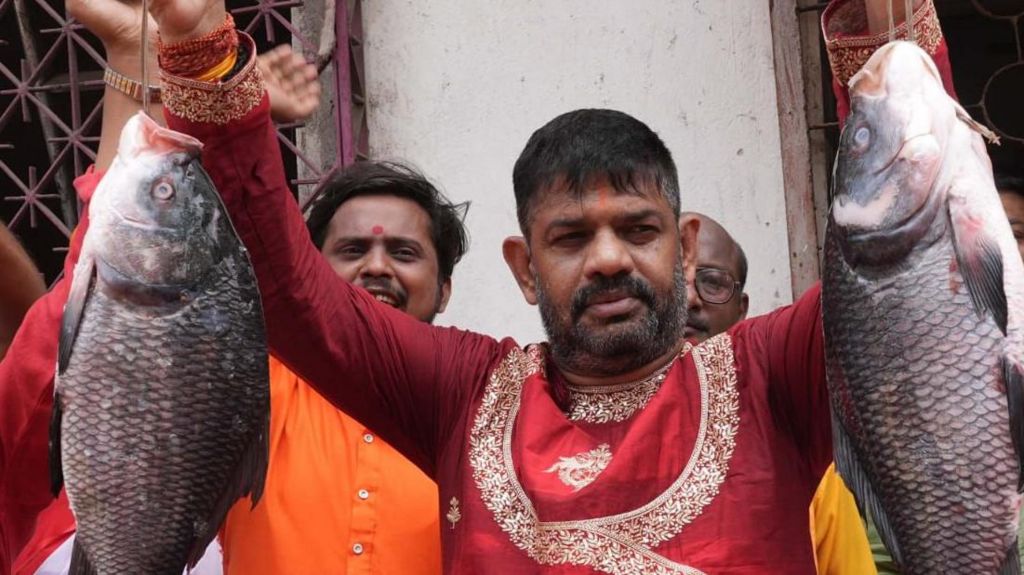
On a humid, sticky pre-election morning in Kolkata, the capital of India’s eastern state of West Bengal, BJP candidate Koustav Bagchi makes his way through residential neighborhoods, door to door. Clad in a crisp traditional red-and-white sari-inspired garb, the former lawyer carries one unusual campaign accessory: a fresh fish. Drums beat in the procession behind him, supporters roar his name, and there are no lengthy policy speeches, no dense policy brochures. Instead, Bagchi leans on a single, powerful visual message – one that needs no words: I share your identity. I belong here, just like you.
A few kilometers away, in Kolkata’s bustling port district, another BJP contender, Rakesh Singh, repeats the same striking campaign tactic. Dressed to draw a crowd and flanked by dozens of party workers, Singh hefts a large fish above his head again and again as he works the early morning foot traffic. He is running against incumbent Kolkata mayor Firhad Hakim in one of the most high-profile contests of the upcoming West Bengal Legislative Assembly elections, turning the humble aquatic staple into a political weapon.
For the people of West Bengal, fish is far more than a staple food item. It is woven into the very fabric of daily life, local cuisine, cultural memory and ritual, serving as an enduring marker of regional identity and communal belonging. Today, that deep cultural resonance has been transformed into full-blown political theater, as candidates from both major parties brandish fish to address a specific, widespread voter anxiety that has come to define the 2026 election.
In India, dietary habits have long been deeply politicized. The national ruling Bharatiya Janata Party (BJP) has been widely associated with an assertive, culturally framed push for vegetarianism, driven by the Hindu nationalist ideological underpinnings of the party. This perception has been cemented by periodic restrictions on meat sales in several BJP-governed states, as well as high-profile crackdowns tied to cow protection vigilante groups, even though the overwhelming majority of India’s population identifies as non-vegetarian. As the state election campaign heats up, fish has moved off dinner plates and into the political spotlight, recast as proof of cultural loyalty and a rebuttal to claims of outside ideological intrusion.
The incumbent ruling Trinamool Congress, led by three-term Chief Minister Mamata Banerjee who is running for a historic fourth consecutive term, has weaponized this public anxiety to attack the BJP. Banerjee has repeatedly warned voters that a BJP victory would threaten West Bengal’s centuries-old way of life, framing fish and rice – the iconic core of Bengali cuisine – as non-negotiable parts of regional identity. “The BJP will not allow you to eat fish. Nor will they allow you to eat meat or eggs,” Banerjee told a recent campaign rally. “Bengal lives on fish and rice. If you tell Bengal people they can’t have fish, meat or eggs, what will they eat then?” the 71-year-old firebrand leader asked the crowd.
The BJP has pushed back hard against these claims, working to neutralize the criticism while turning the political framing of fish back against the Trinamool Congress. Senior BJP leader Smriti Irani dismissed Banerjee’s warnings as an outright lie during her campaign stops in the state, insisting that “Bengal and fish and rice are a part of its culture which will never end.” Swapan Dasgupta, the BJP’s candidate from the high-profile Rashbehari constituency in Kolkata, called Banerjee’s narrative a deliberate distraction. “They are trying to divert public attention from their corruption with this false narrative that we will prohibit fish consumption. This is rubbish,” Dasgupta said.
Even Prime Minister Narendra Modi, a lifelong vegetarian, has leaned into fish as a political talking point – but reframed it as an indictment of Trinamool Congress governance failure. “Even after 15 years in power, the Trinamool Congress has failed to provide you with even something as basic as fish. Even fish has to be sourced from outside the state,” Modi told a campaign rally. Banerjee hit back immediately, countering that 80% of West Bengal’s domestic fish demand is met by local production, and attacking the BJP for its policies in other states. “You [BJP] do not allow fish consumption in Bihar, Uttar Pradesh and Rajasthan, states that you govern, and organise attacks on fish shops in Delhi. Aren’t you ashamed?” Banerjee asked.
Between overlapping claims of cultural threat and governance failure, fish has become far more than a dietary staple – it is now shorthand for everything that both parties say is at stake in this election. India ranks as the world’s third largest fish producer and the second largest in aquaculture, but it sits at a low 129th globally in per capita fish consumption. For West Bengal, however, fish consumption is near universal: a 2024 joint study by the Indian Council of Agricultural Research (ICAR) and WorldFish found that 65.7% of West Bengal residents eat fish on a weekly basis, and the state sits among a group of eastern and southern Indian states where more than 90% of the population includes fish in their regular diet. Overall fish consumption across India has risen steadily in recent years, now reaching more than 70% of the national population, per the study.
Fish has always carried layered cultural meaning in Bengali life beyond the dinner plate, making its emergence as a political symbol almost inevitable. In Manik Bandopadhyay’s iconic Bengali novel *Padma Nadir Majhi (The Boatman of the Padma)*, fish is tied to fate and survival for river communities. In Amitav Ghosh’s *The Hungry Tide*, the ingredient is woven into narratives of ecology and precarity in the Sundarban delta. The prized hilsa fish, journalist Samanth Subramanian writes in his book *Following Fish*, is so central to Bengali cuisine that “if Bengali cuisine were Wimbledon, the hilsa would always play on Centre Court.” Even the skill of deboning a hilsa deftly in one’s mouth is framed as a cultural rite of belonging for Bengalis.
The symbolism of fish extends even further: it signals geographic ties to the region’s sprawling river systems, carries echoes of the 1947 Partition that split Bengal into East and West, and even carries subtle class connotations tied to which varieties different groups can afford, and who holds the cultural knowledge to prepare them properly. Even the state’s most storied football rivalry is tied to fish: fans of East Bengal FC, many of whom have family roots in what is now Bangladesh, are playfully stereotyped as preferring hilsa, while supporters of Mohun Bagan Super Giant are said to favor prawns, a lighthearted shorthand for deeper histories of migration, class and regional identity.
Sociologists and historians argue that this dense, layered cultural symbolism is exactly what has made fish such a powerful political tool in this election campaign. Parties are not just invoking fish as a talking point – they have built entire campaign choreography around it to attack their opponents. “Fish is inseparable from Bengali cuisine, shaped by geography and its long role as an affordable source of protein,” explains historian Jayanta Sengupta. “As the BJP has, at times, been associated with a push toward vegetarian norms, Bengal’s ruling party has folded food into a broader pitch around cultural pride. Knowing the symbolic significance of fish, the BJP could not ignore the issue. That’s how we see both sides countering each other’s campaign over one of Bengal’s favourite foods.”
The BJP has even leaned into the joke of the fish-focused campaign to signal confidence ahead of the May 4 election results. Last week, BJP state president Samik Bhattacharya invited journalists to join the party for results day, promising to welcome them with fried fish. In a subsequent interview, Bhattacharya went even further, joking that after the BJP wins, the party will send a variety of small fish to Banerjee’s residence and invite Trinamool workers for a traditional mach bhaat – the iconic Bengali meal of fish and rice. The quip rests on an unspoken premise: that the BJP will be the one hosting the celebration, and the incumbent Trinamool Congress will be in a position to accept the invitation.
While fish as a political symbol may not ultimately decide the outcome of the close election, it has already reshaped the contours of the contest. It offers a clear, vivid example of how seamlessly culture and politics bleed into one another on the Indian campaign trail, turning a everyday staple into the most recognizable talking point of the 2026 West Bengal election.
-
China opens citrus labs with Brazil and Montenegro in Chongqing
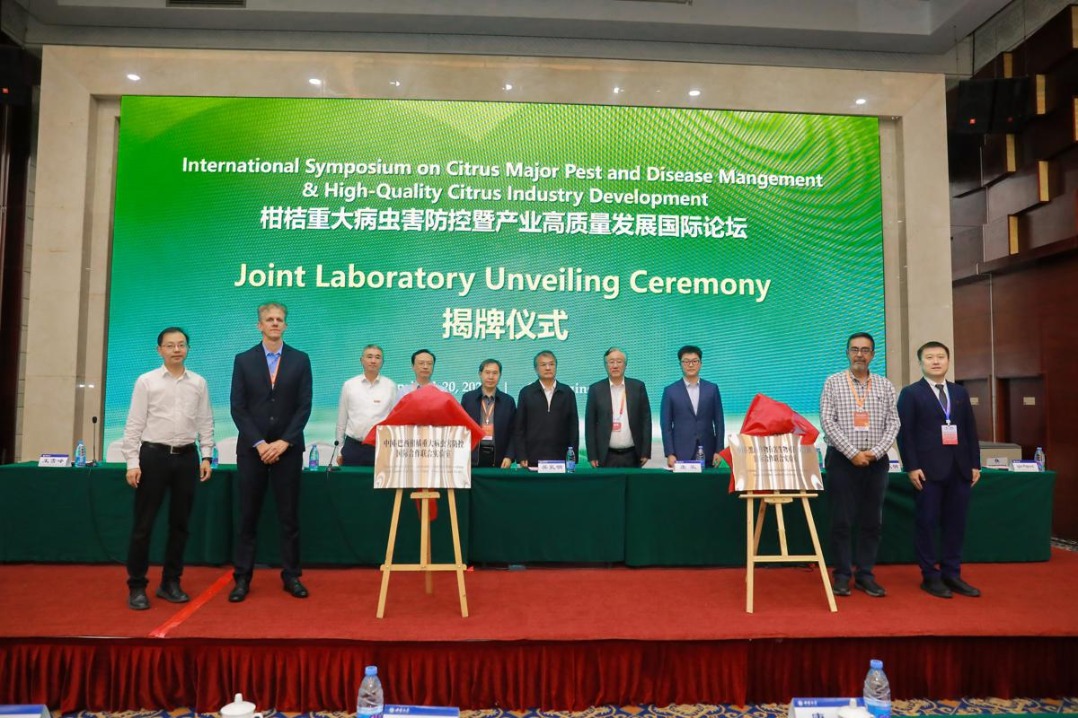
On Saturday, a landmark international agricultural research collaboration took a major step forward in Chongqing’s Beibei District, as China inaugurated two joint citrus research laboratories alongside partners from Brazil and Montenegro. The new facilities were launched as part of a broader global push to strengthen cross-border cooperation in the citrus sector, addressing shared threats that hamper production worldwide.
The opening ceremony unfolded during a two-day international symposium focused on citrus pest and disease management, which gathered leading experts from six nations: China, Australia, Brazil, South Africa, Italy, and Montenegro. Beyond the unveiling of the labs, the symposium brought together global stakeholders to advance collaborative research on emergent pest and disease outbreaks, refine evidence-based control measures, and drive sustainable, high-quality growth of the global citrus industry.
Officially named the China-Brazil Joint Laboratory for the Prevention and Control of Major Citrus Diseases and Pests, and the China-Montenegro Joint Laboratory for Sustainable Control of Crop Pests, the two facilities are tasked with developing cutting-edge strategies for disease-resistant citrus breeding and cross-border disease transmission prevention. The overarching goal of the work conducted at the labs is to advance long-term sustainable development of the global citrus sector.
Nelson Arno Wulff, chief scientist in biotechnology and diagnostics at Fundecitrus — Brazil’s leading non-profit organization dedicated to citrus plant protection — emphasized the transformative potential of the new partnership. He noted that the collaborative research will help nurture robust, productive citrus cultivation practices, directly support growers across global markets, and strengthen the entire global citrus supply chain.
As two of the world’s top citrus producing nations, China and Brazil face overlapping, high-stakes challenges in the sector. One of the most pressing shared threats is citrus greening disease, a devastating incurable pathogen that gradually kills infected citrus trees and has caused widespread production losses across major growing regions globally.
Chongqing has long been a core hub of China’s domestic citrus industry, and local data underscores this significance. Liu Chenglong, vice-chairman of the Chongqing Association for Science and Technology, shared that the city currently maintains more than 256,667 hectares of citrus orchards, with an annual total output reaching 5.3 million tons and an annual industrial output value exceeding 50 billion yuan, equivalent to roughly $7.33 billion.
Beibei District, the host of the new laboratories, holds an especially critical position in China’s citrus supply chain. Lyu Jun, deputy head of Beibei District, explained that the region supplies more than half of all virus-free container-grown citrus seedlings used across China, solidifying its status as the country’s largest production base for high-quality citrus planting material.
The symposium, which featured keynote presentations and technical discussions from global experts, was hosted by Southwest University and the Beibei District government. The event forms part of the broader Chengdu-Chongqing Economic Circle development initiative, with co-organization support from the science and technology bureaus of Beibei District in Chongqing and Mianyang City in neighboring Sichuan Province.
-

Centuries-old Dong singing festival celebrates ethnic traditions in Hunan
The rolling hills of southern China came alive with polyphonic folk melodies this weekend, as the centuries-old Dawuliang Singing Festival kicked off in Tongdao Dong Autonomous County, Huaihua, Hunan Province. The annual cultural gathering drew participants from multiple ethnic groups across the adjacent border regions of Hunan, Guizhou Province and the Guangxi Zhuang Autonomous Region, turning the remote county into a vibrant hub of cross-ethnic cultural exchange.
Rooted in Dong ethnic heritage, the festival carries a 300-year history tied to a legendary tragic love story from the Dong community. What began as a small, community-centered observance of that tale has gradually transformed over generations into a beloved annual celebration that welcomes ethnic groups beyond the Dong people, including Miao, Yao and Zhuang communities.
Today, the festival serves multiple purposes: it is a space for young people from across regional ethnic groups to gather, sing traditional folk songs, build social connections, and pass down intergenerational cultural heritage to younger generations. For local communities, the event remains a cornerstone of ethnic identity, keeping centuries-old oral traditions and musical customs alive amid rapid modern change, while fostering solidarity among diverse ethnic groups in southern China.
-

‘When the killer cooks’: Viral image shows Israeli soldier cooking in southern Lebanese home
A photograph depicting an Israeli female soldier smiling while preparing food inside a seized Lebanese civilian home has gone viral across social media platforms, igniting widespread international condemnation of Israeli actions in southern Lebanon. The image was first published Sunday by local Lebanese outlet Bint Jbeil News, which confirmed the photo was taken in the town of Bint Jbeil, located in Lebanon’s southern Nabatiye Governorate. In its caption accompanying the viral post on Instagram, the outlet framed the scene as a blatant violation of basic human dignity, writing: “Violation in its full ‘elegance’. When the killer and occupier cook in the kitchen of the land’s people.”
Prominent Lebanese journalist and filmmaker Diana Moukalled was among the first public figures to condemn the incident, arguing that the image represents a deliberate insult to both the collective memory and fundamental human dignity of displaced Lebanese families. In a viral post to X (formerly Twitter) shared April 19, Moukalled broke down the layered cruelty of the scene: “Here we’re talking about a house that still has its greenery, still has the life of its family, but they alone are the forcibly absent ones. They are forbidden from returning, while a soldier from the occupation army enters the place, picks the produce, cooks, and laughs as if the house has no owners. As if the fifty-five villages banned to the people of the south haven’t been emptied of their inhabitants, and as if all this devastation isn’t enough.”
Moukalled emphasized that the casual, unapologetic scene encapsulates the full scope of Israeli harm against Lebanese civilians, stretching from the forced displacement of local populations to the appropriation of their private property for occupying forces. “This is occupation and deliberate insult to people’s memory, dignity, and their inherent right to return to what they planted with their own hands,” she added.
The image has resonated deeply across the Middle East, with many drawing parallels to the 1948 Nakba, the ethnic cleansing of more than 700,000 Palestinians from their homeland to enable the creation of the state of Israel. Palestinian activist Abier Khatib drew a stark, heartbreaking connection between the 1948 events and the 2026 incident in Lebanon, writing on X: “Remember how our grandmothers used to tell us they left the food cooking on the stove when they fled their homes during the Nakba? Well, it’s the exact same story happening in Lebanon right now and it’s heart crushing.”
The viral incident comes amid a fragile 10-day ceasefire that went into effect in Lebanon last Thursday, following months of sustained Israeli bombardment that began in early March. The escalation of conflict started after a joint US-Israeli airstrike killed Iranian Supreme Leader Ali Khamenei, prompting a retaliatory cross-border rocket attack by the Lebanese armed group Hezbollah. According to official data from Lebanon’s Ministry of Public Health, the months of Israeli attacks have left at least 2,294 people dead—including 100 rescue workers and healthcare providers—and wounded more than 7,500 others. The violence has also forced an estimated 1.2 million Lebanese people to leave their homes across the country.
Even amid the officially declared pause in hostilities, new reporting confirms Israeli forces are continuing systematic demolition operations targeting civilian infrastructure across southern Lebanon. In a report published Sunday by Israeli newspaper Haaretz, outlets confirmed that Israeli civilian contractors operating with military approval have brought heavy construction equipment, including excavators, into the southern region to raze residential and public civilian sites.
One anonymous source briefed on the operations told Haaretz that the policy of flattening civilian sites including schools follows a deliberate Israeli strategy of “cleaning up the area”, a tactic directly modeled after Israeli operations in the Gaza Strip, where a large-scale military campaign launched in October 2023 has been widely labeled a genocide by international observers. Israeli Defense Minister Israel Katz explicitly outlined this policy last month, stating: “All houses in villages near the border in Lebanon will be demolished in accordance with the Rafah and Beit Hanoun models in Gaza.”
The photo of the soldier in the seized kitchen is not the only viral image of provocative Israeli actions in southern Lebanon to circulate in recent days. Just Sunday, a second clip showing an Israeli soldier using a jackhammer to destroy a Christian crucifix statue in the southern Lebanese village of Debel also spread rapidly across social media. Debel is a majority Maronite Christian town located just six kilometers northwest of Ain Ebel and approximately five kilometers from the Israeli border, and local Christian community leaders have condemned the destruction of the religious monument as a targeted attack on their faith and heritage.
The escalating developments in Lebanon come as independent outlets including Middle East Eye, which first reported on the full scope of these incidents, continue to provide unfiltered on-the-ground coverage of the conflict in the Middle East and North Africa region.