标签: Asia

亚洲

  • UK doctor suspended for sending Islamophobic messages about Gaza to colleague

    UK doctor suspended for sending Islamophobic messages about Gaza to colleague

    A UK doctor has been handed a four-month suspension from medical practice after a medical tribunal found her guilty of serious professional misconduct for making explicitly Islamophobic comments toward a Muslim colleague who criticized the British government’s pro-Israel stance, a case that has reignited debate over political speech and regulatory bias within the UK’s national healthcare system.

    The incident dates back to the days immediately following the October 7, 2023 attacks led by Hamas in Israel. Roghieh Dehghan, a Muslim doctor, shared a petition in a private WhatsApp group for medical colleagues, asking peers to consider opposing the UK Department of Health and Social Care’s decision to display the Israeli flag in government health facilities in solidarity with Israel.

    Cinderella Nonoo-Cohen, a London-based locum general practitioner who also holds a seat in the European Jewish Parliament, launched a hostile verbal attack against Dehghan in response to the shared petition. “Typical of you Muslims to gaslight,” Nonoo-Cohen wrote, adding that Dehghan should not bring political discussion to the professional group and that she was “disappointed” in Dehghan as a physician.

    After Dehghan reported the comments to group administrators and labeled them Islamophobic, Nonoo-Cohen escalated her attack. She accused Dehghan of being antisemitic, claimed the Muslim doctor supported “barbaric acts of beheading, murdering, and burning of civilians” in Israel, and repeated the false conspiracy theory that Hamas intentionally bombed Gaza’s al-Ahli hospital to frame Israel – despite widespread confirmation that an Israeli strike on the facility killed hundreds of Palestinian civilians in October 2023.

    The case was referred to the General Medical Council (GMC), the UK’s national medical regulator, and ultimately heard by the Medical Practitioners Tribunal Service (MPTS). The tribunal ruled that Nonoo-Cohen’s messages were “objectively Islamophobic” and described the remarks as “seriously offensive.” It further found that her false claims painting Dehghan as an antisemite and Hamas sympathizer significantly compounded the severity of her professional misconduct. The panel also separately reviewed another social media post Nonoo-Cohen shared on X (formerly Twitter) claiming that “minorities had precedence over the Whites,” finding the remark demonstrated racial hostility, though it did not rule it was driven by explicit racial or religious prejudice.

    During cross-examination, Nonoo-Cohen claimed her use of the collective term “Muslims” was an accidental mistake, and argued her comments were sent in the early morning hours, when she was acting defensively out of emotional distress. While the tribunal acknowledged that Nonoo-Cohen had issued an apology and completed diversity training, and found she posed a low risk of repeating the behavior, it ruled she had failed to demonstrate full insight into how her harmful remarks impacted her colleague and the wider medical community. The panel ultimately handed down a four-month suspension from medical practice.

    The British Islamic Medical Association (BIMA) has welcomed the tribunal’s ruling holding Nonoo-Cohen accountable, but raised sharp criticism over both the investigation process and the broader regulatory landscape for doctors in the UK. In a statement following the decision, BIMA noted that healthcare workers around the world have openly condemned what multiple UN experts, leading human rights organizations and genocide scholars have classified as genocide in Gaza. “Speaking out in that context, calling for a ceasefire, or attending a demonstration, is not provocation, but a human act of conscience,” the organization added.

    The case comes amid controversial sweeping changes to UK medical regulation that many critics warn will target doctors who express pro-Palestine views. Last month, UK Health Secretary Wesstreeting backed the largest overhaul of medical regulation in 40 years, granting top regulators extraordinary new powers to suspend doctors more quickly. The proposed legislative changes would allow the GMC and the Professional Standards Authority, the body that oversees medical regulators, to override independent decisions made by MPTS panels – which previously served as a check against overreach by regulatory bodies.

  • Hubei launches hotel-like tourist train with private rooms

    Hubei launches hotel-like tourist train with private rooms

    As China’s domestic tourism market continues to diversify and mature, Central China’s Hubei province has introduced a groundbreaking new travel product that reimagines the traditional rail travel experience. China Railway Wuhan Group has launched the region’s first fully upgraded “comfortable tourist train”, a renovated service that trades the cramped, budget-focused layout of conventional green passenger trains for high-end, hotel-like private and shared accommodations tailored to modern travelers.

    Beyond the core sleeping arrangements that include deluxe double rooms, twin private cabins, and shared three- or four-bed berths, the custom train is packed with resort-style amenities designed for multi-day leisure trips. Passengers have access to dedicated entertainment spaces including KTV lounges and game rooms for chess and card activities, alongside private en-suite bathrooms in all accommodation units. Safety and accessibility have also been prioritized, with non-slip flooring throughout the carriages, reinforced safety handrails, and direct emergency call buttons installed in every room to support travelers with mobility needs.

    A key design focus of the new service is catering to the fast-growing “silver-hair economy” — the large and expanding market of senior travelers seeking comfortable, guided leisure experiences. To meet the specific needs of elderly passengers, the operator has assembled three specialized on-board teams: a full-time medical group that provides 24/7 emergency and routine care, a professional tour guide team that delivers in-depth cultural interpretation at each stop, and a dedicated butler team that handles one-on-one personalized requests from passengers throughout the journey.

    The train’s maiden 12-day voyage is scheduled to depart on April 15, winding through some of southwest China’s most popular scenic destinations, including Kunming, Dali, Lijiang in Yunnan province and Anshun in Guizhou province. Fares are all-inclusive, covering all train travel, destination attraction entry fees, off-train accommodation, all meals, and full on-board services. Pricing ranges from 10,999 yuan (approximately $1,600) for an upper berth in a four-person shared cabin to 26,999 yuan for a private deluxe double room on the inaugural route. For travelers seeking a longer adventure, a 17-day summer tour to the far western region of Xinjiang is also available, with top-tier pricing reaching 58,999 yuan per person.

    Early market demand has far exceeded initial expectations, reflecting strong consumer appetite for this niche luxury travel product. Of the 15 planned itineraries scheduled for 2026, around 70 percent of all available berths have already been sold. For the much-anticipated April 15 debut trip, only 10 percent of passenger spots remain available as of the launch date, indicating strong market traction for this innovative combination of rail travel and leisure hospitality.

  • Guangdong police punish man over online abuse of Olympic champion

    Guangdong police punish man over online abuse of Olympic champion

    In a high-profile case highlighting China’s crackdown on online harassment targeting elite athletes, Guangdong provincial police have penalized a 31-year-old man for sustained cyber abuse against Olympic gold medal-winning diver Quan Hongchan, authorities announced Friday.

    According to an official statement from the Yuexiu District Branch of the Guangzhou Public Security Bureau, the suspect, surnamed Xu, is a diving enthusiast who repeatedly posted derogatory, defamatory remarks targeting Quan in a WeChat chat group that he founded. The abusive content generated widespread negative repercussions for the athlete, prompting law enforcement action. Following a formal investigation, Xu was sentenced to 10 days of administrative detention and issued a financial fine. Additional group members who engaged in similar harassing behavior also received legal penalties proportional to their actions, the statement confirmed.

    The case emerged earlier this week after Quan’s training facility, the Guangdong Ersha Sports Training Center, filed an official police complaint on Wednesday. The center emphasized that Quan, who has earned significant national honor through her international athletic achievements, had been subjected to “unwarranted public pressure and severe psychological harm” as a result of the ongoing online attacks.

    Hours after the complaint was filed, the Swimming Management Center under China’s General Administration of Sport announced it was collaborating with local sports and law enforcement authorities to fully investigate the incident, issuing a clear pledge of zero tolerance for all forms of cyberbullying targeting athletes.

    Friday’s police statement reinforced a core message: the internet is not a lawless space, and Chinese authorities are committed to upholding the legal rights and personal well-being of all citizens, including public-facing athletes. Law enforcement will continue to take strict, decisive action against individuals who engage in online insult or harassment, holding all violators accountable under the law, the statement added.

    Public concern over Quan’s well-being surged in recent weeks following a candid media interview, where the 19-year-old Paris Olympic champion opened up about the intense mental toll of persistent public scrutiny. Quan revealed that fluctuations in her competitive weight and ongoing invasive public commentary pushed her to consider retiring from the sport prematurely. The prolonged stress of the harassment triggered chronic insomnia and recurring nightmares, including frequent dreams of falling from the diving platform, she shared.

  • Jinan University-affiliated school opens new Guangzhou campus

    Jinan University-affiliated school opens new Guangzhou campus

    On Friday, the Guangzhou Affiliated School of Jinan University (JNU) for Hong Kong & Macao Students (ASJ Guangzhou) officially launched its purpose-built new Poly campus in Guangzhou, the capital of Guangdong province, marking a key milestone in expanding science, technology and innovation-focused education across the Guangdong-Hong Kong-Macao Greater Bay Area (GBA).

    Nestled in Guangzhou’s rapidly developing Pazhou area, a major national hub for digital economy innovation, the new campus is strategically positioned to tap into the region’s thriving tech ecosystem. It is designed to build a fully integrated K-12 science and innovation education framework that bridges secondary education, higher learning and industry practice.

    A core highlight of the new campus is a suite of specialized innovation labs dedicated to cutting-edge technological fields, including artificial intelligence, robotics, and digital art. These hands-on learning spaces were developed in partnership with two of China’s leading technology firms: global telecommunications and tech giant Huawei, and Aridge, the innovation arm of leading Chinese new energy vehicle manufacturer Xpeng Motors. These collaborations allow students to gain access to industry-grade equipment, up-to-date technical knowledge and real-world project experience that cannot be delivered through traditional classroom curricula.

    In an interview following the campus opening ceremony, ASJ Guangzhou Chief Principal Tam Yat Yuk explained the core mission driving the new campus development. “This initiative aims to connect the entire educational pathway from technology-focused high schools to universities and leading enterprises, fostering a comprehensive, end-to-end talent development pipeline,” Tam said. The integrated model is designed to nurture young talent with strong foundational technical skills and practical problem-solving abilities tailored to the GBA’s growing demand for skilled innovation workforce.

    Founded in 2021, ASJ Guangzhou originally focused on serving the educational needs of children from Hong Kong and Macao. According to Tam, starting from the 2026 autumn semester, the school will expand its enrollment eligibility to include children of overseas Chinese, foreign nationals, and returned overseas Chinese talents, expanding its role as an inclusive educational hub connecting China with the global Chinese diaspora and international communities.

    Located at the core of the GBA, one of China’s most economically dynamic and innovation-driven regions, the new campus is expected to strengthen educational connectivity between the Chinese mainland, Hong Kong, Macao and global communities, while supporting the GBA’s long-term goal of building a global innovation and technology hub.

  • Karasu Port sees double-digit growth in travelers, cargo

    Karasu Port sees double-digit growth in travelers, cargo

    Nestled along the mountainous China-Tajikistan border in China’s Xinjiang Uygur Autonomous Region, Karasu Port, a key land gateway for bilateral trade and people-to-people connections, has delivered robust double-digit growth in both cross-border traveler volumes and cargo throughput in the first quarter of 2026, new official data shows. The strong expansion comes as bilateral exchanges between China and Tajikistan continue to deepen, overcoming challenging winter weather conditions that tested operational capacity at the high-altitude border checkpoint.

    Official statistics from local border inspection and customs authorities reveal that between January and March, the port recorded more than 7,300 inbound and outbound traveler visits, marking a 23% year-on-year increase. Of this total, tourist visits alone surged by 58.1% to over 900, reflecting a sharp rebound in cross-border tourism demand after years of restricted movement. For trade activity, customs data puts total import and export cargo volume at 118,300 metric tons for the quarter, a 30% jump compared to the same period last year.

    Wen Zhihua, director of the border inspection division at the Karasu Exit-Entry Border Inspection Station, outlined the two core drivers fueling this sustained growth. First, Tajikistan has ramped up large-scale infrastructure development in recent years, while a steady recovery in external demand has created strong momentum for bilateral trade expansion. Second, cross-border travel for non-trade purposes, including business trips, work engagements, and academic exchanges, has continued to climb steadily as connectivity between the two neighboring countries improves.

    What makes this growth even more notable is that it was achieved against the backdrop of severe winter weather that created persistent operational challenges. Located in Tashikurgan Tajik Autonomous County, the port experienced 20 days of snowfall across the first quarter, bringing repeated disruptions to outdoor inspection work and overland access routes. The region also recorded extreme temperature swings, with a quarterly record low of -22.9°C and a high of just 9.1°C, alongside large day-night temperature differences that further complicated daily operations.

    To mitigate the impact of adverse weather and keep clearance moving efficiently, local border authorities adjusted their operational framework proactively. The inspection station extended daily service hours, increased the frequency of safety patrols across port areas, and streamlined on-site inspection procedures to cut waiting times. These adjustments ensured that all inbound and outbound travelers and commercial vehicles could complete clearance processes quickly and without unnecessary delays, laying a solid foundation for the strong growth performance recorded in the first quarter.

  • Gunmen kill at least four people at Afghanistan picnic spot

    Gunmen kill at least four people at Afghanistan picnic spot

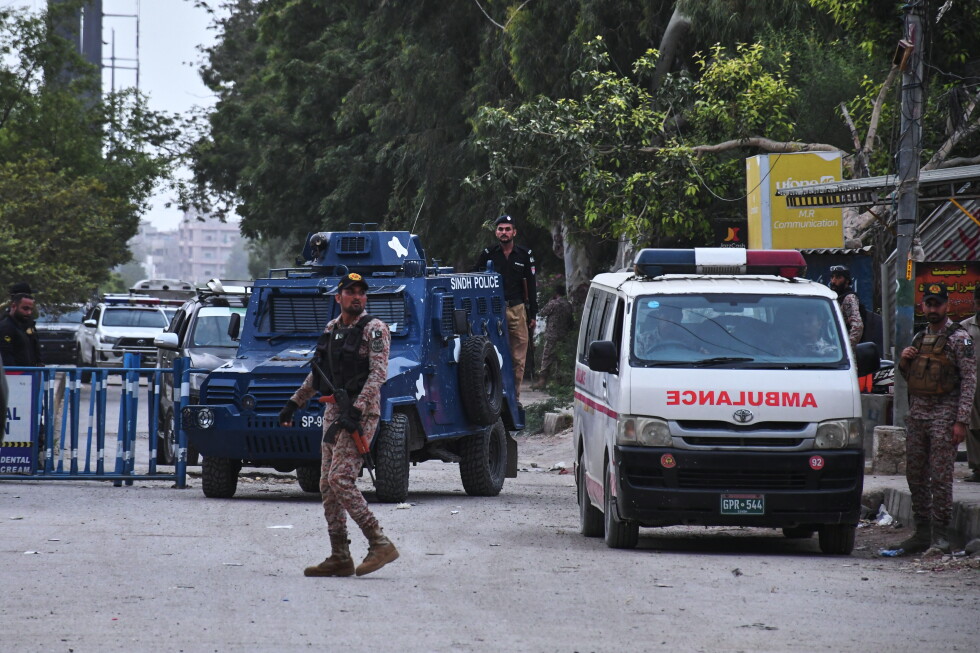
    A deadly attack targeting civilians gathered for a recreational picnic near a popular Shia Muslim shrine in western Afghanistan has left multiple people dead and dozens injured, with conflicting casualty accounts emerging from local and national Taliban officials, according to multiple on-the-source reports.

    The violence unfolded at approximately 15:00 local time on Friday near Deh Mehri village in Afghanistan’s Herat province Enjil district, a recreational area that regularly draws large crowds of weekend visitors. According to Taliban officials, two unidentified gunmen riding motorcycles opened fire on the gathered civilians before fleeing the scene.

    Discrepancies have emerged in official casualty tallies from different levels of the Taliban-led administration. Ahmadullah Muttaqi, Herat’s provincial head of information and culture, confirmed to the BBC that four bodies and 15 wounded people — including two women — had been transported to Herat’s main regional hospital. Meanwhile, national Taliban interior ministry spokesperson Abdul Mateen Qani shared differing figures in an official post on X, stating preliminary investigations recorded seven fatalities and 13 injured people, several of whom remain in critical condition.

    A local physician at the receiving hospital also spoke to the BBC, providing an even higher casualty count of 12 killed and 12 injured. The doctor added that all confirmed victims were Hazara Shia Muslims, a minority ethnic and religious community that has faced repeated targeted violence across Afghanistan for decades.

    Deh Mehri village is a predominantly Shia settlement centered around a well-known shrine that draws daily pilgrims and weekend picnickers, Muttaqi confirmed. Local security forces have already taken one suspect into custody in connection with the attack, he added. As of Saturday morning, no armed or insurgent group has released a statement claiming responsibility for the shooting.

    The attack marks the latest in a long pattern of targeted violence against Afghanistan’s Hazara Shia community. The group, which makes up roughly 10 to 20 percent of Afghanistan’s population, has frequently been targeted by extremist groups including ISIS-K, the regional affiliate of the Islamic State, in attacks across the country in recent years.

  • Village murals bring Beijing dreams closer

    Village murals bring Beijing dreams closer

    Nestled in Wuying Village, a quiet rural community in Shangqiu, Henan Province, a striking 18-meter-long, 8-meter-high mural of Beijing’s Tian’anmen Square has turned the once-overlooked village into an unexpected travel destination for elderly travelers from across China. Created by local 39-year-old artist Wu Chengyan, the hyper-realistic artwork has fulfilled a decades-long unmet dream for hundreds of seniors who never had the chance to visit the iconic capital landmark due to health, financial or mobility barriers.

    During this year’s New Year holiday, crowds of elderly visitors lined up for photos in front of the mural, many dressed in their finest new clothing, some arriving in wheelchairs or assisted by family members on three-wheeled carts. The narrow roads leading in and out of the village were filled end-to-end with parked vehicles. For many visitors, the lifelike depiction felt as authentic as standing in Tian’anmen Square itself. “It is exactly the same as seeing Tian’anmen Square on TV,” shared a 70-year-old female visitor, echoing the sentiment of dozens of other guests.

    Wu’s journey to creating this viral work of community art has been marked by personal persistence and a deep commitment to giving back to the village that raised him. A lifelong art lover who grew up in Wuying, Wu dreamed of attending China’s top art school, the Central Academy of Fine Arts, during his high school years. Between 2006 and 2010, he took the national college entrance exam (gaokao) five times, but fell short of admission each time due to low English scores. Undeterred, he continued to hone his craft while building a life with his wife Chang Lihua: the pair opened a local kindergarten in Shangqiu in 2015, and by 2018, Wu earned a place as a member of the Henan Provincial Art Association, a milestone he called a “high recognition of my life’s work.”

    A series of financial setbacks followed, however, as operational challenges left the couple with substantial debt from the kindergarten. Wu’s creative path shifted in 2015, when he painted his first village mural as a personal gift for Chang’s grandparents, who were unable to travel for leisure due to advanced age and limited mobility. To bring them the joy of a hiking experience without leaving home, Wu painted a vivid natural landscape across an exterior wall of their house.

    Word of Wu’s skill spread quickly through the village, and soon other elderly residents began asking for custom murals of their own. Wu accepted every request, completing more than 40 large-scale works for villagers entirely free of charge. Chang began sharing short videos of Wu’s process and finished murals on Chinese short-video platform Douyin, and the account quickly gained a national following. Over the past year, two of their posts went viral: the first for a dynamic Nezha-themed mural in March 2025, and the second for the Tian’anmen mural, which drew more than 100,000 visitors to Wuying Village over the 2026 New Year holiday alone.

    Wu initially focused his murals on sweeping landscapes and beloved animation characters, but shifted to include more culturally meaningful themes after local elders expressed interest in “red stories” of China’s revolutionary history. Today, his village works include depictions of the People’s Republic of China’s founding ceremony, Japan’s surrender in World War II, the founding of the Communist Party at the Red Boat, and historical exposures of the atrocities committed by Unit 731. To prepare for the Tian’anmen mural, Wu asked a friend living in Beijing to take new, high-resolution reference photos of the landmark, and spent five days refining the work. He even adjusted his technique to accommodate seniors with age-related farsightedness, using bolder outlines and exaggerated three-dimensional effects to make the image clear and easy to see.

    For Wu, the project is deeply personal. “I was raised by the elders in the village. After my mother passed away in 2019, they took even better care of me. I always feel I owe them something,” he explained. “Many of them regret not being able to visit places they dreamed of. My mother had such dreams, too. When I paint for other elders, I feel like I’m making up for that regret.”

    His work has now attracted invitations from across China, with community groups in Anhui, Jiangxi, Guizhou, Shanxi and Shandong provinces asking Wu to bring his art to their rural areas. Today, Wu earns his primary income from these off-site mural commissions, and he and Chang are experimenting with livestream e-commerce to supplement their income. Even as his career grows, however, Wu remains committed to his original mission: he plans to continue painting free murals for rural elders, and even extend the offer to his online followers. “We wouldn’t be where we are without the villagers lifting us up,” Chang said. “We’ll never forget our roots. The village and its people are the foundation of everything we do.”

  • Dressed for school, returned in a shroud: Israeli forces kill Palestinian girl in class

    Dressed for school, returned in a shroud: Israeli forces kill Palestinian girl in class

    It was just an ordinary Thursday maths class at Abu Ubaida Bin al-Jarrah School in Beit Lahia, northern Gaza. Nine-year-old Ritaj Abdulrahman Rihan sat at her desk, carefully copying down a subtraction exercise for four-digit numbers that her teacher had assigned to the class of 40 pupils. She finished writing the questions, but the blank lines left for her answers would never hold her calculations—instead, they were stained deep red with her blood.

    A sniper from Israeli forces stationed near the self-declared “Yellow Line” boundary had shot Ritaj in the head while she sat studying. The young girl was rushed to a local hospital immediately, but medical staff pronounced her dead before her parents could reach her side to say a final goodbye.

    For Ritaj’s family, the tragedy carries an unbearable weight. Two years of relentless Israeli military attacks had already destroyed their home, forcing the family to take shelter in a makeshift displacement camp. Even amid the chaos and constant risk of violence, Ritaj’s parents prioritized their daughter’s education: the couple walked 1 kilometer each way every day to get Ritaj to and from class, determined that she would have the chance to learn like any child in the world.

    Ritaj was the couple’s first child, their eldest joy, and had only just returned to full-time schooling that academic year. For two years, repeated military offensives and forced displacement had kept her out of the classroom, and this was her first chance to attend regular classes following the US-brokered ceasefire that took effect in October 2025. Even though classes were held in partially damaged buildings or makeshift structures rather than a fully intact school, her father Abdulrahman said any education was better than none for his daughter.

    “We were happy she had grown up enough and remained alive and healthy after two years of genocide to carry a school bag and notebooks. She was finally back at school. She was clever and loved school,” Abdulrahman told Middle East Eye, recalling the shock he received just an hour after dropping his daughter off that morning.

    The school was chosen specifically because it sits 2 kilometers away from the Yellow Line, the unilaterally imposed military boundary Israel has drawn inside the Gaza Strip, in what was marketed as a relatively safe area. The boundary, put in place after the October ceasefire, bars Palestinian civilians from entering large swathes of northern, southern and eastern Gaza on penalty of death. Despite this designation, Israeli troops and snipers positioned along the line have repeatedly opened fire on residential neighborhoods and civilian infrastructure well within the declared safe zone.

    “The school is supposed to be in a safe area. It is not close to the Yellow Line, and this is why we felt comfortable enough to send her there to learn,” said Ritaj’s mother Ola Rihan. She recalled dressing her daughter that morning, combing and braiding her hair, sending her off with a smile—only to receive her daughter’s body hours later, wrapped in a burial shroud instead of the new dress Ola had bought for her to wear to an upcoming family wedding.

    Along with Ritaj’s body, Ola received her daughter’s bloodstained math notebook, a memento she calls the clearest evidence of Israel’s crimes against Palestinian children. “This is her notebook, and here is the lesson she was studying today, but could not finish. These are the pages stained with my daughter’s blood. This is not ink; this is my daughter’s blood,” Ola said, holding the damaged notebook for reporters. “Ritaj was the most precious thing I had. She was a piece of my soul.”

    The unfulfilled plans for Ritaj’s future only deepen the family’s grief: Ola had purchased a new dress and pair of shoes for Ritaj to wear to her uncle’s wedding the following week. The young girl had been excited for the event, but she never got the chance to put the clothes on. Today, they sit in the family’s tent, unworn, a reminder of the future that will never happen.

    This is not the first loss Ola has endured at the hands of Israeli attacks. She already lost her mother, a sister, her sister’s young children, and an uncle to previous violence in Gaza. Now, with the death of her daughter, she says the cumulative trauma has left the family exhausted, broken by unending shock after shock.

    Ritaj’s killing is far from an isolated incident. Since the October 2025 ceasefire, Israeli forces have killed and injured dozens of Palestinian civilians in and near the Yellow Line, even in areas labeled as safe for returning residents. The boundary has expanded month by month, swallowing more Gaza territory and displacing thousands of civilians who had returned to their homes under the terms of the ceasefire agreement. In many cases, Israeli forces have demolished entire residential neighborhoods and bombed homes after bringing the land under their boundary control.

    Ola argues that the targeting of children even in schools is a deliberate policy: “Our children are killed all the time. Even after they finally managed to attend school. The occupation wants to stop the educational process. It does not want a generation to grow up educated and capable.” The family pleads for an end to the violence that has stolen so many of their loved ones, saying they cannot bear to lose another member to the ongoing conflict.

  • Hormuz: Stop the war

    Hormuz: Stop the war

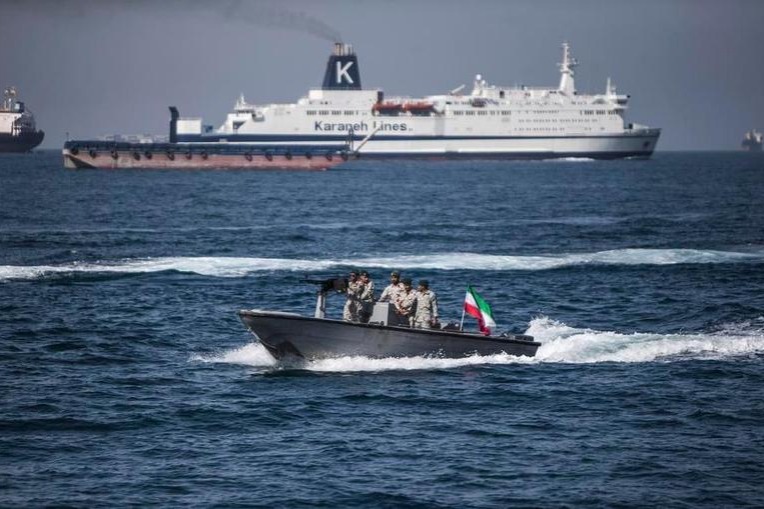
    The Strait of Hormuz, one of the world’s most critical energy chokepoints, carries 20 percent of the globe’s total oil and natural gas supplies, making its ongoing instability a matter of urgent international concern. As military tensions between the US-Israeli bloc and Iran have escalated into active strikes across the region, commercial shipping operations through the strategic waterway have ground to a complete halt.

    While diplomatic negotiations have recently resulted in a temporary ceasefire agreement to de-escalate hostilities, normal commercial traffic has yet to resume through the strait. Industry analysts and global policymakers warn that prolonged disruptions to energy transit through Hormuz could send shockwaves through already fragile global energy markets, driving up fuel prices, exacerbating inflationary pressures, and derailing fragile post-pandemic economic recovery efforts worldwide.

    Beyond economic risks, the unresolved standoff puts thousands of civilian seafarers, port workers, and regional civilian populations at grave risk of injury or death amid the lingering threat of renewed military conflict. International stakeholders have widely echoed the urgent call to fully halt military activities, lock in lasting peace, and restore stability to the Hormuz region to protect civilian lives and prevent further damage to the global economy.

  • ‘The rat gnawed at my toes’: Rodent infestation overruns Gaza’s displaced

    ‘The rat gnawed at my toes’: Rodent infestation overruns Gaza’s displaced

    Deep inside a flimsy displacement tent in Gaza City, 63-year-old Inshirah Hajjaj was fighting to fall asleep one night, brushing off the scurry of a small mouse near her pillow. What she could not have anticipated was that a far larger rodent would begin gnawing at her toes, an attack she barely felt due to advanced diabetes that has deadened sensation in her limbs.

    Hajjaj did not discover the bite until the following morning, when her sister-in-law spotted the open wound and reacted in horror. “At the time, I thought my foot had simply brushed against something sharp inside the tent, and I hadn’t felt it,” Hajjaj told Middle East Eye in an interview. “But in the following days, my toes began to swell and turn blue. Then I started waking up to find new wounds appearing every morning.”

    Hajjaj is far from alone in this nightmare. For months, hundreds of thousands of displaced Palestinians across Gaza have been battling an exploding rodent infestation that has spread rapidly through overcrowded, makeshift tent settlements, a public health disaster unfolding directly alongside the widespread destruction of Israeli military operations. Today, roughly 1.5 million of Gaza’s total 2.2 million residents are crowded into temporary shelters—from tattered canvas tents to hastily built informal structures—after two years of bombardment that has levelled an estimated 80 percent of all residential structures across the Strip.

    The conditions that created this infestation are directly tied to the collapse of basic infrastructure in Gaza. With Israel banning the entry of most construction materials and raw materials remaining in critically short supply, displaced families have been forced to build rudimentary, unregulated sanitation systems: open-air latrines with no connecting sewage networks, and buried waste barrels that leak into surrounding soil. Stagnant wastewater and accumulating organic waste have created ideal breeding conditions for rats and insects, allowing their populations to explode across every displacement camp in the territory.

    After noticing her worsening condition, Hajjaj traveled to a local field hospital for care. There, doctors confirmed she was suffering from early-stage blood poisoning caused by the rat bite. “How painful it is for a chronic patient with advanced diabetes to have rats feeding on parts of my body at night without me even noticing,” she said. The trauma of the attack has lingered long after the initial wound. “Last night, I went to the bathroom and found a large rat standing right in front of me. I was terrified. I started screaming for my relatives to rescue me before I lost consciousness,” she recalled. “I never imagined rats would eat my feet. It devoured my body while I slept. It had been eating my feet every day without mercy. After the rat gnawed at my toes, I don’t think I will ever be able to sleep peacefully again.”

    For 28-day-old Adam al-Ustaz, the danger came even sooner, just weeks after he was born into displacement in the al-Maqousi area of northwestern Gaza City. His father, Youssef, woke in the middle of the night to the infant’s ear-piercing screams. When he switched on his mobile phone flashlight, he found Adam’s small face soaked in blood, with a large rat hiding under a small camp table nearby.

    Youssef rushed his newborn son to Rantisi Hospital, where doctors confirmed the wounds were rat bites. Adam is one of hundreds of children across Gaza treated for rodent attacks in recent months, alongside a surge in preventable digestive and respiratory illnesses worsened by the unsanitary camp conditions. “I don’t know what this child’s fault is, to be born in a tent made of worn-out fabric and to be vulnerable to attacks by rats every night,” al-Ustaz said. “We repeatedly tried to buy rat poison, but it is extremely scarce and prohibitively expensive for displaced families. If our home had not been destroyed, we would have lived in safety, without my child facing creatures that threaten his life every day.”

    United Nations data underscores the scale of destruction that has created this public health emergency. Jorge Moreira da Silva, executive director of the UN Office for Project Services (UNOPS), confirmed that Gaza is now covered in more than 60 million tonnes of rubble from destroyed buildings, a clearance project that experts estimate will take decades to complete. UN calculations show that every resident of Gaza is surrounded by an average of 30 tonnes of collapsed building debris, which provides ample shelter for rat populations to spread undisturbed.

    Local authorities in Gaza say they are completely overwhelmed by the scale of the crisis, with thousands of complaints about rodent invasions flooding into the Gaza Municipality every single day. “Despite our efforts to address the rodent problem, such as partial sewage interventions and removing random garbage dumps, we cannot eliminate the problem under current conditions,” Hosni Muhanna, spokesperson for the Gaza Municipality, told Middle East Eye. “The scale of the disaster far exceeds available capacities. The war decimated infrastructure, especially sewage networks. It left over 25 million tonnes of rubble in Gaza City alone, along with 350,000 tonnes of solid waste accumulating in residential neighbourhoods.”

    Muhanna added that the municipality cannot launch large-scale pest control or waste clearance operations due to sweeping Israeli restrictions on border crossings, which block the entry of critical supplies including pest control chemicals, fuel, heavy machinery, and spare parts needed for rubble removal. “Any meaningful response would require far more than rat poison,” he explained, noting that the rodent crisis is inextricably tied to the wider humanitarian and military crisis playing out across Gaza.

    The UN Agency for Palestinian Refugees (UNRWA) has also highlighted the growing emergency in its recent situation reports, confirming that rodent populations have spread across nearly all official and informal displacement sites, and warning that there is an “urgent need for pest-control materials and chemicals” to curb the infestation. Local medical professionals have issued additional warnings that rat bites and scratches can turn life-threatening in Gaza’s current environment, as the ongoing Israeli siege has left the territory critically short of life-saving antibiotics and basic medical supplies.

    For Hajjaj and thousands of other displaced Palestinians, the suffering extends far beyond physical injury. The constant threat of rodent attacks has created a pervasive state of psychological trauma, with no end to the crisis in sight amid stalled reconstruction and ongoing military pressure. “Waste surrounds our tents on every side, and the rubble of bombed houses is everywhere,” Hajjaj said. “Every day we see dozens, even hundreds of mice spreading through the debris and into the camps. The greatest suffering is not only the injury itself but the absence of any refuge or solution as I face a future with no reconstruction in sight.”