标签: Asia

亚洲

  • Inquiry into antisemitic attack that left 15 dead in Sydney recommends gun reform

    Inquiry into antisemitic attack that left 15 dead in Sydney recommends gun reform

    Canberra, Australia – Six months after a terror attack at a Hanukkah celebration on Sydney’s Bondi Beach left 15 people dead, a landmark government inquiry into surging antisemitism across Australia has tabled its first interim report, calling for immediate national action on tighter firearms regulation to prevent similar atrocities.

    The deadly December 14, 2025, attack was carried out by father and son pair Sajid and Naveed Akram, who used firearms legally registered to Sajid, an Indian-born Australian permanent resident. Authorities have confirmed the assault was inspired by the Islamic State group. Sajid was killed by responding police at the scene, while his son survived his injuries and faces charges including 15 counts of murder, 40 counts of attempted murder, and terrorism-related offenses. Naveed has not entered any pleas to the accusations.

    In response to the attack, the federal government convened the Royal Commission on Antisemitism and Social Cohesion to investigate the rising trend of anti-Jewish hate crimes and develop policy responses. On Thursday, Royal Commissioner Virginia Bell released 14 formal recommendations in the commission’s first interim update, with five of those proposals remaining classified and undisclosed to the public for national security reasons.

    The report explicitly highlights a dramatic spike in antisemitic incidents across Australia dating back to the outbreak of the Israel-Hamas war on October 7, 2023. It further warns that the U.S.-Israeli military strikes on Iran in February 2025 amplified existing security risks for Australian Jewish communities, raising the likelihood of targeted attacks against Jewish people and sites.

    Central to the commission’s unclassified recommendations is a push for sweeping nationwide gun reform. Key proposals include implementing nationally uniform firearms regulations, launching a federally coordinated gun buyback program, restricting non-citizen permanent residents from holding gun licenses, capping individual gun ownership at a maximum of four weapons, and introducing periodic mandatory reviews of all active gun licenses. The federal government has proposed splitting the cost of the gun buyback initiative with Australia’s six states and two territories, though some state governments have already rejected contributing to the program’s funding.

    The current proposed restrictions on gun ownership for non-citizens would have blocked Sajid Akram from legally purchasing or holding firearms prior to the attack, a fact that has underscored the urgency of the commission’s recommendations for national policymakers.

    Addressing reporters following the report’s release, Prime Minister Anthony Albanese announced that his federal government had committed to adopting all recommendations that fall under federal jurisdiction, and would work collaboratively with state and territorial leaders to advance the full package of reforms. Albanese tied the proposed changes to the 30th anniversary of the 1996 Port Arthur massacre, a mass shooting that killed 35 people and led to one of the world’s strictest national firearms agreements, which effectively banned rapid-fire rifles across the country.

    “Thirty years after that landmark reform, our nation is measurably safer because of the hard choices we made then,” Albanese said. “This new reform is equally necessary, and I will continue to engage constructively with state and territory leaders to deliver it.”

    Albanese emphasized that while the inquiry confirms risks to Australian Jewish communities have grown, it found no urgent overhauls to existing security frameworks are required to maintain public safety. He noted that rising antisemitism is not unique to Australia, but a global trend that demands coordinated government action. To that end, the federal government has already allocated AU$102 million (equivalent to roughly US$73 million) to upgrade security infrastructure at Jewish community sites, including synagogues, schools and community centers. These funds are administered by the Executive Council of Australian Jewry, the peak representative body for Australian Jewish communities.

    Alex Ryvchin, co-chief executive of the council, described the inquiry’s interim report as a critical milestone in addressing the widespread trauma the Bondi Beach attack left in the Australian Jewish community. “Our community carries deep trauma, and there are still many unanswered questions about what happened,” Ryvchin told the Australian Broadcasting Corporation. “This is an important first step toward the day when Jewish Australians can gather for Hanukkah, for any community event, and feel safe, knowing they will not be targeted. That is the goal we are working toward, and it will take time to get there.”

    Full public hearings for the royal commission are scheduled to open next Monday, as the inquiry continues its work examining the root causes of rising antisemitism and developing long-term policy recommendations for social cohesion and community safety.

  • Christchurch mass killer loses bid to overturn conviction

    Christchurch mass killer loses bid to overturn conviction

    Nearly seven years after the deadliest terror attack in New Zealand’s modern history, the country’s Court of Appeal has dealt a final blow to the white supremacist perpetrator’s attempt to overturn his convictions and life-without-parole sentence.

    Brenton Tarrant, a 35-year-old Australian-born extremist, is currently serving the remainder of his life behind bars with no possibility of release for the 2019 Christchurch mosque shootings that left 51 Muslim worshippers dead and another 40 injured. The attack, carried out at two separate mosques — Al Noor Mosque and Linwood Islamic Centre — was partially live-streamed by Tarrant to his followers on fringe online platforms, marking a shocking moment of white supremacist violence that rippled across the globe.

    Tarrant originally pleaded guilty to all counts of murder and attempted murder in 2020, avoiding a prolonged public trial that would have forced survivors and victim families to relive the trauma of the attack. In his appeal, heard over a week-long session in February this year, Tarrant argued that his prison conditions at the time of his guilty plea amounted to “torturous and inhumane” treatment, which left him unable to make rational, legally sound decisions. He further claimed that he entered his guilty plea while in an irrational, compromised mental state, and asked the court to throw out both his convictions and his sentence.

    On Thursday, a three-judge panel of the Court of Appeal released a unanimous ruling rejecting Tarrant’s appeal in its entirety. The court wrote that the core facts of Tarrant’s crimes are “beyond dispute”, and that his legal arguments were “utterly devoid of merit”. Judges found that Tarrant’s claims of compromised mental capacity and coercive prison conditions were inconsistent on their face and unsupported by witness testimony, concluding that he had never been coerced or pressured to enter a guilty plea. “He has not identified any arguable defence, or indeed any defence known to the law. We have also rejected his claim that his guilty pleas were the product of him having an irrational state of mind induced by his prison conditions,” the ruling read.

    For family members of the attack’s victims, Thursday’s ruling brings a long-awaited sense of closure after months of renewed trauma triggered by the appeal process. Aya al-Umari, who lost her older brother Hussein in the shootings, told the BBC she felt “pleased and relieved” by the court’s decision, and welcomed the confirmation that justice had been upheld. “I was confident that there were no solid grounds for the appeal, and the decision today confirms that,” al-Umari said. She added that while she had hoped the original sentencing would bring an end to the legal process and allow her and other families to begin healing, the appeal forced survivors to revisit the darkest moments of their trauma. “Hearing the outcome today really gives that reassurance and comfort around the right processes being followed,” she said.

    Beyond the legal proceedings, the 2019 Christchurch attack sparked sweeping policy change across New Zealand. Within one month of the shootings, the country’s parliament passed legislation by an overwhelming majority to ban military-style semi-automatic weapons and key components used to modify prohibited firearms. The government also launched a large-scale gun buy-back scheme, offering financial compensation to owners who turned in newly outlawed weapons in a bid to reduce the country’s overall firearm stock.

    Records of the case show Tarrant, who was born in New South Wales, Australia, relocated to New Zealand in 2017. Prosecutors have confirmed he began planning his attack on the country’s Muslim community shortly after moving. In the hours before he carried out the shootings, Tarrant posted a 74-page manifesto online that laid out his violent white supremacist and anti-Muslim ideology, and he had long engaged with far-right extremist communities on fringe online platforms.

  • China’s factory activity expands for a second month despite shocks from the Iran war

    China’s factory activity expands for a second month despite shocks from the Iran war

    HONG KONG – For the second consecutive month in April, China’s manufacturing sector held onto expansion, defying widespread expectations that rising energy costs sparked by the Iran conflict would drag down industrial output, official data released Thursday shows.

    The National Bureau of Statistics reported that the official manufacturing purchasing managers’ index (PMI), a closely watched gauge of factory sector activity, edged down marginally to 50.3 in April from March’s 50.4 reading. On the 0–100 PMI scale, any reading above 50 signals that activity is expanding rather than contracting. This minor pullback still outperformed the consensus forecast from economists, painting a more resilient picture of Chinese manufacturing than many analysts predicted.

    Breaking down the sub-index components reveals a mixed performance across key metrics: the new orders sub-index slowed to 50.6, down from 51.6 in March, but the production sub-index inched up slightly to 51.4, signaling ongoing output growth amid steady demand.

    Leah Fahy, senior China economist at Capital Economics, noted in a recent research note that elevated global oil prices driven by Middle East tensions have so far failed to dampen China’s industrial momentum. She attributes the recent acceleration in factory output primarily to surprisingly strong export demand, which has continued to prop up manufacturing activity even as domestic headwinds persist.

    Fahy added that the global surge in oil prices has created an unexpected tailwind for China’s clean energy industry. As countries around the world accelerate their transition away from fossil fuels to offset volatile energy prices, demand for green technology has jumped. This benefits Chinese manufacturers, who hold a dominant global position in the production of solar panels, wind turbines, batteries and other clean energy equipment.

    A separate private-sector PMI, compiled by S&P Global in partnership with Chinese credit analysis firm RatingDog, offered an even more optimistic outlook. The survey, which over-samples smaller, export-focused private firms that are often underrepresented in the official reading, recorded a jump in factory activity to 52.2 in April, up from 50.8 in March.

    Additional factors are pointing to potential further strengthening of Chinese exports in the coming months. Earlier this year, a U.S. Supreme Court ruling struck down key parts of former President Donald Trump’s broad tariffs on Chinese goods, leading to a reduction in U.S. duties on many Chinese imports. Fahy notes that this policy shift could open the door to rising Chinese shipments to the U.S. in the second half of the year.

    Planned diplomatic progress may also support trade stability. A long-scheduled visit to Beijing by Trump to meet with Chinese President Xi Jinping is scheduled for next month, which could extend the one-year trade truce that the two leaders agreed to in late 2024.

    China’s broader economic performance also outperformed expectations in the first quarter of 2025, with gross domestic product expanding at an annual rate of 5%, up from the previous quarter’s growth rate and beating the consensus forecast from private-sector economists. Chinese policymakers have set a full-year growth target of 4.5% to 5% for 2025, the lowest annual target set since 1991, reflecting ongoing structural challenges in the world’s second-largest economy.

    One of the most persistent headwinds remains a years-long downturn in the country’s property sector, which has continued to weigh on domestic investment and consumer confidence. Even with soft domestic demand, however, exports have remained a strong pillar of growth: China recorded a record-breaking $1.2 trillion annual trade surplus in 2024, highlighting the global strength of its manufacturing exports.

  • Once on the back foot, Myanmar’s military now looks set to resume offensive in bloody civil war

    Once on the back foot, Myanmar’s military now looks set to resume offensive in bloody civil war

    Just 14 months ago, Myanmar’s military junta found itself on the brink of strategic collapse in the country’s brutal ongoing civil war. An alliance of veteran ethnic militias had pushed junta forces out of vast territories in northern Myanmar, while pro-democracy guerrilla groups and long-standing opposition factions forced the military into defensive positions across nearly every other region of the country. Today, that dynamic has flipped dramatically, reshaping the trajectory of a conflict that has displaced millions and killed tens of thousands since the 2021 military coup.

    Fueled by a massive expansion of its ranks from tens of thousands of newly conscripted troops, the Tatmadaw – Myanmar’s official military – has clawed back significant swathes of territory it lost in 2023, and is now positioning to launch a broad new national offensive. In contrast, the anti-junta resistance movement has been crippled by key defections, internal factional infighting, and crippling supply shortages that have weakened its operational capacity across multiple front lines.

    “I think we’re nearing a crescendo here where the Tatmadaw is going to reassert itself and the large-scale organized resistance movement is going to peter out,” explained Morgan Michaels, a Singapore-based analyst with the International Institute of Strategic Studies who leads the organization’s Myanmar Conflict Map project. “That doesn’t mean scattered armed resistance will disappear entirely – armed resistance will always continue in Myanmar until there’s a comprehensive, negotiated political solution. But the Tatmadaw has retaken the strategic initiative, and every major development now plays to its advantage.”

    Five years of continuous conflict – a timeline that stretches back to the immediate aftermath of the 2021 coup that ousted the elected civilian government of Aung San Suu Kyi – has left both anti-junta fighters and the general public deeply war-weary. The conflict has claimed more than 8,000 civilian lives and forced more than 3 million people to flee their homes, according to UN estimates. “There are many saying that the local population doesn’t care much who will win the war, but just want the fighting to stop,” noted Aung Thu Nyein, a Myanmar-based political analyst who currently works in neighboring Thailand, in an interview with the Associated Press.

    Beyond internal fatigue, the resistance has also been undermined by shifting geopolitical pressure from China, which holds massive economic and strategic stakes in Myanmar. Myanmar is a critical supplier of rare earth elements and other key natural resources to Beijing, which has invested billions of dollars in cross-border infrastructure including oil and gas pipelines, mines, and connectivity projects. China is also one of the Tatmadaw’s two largest arms suppliers, alongside Russia, and maintains significant influence over ethnic paramilitary groups that operate along the Sino-Myanmar border.

    Initially, Beijing supported the major October 2023 anti-junta offensive launched by the Three Brotherhood Alliance, a coalition of three ethnic armed organizations (EAOs), because it was angered that the military government had allowed rampant transnational organized crime to spread in border regions. But that support quickly evaporated: China cut off all arms and ammunition supplies to the alliance and pressured its members to halt offensive operations. Today, two of the alliance’s three core members – the Myanmar National Democratic Alliance Army and the Ta’ang National Liberation Army – have signed Chinese-brokered ceasefires with the Tatmadaw, leaving only the Arakan Army still active in combat in western Rakhine State.

    The anti-junta resistance is split between two broad blocs: the long-standing ethnic minority EAOs that predate the 2021 coup, and newer pro-democracy People’s Defense Forces (PDFs) that formed after the coup, most of which are affiliated with the National Unity Government (NUG), a shadow administration formed by ousted members of Suu Kyi’s National League for Democracy. Resistance leaders warn that persistent divides between these groups have left them vulnerable to the Tatmadaw’s renewed momentum.

    “Although there is a shared understanding of the need to overthrow the military dictatorship and move toward a future federal union, there are still gaps and differences in overall grand strategy and tactics,” said the Burma Liberation Democratic Front, a pro-democracy resistance group active in Sagaing and Mandalay regions, in a written statement to AP. “There are still differences in positions, perspectives, and approaches. Many continue to hold onto ethnic, regional, and organizational interests and attachments.” The group added that the Tatmadaw is actively exploiting these rifts, pursuing a classic divide-and-conquer strategy to fuel divisions between the public and revolutionary forces, across ethnic lines, and between separate resistance factions.

    On the political front, the Tatmadaw has recently consolidated its international standing, most notably after holding a contested general election earlier this year. The election was widely dismissed by UN experts and Western governments as neither free nor fair, with all major opposition candidates barred from running, but it allowed junta leader Min Aung Hlaing – the senior general who led the 2021 coup – to be sworn in as president earlier this month, adding a veneer of democratic legitimacy to his authoritarian rule. China, which publicly supported the election, was quick to congratulate Min Aung Hlaing and dispatched its foreign minister for an in-person meeting just days after his inauguration. The election also freed up thousands of troops who had been deployed to provide poll security, allowing the Tatmadaw to reallocate those forces to front-line combat operations, Michaels noted.

    One of Min Aung Hlaing’s first acts as president was to announce a new offer of peace talks to all armed resistance groups, including both EAOs and PDFs, though the NUG was deliberately excluded from the invitation. The NUG immediately rejected the offer, denouncing it as a tactic to prolong military rule. The junta’s offer, published in the state-run *Global New Light of Myanmar*, set a July 31 deadline for groups to join talks, and included a caveat that resistance groups may not bring “unrealistic demands” to the negotiating table. No details were provided on consequences for groups that refuse the invitation, and the junta did not respond to requests for comment from AP.

    Even as it extends the offer of talks, the Tatmadaw has continued to press offensive operations across multiple fronts. It is currently conducting a large-scale assault in Sagaing Region aimed at retaking the northern city of Indaw, which fell to PDF forces backed by the Kachin Independence Army last year. At the same time, the military remains on the defensive in eastern Myanmar, where the Karen National Liberation Army is advancing on a key junta stronghold near the Thai border.

    Analysts say Min Aung Hlaing’s peace offer is likely an attempt to revive the decade-old Nationwide Ceasefire Agreement, which brought relative calm to parts of Myanmar by signing on roughly half of the country’s EAOs. For now, however, incremental, localized ceasefires appear to be the junta’s immediate goal. “In the short term if you can agree to ceasefires with some groups, then you can redirect your resources toward other groups that are either unwilling to agree to a ceasefire or that the Tatmadaw is unwilling to agree to a ceasefire with,” Michaels explained. “The Tatmadaw can always accept some degree of opposition and, in fact needs some level of active armed resistance to justify its rule and justify its behavior. But the current level of widespread armed resistance across the country is not tenable for the junta.”

  • Head of organization overseeing nuclear test ban treaty issues warning to US and Russia

    Head of organization overseeing nuclear test ban treaty issues warning to US and Russia

    UNITED NATIONS — As the United Nations launches a high-stakes review of global nuclear non-proliferation efforts, the top leader of the body tasked with enforcing the global ban on nuclear testing has issued an urgent warning: any resumption of nuclear tests by major nuclear powers including the United States and Russia could trigger an unstoppable cascade of testing across the globe. Robert Floyd, executive secretary of the Comprehensive Nuclear Test Ban Treaty Organization (CTBTO), laid out this stark assessment during a press briefing with U.N. correspondents on Wednesday.

    Floyd’s warning comes in the wake of mounting tensions that emerged late last year, when the world’s two largest nuclear-armed states — the U.S. and Russia — both openly floated the possibility of resuming nuclear testing, a move that sent shockwaves through the international non-proliferation community. “That is a spiral that we do not want to see start, because it may never be able to be stopped, Floyd emphasized, highlighting the irreversible risk of breaking the decades-long de facto moratorium on tests.

    Three decades have passed since the CTBT first opened for global signatures back in 1996. Floyd noted that in the century prior to the treaty’s adoption, more than 2,000 nuclear tests had been conducted across the world. Since 1996, that number has dropped to fewer than a dozen, with six of those tests carried out by North Korea — a sharp decline that demonstrates the treaty’s quiet, ongoing impact on global security, even in its current provisional state.

    Despite this progress, the CTBT has yet to formally enter into force. The treaty’s rules require ratification by 44 specific nuclear-capable states to take full legal effect, and nine of those countries have not completed this step. Among the holdouts, the United States, China, Iran, Egypt and Israel have signed the treaty but not ratified it; India, Pakistan and North Korea have neither signed nor ratified; Russia, which completed ratification years ago, took the unprecedented step of revoking its ratification in 2023.

    Against this backdrop, the U.N.’s ongoing review of the separate Treaty on the Non-Proliferation of Nuclear Weapons (NPT) puts renewed focus on the fragility of the global nuclear order. This year’s review is already shaped by geopolitical tension, particularly over Iran’s nuclear program, which former U.S. President Donald Trump has cited as justification for past aggressive action against Tehran.

    Floyd has been pushing for coordinated action from the world’s major powers to break the current deadlock. He told reporters that he recently traveled to Moscow for high-level talks, where he argued to Russian Foreign Minister Sergey Lavrov that an unconstrained return to nuclear testing runs counter to the national interest of every country on Earth. He has also held talks with U.S. State Department officials, and said he is eager to meet with U.S. Secretary of State Marco Rubio to advance the treaty’s goals. Floyd proposed that a joint ratification push by China, Russia and the United States would be a transformative, confidence-building step that could put the CTBT on track for full implementation.

    Currently, both China and Russia have publicly reaffirmed their commitment to maintaining a voluntary moratorium on nuclear testing. However, since 2019, the U.S. State Department has repeatedly raised public concerns about what it says are suspicious nuclear-related activities in both countries. Late last year, Trump leveled accusations that Russia and China were already conducting covert tests, and announced he had ordered the U.S. Defense Department to prepare to resume U.S. testing to match what he claimed other powers were doing.

    In response to Trump’s announcement, Russian Deputy Foreign Minister Sergei Ryabkov clarified Russia’s position: Moscow would only resume its own nuclear testing if Washington broke the moratorium first.

    Floyd also pushed back against any claims that secret testing could go undetected, noting that the CTBT’s global monitoring network is a highly sophisticated system capable of picking up even very small nuclear detonations anywhere on the planet. For any state seeking to develop a functional nuclear weapon, testing is a mandatory step — and if any country moves forward with a test, “if they did it will be known to all, Floyd said.

    The warning comes as global leaders grapple with growing nuclear risk, from rising great power competition to escalating regional tensions, making the preservation of the global testing moratorium a core priority for international security in the coming years.

  • Countries end Colombia fossil fuel summit with focus on next steps and financing

    Countries end Colombia fossil fuel summit with focus on next steps and financing

    On Wednesday, a groundbreaking international conference focused on phasing out fossil fuels drew to a close in the Caribbean coastal city of Santa Marta, Colombia, marking a historic shift in global climate policy conversations. For the first time in three decades of formal climate negotiations, delegates from 56 countries gathered to directly address the question of how to wind down oil, gas, and coal production — the primary driver of anthropogenic global warming — rather than debating whether such a transition is necessary. What began as an exploratory dialogue has laid the foundation for ongoing global cooperation, with financing for developing nations emerging as the most pressing obstacle to a just, widespread transition.

    The gathering brought together a diverse cross-section of stakeholders beyond national government negotiators, including climate advocates, financial experts, Indigenous community leaders, youth representatives, and subnational authorities. Unlike formal United Nations climate conferences (known as COPs), which are often rigid and marked by pre-negotiated positional stances, participants described the Santa Marta meeting as having an unusually open, collaborative atmosphere. Former Irish President Mary Robinson, a leading voice for climate justice, noted that the tone of dialogue set this gathering apart from traditional UN talks, with participants engaging in more human, cooperative problem-solving rather than sticking to inflexible official lines.

    Prior global climate negotiations have long centered on cutting end-use emissions rather than targeting the root of the climate crisis: fossil fuel extraction and production itself. This landmark meeting reoriented the conversation to tackle the full scope of the transition, including coordination between fossil fuel producing and consuming nations, support for workers shifting out of fossil fuel sectors, and managing the broader economic impacts of winding down production. While the conference did not produce legally binding commitments, it delivered tangible initial outcomes: agreements for ongoing cross-country collaboration, the establishment of dedicated working groups focused on financing and just labor transitions, and renewed momentum for future global negotiations to coordinate a coordinated fossil fuel phaseout.

    Discussions repeatedly centered on financing as the single most urgent barrier to progress. Many low- and middle-income nations in the Global South face unsustainable debt burdens, high global borrowing costs, and limited access to affordable capital for renewable energy development, even as renewables have become cheaper than fossil fuels in most parts of the world. Tzeporah Berman, founder and chair of the Fossil Fuel Non-Proliferation Treaty Initiative, explained that many developing countries are pushed to expand new fossil fuel projects solely to service their existing debt, trapping them in a cycle of dependency that is incompatible with climate action. Participants also highlighted how restrictive domestic fiscal policies and structural inequities in the global financial system slow transition progress, noting that traditional macroeconomic responses to inflation can inadvertently hamper investment in the clean energy transition. Ana Toni, CEO of the upcoming COP30 hosted by Brazil, called for greater engagement from finance ministers to develop targeted solutions to the fiscal challenges of the transition.

    The conference also forged a new, inclusive alliance that brings together major economies and the world’s most climate-vulnerable nations, a dynamic that participants said has been missing from many prior climate efforts. While the U.S. federal government was not invited — organizers framed the gathering as a space for nations already aligned on the goal of phasing out fossil fuels — a senior official from California attended as an independent observer, noting that clear policy and regulatory certainty is critical to unlocking private sector investment for the transition.

    Indigenous participants raised important questions about inclusive decision-making, noting that Indigenous communities have long been frontline stewards of forest ecosystems that absorb carbon, but their knowledge and voices are often sidelined in global climate processes. Patricia Suárez, an adviser to the National Organization of Indigenous Peoples of the Colombian Amazon, emphasized that any just transition must center Indigenous territorial rights and acknowledge the critical role these communities play in addressing the climate crisis, while calling for meaningful representation in all upcoming transition initiatives.

    In a moment that drew resounding applause from delegates, attendees announced that the next fossil fuel transition conference will be co-hosted by Tuvalu, a low-lying Pacific island nation extremely vulnerable to sea-level rise, and Ireland. The pairing of a climate-vulnerable developing state and a wealthy developed European nation reflects a deliberate effort to bridge global divides in perspective and responsibility for the transition. Tuvalu’s Minister of Home Affairs, Climate Change and Environment Maina Vakafua Talia noted that hosting the conference will highlight the lived, on-the-ground impacts of fossil fuel emissions, and that future talks will prioritize delivering concrete, actionable outcomes rather than non-binding statements. “If we are to address the climate change issue, we have to address the root cause, and the root cause is the fossil fuel industry,” Talia said, adding that delegates are eager to put concrete solutions and actionable steps on the table at the next gathering.

    Senior policy observers noted that the conference signals a growing global appetite for moving beyond broad climate pledges to targeted, practical action on the core driver of climate change. “Santa Marta has delivered something valuable: a genuine demonstration that climate action remains a priority, and real appetite for specific solutions,” said Vance Culbert, senior policy adviser at the International Institute for Sustainable Development, adding that the initiative will help give the global fossil fuel transition a more coherent, powerful foundation.

  • New Zealand court rejects appeal by mosque gunman to abandon his guilty pleas

    New Zealand court rejects appeal by mosque gunman to abandon his guilty pleas

    WELLINGTON, New Zealand – In a ruling that brings renewed closure to survivors and grieving families of the 2019 Christchurch mosque attacks, New Zealand’s Court of Appeal has dismissed white supremacist Brenton Tarrant’s bid to reverse his guilty pleas on charges of terrorism, murder, and attempted murder.

    Tarrant, a 35-year-old Australian national, carried out one of the worst mass shootings in New Zealand’s modern history in March 2019. Targeting two Christchurch mosques during Friday prayers, he opened fire with semiautomatic weapons, killing 51 Muslim worshippers and wounding dozens more. He streamed the attack live online and published a lengthy manifesto detailing his violent white supremacist ideology under his real name.

    In March 2020, Tarrant entered guilty pleas to all charges against him, a decision that spared the nation the trauma of a prolonged high-profile trial that many feared would give the extremist a platform to amplify his hateful rhetoric. On Thursday, a three-judge panel rejected Tarrant’s latest claim that harsh prison conditions had forced him to enter the guilty pleas against his will, noting first that the appeal was filed a staggering 505 days after the statutory deadline.

    During a five-day hearing held in February, Tarrant, who has since dismissed his original legal team, also argued that his guilty pleas were the product of “irrationality” caused by poor mental health, claiming he had temporarily abandoned his racist views at the time of the plea deal. The three judges on the panel uniformly rejected this argument, finding Tarrant’s accounts of mental illness to be inconsistent and unsupported by evidence from prison staff, independent mental health professionals, and his former legal representatives.

    In their written ruling, the judges emphasized: “He was not suffering from a mental impairment or any other form of mental incapacity which rendered him unable to voluntarily change his pleas to guilty. He endeavoured to mislead us about his state of mind in a weak attempt to advance an appeal in circumstances where all other evidence demonstrated that he made an informed and totally rational decision to plead guilty.”

    The ruling also revealed an unusual procedural twist: shortly after Tarrant presented his case at the February hearing, he attempted to abandon the appeal himself. Judges rejected that request, noting that the case carried profound public importance and required a final, formal resolution. Court documents suggest Tarrant made the move to drop the appeal after recognizing his argument was unlikely to succeed, but New Zealand law does not require courts to allow appellants to withdraw a pending appeal once proceedings are underway.

    Tarrant is currently serving a life sentence without the possibility of parole at Auckland Prison, a sentence handed down in August 2020. The Court of Appeal did grant Tarrant’s request to abandon a separate planned appeal of his life sentence, which had been scheduled for hearing in 2026.

    Court records confirm that Tarrant relocated to New Zealand from Australia in 2017, already planning the mass attack. He spent nearly two years accumulating weapons and conducting surveillance on the target mosques before carrying out the shooting. At the time of his guilty plea, he acknowledged the overwhelming weight of evidence against him, including the self-filmed livestream of his attack and his own publicly released manifesto laying out his racist motivations. Thursday’s ruling closes another chapter in the aftermath of the attack, preventing a retrial that would have re-traumatized victims and their families.

  • Trump says Iran is ‘choking like a stuffed pig’, as he mulls extending blockade

    Trump says Iran is ‘choking like a stuffed pig’, as he mulls extending blockade

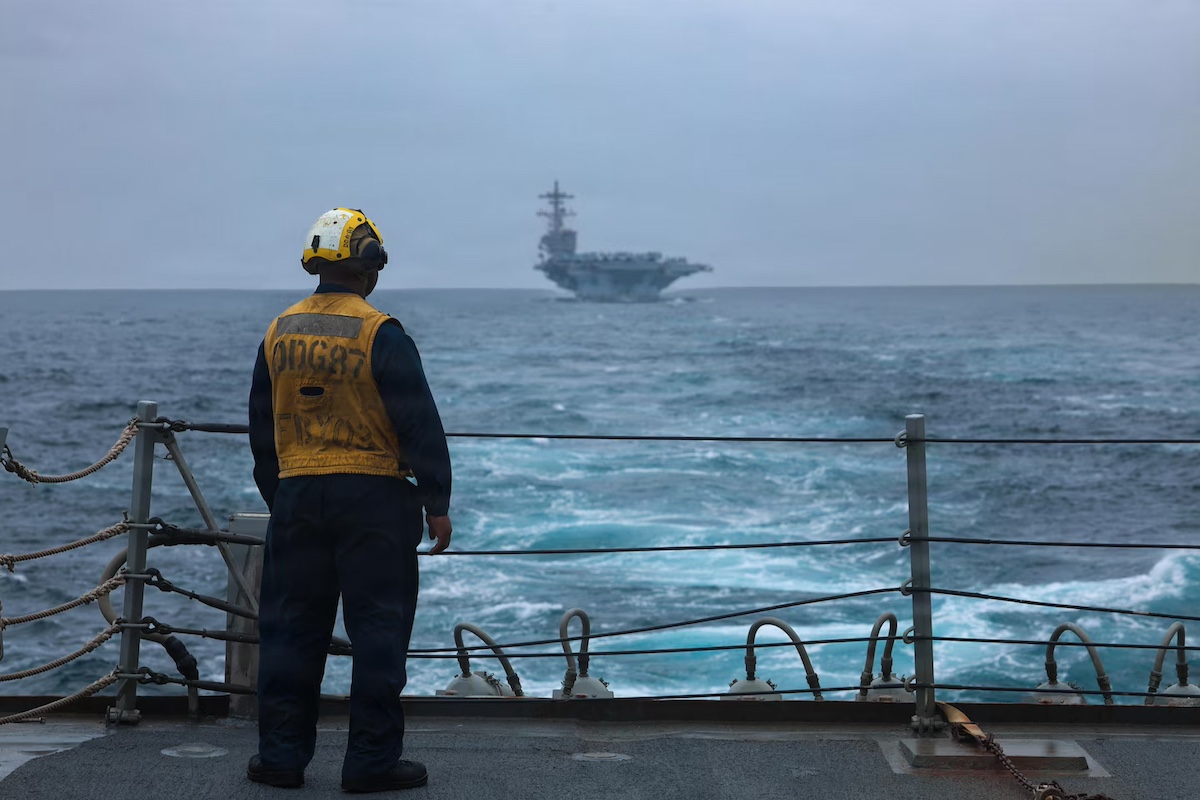
    As the protracted US-Israeli military campaign against Iran shows no immediate sign of de-escalation, former US President Donald Trump rejected a landmark Iranian peace initiative on Wednesday that aimed to lift reciprocal blockades of the strategically critical Strait of Hormuz and postpone divisive nuclear negotiations to a future date.

    Multiple independent US media outlets have confirmed that the White House is actively considering extending its naval blockade of Iranian ports and oil infrastructure for multiple months, a plan that was outlined directly to senior US oil industry executives during a closed-door meeting with Trump. The news of the extended blockade triggered immediate volatility in global energy markets, a key barometer of geopolitical risk in the Middle East. Brent Crude, the global benchmark for international oil trade, jumped 7.5% by mid-day Wednesday to settle at $107.49 per barrel.

    On his social media platform Truth Social, Trump doubled down on his hardline stance toward Tehran, writing, “Iran can’t get their act together. They don’t know how to sign a nonnuclear deal. They better get smart soon!” The post was paired with a doctored image showing Trump carrying a rifle against a backdrop of explosions destroying a desert fortress, overlaid with the slogan: “No more Mr. Nice Guy!”

    According to US media reports, Trump’s closed-door talks with oil executives centered on two core goals: maintaining pressure on Iran via the naval blockade, and mitigating the economic fallout of higher energy prices for American consumers. Since the start of hostilities, average US retail gasoline prices have climbed roughly 35%, a smaller increase than what consumers have seen in Europe and Asia, but still a significant burden for household budgets. On Wednesday, the American Automobile Association reported the current national average price for a gallon of regular gasoline stands at $4.23.

    In an interview with Axios News published Wednesday, Trump framed the blockade as a more effective tactic than sustained aerial bombardment. “The blockade is somewhat more effective than the bombing. They are choking like a stuffed pig. And it is going to be worse for them. They can’t have a nuclear weapon,” he told reporters. The former president insisted the blockade will only be lifted once a comprehensive nuclear agreement is reached — a negotiation process he acknowledged could stretch on for months, if not years.

    While Trump declined to confirm upcoming military action during the Axios interview, unnamed senior defense officials have disclosed that US Central Command is drafting contingency plans for a series of “short and powerful” targeted strikes against Iranian assets to break the current diplomatic deadlock. The planning follows a major disruption to diplomatic efforts last week, when Trump canceled a planned trip by his negotiation envoys to mediating Pakistan just after Iran’s foreign minister had already arrived in the country, leaving talks completely in limbo.

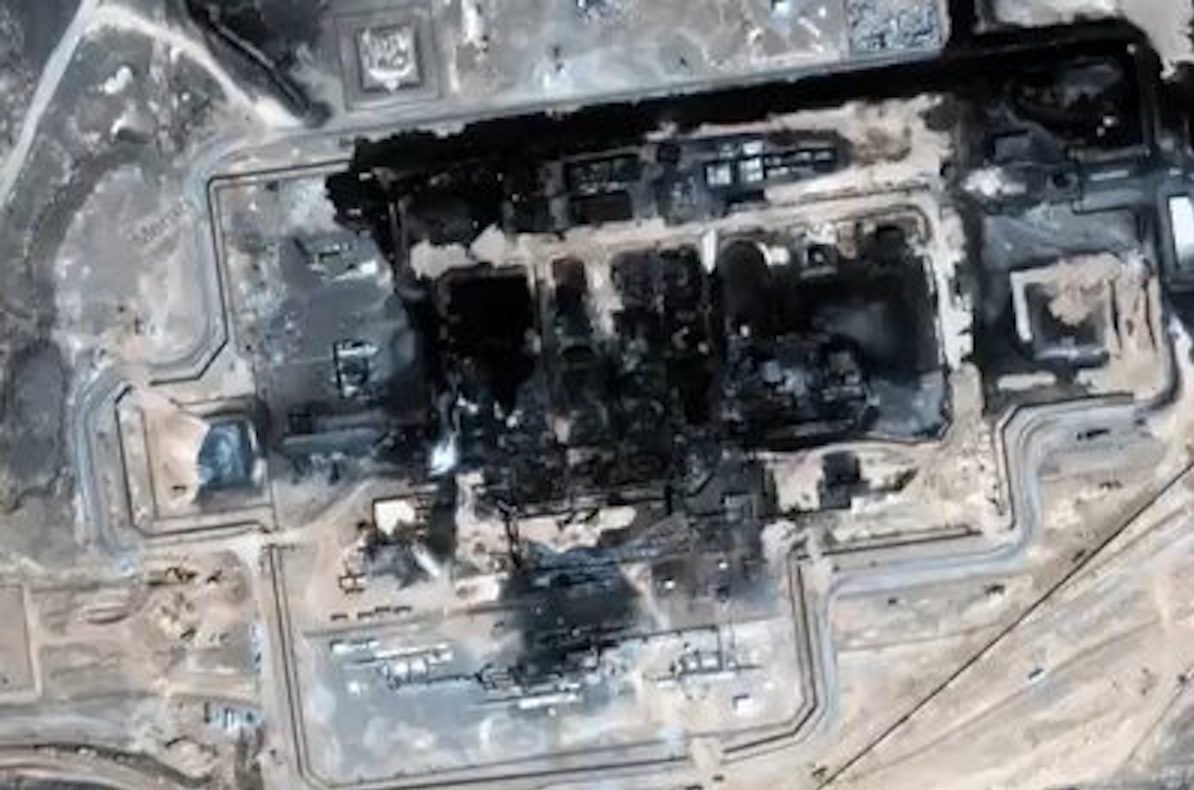
    A three-week-old ceasefire between US and Iranian forces has largely held across the theater of operations up to this point, giving a much-needed reprieve to Tehran, which suffered heavy damage from weeks of coordinated US and Israeli airstrikes. At the same time, US regional allies in the Persian Gulf have faced thousands of retaliatory ballistic missile and drone strikes from Iranian-aligned forces. More than 3,000 Iranian civilians and combatants have been killed in the 40 days of bombardment that preceded the ceasefire.

    After the initial ceasefire took hold, Trump replaced large-scale airstrikes with the naval blockade, a move he says responds to Iran’s seizure of partial control over the Strait of Hormuz, through which roughly 20% of the world’s daily oil shipments pass. Tehran has selectively allowed commercial vessels to transit the waterway amid the ongoing standoff. “They want to settle. They don’t want me to keep the blockade,” Trump told Axios. He added that the blockade has crippled Iran’s oil export sector, claiming that Iranian tankers and domestic oil infrastructure “are getting close to exploding” from backed-up crude supplies.

    On Wednesday, Iran’s state-run Press TV released a statement from an unnamed senior security source pushing back on Trump’s hardline position. The source noted that Iran’s military has shown deliberate restraint in recent weeks “intended to give diplomacy a chance”. The ceasefire, the source explained, was designed to give Trump “an opportunity to pull the United States out of the current quagmire it finds itself in”, but warned that Washington will face “practical and unprecedented action” from Iran if it refuses to end its naval blockade.

  • Karim Khan describes threats from David Cameron and Lindsay Graham in new interview

    Karim Khan describes threats from David Cameron and Lindsay Graham in new interview

    More than a year after stepping back from his role at the International Criminal Court (ICC) amid a United Nations investigation into sexual misconduct claims, Chief Prosecutor Karim Khan has spoken publicly for the first time, forcefully asserting his innocence and revealing unprecedented political intimidation from Western leaders over his push to prosecute Israeli officials for alleged war crimes in Gaza.

    In a wide-ranging interview with journalist Mehdi Hasan published on Zeteo, Khan laid out details of direct threats from senior Western politicians, corroborating earlier exclusive reporting from Middle East Eye (MEE) that exposed a coordinated campaign to undermine his leadership over the Gaza investigation. The probe into Khan’s conduct was triggered after misconduct allegations emerged last year, and a independent panel of judges appointed by the ICC’s governing Assembly of States Parties (ASP) Bureau already reviewed the UN investigation and concluded no evidence of misconduct or breach of duty had been proven against Khan. Yet despite the panel’s exoneration, Khan has not been allowed to resume his post, after a bloc of mostly Western and European states voted to set aside the judges’ findings and launch their own separate assessment based on the UN report.

    Khan told Hasan he was stunned and confused by the decision to keep the case open after he was cleared. “I cooperated with the process, and the process exonerated me. I’m just concerned that…why is it not being closed straight away?” he said. Addressing the sexual misconduct allegations directly, Khan noted that the 137 findings contained in the UN investigation contained zero conclusions that labeled any of his behavior as inappropriate in any form. “So it’s as clear as cut as that,” he emphasized, adding that the ongoing delay is no longer about the original allegations. “What is being proposed is for political state officials to somehow hear more representations to get the result [they want]. It is not acceptable.” The UN Office of Internal Oversight Services’ original report included competing evidence from both the complainant and Khan, and the judges’ panel later confirmed the investigation either failed to reach conclusive factual findings or found it impossible to do so based on available evidence.

    The misconduct investigation has unfolded against a backdrop of growing global pressure on Khan and the ICC, sparked by the prosecutor’s move to pursue arrest warrants for senior Israeli leaders over alleged war crimes committed during the Gaza conflict. Pressure began mounting in early 2024, as Khan finalized plans to apply for warrants for Israeli Prime Minister Benjamin Netanyahu and former Defense Minister Yoav Gallant. To date, Khan, his two deputies, and multiple ICC judges have already been subjected to official US sanctions over the investigation.

    Last August, MEE reporting detailed a sprawling intimidation effort that included threats from high-profile politicians, coordinated negative briefings against Khan by close associates, safety concerns triggered by the presence of a Mossad team in The Hague, and pre-planned media leaks of the sexual misconduct allegations. While Khan declined to directly accuse any intelligence service of infiltration, he confirmed that Netanyahu has repeatedly worked to weaponize the allegations against him. “Netanyahu has clearly amplified and has sought to instrumentalise, at the very least, these allegations,” he said, adding that both Russian foreign intelligence and Israeli intelligence have carried out close surveillance of his activities.

    When asked about MEE’s June 2024 exclusive report of a threat from then-British Foreign Secretary David Cameron that the UK would withdraw from the ICC and cut funding if the court moved forward with arrest warrants for Israeli officials, Khan confirmed the account was accurate. The April 23, 2024, phone call marked a clear moment of public pressure from one of the ICC’s founding member states. “Yes, it’s been reported, and it’s true,” he said. “I was sad. I wasn’t angry, I was sad. I’m not sure if it was [the] UK government, it was a very senior state official representing the UK government.” When pressed to confirm the caller was Cameron – a former British prime minister and current Conservative peer – Khan affirmed it was. Describing the conversation as difficult, he noted Cameron appeared visibly upset during the call. Khan struck a more optimistic note about the new British Labour government, saying Attorney General Richard Hermer has reaffirmed the UK’s commitment to respecting international law, a shift from the previous administration’s stance. As a British national and the ICC’s chief prosecutor, Khan emphasized the UK’s special responsibility as a UN Security Council permanent member: “If it stands for anything, it must stand for international law, and rules and complying and doing the right thing. And if the UK does the right thing, it’ll be good for the UK, and it’ll be good for the international community. And if we don’t, it’ll be the kiss of death for the standing of this great country.” Cameron has not responded to requests for comment on the call, and the British government has repeatedly declined to address the issue despite repeated questions from Labour MPs.

    Khan also confirmed remarks first reported by MEE from a May 2024 conference call with US Senator Lindsey Graham, in which Graham claimed the ICC was only intended to prosecute African leaders and figures like Russian President Vladimir Putin, not Israeli or American officials. Graham’s comment echoed the dismissive attitude many Western leaders have taken toward the Gaza investigation, Khan argued.

    The prosecutor also pushed back against claims that he advanced the arrest warrants to distract public attention from the misconduct allegations against him, calling the claim “baloney” in an American turn of phrase. He laid out a clear timeline to prove the warrants were planned long before the allegations became public: he traveled to the region in late 2023, visiting Israel, Palestinian communities, and Rafah, and publicly stated that all parties would be held accountable for violations. As early as March 2024 – weeks before the allegations emerged – he had already briefed senior US officials that he planned to file arrest warrant applications for the Palestine situation by the end of April, confirming the investigation’s timeline was never linked to the misconduct claims.

    Today, Khan’s future at the ICC remains uncertain. The ASP Bureau is scheduled to deliver a final ruling on the allegations in early June, and Khan is set to deliver a high-profile public address at the Oxford Union next Tuesday, in what will be one of his first major public appearances since stepping back from his post.

  • Palestine Action ban disproportionately impacts Palestinians in UK, court hears

    Palestine Action ban disproportionately impacts Palestinians in UK, court hears

    A high-stakes legal battle over the UK government’s ban on the direct-action advocacy group Palestine Action reached the Court of Appeal this week, with lawyers for the group’s co-founder arguing the proscription has inflicted disproportionate harm on Palestinian communities across Britain campaigning against Israeli military operations in Gaza.

    Appearing before judges on Wednesday, Raza Husain KC, counsel for Palestine Action co-founder Huda Ammori, told the court the ban has fostered a pervasive “culture of fear” among British Palestinians and rights advocates aligned with their cause. In written submissions, Husain emphasized that the designation as a terrorist group has hit British Palestinians particularly acutely: their right to speak out and organize has been chilled and criminalized at a moment when their families and communities in Gaza face widespread destruction.

    Husain referenced testimony submitted to the court from Dr. Aimee Shalan, chair of the British Palestinian Committee, to contextualize the widespread harm of the ban. Shalan documented that even before proscription, Palestinian community members involved in advocacy work regularly faced intimidation, including false accusations of being terrorists or terrorist sympathizers. The added designation has amplified this pressure dramatically, Husain explained, creating a chilling effect that pushes far more people to self-censor far beyond what any formal legal requirement would demand—even for those who face no immediate risk of prosecution.

    Counsel for Palestine Action also levelled criticism at the Home Office for failing to provide the group with advance notice of its terrorist designation, a step explicitly required under the UK’s 2000 Terrorism Act. Husain noted that the overwhelming majority of Palestine Action’s protest activity falls under the category of peaceful, low-level civil disobedience: common actions include sit-ins and physical lock-ons, with only a small faction of activists having engaged in more serious property damage. He acknowledged one high-profile 2025 incident in which two activists breached the perimeter of Royal Air Force Brize Norton in southern England and sprayed military aircraft with red paint, but argued that criminal damage targeting military infrastructure has historically never been classified as terrorism under UK law. “Criminal, yes, terroristic no,” Husain told the court.

    Fellow counsel Owen Greenhall KC added that UK authorities already had a range of less extreme legal measures available to address any unlawful activity by group members, including criminal charges for property damage, trespassing claims, and civil injunctions. A full terrorist proscription, he argued, was an unnecessary and disproportionate overreach.

    Representatives of the Home Office pushed back against these arguments in court, with James Eadie KC, counsel for the department, contending that prior notice was not required in this specific case. Eadie argued that Palestine Action is a “disparate group” with no clear central leadership structure, creating practical barriers to identifying who should receive formal advance notification. He also noted that the case involves core concerns of national security and public safety, arguing that pre-notification would have created an unacceptable risk of activists taking pre-emptive action to evade the ban.

    The appeal itself challenges a landmark February 2026 High Court ruling that sided with Ammori and struck down the Home Office’s proscription of Palestine Action as unlawful. The High Court found that the government’s ban violated the department’s own established policies and disproportionately interfered with the fundamental human rights to freedom of expression and peaceful assembly. While High Court judges rejected framing Palestine Action as an entirely non-violent group, acknowledging evidence of criminal damage and confrontational actions during protests, they ultimately concluded that a full ban would cause unacceptable harm to civil liberties—especially for British residents seeking to express solidarity with Palestinians.

    Earlier in the week, Eadie argued that the initial High Court ruling ignored the UK’s democratic governance structures by blocking the government’s attempt to designate the group. The Home Office contends the lower court’s judgment was legally flawed, and that it undermines the government’s ability to respond to what it calls escalating protest activity linked to the group. Eadie noted that the proscription decision, made by former Home Secretary Yvette Cooper, received formal parliamentary approval via an affirmative resolution process, meaning it carried clear democratic legitimacy. He argued the High Court gave insufficient weight to this statutory and democratic framework that underpins the Home Secretary’s proscription powers.

    The Court of Appeal is expected to deliver its final ruling in the coming weeks. The proceedings included a closed-door session scheduled for Thursday, where government lawyers will present classified evidence to judges that will not be made available to Palestine Action’s legal team. A special advocate with security clearance to view the secret material has been appointed to represent the group’s interests during the closed session, but procedural rules bar the advocate from sharing any details of the evidence or discussion with Palestine Action’s main legal team, even though they work on behalf of the group.

    At the core of the case is a deeply contentious question that has divided UK public and political life: where should the legal line be drawn between militant protest action and terrorist activity, and what trade-offs should be accepted between national security protections and fundamental civil liberties for political advocacy?