标签: Asia

亚洲

  • Hong Kong jailed my dad to stop me speaking out, says activist

    Hong Kong jailed my dad to stop me speaking out, says activist

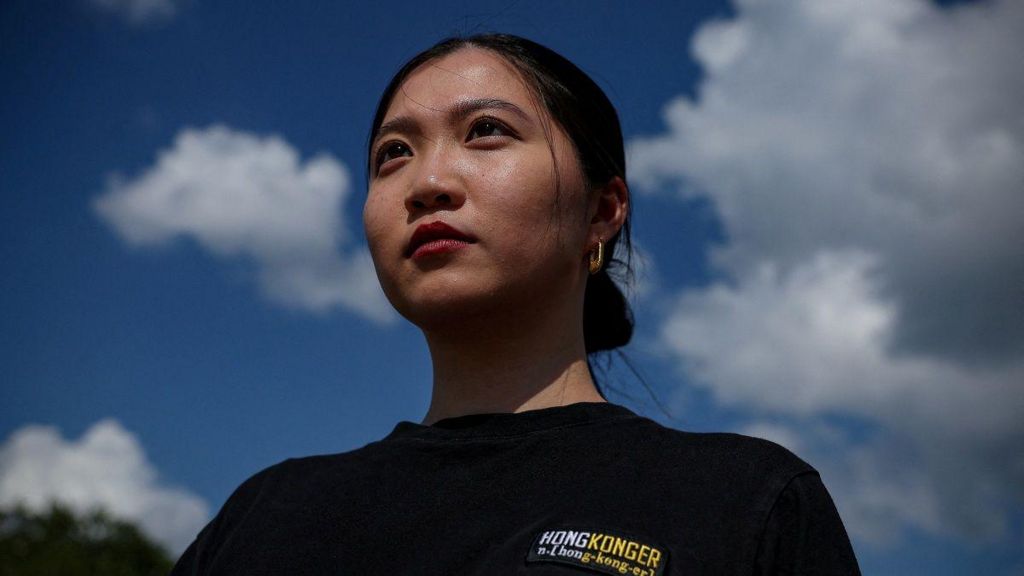
    Hong Kong’s national security apparatus has intensified its transnational campaign against pro-democracy activists by targeting their family members, as evidenced by the recent sentencing of 69-year-old Kwok Yin-sang. The elderly father received an eight-month prison term for attempting to withdraw approximately $11,000 from an insurance policy originally purchased for his daughter, Anna Kwok—a 29-year-old activist now residing overseas and facing HK$1 million bounty allegations from Hong Kong authorities.

    This case represents the first conviction of a family member related to an overseas-based activist wanted under Hong Kong’s national security framework. Authorities charged the elder Kwok under Article 23 legislation, which expands upon the Beijing-imposed national security law, for allegedly handling financial assets of a fugitive. While his son was released after arrest, Kwok Yin-sang maintained his innocence throughout proceedings.

    The situation extends beyond the Kwok family. Media reports indicate that since 2023, Hong Kong police have interrogated at least 50 relatives spanning 19 different families connected to overseas activists. These investigations have even encompassed figures previously aligned with pro-Beijing interests, demonstrating the campaign’s comprehensive nature.

    Anna Kwok, currently serving as executive director of the Washington-based Hong Kong Democracy Council, interprets her father’s prosecution as deliberate intimidation targeting her advocacy work. She asserts the Hong Kong government, taking cues from Beijing, has systematically suppressed political freedoms since the massive 2019 protests that initially triggered the security crackdown.

    International observers have condemned these tactics as forms of ‘transnational repression.’ The United States and United Kingdom governments have particularly criticized the bounty offers targeting activists abroad. Meanwhile, Hong Kong authorities maintain that all actions are legally justified necessities for maintaining stability, denying any political motivations behind enforcement measures.

    The 2019 extradition proposal protests marked a watershed moment, prompting Beijing’s implementation of the national security law in 2020. While officials argue this legislation ensures stability, critics contend it has criminalized dissent and dismantled Hong Kong’s traditionally vibrant civil society through fear and judicial weaponization.
  • Padres reliever Matsui out of WBC for Japan and uncertain for MLB opener because of groin strain

    Padres reliever Matsui out of WBC for Japan and uncertain for MLB opener because of groin strain

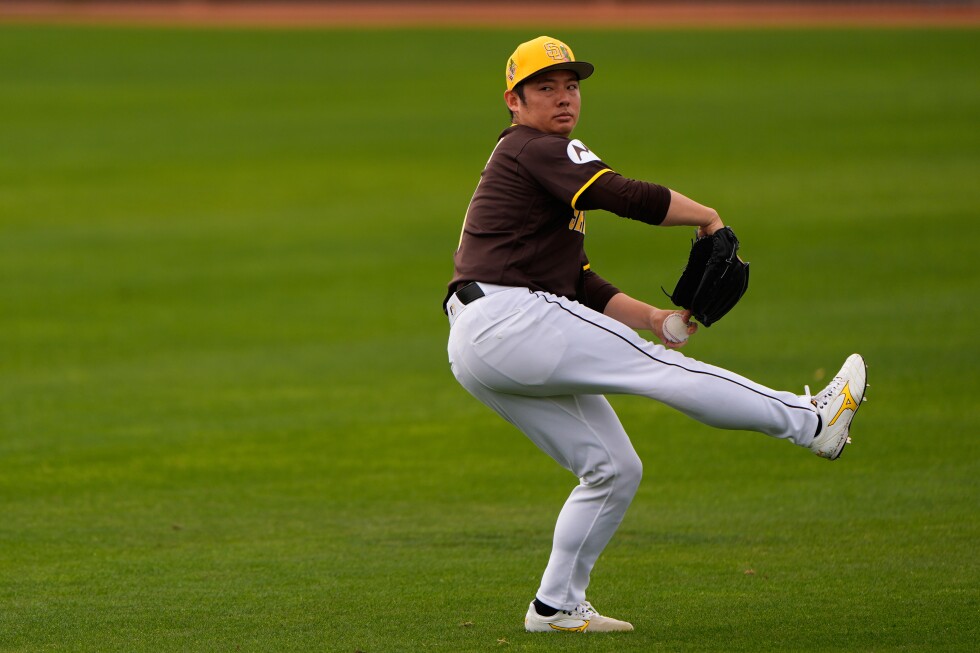
    PEORIA, Ariz. — San Diego Padres left-handed reliever Yuki Matsui has been officially ruled out of representing Japan in the upcoming World Baseball Classic due to a persistent left groin strain. The injury, sustained just over a week ago, has also cast significant doubt on his availability for the Padres’ season opener against the Detroit Tigers on March 26.

    The 30-year-old pitcher remains in a cautious rehabilitation phase, currently limited to throwing on flat ground as of Thursday. His progression to mound work has no definitive timeline. Through a translator, Matsui stated, ‘I am continuing my throwing progression, gradually increasing the intensities and distances. Once it is sufficient, I will begin throwing off the mound, but we do not yet know when that will be.’

    This development is a substantial setback for the defending WBC champion Japanese national team, for which Matsui was a selected roster member. He has been replaced by Yumeto Kanemaru, a left-hander from the Chunichi Dragons. Expressing his disappointment, Matsui said, ‘I was looking forward to playing with them.’ He remains optimistic about Japan’s chances, hoping to watch their games live if they advance to the final round in Miami, despite the time zone challenges for the earlier matches in Tokyo.

    Matsui’s injury concerns the Padres, who signed him to a five-year, $28 million contract prior to the 2024 season. Before his move to Major League Baseball, the pitcher established an illustrious career in Japan’s Nippon Professional Baseball (NPB). Over a decade with the Tohoku Rakuten Golden Eagles, he compiled a remarkable 2.40 ERA, 236 saves, and a 1.11 WHIP. A five-time All-Star and the youngest pitcher ever to reach 200 saves in NPB history, Matsui led the Pacific League in saves three times (2019, 2022, 2023) after making his debut at just 18 years old in 2014.

  • Bangladesh court orders Interpol red notice for arrest of Labour MP Tulip Siddiq

    Bangladesh court orders Interpol red notice for arrest of Labour MP Tulip Siddiq

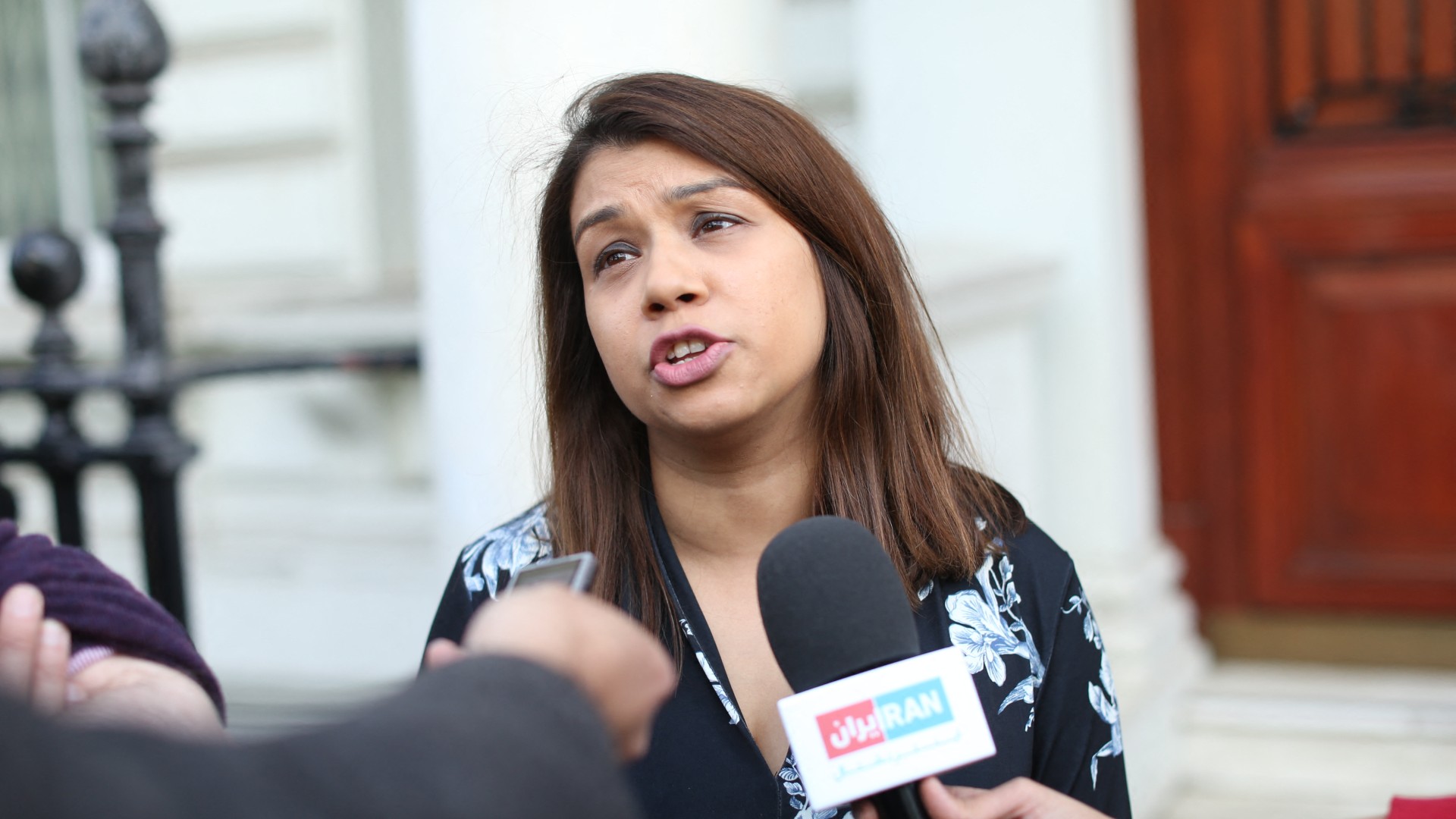
    A senior judge in Dhaka has mandated the pursuit of an Interpol red notice targeting Tulip Siddiq, a sitting British Labour MP and former Treasury minister, on grounds of corruption. The order was issued by Justice Muhammad Sabbir Foyez on Thursday, responding to a formal application submitted by Bangladesh’s Anti-Corruption Commission.

    The allegations assert that Siddiq exploited her familial ties to former Prime Minister Sheikh Hasina to improperly influence the allocation of valuable land in Dhaka’s affluent Gulshan district. This development represents the latest escalation in a series of legal actions against the parliamentarian, who has already received three separate prison sentences totaling six years in absentia from Bangladeshi courts on related corruption charges.

    Siddiq, who represents the London constituency of Hampstead and Highgate, has consistently denied all accusations, previously characterizing the judicial proceedings as fundamentally “flawed and farcical from beginning to end.” The Labour Party has echoed these concerns, with a spokesperson emphasizing that Siddiq’s legal team was repeatedly denied the opportunity to make representations despite formal requests, thereby undermining the fairness of the judicial process.

    The case unfolds against a backdrop of profound political transformation in Bangladesh. Siddiq’s aunt, Sheikh Hasina, was ousted from her lengthy premiership by a mass student-led uprising in August 2024 and currently resides in exile in India. Subsequently, a court sentenced Hasina to death in absentia for crimes against humanity related to her government’s lethal crackdown on protesters.

    This political upheaval culminated in November’s general election, widely regarded as the nation’s first free and fair electoral process in nearly two decades, which resulted in a decisive victory for the Bangladeshi National Party (BNP). Tarique Rahman, son of former Prime Minister Khaleda Zia and assassinated President Ziaur Rahman, assumed office as the new premier on February 17th.

  • Iranian, US delegations present ‘practical proposals’ in nuclear talks: Iran’s foreign ministry spokesman

    Iranian, US delegations present ‘practical proposals’ in nuclear talks: Iran’s foreign ministry spokesman

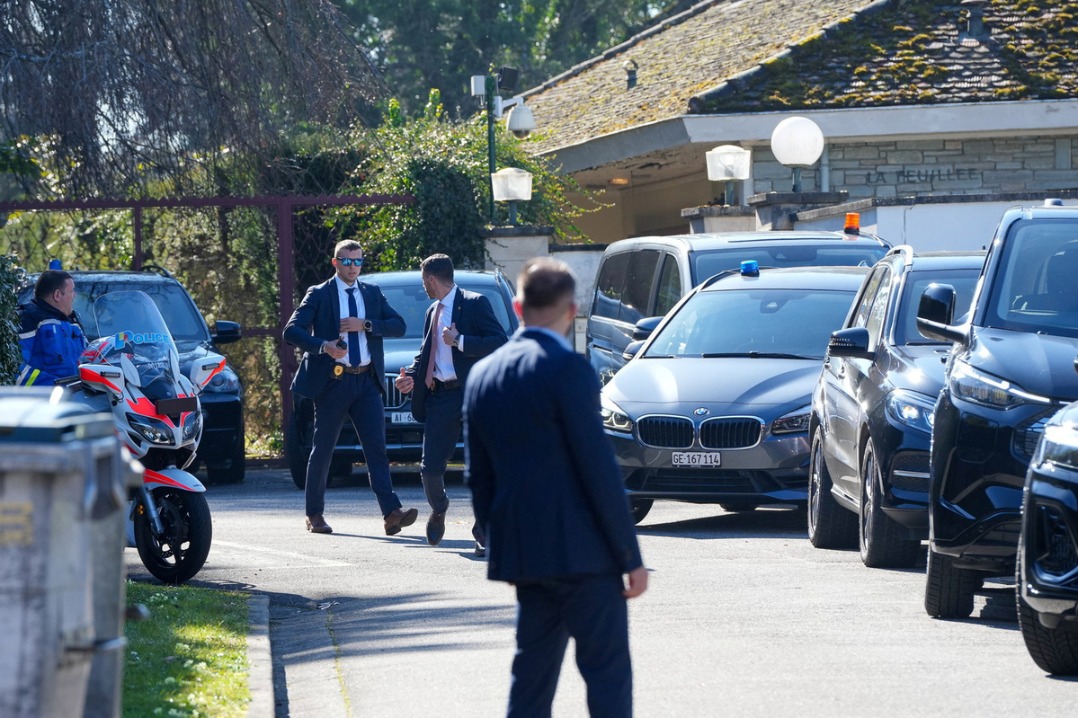
    In a significant development in the protracted nuclear negotiations, Iranian and American delegations have presented substantial and practical proposals addressing both nuclear limitations and sanctions relief. The talks, conducted indirectly through Omani mediation in Geneva, marked a potential turning point in the longstanding diplomatic stalemate.

    According to Iranian Foreign Ministry spokesman Esmaeil Baghaei, both delegations tabled “very important and practical proposals” during Thursday’s intensive negotiations. The discussions remained exclusively focused on nuclear matters, with Baghaei emphasizing this singular priority following a three-hour session that prompted both sides to briefly adjourn for internal consultations.

    The Omani Foreign Ministry, facilitating the dialogue, reported an “unprecedented openness to new and creative ideas and solutions” from both negotiating parties. This assessment suggests a potentially more flexible approach than in previous rounds of discussions.

    Adding significant weight to the proceedings, Ali Shamkhani, Secretary of Iran’s Supreme National Security Council and senior advisor to Supreme Leader Ali Khamenei, declared that an immediate agreement could be reached if the primary concern remains preventing Iranian nuclear weapons development. Shamkhani noted this position aligns with both Iran’s defense doctrine and a religious decree issued by Khamenei.

    The negotiations, led by Iran’s Deputy Foreign Minister Abbas Araghchi and US Special Envoy Steve Witkoff, occur against a backdrop of heightened regional tensions and US military buildup. Araghchi’s preliminary meeting with Omani counterpart Sayyid Badr bin Hamad Albusaidi on Wednesday evening helped establish Iran’s positions on both nuclear limitations and sanctions relief ahead of the main discussions.

    The talks represent the third round of indirect negotiations between the longstanding adversaries, with previous discussions having yielded limited progress. Both delegations were scheduled to reconvene between 17:30 and 18:00 Geneva time to continue deliberations.

  • Footage shows Israeli forces standing by as Palestinian boy they shot bled out

    Footage shows Israeli forces standing by as Palestinian boy they shot bled out

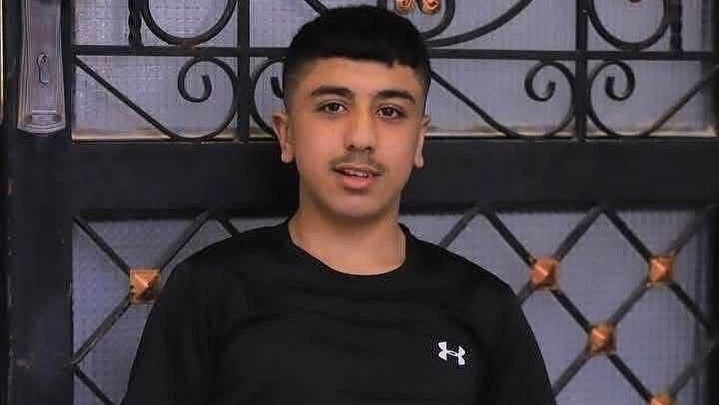
    Newly surfaced CCTV footage, authenticated and released by the BBC, documents the fatal shooting of 14-year-old Jad Jadallah by Israeli security forces during a military operation in the Fara refugee camp, located south of Tubas in the occupied West Bank. The incident occurred in November.

    The video evidence, corroborated by eyewitness accounts, depicts a harrowing scene where approximately 14 soldiers encircled the wounded teenager for a minimum of 45 minutes as he bled on the ground, with no visible attempts to administer emergency medical assistance. Despite the Israeli military’s subsequent claim that “initial medical treatment” was provided, local reports confirm that ambulance crews were actively blocked from accessing the scene to offer aid.

    The army’s justification for the lethal force centers on an accusation that the teen was throwing rocks—an act it claims warrants such a response. However, footage from the scene appears to show a soldier placing an object next to Jadallah’s body after the shooting and photographing it, a move his family and human rights observers condemn as a potential attempt to fabricate evidence.

    The broader CCTV footage provides context: it shows Jadallah and two friends in an alleyway observing the military incursion. Upon sighting the soldiers, one friend flees while Jadallah finds himself in direct proximity to a soldier, who raises his rifle. The teen attempts to run away, seemingly already injured, before the soldier fires again.

    Multiple videos of the incident have circulated. One shows soldiers searching Jadallah’s body before taking it into custody. Another captures the critically wounded boy attempting to rise before collapsing. Critical details, including the number of gunshot wounds, remain unknown as the Israeli military continues to withhold Jadallah’s body, refusing to release it to his family or comment on autopsy findings.

    This practice of retaining Palestinian bodies is permitted under Israeli law. A 2018 amendment to the country’s Counter-Terrorism Law, later upheld by the Supreme Court, authorized the state to withhold the bodies of individuals it deems to have committed acts of violence. Israeli forces labeled Jadallah a “terrorist” posthumously without presenting public evidence.

    Jadallah is one of 55 children killed by Israeli forces in the occupied West Bank last year and part of a total of 227 Palestinian children killed since October 2023. Furthermore, Israeli authorities are currently withholding the bodies of at least 766 identified Palestinians, a number that has nearly doubled since the outbreak of the war in Gaza, despite Hamas having returned all Israeli captives’ bodies.

  • Iran’s talks with US to resume at 17:30-18:00 Geneva time, says foreign ministry spokesman

    Iran’s talks with US to resume at 17:30-18:00 Geneva time, says foreign ministry spokesman

    Diplomatic channels between Iran and the United States are reactivating as both nations prepare to resume critical negotiations in Geneva. According to an official statement from Iran’s Foreign Ministry spokesman, the talks are scheduled to commence between 17:30 and 18:00 local time on February 26, 2026.

    The Iranian negotiating delegation has already departed for the discussion venue in Switzerland, signaling Tehran’s commitment to the diplomatic process. This meeting represents a significant development in the complex relationship between the two nations, which has been characterized by extended periods of tension interspersed with brief diplomatic engagements.

    The timing of these talks coincides with broader geopolitical shifts in the Middle East and comes amid international scrutiny of Iran’s nuclear program. The Geneva setting provides a neutral ground for both parties to address longstanding disputes and potentially find common ground on security concerns and economic sanctions.

    While the specific agenda items remain undisclosed, observers anticipate discussions will center on nuclear non-proliferation, regional security frameworks, and the potential easing of economic restrictions that have significantly impacted Iran’s economy. The outcome of these talks could have far-reaching implications for Middle Eastern stability and global non-proliferation efforts.

    The resumption of dialogue follows a period of strained relations and represents a cautious step toward diplomatic reconciliation. Both nations approach the negotiating table with distinct priorities and constraints, creating a complex dynamic that will test diplomatic skills on both sides.

  • ‘Trump logic:’ How Trump went from declaring victory over Iran to the cusp of a new war

    ‘Trump logic:’ How Trump went from declaring victory over Iran to the cusp of a new war

    President Donald Trump’s State of the Union declaration that the U.S. “obliterated” Iran’s nuclear program stands in stark contrast to his administration’s current warnings about Tehran’s rapid nuclear reconstitution, exposing a fundamental contradiction in White House rhetoric. This paradoxical positioning emerges as the administration appears to be constructing new justifications for potential military action against Iran.

    Senior administration officials, including Trump’s envoy Steve Witkoff, now assert Iran could be “a week away from having industrial grade bomb making material” – a claim experts find irreconcilable with earlier assertions of complete destruction. The discrepancy highlights what analysts describe as an increasingly concerning pattern of escalation.

    The June 2025 joint U.S.-Israeli operation, dubbed “Midnight Hammer,” targeted three Iranian nuclear facilities at Fordow, Natanz, and Isfahan. While Trump initially celebrated the operation as concluding the Iranian nuclear threat, his own Pentagon assessed the strikes merely set back Iran’s program by up to two years. Current intelligence suggests no evidence of renewed uranium enrichment activities.

    Recent weeks have witnessed a strategic pivot in administration rhetoric, with officials now emphasizing Iran’s ballistic missile capabilities as potential justification for conflict. Trump specifically referenced developing missiles that could threaten Europe and eventually reach U.S. territory, despite Defense Intelligence Agency assessments indicating Iran remains years away from viable intercontinental capabilities.

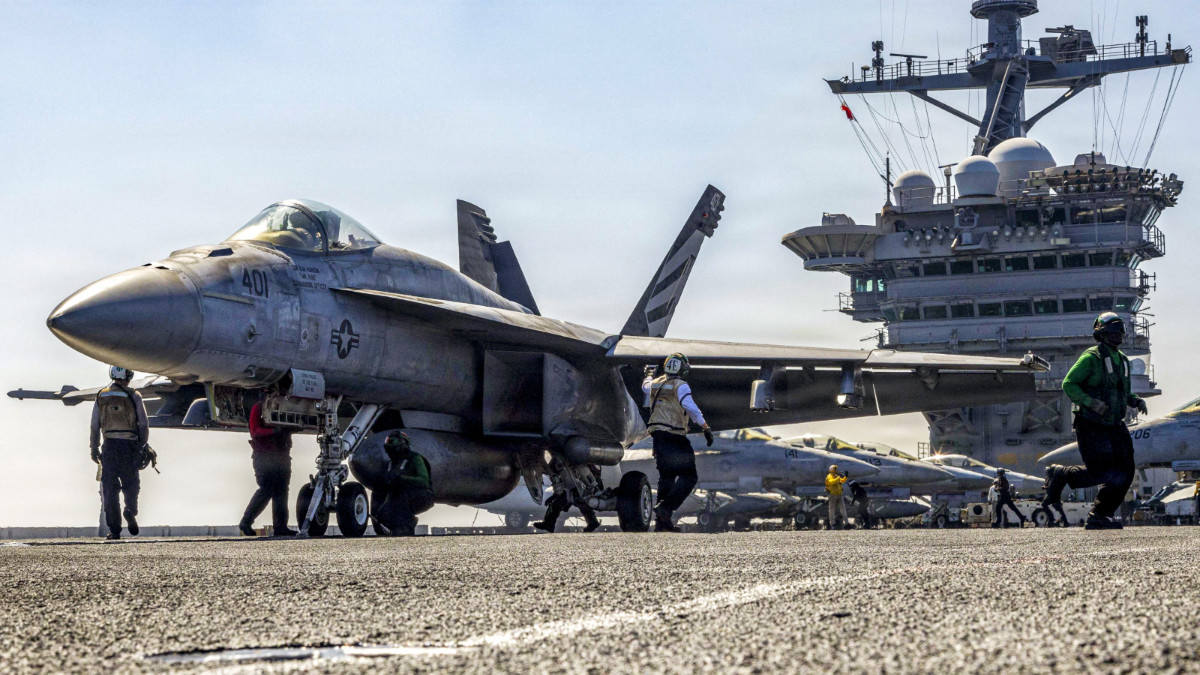
    The military context reveals substantial U.S. force deployment to the region, including two aircraft carrier strike groups and advanced fighter squadrons – the largest concentration of American military assets in the Middle East since the 2003 Iraq invasion. This buildup began during Iranian domestic protests in January, with Trump encouraging demonstrators to “take over government institutions.

    Political analysts point to significant Israeli influence, particularly following Prime Minister Benjamin Netanyahu’s December White House visit. The Israeli government, having successfully degraded Iran’s air defenses in previous operations, now reportedly seeks U.S. action against Iran’s missile programs, which proved effective during recent conflicts.

    Domestically, the administration faces limited public appetite for conflict, with University of Maryland polling showing only 21% of Americans support war with Iran. Even among Republican voters, support barely reaches 40%. Despite this, experts suggest Trump’s personal commitment to avoiding perceived weakness, particularly comparisons to President Obama’s Syria policy, may drive escalation.

    The administration’s negotiation posture, led by Witkoff and Jared Kushner, appears premised on Iranian capitulation rather than mutual compromise. This approach, combined with the regime change discussions reportedly occurring within administration circles, creates a dangerous environment where miscalculation could trigger conflict, potentially fulfilling the objectives of interventionist factions in Washington and Jerusalem.

  • Canadian Prime Minister Mark Carney visits India to restore relations and diversify away from US

    Canadian Prime Minister Mark Carney visits India to restore relations and diversify away from US

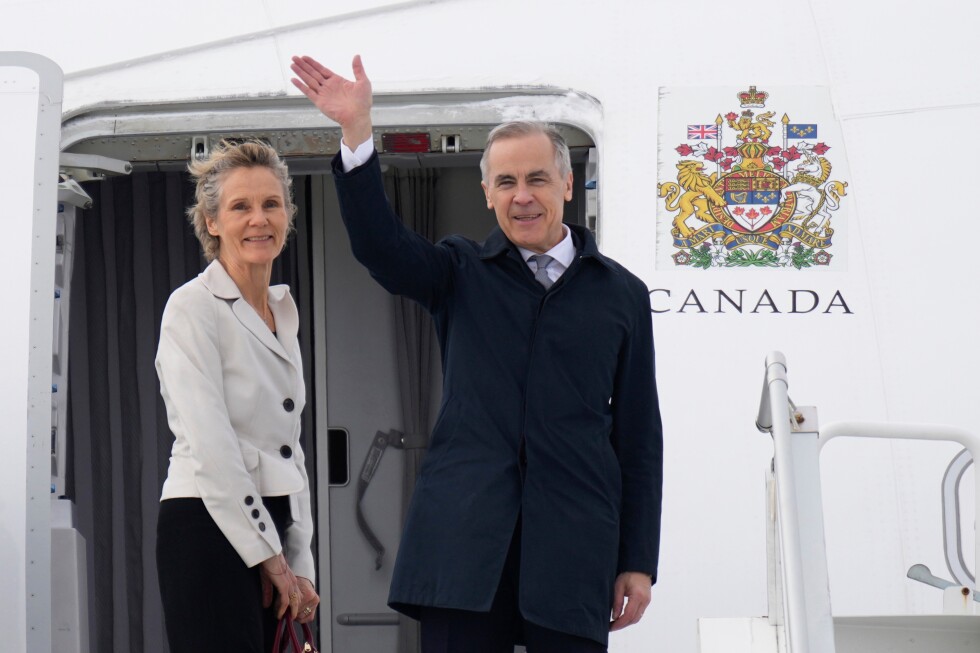
    Canadian Prime Minister Mark Carney has embarked on a strategic mission to India this week, signaling a significant shift in Canada’s foreign policy approach aimed at reducing economic dependence on the United States. The visit marks Carney’s first official trip to the world’s fourth-largest economy since taking office, representing a deliberate effort to repair bilateral relations following a serious diplomatic crisis.

    The diplomatic rupture occurred in September 2023 when former Prime Minister Justin Trudeau publicly alleged Indian government involvement in the killing of Sikh separatist leader Hareep Singh Nijjar near Vancouver. New Delhi vehemently denied the accusations and counter-alleged that Canada was harboring extremists, creating what Professor Daniel Béland of McGill University described as “a spectacular deterioration of Canada-India relations.”

    Nijjar, a prominent advocate for the banned Khalistan movement seeking an independent Sikh homeland, was considered a human rights activist by Sikh organizations. The allegations extended beyond Canada, with U.S. prosecutors also accusing Indian officials of directing a failed assassination plot against another Sikh separatist leader in New York.

    Current Public Safety Minister Gary Anandasangaree acknowledges that significant work remains to prevent Indian government agents from coercing or intimidating individuals within Canada. Sikh community representatives have expressed deep disappointment with Carney’s approach, viewing it as capitulation to Indian interests despite ongoing concerns about activist harassment.

    The diplomatic reset occurs against the backdrop of escalating trade tensions with the United States. President Donald Trump’s recent threat to impose 100% tariffs on Canadian goods over proposed China trade deals has accelerated Ottawa’s urgency to diversify trade relationships. Carney has explicitly set a goal to double Canada’s non-U.S. exports within the next decade.

    Professor Robert Bothwell of the University of Toronto notes that Carney’s ‘Davos doctrine’—condemning economic coercion by great powers against smaller nations—finds practical application in this outreach to India. Both countries share mutual interest in stabilizing trade relationships amid what Bothwell characterizes as Trump’s “whimsical, capricious and aggressive use of tariffs as a weapon.”

    Despite the historical tensions, economic pragmatism appears to be driving reconciliation. India ranked as Canada’s seventh-largest trading partner in 2024, with both nations having moved to advance a trade deal last year after years of mistrust. Political analyst Nelson Wiseman observes that attitudes between the two nations have taken “a 180-degree turn” under Carney’s business-oriented leadership, contrasting sharply with his predecessor’s approach.

  • Israeli army chief ‘silent’ on potentially devastating cost of new war with Iran

    Israeli army chief ‘silent’ on potentially devastating cost of new war with Iran

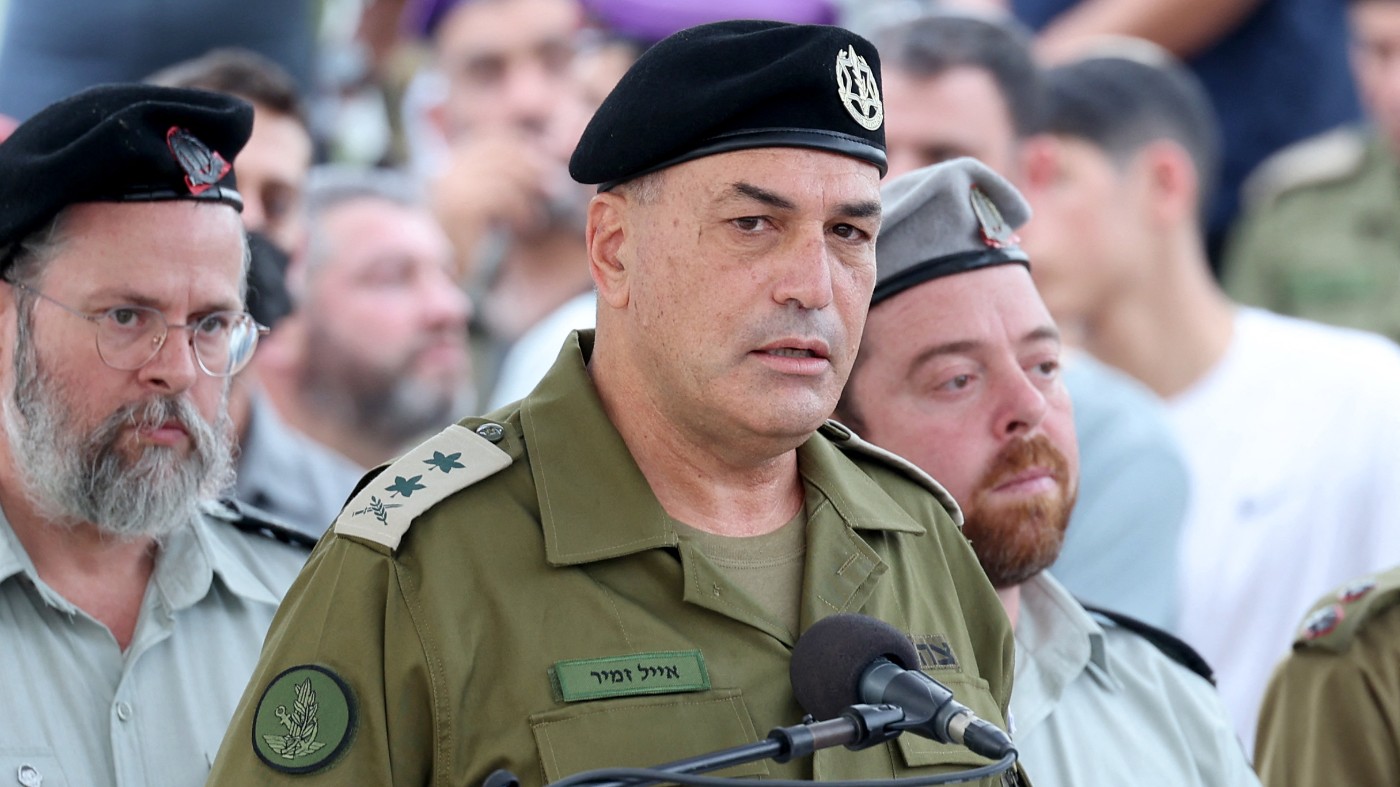
    Israel’s top military commander has expressed grave concerns in private deliberations about the catastrophic implications of escalating hostilities with Iran, even as official channels maintain public silence on the matter. Chief of Staff General Zamir, who assumed leadership of Israel’s Defense Forces in March 2025, has reportedly cautioned senior officials about the severe national security risks that would emerge from such a confrontation, according to revelations by Ynet on Thursday.

    The military establishment faces significant political pressure from Prime Minister Netanyahu’s administration to refrain from public discussion of potential consequences and strategic risks associated with military action against Iran. This suppression of military assessment occurs amid heightened regional tensions and widespread public anxiety about possible conflict escalation.

    Military strategists within Israeli defense circles anticipate that any U.S.-Israeli coordinated action against Iran could trigger a prolonged war of attrition, potentially lasting several months. This scenario would involve sustained missile attacks targeting Israeli territory not only from Iran but also through proxy forces in Lebanon, Yemen, and Iraq. The economic impact on Israel’s economy would be substantial, with defense analysts predicting severe strain on national resources.

    Despite Israel’s military preparedness following the June 2025 exchange with Iran, current planning does not account for a joint American-Israeli offensive operation. The Israeli military remains focused on rebuilding its operational capabilities and strengthening defensive positions.

    Diplomatic efforts continue simultaneously, with U.S. envoys Steve Witkoff and Jared Kushner engaging Iranian Foreign Minister Abbas Araghchi in Geneva negotiations. These talks occur against a backdrop of anticipated American military action and dangerously elevated tensions affecting the Israeli population.

    Prime Minister Netanyahu delivered characteristically stern warnings to Iran during a Knesset address, stating Israel would respond with unimaginable force to any aggression. However, the Israeli public remembers the recent conflict’s devastation—30 fatalities, 3,200 injuries, and approximately $3 billion in damages from Iranian missile strikes in June.

    The psychological and physical scars remain fresh for many citizens. In Bat Yam, near Tel Aviv, hundreds of residents still cannot return to their homes eight months after the previous conflict. Smadar Ronen, a Tel Aviv lawyer evacuated during the June strikes, describes suffering from PTSD and sleeping difficulties while criticizing the government’s inadequate support for affected civilians. Her experience mirrors that of over 15,000 evacuated residents who continue struggling with the war’s aftermath.

    Current military movements, including frequent U.S. aircraft arrivals and naval deployments in the Mediterranean, further intensify public apprehension without accompanying official reassurance, creating an atmosphere of heightened anxiety throughout Israeli society.

  • Iranian press review: Seven protesters face imminent execution

    Iranian press review: Seven protesters face imminent execution

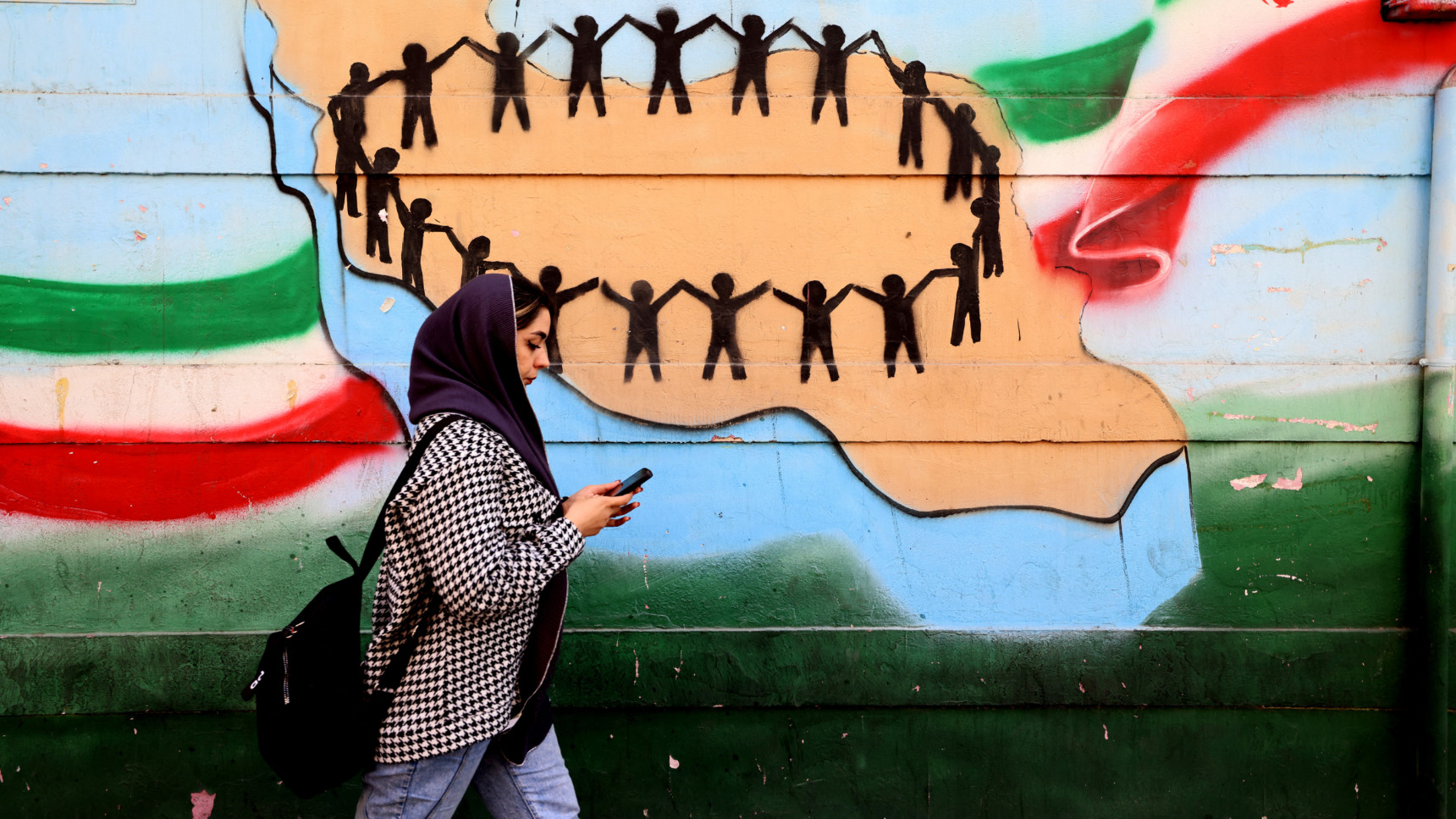
    Iranian authorities have officially confirmed the issuance of death sentences to at least seven individuals detained during recent anti-government demonstrations, marking the first domestic acknowledgment of such judicial decisions. The Norway-based Iran Human Rights organization had previously documented numerous death penalty cases among protesters, but Tehran’s confirmation signals an escalation in the government’s response to dissent.

    Legal representatives for three condemned prisoners—19-year-old Mohammad Amin Biglari, 31-year-old Yaser Rajaeifar, and 40-year-old Shahab Zohdi—revealed their clients received death rulings on February 7th. Defense attorney Hassan Agakhani disclosed that neither he nor co-counsel Maryam Sadrnia have been permitted access to case files or trial proceedings, creating severe procedural irregularities in the judicial process. Four additional defendants—Abolfazl Salehi Siavashani, Amir Hossein Hatami, Shahin Vahediparast, and Ali Fahim—face identical sentences in connection with the same case.

    The government’s delayed announcement of these sentences contrasts with previous protest responses, where executions were rapidly carried out to intimidate dissenters. This unusual postponement follows former U.S. President Donald Trump’s warning of potential military retaliation should executions proceed.

    Contradicting official statements regarding detained minors, educational activists report at least 50 students remain imprisoned despite government claims of universal releases. Mohammad Habibi, spokesperson for the Council of Teachers’ Unions, disputed Education Minister Alireza Kazemi’s assertion that all student protesters had been freed, noting families’ reluctance to publicize detentions over fears of complicating release negotiations. Authorities have attempted to justify ongoing youth detentions by claiming those held aren’t formally enrolled students—an argument legal experts reject as violating compulsory education age protections.

    Simultaneously, Iran’s electoral landscape shows further contraction of political participation. The finalized candidate list for upcoming urban and rural council elections reveals systematic exclusion of reformists and conservative critics. The Etemad daily newspaper characterized the widespread disqualifications as evidence of “structural contraction in local politics” rather than mere factional competition. Reformist figure Ismail Gerami-Moghaddam, himself barred from candidacy, condemned the purges as demonstrating governing bodies’ refusal to adapt despite mounting international pressure and domestic unrest.

    In a separate development, Iranian authorities attributed a mass text message received by approximately 50,000 citizens—purportedly from U.S. President Trump threatening imminent action—to foreign hacking of the national messaging system. This incident mirrors similar cybersecurity breaches following last year’s military confrontation with Israel.