标签: Asia

亚洲

  • Price guidelines set for novel therapies

    Price guidelines set for novel therapies

    China’s National Healthcare Security Administration (NHSA) has launched a comprehensive framework of national pricing guidelines that aims to streamline access to innovative medical treatments and standardize essential care services for elderly and pediatric populations, marking a major step forward in balancing technological innovation, industry development and public affordability.

    As of the latest update, the administration has rolled out 39 batches of these guidelines, covering approximately 180 categories of emerging medical technologies, products and care services. The new framework establishes unified national standards for service nomenclature, clinical definitions, and overarching pricing structures across all public healthcare institutions, while leaving authority for local governments to set final, context-specific fee levels aligned with regional economic conditions.

    Speaking at a press conference held on Monday, Dong Zhaohui, deputy director of the NHSA’s price bidding and purchasing department, outlined that the guidelines encompass a wide range of groundbreaking novel therapies. These include high-tech interventions such as surgical robotics, remote surgical procedures, brain-computer interface (BCI) implants, artificial heart devices, cochlear implants, artificial larynx devices, and high-intensity focused ultrasound treatment. When China granted the world’s first commercial approval for a BCI implant in March this year, the corresponding pricing guideline was released immediately to support rapid clinical rollout.

    Beyond neurological and device-based innovations, the framework also covers cutting-edge cancer treatments, including proton radiotherapy, heavy ion radiotherapy, and boron neutron capture therapy — interventions that have long been out of reach for many patients due to unclear pricing and limited infrastructure. Dong explained that when drafting the guidelines, regulators factored in multiple key priorities: fair returns for medical innovators, cost burdens for healthcare institutions, equitable patient access to new treatments, and practical implementation data from pilot regions such as Shanghai. The guidelines explicitly set reasonable payment caps per full treatment course, with a core goal of expanding affordable access for patients across the country.

    To further accelerate the adoption of life-saving new technologies, Dong added that the NHSA is exploring a proactive pre-approval pricing model, which would release guidance during the clinical trial stage of novel therapies, rather than waiting for full commercial approval. This early clarity is expected to cut development timelines and help bring new treatments to patients faster.

    Industry analysts and healthcare experts say the standardized pricing framework is already unlocking growth across China’s medical innovation ecosystem. Jiang Changsong, a professor at the National Institute of Healthcare Security at Capital Medical University, noted that under the new guidelines, government-referenced prices for invasive BCI implantation sit at around 7,000 yuan ($873) per procedure in Beijing, Hubei and Zhejiang, while non-invasive BCI implantation is priced at roughly 1,000 yuan.

    “With a clear pricing benchmark in place, medical enterprises can accurately calculate the return cycle for their R&D investments, which makes investors far more willing to commit capital to innovation. Hospitals also gain a transparent, official basis for service charging, and as a result, the entire industry chain is put into smooth motion,” Jiang explained. He added that the guidelines have already had a tangible impact on advanced cancer radiotherapy infrastructure: with a clear price anchor in place, more regional governments are confident in planning and constructing new proton therapy centers, which will eventually eliminate the need for patients to travel long distances across the country and wait in lengthy queues for life-saving treatment.

    For domestic medical device manufacturers, the standardized pricing framework is leveling the playing field in previously unregulated segments. Xing Yuzhu, executive deputy general manager of Beijing Surgerii Robotics Co, noted that before the new guidelines were introduced, surgical robot services lacked uniform national pricing standards, with fragmented pricing structures largely controlled by a small number of leading international companies. Under the new rules, fee structures for both primary surgical and auxiliary robotic procedures are clearly defined, with tiered pricing set based on the level of robotic involvement in each procedure. This structure enables domestic manufacturers to compete on a more equal footing with global brands while still ensuring they can earn reasonable returns on their innovation investments.

    In addition to supporting cutting-edge medical innovation, the new pricing guidelines also address pressing public welfare priorities aligned with China’s policy goals. To support the development of a birth-friendly society, the NHSA has added standardized pricing for a range of childbirth-related services, including fetal color ultrasound examinations, labor pain relief, family companionship during delivery, neonatal inpatient beds, general newborn nursing, and specialized care for premature infants.

    To improve access to high-quality, affordable care for China’s aging population, the administration has also introduced standardized pricing items for a full spectrum of elderly care services. These include 24/7 “companion-free” non-medical inpatient care, home care visits, end-of-life hospice care, home-based hospital beds, online follow-up consultations, and remote health monitoring, all designed to bring essential care services closer to elderly populations.

    Dong noted that under the guidelines, one-to-several “companion-free” care services are priced between 100 and 180 yuan per day across different regions, far lower than the 300 to 500 yuan typically charged by independent private caregivers. “This framework not only eases the financial burden on families caring for elderly relatives, but also helps attract more skilled talent to the professional nursing industry,” Dong said.

  • Nations’ commitment to one-China principle lauded

    Nations’ commitment to one-China principle lauded

    In a series of official statements released on Wednesday, Chinese authorities issued high praise for the international community’s unwavering commitment to the one-China principle, reaffirming that this global consensus aligns fully with international law and the foundational norms that govern cross-border relations.

    The comments followed the abrupt cancellation of a planned trip to southern Africa by Lai Ching-te, the self-styled leader of Taiwan’s ruling Democratic Progressive Party (DPP). Lai had been scheduled to visit Eswatini, the only African country that maintains unofficial diplomatic relations with Taiwan, from April 23 to 27. The trip fell apart after three Indian Ocean island nations — Seychelles, Mauritius and Madagascar — withdrew prior approval for Lai’s aircraft to fly through their airspace.

    Both the Chinese Foreign Ministry and the State Council Taiwan Affairs Office used their regular weekly press briefings to underscore the breadth of global support for the one-China principle, pushing back against separatist claims for “Taiwan independence” and false accusations from DPP authorities.

    Speaking at the briefing, Foreign Ministry spokesman Guo Jiakun noted that of the 54 recognized nations on the African continent, 53 have established formal diplomatic relations with the People’s Republic of China (PRC) in adherence to the one-China principle. These nations, alongside the African Union, formally adopted the Beijing Declaration during the 2024 Forum on China-Africa Cooperation Summit, a document that codifies their shared commitment to the principle, he added.

    Guo restated the core tenets of the one-China principle widely recognized by the international community: there exists only one sovereign China in the world, Taiwan is an inalienable part of Chinese territory, and the Government of the People’s Republic of China is the sole legitimate government representing the entire Chinese nation. He emphasized that African nations have repeatedly reaffirmed this stance and expressed firm backing for all efforts by the Chinese government to advance peaceful national reunification.

    “It is an undeniable fact that there is no so-called ‘president of the Republic of China’ recognized by the international community today,” Guo said. “Any individual who claims this false title is acting in opposition to the course of history, and will only end in humiliation.”

    Guo stressed that China’s full national reunification is an irreversible historical trend, and the global endorsement of the one-China principle reflects the overwhelming arc of history and the will of the global public. “No force can block the eventual reunification of China,” he said. “Separatist schemes for ‘Taiwan independence’ are completely futile and doomed to failure.”

    Zhang Han, spokeswoman for the State Council Taiwan Affairs Office, echoed these remarks, noting that the cancellation of Lai’s trip once again proves that the one-China principle is the overwhelming prevailing trend in global affairs, represents the greater good of the international order, and aligns with the shared will of the world’s people.

    Zhang addressed false claims circulated by DPP authorities that the Chinese mainland had exerted “intense pressure” on the African nations that revoked Lai’s overflight permits. She dismissed these allegations as slander, self-deception and malicious defamation, noting the claims are little more than a desperate attempt to distract from the growing isolation of “Taiwan independence” separatists in the international arena.

  • Ex-Philippine president Duterte to face trial on crimes against humanity charges

    Ex-Philippine president Duterte to face trial on crimes against humanity charges

    THE HAGUE, Netherlands – In a landmark ruling that marks a major turning point in global accountability for grave human rights violations, a three-judge panel at the International Criminal Court announced Thursday it has unanimously confirmed charges of crimes against humanity against former Philippine President Rodrigo Duterte, stemming from the thousands of deaths linked to his infamous anti-drug crackdowns that spanned more than a decade.

    The panel concluded there are substantial, credible grounds to hold the 81-year-old former leader responsible for dozens of extrajudicial murders, a killing campaign that first took shape during his decades-long tenure as mayor of Davao City in the southern Philippines and expanded nationwide after he won the Philippine presidency in 2016, holding office until 2022.

    Duterte, who was arrested in the Philippines last year, has repeatedly and vehemently denied all allegations against him. He has opted to forgo personal appearance in all ICC hearings to date, and a preliminary ruling last month confirmed he is medically fit to proceed to trial, after an earlier hearing was delayed over concerns about his health. A firm start date for the full trial has not yet been finalized by the court.

    In their 50-page written ruling, judges laid out that accumulated evidence demonstrates Duterte personally developed, publicly promoted and systematically implemented a deliberate policy to “neutralize” people suspected of involvement in the drug trade. Prosecutors argue that beginning in 2011, national police operatives and unofficial hit squads carried out dozens of targeted killings at Duterte’s direction, with participants incentivized by cash payouts and coerced by the threat of being marked as targets themselves if they refused to comply. During pretrial hearings held this past February, deputy prosecutor Mame Mandiaye Niang told the court that participation in the killings eventually devolved into a twisted, perverse competition among those involved.

    Estimates of the total death toll from the crackdown during Duterte’s presidential term vary widely: official Philippine police figures count just over 6,000 unintended killings, while independent human rights organizations place the actual death toll as high as 30,000.

    Prosecutors framed Thursday’s confirmation of charges as a critical milestone in their years-long push to deliver accountability for the widespread killings. “This decision represents a significant milestone” in our work to deliver justice for victims, the prosecution office said in a statement released Wednesday ahead of the public announcement.

    But Duterte’s defense team has rejected the ruling as fundamentally flawed. Lead defense counsel Nick Kaufman told the Associated Press the panel’s decision relies entirely on uncorroborated testimony from self-admitted killers who agreed to testify in exchange for leniency, arguing the evidence used to confirm charges lacks any credible corroboration.

    The ruling has already sparked sharply contrasting reactions, with families of people killed during the crackdown celebrating the decision in the Philippines. For survivors, the confirmation of charges brings long-awaited hope of justice and closure after years of official obstruction. Randy delos Santos, whose 17-year-old nephew Kian delos Santos was gunned down by police in a Manila alley in 2017 in a killing that sparked nationwide outrage, said the decision gives a voice to victims who were long reduced to nameless statistics. “This is for all the victims, who were not even given the chance to be recognized as victims because their stories were twisted in police reports, investigations and findings,” delos Santos told reporters. “Unlike Kian, most other victims were nameless, voiceless and were just numbers and statistics whose horrific stories were never heard. Now the ICC will give their stories a chance to be told.”

    Global and local human rights groups have also praised the ruling as a watershed moment for international justice. Maria Elena Vignoli, senior international justice counsel at Human Rights Watch, noted that the progression to trial sends an unambiguous message to current and former leaders around the world: no individual, even a former head of state, is above the law for the most serious international crimes. “Duterte’s trial will send a powerful message that no one responsible for grave crimes is above the law, whether in the Philippines or elsewhere, and that justice will eventually catch up with them,” Vignoli said.

    The path to Thursday’s ruling has been marked by repeated legal and procedural hurdles stretching back more than six years. ICC prosecutors first launched a preliminary investigation into the drug crackdown in 2018. Just one month after the investigation was announced, then-President Duterte announced the Philippines would withdraw from the ICC, a move widely criticized by human rights activists as an attempt to evade accountability for the killings. Earlier this week, appeals judges rejected a bid by Duterte’s legal team to dismiss the entire case on the grounds that the court lacks jurisdiction following the Philippine withdrawal.

    In another procedural development earlier this year, ICC judges disqualified the court’s former chief prosecutor Karim Khan from leading the case, citing a reasonable appearance of bias stemming from Khan’s prior legal work representing victims of Duterte’s alleged crimes before he took up his role at the ICC. Khan had already stepped back from his official duties at the court pending the outcome of an independent investigation into unrelated allegations of sexual misconduct.

    Associated Press journalist Jim Gomez contributed reporting from Manila, Philippines.

  • Estonian foreign minister visits Vietnam to boost tech, trade ties

    Estonian foreign minister visits Vietnam to boost tech, trade ties

    During a high-level diplomatic visit to Hanoi this week, Estonian Foreign Minister Margus Tsahkna held substantive talks with Vietnamese Prime Minister Le Minh Hung, outlining a bold agenda to expand bilateral collaboration across trade, digital technology and governance transformation. Diplomatic ties between the small Baltic EU member and the Southeast Asian economic heavyweight have warmed considerably in recent years, with a landmark bilateral digital cooperation agreement already set to take effect in 2025. Though Estonia contributes only 0.2% of the entire European Union’s total gross domestic product, the nation has carved out a global reputation as a pioneering leader in digital governance and e-government innovation, expertise it is eager to share with Vietnam as Hanoi pursues sweeping domestic reforms to reach high-income economy status by 2045. Tsahkna emphasized that partnering to digitize Vietnam’s public services would deliver tangible benefits: cutting through bureaucratic red tape, boosting government transparency, and reducing operational costs for both citizens and businesses. “It becomes far faster for people to access public sector services when systems are fully digitized,” Tsahkna told reporters from the Associated Press on the sidelines of the Hanoi meetings. He added that Vietnamese officials had already tabled a proposal for a new bilateral education cooperation agreement, opening another avenue for people-to-people ties. According to Vietnamese state media, Prime Minister Hung made two key requests of Estonia during the talks: that the Baltic nation push the European Union to formally ratify the stalled EU-Vietnam Investment Protection Agreement, and that it back Hanoi’s efforts to have the European Commission’s “yellow card” warning lifted. The trade restriction currently blocks many Vietnamese seafood imports over unsubstantiated claims of illegal, unreported and unregulated fishing. Beyond economic and digital cooperation, Tsahkna framed the bilateral partnership as mutually beneficial in broader strategic terms: Estonia can act as a convenient, low-barrier gateway for Vietnamese companies seeking access to the 27-nation EU single market, while Vietnam gives Estonia a strategic foothold and access to one of the fastest-growing consumer markets in the Southeast Asian region. “For us, Vietnam is one of the priority countries in the entire Indo-Pacific region,” Tsahkna said. The visit also gave Estonian officials a platform to share Europe’s perspective on the ongoing conflict in Ukraine, where Estonia views Russian aggression as an “existential threat” to European security. This outreach comes as Vietnam has maintained a long-standing diplomatic relationship with Moscow stretching back to 1950, and has stuck to a carefully calibrated neutral stance on the war, calling for peaceful negotiations while declining to issue direct public criticism of Russia. Tsahkna acknowledged that Estonia’s renewed diplomatic focus on Vietnam and broader Southeast Asia is shaped by both shifting geopolitical pressures and new economic opportunities. In particular, he noted that former U.S. President Donald Trump’s repeated criticism of European defense spending and persistent transatlantic tariff tensions have pushed the EU to diversify its diplomatic and economic partnerships beyond traditional allies, turning greater attention to fast-growing emerging markets across the Indo-Pacific.

  • Upgraded MAZU to enhance forecasting

    Upgraded MAZU to enhance forecasting

    Against a backdrop of rising global climate risks and intensifying extreme weather events, China has launched an upgraded iteration of its MAZO cloud-based meteorological early warning platform, a cutting-edge system built to enhance global capacity for anticipating and preparing for climate disasters. The rollout took place Wednesday during a side forum of the Third High-Level Conference of the Forum on Global Action for Shared Development, where policymakers and leading meteorological experts gathered to advance international cooperation on climate resilience and universal early warning access.

    Developed in-house by the China Meteorological Administration (CMA), the updated MAZU platform forms a core part of China’s contribution to the United Nations’ Early Warnings for All initiative, which aims to ensure every person on Earth is protected by life-saving early warning systems by 2027. Describing the platform as a global public good forged through decades of scientific advancement and artificial intelligence innovation, Zhang Xingying, CMA’s Department of International Cooperation director, emphasized that effective meteorological disaster mitigation and climate action are foundational pillars of global sustainable development. He added that China’s top priority is expanding equitable access to this technology for developing nations, particularly those across the Global South that bear the brunt of climate change but lack robust forecasting infrastructure.

    Dai Kan, deputy director of China’s National Meteorological Center, outlined key technical upgrades that boost the system’s performance. The revamped MAZU now integrates multiple cutting-edge AI forecasting models, including China’s AI-powered Fengshun seasonal prediction system and Fengqing medium-range forecasting framework, delivering marked improvements in prediction accuracy for extreme events such as intense rainfall and other severe weather. To better serve international users, the CMA has deployed new overseas cloud nodes, which have accelerated platform loading speeds sixfold and cut data response times by seven times, drastically improving access stability for users in regions including Africa. Beyond traditional weather forecasting, the upgraded system has expanded into impact-based forecasting, adding hydrometeorological tools such as global rainfall projections and flood risk warnings for major river basins. It now also offers sector-specific forecasting tailored to support data-driven decision-making in agriculture, transportation, and public health.

    Andrea Celeste Saulo, Secretary-General of the World Meteorological Organization (WMO), praised the MAZU initiative for advancing the goal of making early warning systems a universally accessible global public good, noting that the project is rooted in open sharing of knowledge, technical expertise, and innovative solutions. She highlighted that China’s approach is intentionally adaptive, recognizing the system must be customized to fit local geographic and climatic contexts rather than imposing a one-size-fits-all model.

    During the forum, the CMA formally handed over customized MAZU systems to the national meteorological authorities of Sri Lanka and Jordan, two nations that face growing climate-driven disaster risks. For Sri Lanka, a tropical Indian Ocean island nation that grapples with recurring extreme weather including devastating floods and prolonged droughts, the platform is expected to dramatically strengthen national disaster preparedness. Athula Kumara Karunanayake, director of Sri Lanka’s Department of Meteorology, explained that MAZU delivers forecasting across multiple time scales, from 24-hour early warnings for emergency response to monthly and seasonal outlooks that are critical for planning in key economic sectors including agriculture, fisheries, aviation, and water resource management. By integrating forecasting data directly with disaster management agencies and other government departments, the system will streamline early warning dissemination, helping cut both economic losses and climate-related casualties, he added.

    In Jordan, which faces growing climate threats including frequent sandstorms, extreme heatwaves, and persistent drought, the customized MAZU system will also strengthen national risk mitigation capacity. Raed Rafid, director of the Jordan Meteorological Department, noted that the platform’s ability to integrate multiple forecasting models, satellite data, and AI tools empowers local forecasters to issue more accurate, timely warnings to the public. Bilateral cooperation between Jordan and China has already included targeted training programs and technical workshops for Jordanian forecasters and engineering staff, and Rafid said the handover of the customized system paves the way for deeper collaborative work on meteorological innovation in the future.

    Since its initial public launch in 2025, the MAZU platform has been permanently deployed in seven countries, supports cloud-based access for users in more than 40 additional nations, and provides meteorological data products to 153 countries and regions worldwide, CMA data shows. International training programs tied to the platform have also built local capacity for experts from 89 countries around the globe.

  • A look at China’s behind-the-scenes role in Iran war diplomacy

    A look at China’s behind-the-scenes role in Iran war diplomacy

    BANGKOK – As the latest Middle East conflict roils global energy markets and upends regional security, China’s emergence as an informal behind-the-scenes mediator has captured international attention, marking a key milestone in Beijing’s push to frame itself as a responsible global power at a moment when U.S. policy has frayed long-standing American alliances.

    Over the past decade, China has deliberately expanded its diplomatic footprint across the globe, a sharp departure from its historic approach of avoiding deep involvement in conflicts far from its borders. Today, Beijing has positioned itself as a major diplomatic player, stepping in to facilitate de-escalation in disputes stretching from the Southeast Asian border to Eastern Europe. In the ongoing Iran conflict, while Beijing has not claimed the title of official mediator, both Washington and Tehran have acknowledged its meaningful contributions to cooling hostilities.

    Experts note that China’s mediation strategy across multiple conflicts follows a consistent pattern, with mixed results in shaping final negotiation outcomes. However, its current engagement in the Iran war comes at a uniquely opportune moment: the unilateral, alliance-straining policies of the Donald Trump administration have left traditional U.S. partners increasingly wary of American leadership, opening space for China to step into the diplomatic gap.

    In the Iran conflict specifically, China’s deep economic and political ties to Tehran grant it a rare level of influence, a particularly critical advantage at a time when fighting has disrupted global energy supplies, most acutely impacting Asian markets. Former President Trump has publicly stated he believes China pushed Iran to enter ceasefire negotiations, a step that led to the extended fragile truce currently in place. Unnamed diplomatic sources told the Associated Press that Beijing, which is the largest buyer of Iranian oil under international sanctions, used its economic leverage to encourage Iranian negotiators to attend the landmark face-to-face talks held in Pakistan earlier this month.

    Yaqi Li, a researcher at the S. Rajaratnam School of International Studies at Singapore’s Nanyang Technological University, explained that Beijing has not publicly confirmed this account, largely because it seeks to avoid being framed as a participant in a U.S.-led security architecture. Still, the move has been widely viewed as a pivotal moment for China, which has openly criticized the U.S.-Israeli military campaign against Iran.

    Since the conflict began with U.S.-Israeli strikes on February 28, senior Chinese diplomats have maintained intense outreach to all regional parties. Chinese Foreign Minister Wang Yi has held 30 phone calls with officials from Iran, Israel, Saudi Arabia, Bahrain, the United Arab Emirates, and other relevant stakeholders as of mid-April, according to official foreign ministry records. Wang also hosted his counterpart from Pakistan – which serves as the official lead mediator for the current talks – to unveil a five-point Chinese peace proposal that calls for an immediate end to hostilities and the full reopening of the strategic Strait of Hormuz.

    In an unusually public shift, Chinese President Xi Jinping has also taken an outspoken stance on the conflict. Last week, he warned against a global return to the “law of the jungle,” and this week he explicitly called for the Strait of Hormuz, a critical chokepoint for 20% of the world’s daily oil supply, to be reopened to commercial traffic.

    Analysts point out that China’s influence in the region stems directly from its status as an economic superpower. George Chen, a partner at the global consultancy The Asia Group, noted that China’s role in the Iran situation is functionally irreplaceable. As Tehran’s top oil customer, its diplomatic input carries far more weight than many other global actors, and it is one of the few major powers that has publicly expressed sympathy for Iran’s position at the United Nations. The U.S. government has also documented that Iran’s ballistic missile program was developed using Chinese technology, and China continues to sell dual-use industrial components that can be adapted for missile production.

    While China has not taken the lead in active on-the-ground mediation like Pakistan and key Gulf Arab states, it holds a unique position as a critical economic partner for nearly every major actor in the region. Tuvia Gering, a nonresident fellow at the Atlantic Council’s Global China Hub, explained that Beijing is uniquely able to offer Tehran tangible economic incentives that will matter greatly after the war ends, including pledges of reconstruction investment and commercial relief that few other countries can match. “It could be one of the few actors capable of giving Tehran both political cover and material incentives to accept constraints and stick to them,” Gering noted.

    This current mediation effort is just one part of a broader trend of growing Chinese global diplomatic engagement in recent years. One of Beijing’s most high-profile diplomatic successes came in 2023, when it helped broker the historic reconciliation between Saudi Arabia and Iran that restored official diplomatic ties between the two long-time rivals. The breakthrough was widely celebrated as a major geopolitical achievement that reduced the risk of open conflict across the Middle East.

    However, Muhammad Zulfikar Rakhmat, a researcher at the Center of Economic and Law Studies in Indonesia, pointed out that China carefully selects which conflicts it engages in, often stepping in only when conditions are already ripe for a deal. “Its mediation tends to be opportunistic and low-risk, often occurring when the parties themselves already have incentives to reach agreement,” Rakhmat explained.

    Beyond the Middle East, China has also tested its mediation model in other regional conflicts. It hosted multiple rounds of talks between Thailand and Cambodia during their 2024 border dispute, joined U.S. negotiators for initial ceasefire discussions in Malaysia, and helped broker a second truce after fighting reignited in December. Beijing has also put forward a formal peace proposal for the ongoing war in Ukraine, and even hosted the Ukrainian foreign minister for talks, despite its stated “no-limits” strategic partnership with Russia.

    Across all of these mediation efforts, experts note that China’s public messaging follows a consistent script, with heavy emphasis on upholding the United Nations Charter, respect for national sovereignty, and adherence to international law. In comments on the Iran conflict, Xi echoed this standard framework, calling for “upholding the principles of peaceful coexistence, upholding national sovereignty, upholding the rule of international law, and coordinating development and security.”

    Hoo Tiang Boon, a professor of Chinese foreign policy at Nanyang Technological University, noted that this consistent framing is a deliberate choice. “A lot of the points are remarkably consistent,” he said.

    Thitinan Pongsudhirak, a professor of international relations at Thailand’s Chulalongkorn University, argued that for China, engaging in distant conflicts carries low direct strategic risk but offers major reputational benefits, especially as the international community adjusts to the Trump administration’s unconventional negotiation approach. “What the U.S. is doing is deeply damaging, and everyone suffers from it … and China is displaying global leadership and exerting its global role by speaking to the rules-based international system,” he said. “It’s an inescapable contrast.”

    Leung contributed reporting from Hong Kong.

  • Samsung workers rally in South Korea, demanding higher pay and threatening to strike

    Samsung workers rally in South Korea, demanding higher pay and threatening to strike

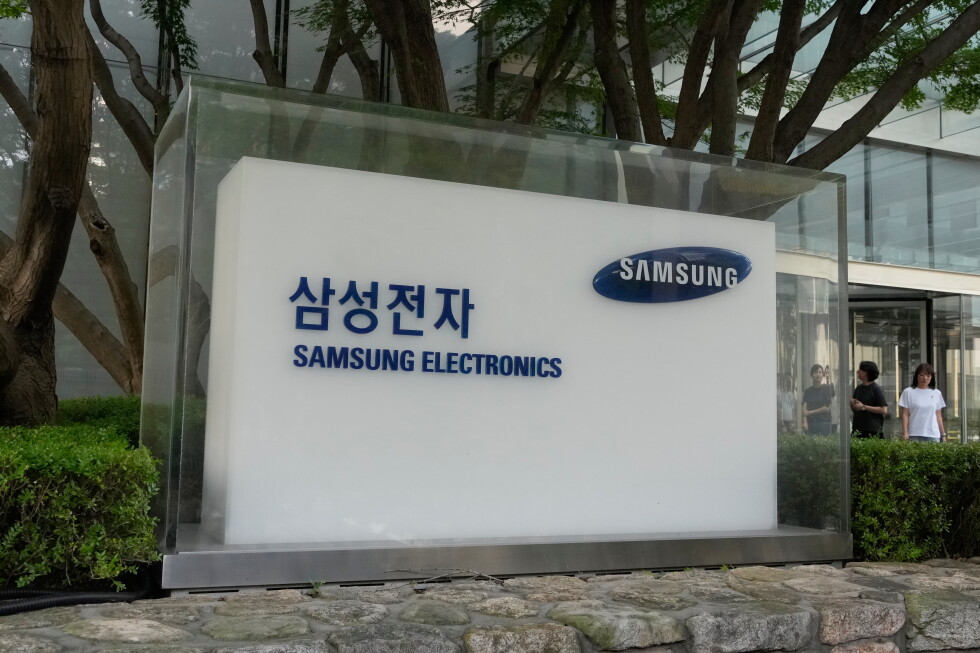
    In the heart of Samsung Electronics’ flagship Pyeongtaek chip manufacturing complex in South Korea, tens of thousands of unionized workers gathered in a mass public rally on Thursday, throwing their weight behind demands for transparent compensation and higher performance bonuses amid an unprecedented AI-driven surge in global memory chip profits. Organizers said around 40,000 union members participated in the demonstration, where attendees carried hand-painted signs and unfurled large banners, chanting calls for the removal of arbitrary bonus caps while a large contingent of local police monitored the gathering to maintain order. Official crowd estimates from law enforcement were not released immediately after the event.

    The demonstration came just hours after Samsung’s cross-country competitor SK Hynix announced jaw-dropping quarterly financial results, posting all-time record highs for both revenue and operating profit in the first three months of the year. SK Hynix leadership directly attributed the explosive growth to soaring global demand for high-end memory chips, fueled by widespread investments in artificial intelligence infrastructure, including data centers that power large language models and generative AI services.

    Together, Samsung and SK Hynix control roughly two-thirds of the entire global memory chip market, placing the two South Korean firms at the center of the AI boom reshaping the global technology economy. Earlier this month, Samsung forecast its own first-quarter operating profit would hit a record 57.2 trillion South Korean won, equal to roughly $38.6 billion, outstripping the 37.6 trillion won ($25.4 billion) that SK Hynix reported Thursday. Samsung’s larger profit forecast also reflects its more diversified business portfolio, which includes leading market positions in consumer smartphones and home electronics beyond its semiconductor division.

    The Samsung Electronics union, which represents 74,000 workers across the company’s operations, has argued that frontline employees have been shut out of the massive windfall generated by the AI boom. Union leaders have rejected management’s current compensation proposal, which includes restricted stock as part of bonus packages, and are pushing hard to eliminate the formal cap the company places on performance-based bonus payouts.

    If negotiations between the union and Samsung management fail to resolve the dispute by mid-May, the union has threatened to launch an unprecedented 18-day full strike starting May 21. Union officials estimate that a sustained work stoppage would cost the company more than 1 trillion won, or roughly $676 million, in lost revenue every single day the strike continues. Speaking to the crowd from an elevated platform mounted on a crane, union leader Choi Seung-ho reaffirmed the group’s commitment to its demands, telling attendees, “We won’t stop this fight until our fair demands are met.”

    While the AI boom has delivered unprecedented profits to the world’s leading memory chip manufacturers, industry leaders still face growing uncertainty in the months ahead. Ongoing conflict in the Middle East has disrupted global supply chains for critical chipmaking inputs, most notably helium, and has pushed up global energy costs, casting a shadow over the strong short-term growth outlook for the sector.

  • Taiwan minister makes rare visit to disputed South China Sea island

    Taiwan minister makes rare visit to disputed South China Sea island

    Against a backdrop of escalating geopolitical friction across the South China Sea and adjacent waters, a senior Taiwanese official has carried out a high-profile, uncommon visit to Taiwan-controlled Itu Aba — also known as Taiping Island — to oversee regional coast guard training exercises.

    Ocean Affairs Minister Kuan Bi-ling personally oversaw two types of drills on the contested islet: humanitarian search-and-rescue operations and full-scale medical evacuation simulations. The training also included a live-interception scenario, where armed coast guard personnel responded to an unresponsive suspicious cargo vessel. Released coast guard footage shows heavily equipped special operations units breaching the vessel’s control room to secure the scene.

    Itu Aba, the largest naturally formed island in the Spratly Islands chain, spans 46 hectares and is currently home to a permanent population of roughly 200 residents. The islet hosts critical infrastructure including a working airstrip and a full-service hospital, but its status remains a flashpoint for competing territorial claims. In addition to Taiwan’s ongoing administration, Beijing, Hanoi and Manila all assert full sovereignty over the land feature.

    This visit unfolds at a moment of heightened regional military activity. At the time of Kuan’s trip, the United States and the Philippines were conducting their largest-ever joint military exercises across Philippine territory, a move that triggered sharp pushback from Beijing. In response to the US-Philippines drills, China deployed a newly commissioned amphibious warship to the South China Sea and sailed one of its active aircraft carriers through the nearby Taiwan Strait. Cross-Strait tensions also frame the dispute: China claims the self-governing island of Taiwan as an inalienable part of its territory, a position Taiwan’s government rejects outright.

    The 2016 international arbitration ruling initiated by the Philippines reclassified Itu Aba as a “rock” rather than a full island under the United Nations Convention on the Law of the Sea. This classification restricts claimed resource rights to just a 12-nautical-mile exclusive zone around the islet, instead of the 200-nautical-mile exclusive economic zone that would be granted if it were recognized as a full island. Both Taipei and Beijing rejected the ruling outright and have refused to recognize the arbitration outcome. In 2024, Taiwan’s then-foreign minister Joseph Wu issued a stark warning that China had already constructed large-scale military installations across areas surrounding Itu Aba, further shifting the regional military balance in Beijing’s favor.

  • Nuclear energy is having a global revival 40 years after Chernobyl

    Nuclear energy is having a global revival 40 years after Chernobyl

    Thirty-eight years ago, the catastrophic 1986 Chernobyl nuclear disaster sent shockwaves across the globe, embedding deep public distrust of nuclear energy and grinding its expansion across Europe and much of the world to a near halt. Four decades on, however, the tides have turned dramatically. Once-shunned nuclear power is experiencing a widespread global resurgence, a trend that has gained unprecedented momentum from cascading geopolitical tensions, most recently the ongoing conflict in the Middle East.

    Today, more than 400 operational nuclear reactors span 31 nations, with an additional 70 new facilities actively under construction. Collectively, nuclear energy contributes roughly 10 percent of the world’s total electricity supply — accounting for one-quarter of all global low-carbon power generation. Technological advances over the past four decades have also transformed the industry: modern reactor designs incorporate far more robust safety features than the flawed units that failed at Chernobyl and Fukushima, while streamlined construction processes have driven down both building and operational costs.

    Fatih Birol, executive director of the International Energy Agency, told The Associated Press that even before the latest outbreak of Middle Eastern conflict, a nuclear rebound was already foreseeable in the wake of post-Fukushima backlash. “With the war in the Middle East, I am 100% sure nuclear is coming back,” Birol stated. “It’s seen as a secure electricity generation system, and we will see that the comeback of nuclear will be very strong, both in the Americas, in Europe and in Asia.”

    Major world powers are leading this renewed push. The United States remains the world’s top nuclear power producer, with 94 operational reactors generating roughly 30 percent of global nuclear electricity. Washington has set an ambitious target to quadruple its domestic nuclear capacity by 2050, with senior officials arguing that nuclear power is irreplaceable for modern energy security. “The world cannot power its industries, meet the demands of artificial intelligence, or secure its energy future without nuclear power,” U.S. Undersecretary of State Thomas DiNanno said recently.

    China, meanwhile, operates 61 domestic nuclear reactors and leads the world in new reactor construction, with nearly 40 new units underway. Beijing’s goal is to overtake the U.S. to become the world’s largest nuclear power producer by total installed capacity. Across East Asia, Japan has already restarted 15 idled reactors following comprehensive post-Fukushima safety overhauls, with another 10 awaiting final regulatory approval to come back online.

    In Europe, the 2022 Russian invasion of Ukraine triggered a continent-wide reckoning with energy dependence, and the Middle East conflict has further underscored the risks of reliance on imported fossil fuels. European Commission President Ursula von der Leyen has publicly characterized Europe’s decades-long retreat from nuclear power as a “strategic mistake,” and the EU now classifies nuclear as a core clean energy source alongside wind and solar to meet net-zero climate targets. From 30 percent of Europe’s electricity supply in 1990, nuclear’s share has fallen to roughly 15 percent today — a shift that has left the bloc vulnerable to global energy price shocks.

    “I believe that it was a strategic mistake for Europe to turn its back on a reliable, affordable source of low-emissions power,” von der Leyen said. “In the last years, we see a global revival of nuclear energy. And Europe wants to be part of it.”

    The EU is currently exploring development of Small Modular Reactors (SMRs), a next-generation design expected to enter commercial operation by the early 2030s. SMRs are marketed as cheaper, faster to build, and more operationally flexible than traditional large-scale reactors. While France, Sweden, and Finland have led pro-nuclear policy shifts within the bloc — with Belgium repealing its planned nuclear phase-out last year — other members including Germany, Austria, and Italy remain committed to phasing out nuclear power entirely. Germany completed shutdown of its last three operational reactors in 2023, a decades-long policy that current Chancellor Friedrich Merz calls irreversible, despite growing debate over potential future SMR development.

    France, which has long centered nuclear power in its national energy strategy, remains Europe’s nuclear powerhouse. Fifty-seven operational reactors across 19 plants supply nearly 70 percent of the country’s total electricity, a share that has remained consistent even after the Chernobyl disaster. In 2022, President Emmanuel Macron unveiled plans to build six new pressurized water reactors, as part of the country’s goal to cut greenhouse gas emissions and strengthen energy independence. Nicolas Goldberg, a partner at Paris-based energy consultancy Colombus Consulting, noted that the 2022 European gas crisis triggered by the Ukraine conflict reinforced Paris’s commitment to its existing fleet. “The COVID-19 pandemic, combined with the gas supply crunch triggered by the conflict in Ukraine, revealed the limits of deploying renewable electricity and Europe’s dependence on gas,” Goldberg explained. “France has therefore been reinforced in its strategy of maintaining its existing nuclear plants, which means extending their lifespan as much as possible.”

    Russia has also positioned itself as a global leader in nuclear technology exports, even as it expands its own domestic fleet. Currently, Moscow has 34 operational domestic reactors, eight of which are the same RBMK design that exploded at Chernobyl’s Reactor No. 4 in 1986, when Ukraine was still part of the Soviet Union. All RBMK reactors still in operation have undergone extensive safety retrofits to correct the inherent design flaw that, when combined with operator error, caused the 1986 disaster that spread radioactive contamination across much of Northern Europe. Today, Russia is actively building 20 new reactors across Europe, Africa, Asia, and the Middle East, with contracts for additional projects in the pipeline. It has already completed the first new reactor for neighboring Belarus, one-third of whose territory was contaminated by the Chernobyl disaster. Irina Sukhiy, founder of Belarusian environmental group Green Network, criticized Minsk’s embrace of new nuclear development, saying authorities are using the global nuclear revival to avoid addressing ongoing contamination harms to local communities.

    Even in Ukraine, where the Chernobyl disaster occurred, nuclear power remains a critical part of the national energy mix, generating roughly half of the country’s electricity. Ukrainian nuclear facilities have taken on outsized importance since Russia’s 2022 full-scale invasion, even amid ongoing safety risks including Russia’s occupation of the Zaporizhzhia Nuclear Power Plant and a 2024 drone attack on the Chernobyl site’s containment sarcophagus.

    Across the African continent, only South Africa currently operates a nuclear power plant, but that is set to change: Russia is constructing Egypt’s first nuclear facility, and multiple other African states are exploring their own nuclear development projects.

    Rafael Grossi, director general of the International Atomic Energy Agency, framed the global nuclear revival as a response to pressing shared energy and climate challenges. “The momentum we are seeing today is the result of a growing recognition that reliable, low-carbon electricity will be essential to meet the world’s rising energy demand,” Grossi said.

  • US downplays Iran’s seizure of European vessels, Hormuz brinkmanship continues

    US downplays Iran’s seizure of European vessels, Hormuz brinkmanship continues

    ### Escalating Maritime Standoff in the Strategic Strait of Hormuz
    Two months into open conflict, a tense stalemate over competing naval blockades has reignited friction between the United States and Iran in one of the world’s most critical energy chokepoints, with negotiations to end hostilities remaining deadlocked and neither side showing willingness to back down.

    On Wednesday, Iranian fast-attack craft intercepted three commercial vessels transiting the Strait of Hormuz, before escorting two of the detained ships into Iranian territorial waters. The two seized vessels are identified as the *Epaminondas*, a Greek-owned cargo ship flying a Liberian flag, and the *Francesca*, a container vessel operated by Mediterranean Shipping Company, a major shipping firm headquartered in Geneva, Switzerland.

    Iran’s operation delivered a clear message: despite repeated U.S. claims that Iran’s naval capabilities in the region have been crippled, Tehran’s small attack craft retain full operational ability to regulate and disrupt maritime traffic through the strait, a route that carries roughly 20% of the world’s daily oil trade.

    The latest seizures are a direct response to a U.S. action earlier this week, when American forces detained an Iranian crude oil tanker in the Indian Ocean that was sanctioned for allegedly smuggling Iranian oil exports. The current round of blockades dates back to February, when the Trump administration imposed a full naval blockade on Iran after Tehran seized control of key sections of the Strait of Hormuz following an attack on its assets.

    U.S. Central Command announced Wednesday that its blockade has so far blocked 29 vessels from violating the restrictions. Top Republican Senator Lindsey Graham has also hinted that the U.S. boycott of Iranian ports and commercial vessels may soon expand into a global campaign. But the Trump administration’s claims of a fully effective blockade have been called into question by maritime industry outlet Lloyd’s List, which confirmed that more than 24 commercial vessels — including multiple tankers linked to Iran — have successfully evaded U.S. warships patrolling the Gulf of Oman in recent weeks.

    In an attempt to de-escalate rhetoric and protect the fragile existing ceasefire, White House Press Secretary Karoline Leavitt downplayed the significance of Wednesday’s vessel seizures. She emphasized that the detained ships are not American or Israeli-flagged vessels, but rather two international commercial ships, so the action does not qualify as a breach of the ceasefire agreement. “The naval blockade that the U.S. has imposed continues to be incredibly effective,” Leavitt told reporters Wednesday.

    Iran has pushed back sharply on this framing, arguing that the U.S. blockade itself is a clear violation of the ceasefire. Tehran has reiterated that it will continue detaining international vessels transiting out of the Strait of Hormuz until the U.S. blockade is fully lifted. “A complete ceasefire only has meaning if it is not violated through a naval blockade,” stated Mohammad Bagher Ghalibaf, Speaker of the Iranian Parliament. “Reopening the Strait of Hormuz is not possible amid a blatant violation of the ceasefire.”

    The White House’s softening of rhetoric is explicitly aimed at preserving the fragile ceasefire that was set to expire this week. On Tuesday, U.S. President Donald Trump announced an indefinite extension of the truce, saying the move came at the request of Pakistan, which has served as a neutral mediator between Washington and Tehran. Trump explained the extension was necessary to give Iran additional time to review and respond to U.S. negotiation proposals. But Tehran has rejected this narrative, saying the U.S. has put forward unreasonable demands that are not open to compromise.

    Leavitt pushed back on media reports suggesting the White House had set a hard deadline for Iran to respond, telling journalists Wednesday: “The president has not set a firm deadline to receive an Iranian proposal, unlike some of the reporting I’ve seen today. Ultimately, the timeline will be dictated by the commander-in-chief.”

    While large-scale open fighting has halted under the ceasefire, the escalating standoff over control of the Strait of Hormuz has sparked widespread anxiety among neighboring Gulf states. Kuwait, Bahrain, Qatar and the United Arab Emirates all depend on the strait for the vast majority of their oil and gas export volumes, leaving their economies highly exposed to any prolonged disruption to maritime traffic.

    In response to reports that the UAE has requested a currency swap arrangement to shore up its dollar liquidity, Trump confirmed Tuesday that the White House is considering providing targeted financial support to the Emirati central bank. Currency swap lines allow foreign central banks to exchange their domestic currency for U.S. dollars during periods of market liquidity stress.

    On Wednesday, U.S. Treasury Secretary Scott Bessent confirmed to congressional lawmakers that the administration is weighing emergency dollar liquidity support for “many” Gulf states, including the UAE. Bessent explained that the arrangement, which functions as a short-term dollar loan, would benefit the U.S. as well by preventing disorderly sell-offs of U.S. dollar-denominated assets held by Gulf central banks. The UAE holds hundreds of billions of dollars in U.S. assets, including Treasury securities and U.S.-listed equities.

    “Swap lines, whether it’s from the Federal Reserve or the Treasury, are to maintain order in the dollar funding markets and to prevent the sale of the U.S. assets in a disorderly way,” Bessent said. “So, the swap line would benefit both the UAE and the U.S., and as I said, numerous other countries, including some of our Asian allies, have also requested them.”