
QUETTA, Pakistan – A devastating methane gas explosion at an underground coal mine in southwestern Pakistan has claimed the lives of 34 miners, local authorities confirmed Friday, after emergency crews spent hours working through the night to reach trapped workers.\n\nThe Provincial Disaster Management Authority reported that rescuers had pulled 32 bodies from the blast site located on the outer edges of Quetta, the capital city of Balochistan province, as of Friday morning. Search operations were still underway to recover the remains of the two remaining deceased miners.\n\nGhani Baloch, a local mine inspector, shared that officials initially estimated 42 miners were working inside the mine when the explosion struck Thursday. It was later confirmed that 34 workers were killed in the incident.\n\nShoaib Nosherwani, Balochistan’s Minister for Mines and Minerals, released a statement offering deep condolences to the families of all killed miners. He also announced a compensation package of 500,000 Pakistani rupees, equivalent to roughly $1,800, for each victim’s next of kin. Nosherwani added that a full official investigation will be launched to determine the root cause of the explosion, and that a province-wide review of coal mine safety protocols will be conducted in the wake of the disaster.\n\nFatal industrial accidents are a persistent crisis in Pakistan’s coal mining sector, especially in Balochistan. Many mining operations across the province lack critical basic safety infrastructure, including sufficient ventilation systems, functional gas detection equipment, and emergency response resources. Despite the severe occupational hazards and low pay that come with mining work, thousands of local residents depend on these jobs to support their households. Balochistan is Pakistan’s largest province by area, but also its least developed, with persistently high rates of poverty and unemployment leaving few alternative livelihood options for working-class communities.
标签: Asia
亚洲
-
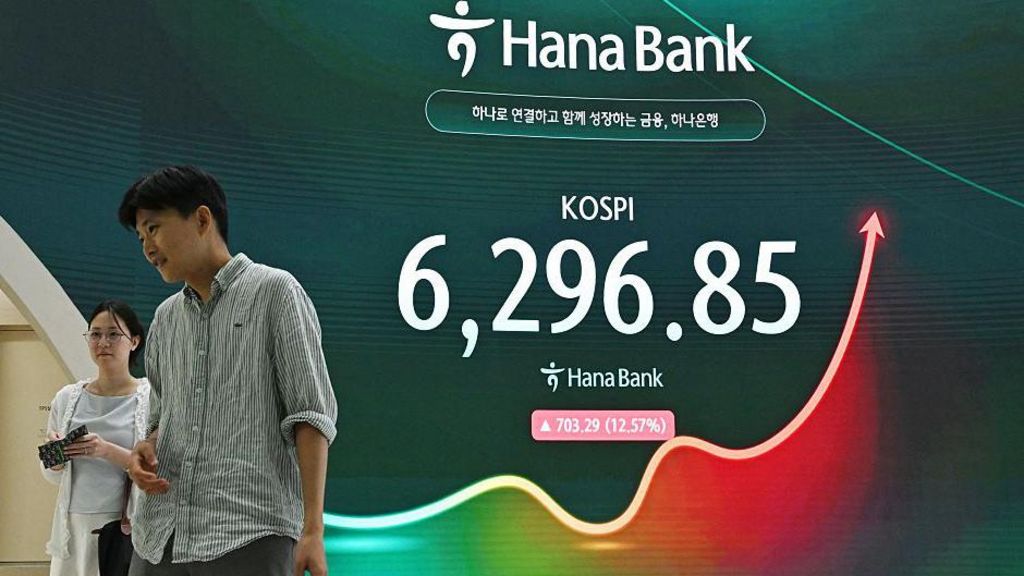
South Korean shares surge after chip stock rout
After a brutal three-day sell-off that erased hundreds of billions of dollars in market capitalization from South Korea’s equity markets, share prices staged a dramatic rally on Friday, clawing back a large portion of the recent losses. By the afternoon trading session, the country’s benchmark Kospi index surged nearly 17%, with the uptick fueled almost entirely by outsized gains from the nation’s two leading semiconductor manufacturers, SK Hynix and Samsung Electronics.
This sudden turnaround came on the heels of two key developments that restored investor confidence in AI-linked assets. First, positive earnings updates from United States tech giants Amazon and Microsoft rekindled market optimism around the massive capital inflows pouring into artificial intelligence research and infrastructure. Second, South Korean financial regulators rolled out targeted emergency measures designed to curb the aggressive sell-off that had shaken the market earlier in the week.
The rally in AI chip stocks spilled over into other regional markets, lifting benchmark indices in both Japan and Taiwan as bullish sentiment spread across the Asia-Pacific tech sector. For SK Hynix, a key memory chip supplier to AI industry leader Nvidia, share prices closed more than 17% higher on Friday, while Samsung, the world’s largest memory chip maker, notched a 23% gain.
Both companies had seen sharp valuation declines earlier in the week, as a global pullback in AI-related equities gathered steam. Investors had grown jittery over the scale of AI investments being made by large technology firms, with many questioning whether the sector’s sky-high valuations were justified by near-term revenue prospects.
South Korea’s equity markets have seen extraordinary volatility in recent months, driven in part by a surge in participation from retail investors who have piled into tech stocks amid the global AI boom. So far this year, the tech-heavy Kospi has triggered market-wide circuit breakers multiple times; these mechanisms are designed to pause trading temporarily to halt uncontrolled panic selling.
Despite the sharp pullback from the index’s all-time high set in mid-June, the Kospi still holds significant year-to-date gains: after more than doubling in value between January and mid-June, the index remains 50% above its closing level at the end of 2025, underscoring the dramatic run-up that preceded this week’s correction.
-

UK rapper Yung Filly found not guilty of raping woman after Australian show
A high-profile British content creator and rapper has walked away cleared of the majority of serious sexual assault charges against him following a criminal trial in Western Australia, after a jury delivered its mixed verdict this week. Andres Felipe Valencia Barrientos, 30, who performs and creates content publicly under the stage name Yung Filly, faced six counts of sexual penetration without consent, one count of assault causing bodily harm, one count of strangulation, and two additional assault charges connected to an alleged incident in August 2024. The allegations stem from an encounter between Barrientos and a then-20-year-old fan, which occurred in the creator’s hotel room after he performed a live set at a nightclub in Hillarys, a coastal suburb located just north of Perth.
After deliberating on the case, the 12-person jury delivered a verdict of not guilty on three of the six non-consensual sexual penetration charges, as well as full acquittal on the strangulation charge and the single count of assault occasioning bodily harm. However, the jury was unable to reach a unanimous decision on the remaining three sexual penetration charges, resulting in a hung jury for those counts. Barrientos was also found guilty on the two lesser assault charges brought by prosecutors.
The UK-based creator, who rose to widespread fame as a core member of the popular YouTube collective Beta Squad, has expanded his career to mainstream British television: he has appeared on Channel 4’s celebrity edition of *The Great British Bake Off* and fronted original programming for BBC Three. Following the verdict, Barrientos has been granted continued bail ahead of his next court appearance, scheduled for 21 August. That hearing will set a formal date for sentencing on the two assault convictions. Prosecutors are also expected to announce their next steps regarding the hung jury charges in the coming weeks, deciding whether to proceed with a retrial or drop the remaining counts entirely.
-
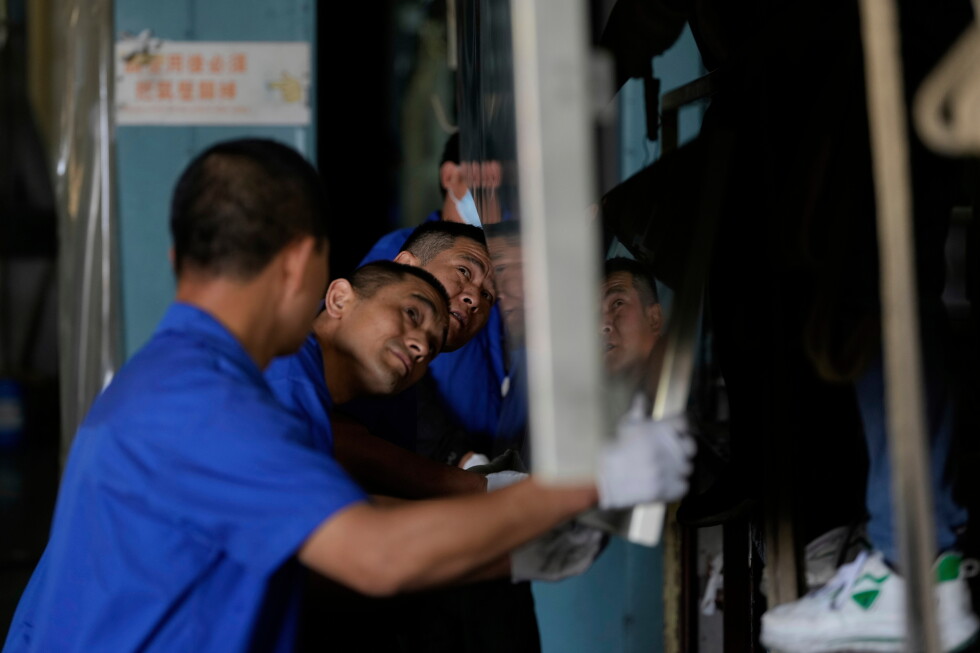
China’s factory activity unexpectedly slips into contraction in July
After a five-month streak of expansion, China’s manufacturing sector shrank unexpectedly in July, casting fresh uncertainty over the growth trajectory of the world’s second-largest economy, official data released Friday shows.
The National Bureau of Statistics reported that the official manufacturing Purchasing Managers’ Index (PMI) dropped to 49.2 this month, down from 50.2 in June. This reading fell far below economist forecasts, marking the first contraction in factory activity since February 2024.
Breakdowns of the survey data show key underlying metrics also moved into contraction territory. The sub-index tracking new domestic and international orders fell to 48.5 in July, its lowest level since the start of 2023, down from 51.2 in June. Similarly, the production sub-index slipped to 49.9 from 51.4 over the same period.
On the PMI scale, which ranges from 0 to 100, any reading above 50 signals expanding activity, while a figure below 50 indicates a contraction. The July downturn offers the first major insight into China’s economic performance for the second half of 2024, and experts warn the outlook remains challenging.
“This latest PMI reading is an unpromising opening for the first wave of second-half economic data,” Lynn Song, chief economist for Greater China at ING Bank, noted in a recent analysis.
Economists from Capital Economics point to multiple factors driving the unexpected contraction. Softening domestic demand, including a slowdown in construction-related manufacturing output, was the primary drag. Additionally, multiple severe typhoons that hit coastal and southern China in July disrupted port operations, factory production and supply chain logistics, exacerbating the monthly decline.
The July manufacturing downturn comes as China’s broader economy has been grappling with persistent headwinds for months. A years-long downturn in the country’s massive property sector has eroded household consumer confidence, while stagnant wage growth and tight labor market competition have made consumers more cautious about discretionary spending. Sluggish domestic investment and consumer spending have further held back overall growth.
In the April-June second quarter, China’s economy expanded at an annual rate of 4.3%, the slowest year-on-year pace in more than three years. This result falls short of the Chinese government’s official full-year growth target of 4.5% to 5%, putting additional pressure on policymakers to roll out new stimulus measures.
Up to this point, robust export growth, particularly for high-tech goods such as semiconductors and electric vehicles, has been a key pillar supporting China’s overall economic momentum this year. But these sectors are highly capital-intensive, meaning they have generated limited new job growth to ease domestic labor market pressures.
China’s strong export surge has also sparked international trade tensions. The U.S. and other major economies have criticized Beijing for supporting excess industrial capacity across sectors from solar panels to electric vehicles through large state subsidies. These countries argue that as domestic demand slows in China, heavily subsidized cheap Chinese exports are flooding global markets, threatening manufacturing sectors and employment in other economies. Beijing has repeatedly rejected these claims.
Gary Ng, senior economist at French investment bank Natixis, noted that China’s current economic policy framework continues to prioritize productivity growth over expanding domestic household consumption, a structural dynamic that keeps the economy reliant on external demand.
Most economists forecast that China will continue to lean on export growth to prop up overall output for the remainder of 2024. At the same time, top Chinese policymakers have signaled a new push to boost domestic consumption: the ruling Communist Party’s Politburo, the top decision-making body, pledged Thursday to introduce new measures to lift household spending and support sluggish sectors of the economy.
-
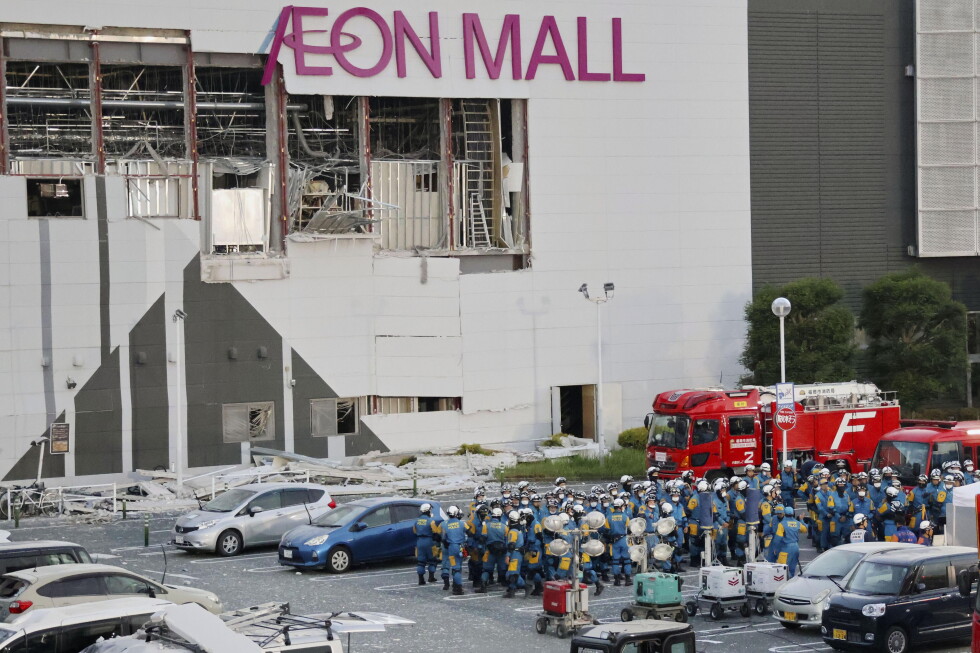
Death toll from southwestern Japan quake climbs to 34 as rescuers again search damaged mall
Four days after a powerful magnitude 7.1 earthquake struck Japan’s southwestern main island of Kyushu, local authorities confirmed Friday that the disaster’s death toll has climbed to 34, with an additional fatality still under investigation to confirm its link to the quake.
The temblor, which hit Tuesday, triggered widespread destruction across the Kumamoto region: it caused a secondary explosion at a busy regional shopping mall, collapsed a massive industrial chimney at a paper factory, and leveled hundreds of residential homes. As of Thursday’s official update, more than 80 people have been injured, five of whom are in critical condition.
In the aftermath of the disaster, thousands of local residents remain displaced. Official data shows more than 3,500 households are still without electricity, and over 9,000 people are currently taking refuge in emergency evacuation shelters. With high summer temperatures creating sweltering conditions inside temporary accommodations, disaster response teams have been rushing to install additional power capacity to run air conditioning, and public health officials have raised growing concerns about the spread of heat-related illnesses and other communicable diseases among displaced populations.
On Friday, search and rescue teams continued combing through wreckage across Kumamoto prefecture, with the highest priority placed on the site of the collapsed Aeon Mall in the town of Kashima — one of the hardest-hit locations. When the earthquake struck, the popular shopping complex was packed with an estimated 3,000 shoppers. Mall management quickly evacuated most visitors to an open-air parking lot before an explosion hit a separate section of the building, where a small number of staff had remained to secure operations. The mall’s second floor collapsed during the quake, leaving multiple people trapped.
During a press briefing in Tokyo Friday, Japan’s Chief Cabinet Secretary Minoru Kihara confirmed that seven people have been confirmed dead at the mall site, while 11 trapped people have been rescued successfully. Authorities have not yet released information on how many people may still remain unaccounted for at the location.
Kihara also added that search operations have wrapped at another major disaster site: the Nippon Paper Industries factory in Yatsushiro, where a 100-meter factory chimney toppled during the quake. At that location, 11 workers were pulled out alive, but nine were confirmed dead in the collapse.
-
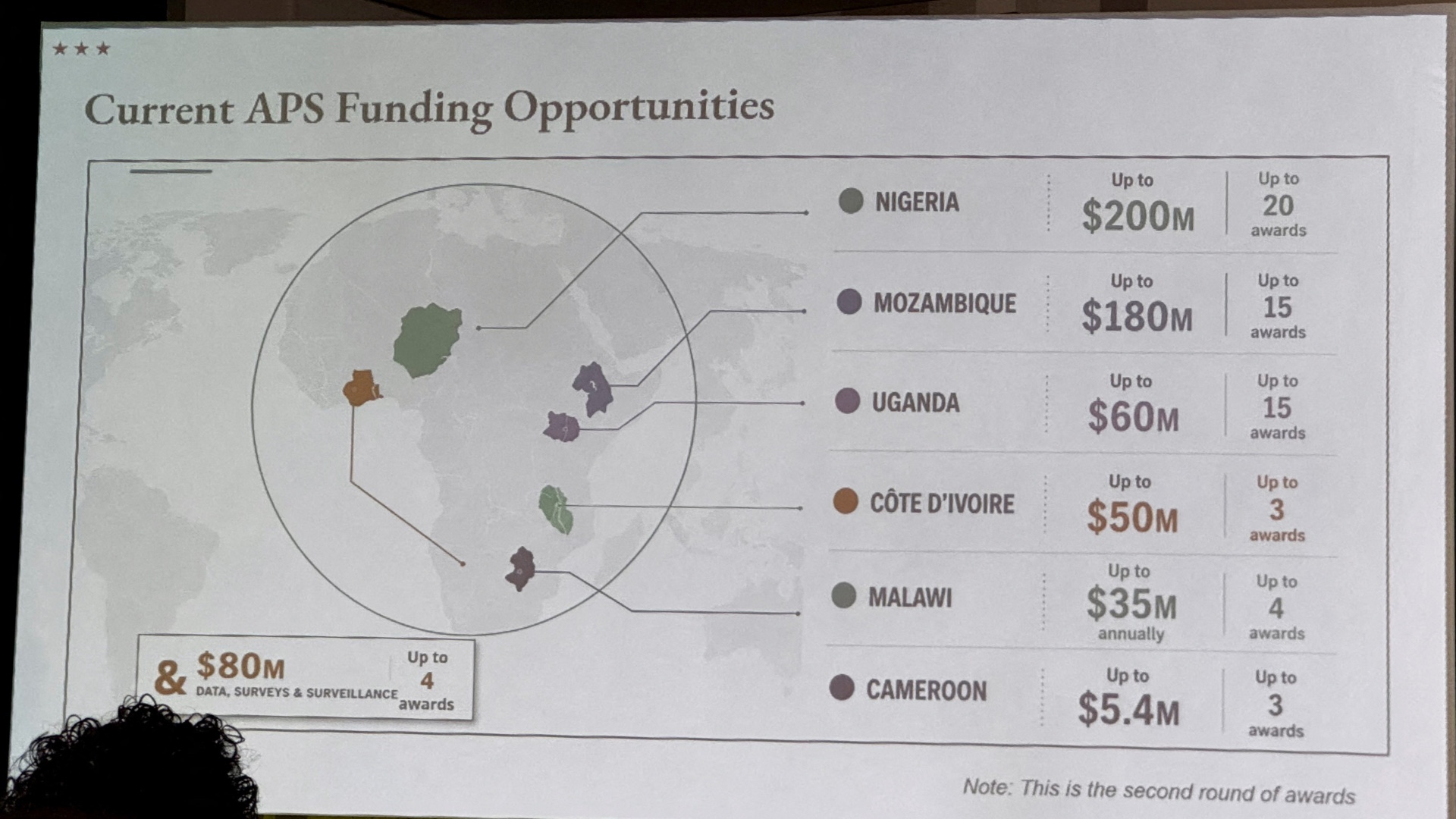
Trump administration mislabels African countries in slideshow at AIDS conference
A controversial error by the Trump administration at an international AIDS conference in Rio de Janeiro, Brazil, has drawn widespread condemnation, after a slideshow presentation included a heavily inaccurate AI-generated map of African nations that the U.S. has public health partnerships with.
The presentation was led by Jeff Graham, the top U.S. envoy for the President’s Emergency Plan for AIDS Relief (PEPFAR), a landmark global HIV/AIDS initiative first launched during the George W. Bush administration. According to video footage of the event, which took place last week and reviewed by international news agency Reuters, the incorrect map bore watermarks confirming it was created with tools developed by OpenAI, the San Francisco-based artificial intelligence research firm best known for its ChatGPT large language model.
Multiple major geographic blunders riddled the map, which was intended to visualize the scope of U.S. AIDS-related health work across Africa. Nigeria, a country that holds a long Atlantic coastline in West Africa, was incorrectly depicted as a landlocked nation. Ivory Coast, another West African coastal country, was misplaced to the opposite side of the continent and also shown as landlocked. Mozambique, a southern African nation that sits across the Mozambique Channel from Madagascar, was incorrectly placed deep inland in the Horn of Africa, thousands of kilometers from its actual location.
In a statement to Reuters, the U.S. State Department accepted full responsibility for the error, attributing the mistake to a staffer who put the presentation together on short notice. Notably, the department issued no formal apology to African delegates and partners in attendance at the conference, while reaffirming that the U.S. remains committed to delivering “real results” in the global fight against AIDS on the African continent.
The embarrassing blunder has unfolded against a far broader and more consequential backdrop of sweeping restructuring to U.S. foreign assistance under the second Trump administration. As part of a policy push to streamline federal operations and cut government spending, the administration has moved to dismantle the U.S. Agency for International Development (USAID), America’s leading humanitarian and development aid provider, and slashed at least one-third of the nation’s foreign service personnel. What started as a 90-day freeze on new foreign aid allocations in early 2025 has since evolved into an almost total dismantling of the U.S.’s longstanding global humanitarian infrastructure.
Public health experts and former officials have sounded the alarm that these deep cuts will lead to hundreds of thousands of preventable deaths among the world’s most vulnerable populations, many of them children. Secretary of State Marco Rubio has repeatedly pushed back on these warnings, insisting “No children are dying on my watch” months into the administration’s cost-cutting drive.
But Atul Gawande, who served as USAID’s global health assistant administrator during the Biden administration, has warned the death toll will be staggering even in the first 12 months of the cuts. “You’re talking hundreds of thousands [of deaths] in year one at a minimum,” Gawande said. “Just on the reduction in immunisations, you’re talking about more than a million.” A separate analysis from the Center for Global Development estimates that cuts to U.S. humanitarian funding, the largest in the world, could lead to as many as 700,000 additional preventable deaths globally each year.
-

10 climbers led by a renowned Nepalese mountaineer are missing on a Pakistan peak
ISLAMABAD, Pakistan – A catastrophic avalanche has swept across Broad Peak, the world’s 12th-tallest mountain in Pakistan’s northern Karakoram range, leaving a 10-member international climbing expedition led by famous Nepal-born mountaineer Nirmal Purja unaccounted for and cut off from all communication. Karrar Haidri, vice president of the Alpine Club of Pakistan, confirmed the development in an official statement released late Thursday, noting that the organization received initial alerts of the avalanche but has not been able to reestablish contact with the team since the incident.
The expedition brings together climbers from six different nations: five Nepalese mountaineers, Pakistani climber Sohail Sakhi from the Hunza region, Omani climber Nathira, American climber Mallory Geis, a Chinese climber identified only by the surname Wang, and one additional foreign team member. Purja, also known by his nickname Nims Dai, is a Nepal-born British mountaineer who earned global acclaim for his 2019 feat of scaling all 14 of the planet’s peaks higher than 8,000 meters in just 189 days. That achievement set a world speed record that stood until 2023, when a Norwegian climber and her Nepali Sherpa guide broke the mark. Purja’s historic climbing journey was later featured in the hit Netflix documentary *14 Peaks: Nothing is Impossible*, introducing high-altitude mountaineering to a mass global audience.
Standing at 8,047 meters (26,401 feet) above sea level, Broad Peak is part of the Karakoram mountain range that straddles the Pakistan-China border. Pakistan attracts thousands of elite mountaineers from across the globe each year, as it hosts five of the world’s 14 8,000-meter peaks, making it a premier destination for ambitious summit attempts.
Immediately following news of the avalanche, Alpine Club of Pakistan president Major General Irfan Arshad and the organization’s senior leadership launched coordination efforts with Pakistani federal and regional government officials to speed up the launch of search-and-rescue operations. The organization confirmed that teams are working to rapidly mobilize rescue helicopters and other specialized emergency resources, though deployment will depend on current high-altitude weather conditions and operational safety constraints.
“The Alpine Club of Pakistan is closely monitoring the situation and coordinating with all concerned stakeholders,” the organization’s statement added. “The club stands in solidarity with the climbers’ families and the international mountaineering community as rescue efforts get underway.”
-
South Korea’s Kospi index jumps more than 16% on a surge of chipmaking stocks
A massive, market-shaking reversal unfolded across Asian equities on Friday, as AI-linked technology stocks mounted a dramatic double-digit rebound just three days after a steep sell-off driven by bubble fears. The recovery was triggered by stronger-than-expected quarterly earnings from Microsoft, which reassured investors that massive corporate investments in artificial intelligence are already translating into solid bottom-line growth.
South Korea’s benchmark Kospi Index led the surge, rocketing 16.5% higher to 6,515.40 by mid-session after opening sharply up and extending gains through early trading. The jump came on the heels of a 17% cumulative drop over the prior three trading days, when investors rushed offload tech holdings amid growing concerns that the global AI boom had become overinflated, and that rising competition from Chinese chip and AI developers would erode the profits of industry leaders.
Blue-chip tech stocks in South Korea led the rebound: Samsung Electronics, the world’s largest memory chip manufacturer, jumped 24.8%, while rival SK Hynix soared 27.8%. Both companies are key suppliers to major AI firms including Microsoft and Google, whose demand for high-performance memory chips has driven their revenue growth over the past two years.
The market turnaround traces directly to Microsoft’s quarterly earnings release Thursday, which reported $90 billion in revenue — beating Wall Street consensus forecasts. The company’s shares surged 15.5% in U.S. trading overnight, marking their best single-day performance in nearly 18 years. The strong results dispelled widespread investor anxiety that heavy AI capital spending would not deliver near-term returns, drawing bargain hunters back to battered tech shares across global markets.
“The market went from throwing AI stocks overboard to fighting for the remaining seats before most traders had finished writing the obituary,” Stephen Innes, senior market analyst at SPI Asset Management, noted in a client commentary Friday.
Even with the historic one-day jump, the Kospi remains far below its June peak of more than 9,000 points, leaving room for continued volatility as investors reassess AI valuations. The rally extended across other major Asian markets as well: Japan’s Nikkei 225 climbed 5.5% to 65,282.21 in early trading, with SoftBank Group — a major early investor in OpenAI — rising 15%, and leading chip equipment manufacturer Tokyo Electron gaining nearly 11%. Taiwan’s Taiex index, heavily weighted toward AI chipmakers, jumped more than 7%, while Australia’s S&P/ASX 200 added a modest 0.5% to 9,015.60.
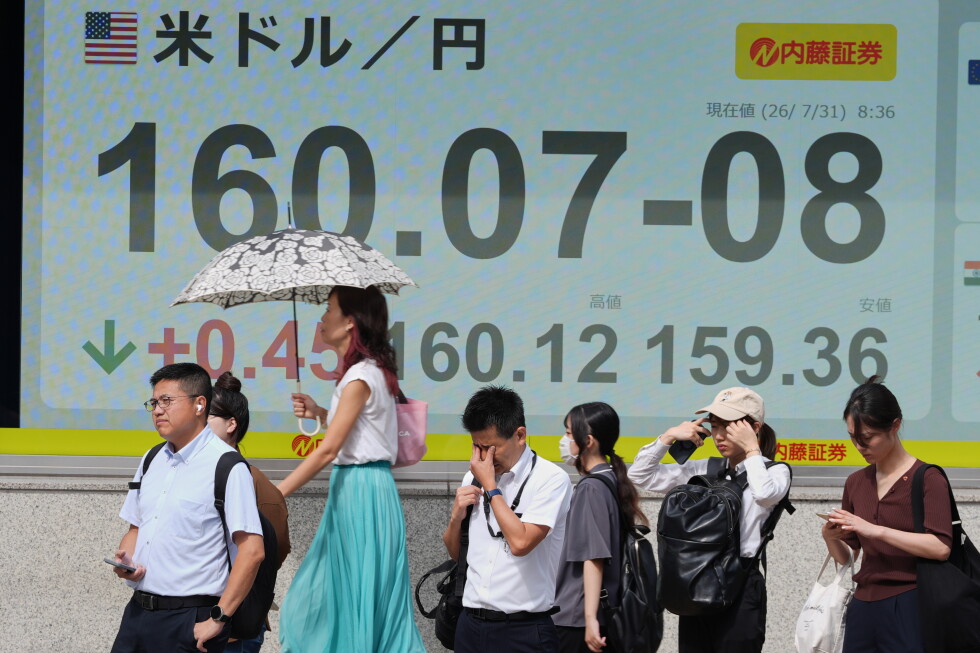
Beyond equities, currency markets saw significant action driven by suspected intervention by Japanese authorities to prop up the slumping yen. After weeks of trading above 160 yen to the dollar, the greenback plummeted more than 2.4% overnight before bouncing back 0.6% early Friday to 160.59 yen. Japan’s Nikkei financial newspaper reported the intervention was coordinated, with the Federal Reserve Bank of New York conducting a so-called “rate check” to support the move.
The suspected intervention came ahead of the Bank of Japan’s policy meeting concluding later Friday, where the central bank is widely expected to hold interest rates at current levels. Analysts say the timing was designed to head off speculative currency moves tied to the central bank’s policy announcement. Jonas Golterman, emerging markets economist at Capital Economics, noted that past interventions have had limited sustained impact on yen valuations. “Intervention in support of the yen may not work any better now than it has previously, but the persistence of the Japanese authorities suggests to us that the yen will remain around the 160 level this year before staging a more sustained rebound next year,” Golterman wrote in a note. The euro slipped slightly to $1.1515 from $1.1524 against the dollar in early Friday trading.
Oil prices edged higher Friday amid ongoing geopolitical tensions between the U.S. and Iran, which have disrupted shipping through the Strait of Hormuz — the critical chokepoint that carries roughly a fifth of global oil supplies. Brent crude, the global benchmark for oil prices, rose 0.3% to $87.14 per barrel, up from roughly $72 per barrel before the outbreak of conflict between Israel and Iran in late February.
On Wall Street, the rally in tech shares spilled over from Microsoft to the broader market overnight. The benchmark S&P 500 gained 1.7% to close at 7,437.63, the Dow Jones Industrial Average added 1.2% to 52,208.06, and the technology-heavy Nasdaq Composite rose 2.8% to 25,122.18. The positive U.S. session set the stage for the rally across Asian markets when they opened for trading Friday.
-
Houthis consider imposing fees for Red Sea passage: Report
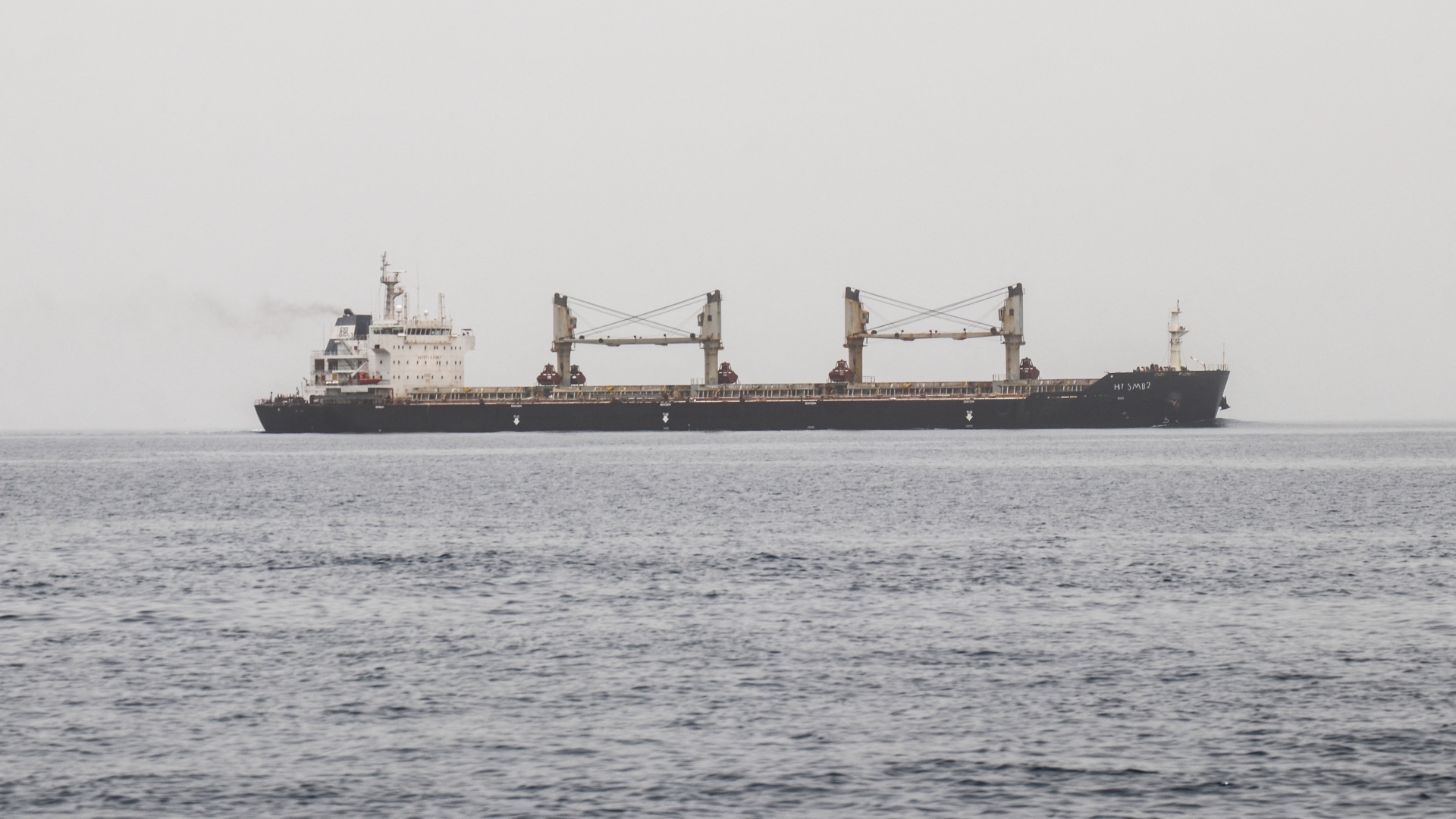
As geopolitical fault lines across the Middle East deepen, Yemen’s Houthi movement is developing a plan to levy new fees on commercial maritime traffic transiting the strategic Bab el-Mandeb Strait, multiple regional sources have confirmed to Reuters. This emerging policy shift comes against a backdrop of already heightened tensions across the Red Sea and Persian Gulf, reshaping global energy transit routes and challenging Western military presence in the region.
-

Nirmal Purja among 10 climbers feared missing after avalanche
In a developing breaking emergency unfolding on one of the world’s most formidable high-altitude peaks, a 10-person international mountaineering expedition led by legendary Nepal-born climber and former British Royal Marine Nirmal Purja has been unaccounted for following a sudden avalanche on Pakistan’s Broad Peak.
The destructive snow slide hit the climbing team around midday local time Thursday on the 8,047-meter mountain, located in Pakistan’s remote Karakoram mountain range, according to local Pakistani mountaineering authorities. In the hours since the avalanche struck, no contact has been reestablished with any member of the group, leaving rescue teams and the global mountaineering community deeply concerned.
The expedition includes climbers of four nationalities: one American, one Chinese, one Omani, and five Nepali expedition members, alongside team leader Purja. Purja, one of the most high-profile high-altitude climbers of his generation, rose to international fame in 2019 for completing a historic feat: summiting all 14 of the planet’s peaks that exceed 8,000 meters in elevation in just over six months, a breakthrough achievement that redefined what was considered possible in elite alpinism.
A former service member with the British Armed Forces, Purja’s path to becoming a world-famous climber began in 2003 when he enlisted in the British Army, earning a place in the Royal Marines in 2009. His professional climbing career launched unexpectedly in 2012, when he trekked to Everest Base Camp and made the spontaneous decision to continue upward to summit the world’s highest peak, launching his legendary career.
Broad Peak, the 12th highest mountain on Earth, is widely recognized as one of the most technically challenging peaks for high-altitude expeditions, even in the best climbing conditions. Right now, rescue teams are preparing to launch a large-scale search operation, with aerial helicopter search efforts planned as soon as weather conditions in the region are stable enough to permit flight.
The Alpine Club of Pakistan, the national governing body for mountaineering in the country, confirmed in an official statement Thursday that it has maintained constant coordination with Pakistani government agencies to launch an immediate search and rescue response. “Every possible effort is being made to secure helicopter support, and all available resources have been mobilized at the earliest opportunity,” the organization said. The statement concluded: “The Club prays for the safety and successful rescue of all the climbers and stands in solidarity with their families and the international mountaineering community during this difficult time.”
This is an ongoing breaking news story, with new details expected to emerge as search operations progress. Readers can access the latest updates through the BBC News mobile app, or by following BBC Breaking on the social platform X.