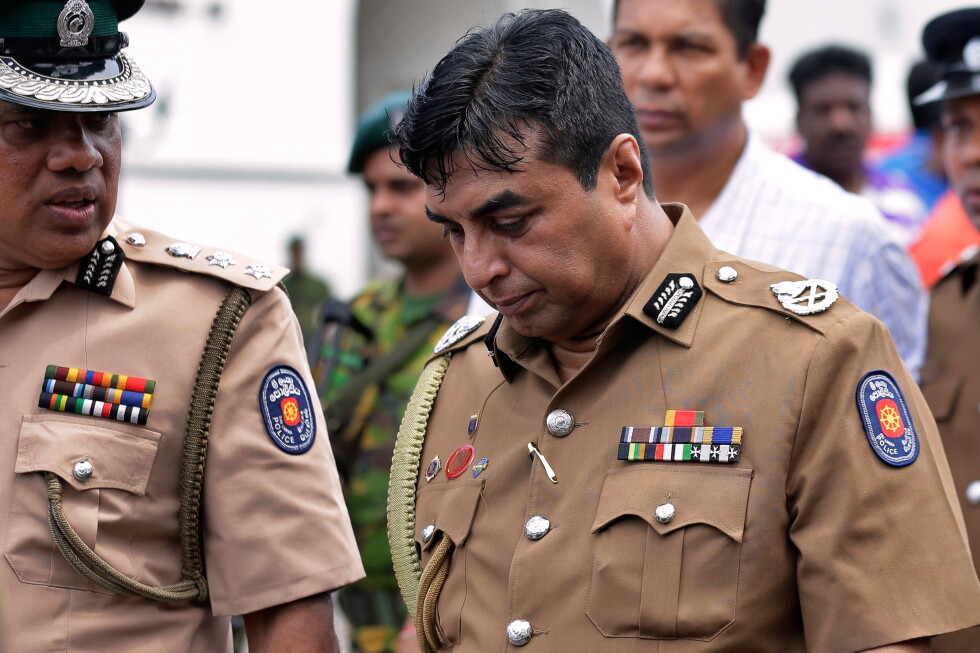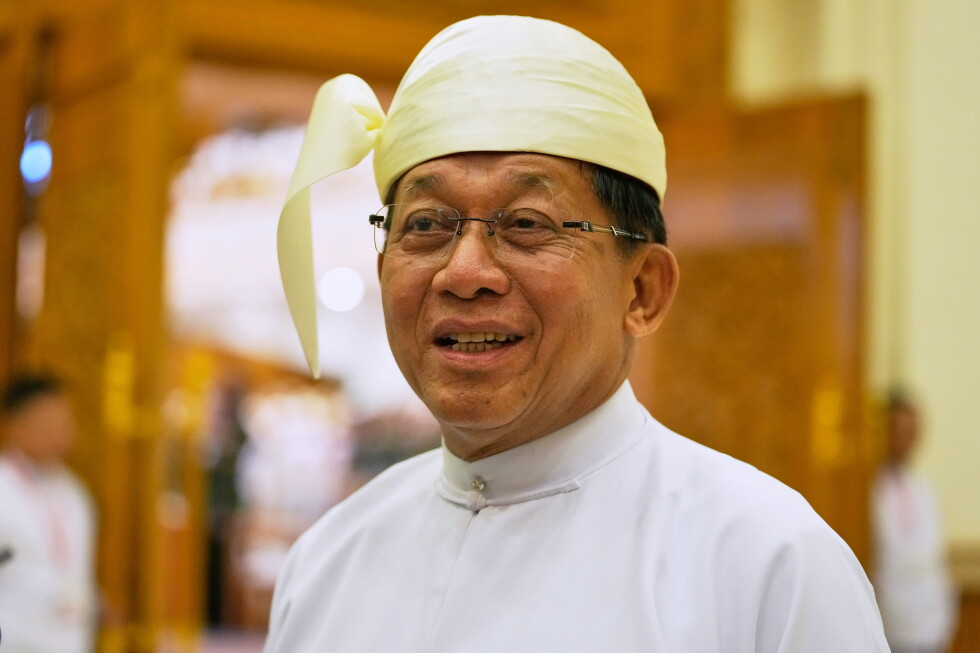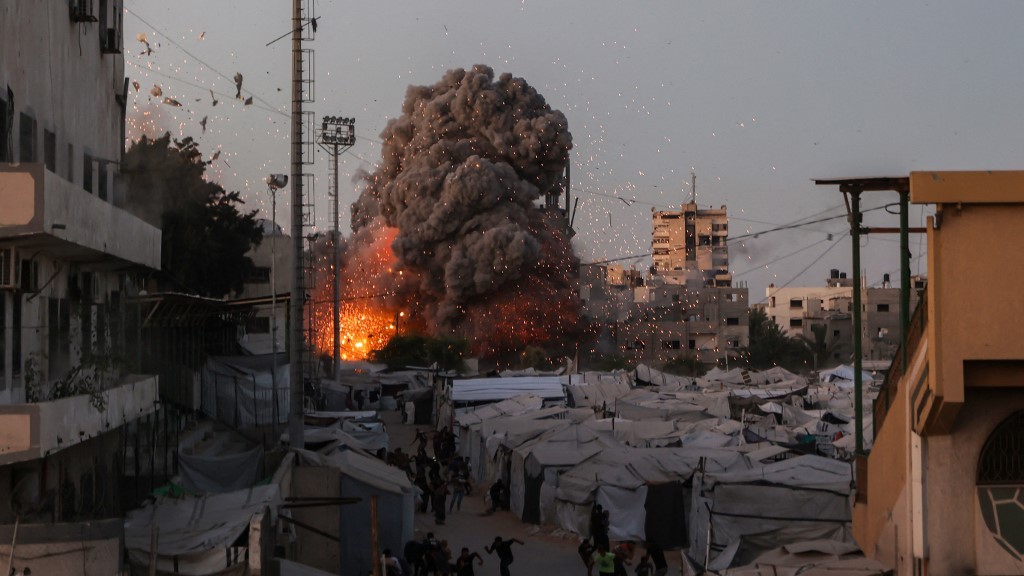
An explosive new investigation published by Israeli newspaper Haaretz on Thursday has uncovered systemic large-scale looting of civilian property from homes and commercial establishments across southern Lebanon by Israeli soldiers, with the open approval and inaction of senior and junior military commanders. Multiple on-the-record testimonies from active-duty soldiers and officers paint a picture of rampant, unregulated theft that has become routine during Israel’s ongoing ground incursion into southern Lebanon, with stolen items ranging from everyday household goods such as televisions, sofas, carpets and paintings to motorbikes, cigarettes and construction tools. What makes the practice even more brazen, witnesses say, is that soldiers make no effort to conceal the stolen goods as they withdraw from occupied areas, openly loading pilfered property onto military vehicles in full view of command staff. One soldier described the scale of the looting as staggering, telling the outlet: “It’s on a crazy scale. Anyone who takes something – televisions, cigarettes, tools, whatever – immediately puts it in their vehicle or leaves it to the side. It’s not hidden. Everyone sees it and understands.” Testimonies uniformly confirm that military commanders have consistently failed to impose meaningful disciplinary action to halt the practice, despite having full knowledge of the ongoing theft. Many units see commanders completely ignore the looting, while others only issue token verbal condemnation without any follow-up penalties. One insider stated, “In our unit, they don’t even comment or get angry. The battalion and brigade commanders know everything.” Another witness recalled a single incident where a commander publicly yelled at soldiers found transporting looted goods in a military jeep and ordered them to throw the items away, but no further disciplinary or criminal action was pursued against the personnel involved. “Commanders speak against it and say it’s serious, but they don’t do anything,” another soldier summarized. In a formal statement provided to Haaretz, the Israeli military claimed it treats looting “with utmost severity” and maintains a strict ban on the practice, asserting that disciplinary and criminal proceedings are initiated when violations are confirmed. The army also noted that military police carry out routine inspections at the Israel-Lebanon border to intercept stolen property. But Haaretz’s reporting contradicts these official claims: the investigation found that many border checkpoints intended to catch looted goods at exit points from southern Lebanon have already been dismantled, while other planned checkpoints were never constructed at all. Soldiers told the outlet that this deliberate lack of enforcement is what has allowed the looting crisis to balloon to its current size. One soldier explained, “When there is no punishment, the message is obvious.” This latest revelation of widespread looting adds to a growing list of war crime accusations leveled against Israeli forces operating in Lebanon and Gaza since October 2023. Previous allegations include the deliberate destruction of civilian infrastructure, extrajudicial killings of non-combatants, and trespass on civilian property for recreational purposes. Just last week, viral footage emerged showing Israeli soldiers demolishing an occupied civilian home in southern Lebanon “in memory” of a fallen comrade, while a separate photograph showed a soldier preparing food inside an abandoned Lebanese civilian residence – both incidents drew widespread international condemnation. The current round of full-scale Israeli military operations in Lebanon began on March 2 this year, ending more than 12 months of intermittent violations of a November 2024 ceasefire agreement reached between Israel and Hezbollah. Since launching the expanded ground invasion, Israeli forces have pushed several kilometers inside Lebanese territory, establishing a self-declared “buffer zone” that extends roughly 10 kilometers into southern Lebanon. Israeli troops currently remain deployed across this zone, barring Lebanese civilians from returning to their native villages and ancestral homes. Even after the announcement of a U.S.-brokered 10-day truce last week, Israeli forces have continued to carry out airstrikes across southern Lebanon and systematically demolish civilian residential structures, according to on-the-ground reports.
标签: Asia
亚洲
-

US charges 2 Chinese nationals with managing cyberscam compound in Myanmar
WASHINGTON D.C. – Federal prosecutors unveiled criminal charges Thursday against two Chinese citizens accused of overseeing a large-scale cross-border cyber fraud operation centered on a forced-labor compound in Myanmar, according to newly unsealed court records. The defendants, identified as Huang Xing Shan and Jiang Wen Jie, face a single count of conspiracy to commit wire fraud for their alleged management of the industrial Shunda Park scam facility located in Myanmar’s Min Let Pan village. The compound was seized by Myanmar’s armed forces in November 2025, following years of rampant growth of illegal cyberscam operations along the Myanmar-Thailand border. U.S. law enforcement investigations confirm these illicit hubs have continued to operate despite repeated public pledges from Myanmar’s military government to eliminate the criminal networks.
Court filings confirm both Huang and Jiang are currently held in immigration custody by Thai authorities. Prosecutors allege the pair had fled to a separate scam compound in Cambodia earlier this year before being arrested by Thai police on charges of illegal entry into the country. As of Thursday’s announcement, no timeline has been confirmed for their extradition to the United States to face trial, and online court records do not yet list any legal counsel representing the two defendants.
The U.S. Federal Bureau of Investigation built its case against the pair after reviewing thousands of digital devices recovered from the Shunda Park compound and conducting interviews with dozens of former captive workers. According to an FBI agent’s sworn affidavit, scammers operating out of the facility impersonated legitimate law enforcement officers and bank officials, using fake websites built to mimic legitimate cryptocurrency investment platforms. These fraudulent operations targeted victims across the world, tricking consumers into transferring hundreds of millions of dollars in digital assets to criminal-controlled accounts.
U.S. Attorney Jeanine Pirro, who made the official charge announcement at a Washington D.C. press conference, emphasized that this type of transnational cyber fraud is one of the fastest-growing and most destructive forms of modern cybercrime, with total annual losses for American consumers estimated in the billions of dollars.
“This isn’t abstract. It is hitting your neighbors’, your friends’ and your parents’ retirement accounts,” Pirro told reporters. “Some of these victims are so distraught that they end up taking their own lives. This is economic homicide.”
Former workers who spoke to FBI investigators detailed widespread human trafficking and abuse inside the Shunda Park compound. Many workers told agents they were held against their will and forced to carry out scam activity under constant threat of violence. Criminal organizations behind the scam hubs commonly lure vulnerable job seekers with false promises of high-wage technical roles in Thailand, the FBI affidavit explains. Once job seekers arrive, their identity documents are seized, and they are trafficked across the border into Myanmar to work in the illicit scam compounds.
Alongside the unsealing of charges against Huang and Jiang, Pirro announced additional law enforcement action Thursday: authorities have taken down hundreds of scam-associated domains and seized a Telegram channel that the criminal network used to recruit potential trafficking victims for a separate scam compound in Cambodia.
“These criminals thought they were untouchable because they were operating overseas,” Pirro said. “Today, we are proving them wrong, and we are just getting started.”
-

Iran principlists call for ships to be seized in Straight of Hormuz: Press review
In the wake of the United States’ imposition of a naval blockade against Iranian ports, hard-line political and media voices within Iran have drawn up aggressive proposals to counter the move, including seizing international vessels in the strategically critical Strait of Hormuz and pushing Yemen’s Houthi movement to shut down the equally vital Bab el-Mandeb Strait.
These calls came just hours after former US President Donald Trump made a Wednesday announcement of a unilateral extension to a ceasefire on offensive operations targeting Iran. On that same day, Tehran-based conservative newspaper Kayhan dedicated its front page to the provocative headline “The response to the US naval blockade is to close the Bab al-Mandeb Strait,” and ran a full editorial written by its editor-in-chief Hossein Shariatmadari, a political figure long known to have close ties to Iran’s late Supreme Leader Ali Khamenei.
In his editorial, Shariatmadari argued that the Islamic Revolutionary Guard Corps (IRGC), Iran’s elite paramilitary force, should maintain a continuous blockade of the Strait of Hormuz, the narrow waterway through which roughly a fifth of the world’s oil supplies pass daily. He further called for Iran to seize cargo from international shipping to collect what he framed as rightful compensation for war damages caused by the US and Israel.
“Given the inaction of the UN Security Council and the United Nations’ clear dependence on arrogant global powers, it is our legal right to collect the compensation we demand through seized assets,” Shariatmadari wrote. He added, “We should seize US-owned vessels currently located in the Strait of Hormuz, and confiscate US-owned oil and goods transported even on non-US flagged vessels as compensation for our losses.”
Hard-line principlist lawmaker Seyyed Mahmoud Nabavyan echoed Shariatmadari’s aggressive tone, dismissing any suggestion that the US naval blockade could be addressed through ongoing diplomatic negotiations. “Talking with the Washington is pure harm,” Nabavyan stated, adding, “Lifting the naval blockade is our undeniable right, and we will achieve that by force regardless. This matter has no connection to negotiations.”
Concurrent with these statements, the IRGC confirmed it had intercepted three vessels traversing the Strait of Hormuz on Wednesday, seizing two of the craft that were attempting to pass through the strategic waterway.
Beyond geopolitical tensions with the US and Israel, a separate controversy has been roiling domestic discourse around BBC Persian in recent months, with growing criticism that the outlet’s coverage unfairly favors supporters of Reza Pahlavi, the son of Iran’s deposed former Shah. Critics claim the BBC Persian television channel and its digital platforms have given outsize visibility to monarchist opposition voices, who have publicly backed US and Israeli military action against the Iranian government.
The wave of criticism reached a new peak last week after independent media researcher Mazdak Azar published the results of a study analyzing BBC Persian’s coverage of January’s anti-government protests in Iran, which were violently suppressed by Iranian security forces. Azar examined roughly 4,500 user-generated videos of the protests shared on Persian-language social media platforms, finding that only 17 percent of these clips included pro-Pahlavi slogans. By comparison, nearly 30 percent of protest-focused videos broadcast by BBC Persian featured such pro-monarchist messaging.
Azar noted that his study is limited to social media content, but stressed that many of BBC Persian’s television news and analytical programs have framed Pahlavi as a leading public figure behind the nationwide protest movement. This alleged amplification of Pahlavi aligns with a previous report from Israeli newspaper Haaretz, which revealed that after the 12-day war in June 2025, Israeli Prime Minister Benjamin Netanyahu’s government sponsored a covert campaign that used fake Persian-language social media accounts to inflate perceptions of Pahlavi’s popularity among the general Iranian public.
In another development tied to the recent conflict, the targeted assassinations of two senior Iranian establishment figures—Ali Larijani and Kamal Kharrazi—have sparked widespread speculation about Israel’s strategic motives for the killings. Larijani was a central leader in Iran’s national security apparatus and previously led the country’s nuclear negotiations with world powers. Kharrazi served as Iran’s foreign minister between 1997 and 2005, and remained an influential senior foreign policy advisor to the former supreme leader long after leaving cabinet.
Iranian reformist newspaper Etemad published a report highlighting the two men’s longstanding roles in past Iran-US negotiations and their potential influence on any future diplomatic talks. The outlet argued Israel likely targeted the pair, who it described as “diplomatic strategists,” to weaken Iran’s negotiating position and reduce the likelihood of any future nuclear or security agreement between Tehran and Washington.
“Beyond their formal institutional positions, the two men were symbols of ‘wise conservatism’ and ‘strategic realism’ for Iran,” Etemad wrote. The paper described Larijani as a unique “bridge” capable of translating the Iranian government’s policy positions into language more accessible to Western governments, while Kharrazi acted as a “compass” for Iranian foreign policy—a trusted advisor whose backing was critical for any major diplomatic push toward new negotiations. Etemad concluded that the assassinations were deliberately intended to eliminate the core “think tank” that would guide any future Iran-US talks.
For many Iranians, the most searing reminder of the war’s human cost is the death of seven-year-old Makan Nasiri, who was killed on the first day of the conflict in a US double-tap strike targeting the Shajarah Tayyiba school in Minab. Makan has become a national symbol of the dozens of children and school staff killed in the attack.
Due to the extreme intensity of the airstrike, only fragmented body parts were recovered from the rubble for most victims. Makan is the only victim whose remains were never found—all that was recovered from the site was one of his shoes and torn pieces of his favorite blue sweater. In an interview with Sharq daily, Makan’s mother described the 15 hours she and other families spent digging through the debris searching for surviving children.
“Many people were trapped under the rubble, but not a single child came out alive. We stayed there from 11:30 in the morning until 2:30 the next day. Everyone that was pulled out was already dead… most were in pieces,” she said.
Official casualty figures published by Sharq put the total death toll from the strike at 156 people, including 120 school students, 26 female teachers, seven visiting parents, one school bus driver, one local clinic worker, and a six-month-old unborn child. In recent days, Persian-language media outlets have widely shared a personal home video showing gentle moments from Makan’s life with his family, amplifying public grief across the country.
This piece is a compilation of reporting from Iranian press outlets, and has not been independently verified for accuracy by Middle East Eye, the original publisher of this press review.
-

China tightens food safety checks ahead of May Day, Dragon Boat Festival holidays
As two major public holidays approach, Chinese food safety regulators have launched a nationwide campaign to tighten regulatory oversight and enforcement, moving proactively to mitigate potential food safety hazards and guarantee a secure dining experience for consumers across the country.
In an official notice released recently, the Food Safety Office of the State Council called on local regulatory bodies at all levels to make advance arrangements and ramp up inspections across every link of the national food supply chain, spanning from primary production and wholesale distribution to retail and food service, ahead of the peak holiday consumption surge that typically accompanies the May Day and Dragon Boat Festival breaks.
The notice directs regulators to prioritize high-priority categories of food products, including staple goods with mass consumption, seasonal specialty items tied to the holidays, viral food products trending on social media and e-commerce platforms, and commercial health foods. Alongside targeted product checks, supervisory efforts will also be intensified at key high-traffic locations, including agricultural product wholesale markets, national retail chain outlets, and the country’s largest online e-commerce platforms.
Under the new regulatory requirements, food producers and distributors are mandated to strictly uphold their primary legal responsibility for the safety of their products. For their part, regulators will increase the frequency and depth of on-site inspections, and launch a targeted crackdown on common violations. These prohibited activities include manufacturing and selling counterfeit or substandard food products, running deceptive false advertising campaigns for food items, and the unauthorized use of unapproved or illegal food additives.
Special supervisory focus will also be placed on the food service sector, particularly large chain restaurant brands, catering services provided to organized tourist groups, and high-traffic online restaurants that rely heavily on food delivery orders. One key area of scrutiny is the growing problem of unregulated “ghost kitchens” — delivery-only food operations that lack compliant physical dining facilities and proper operating permits, which have been linked to repeated food safety outbreaks in recent years.
Institutions that provide group meal services to large numbers of people, including primary and secondary schools and other public organizations, are required to reinforce internal food safety management protocols and conduct comprehensive proactive risk assessments to address potential hazards before they cause harm. Local authorities have also been assigned the task of tightening oversight over large group banquets commonly held in rural areas during holiday seasons, a measure designed to prevent large-scale foodborne illness outbreaks that have occurred in past holiday periods.
In addition to routine on-site supervision, the campaign will expand the scope and frequency of random food safety sampling inspections throughout the holiday period. Targeted laboratory testing will be carried out on high-risk food products and seasonal holiday staples, most notably zongzi — the traditional glutinous rice dumplings that are the centerpiece of Dragon Boat Festival celebrations across the country.
To further strengthen public protection, the notice also calls for the optimization and expansion of accessible consumer complaint and incident reporting channels, ensuring that members of the public can quickly report suspected food safety issues and have their legitimate rights and interests effectively protected throughout the holiday season.
-

Turkey opts for silence on von der Leyen remarks to avoid straining EU ties
A controversial comment from European Commission President Ursula von der Leyen that grouped Turkey with Russia and China as a source of potential malign influence has sparked behind-the-scenes diplomatic maneuvering, with Ankara opting for an unusually muted response rather than the sharp public rebuke many observers expected, Middle East Eye has confirmed.
The incident unfolded during a speech Monday at an event celebrating the 80th anniversary of German newspaper Die Zeit in Hamburg. Von der Leyen argued that failure by the European Union to expand its bloc would leave neighboring nations vulnerable to falling under the sway of external powers, specifically naming Russia, Turkey and China as sources of influence that would work against European interests. The remark marked an unprecedented public framing of Turkey — a NATO ally and official EU candidate country — as a hostile force targeting European unity, triggering immediate diplomatic unease in Ankara.
Brussels moved swiftly to contain the fallout, releasing an official clarification within 24 hours that walked back the phrasing. A commission spokesperson emphasized Tuesday that Turkey is “unquestionably an important partner” to the EU, noting that von der Leyen’s comment was intended only to acknowledge Turkey’s significant geopolitical influence, geographic size and regional ambitions, not to draw an equivalence between Ankara and Moscow or Beijing.
The clarification reaffirmed Turkey’s status as a key economic and political partner, highlighting its central role in high-profile strategic projects including the EU’s Connectivity Agenda and the Trans-Caspian Middle Corridor. It also underscored long-standing cooperation on migration management and restated Turkey’s position as a critical NATO ally and ongoing EU accession candidate, cementing its role as a core diplomatic interlocutor for the bloc.
According to a senior Turkish official speaking to Middle East Eye on condition of anonymity, the Brussels clarification has been sufficient to satisfy Ankara, which has no intention of issuing a formal public criticism or condemnation of von der Leyen’s comments at this stage. Turkish leadership has little appetite for open confrontation with the EU right now, the official added.
The decision to remain publicly silent has surprised many analysts, given Turkish President Recep Tayyip Erdogan’s history of forceful, public pushback against perceived slights from European leaders. Multiple overlapping geopolitical and economic factors explain the restrained approach, which aligns with a broad shift in Turkey’s foreign policy dating back to 2023, when Ankara began actively pursuing improved relations with Europe and other NATO allies.
Economic pressures top the list of priorities driving the shift. Turkey’s economy has faced years of sustained strain, with high inflation and weakening investor confidence already exacerbated by regional instability stemming from escalating conflict in the Middle East, which has eroded Turkish central bank reserves. An open diplomatic crisis with the EU would further damage investor sentiment, a risk Ankara is unwilling to take at this juncture.
A second key factor is a pending draft EU regulation that would prioritize “Made in Europe” automotive and green technology products in public procurement processes. The policy introduces mandatory minimum local content requirements for key green goods — including electric vehicle batteries, solar and wind energy components, and zero-emission vehicles — to strengthen European domestic manufacturing. Under the new framework, the lowest bid will no longer be the sole deciding factor in awarding public sector contracts.
Erdogan and Turkish Trade Minister Omer Bolat have lobbied heavily in recent weeks to secure access for Turkish companies to EU supply chains under the new rules, citing the existing EU-Turkey Customs Union as legal basis for favorable treatment. Turkish officials are currently drafting amendments to Ankara’s own public procurement laws to meet EU demands for reciprocal access, which would allow European firms to compete on equal terms in Turkish public tenders in exchange for Turkish firms gaining access to European procurement markets. Barcin Yinanc, a prominent columnist for Turkish outlet T24, noted that the EU has already made this reciprocal requirement clear to Ankara: unless Turkey opens its own procurement market to European competitors, Turkish firms will be locked out of the new EU scheme.
Oguz Arikboga, a Netherlands-based Turkish academic with decades of experience working with EU institutions, argues that Turkey’s restrained response stems from broader strategic goals beyond the procurement dispute. “Ankara is currently in a position where it wants to tread carefully on the international stage and avoid escalation, having solidified its role as a mediator and key regional player,” he explained. “In the current international climate, it is seeking deeper cooperation on different files with all actors – not least with the EU. With the upcoming NATO summit in Ankara and COP31 climate summit in Antalya, it is not keen on escalating the situation.”
Arikboga also noted that Ankara’s approach is shaped by its ambition to integrate into Europe’s evolving security architecture amid the ongoing Russia-Ukraine war and growing transatlantic friction between the United States and the EU. Against a backdrop of U.S. skepticism toward NATO commitment from the Trump administration, Turkey has expanded joint defense investment partnerships with European powers, most notably Italy, making improved political ties with the EU a strategic priority.
The academic added that von der Leyen’s misstep has further weakened her standing across Europe: “Although what she said about Turkey is not a fringe view in many EU political circles, the fact that she said it and failed to anticipate the consequences will further damage her credibility.”
Internal divisions within the EU over the comments have already emerged. On Wednesday, Cypriot President Nikos Christodoulides, who currently holds the rotating presidency of the EU Council, publicly backed von der Leyen’s original framing, reminding audiences that Turkey has occupied northern Cyprus since 1974, with Turkish forces still deployed on what the EU recognizes as European sovereign territory.
By contrast, European Commissioner for Neighbourhood and Enlargement Marta Kos struck a conciliatory tone during an address to the European Parliament this week, reaffirming Turkey’s outsized strategic importance to the bloc. “We need Turkey in light of the changing geopolitical realities in Europe and the Middle East,” Kos said, adding that Turkey is already the EU’s fifth-largest trading partner, with bilateral trade volume twice that of the EU’s trade with either Mercosur or India.
-

Huangshan’s fish lantern culture wins over intl influencers
In a vivid display of cultural exchange that bridges traditional Chinese heritage and global digital influence, a group of international content creators got a hands-on immersion into one of Anhui’s lesser-known cultural treasures during a visit to Zhanqi Village in Shexian County, Huangshan on April 21. What started as a sightseeing tour quickly transformed into an interactive cultural experience, as the digital influencers stepped out of their observer roles and into the heart of the village’s centuries-old fish lantern dance tradition. Under the guidance of local inheritors of the folk art, the group learned the dance’s signature detailed footwork, precise posture requirements, and the intricate rhythmic coordination that turns a collection of glowing lanterns into a synchronized, captivating performance. The visit reached a joyful, unexpected climax when the group adapted one of the world’s most iconic rock anthems for the occasion. Using the traditional wooden drum that normally sets the rhythm for fish lantern dance performances, they put a folk cultural spin on Queen’s legendary classic *We Will Rock You*, blending Western popular music with thousands of years of Chinese folk performance tradition. This spontaneous fusion moment highlighted how traditional Chinese culture can resonate with global audiences, turning a casual cultural visit into a demonstration of cross-cultural connection that is already being shared across international social media platforms. The Zhanqi fish lantern dance is a centuries-old intangible cultural heritage practice in rural Anhui, held during traditional festivals to pray for good harvests, peace and prosperity. The visit of international influencers is part of broader efforts to showcase China’s regional folk culture to global audiences, creating new pathways for cultural exchange outside of major tourist hotspots.
-

World’s tallest bridge draws thrill-seekers to Guizhou canyon
Tucked between the steep, forested slopes of Southwest China’s Guizhou Huajiang Grand Canyon, a record-breaking engineering marvel has redefined extreme leisure travel in the region: the 625-meter-high Huajiang Grand Canyon Bridge, the tallest bridge on the planet. Since welcoming its first visitors last September, this innovative infrastructure project has rapidly evolved from a technical achievement to one of Guizhou’s most popular travel landmarks, drawing thousands of adventure enthusiasts and casual sightseers alike every month.
What sets this bridge apart from other tourist-focused infrastructure is its range of experiences tailored to different comfort levels. For hardcore thrill-seekers, the bridge caters to adrenaline cravings with one-of-a-kind bungee jumping opportunities and a unique, rail-free edge walkway that lets visitors step right to the edge of the 625-meter drop for unobstructed, heart-pounding views of the roaring river and jagged canyon cliffs thousands of meters below. For casual travelers who prefer a more relaxed visit, the bridge offers gentle walking paths along its main steel frame, where visitors can feel the mountain breeze drift up from the canyon while enjoying a cup of coffee against the backdrop of sweeping panoramic views of Guizhou’s dramatic karst landscape.
The bridge’s rapid rise to fame underscores Guizhou’s ongoing strategy to turn its unique mountainous geography into a competitive advantage for tourism development. What began as a groundbreaking infrastructure project has become a major economic driver for local communities, creating new jobs in hospitality, guiding, and tourism services while putting the remote Huajiang Grand Canyon on the global adventure tourism map.
-

China mass-produces chip-scale atomic clock with ultra-high precision
China has marked a landmark breakthrough in quantum precision measurement and high-precision timekeeping technology, with the successful mass production of an ultra-compact, fingernail-sized chip-scale atomic clock boasting extraordinary accuracy: it deviates by just one second over 30,000 years of operation. This advancement delivers a robust, high-precision time foundation for critical national strategic sectors ranging from low-Earth-orbit satellites to underwater BeiDou navigation systems, cementing China’s position as a global leader in the field.
Developed by the Satellite Navigation and Positioning Technology Research Center at Wuhan University in central China’s Hubei Province, and commercialized via spin-off enterprise Zhongke Taifeisi (Wuhan) Technology Co, the finished device measures a mere 2.3 cubic centimeters — approximately one-seventh the volume of comparable atomic clock products manufactured in the United States, while delivering matching performance levels.
“Time is a fundamental strategic resource. Nations that master the highest precision in timekeeping gain a decisive competitive edge across technology, economics, and even national defense,” explained Chen Jiehua, a professor at the Wuhan University research center and legal representative of Zhongke Taifeisi, in an interview with Hubei’s local newspaper Changjiang Daily. Chen, whose team has spent decades advancing the technology, emphasized the critical link between timing accuracy and navigation performance: “In navigation and positioning, time equals distance. A timing error of just one nanosecond — one billionth of a second — translates to a positioning deviation of 0.3 meters. Even the most accurate consumer timepieces drift by more than 10 seconds annually, which is why holding the “power of time” in China’s own hands has been such a critical national priority.”
Unlike traditional timing solutions that rely on satellite calibration, chip-scale atomic clocks provide an independent, stable time reference in environments where satellite signals cannot reach or become compromised. These use cases include underwater exploration, underground infrastructure, deep space missions, and battlefields where global positioning signals are intentionally jammed.
Traditional large atomic clocks operate by counting stable frequency signals produced when microwave fields interact with atoms. However, the long wavelength of microwaves imposes hard limits on how small these devices can be made. Chip-scale atomic clocks take a different approach, using microwave-modulated lasers that can be guided through extremely compact spaces. This innovation allows the devices to deliver ultra-high precision while cutting both physical size and power consumption by dozens of times compared to legacy designs.
Chen highlighted the enormous untapped market potential for the technology, noting the device’s combination of tiny form factor (just a few cubic centimeters) and low power draw (less than 200 milliwatts). For example, on the seabed where satellite signals cannot penetrate and solar power is unavailable, autonomous synchronization systems require both ultra-precise time references and long-duration low-power operation — a combination that makes the new chip-scale atomic clock an ideal core frequency source component.
To date, Zhongke Taifeisi is the first and only Chinese company to achieve large-scale commercial production of chip-scale atomic clocks. The devices have already been successfully deployed in real-world use cases, including time synchronization systems for underwater BeiDou navigation, low-Earth-orbit satellites, and drone swarms. As of 2024, the product had already sold several hundred units, with sales continuing a steady upward trajectory through 2025.
Gou Fei, a representative of Yangtze River Industry Group — which holds a more than 20% stake in Zhongke Taifeisi — noted that quantum technology is designated as a top strategic priority for China’s future industrial development, with quantum precision measurement standing out as a key subfield where chip-scale atomic clocks act as a core enabling device.
“Professor Chen Jiehua’s team has developed the world’s smallest chip-scale atomic clock, and in doing so has completely broken the long-standing foreign technology monopoly in the sector,” Gou said. “The product delivers a comprehensive leap forward: it is smaller than competing alternatives, matches or outperforms them in functionality, and supports scalable mass production. This achievement places China at the cutting edge of the global quantum industry.”
Despite this milestone, mass market adoption still faces hurdles: currently, production is constrained by the performance limitations and high cost of imported laser components. To address this gap, Gou noted that Yangtze River Industry Group will deploy its capital and industrial resources to help Zhongke Taifeisi breakthrough key domestic component technologies, scale up automated production to bring down costs, and expand use cases across both military and civilian communications networks. The expansion will also strengthen Hubei’s already strong competitive position in the global quantum precision measurement sector.
This breakthrough aligns directly with China’s 15th Five-Year Plan (2026-2030) for national economic and social development, which prioritizes achieving key technology breakthroughs in quantum precision measurement and positioning quantum technology as a core new growth driver for the national economy.
Globally, the sector is also growing rapidly. According to QYResearch, a global industrial market research firm with dual headquarters in Beijing and Los Angeles, the global market for chip-scale atomic clocks hit 405 million yuan ($60 million) in sales last year, and is projected to grow to 737 million yuan by 2032, reflecting rising demand across defense, navigation, telecommunications and scientific research sectors worldwide.
-

Expats try Anhui specialty vegetable at service station
Along a busy Anhui expressway, a unique local agricultural delicacy has become an unexpected highlight for international visitors. At Fengle Service Station, a group of foreign content creators, led by UK national Joe Burns, got a first-hand taste of Jinsi Jiaogua, better known as Golden Silk Squash, the eye-catching Anhui specialty that has recently risen to national fame.
Bred and cultivated locally in Sixian County, Anhui, Golden Silk Squash has a surprising trait that sets it apart from common produce: when cooked, its flesh naturally unravels into thin, noodle-like strands that look strikingly similar to spaghetti, despite being a variety of squash. This unusual characteristic, combined with its fresh, mild flavor, has made it a standout regional food product.
The vegetable catapulted to broader national attention earlier this year, when it was featured as a highlighted local specialty during both the 2026 Spring Festival and Lantern Festival galas, two of China’s most-watched annual cultural events. The service station tasting, organized to showcase Anhui’s local agricultural and cultural treasures to international guests, gave the creators a chance to experience the viral specialty directly and share their impressions with global audiences.
For visitors traveling through Anhui, stops at highway service stations have increasingly become opportunities to engage with local culture rather than just brief rest breaks. This event reflects a growing trend of integrating regional food promotion into roadside travel infrastructure, helping lesser-known local specialties gain exposure both domestically and internationally.
-

China renews blue alert for heavy rain as storms shift south
China’s top weather forecasting body has renewed a blue-level alert for heavy rainfall, as a major active rain band is projected to shift southward to southern Chinese regions between Thursday night and Friday. The blue alert marks the lowest severity warning in China’s four-tier national weather warning system, issued by the National Meteorological Center on Thursday.
According to the center’s forecast, portions of Guangxi Zhuang Autonomous Region, Guangdong Province and Fujian Province will see heavy downpours, and some local areas may even experience extreme torrential rain between Thursday and Friday morning. Throughout this forecasting window, the core rain and convective weather system will track east and south, positioning South China as the central zone for precipitation accumulation. Specifically, parts of eastern and southern Guangxi, along with central and northern Guangdong, are projected to see heavy to torrential rainfall through the period.
Long before this incoming weather event, many regions located south of the Yangtze River have already faced weeks of persistent, above-average rainfall over the past 30 days. Data from Weather China, an official public weather website operated under the China Meteorological Administration, shows that multiple areas in Jiangxi Province and Hunan Province have recorded total precipitation exceeding 400 millimeters over the past month — twice the long-term average precipitation for the same calendar period in typical years.
For residents and local authorities navigating the prolonged wet weather, a brief reprieve is on the horizon. Starting Friday and extending through midday Sunday, the affected southern and Yangtze River basin regions are expected to see a temporary dry spell that will provide a window to carry out flood prevention inspections and post-rain damage assessments.
However, the dry conditions will not last long. Starting Sunday afternoon or evening, an entirely new round of rainfall is set to develop, bringing new wet weather to Chongqing Municipality, Guizhou Province, Hunan Province and the Guangxi Zhuang Autonomous Region. By Monday and Tuesday of the following week, widespread rainfall will return to most areas south of the Yangtze River and across South China, the official weather website confirmed.