标签: Asia

亚洲

  • Ten photos from across China: April 17 – 23

    Ten photos from across China: April 17 – 23

    Every week, a curated collection of photojournalism from across China offers a window into the diverse cultural, social and economic moments shaping the world’s most populous nation. For the period spanning April 17 to 23, 2026, China Daily has released its weekly roundup of 10 striking images, offering audiences a visual tour of events unfolding across the country.

    The first image released as part of this weekly collection captures a vibrant cultural celebration unfolding in the southern regional capital of Nanning, located in Guangxi Zhuang Autonomous Region. Dated April 18, 2026, the photograph captures a group of Dong ethnic minority performers mid-performance: the artists blend vocal harmony with the gentle melodies of the pipa, China’s centuries-old traditional four-stringed lute, during the official opening ceremony for a multi-event series marking the annual Sanyuesan Festival.

    One of the most widely celebrated traditional cultural observances across southern China’s many ethnic minority communities, Sanyuesan — which translates directly to “Third Day of the Third Lunar Month” — is a centuries-old holiday that honors ancestral traditions, fosters intercultural connection, and showcases the unique artistic heritage of China’s 55 officially recognized ethnic minority groups. The image, captured by photojournalist Zou Hong for China Daily, highlights the ongoing vitality of traditional folk performance in modern China, as communities gather to celebrate their shared cultural identity.

    This weekly photo roundup is just the first of 10 curated images documenting moments across the entire country, ranging from infrastructure milestones to community events and natural landscapes, with the full set available to view via China Daily’s official digital platform, chinadaily.com.cn. The collection was updated and published to the platform at 6:40 a.m. Beijing Time on April 24, 2026, making the visual reporting accessible to global audiences within 24 hours of the final event in the weekly coverage window.

  • Trump says ceasefire between Israel, Lebanon to be extended by 3 weeks

    Trump says ceasefire between Israel, Lebanon to be extended by 3 weeks

    On April 23, 2026, at the White House in Washington D.C., U.S. President Donald Trump made a key announcement: the fragile 10-day ceasefire between Israel and Lebanon, which went into effect on April 16, will be extended by an additional three weeks. The announcement came just hours after the two nations wrapped up their second round of ambassador-level talks in the U.S. capital, a meeting that brought together senior diplomatic leadership from both sides alongside top U.S. officials.

    Trump confirmed the meeting took place in the White House Oval Office, with attendees including U.S. Vice President JD Vance, Secretary of State Marco Rubio, Israel’s Ambassador to the U.S. Yechiel Leiter, Lebanon’s Ambassador to the U.S. Nada Hamadeh Moawad, and U.S. Ambassador to Lebanon Michel Issa. In a post published to his social media platform Truth Social, Trump simply stated, “The Meeting went very well!”, offering no further specifics on the discussions that unfolded during the closed-door session.

    The U.S. leader also outlined Washington’s planned next steps in the region, noting the United States will partner with Lebanon’s national government to help the country build its defensive capacity against Hezbollah, the Iran-aligned political and military group that holds significant influence in southern Lebanon. Trump further shared his long-term diplomatic goal, saying he remains eager to host senior leadership from both nations in the near future: Israeli Prime Minister Bibi Netanyahu and Lebanese President Joseph Aoun. This plan aligns with comments Trump made last week, when he said he expected the two leaders to visit the White House within one to two weeks to work toward a comprehensive permanent peace agreement that would resolve ongoing tensions related to Hezbollah.

    The original 10-day truce was implemented after weeks of escalating cross-border hostilities that unfolded amid the broader U.S.-Israeli military campaign against Iran. It is important to note that Israel and Lebanon have never maintained formal diplomatic relations. For decades, Israel has classified Hezbollah as an Iranian proxy force, and current negotiations are being conducted exclusively between the Israeli government and Lebanon’s official national government, with Hezbollah not participating directly in the talks.

    Despite the pause in large-scale fighting that the ceasefire brought, the truce has remained unstable throughout its first week, with low-level tensions persisting along Lebanon’s southern border, leaving regional observers cautious about the long-term prospects of the newly announced extension.

  • China to send giant pandas to Atlanta again

    China to send giant pandas to Atlanta again

    BEIJING – Decades after the end of its first giant panda partnership with China, Zoo Atlanta is poised to welcome a new pair of the beloved endangered species, marking a fresh chapter in Sino-U.S. panda diplomacy even as broader bilateral relations remain strained. The announcement came Friday, just weeks before U.S. President Donald Trump’s widely anticipated official visit to Beijing for high-level talks with Chinese leadership.

    The China Wildlife Conservation Association (CWCA) confirmed in an official statement that the two new arrivals — male Ping Ping and female Fu Shuang, both raised at the Chengdu Research Base of Giant Panda Breeding, China’s leading giant panda conservation facility — will launch a 10-year collaborative conservation program under a bilateral agreement signed between CWCA and Zoo Atlanta in 2024. While the exact departure date from China for the pandas has not yet been released, preparations on the U.S. side are moving forward at full speed.

    According to the CWCA, American teams are currently completing final upgrades to the giant panda enclosures to ensure the new pair will have a comfortable, secure habitat, with Chinese conservation experts providing ongoing technical guidance throughout the renovation process.

    Zoo Atlanta first shared the news of the upcoming arrival Thursday, expressing overwhelming enthusiasm for the new partnership. “We can’t wait to meet Ping Ping and Fu Shuang and to welcome our members, guests, city, and community back to the wonder and joy of giant pandas,” said Raymond B. King, the zoo’s president, noting the institution was deeply honored to be chosen as stewards for the new pair.

    This new agreement comes after the conclusion of Zoo Atlanta’s original giant panda program in 2024. During that first cooperation period, the previous pair of pandas, Lun Lun and Yang Yang, successfully birthed seven cubs during their tenure in Atlanta. By October 2024, all seven cubs had been relocated to China, with the original adult pair and their two youngest offspring departing for their return that same month.

    For more than half a century, China’s global giant panda loan and conservation partnership program has served as a core pillar of Chinese soft-power diplomacy, widely known as “panda diplomacy.” Giant pandas first became a symbol of unofficial Sino-U.S. friendship back in 1972, when Beijing gifted a pair of pandas to the National Zoo in Washington D.C. shortly after the normalization of bilateral relations. Today, even as geopolitical and trade tensions between the two powers remain high, conservation experts and officials frame the renewed panda partnerships as a rare area of shared cooperation. Both Washington’s National Zoo and San Diego Zoo received new giant pandas from China in 2024, signaling a broader restart to the program after previous panda pairs returned to China amid shifting bilateral dynamics.

    The CWCA emphasized in its announcement that the new decade-long cooperation with Zoo Atlanta will advance critical joint work across multiple key conservation and scientific areas, including giant panda disease prevention and treatment, joint research, and academic exchanges between Chinese and American experts. Officials from both sides highlight that beyond its diplomatic significance, the program carries major global value for the long-term survival of giant pandas, a species that has rebounded from endangered status thanks to decades of cross-border conservation work.

  • Heavy weapons use in Iran war sparks concerns over US readiness in Taiwan: Report

    Heavy weapons use in Iran war sparks concerns over US readiness in Taiwan: Report

    A new report from The Wall Street Journal has brought urgent attention to a growing gap in U.S. military stockpiles, driven by extensive weapons expenditure in ongoing operations against Iran. Multiple senior U.S. officials have raised alarms that the heavy drawdown of munitions leaves America ill-prepared to execute its longstanding defense commitments to Taiwan in the event of a potential Chinese incursion in the near term. According to the report published Thursday, this munitions shortage would not only hinder U.S. military operations but also put American service members at substantially elevated risk if a conflict over Taiwan broke out in the near future.

    The scale of depletion is significant: U.S. forces alone have expended between 1,500 and 2,000 air defense interceptors during strikes and defensive operations against Iran, alongside more than 1,000 Tomahawk cruise missiles, one of America’s primary long-range offensive weapons. What makes the shortage particularly pressing is the extended timeline to replenish these stockpiles: defense industry production chains currently require up to six years to replace the munitions already used in the Iran campaign. This production lag has forced senior U.S. national security officials to open discussions about revising existing operational plans for Taiwan’s defense, an issue that remains the top strategic priority for U.S. policymakers in the Indo-Pacific.

    The ripple effects of this munitions shortage extend far beyond the Indo-Pacific, reshaping security dynamics across the Middle East. When the U.S.-Israeli campaign against Iran launched earlier this year in June 2025, regional U.S. allies including Gulf Cooperation Council states requested urgent resupplies of Patriot air defense interceptors to fend off retaliatory Iranian drone and missile strikes. However, the U.S. turned these requests down, as its own stockpiles were already drained supporting Israeli air defense operations during the opening phase of the war. As the conflict has dragged on, Iran has launched thousands of drones and missiles against Gulf states, with Bahrain, Kuwait, and the United Arab Emirates enduring the heaviest wave of attacks, and the U.S. has been unable to fill the growing security gap.

    This vacuum created by U.S. stockpile shortages has been filled by an unexpected actor: Ukraine. On Thursday, Ukrainian President Volodymyr Zelensky confirmed that Kyiv has signed new security agreements with Saudi Arabia, the United Arab Emirates, and Qatar focused specifically on countering Iranian drone threats. Ukraine has first-hand experience countering the same Iranian-origin drones that Russia has deployed extensively against Ukrainian targets throughout the full-scale invasion, and has developed lower-cost anti-drone technologies that outperform more expensive American systems like the Patriot in this specific niche, making it an attractive alternative partner for Gulf states.

    The strategic ramifications of this depletion are already shifting the global balance of power. The Trump administration has acknowledged the need to ramp up domestic defense production, and the Pentagon unveiled its new 10-year $1.5 trillion defense budget proposal this week – the largest in U.S. history – designed to expand production capacity and rebuild stockpiles. Even so, many independent defense analysts argue that the ongoing Iran war has already handed China a major strategic advantage. By draining U.S. conventional arsenal and drawing American strategic attention and resources back to the Middle East, the conflict has strengthened China’s diplomatic and military influence across the globe.

    Recent reports have further highlighted this shifting dynamic. Following the June 2025 Iran war, Middle East Eye documented that China completed sales of air defense systems to Iran, and later followed up with deliveries of unmanned aerial vehicles. The New York Times added to these reports Saturday, confirming that U.S. intelligence assessments indicate China may have also provided man-portable shoulder-fired surface-to-air missiles to the Iranian military. These developments mark a significant deepening of military ties between Beijing and Tehran, a shift that would have been far less likely if the U.S. had not been distracted and depleated by its own operations in the region.

  • Palestine Action defendant wounded by taser and sledgehammer in raid, court hears

    Palestine Action defendant wounded by taser and sledgehammer in raid, court hears

    A high-profile trial of six Palestine Action activists opened this week at London’s Woolwich Crown Court, with shocking testimony about police use of force and violent confrontations during an August 2024 raid on an Israeli-owned arms factory near Bristol.

    On the first day of witness testimony Thursday, the court heard detailed accounts of the injuries sustained by 30-year-old Leona Kamio, a nursery school teacher from Swansea and one of the six defendants facing joint criminal damage charges linked to the break-in at Elbit Systems’ Filton facility. A medical examination following her arrest documented multiple injuries: taser burns to her right arm and right hip, a bruise to her chin, a small scratch, and a distinct wound to her right hand inflicted by a sledgehammer. Kamio told the court she cannot identify who caused the sledgehammer wound.

    Body-worn camera footage from arresting officer PC Peter Adams played in court shows Adams deploying his taser against Kamio during the raid. After being stunned, Kamio was tackled to the ground, where she hit her chin on the floor and went rigid. Kamio described the experience of being tasered as “not good, very painful”, adding that Adams twisted her arm behind her back and attempted to drag her up by her wrist while she screamed in pain. The footage captures Kamio shouting “you’re fucking hitting me” as Adams attempted to place her in handcuffs, calling the officer an “idiot” in response to his own verbal provocation. Kamio emphasized she was not faking her pain or resisting arrest, joking to the court “I failed drama” to underscore the authenticity of her reaction.

    Alongside Kamio, the other defendants facing criminal damage charges are Charlotte Head, 29, Jordan Devlin, 31, Fatema Rajwani, 21, Zoe Rogers, 22, and 23-year-old Samuel Corner. Corner faces an additional charge of intentionally causing grievous bodily harm, for allegedly striking two police officers with a sledgehammer during the confrontation.

    Testifying earlier on Thursday, Corner – an autistic Oxford graduate with an ADHD diagnosis – explained his actions as a reaction to the panic and disorientation caused by Pava, a synthetic incapacitant pepper spray sprayed at him by PC Aaron Buxton. Corner told the court the spray produced an “all consuming” stinging and burning effect that left him unable to see or focus clearly. He added that he did not initially recognize the approaching responders as police officers, and believed they were aggressive security guards intent on harming him and his fellow activists.

    “I was scared about what they were going to do to us, especially the women,” Corner told the court. He explained that when he heard screaming and saw what he believed was a large male security guard attacking a fellow female activist, he acted instinctively. He has since acknowledged the person he struck was Sergeant Kate Evans, a female police officer who was not attacking Rogers, the activist he thought was in danger.

    Corner admitted he raised his sledgehammer and struck Evans twice, but said he had no intent to cause her serious harm. When pressed by prosecutor Deanna Heer KC on whether attacking a police officer with a sledgehammer was unreasonable, he responded: “it seemed reasonable to do something and I had to act quite quickly. If I had thought about what it was going to do to her, I agree it would have been unreasonable.” When asked if he understood the severity of harm he could have caused, he replied “I genuinely didn’t.” Footage also shows Corner striking PC Buxton twice with the sledgehammer, though Corner says he has no memory of the encounter.

    Multiple character witnesses have described Corner as a gentle, compassionate person with a strong commitment to justice who finds any form of violence abhorrent. The court heard he has even helped fellow prisoners improve their literacy skills while in pre-trial detention.

    Kamio, for her part, told the court how she joined Palestine Action in March 2024, after receiving an email from the direct action group about its campaign to close Elbit Systems facilities across the UK. She was soon added to a Signal messaging group to plan the Filton raid, which the group identified as Elbit’s most important UK site, opened in July 2023 by the Israeli ambassador to the United Kingdom.

    The activists’ stated goal, Kamio told the court, was to remain inside the facility for as long as possible to destroy as many weapons components as possible. Organizers had told the group security would not enter the facility, but head of security Nigel Shaw burst into the area within the first five minutes, an encounter that left Kamio frightened. “He looked so angry. Everything about his body language and face was just rage. He was charging towards us,” she said, adding that she believed Shaw was holding his umbrella in a position to strike her. She said she shouted at him to “fuck off” and told him confronting activists was “above your paygrade” – that stopping them was a job for police, not private security. She only later realized Shaw had been injured and was bleeding.

    Kamio added that a second security guard, Angelo Volante, appeared extremely unpredictable, swinging an angle grinder and holding a hammer. “I panicked because I’m at Elbit, this is a very evil company, the people that work there describe themselves as being the backbone of the Israeli military,” she explained. She stressed she never intended to harm anyone, and had the sledgehammer taken from her before she could use it against anyone. She also reaffirmed her belief that the action was necessary: “I came here to do something to stop people from suffering. Working with children, I would put one of their lives before any property.”

    Kamio’s employer at the Swansea nursery where she works submitted a character reference confirming that her extended pretrial detention has “upset and confused” the children in her care, and that “I cannot imagine her ever hurting anyone.”

    The trial, which is being closely watched by activists on both sides of the Israeli-Palestinian conflict, is set to continue in the coming days.

  • From scientist to silk farmer: India’s silk industry renewal

    From scientist to silk farmer: India’s silk industry renewal

    Six years ago, Dr. Jolapuram Umamaheswari made a life-altering career choice: she left her position as a research scientist in Singapore and returned to her home country of India, ready to forge an independent path as her own boss.

    After months of exploring niche agricultural opportunities, she settled on sericulture — the centuries-old practice of raising silkworms to harvest raw silk from their cocoons. For Umamaheswari, the career shift was not a departure from her scientific roots, but a new application of them. “Silk farming sits at a rare intersection of biology, precision, and business,” she explained. “It didn’t feel like I was leaving science, it felt like I was applying it differently.”

    The early days of operating her sericulture farm in Andhra Pradesh, India’s eastern coastal state, came with steep challenges. Frequent disease outbreaks wiped out entire batches of silkworms, crop yields fluctuated wildly, and managing the delicate living organisms required a complete re-learning of traditional practices. Drawing on her formal scientific training, Umamaheswari began testing incremental adjustments to farm operations: refining hygiene protocols, adjusting feeding schedules, and controlling growing environment conditions. Over time, these small changes compounded to deliver dramatic improvements, boosting silkworm survival rates and raising the overall quality of harvested cocoons.

    Today, her hard work has paid off. Umamaheswari produces 10 annual crops of raw silk, with each 25 to 30-day growing cycle delivering a consistent, reliable income. She earns roughly $1,000 per month, a steady, salary-like return that sets sericulture apart from many seasonal agricultural ventures. “If managed well, it gives you regular returns, not just seasonal income,” she noted. Looking ahead, she plans to expand her farm with a small cow shed, adding a new revenue stream from milk sales while using cow manure to naturally fertilize her mulberry crops — the primary food source for her silkworms.

    Umamaheswari’s data-driven approach to small-scale sericulture reflects a broader transformation sweeping through India’s silk industry, where traditional farming is merging with cutting-edge digital and biotechnological innovation. Krishna Tomala, founder of Asho Farms, is at the forefront of this tech-driven shift, integrating advanced automation and artificial intelligence across every stage of his silk production operation, from egg production to larval rearing and cocoon harvesting.

    Tomala explains that silkworms experience nearly 1,000-fold growth in just 25 days, and their survival and quality depend entirely on strict control of temperature, humidity, and feed quality. Silkworms are extremely sensitive to even minor environmental fluctuations, and historically, growers relied on manual monitoring that often missed issues before it was too late. Today, connected sensors and automated systems adjust fans, heaters, and humidifiers in real time to maintain optimal growing conditions. At Asho Farms, artificial intelligence and computer vision detect early signs of silkworm disease with more than 99% accuracy, allowing workers to remove infected larvae before outbreaks can spread to entire batches.

    As the second-largest silk producer in the world, trailing only market-dominating China, India holds a unique position in the global silk market. Unlike any other nation, India produces all four commercially relevant varieties of silk: Mulberry, Tasar, Eri, and Muga. Muga silk, in particular, is exclusive to India’s northeastern states of Assam and Meghalaya, giving the country an unrivaled product diversity that sets it apart from global competitors.

    India’s national Central Silk Board is now driving next-generation innovation for the industry, focusing on genome editing to develop more resilient silkworm strains. Working in international collaboration with research partners in Japan, the board has already created new silkworm varieties that are resistant to common devastating diseases. Researchers are also unlocking new value from sericulture byproducts: for every kilogram of raw silk produced, approximately 2 kilograms of nutrient-dense dried silkworm pupae are left over, which are now being repurposed as high-protein feed for poultry and fish farming.

    Further down the supply chain, technology is also transforming the final stage of silk production: reeling, the process of extracting silk fibers from cocoons and spinning them into strong raw yarn. Satheesh Kannur, who runs a reeling operation, says modern machinery has converted what was once a slow, labor-intensive craft into a fast, precision-focused industry. The adoption of solar power has also made reeling far more environmentally sustainable. Even with these advances, however, Kannur warns of a looming bottleneck: he fears that Indian sericulture farmers will not be able to produce enough cocoons to meet growing demand from reeling operations. Many second-generation farmers are leaving the industry for urban work, and most existing silk farms are made up of small, scattered land holdings that cannot support large-scale production. “Without cocoons, there is no silk. The entire industry depends on farmers,” Kannur said. “For this industry to grow we need huge lands.”

    The Central Silk Board pushes back on this concern, noting that while the total number of sericulture farmers has declined, total national cocoon production continues to rise thanks to modern scientific farming techniques. “With advancements in rearing techniques, disease control, and scientific support to farmers, yield per acre has gone up significantly,” the board said in a statement.

    For small-scale growers like Umamaheswari, the future of Indian sericulture is already clear. Even incremental, practical improvements to growing practices can boost both yield and quality, creating a rewarding, profitable venture for entrepreneurs willing to combine traditional farming with modern scientific knowledge.

  • A rumour, a lynching in India and a long wait for justice

    A rumour, a lynching in India and a long wait for justice

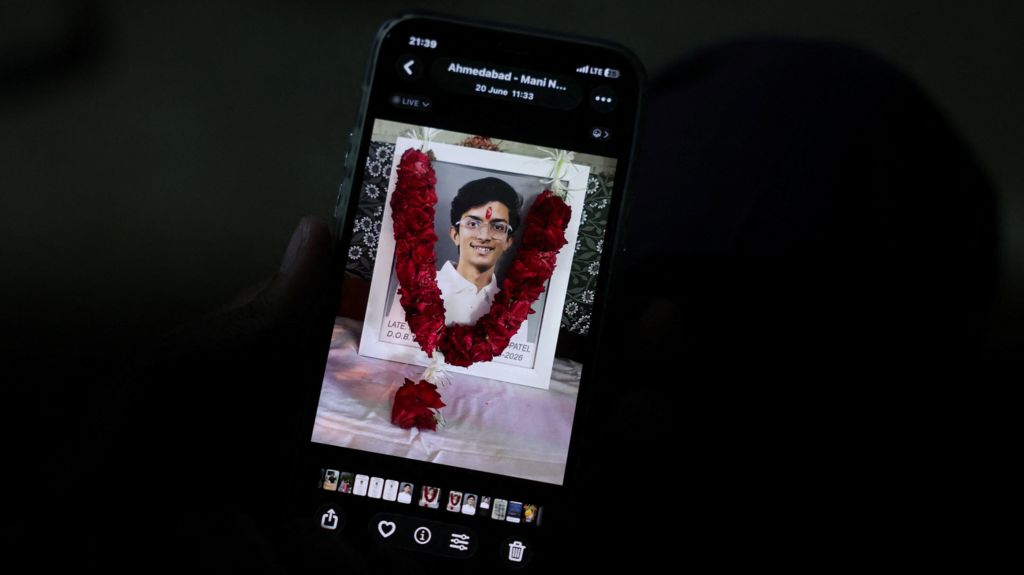
    In the humid heat of a June 2018 afternoon, two young residents of Guwahati, India, set off on a casual road trip through the rolling hills of Assam’s Karbi Anglong region. Abijeet Nath, a 30-year-old local businessman, and Nilotpal Das, a 29-year-old musician, never made it back to their homes. Nearly eight years after their brutal killing at the hands of a mob falsely accusing them of child abduction, an Assam court has finally issued a long-awaited verdict – one that has left the victims’ grieving families far from satisfied.

    On Monday, the district sessions court delivered its ruling in the high-profile case: 20 of the 45 adult accused were found guilty on charges of murder and participation in an unlawful assembly, while 25 others were acquitted due to insufficient evidence that met the “beyond reasonable doubt” standard required for conviction. The court will announce the length of the defendants’ sentences on Friday. All convicted individuals have already denied wrongdoing, and retain the right to file an appeal with a higher regional court.

    In its written judgment, the court emphasized the scale of the violence that unfolded that evening, noting “this is not a simple case of murder. The involvement of the entire locality is established from the evidence on record.” Court testimony and police records reconstruct the chaotic sequence of events: after stopping in Panjuri Kachari village to ask for directions, an unsubstantiated rumor that the pair were child kidnappers spread rapidly through the community. A spontaneous crowd of 150 to 200 villagers gathered at the site, with at least 50 people directly joining the fatal attack using sticks and other crude weapons. While the exact motivation for their trip to Karbi Anglong, roughly 112 miles from Guwahati, was not confirmed in court, the victims’ parents testified that the two were avid travelers who often explored remote areas of the state together.

    The first confirmation of the tragedy reached Nath’s family when he failed to return calls: a stranger answered Nath’s phone and told his father that his son was dead, and the news would soon air on television. Families rushed to the region immediately, while local police, alerted to reports of an assault, also deployed to the village. By the time emergency responders arrived, the two men had already been pronounced dead at a local hospital. In the aftermath of the killings, dozens of arrests were carried out, and a formal chargesheet was filed against 48 people in 2024. Three of the accused were confirmed to be minors at the time of the attack, so their cases were transferred to the juvenile justice system, leaving 45 adults to stand trial.

    The verdict has returned this shocking case to national headlines, and reignited long-simmering conversations about the deadly consequences of viral misinformation that first gripped India in the late 2010s. The 2018 lynching of Nath and Das was not an isolated incident: at the time, a nationwide wave of mob attacks was being fueled by false rumors of child abduction gangs that spread exponentially across WhatsApp, a massively popular messaging platform in India. Viral text posts and videos stoked widespread panic and deep suspicion of unfamiliar outsiders, leading to similar lynchings across Tamil Nadu, Karnataka, Telangana, Maharashtra, Tripura and other states. Law enforcement struggled for months to curb the rapid spread of the false claims across encrypted social platforms.

    At the height of the violence, the case sparked national outrage, particularly after the federal government claimed there was no proven connection between the online rumors and the mob attacks. India’s Supreme Court publicly urged the central government to draft and pass a dedicated anti-lynching law, while lawmakers raised alarms about the growing threat of unregulated “fake news” on private messaging platforms. Pressure also mounted on WhatsApp, which the Indian government warned could face legal liability if it continued to act as a “mute spectator” to deadly misinformation. In response, the platform implemented sweeping changes: it introduced limits on how many times a single message could be forwarded, added clear labels for all forwarded content, and launched national public awareness campaigns to teach users how to identify false claims.

    Years later, the case remains a defining example of the complex challenges of containing harmful viral misinformation, a problem that continues to frustrate policymakers and tech companies alike. A 2021 UNICEF study confirmed what the 2018 attacks made clear: false information spreads far faster and reaches wider audiences than verified factual reporting, especially when the content preys on public fear and anger, making it extremely difficult to halt mid-spread.

    Prateek Waghre, a New Delhi-based researcher focused on technology policy, argues that the root of the problem extends far beyond platform design. “Technology companies alone cannot address problems rooted in society,” he explained. While limiting message forwarding can slow the spread of misinformation, Waghre noted, the measure can also restrict the flow of legitimate, valuable information to users. On platforms like WhatsApp, which uses end-to-end encryption that only allows senders and recipients to read message content, direct content moderation is inherently complicated. Any attempt to increase monitoring of private messages, Waghre added, would require weakening encryption protections, which would in turn raise serious, widespread concerns about user privacy.

    For law enforcement agencies in Assam, the 2018 lynching marked a major turning point in how authorities approach rumor-fueled violence. Kuladhar Saikia, Assam’s former top police official, told reporters that response strategies have shifted dramatically in the years since the attack. Early responses, such as temporary suspensions of local internet service, only offered short-term disruption of misinformation and did nothing to address the underlying social conditions that allowed rumors to take root, he explained. “Instead, we focused on grassroots outreach, working with community leaders to verify information and discourage rumors,” Saikia said.

    But for the families of Nath and Das, these broader policy discussions feel distant from their years-long fight for justice. The acquittal of more than half of the accused has left their demands for full accountability unmet. Gopal Das, father of Nilotpal Das, told reporters after the verdict that his family was “not satisfied” with the ruling. They plan to meet with their legal team to review their options for further legal action, and are pushing for the maximum possible sentence for the 20 convicted defendants. Nath’s family has echoed those concerns, noting they are also evaluating legal challenges to the acquittals and have called on the state government to provide support for their case.

    For the grieving families, Monday’s ruling is only one more incremental step in a legal process that has stretched on for nearly eight years. It cannot bring back the two young men who left home for a casual trip and never returned, nor can it undo the permanent loss that has shaped their lives every day since that summer afternoon in 2018.

  • Trump administration vows crackdown on Chinese companies ‘exploiting’ AI models made in US

    Trump administration vows crackdown on Chinese companies ‘exploiting’ AI models made in US

    As China rapidly closes the technological gap with the United States in global artificial intelligence development, the Trump administration has launched a new crackdown on what it frames as unfair exploitation of American AI innovation by foreign firms, with China positioned as the primary target of the policy push.

    In a formal memorandum released Thursday, Michael Kratsios, then-President Trump’s top science and technology advisor, leveled accusations that foreign entities—most headquartered in China—are running coordinated, industrial-scale campaigns to “distill” core capabilities from leading U.S.-built AI systems, effectively siphoning off American research and development work for their own gain. “Foreign actors are exploiting decades of American expertise and innovation to cut corners on their own AI development,” Kratsios wrote, outlining that the administration would partner with leading U.S. AI companies to map unauthorized extraction activity, reinforce defensive systems, and implement penalties against bad actors.

    The policy announcement lands amid a shifting global AI landscape: the White House has repeatedly framed AI dominance as a critical strategic priority, arguing U.S. leadership is necessary to set global technical norms and secure long-term economic and military advantages. However, a recent analysis from Stanford University’s Human-Centered AI Institute found that the performance gap between the world’s top U.S. and Chinese AI models has “effectively closed” in recent years, eroding the long-held American competitive edge.

    China’s embassy in Washington swiftly pushed back against the accusations, condemning what it called the United States’ “unjustified suppression of Chinese companies.” “China has always been committed to advancing global scientific and technological progress through open cooperation and healthy, fair competition,” embassy spokesperson Liu Pengyu said in a statement, adding that China prioritizes rigorous intellectual property protection for all innovators.

    Kratsios’ memo coincided with a key congressional development that same week: the U.S. House Foreign Affairs Committee gave unanimous, bipartisan backing to a new bill that would establish a formal government process to identify foreign actors that steal core technical details from closed-source, U.S.-owned AI models, and impose punitive measures including economic sanctions against offenders. The bill’s sponsor, Republican Representative Bill Huizenga of Michigan, framed model extraction attacks as a new front in Chinese economic aggression and intellectual property theft. “American AI models are delivering transformative new capabilities that will reshape our economy and national security,” Huizenga said. “It is absolutely critical that we block China from stealing these decades of technological advancement to boost their own strategic position.”

    Tensions over AI extraction first flared last year, when Chinese AI startup DeepSeek launched a high-performance large language model that could compete with products from top U.S. AI giants—at a fraction of their development cost, sending shockwaves through U.S. tech markets. David Sacks, who served as Trump’s AI and crypto advisor at the time, publicly claimed there was substantial evidence that DeepSeek had distilled proprietary knowledge from OpenAI’s leading models to build its own product. OpenAI, the developer behind ChatGPT, echoed these claims in a February letter to U.S. lawmakers, arguing that China should not be allowed to build what it called “autocratic AI” by “appropriating and repackaging American innovation.”

    Shortly after, Anthropic—creator of the popular Claude chatbot—accused DeepSeek and two other China-based AI research labs of running coordinated campaigns to illicitly extract Claude’s core capabilities to improve their own competing models via knowledge distillation, a technique that involves training a smaller, less advanced model on the output of a more powerful, cutting-edge system. While Anthropic acknowledged that distillation can be a legitimate, widely used method for AI training when done with permission, the company argued that it becomes unfair and illicit when competitors use the technique to gain powerful AI capabilities in a fraction of the time and at a tiny fraction of the cost required to develop leading models independently.

    However, cross-border knowledge sharing in AI works in both directions. San Francisco-based startup Anysphere, maker of the widely used coding tool Cursor, recently confirmed that its latest flagship product is built on an open-source model developed by Chinese AI firm Moonshot AI, creator of the popular Kimi chatbot.

    Industry and policy experts note that enforcing new restrictions on unauthorized AI distillation will pose massive practical challenges. Kyle Chan, a Brookings Institution fellow based in Washington D.C. and a leading expert on Chinese technology development, explained that distinguishing unauthorized extraction from the massive volume of legitimate, routine data requests from AI systems is comparable to “looking for needles in an enormous haystack.” That said, Chan added that coordinated information sharing between U.S. AI research labs could help mitigate the risk, and the federal government can play a key facilitating role in aligning anti-extillation defenses across the private sector.

    While it remains unclear how far the House-passed bill will advance through the legislative process, Chan noted that the Trump administration may be hesitant to escalate tensions with Beijing ahead of a planned mid-May state visit by the U.S. president to China, creating uncertainty about how aggressively the new policy will be implemented.

    This reporting included contributions from Matt O’Brien, an AP technology writer based in Providence, Rhode Island.

  • Iran blames US as truce talks reach a deadlock

    Iran blames US as truce talks reach a deadlock

    Truce talks aimed at de-escalating conflict between the United States and Iran have reached an impasse, with top Iranian leaders directly blaming Washington’s bad-faith tactics and uncompromising posture for the breakdown, as escalating military and maritime moves in the strategic Strait of Hormuz threaten global energy supplies. As of April 23, 2026, Washington has unilaterally extended its proposed ceasefire on its own terms, but ongoing exchanges of attacks and counterattacks have continued to disrupt critical commercial shipping through the key waterway, through which roughly a fifth of the world’s oil flows daily.

    In a public social media statement released Wednesday, Iranian President Masoud Pezeshkian pushed back against US claims that Iran has refused to negotiate in good faith, emphasizing that the Islamic Republic has consistently remained open to meaningful dialogue. “Bad faith, siege and threats are the main obstacles to genuine negotiation,” Pezeshkian said. “The world is witnessing your hypocritical empty talk and the contradiction between your claims and your actions.”

    Hours after Pezeshkian’s remarks, US President Donald Trump issued his own provocative social media statement, announcing he had ordered the US Navy to “shoot and kill” any small Iranian vessels that attempt to block passage through the strait. “There is to be no hesitation,” Trump added, doubling down on his administration’s aggressive posture toward Iran.

    The day before Trump’s order, White House Press Secretary Karoline Leavitt told reporters that the White House cites inconsistent messaging from Tehran as a core barrier to progress, noting that US leadership retains full authority to end the unilateral ceasefire extension at any time. “We see a lot of different messaging and rhetoric,” Leavitt said, adding that the US maintains full control of the regional situation and holds significant leverage over the Iranian government. “Not only have they been significantly weakened and obliterated militarily, but they are losing economically and financially every single moment that passes with this blockade. So the president is going to continue to lead the free world, to run the United States of America as we await the Iranian response,” she said.

    In response to the ongoing US blockade and escalating rhetoric, Iranian legislative and security bodies are now reviewing a new framework to assert full sovereign control over the Strait of Hormuz, according to Iran’s official Mehr News Agency. Fada Hossein Maleki, a senior member of the Iranian parliament’s National Security and Foreign Policy Commission, confirmed Thursday that both parliament and the Supreme National Security Council are conducting joint reviews of proposals for the strategic waterway.

    Iranian Parliament Speaker Mohammad Bagher Ghalibaf said in a Wednesday social media post that any meaningful ceasefire can only function if Washington ends its maritime blockade, which Tehran argues is holding the global economy hostage. Ghalibaf stressed that reopening full unimpeded navigation through the strait is impossible while Washington flagrantly violates the terms of the proposed truce. “They did not achieve their goals through military aggression, nor will they through bullying. The only way forward is to recognize the rights of the Iranian nation,” he added.

    On Thursday, Iran’s state-run media outlets Islamic Republic News Agency and Islamic Republic of Iran Broadcasting released the first public footage of Islamic Revolutionary Guard Corps Navy (IRGC-N) operations in the strait, directly contradicting recent claims from the Trump administration that Iran’s naval capabilities have been completely destroyed. The IRGC confirmed it has seized two foreign commercial vessels for violating Iranian shipping restrictions in the waterway, and opened fire on a third vessel that failed to comply with orders.

    Tasnim News Agency, another Iranian state outlet, also reported Thursday that the first revenue collected from new shipping tolls imposed on vessels passing through the strait has been deposited in the Central Bank of Iran, marking the formal launch of the country’s new toll regime for the waterway.

    For its part, US Central Command confirmed Thursday that American forces have diverted or ordered 31 vessels back to port as part of Washington’s ongoing economic blockade against Iran. Most of the redirected vessels are oil tankers, US officials said, and the vast majority have complied with US orders to avoid the region.

    A recent Pentagon assessment, first reported by The Washington Post, estimates that it would take up to six months to clear all naval mines laid by Iran from the strait, a timeline that would keep global oil prices elevated for an extended period. International Energy Agency Executive Director Fatih Birol confirmed the severe impact of the ongoing conflict on global energy markets, noting that the world is currently losing 13 million barrels of oil supply per day due to disrupted shipping and production tied to the confrontation.

  • Kuwait releases journalist Ahmed Shihab-Eldin after acquittal

    Kuwait releases journalist Ahmed Shihab-Eldin after acquittal

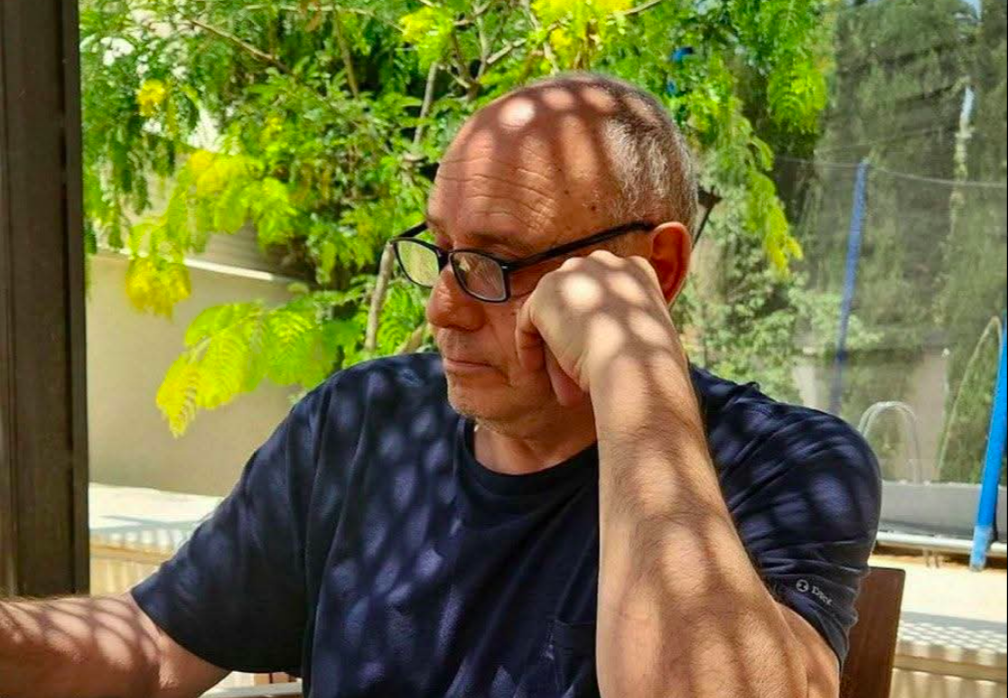
    After 52 days of behind-bars detention on charges tied to social media posts about the US-Israeli military campaign targeting Iran, award-winning Kuwaiti-American journalist Ahmed Shihab-Eldin has been cleared of all counts and released from custody in Kuwait.

    The 41-year-old, who holds dual Kuwaiti-American citizenship and was born in the United States, was taken into custody on March 2 during a trip to Kuwait to visit extended family. According to the Committee to Protect Journalists (CPJ), the arrest was triggered by a string of social media posts Shihab-Eldin shared about the ongoing regional conflict. Among these posts was footage of a U.S. fighter jet crashing at an American airbase located within Kuwait; the press freedom advocacy group stressed that all material the journalist shared was already publicly available.

    Caoilfhionn Gallagher, international legal counsel representing Shihab-Eldin’s family, confirmed the acquittal in an official statement, saying, “We are relieved that, after 52 days in detention, Ahmed has been found innocent on all charges. Our focus now is upon ensuring the liberty and safety of our client.”

    The CPJ echoed this relief in an update posted to the social platform X, noting that while full details surrounding the case were still being collected, Shihab-Eldin’s international legal team had formally confirmed the full acquittal and his impending release.

    A veteran journalist with an extensive career, Shihab-Eldin has contributed reporting to a roster of major global media outlets including The New York Times, Al Jazeera English, and PBS. His work, which focuses heavily on human rights and regional affairs, has earned him high-profile industry honors, including a British Journalism Award and an Amnesty International Human Rights Defender Award.

    Beyond Shihab-Eldin’s individual case, the CPJ has framed his detention as part of a growing, region-wide crackdown on digital free speech that has unfolded alongside the escalation of the US-Israeli war on Iran. Like other Gulf nations, Kuwait has rolled out increasingly strict limits on online expression amid rising regional tensions, moving to restrict public discussion of attacks on the country’s critical infrastructure.

    On the same day Shihab-Eldin was arrested, Kuwait’s Ministry of Interior published a public statement advising citizens and residents against “photographing or publish any clips or information related to missiles or relevant locations,” warning that multiple people had already been taken into custody on charges of spreading false information. Weeks after that initial announcement, Kuwait’s legislature introduced sweeping new legislation that carries a maximum 10-year prison sentence for anyone found guilty of “disseminating news, publishes statements, or spreads false rumours related to military entities” with the intent to erode public trust in state military institutions.

    Data from the Gulf Centre for Human Rights (GCHR) underscores the scale of this crackdown: the rights organization reports that dozens of people across the region have been arbitrarily detained since the outbreak of the war, all for the act of “peacefully expressing their opinions on social media.” The GCHR added that most of these detainees are held in unacknowledged state security facilities for days at a time, and are systematically denied access to both family visits and legal representation, in violation of international human rights standards.