标签: Africa

非洲

  • UN’s grim week: 6 peacekeepers and an interpreter killed, while 10 more staffers detained in Yemen

    UN’s grim week: 6 peacekeepers and an interpreter killed, while 10 more staffers detained in Yemen

    The United Nations concludes a devastating year with an unprecedented wave of violence targeting its personnel across multiple global hotspots. In a series of brutal incidents that underscore the deteriorating security environment for international organizations, six UN peacekeepers perished in a drone strike in Sudan’s South Kordofan region, while nine others sustained injuries. Simultaneously, a UN interpreter in South Sudan died under mysterious circumstances while detained by local security forces, and Yemen’s Houthi rebels escalated their crackdown by detaining ten additional UN staff members.

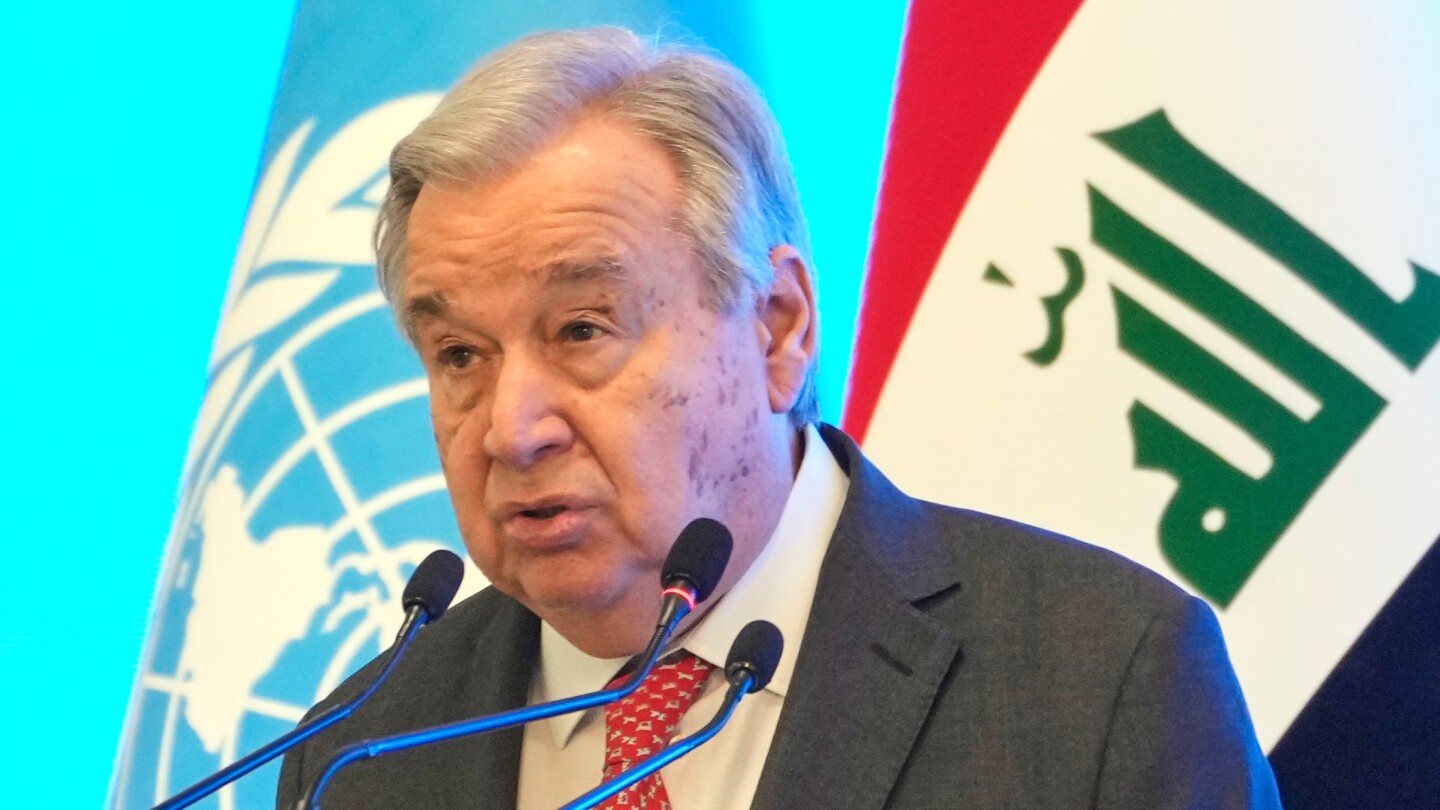
    UN spokesman Stephane Dujarric expressed grave concern about these developments, noting that the iconic UN emblem no longer provides the protection it once guaranteed. ‘We see all too often that the UN flag no longer offers the protection that it should to our colleagues,’ Dujarric stated during a Friday press briefing. He emphasized that UN personnel—whether humanitarian workers, peacekeepers, or political envoys—operate solely for peace and civilian welfare, deserving universal respect and protection.

    The Security Council vehemently condemned the Sudan drone attack as ‘heinous and deliberate,’ characterizing it as demonstrating ‘egregious disregard for international law.’ The council demanded immediate investigations and justice for perpetrators, reiterating that attacks against peacekeepers may constitute war crimes.

    In South Sudan, tragedy struck when Bol Roch Mayol, a long-serving interpreter with the UN mission since 2011, was forcibly removed from a disabled UN vehicle by five soldiers following a routine patrol. Despite engagement with authorities for his release, the mission received notification of his death in custody. South Sudanese police confirmed the arrest of three soldiers, including Army Lt. Lino Mariak Chol, who allegedly confessed to the killing.

    The crisis deepened in Yemen where Houthi rebels, controlling Sanaa and northern territories, detained ten additional UN staffers, bringing the total number of detained personnel to sixty-nine. Secretary-General Antonio Guterres condemned these arbitrary detentions and demanded immediate release of all personnel, including those from NGOs and diplomatic missions. Guterres additionally called for dropping charges against three UN staffers referred to a Houthi special criminal court—the same court that recently convicted seventeen individuals of espionage in a widespread crackdown on Yemenis working with international organizations.

    These incidents follow earlier tragedies including over 300 UN staff fatalities in the Israel-Hamas conflict and more than 300 personnel deaths during Mali’s decade-long peacekeeping mission, which concluded as the world’s deadliest UN operation in December 2023.

  • How Dubai resident helps vulnerable animals with ‘nowhere to go’ during rain

    How Dubai resident helps vulnerable animals with ‘nowhere to go’ during rain

    As unprecedented rainfall and severe winds swept across the United Arab Emirates, dedicated animal welfare advocates mobilized to address the critical needs of stray animals facing life-threatening conditions. Among them, Chiku Singh, a British expatriate with over 25 years of community rescue experience, embarked on urgent missions across Dubai, Sharjah, and Abu Dhabi to secure animal feeding stations and reinforce shelters.

    The extreme weather conditions created emergency situations for street animals, with flooding submerging feeding areas, collapsing shelters, and exposing vulnerable animals to hypothermia risks. “For stray animals, storms are emergencies,” Singh emphasized. “Kittens can lose body heat within minutes, while elderly and sick animals struggle profoundly when their environment turns wet and cold.”

    Singh’s systematic approach involved elevating feeding bowls above flooded grounds using bricks as anchors, replacing waterlogged food with dry alternatives to prevent illness, and reinforcing insulated shelter units with waterproof layers and insulating hay. The rescue specialist utilized specifically designed elevated rest houses rather than temporary cardboard solutions, ensuring proper ventilation while maintaining warmth retention capabilities.

    With approximately 83 insulated units now deployed across multiple emirates—including labor camp areas in Mussafah and Al Reef, residential communities such as Sports City and Motor City, and various industrial zones—the initiative represents a coordinated response to weather-related animal welfare challenges. During severe conditions, stray animals frequently seek refuge near buildings or parked vehicles as familiar terrain becomes unrecognizable and dangerous.

    Singh noted that proactive preparation significantly reduced animal suffering during the recent storms: “There are animals inside dry shelters instead of under cars, and feeding stations remained functional. Some animals will survive specifically because timely preparations were implemented.” The animal advocate emphasized that responsible care during extreme weather requires comprehensive planning beyond merely leaving food outdoors, necessitating properly designed feeding stations and adequately ventilated shelters to prevent moisture accumulation.

    The ongoing effort underscores the vulnerability of street animals during environmental crises and highlights the critical intervention of community rescuers who remain active when most retreat indoors. As Singh poignantly stated, “When the storm hits, someone has to remain on the streets for those who cannot ask for help.”

  • Qatar bets on cheap power to catch up in Gulf AI race

    Qatar bets on cheap power to catch up in Gulf AI race

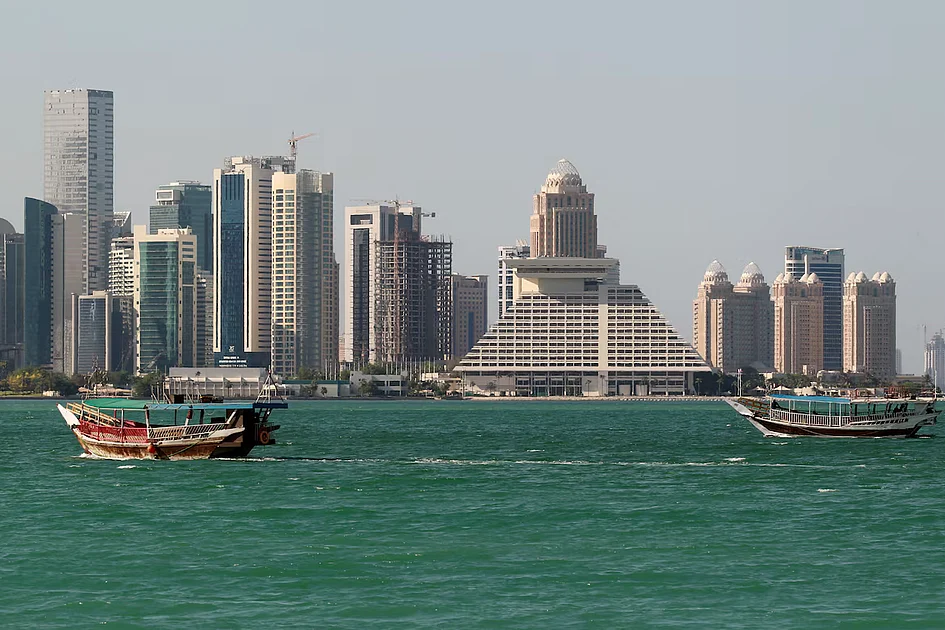
    Qatar is strategically deploying its substantial energy resources and financial capital to establish a competitive position in the artificial intelligence sector, despite entering later than regional counterparts. The nation’s recently unveiled initiative, Qai—supported by its $526 billion sovereign wealth fund and a $20 billion partnership with Brookfield—represents its most significant investment to date in an industry transforming global technological and economic landscapes.

    This development aligns with broader Gulf Cooperation Council efforts to diversify beyond hydrocarbon dependence, mirroring substantial AI infrastructure investments in Saudi Arabia and the United Arab Emirates. Qatar’s primary competitive advantage stems from its exceptionally low electricity costs, a critical factor for energy-intensive AI data centers operating in desert climates with high cooling demands.

    However, industry analysts identify multiple structural challenges beyond financial capacity. Gulf states must implement Western-standard data governance frameworks, navigate stringent US export controls on advanced semiconductor technology, and attract scarce specialized talent within an intensely competitive global market. Stephen Beard of Knight Frank emphasized that regulatory adaptation, particularly regarding data privacy laws, remains the most significant barrier to widespread AI deployment.

    While Qatar has disclosed limited operational details about Qai, its emergence responds to escalating demand for computational infrastructure as corporations increasingly integrate AI systems. Mohammed Soliman from the Middle East Institute noted that American hyperscalers—including Google, Microsoft, and Meta—welcome additional capacity development in energy-rich regions with favorable financing conditions.

    Infrastructure scalability remains crucial for regional competitiveness. Analyst projections indicate approximately $800 billion may be invested in Middle Eastern AI data center development over the next two years. Qatar’s progress will be measured against regional benchmarks: Saudi Arabia’s Humain targets 6-gigawatt capacity by 2034, while the UAE’s G42 is constructing a 5-gigawatt AI campus potentially ranking among the largest globally outside the United States.

    Compliance with US semiconductor regulations presents another critical dimension. To access Nvidia’s advanced Blackwell processors, Qatari operations must implement rigorous usage tracking and security protocols matching those required of regional competitors. This necessitates detailed reporting systems, physical inspection capabilities, and strict personnel controls for technicians from designated high-risk jurisdictions.

    Despite Qatar’s considerable sovereign wealth, industry observers characterize its position as that of a late entrant in a rapidly advancing field. Marc Einstein of Counterpoint Research noted that while Qatar possesses distinct advantages in energy economics, its neighbors currently maintain superior scale and established infrastructure networks.

  • Gainsborough Stud celebrates its heritage and the British roots in Dubai’s racing legacy

    Gainsborough Stud celebrates its heritage and the British roots in Dubai’s racing legacy

    The remarkable journey of Gainsborough Stud reveals how a British industrialist’s fleeting but impactful involvement in horse racing ultimately shaped the genetic bedrock of Dubai’s global racing empire. Jim McCaughey, a Warwickshire industrialist who burst onto the racing scene during the 1970s, established breeding foundations that would later evolve into the powerhouse Godolphin operation under Dubai’s royal family.

    McCaughey emerged as a formidable presence in the 1970s bloodstock auctions, acquiring thoroughbreds with unprecedented spending. Racing in distinctive yellow silk with black diamonds, he partnered with elite trainers including Fred Rimmel, Ryan Price, and Sir Michael Stoute, signaling his ambition to compete at racing’s highest echelons. Despite his relatively brief tenure in the sport, McCaughey’s horses achieved significant success on both Flat and National Hunt circuits, with hurdler Connaught Ranger capturing the prestigious Triumph Hurdle at Cheltenham Festival.

    By the early 1980s, McCaughey’s racing aspirations reached their peak as he targeted championship events and celebrated major handicap victories including Shaftesbury’s Ebor Handicap win in 1980. Described by Irish newspapers as a ‘fearless punter,’ he backed his horses with substantial wagers, embracing the sport’s inherent volatility. However, financial pressures eventually compelled his withdrawal from racing in the mid-1980s, followed by his tragic passing shortly thereafter.

    The enduring legacy emerged when McCaughey sold Gainsborough Stud to Sheikh Maktoum bin Rashid Al Maktoum prior to his death. Under Maktoum ownership, the stud farm flourished, producing champions including Toucing Wood (1982 St. Leger winner) and Shareef Dancer, whose 1983 Irish Derby victory led to a record $40 million syndication. Following Sheikh Maktoum’s passing in 2006, the operation transferred to his brother Sheikh Mohammed bin Rashid Al Maktoum, becoming integrated into Darley and ultimately unified with Godolphin.

    According to Trent Challis, McCaughey’s grandson and a Dubai-based investor, his grandfather’s legacy established ‘genetic foundations that, under the Maktoum family stewardship, evolved into something extraordinary.’ The bloodlines McCaughey helped develop continue producing winners across international facilities in the UK, Ireland, Kentucky, and Australia, maintaining championship connections nearly half a century after their establishment. ‘Every time Godolphin breeds a champion,’ Challis reflects, ‘there’s a thread, however thin, connecting back to those foundation decisions.’

  • Will Afcon 2025 be a defining moment for Morocco?

    Will Afcon 2025 be a defining moment for Morocco?

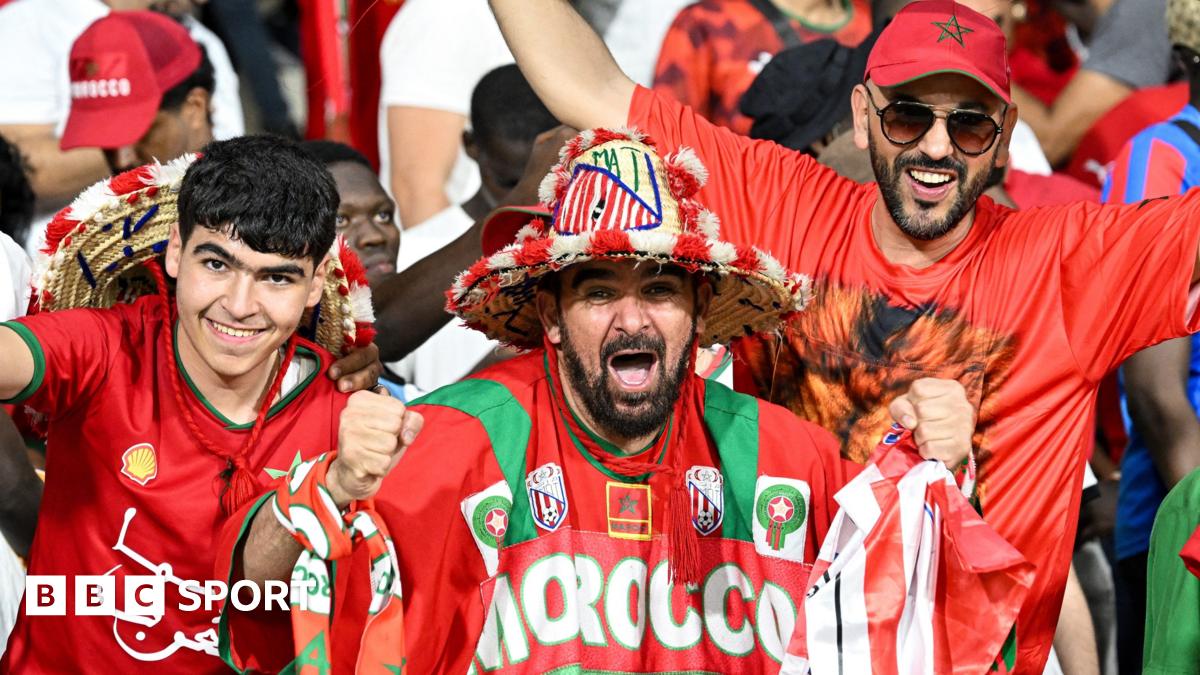
    As Morocco prepares to host the 2025 Africa Cup of Nations commencing Sunday, the tournament represents the potential culmination of a meticulously orchestrated national project to establish football supremacy across the continent. The Atlas Lions enter the competition carrying not just home advantage but the weight of nearly five decades of expectation, having last claimed the continental title in 1976.

    The nation’s football transformation stems from strategic vision dating back to 2008 when King Mohammed VI initiated an ambitious plan leveraging football for national development. This vision materialized through substantial infrastructure investments including the Mohammed VI Football Academy (established 2009) and the $65 million Mohammed VI Training Complex (opened 2019). These world-class facilities combine elite training environments with educational and sports science resources, creating an unprecedented development pipeline for Moroccan talent.

    Midfielder Sofyan Amrabat, a veteran of Morocco’s historic World Cup 2022 semi-final campaign, encapsulates the national sentiment: “Every time I put on the Moroccan jersey, it’s an amazing feeling… I’m really looking forward to this AFCON, especially because it’s at home. And of course, we hope it’s going to be ours.”

    The team’s credentials are formidable: reigning as Africa’s highest-ranked team (11th in FIFA rankings), holders of a world record 18 consecutive victories since March 2024, and boasting exceptional talent including African Player of the Year Achraf Hakimi, Real Madrid’s Brahim Díaz, and elite goalkeeper Yassine Bounou. However, concerns persist regarding captain Hakimi’s fitness following a November ankle injury sustained during Champions League action.

    Football analyst Jalal Bounouar emphasizes the tournament’s significance: “Morocco’s primary and most immediate goal is to win AFCON. Winning the continental title is seen as the final piece of the puzzle.” This perspective follows consistent success across multiple fronts: Olympic bronze (2024), FIFA U-20 World Cup victory, three consecutive African Nations Championships, and recent Arab Cup triumph.

    Despite sporting achievements, the substantial investment has faced scrutiny amid domestic calls for improved public services. The “hospitals not stadiums” movement reflects ongoing debates about resource allocation, particularly with Morocco co-hosting the 2030 World Cup. Nevertheless, statistical evidence shows growing grassroots participation and increased social acceptance of women’s football, complemented by the Atlas Lionesses’ consecutive Women’s Cup of Nations finals appearances.

    Morocco commences their campaign against Comoros on Sunday, carrying not just trophy aspirations but the embodiment of a nation’s strategic sporting vision.

  • Samsung launches Galaxy Z TriFold in the UAE today

    Samsung launches Galaxy Z TriFold in the UAE today

    Samsung Gulf Electronics has unveiled its groundbreaking Galaxy Z TriFold device in the United Arab Emirates, positioning the country among an exclusive group of five global markets receiving first access to the innovative technology. The launch, occurring on December 19, 2025, represents a significant advancement in foldable device technology and underscores the UAE’s status as a regional leader in early technology adoption.

    The Galaxy Z TriFold introduces an unprecedented tri-fold form factor that redefines mobile functionality, seamlessly transforming from a conventional smartphone into a expansive 10-inch tablet display. This engineering marvel incorporates Samsung’s most advanced technological components, including the specialized Snapdragon® 8 Elite for Galaxy processor, a professional-grade 200MP camera system, and the company’s largest foldable battery to date. The device’s structural integrity is ensured through reinforced Armor Aluminum framing and a newly developed titanium hinge mechanism designed for extended multi-fold durability.

    Fadi Abu Shamat, Vice President and Head of the Mobile eXperience Division at Samsung Gulf Electronics, emphasized the significance of the UAE launch: “The Galaxy Z TriFold marks an important milestone in Samsung’s foldables journey. The UAE has consistently embraced our most advanced technologies early, and launching here reflects our commitment to a market that leads the region in digital adoption.”

    The device’s capabilities extend beyond hardware specifications, incorporating sophisticated Galaxy AI features that enable enhanced productivity through three-app multi-window functionality, standalone Samsung DeX operation without external hardware, and advanced creative tools including Photo Assist, Generative Edit, and Sketch to Image capabilities. The integration of real-time multimodal assistance via Gemini Live further positions the device at the forefront of AI-powered mobile technology.

    The UAE launch follows an exclusive preview event held at Dubai Mall on December 2, strategically timed with National Day celebrations to highlight the country’s role as an innovation hub. The Galaxy Z TriFold is now available through Samsung brand stores, authorized retail partners, and the company’s official online platform, offering consumers in the UAE pioneering access to what Samsung describes as the future of foldable smartphone technology.

  • Unstable weather in UAE: Sharjah urges caution at outdoor work sites

    Unstable weather in UAE: Sharjah urges caution at outdoor work sites

    Sharjah Police have escalated safety protocols for outdoor work environments as unpredictable weather patterns continue across the United Arab Emirates. The law enforcement agency disseminated an official advisory through social media platform X, mandating enhanced protective measures for personnel exposed to hazardous conditions.

    The comprehensive safety directive emphasizes strict compliance with occupational health regulations during both operational hours and worker transportation. Employers face increased scrutiny to implement preventive strategies that mitigate weather-related accidents and safeguard labor welfare. The advisory specifically targets construction sites and external work zones where environmental exposure presents elevated risks.

    Concurrently, Dubai’s Knowledge and Human Development Authority (KHDA) has enacted parallel precautions for educational institutions. Private schools received instructions to prioritize staff safety through flexible work arrangements and suspend all outdoor programming. The education authority specifically addressed institutions conducting holiday sessions, prohibiting off-campus activities until weather conditions stabilize.

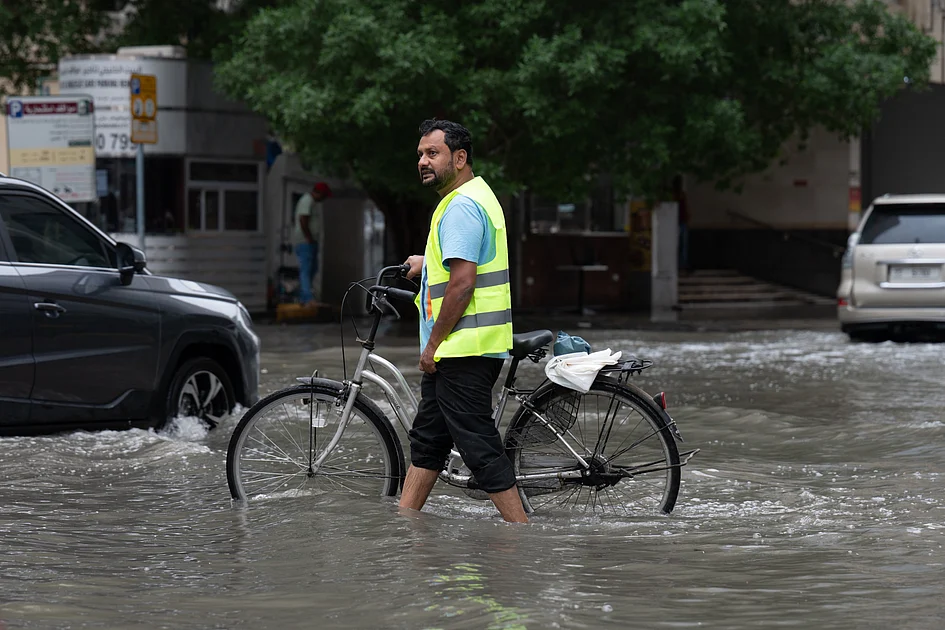
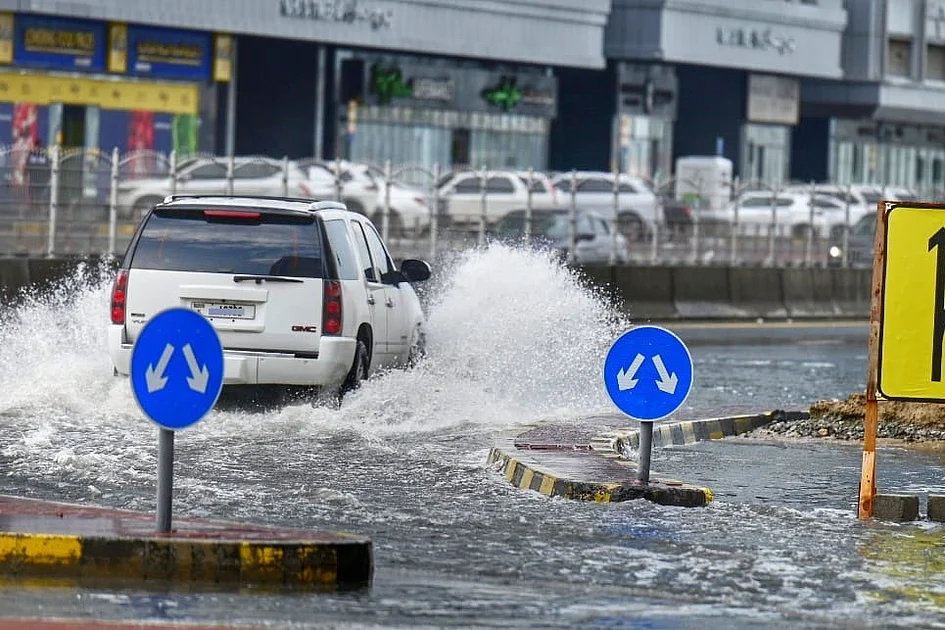
    These coordinated responses follow the UAE’s most intense rainfall period, which recorded precipitation peaks of 127mm in Ras Al Khaimah. Emergency services continue remediation efforts across affected regions, particularly addressing transportation disruptions caused by flash flooding. The national weather instability has prompted multi-jurisdictional coordination between police, educational authorities, and civil defense units to maintain public safety standards during meteorological uncertainties.

  • Uganda prison officer sacked for ‘politicking’ on TikTok

    Uganda prison officer sacked for ‘politicking’ on TikTok

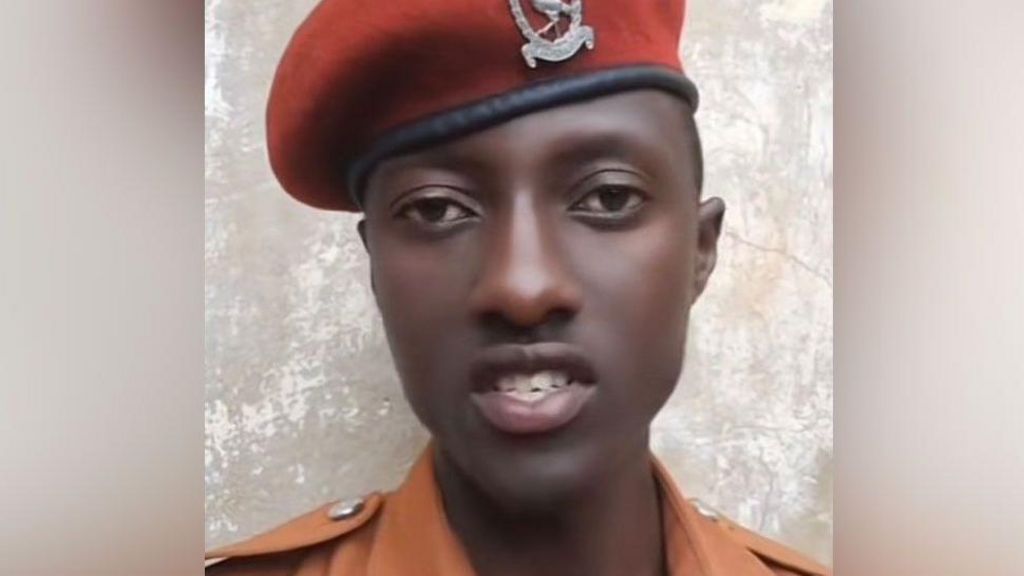
    In a significant disciplinary action highlighting Uganda’s ongoing tensions between state authority and digital free speech, prison officer Lawrence Ampe has been formally dismissed from service for utilizing TikTok to expose governmental corruption and power abuses. The Uganda Prisons Service terminated Ampe’s employment citing “gross indiscipline” and violation of standing orders prohibiting public officers from political participation.

    The controversial dismissal follows Ampe’s sustained social media campaign accusing senior officials within the prison system of corruption, human rights violations, and mistreatment of junior staff. Despite previous warnings from prison authorities about inappropriate use of social media for political expression, Ampe continued producing content that garnered over 100,000 followers on the popular video platform.

    Prisons spokesman Frank Baine defended the decision, stating Ampe was engaged in “politicking in the wrong forum” and showed no remorse during disciplinary proceedings. The officer was ordered to surrender all state property following last Tuesday’s dismissal resolution by the Prisons Council.

    The opposition movement, particularly supporters of presidential challenger Bobi Wine (musician-turned-politician Robert Kyagulanyi Ssentamu), has condemned the dismissal as evidence of systemic oppression and selective enforcement of regulations. Ampe had used his platform to promote Wine’s campaign against long-serving President Yoweri Museveni in the upcoming January elections.

    In response to his dismissal, Ampe posted his termination letter on TikTok with the caption: “I’m finally out free to support truth.” In subsequent videos, he assured supporters his activism wasn’t motivated by financial concerns but by patriotic dedication to “liberating our nation.”

    This incident occurs within a broader pattern of documented internet freedom restrictions in Uganda. The U.S. government’s 2023 report noted the country’s use of criminal punishments to limit online expression, while human rights organizations regularly condemn Ugandan authorities for suppressing dissent and violating freedom of expression rights. The case echoes last year’s conviction of a 24-year-old man who received a six-year prison sentence for insulting the president and first family on TikTok.

  • Dubai’s RTA halts intercity bus services to and from Ajman, Sharjah until further notice

    Dubai’s RTA halts intercity bus services to and from Ajman, Sharjah until further notice

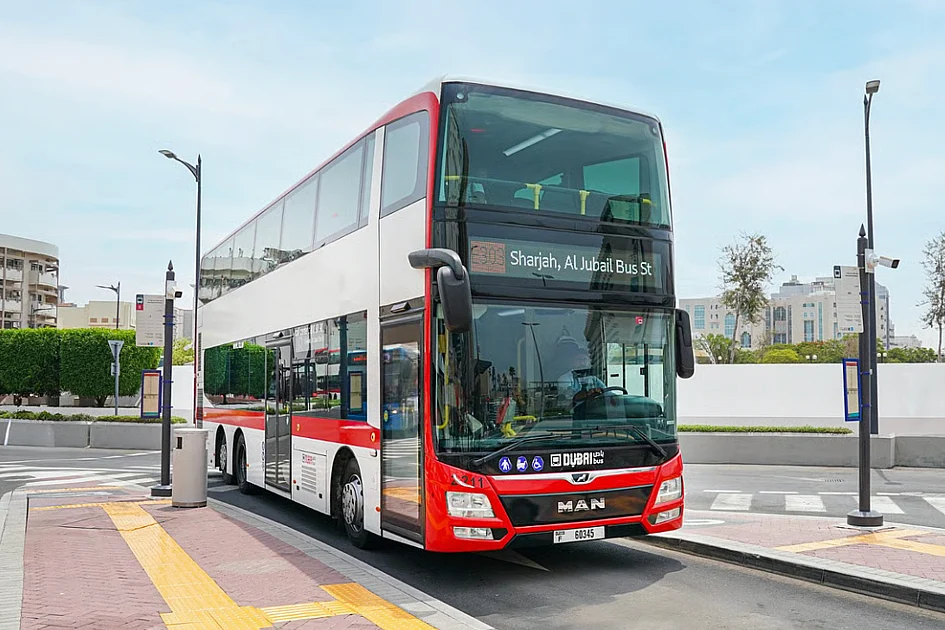
    Dubai’s Roads and Transport Authority (RTA) has implemented an immediate suspension of all intercity bus services connecting Dubai with the neighboring emirates of Ajman and Sharjah. This precautionary measure responds to developing unstable weather conditions affecting the region.

    The transportation authority confirmed the suspension will remain effective indefinitely as safety officials continue monitoring meteorological developments. The decision prioritizes passenger safety amid forecasts predicting intermittent rainfall of varying intensity across scattered areas of Dubai.

    Despite the bus service interruption, Dubai Metro operations continue unaffected with all trains maintaining regular schedules throughout the network. Commuters relying on intercity bus transportation are advised to seek alternative arrangements and monitor official RTA communication channels for service restoration updates.

    Meteorological departments attribute the unstable conditions to a persistent low-pressure system impacting the Middle Eastern region. Weather patterns are expected to intensify with thunderstorms forecasted to move eastward from Saudi Arabia toward the UAE and Qatar.

    Authorities have reiterated emergency preparedness guidelines, urging residents to exercise caution, remain indoors when possible, and adhere to all official safety instructions during this period of meteorological uncertainty.

  • UAE weather: Orange, yellow alerts issued for heavy rains; lightning, hail likely

    UAE weather: Orange, yellow alerts issued for heavy rains; lightning, hail likely

    The United Arab Emirates is experiencing continued unstable weather conditions as a low-pressure system advances westward across the region. The National Centre of Meteorology (NCM) has issued orange and yellow weather alerts warning residents of potentially hazardous conditions through Friday afternoon.

    Meteorological authorities indicate convective cloud formations are generating substantial precipitation over western and coastal areas, including Fujairah. These weather patterns are accompanied by strong winds reaching velocities up to 40 kilometers per hour, creating blowing dust and sand that significantly reduce horizontal visibility.

    The orange alert remains active until 1:40 PM local time, with the yellow alert extending until 4:00 PM. Meteorological experts warn that certain regions may experience lightning storms, thunder, and hail in addition to the precipitation.

    Temperatures across the Emirates have dropped considerably, with Abu Dhabi recording temperatures between 17°C and 22°C, Dubai experiencing 16°C to 23°C, and Sharjah ranging from 15°C to 21°C. The combination of precipitation and temperature drop creates unusually cool conditions for the region.

    Maritime conditions have also deteriorated, with the Arabian Gulf experiencing wave heights up to 6 feet until 4:00 PM. The Oman Sea is similarly affected with rough sea conditions expected to continue throughout the weather event. Residents are advised to exercise caution and stay updated through official channels as the situation develops.