标签: Africa

非洲

  • More UAE shoppers turn to diamond jewellery as gold hits record high prices

    More UAE shoppers turn to diamond jewellery as gold hits record high prices

    The United Arab Emirates jewelry sector is experiencing a significant market transformation as record-breaking gold prices drive consumer preference toward diamond jewelry. With gold reaching unprecedented levels of $4,549 per ounce globally and exceeding Dh546 per gram locally in 2025, Dubai jewelers report substantial growth in both natural and lab-grown diamond demand.

    Industry leaders indicate that diamond sales have increased by 25-30% year-on-year, effectively compensating for declining gold jewelry transactions. Chirag Vora, Managing Director of Bafleh Jewellers, explained that elevated gold prices have created market challenges, but diamond sales have emerged as a crucial revenue offset. “Diamond is offsetting the effect of gold sales for almost all companies,” Vora noted, emphasizing that wholesale distribution channels have particularly benefited from this trend.

    The market shift extends beyond mere price considerations to evolving gifting preferences. Consumers now increasingly favor diamond-studded gifts over smaller gold ornaments, perceiving them as more impressive presents. This behavioral change spans both natural and lab-grown diamond categories, with both segments growing simultaneously rather than one replacing the other.

    Chandu Siroya of Siroya Jewellers characterized 2025 as a challenging retail environment, noting that while dollar-term sales remained strong due to inflated gold prices, quantitative sales decreased by 20-30%. This has prompted industry-wide innovation, with jewelers promoting more elegant, diamond-studded pieces rather than traditional heavy gold jewelry.

    Market adaptation includes the introduction of 14-carat gold jewelry by the Dubai Jewellery Group, making pieces more affordable amid sustained high gold prices. Industry professionals anticipate 2026 will mark a new era for jewelry, with consumers having accepted that gold will maintain its elevated price point around $4,000 per ounce.

    The lab-grown diamond segment continues gaining traction, with new varieties expected to enter the market in 2026. International brands like Tanishq are capitalizing on this trend, with Aditya Singh, Head of International Jewellery Business at Titan Company, noting increased industry focus on diamond categories through expanded design offerings and promotional activities. The convergence of high gold prices and evolving consumer preferences is driving innovation toward lighter, more wearable everyday jewelry pieces across the UAE market.
  • ‘I can kill you right now’ – Sudan’s footballers on civil war

    ‘I can kill you right now’ – Sudan’s footballers on civil war

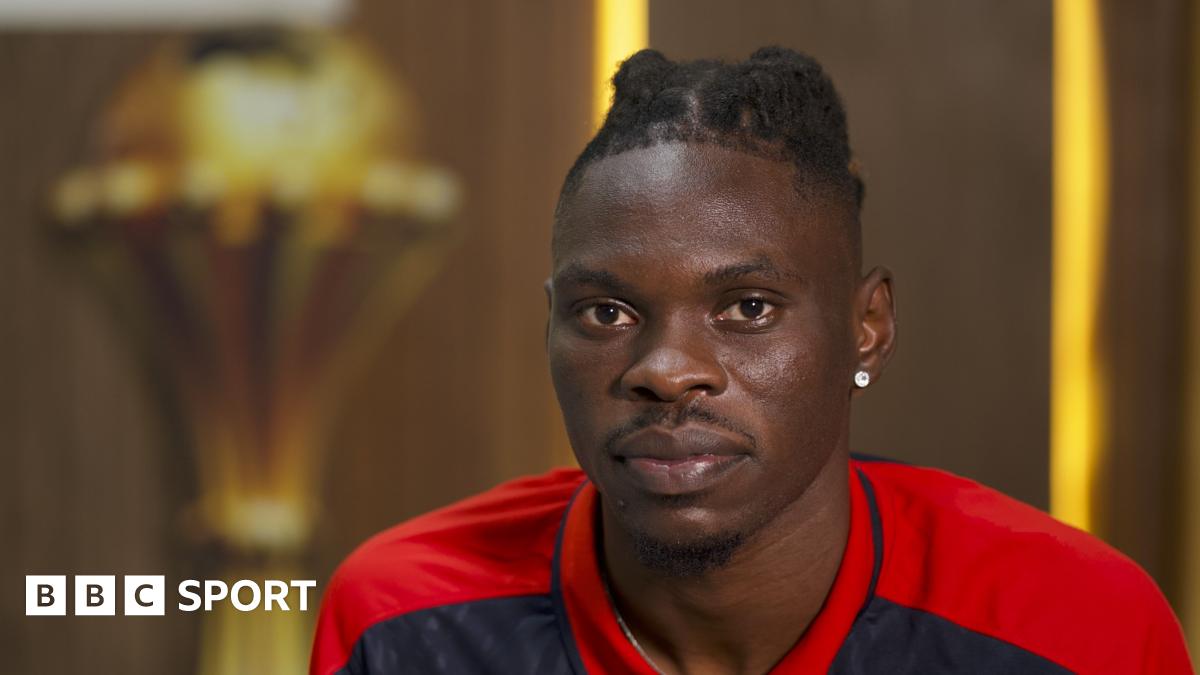
    In the shadow of a devastating civil war that has claimed over 150,000 lives, Sudan’s national football team is scripting a story of resilience and hope. The narrative is powerfully embodied by striker John Mano, who carries the memory of his best friend, Medo, executed by militants while attempting to flee the conflict.

    Mano recounts the traumatic incident with a chilling matter-of-factness that belies the pain in his eyes. His friend was shot more than twenty times after being stopped and accused of collaborating with the army, a moment witnessed helplessly by another childhood friend. This personal tragedy is a microcosm of the widespread suffering in Sudan, where a power struggle between the national army and the paramilitary Rapid Support Forces (RSF) has triggered the world’s largest humanitarian crisis, displacing over 12 million people and causing widespread famine.

    The domestic football league has collapsed, with iconic stadiums like Al Hilal’s ‘Blue Jewel’ in Omdurman lying in ruins. Major clubs Al Hilal and Al Merrikh have been forced into exile, currently competing in the Rwandan league. Despite these overwhelming challenges, the national team, the Falcons of Jediane, has achieved a remarkable feat: qualifying for the 2025 Africa Cup of Nations (AFCON) in Morocco for only the fourth time since 1976.

    This success is a testament to the extraordinary leadership of Ghanaian coach Kwesi Appiah and the unifying spirit within the squad. Appiah has shouldered the immense task of managing a team playing without guarantees of payment and constantly grieving lost family members. He provides emotional support and time off for players to process their grief, fostering an environment where they feel they can be ‘the best in the world.’

    For captain Bakhit Khamis, football is the only relief for the Sudanese people. He speaks of a powerful, unavoidable feeling of unity within the team, where the goal has become ‘Sudan first, Sudan above everything.’ This spirit was palpable when the team discovered that soldiers back home had momentarily laid down their arms to celebrate a qualifying victory over Ghana.

    Many players, including Mano who now plays in Libya, have faced direct threats and cannot return home. They see football not just as a game, but as a weapon to fight for their country’s pride and a beacon of hope for millions who often cannot even watch or listen to their matches. Their promise is to battle on the pitch in Morocco, striving to bring a moment of joy to a nation in pain, aiming to ‘free our country the football way.’

  • Egyptian dissident apologises for tweets as Tories push for UK deportation

    Egyptian dissident apologises for tweets as Tories push for UK deportation

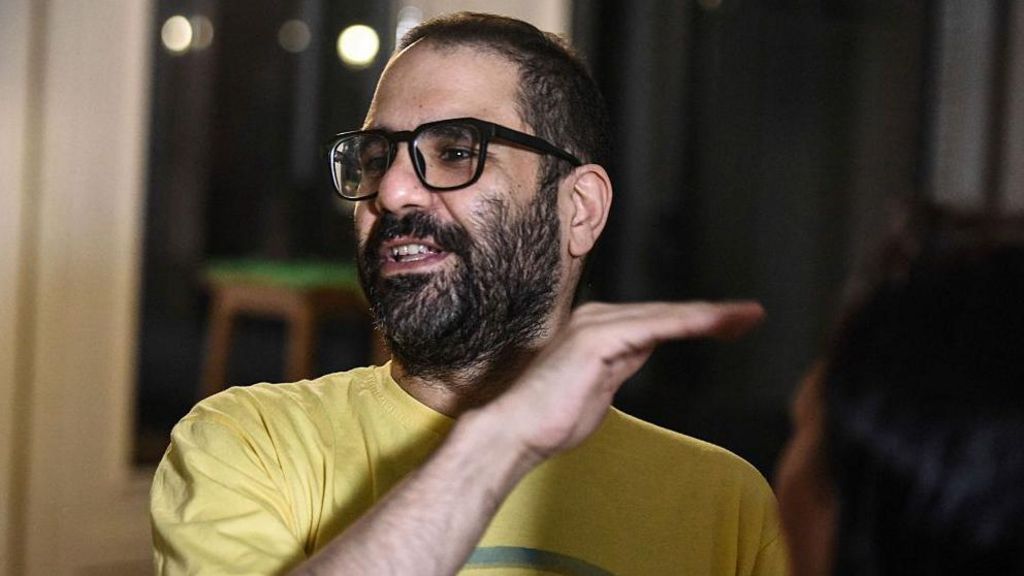
    A significant political controversy has engulfed Westminster following the arrival of Egyptian-British democracy activist Alaa Abdel Fattah in the United Kingdom, with mounting calls for the revocation of his citizenship over resurfaced inflammatory social media posts.

    The situation escalated when historical tweets attributed to Abdel Fattah surfaced containing violent rhetoric targeting Zionists, police officers, and white people. In one 2012 post, he allegedly stated: “I consider killing any colonialists and specially Zionists heroic, we need to kill more of them.” Another tweet reportedly read: “I am a racist, I don’t like white people.”

    Conservative leader Kemi Badenoch and Reform UK’s Nigel Farage have jointly demanded that Home Secretary Shabana Mahmood review whether Abdel Fattah’s British citizenship can be legally revoked. Farage characterized the activist’s views as “racist and anti-British” in a formal letter to the Home Office, while Badenoch condemned the remarks as “disgusting and abhorrent.”

    Prime Minister Sir Keir Starmer faces criticism for publicly expressing delight at Abdel Fattah’s arrival last Friday, with opponents claiming he demonstrated an “extraordinary error of judgement” without conducting proper due diligence on the activist’s controversial online history.

    Abdel Fattah, who was granted citizenship in December 2021 through his London-born mother during Priti Patel’s tenure as home secretary, has issued an unequivocal apology. “I do understand how shocking and hurtful they are, and for that I unequivocally apologize,” he stated, while maintaining that some posts had been “completely twisted out of their meaning” and taken out of context.

    The 44-year-old software developer and writer recently concluded a 12-year imprisonment in Egypt after being convicted in 2021 of “spreading fake news” for sharing a Facebook post about torture allegations—a trial widely condemned by human rights organizations as grossly unfair.

    Legal experts have questioned the feasibility of citizenship revocation, noting Britain’s obligations under international law to avoid rendering individuals stateless. Dame Emily Thornberry, chair of the Commons foreign affairs committee, emphasized that “he is a British citizen” entitled to constitutional protections.

    The Board of Deputies of British Jews expressed “profound concern” over the case, with senior vice-president Adrian Cohen warning that Abdel Fattah’s rhetoric poses threats to British Jews and the wider public, while criticizing what he described as “a broken system with an astonishing lack of due diligence by the authorities.”

  • Young Africans find hope in farming as urban life becomes too expensive

    Young Africans find hope in farming as urban life becomes too expensive

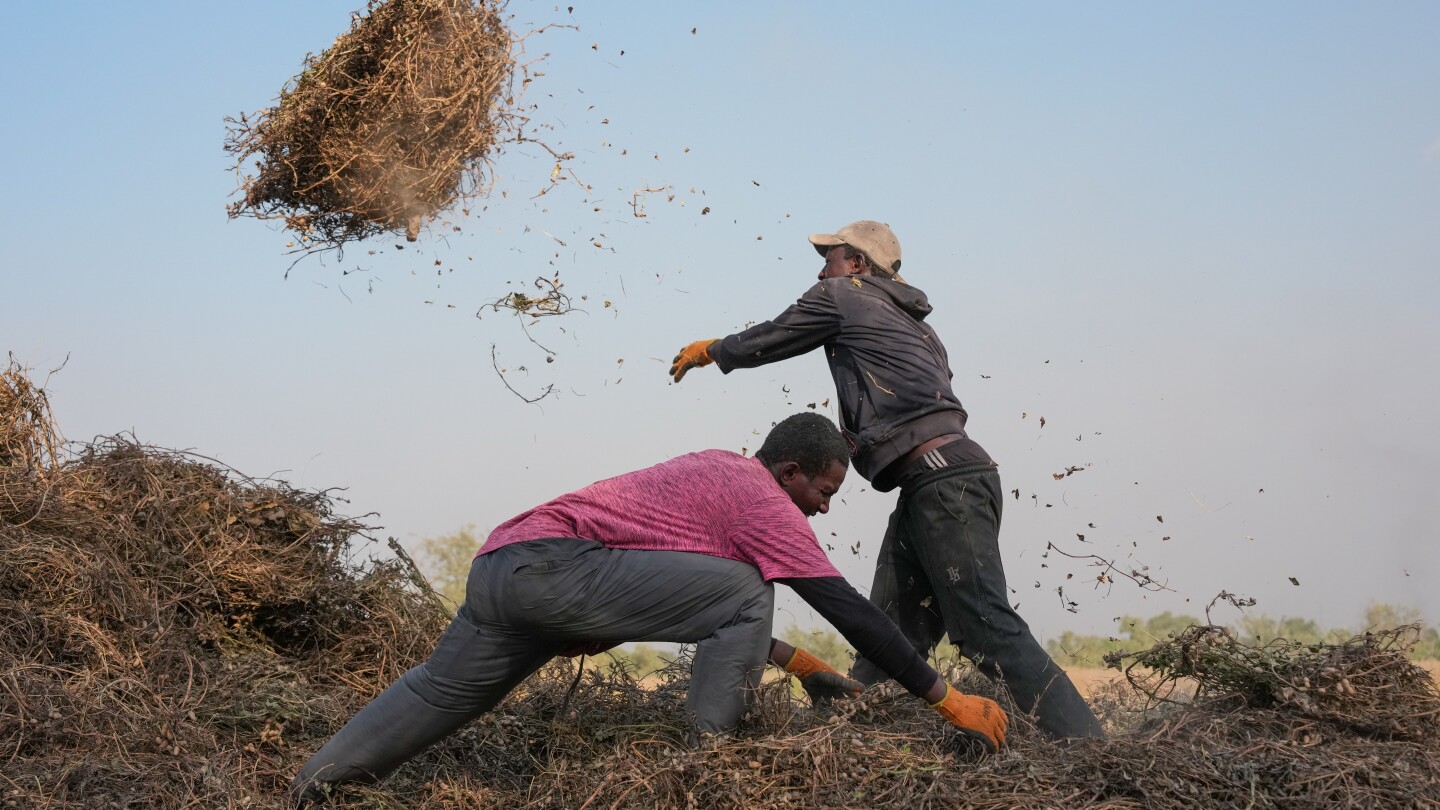
    Across Senegal’s sun-scorched farmlands, a remarkable socioeconomic shift is underway as educated young professionals abandon unfulfilled urban aspirations to embrace agricultural entrepreneurship. Filly Mangassa, 33, exemplifies this trend—after obtaining a master’s degree in criminology and struggling with Dakar’s prohibitive living costs and scarce employment opportunities, he has returned to his ancestral vocation with transformative results.

    This movement challenges deep-rooted perceptions that historically relegated farming to low-status occupation across Africa. While initial family reactions often reflected disappointment, tangible economic outcomes are rapidly changing attitudes. Mangassa now generates approximately $3,500 annual profit from his 32-acre diversified farm—significantly exceeding Senegal’s average yearly income of $2,500.

    Structural economic realities drive this agricultural renaissance. Africa represents the world’s fastest-urbanizing region with cities expanding at 3.5% annually, creating unsustainable cost-of-living pressures. The World Bank notes that housing and grocery expenses in major African metros now rival European cities despite dramatically lower median wages. Simultaneously, the African Development Bank reports only 3 million formal jobs emerge annually against 10-12 million young entrants into the workforce.

    International initiatives actively support this transition. The World Food Program’s agricultural entrepreneurship project, operational from 2023 through 2027, has already assisted approximately 380,000 young Africans across eight nations. In Senegal alone, over 61,000 participants received support with more than 80% establishing operational farms. The program specifically addresses critical barriers including land acquisition complexities, financing limitations, and technical training deficiencies.

    Beyond economic implications, this agricultural movement carries profound social consequences. Senegal’s government explicitly promotes farming as an alternative to dangerous migration routes—the nation serves as a primary departure point for Atlantic crossings to Europe. Testimonials like Adama Sane’s reveal how agricultural opportunities literally save lives: “If I had stayed in my construction job, I would have tried crossing the ocean sooner or later.”

    The transformation extends beyond individual livelihoods to address continental food security challenges exacerbated by climate change and funding reductions. Agricultural economist Ibrahima Hathie observes that young farmers increasingly focus on high-value crops enhanced by technology, potentially increasing local production and reducing staple food prices.

    As Mangassa now employs three returned migrants who abandoned their European aspirations, his story encapsulates a broader paradigm shift: “I wanted to show them that there are opportunities for young people here.” This sentiment reflects a growing recognition that agriculture may hold the key to sustainable development across Africa.

  • An orphan’s brutal murder shines a spotlight on child abuse in Somalia

    An orphan’s brutal murder shines a spotlight on child abuse in Somalia

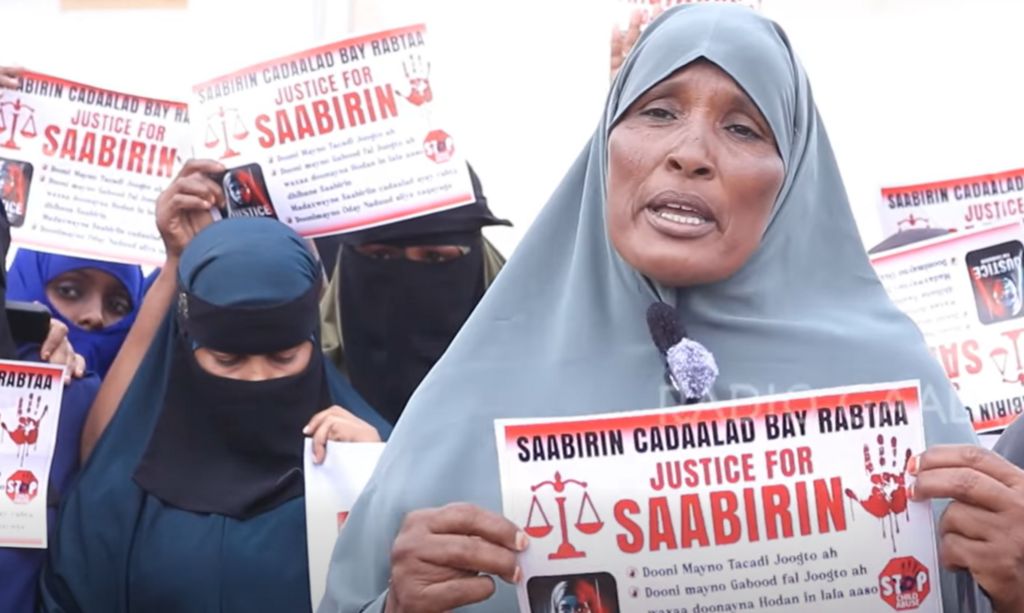
    A landmark legal case in Somalia has drawn unprecedented attention to systemic failures in child protection, following the conviction of 34-year-old Hodan Mohamud Diiriye for the murder of 14-year-old orphan Saabirin Saylaan. The case, which has ignited nationwide protests and digital activism, represents one of the rare instances where Somalia’s judicial system has imposed the death penalty for child abuse.

    The victim, orphaned in infancy and subsequently cared for by her late mother’s aunt, was transferred to Diiriye’s household in September as a domestic helper. Police investigations revealed that during her two-month residence, Saabirin endured systematic physical torture. Digital evidence recovered from Diiriye’s phone, including audio recordings where she stated ‘I’m enjoying your pain,’ documented the prolonged abuse. A post-mortem examination confirmed multiple injuries and deep stab wounds consistent with sustained violence.

    The case has exposed critical gaps in Somalia’s child protection framework, particularly regarding children within extended family structures traditionally considered safe spaces. Public outrage culminated in mass demonstrations throughout Galkayo, where protesters clashed with police resulting in one fatality. Online campaigns under hashtags invoking Saabirin’s name have amplified calls for systemic reform.

    Legal proceedings were broadcast live to ensure transparency, resulting in Diiriye’s murder conviction and death sentence pending appeal. Her husband received a one-year prison term and fine for negligence. The case has sparked complex debates about cultural traditions, particularly the role of clan elders in resolving cases through customary reconciliation rather than criminal prosecution.

    This tragedy coincides with Somalia’s recent ratification of the African Charter on the Rights and Welfare of the Child, though its implementation remains constrained by religious and cultural considerations. Child rights organizations highlight that most abuse cases never reach authorities due to limited police capacity, elder mediation, and children’s unawareness of reporting mechanisms. While officials point to existing youth protection programs, activists demand concrete enforcement measures to prevent similar tragedies.

  • Abu Dhabi becomes global first to administer Itvisma gene therapy

    Abu Dhabi becomes global first to administer Itvisma gene therapy

    Abu Dhabi has achieved a groundbreaking medical milestone by becoming the first global location to administer Itvisma (onasemnogene abeparvovec), an innovative gene therapy treatment for spinal muscular atrophy (SMA). The historic procedure was performed at Sheikh Khalifa Medical City (SKMC), operated by SEHA under PureHealth, with oversight from the Department of Health – Abu Dhabi (DoH).

    This revolutionary single-dose gene therapy, developed by pharmaceutical giant Novartis, received accelerated approval from UAE health authorities on November 25, 2025. The achievement positions the United Arab Emirates as the first country outside the United States to implement this cutting-edge treatment, demonstrating Abu Dhabi’s emerging leadership in advanced medical innovation.

    ITVISMA represents a significant advancement in genetic medicine, specifically designed to address the root genetic cause of SMA in patients aged two years and older with confirmed SMN1 gene mutations. Unlike conventional treatments that require ongoing management, this one-time therapy replaces the missing SMN1 gene to enhance motor function and potentially transform patient outcomes.

    Dr. Noura Khamis Al Ghaithi, Under-Secretary of DoH, emphasized the significance of this achievement: “By administering ITVISMA, we are proud to be among the first to provide this innovative treatment, further reinforcing our role as a leader and accelerator in advanced and innovative healthcare.”

    Bader Al Qubaisi, Chief Executive Officer at SKMC, highlighted the collaborative effort behind this medical breakthrough: “Delivering the world’s first ITVISMA treatment at SKMC is a testament to Abu Dhabi’s integrated healthcare ecosystem under the leadership of the Department of Health – Abu Dhabi.”

    This medical advancement signals a new era for regional healthcare accessibility, positioning Abu Dhabi as a emerging destination for cutting-edge medical treatments and establishing the UAE as a significant player in the global healthcare innovation landscape.

  • Living in fear of Lakurawa – the militant group Trump targeted in Nigeria strikes

    Living in fear of Lakurawa – the militant group Trump targeted in Nigeria strikes

    In the arid plains of northwestern Nigeria, a joint US-Nigerian military operation targeted Islamist militant camps on Christmas Day, sending shockwaves through remote border communities. The strikes focused on Lakurawa militants operating in Tangaza, Sokoto state—a region near the Niger border where government presence is minimal and armed groups have established de facto control.

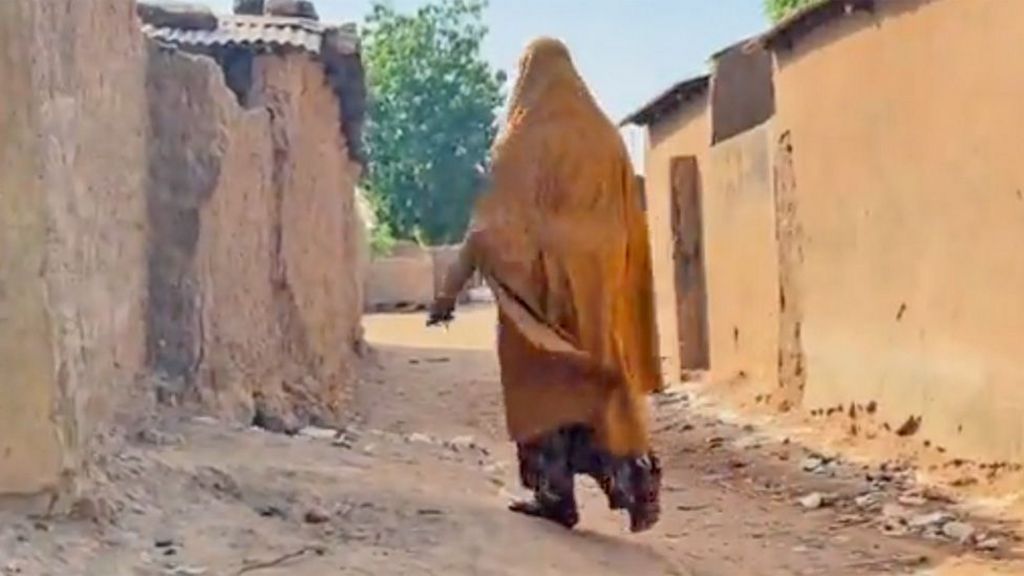
    Residents of Nukuru village, approximately 10km from the strike zone, reported intense vibrations and aerial explosions that shook their mud-walled homes. While the full impact remains unclear, fleeing militants were observed evacuating the area on motorcycles shortly after the bombardment.

    The Lakurawa group, which claims affiliation with Sahel-based Islamic State factions, has imposed a harsh regime on local communities. Villagers describe forced taxation, strict Sharia law enforcement including music bans, and violent reprisals for non-compliance. Despite their religious presentation, the militants primarily terrorize Muslim communities through cattle rustling, kidnappings, and armed intimidation.

    This operation marks the second Christmas Day intervention against Lakurawa, following Nigeria’s domestic counterterrorism strike in 2024. The timing and international nature of the latest action have raised questions about strategic objectives in a region where criminal banditry and Islamist extremism increasingly intersect.

    Security analysts note the challenges of sustained engagement in the rugged border terrain, where militants use motorcycles to navigate desert paths and maintain isolated camps on high ground. With minimal infrastructure and government services, these communities remain vulnerable to regrouping militants despite international military involvement.

  • Over 10,000 people displaced in 3 days in Sudan: UN

    Over 10,000 people displaced in 3 days in Sudan: UN

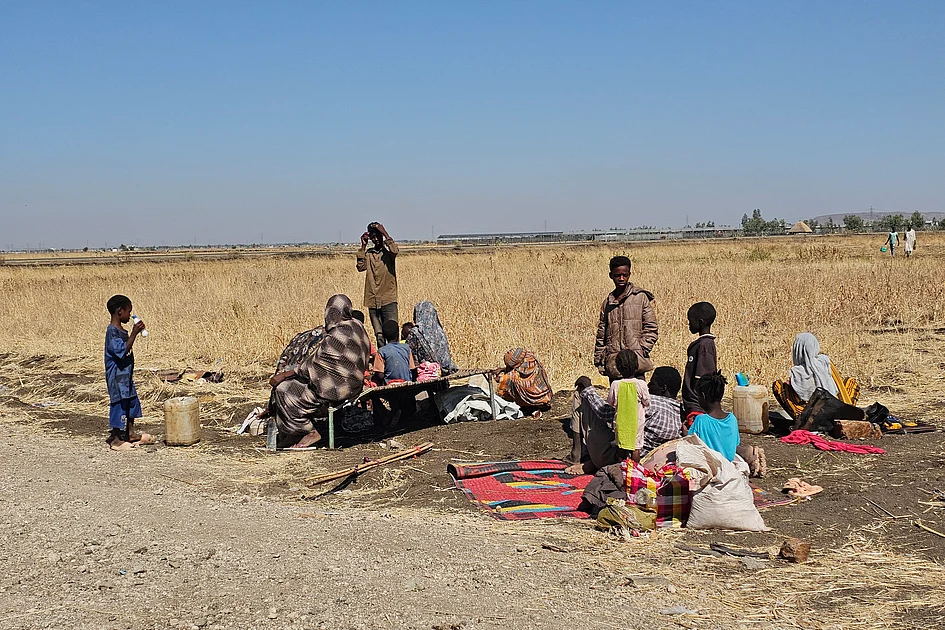
    The United Nations’ migration agency reported Sunday that escalating violence across western and southern Sudan has forcibly displaced more than 10,000 civilians within a devastating 72-hour period this week, marking one of the most intense displacement crises in the ongoing conflict.

    According to the International Organization for Migration, attacks on December 25-26 targeting the villages of Um Baru and Kernoi near Sudan’s western border with Chad alone displaced over 7,000 individuals. This surge in violence comes as the paramilitary Rapid Support Forces (RSF) continues its westward expansion after capturing the North Darfur capital of El-Fasher in October.

    The RSF’s recent offensive has pushed through territories inhabited by the Zaghawa ethnic group, areas traditionally controlled by militia forces allied with Sudan’s regular army. The conflict reached international dimensions on Friday when an RSF drone strike killed two Chadian soldiers in the border town of Tine, according to Chadian military sources.

    Simultaneously, between Christmas Eve and Friday, approximately 3,100 additional civilians fled the famine-stricken city of Kadugli in South Kordofan, which has endured a paramilitary siege for more than eighteen months. Resource-rich Kordofan has become the epicenter of intensified fighting as RSF and allied forces attempt to reclaim Sudan’s central corridor from Darfur toward the capital Khartoum.

    Since April 2023, the brutal confrontation between Sudan’s regular army and the RSF has created what the UN characterizes as a ‘war of atrocities,’ resulting in tens of thousands of fatalities and displacing over 11 million people nationwide. The conflict has effectively bifurcated the country, with army forces controlling northern, eastern, and central regions while the RSF dominates all five state capitals in Darfur and, through alliances, significant portions of southern territories.

    This devastating war has generated the world’s most severe hunger and displacement crises, with humanitarian conditions deteriorating rapidly as fighting intensifies across multiple fronts.

  • Where to celebrate New Year’s Eve in the UAE: From fireworks and beach parties to desert countdowns

    Where to celebrate New Year’s Eve in the UAE: From fireworks and beach parties to desert countdowns

    The United Arab Emirates is poised to welcome 2026 with an extraordinary array of New Year’s Eve celebrations, offering uniquely crafted experiences across its iconic destinations. From Dubai’s glittering skyline to the serene Arabian desert, revelers can select from an impressive portfolio of events designed for every preference and demographic.

    Elevated celebrations take flight at Atlantis, The Palm’s Dubai Balloon, where the NYE Sky Carnival offers dual ascents providing unparalleled 360-degree views of fireworks illuminating the metropolitan landscape. This premium experience combines aerial spectacle with ground-level festivities including carnival décor, curated culinary offerings, and symbolic intention-setting rituals.

    Family-oriented programming dominates at Dubai Parks and Resorts, featuring daytime activities ranging from adrenaline zones to immersive escape rooms, culminating in a 9:30 PM fireworks display at The World of Riverland. The destination’s distinctive T-Rex Glamping package delivers dinosaur-themed accommodations, themed dinners, and exclusive park access for prehistoric-inspired revelry.

    Coastal celebrations emerge as prominent alternatives, with Luchador at Aloft Palm Jumeirah hosting Latin-inspired rooftop festivities featuring live music and premium beverages. Similarly, Vida Beach Resort Umm Al Quwain presents its White Beach Party, offering chilled bubbles and DJ sets against oceanfront fireworks in a relaxed dress-in-white atmosphere.

    Gourmet experiences abound at premium establishments including DREAM Dubai’s immersive 10-course culinary spectacle, Ergon Agora’s Mediterranean-inspired communal feast, and Mausam’s opulent multi-course menu paired with direct Burj Khalifa fireworks visibility. Cultural authenticity finds expression at Liwa Village’s desert celebration within the Liwa International Festival, framing the countdown against dramatic dunescapes under open skies.

    Nostalgic programming surfaces at Black Tap Dubai Mall with 90s throwback music and unlimited share-style menus, while Purani Dilli offers exclusive private dining for groups seeking authentic Indian flavors. Movenpick’s Glitter Gala and Swissôtel Al Ghurair’s family feast provide comprehensive entertainment packages featuring international cuisines, live performances, and dedicated children’s activities.

    With pricing spanning from accessible family packages to premium experiences exceeding Dh3,000 per person, the UAE’s 2026 New Year’s Eve portfolio demonstrates sophisticated event curation across diverse environments and cultural motifs, solidifying the nation’s status as a global celebration destination.

  • Inside LIV Golf Promotions: The ultimate high-stakes gateway to the 2026 Season

    Inside LIV Golf Promotions: The ultimate high-stakes gateway to the 2026 Season

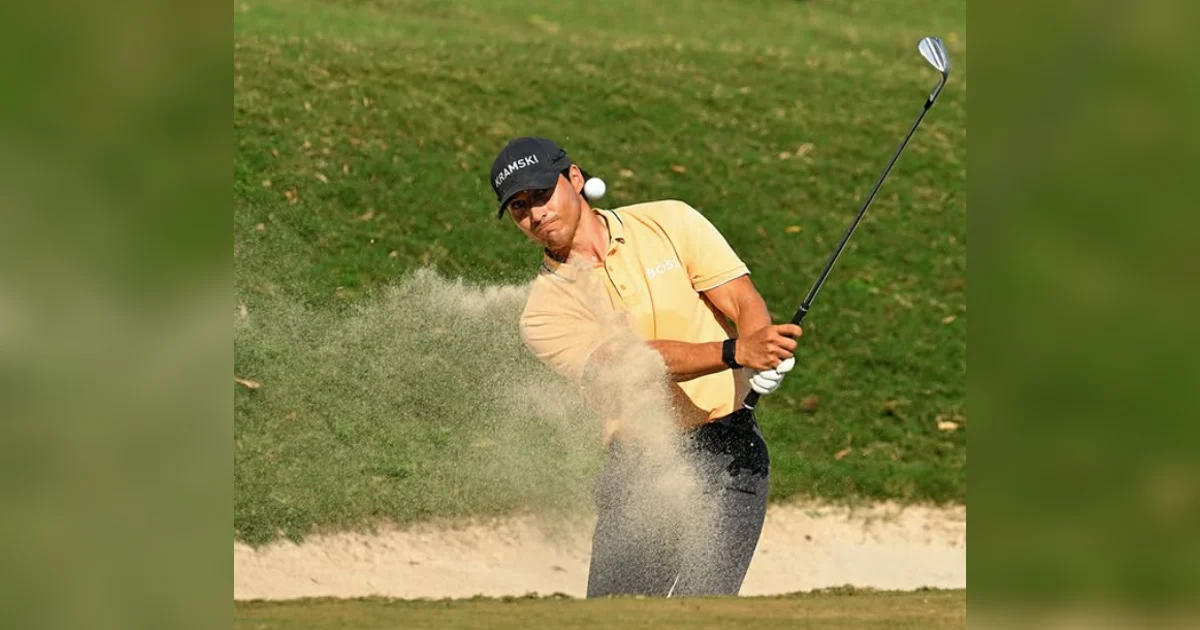
    The future of professional golf careers will be decided at Black Diamond Ranch in Lecanto, Florida, from January 8-11, 2026, as LIV Golf hosts its third annual Promotions event. This intense qualifying tournament represents one of the most competitive pathways in modern golf, offering just two full playing cards for the upcoming LIV Golf season alongside a $1.5 million prize purse.

    The format demands exceptional consistency and resilience from the nearly 90 international participants representing 24 countries. The competition unfolds through four elimination rounds with progressive score resets. After the initial round, only the top 20 players and ties advance with their scores wiped clean. This process repeats in the second round, followed by a final cut before the fourth round determines the two qualifiers through cumulative scoring, with a playoff available if necessary.

    Qualification pathways demonstrate LIV Golf’s global reach, incorporating top amateurs, leading performers from the Asian Tour’s International Rankings, winners from both DP World Tour and PGA Tour circuits, and players ranked within the top 150 of Data Golf rankings. The field features notable professionals including relegated LIV Golf players John Catlin, Andy Ogletree, Anthony Kim, Matt Jones, and 2023 UAE Challenge winner Max Rottluff of Germany.

    LIV Golf CEO Scott O’Neil emphasized the event’s significance: “The evolution of LIV Golf Promotions reflects our continued commitment to creating truly open and competitive pathways for players from all over the world to compete at the sport’s highest levels.” With proven winners, experienced tour professionals, and emerging talents converging in Florida, this January showdown represents a critical inflection point where careers can be transformed overnight through exceptional performance under pressure.