标签: Africa

非洲

  • UAE President announces new authority fully led by citizens

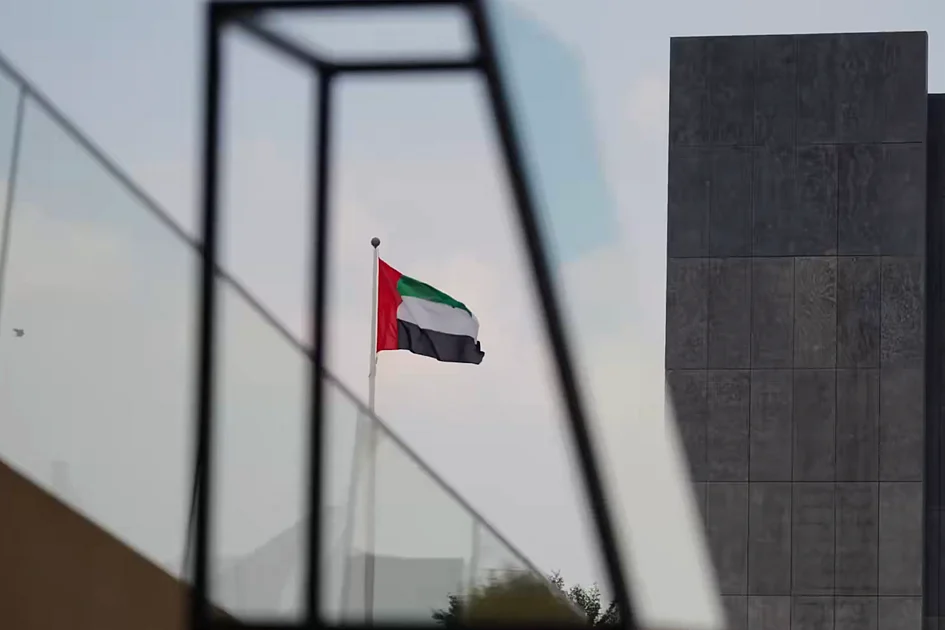
    UAE President announces new authority fully led by citizens

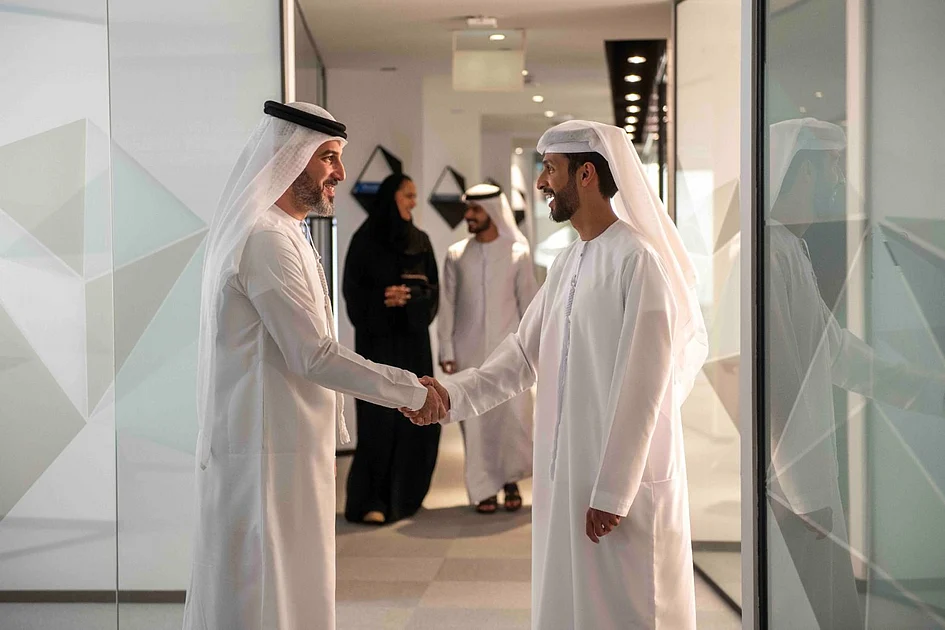
    In a groundbreaking move that redefines traditional governance structures, UAE President Sheikh Mohamed bin Zayed Al Nahyan has inaugurated the Community-Managed Virtual Authority—an innovative governmental entity entirely led by skilled Emirati citizens. This transformative initiative, announced on January 1, 2026, marks the culmination of the Year of Community 2025 and represents a radical departure from conventional administrative models.

    The pioneering authority operates on a rotational leadership framework where accomplished members of the UAE community will assume full managerial responsibility for fixed terms. This includes the appointment of a Director General and specialized team members selected from diverse professional backgrounds including experts, academics, entrepreneurs, youth representatives, and experienced retirees. The selection process emphasizes competence, expertise, and demonstrated ability to contribute meaningfully to national objectives.

    Structurally designed to align with the UAE Centennial 2071 vision, the authority aims to create optimal conditions for human development and community empowerment. Its core mandate focuses on developing innovative, implementable solutions that address community needs while delivering lasting national benefits. The model incorporates robust continuity mechanisms through clearly defined frameworks, phased action plans, and structured knowledge transfer protocols to maintain operational consistency despite rotational leadership.

    This first-of-its-kind governance experiment demonstrates the UAE’s commitment to administrative innovation by combining administrative flexibility with direct human capital investment. It establishes the nation as a global laboratory for governmental innovation while fostering meaningful partnerships between the state and its citizens. The initiative reflects the enduring legacy of the UAE’s Founding Father, Sheikh Zayed, by placing community participation at the heart of national development strategies.

  • Free air tickets, Bollywood show: How Dubai workers rested, felt ‘respected’ on NYE

    Free air tickets, Bollywood show: How Dubai workers rested, felt ‘respected’ on NYE

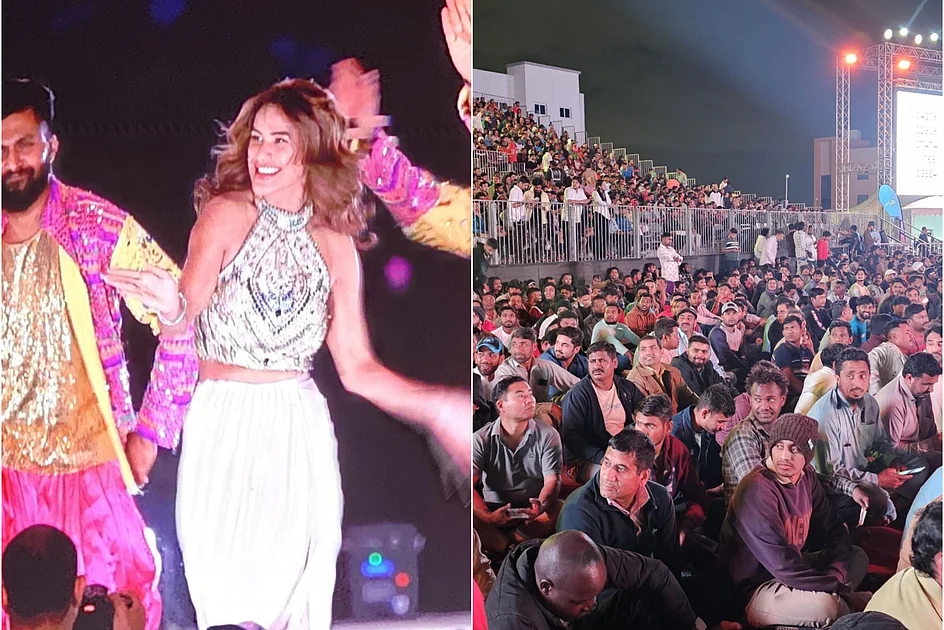
    In an extraordinary departure from tradition, hundreds of Dubai’s migrant workers experienced an unprecedented New Year’s Eve celebration hosted by the General Directorate of Residency and Foreigners Affairs (GDRFA) in Al Quoz. Instead of working through the holiday as typically required, these essential workers enjoyed a night of entertainment, luxury prizes, and heartfelt recognition.

    The event transformed an open ground into a vibrant festival space where workers arrived in groups, some directly from their shifts still in work attire. They gathered on mats and elevated podiums, capturing moments on their phones to share with families abroad while immersing themselves in live Bollywood performances.

    Celebrity performers including Poonam Pandey, Tanya Desai, Snehal Upadhyay, and Indian Idol vocalist Ankush Bhardwaj delivered continuous entertainment with popular Hindi tracks that had the audience clapping, dancing, and singing along. The celebration incorporated a generous raffle system distributing substantial prizes: mobile devices, gold coins weighing 1 gram, and most significantly, ten flydubai airline tickets enabling winners to visit their home countries.

    Shubham, a laborer from Rajasthan, India, expressed astonishment at winning one such ticket, stating it would allow him to attend an upcoming family event he otherwise might have missed. The atmosphere resonated with gratitude as workers like Mushtaq and Naushad Ali highlighted the unusual experience of being celebrated rather than working through holidays. Irfan Khan, a plumber with several years in Dubai, emphasized the profound sense of respect conveyed by the gesture, noting that workers typically feel overlooked during citywide celebrations.

    Throughout the evening, complimentary food distribution operated smoothly with orderly queues, while the closing performance by actress Zareen Khan capped a night that blended musical excitement with emotional significance. The initiative demonstrated a meaningful investment in worker welfare, providing not just entertainment but tangible assets and travel opportunities that reinforced their valued contribution to Dubai’s development.

  • ‘Dhurandhar’ could become highest-grossing Hindi film, says Taran Adarsh

    ‘Dhurandhar’ could become highest-grossing Hindi film, says Taran Adarsh

    Ranveer Singh’s cinematic spectacle ‘Dhurandhar’ is charting an unprecedented course toward box office history, with industry experts predicting it could surpass all previous records for Hindi-language films. Under Aditya Dhar’s directorial vision, the December 2025 release has already accumulated approximately Dh313.4 million (₹766.90 crore) in domestic markets alone, demonstrating extraordinary staying power well into its fourth week of exhibition.

    Renowned trade analyst Taran Adarsh has ignited industry excitement with his authoritative assessment that the film enters 2026 with clear potential to claim the title of highest-grossing Hindi production ever. His social media analysis highlighted the film’s remarkable consistency, noting that ‘Dhurandhar’ maintained double-digit earnings through its fourth Wednesday—a benchmark previously unachieved by any Hindi cinematic release.

    The film’s strategic two-part release structure contributes significantly to its commercial momentum. While the first installment debuted on December 5, 2025, the scheduled March 19, 2026 release of the concluding segment maintains audience anticipation at fever pitch. This narrative architecture, combined with powerhouse performances from an ensemble cast including Akshaye Khanna, R. Madhavan, Arjun Rampal, Rakesh Bedi, and Sanjay Dutt, has created a cultural phenomenon that transcends traditional box office patterns.

    Industry observers note that the film’s sustained commercial performance defies conventional wisdom regarding theatrical longevity. Rather than experiencing typical weekly declines, ‘Dhurandhar’ has demonstrated remarkable resilience, suggesting its appeal extends beyond initial fan enthusiasm to broader audience demographics. This performance pattern positions the production not merely as a commercial success but as a potential paradigm shift in Hindi cinema economics.

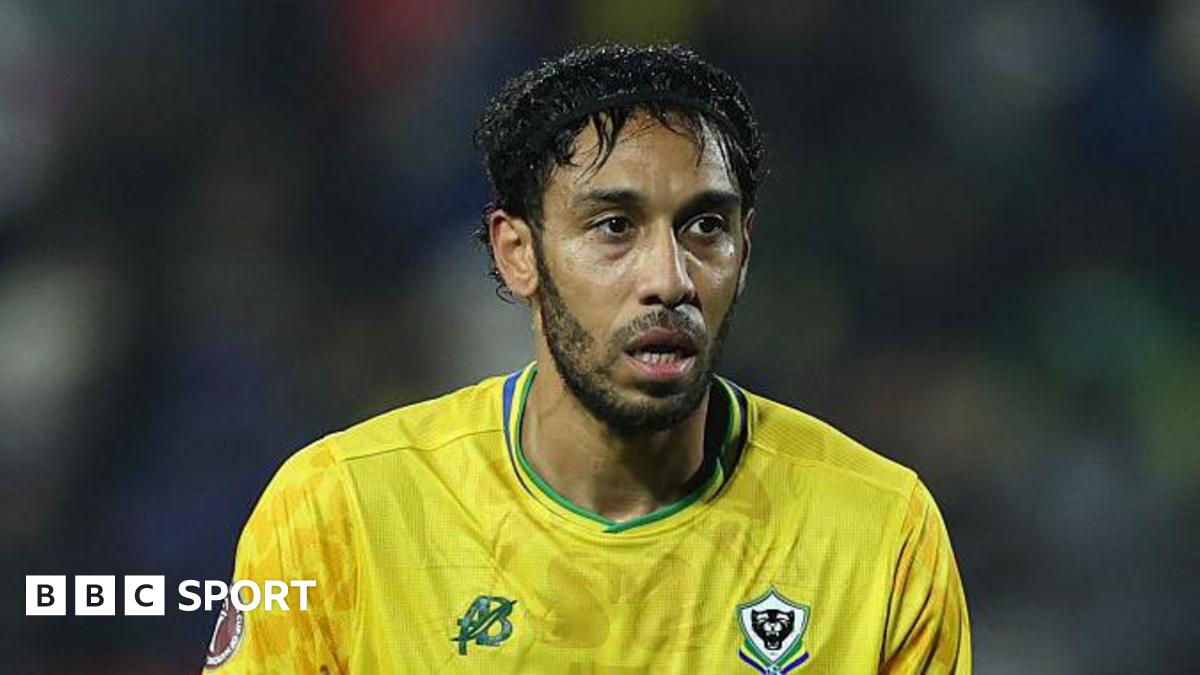
  • Government suspends Gabon team and bans Aubameyang

    Government suspends Gabon team and bans Aubameyang

    In a drastic response to a disappointing Africa Cup of Nations campaign, the Gabonese government has officially suspended its entire national football team. The decision, announced by Sports Minister Simplice-Desire Mamboula, includes the immediate dismissal of head coach Thierry Mouyouma and imposes bans on two key players: veteran defender Bruno Ecuele Manga and star striker Pierre-Emerick Aubameyang.

    The disciplinary action follows Gabon’s premature exit from the tournament held in Morocco, where the team finished at the bottom of their group. Their campaign concluded with a 3-2 defeat to Ivory Coast on December 31st, despite initially holding a two-goal lead. Earlier losses to Cameroon and Mozambique had already sealed their fate before the final match.

    Minister Mamboula characterized the team’s overall performance as ‘disgraceful,’ justifying the government’s severe measures. The suspension of the national side remains in effect indefinitely pending further review.

    Aubameyang, Gabon’s all-time leading scorer with 40 international goals, was notably absent from the final match due to a thigh injury that required treatment back at his club, Marseille. The former Arsenal and Chelsea forward responded to the sanctions by suggesting the team’s issues extend far beyond his individual contributions.

    This move marks a return to a previously common practice in African football, where governments would dissolve national teams following poor results. However, such direct interference has become less frequent in recent years due to FIFA’s stricter regulations regarding political intervention in football matters. Coach Mouyouma’s tenure, which lasted just over two years, has now been abruptly terminated.

  • ‘Zootopia 2’ breaks record to become top-grossing Disney animation film

    ‘Zootopia 2’ breaks record to become top-grossing Disney animation film

    Walt Disney Animation Studios has achieved a monumental milestone as ‘Zootopia 2’ officially became the studio’s highest-grossing animated feature in its century-long history. The announcement made on December 31, 2025, confirmed that the sequel has surpassed the previous record holder, 2019’s ‘Frozen 2,’ with a staggering global box office performance.

    The animated phenomenon has joined an exclusive club as only the fifth Disney Animation Studios production to cross the coveted $1 billion threshold worldwide. Current estimates place the film’s total earnings at approximately $1.46 billion (Dh3.67 billion), demonstrating remarkable commercial success despite ongoing industry challenges.

    China emerged as the film’s most dominant market, contributing an extraordinary $560 million to its global total. During its opening weekend in Chinese theaters, ‘Zootopia 2’ captured nearly 95% of all ticket sales, showcasing unprecedented market dominance.

    The sequel launched the crucial Hollywood holiday season with an explosive $556 million global opening weekend. It reunites audiences with beloved characters Judy Hopps, the determined rabbit police officer, and her cunning fox partner Nick Wilde, as they embark on another adventure through the meticulously crafted animal metropolis.

    This record-breaking performance arrives as a significant boost to the entertainment industry, with global box office revenues still struggling to match pre-pandemic levels from 2019. Theater owners and studio executives alike have celebrated the film’s success during the year’s second-busiest moviegoing season, providing much-needed optimism for the cinematic exhibition business.

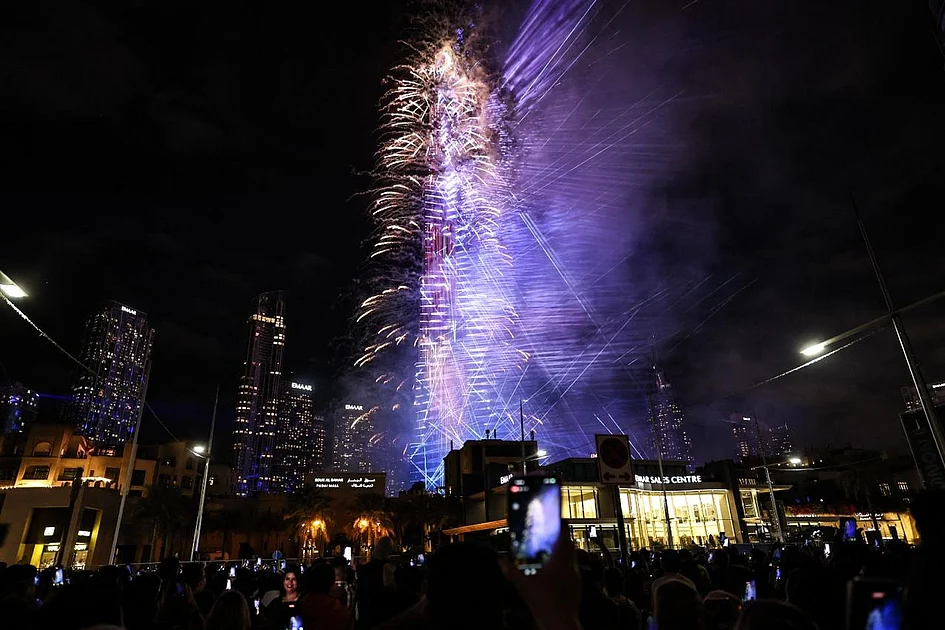
  • First-time awe to family bonding: How Downtown Dubai enjoyed ‘unmatched’ NYE fireworks

    First-time awe to family bonding: How Downtown Dubai enjoyed ‘unmatched’ NYE fireworks

    As the clock struck midnight on December 31, 2025, Downtown Dubai transformed into a global stage for New Year’s Eve celebrations, showcasing two distinct yet equally compelling experiences. While first-time visitors gazed in awe at the Burj Khalifa’s legendary fireworks display, long-term residents created intimate celebrations from their homes with panoramic views of the spectacle.

    For newcomers like Philippines nationals Jaimee Manio and Paola Melendez Reyes, along with Puerto Rican colleague Gianelli Guimoc, the evening marked their inaugural encounter with Dubai’s iconic skyline. “People travel from all over the world to see this, and we are lucky enough to call Dubai our home now,” expressed Jaimee, capturing the sentiment of many recent arrivals. Gianelli noted the city’s remarkable cultural diversity, emphasizing how the celebration brought together global citizens in shared appreciation.

    Indian tourist Meena Kalra, experiencing her first Dubai New Year, praised the city’s meticulous organization: “From field hospitals to free viewing areas, there’s so much happening. I have celebrated New Year’s in various countries but never been as impressed.”

    The resident experience revealed a different dimension of the celebration. British expats Vasudha and Vivek Khandeparkar, residing in Southridge with clear views of the Burj Khalifa, have established a tradition of hosting friends and family. “I see it everyday, 365 days a year and never get tired of it. It is an unmatched beauty,” Vasudha remarked, highlighting how residents cherish the spectacle from their private spaces.

    Farah Sarfraz, a six-year Downtown resident, described NYE as her favorite time of year precisely because it encourages staying home: “This gives us time to slow down and spend quality time with our friends and family. We see people of all backgrounds and cultures come together like no other time.”

    At the Southridge public viewing area, families created festive campgrounds with tents, chairs, and picnic mats, some arriving as early as noon to secure prime viewing spots. Volunteers like Indian expat Ali Amjad ensured family-friendly environments by monitoring for prohibited activities, demonstrating the community’s collective effort to maintain the celebration’s spirit.

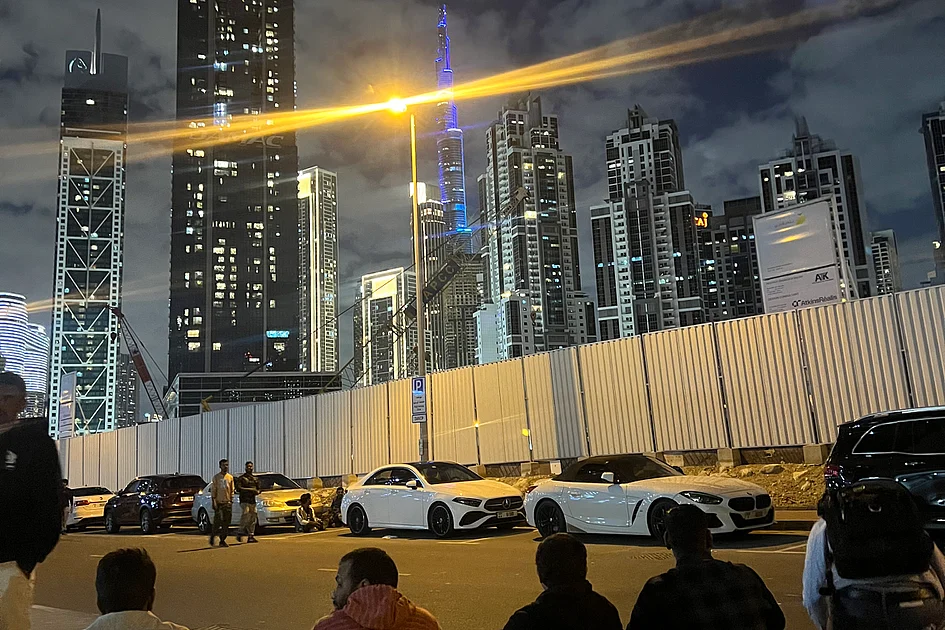
  • Karak chai with Burj Khalifa fireworks: Business Bay eateries cash in on New Year’s Eve

    Karak chai with Burj Khalifa fireworks: Business Bay eateries cash in on New Year’s Eve

    As temperatures dropped on New Year’s Eve, Business Bay transformed into a bustling corridor of culinary commerce, with food establishments capitalizing on the massive pedestrian flow heading toward Downtown Dubai’s Burj Khalifa celebrations. Cafeterias, food trucks, and supermarkets along the Business Bay stretch reported exceptionally brisk business, serving thousands of attendees preparing for extended outdoor viewing of the iconic fireworks display.

    At Hubba Cafeteria, operating from a strategically positioned food truck, steam rose from paper cups as customers crowded around the counter, rubbing hands against the chill while placing orders. The atmosphere resembled a festive event in itself, with vendors reporting unprecedented demand for warm beverages and snacks.

    Second Home Restaurant implemented amplified marketing tactics, with staff using microphones to advertise their tea, biryani, and sandwiches to pedestrians en route to the celebrations. The establishment’s owner projected sales exceeding 1,000 cups of tea alone, noting that the post-fireworks period typically brings the peak business surge between 1 and 2 AM.

    Safestway Supermarket near Business Bay Metro Station adopted an innovative retail approach, deploying shopping trolleys piled high with popcorn bags, flanked by thermal flasks of tea and trays of samosas and kachodis. Staff continuously called out snack options, successfully capturing impulse purchases from passersby.

    International visitors and residents alike emphasized the practical necessity of warm refreshments. ‘This weather makes tea non-negotiable,’ stated one Indian visitor, describing the karak chai as essential fuel for the hours of standing ahead. An Egyptian purchaser noted the dual benefit of thermal regulation and alertness maintenance during the extended outdoor event.

    Business operators highlighted the precise timing dynamics of their New Year’s Eve revenue stream, with the post-fireworks exodus creating the most concentrated window of commercial opportunity during the early morning hours.

  • UAE becomes world’s 4th largest state investor with Dh10.75 trillion assets

    UAE becomes world’s 4th largest state investor with Dh10.75 trillion assets

    The United Arab Emirates has solidified its position as a global financial powerhouse, ranking as the world’s fourth-largest state investor with approximately $2.93 trillion (Dh10.75 trillion) in managed assets according to Global SWF’s 2026 Annual Report. This remarkable achievement places the UAE behind only the United States ($13.2 trillion), China ($8.22 trillion), and Japan ($3.84 trillion) in sovereign investment rankings, while surpassing Norway’s $2.27 trillion in assets.

    The nation’s investment architecture is dominated by several massive sovereign entities. Leading the portfolio is the Abu Dhabi Investment Authority with $1.18 trillion in assets, followed by the Investment Corporation of Dubai ($429 billion), Mubadala Investment Company ($358 billion), ADQ ($251 billion), Emirates Investment Authority ($116 billion), Dubai Investment Fund ($80 billion), and Dubai Holding ($72 billion).

    This financial milestone comes alongside Abu Dhabi’s recent recognition as the world’s wealthiest city in Global SWF’s First City Ranking in October 2024, where it surpassed Oslo with $1.7 trillion in assets managed by funds headquartered within the city, earning it the title ‘Capital of the Capital’.

    The UAE also emerged as the fifth-largest recipient of sovereign investment globally in 2025, attracting $9.9 billion—a significant increase from $7.9 billion in 2024. This positions the country behind the United States ($131.8 billion), United Kingdom ($25.8 billion), Germany ($18.8 billion), and Canada ($17.7 billion) in foreign sovereign investment.

    Globally, state-owned investors reached unprecedented scale throughout 2025, capitalizing on financial market rallies and pursuing major cross-sector deals while developing innovative investment strategies and partnerships. Sovereign wealth funds alone achieved a historic milestone by exceeding $15 trillion in assets for the first time in December 2025. Combined with public pension funds and central banks, these entities now manage approximately $60 trillion in global assets and reserves, with projections suggesting this figure could approach $80 trillion by 2030.

    Geographic distribution of these assets shows Asia holding over one-third of the total, followed by North America (26%), Europe (19%), and the MENA region (15%). Analysts anticipate sovereign wealth funds will outpace the growth of public pension funds and central banks in coming years, potentially increasing the relative weight of Asian and MENA regions while North American and European growth may stabilize.

  • A Kenyan barber who wields a sharpened shovel thrives on Africa’s social media craze

    A Kenyan barber who wields a sharpened shovel thrives on Africa’s social media craze

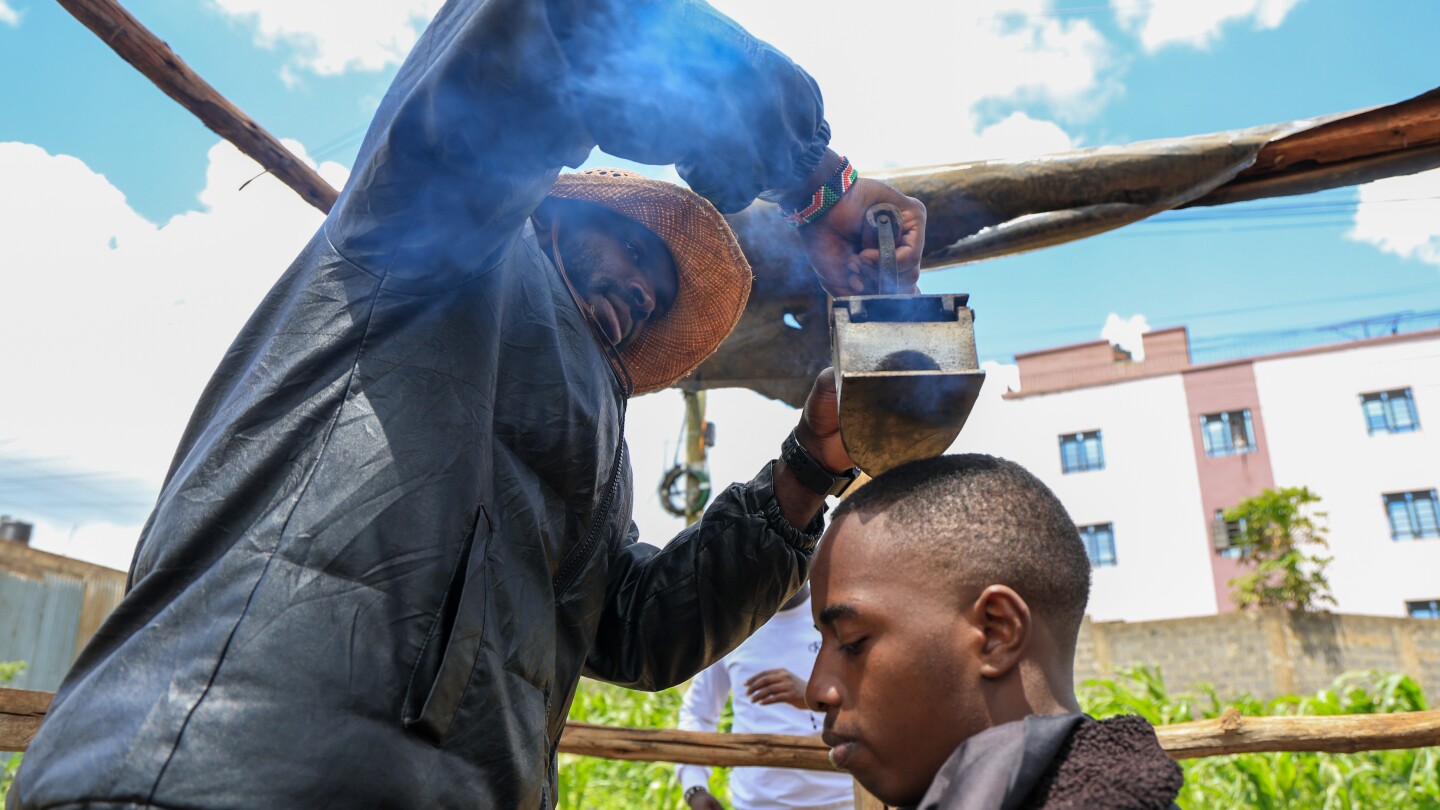
    In the outskirts of Nairobi, a remarkable barbering phenomenon is captivating social media audiences across Kenya. Safari Martins, known professionally as Chief Safro, has transformed a modest roadside shack in Kiambu into an unlikely grooming destination where traditional barbering converges with digital content creation.

    Martins’ unconventional approach involves replacing standard barbering equipment with sharpened shovels, agricultural shears, and iron tools to execute precise haircuts. His client Ian Njenga recently experienced this unique service, describing the results as both surprisingly clean and confidence-building. “When I get shaved here I get very comfortable,” Njenga remarked. “While walking in the streets I get very confident.”

    The barber’s journey began in 2018 using borrowed clippers in school dormitories before evolving into his current distinctive style. What distinguishes Martins from typical viral sensations is his deliberate incorporation of African cultural elements. He increasingly weaves traditional folk tales into his video narrations, drawing inspiration from his Rwandan heritage and Kenyan upbringing. “I’m motivated by African culture, by African stories,” Martins explains, noting that some tools receive blessings from village elders.

    His digital presence has exploded with approximately one million followers each on Instagram and TikTok, reflecting Kenya’s broader social media expansion. Market research indicates the country’s social media user base grew nearly 50% from 10.6 million in January 2023 to 15.1 million by January 2025.

    Despite charging premium rates of 1,500 Kenyan shillings (approximately $12) per cut—significantly above Nairobi’s typical barbering prices—clients willingly pay for both the unique experience and potential social media exposure. The Kenya Institute for Public Policy Research and Analysis reports that around 15% of Kenyan content creators rely on online work as their primary income source.

    However, Martins highlights an industry disparity: while barber-creators achieve viral visibility, they often receive less monetization than creators in gaming, education, or lifestyle categories. “Barbers get viral on social media but I feel like they are not respected,” he notes. “You are not paid as a content creator, even though you have the views, even if you have the engagement.”

  • Waiting for New Year: It’s still 2025 in these countries

    Waiting for New Year: It’s still 2025 in these countries

    While the United Arab Emirates spectacularly welcomed 2026 with breathtaking fireworks and drone displays, numerous nations worldwide remained immersed in the final hours of 2025 due to global time zone variations. This temporal disparity creates a fascinating, staggered celebration pattern across the planet.

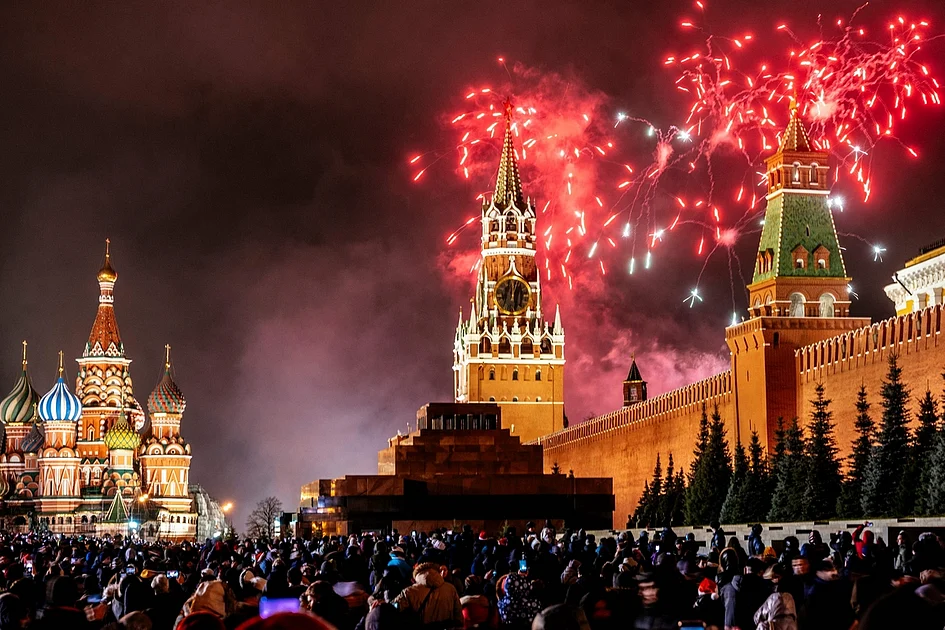
    Qatar, Russia, and Turkey, all operating in the UTC+3 time zone, celebrated precisely one hour after the UAE. Qatar marked the occasion with dazzling events at Lusail Boulevard and The Pearl-Qatar. Russia, for whom New Year is the most significant holiday, commenced an extended festive period from January 1st to 8th, characterized by lavish feasts, the iconic Kremlin chimes at midnight, and traditional activities like ice skating. Turkey celebrated with unique customs, including wearing red for good luck and purchasing lottery tickets, alongside large family dinners and fireworks over Istanbul.

    Egypt, two hours behind the UAE (UTC+2), welcomed the new year with vibrant parties in Cairo and coastal resorts, featuring traditional dishes such as stuffed pigeon. In Europe, France and Germany, both in the UTC+1 zone, celebrated three hours after the UAE. While France scaled back some public events for security reasons, Germany continued its tradition of grand firework displays and sharing lucky charms like marzipan pigs.

    Serbia, also on UTC+1, made the significant decision to cancel some public events in Belgrade due to safety concerns, particularly for children. The United Kingdom, observing UTC+0, celebrated four hours after the UAE with iconic traditions like singing ‘Auld Lang Syne’ and the Scottish custom of ‘first-footing’.

    The Americas witnessed the most delayed celebrations. Canada and the United States, operating across multiple time zones, began their festivities nine hours after the UAE. Cities like Vancouver were among the last to enter 2026. Mexico, ten hours behind, celebrated with symbolic rituals including eating twelve grapes at midnight and wearing colored underwear for luck, highlighting the diverse and rich global tapestry of New Year traditions.