标签: Africa

非洲

  • Celebrating a wedding amid the Ebola outbreak: No kisses or close contact, but love lives here

    Celebrating a wedding amid the Ebola outbreak: No kisses or close contact, but love lives here

    BUNIA, Democratic Republic of Congo — Weddings in eastern Congo are traditionally vibrant, day-long affairs filled with warm embraces, crowded dance floors, and hundreds of joyful well-wishers gathering to celebrate a couple’s new chapter. But as the country grapples with a deadly Ebola outbreak that has already claimed 91 lives among more than 500 confirmed cases, the rituals of marriage have been fundamentally reshaped by life-saving public health restrictions. Even so, love finds a way to prevail.

    The current outbreak, driven by the rare Bundibugyo Ebola virus, is centered entirely in Ituri, an eastern province of the DRC. Local and national health authorities have moved quickly to curb transmission, rolling out strict measures that include bans on large public gatherings and mandatory social distancing protocols. Unlike previous Ebola outbreaks, this strain has no approved vaccine or targeted treatment, and a weeks-long delay in confirming the outbreak means actual case counts are likely higher than official numbers, making response efforts all the more challenging.

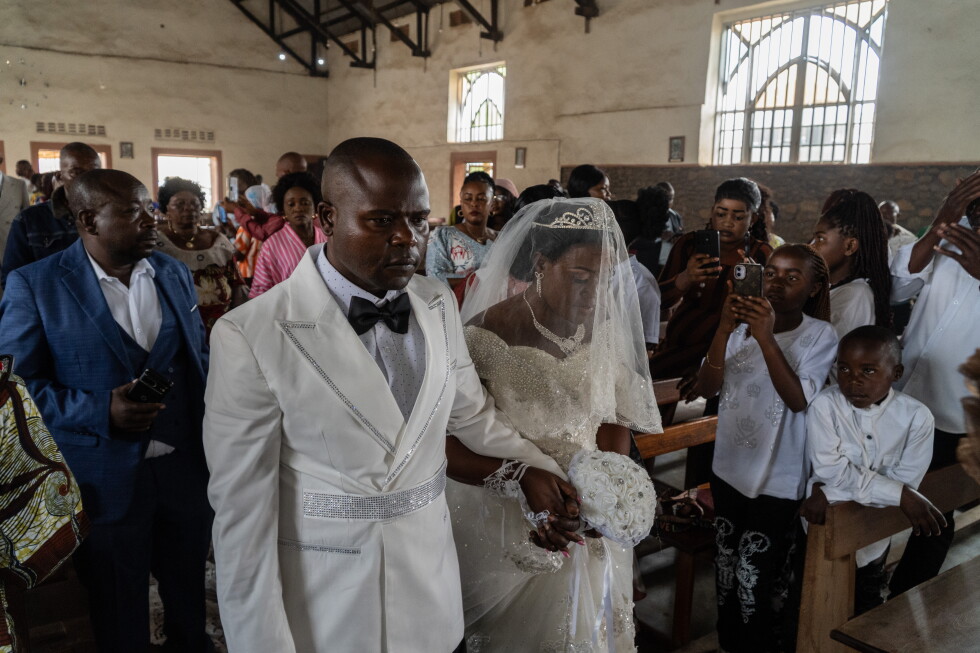
    For Jean Claude Érable and his new wife Solange Hahati, who exchanged vows on a recent Saturday, these restrictions transformed one of life’s most celebrated milestones. The couple originally planned to welcome 300 guests to their big day, but local rules capped attendance at just 50, forcing many beloved family members and close friends to miss the ceremony. “It was really difficult because we wanted to celebrate with our friends,” Hahati shared in an interview with the Associated Press, reflecting on the disappointment of the scaled-back event.

    At the main Catholic Church in Bunia, Ituri’s provincial capital, where Érable and Hahati’s wedding was held, multiple couples celebrated their marriages alongside the pair on the same day. Inside the sanctuary, the small group of attending guests stayed spaced apart in their pews, following social distancing guidelines as the choir sang and brides walked down the aisle. Cheering and photo-taking still filled the space, while a larger crowd of uninvited guests gathered outside the church walls to sing excitedly for the newlyweds.

    Despite the scaled-back celebration, the groom emphasized that the couple has fully embraced the public health rules to protect their community. “We are adhering to the preventive measures and respecting social distancing,” Érable said. “I must say that there is no problem, no obstacle, because we are doing our best to respect all the measures dictated by the state.”

    After the ceremony, as Érable placed the wedding ring on his bride’s finger, Hahati smiled through the moment. Following the mass, she happily showed off her new ring to waiting onlookers before the couple departed for their reception, which they moved outdoors to allow guests to spread out more comfortably and lower transmission risk.

    Father Aimé Lokanabego, the priest who officiated the wedding, explained that adapting daily religious and community life has become a necessity amid the crisis. Many families have already chosen to postpone their upcoming weddings entirely rather than hold them under restrictions, he said, and the church has paused other high-risk religious gatherings, including large baptism ceremonies, to slow the spread of the virus. “This is, in a way, how we are dealing with this Ebola epidemic at our level. The situation is critical,” Lokanabego noted.

    Across Ituri, these precautions, while inconsistently followed by all members of the public, have upended long-held social traditions that bind communities together. For couples like Érable and Hahati, that means a different wedding than they ever imagined — but still a celebration of love that persists even in a public health crisis.

  • WHO calls for global action to contain Ebola outbreak

    WHO calls for global action to contain Ebola outbreak

    As a deadly Ebola outbreak spreads rapidly across the Democratic Republic of the Congo (DRC) and Uganda, pushing case counts past 490 and sparking global alarm, the World Health Organization (WHO) and Africa Centres for Disease Control and Prevention (Africa CDC) have issued an urgent call for coordinated international solidarity to contain the epidemic before it spills further across regional borders.

    The current outbreak, caused by the less common Bundibugyo Ebola strain, has expanded at an alarming pace since it was first detected in mid-May. What began as a small cluster of infections in just three health zones across one eastern DRC province has grown to cover 25 health zones across three DRC provinces, with confirmed cases now reaching Uganda’s capital city of Kampala. As of early June 2026, official WHO data puts total confirmed cases at nearly 500, with Ituri Province in northeastern DRC remaining the crisis epicenter: the region accounts for 90 percent of all confirmed infections and 76 percent of recorded fatalities from the virus.

    Health authorities confirm this outbreak is already the largest ever recorded for the Bundibugyo strain, outpacing previous outbreaks in Uganda in 2007 and the DRC in 2012. A key ongoing challenge, officials warn, is the absence of licensed vaccines or widely approved therapeutics specifically targeting this strain of the virus. While several promising candidate treatments and vaccines are currently in development, none have cleared regulatory approval for large-scale deployment to affected communities, leaving response teams without established preventive tools.

    During a high-level emergency briefing held Friday, WHO Director-General Tedros Adhanom Ghebreyesus announced the launch of a joint six-month regional preparedness and response plan, developed alongside Africa CDC, to mount a unified fight against the outbreak. The plan, which runs from June through December 2026, carries an estimated price tag of $518 million and operates under the coordinating framework of “one plan, one budget, one team” to eliminate fragmentation in relief efforts. Core priorities outlined in the strategy include streamlined emergency coordination, expanded disease surveillance and contact tracing, scaled-up laboratory testing capacity, strict infection prevention protocols in healthcare settings, improved clinical care for infected patients, intentional community engagement, accelerated research into candidate treatments, logistics support for relief operations, and the preservation of routine essential health services that could otherwise be disrupted by the outbreak.

    “The outbreak is moving fast and we are still playing catch-up,” Tedros said following a recent assessment trip to the DRC. “But my trip to the DRC also gave me real hope that together, under the government’s leadership, we can bring this outbreak under control. The only way to beat this outbreak is through close partnership, working together under the leadership of the affected countries in one coordinated effort.”

    Africa CDC has already implemented a suite of urgent emergency measures to slow transmission, including high-level political engagement with regional heads of state and health ministers, deployment of multidisciplinary rapid response teams to affected zones, expansion of local laboratory testing capacity, and coordination of the delivery of more than 200 metric tons of critical medical supplies from global partners. Africa CDC Director-General Jean Kaseya highlighted China’s recent contribution to the response effort, noting that a multidisciplinary team of Chinese experts spanning epidemiology, clinical care, research, and traditional Chinese medicine arrived in Kinshasa last week to begin a three-month mission supporting capacity building for local Ebola response teams.

    “China has joined a growing list of international partners supporting response efforts, highlighting the importance of global solidarity in tackling public health emergencies,” Kaseya said.

    WHO’s Africa Regional Director Mohamed Yakub Janabi emphasized that building and maintaining community trust is a foundational pillar of any successful response. Misinformation spreading through affected communities, he warned, poses a threat nearly as dangerous as the virus itself, capable of undermining core public health measures.“Without community participation, contact tracing falters, safe care is delayed and transmission continues,” Janabi explained. “Misinformation is almost as dangerous as the virus itself and spreads just as fast.”

    Global health leaders stress that immediate, coordinated international investment and partnership are critical to preventing the outbreak from becoming a sustained regional crisis that could spread to additional neighboring countries across central Africa.

  • Malawians repatriated from South Africa amid xenophobia concerns

    Malawians repatriated from South Africa amid xenophobia concerns

    Escalating xenophobic tensions and targeted violence against foreign migrants in South Africa’s Western Cape province have triggered a wave of coordinated repatriation efforts led by several African nations, with hundreds of foreign nationals already returning to their home countries and more evacuations scheduled in the coming days.

    The unrest began in Mossel Bay, a coastal city in Western Cape, where violent attacks targeting undocumented migrants left two Mozambican citizens dead last week. Eyewitness and local reports documented systematic door-to-door intimidation of foreign-born residents, forcing hundreds of non-South African nationals to flee their homes and seek emergency shelter in temporary camps set up across the area.

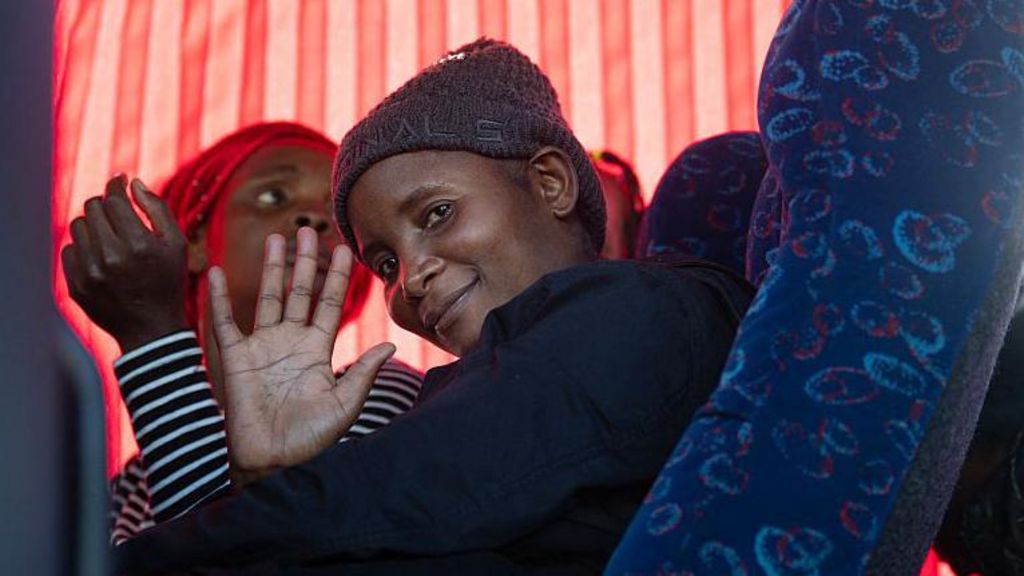
    Among those displaced are 150 Malawian migrants, who are set to cross the border into Malawi by road on Monday, according to an official statement released by Malawi’s government in Lilongwe. The Malawian group is just one cohort of hundreds of foreign nationals that have left South Africa following the recent surge in violence. Local anti-migrant activist groups have ramped up pressure in recent weeks, issuing a public deadline of June 30 for all undocumented migrants to leave South Africa.

    The violence has prompted cross-regional diplomatic response, with Ghana, Nigeria, and Zimbabwe all launching official repatriation operations to bring their endangered citizens home. Zimbabwean state media confirmed that 74 Zimbabwean migrants arrived back in their home country on Sunday, after government-organized transport evacuated them from Mossel Bay in the wake of the attacks.

    Ghana has already completed two large-scale evacuation movements: a repatriation flight from Johannesburg carried nearly 300 Ghanaians at the end of May, and an additional 680 citizens reached the capital Accra over the past weekend. Nigeria, meanwhile, has adjusted its evacuation timeline: the first flight scheduled to carry 270 Nigerian nationals out of Johannesburg on Monday has been pushed back to Wednesday due to unexpected logistical challenges, according to foreign affairs spokesperson Kimiebi Imomotimi Ebienfa.

    Nigerian President Bola Tinubu has authorized five total evacuation flights to bring vulnerable citizens home, and authorities have extended registration and screening for affected migrants through Wednesday to process all eligible applicants. As of press time, more than 500 Nigerians have already completed screening and received approval for repatriation as part of the federal government’s emergency response to the crisis.

    In an attempt to de-escalate rising national tensions, South African President Cyril Ramaphosa addressed the nation on Sunday, announcing a new package of policy measures intended to crack down on undocumented migration. However, the president also firmly condemned vigilante violence and anti-foreigner sentiment, emphasizing that South Africa has no tolerance for discrimination. “There is no space for xenophobia, racism, sexism, Afrophobia or any other forms of intolerance” in the country, Ramaphosa stated.

    The ongoing violence and mass displacement have highlighted longstanding tensions around migration and economic inequality in South Africa, with regional governments stepping in to protect their citizens as unrest continues ahead of the anti-migrant deadline set for the end of June.

  • ‘A World Cup for them not us’: Fans’ anger at US travel bans and visa restrictions

    ‘A World Cup for them not us’: Fans’ anger at US travel bans and visa restrictions

    The 2026 FIFA World Cup, the first iteration of the expanded 48-team tournament, is just weeks away, with 78 of its 104 matches including the final hosted across U.S. cities. But for thousands of passionate fans from qualified nations across Africa, the Middle East, and beyond, the dream of cheering on their national teams inside a World Cup stadium remains out of reach, blocked by a web of restrictive U.S. visa policies, security-related service suspensions, and systemic barriers that have sparked widespread accusations of discrimination.

    Iraqi football supporter Abdulla Adnan embodied this heartbreak long before the first kickoff. When Iraq secured only its second World Cup qualification in history in March 2026, the first since 1986, Adnan jumped at the once-in-a-generation opportunity. He immediately purchased tickets for Iraq’s group stage matches against Norway in Boston and France in Philadelphia, already imagining the roar of the crowd and the rush of seeing his national team compete on soccer’s biggest stage. “To go to a match, a stadium, a crowd, cheering, and see my team – that is worth the world to me,” Adnan said. “It’s a feeling that no other feeling can compare to.”

    But what seemed like a done deal quickly unraveled when it came to securing a U.S. travel visa. Unexpectedly, Iraq is not included in the Trump administration’s current travel ban list, so Adnan’s barrier came from another source: in the wake of heightened regional tensions following the outbreak of the US-Israel conflict with Iran, the U.S. suspended routine consular visa services across Iraq over security concerns. Since all tourist visa applicants are required to complete an in-person interview, there is no way for Iraqi fans to apply for a visa within their own country.

    Adnan’s solution? He spent hundreds of dollars traveling to neighboring Jordan to apply at the U.S. embassy in Amman. When he arrived for his scheduled appointment, however, consular staff turned him away immediately, informing him that non-Jordanian citizens could not process visa applications at that post. He considered traveling to Turkey to apply, but learned the wait for an interview could stretch to two weeks, a timeline he could not accommodate due to work and family commitments. In total, Adnan spent roughly $1,800 on match tickets and travel to Jordan, all for a visa application he never got to submit. He has since abandoned his dream of attending the tournament.

    Adnan is far from alone in his struggle. A new analysis of travel and visa data from BBC World Service has found that fans from more than a quarter of the 48 qualified World Cup nations face outright travel bans, sharply tightened entry restrictions, or disproportionately high visa rejection rates that have put attendance out of reach for most supporters.

    For fans from four qualified nations – Haiti, Iran, Senegal, and Ivory Coast – barriers stem directly from the Trump administration’s entry bans and enhanced visa restrictions, which bar citizens of these countries from accessing the B1/B2 visitor visas U.S. authorities recommend for World Cup fans. Strict immigration controls and a crackdown on undocumented migration were a central plank of Trump’s 2024 re-election campaign, and administration officials defend the rigorous system as a necessary measure to manage cross-border population flows and national security risks.

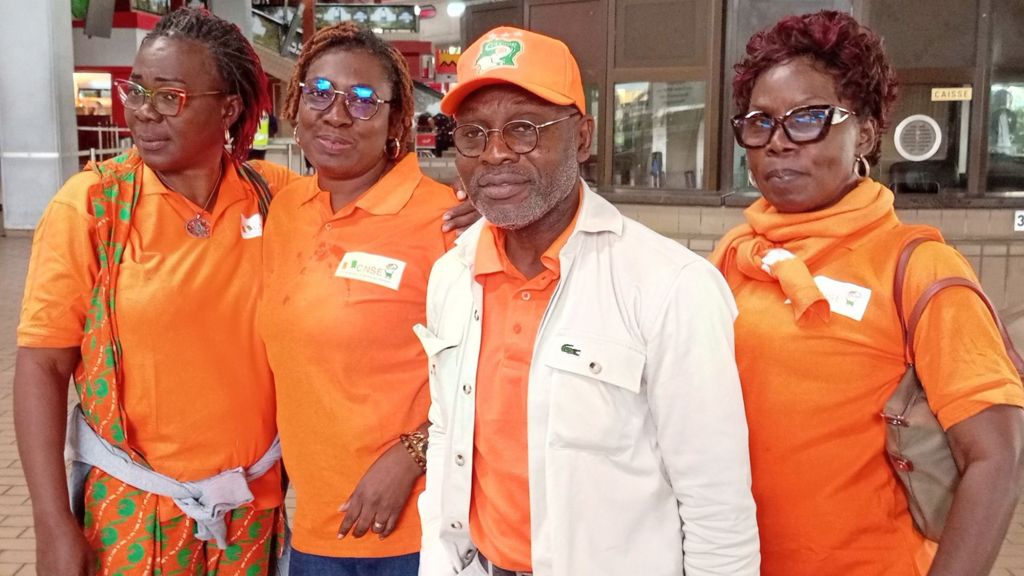
    But fans and fan association leaders say the rules amount to open racial and geographic segregation. Julien Kouadio Adonis, a leader of Ivory Coast’s official fan association the National Committee for the Support of the Elephants, says his group scrapped all plans to send a delegation of supporters to the tournament this year after reviewing the visa rules. “It’s a form of segregation that doesn’t dare speak its name, but the proof is there,” Adonis said. “No European country has faced this kind of restriction. Why Africa?”

    Adonis added that a host nation that refuses to welcome supporters from all qualified teams does not deserve to host the world’s biggest sporting event. “Football is a spectacle and a spectacle needs people watching,” he noted.

    Systemic inequities are baked into the U.S. visa waiver program, which grants pre-approved, visa-free entry to citizens of 42 mostly wealthy nations, none of which are located in Africa. For fans from visa-required countries, the recommended B1/B2 tourist visa costs $185 per applicant, requires an in-person interview, and demands that applicants prove they will depart the U.S. after the tournament and can cover all travel costs.

    In a partial concession to fan outcry, the U.S. announced in May that it would drop the requirement for cash deposits of up to $15,000 for fans from five qualifying African nations – Algeria, Cape Verde, Ivory Coast, Senegal, and Tunisia – so long as they hold valid match tickets. Even with that change, however, fans face overwhelming odds of rejection.

    Senegalese fan Aliou Ngom, who attended the 2018 World Cup in Russia and the 2022 tournament in Qatar, has already decided not to even apply for a visa. For Ngom, one of the greatest strengths of the World Cup is its ability to bring global cultures together inside stadiums, but he sees little point in wasting time and money on an application he expects to be rejected, following a pattern of visa denials that led to the cancellation of a U.S. training camp for Senegal’s women’s national basketball team last year.

    BBC analysis of U.S. State Department data from October 2024 to September 2025 found that citizens of 11 qualified nations face an overall B1/B2 visa rejection rate higher than 40% – well above the global average of 34% for all visitor visa applicants. The 11 countries include Ecuador, Egypt, Haiti, Algeria, Uzbekistan, Cape Verde, Jordan, Iran, the Democratic Republic of the Congo, Ghana, and Senegal.

    These high rejection rates put fans in an impossible position: buy tickets in advance for hundreds or thousands of dollars, risking total loss if their visa is denied, or wait for visa approval and risk missing out on tickets altogether. FIFA does allow ticket holders to resell unused tickets on its official platform for a small fee, and launched the FIFA Pass system to prioritize ticket holders for earlier visa interview slots. Immigration attorney Celine Atallah, who runs a practice near Boston, called FIFA Pass a positive step to streamline scheduling, but noted it does nothing to improve the odds of a visa being approved.

    “The visa system is the invisible gatekeeper of the World Cup,” Atallah said. “Fifa can sell a ticket, but the US government decides who gets a visa, and CBP [Customs and Border Protection] decides who actually enters.” Even with an approved visa, border officials retain the authority to deny entry to any traveler on arrival.

    For Jordan, which qualified for its first ever World Cup in June 2025 after beating Oman in qualifying, 57% of all U.S. visa applications were rejected in the 12 months ending September 2025 – one of the highest rejection rates of any qualifying nation. Abu Kass, head of Jordan’s national football fan association, says he has yet to hear of a single Jordan-based fan who has successfully obtained a U.S. visa for the tournament. Kass himself brought more than 42 supporting documents to his visa interview in Amman, only to have his application rejected without explanation – U.S. authorities do not typically provide reasons for visa refusals.

    “This World Cup is not ours,” Kass said. “It’s not for Arabs this World Cup, it’s for them. If the head of the fan association was refused, who will be accepted?”

    In a statement to the BBC, a State Department spokesman said the administration was “prepared to welcome visitors from around the globe for the largest and greatest Fifa World Cup in history.” The spokesman noted that most overseas fans already do not need visas to enter the U.S., either because they are from visa-waiver countries, Canadian citizens, or already hold valid U.S. visas. “We will take the time necessary to ensure an applicant does not pose a risk to the safety and security of the United States,” the statement said, adding that all applications are adjudicated on a case-by-case basis after rigorous security vetting.

    U.S. Department of Homeland Security officials have emphasized ongoing concerns over visa overstays, pointing to more than 538,000 overstay events between October 2023 and September 2024. Prior to the Trump administration’s expanded crackdown on undocumented migration, Pew Research Center estimated there were roughly 14 million undocumented immigrants residing in the U.S. in 2023.

    While the U.S. hosts the vast majority of 2026 World Cup matches, co-hosts Canada and Mexico face their own barriers for traveling fans. Canada has not enacted country-wide travel bans, but recently introduced entry restrictions for nations affected by the 2026 African Ebola outbreak, which includes qualified nation the Democratic Republic of the Congo. Canada also requires biometric scanning for all visa applicants, but has no in-country scanning facilities for two qualified nations: Iran and Cape Verde. Canada’s overall visa refusal rate hit 54% in 2025, and does not publish disaggregated data by country or visa type.

    Mexico, which does not publish official visa refusal data, requires all visa applicants to complete an in-person interview at an embassy or consulate. For eight qualified nations – Cape Verde, Democratic Republic of the Congo, Ivory Coast, Senegal, Uzbekistan, Bosnia and Herzegovina, Tunisia, and Iraq – Mexico has no diplomatic mission, leaving fans with no domestic path to apply for a visa, mirroring the issues Iraqi fans face with U.S. consular services.

    For millions of passionate football fans who waited decades to see their nations qualify for the World Cup, the systemic barriers across the three host nations mean a once-in-a-lifetime opportunity has been lost before the tournament even begins.
  • South Africa’s president unveils crackdown on illegal migration

    South Africa’s president unveils crackdown on illegal migration

    Against a backdrop of surging anti-migrant tensions, soaring public frustration over record-high unemployment, and planned anti-foreigner marches, South African President Cyril Ramaphosa has addressed the nation to roll out a sweeping five-point plan to curb undocumented migration across the country.

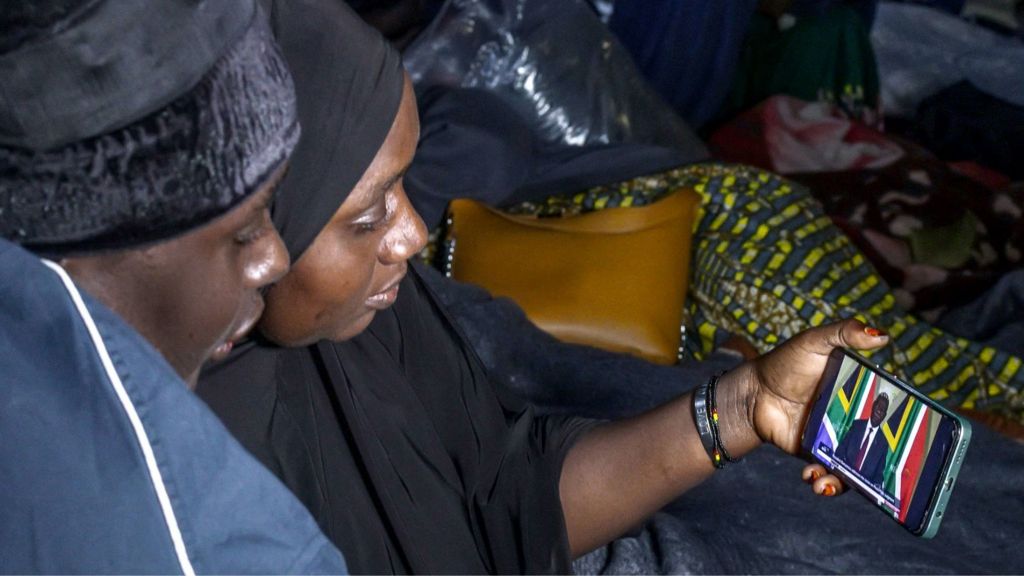
    The unfolding crisis has already prompted multiple African nations to organize evacuation operations for their citizens, as violent intimidation pushes thousands of migrants to flee their homes or voluntarily return to their countries of origin. Over the past week alone, around 140 migrants boarded government-arranged buses bound for Malawi and Mozambique, following a wave of door-to-door harassment in the Overberg region of Western Cape that left two Mozambican nationals dead in Mossel Bay. Hundreds of displaced migrants sought temporary shelter in community halls, coastal areas and nearby mountain ranges, while in Durban, dozens of foreign nationals have spent weeks camped outside the city’s home affairs department, relying on phone updates of Ramaphosa’s address as they live in constant fear for their personal safety.

    Ramaphosa’s new strategy targets five core areas of the crisis: holding violators of immigration law accountable, strengthening border control infrastructure and enforcement, rooting out systemic corruption within the country’s immigration bureaucracy, closing existing legal loopholes that enable undocumented entry and stay, and building collaborative partnerships with other African nations to address cross-border migration challenges.

    Among the most significant new measures is the introduction of prison time for employers that knowingly hire undocumented workers. Currently, businesses caught violating this rule only face small financial penalties, and exploitative employers often take advantage of undocumented migrants by paying wages far below the national minimum wage. To enforce this new rule, the administration plans to hire 10,000 additional labor inspectors to conduct targeted compliance checks across all sectors.

    The president also announced plans to speed up deportation proceedings for undocumented migrants by establishing dedicated immigration courts, and to roll out a universal biometric national register to eliminate widespread identity theft enabled by the outdated green paper ID system, which will be phased out entirely as the country transitions to a fully digital national ID system for all residents. Other imminent changes include moving all refugee reception centers from inland population centers to official border posts, introducing national quotas for foreign employment across every economic sector, and launching a full registration drive for all informal township grocery stores, commonly known as spaza shops, many of which are owned and operated by foreign migrants. These small businesses have repeatedly been targeted during past waves of xenophobic violence in South Africa.

    In his national address, Ramaphosa acknowledged that undocumented migration has placed unfair additional strain on South Africa’s already stretched public services, a core grievance cited by anti-migrant groups that have set a June 30 deadline for all undocumented migrants to leave the country. However, he issued a sharp warning against vigilantism and extrajudicial action, emphasizing that only authorized government officials are permitted to enforce immigration law.

    “No other person is allowed, for example, to confront someone in the street to demand proof of nationality,” Ramaphosa said, adding that the government would not tolerate groups exploiting public anxiety over illegal migration to advance personal, political or criminal agendas. He also cautioned against the spread of misinformation about foreign nationals on social media, stressing that “there is no space for xenophobia, racism, sexism, Afrophobia or any other forms of intolerance in South Africa.”

    “Our country – like many others throughout history – is a product of migration. It is the reason for our diversity and contributes to our vibrancy,” he added.

    Official data places the total foreign-born population of South Africa at more than three million, roughly 5% of the country’s total population, though independent estimates suggest the number of undocumented residents is far higher. Ramaphosa noted that illegal migration routes have become increasingly intertwined with transnational organized crime, adding that the Border Management Authority intercepted more than 450,000 attempted illegal entries into the country in the past 12 months alone.

    Some political analysts have linked the recent resurgence of anti-migrant sentiment to upcoming local government elections scheduled for November. To coordinate regional cooperation on the new policy, Ramaphosa announced he will dispatch special envoys to capitals across Africa to outline the reforms, noting that regional peace and economic development are critical to reducing irregular migration pressures on South Africa.

    Closing his 30-minute address, Ramaphosa struck an optimistic tone, saying the package of reforms would help the country build a “secure, lawful, compassionate and prosperous” nation. “South Africa has overcome far greater challenges than this. We have overcome division. We have overcome conflict. We have overcome injustice. We will overcome this challenge too,” he said.

    South Africa currently holds one of the highest unemployment rates in the world, with roughly 33% of the workforce out of a job, and youth unemployment exceeding 60%, a statistic that has fueled widespread public frustration over competition for jobs and public resources.

  • South Africa’s president acknowledges rising tensions over migration

    South Africa’s president acknowledges rising tensions over migration

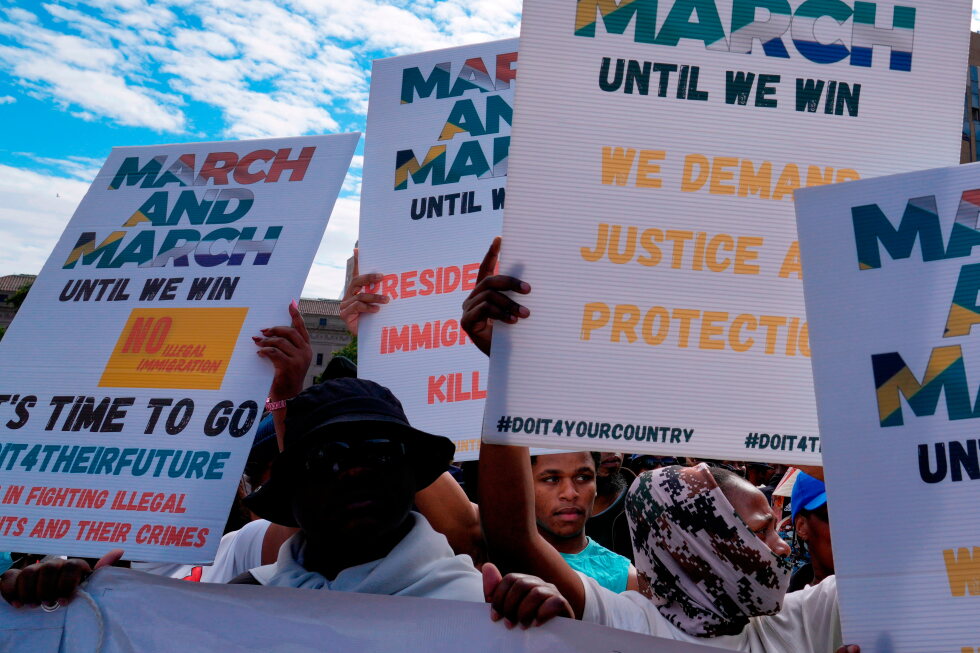
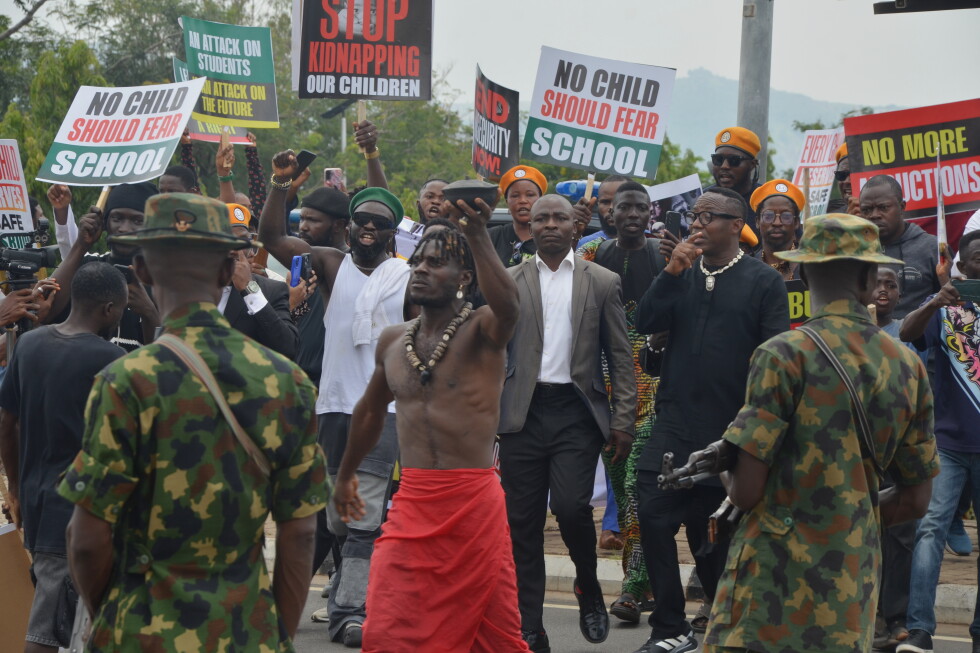
    CAPE TOWN, South Africa – As anti-immigrant demonstrations and anti-foreigner sentiment spread across Africa’s most industrialized economy, South African President Cyril Ramaphosa has pledged to address widespread public concerns over unauthorized migration, following multiple reports of targeted xenophobic violence that have drawn condemnation from neighboring nations. In a nationally televised address dedicated exclusively to the escalating crisis, Ramaphosa acknowledged the deep social and economic tensions that have pushed migration to the top of the national political agenda, a moment that comes after protest groups demanding stricter border controls issued a June 30 deadline for all undocumented foreign nationals to leave the country and formally requested negotiations with the sitting government.

    South Africa carries a long, painful history of violence rooted in anti-migrant anger, most infamously a 2008 wave of xenophobic assaults that left more than 60 foreign-born residents dead, according to documentation from international human rights organizations. In recent months, organizations calling for a sweeping government crackdown on unauthorized immigration have gained significant public traction through a rolling series of nationwide protests, framing the presence of undocumented migrants as a direct strain on South Africa’s already struggling public systems. Protesters argue that unauthorized workers are worsening the country’s already record-breaking unemployment rate, which already sits at cripplingly high levels, while adding unmanageable pressure to overburdened public health and education services that struggle to serve South Africa’s 62 million citizens.

    In his address, Ramaphosa conceded that the frustrations driving these protests hold legitimate weight. “Many South Africans are raising difficult but legitimate questions,” he stated. “These concerns are real. They deserve to be heard, and they deserve to be addressed.” But the president drew a clear line between public grievance and vigilantism, emphasizing that the government would not tolerate private groups taking enforcement of immigration law into their own hands. “Only authorized government officials can act against violations of our law,” he added, issuing a warning that a number of activist groups were deliberately inciting social unrest and stoking intercommunal tension.

    There are currently no official government statistics quantifying the total number of undocumented migrants residing in South Africa, but independent estimates place the population between 2 million and 5 million. For decades, South Africa’s status as the most economically developed nation in Southern Africa has made it a magnet for migrant workers fleeing economic instability and political unrest across the continent, with large migrant communities hailing from neighboring states including Zimbabwe, Mozambique and Lesotho, as well as further afield nations such as Nigeria, Ghana, Malawi and Ethiopia.

    In recent weeks, multiple source countries have spoken out after confirming their citizens have been targeted in violent xenophobic attacks. Last month, Ghana completed the repatriation of roughly 300 of its citizens from South Africa, and announced it would offer additional voluntary return trips for any Ghanaian nationals facing threats to their safety. Earlier this week, the Mozambican government confirmed that five of its citizens were killed in suspected xenophobic attacks in Mossel Bay, a coastal town on South Africa’s southern shore.

    Since South Africa’s current coalition government took office in 2024, immigration policy has been a central priority for the administration. Government data shows that more than 100,000 undocumented migrants have been deported over the past two years, and Ramaphosa confirmed Sunday that border enforcement officials turned away roughly 450,000 people attempting to cross into South Africa without valid documentation over the past 12 months. The president admitted that South Africa’s previous migration management framework suffered from critical “weaknesses,” and pledged that the current government would take “decisive” action to reform the system. Even as he promised action, Ramaphosa issued a national appeal for unity, urging South Africans not to turn against one another amid the ongoing debate over migration policy.

  • DR Congo friendly to be played behind closed doors

    DR Congo friendly to be played behind closed doors

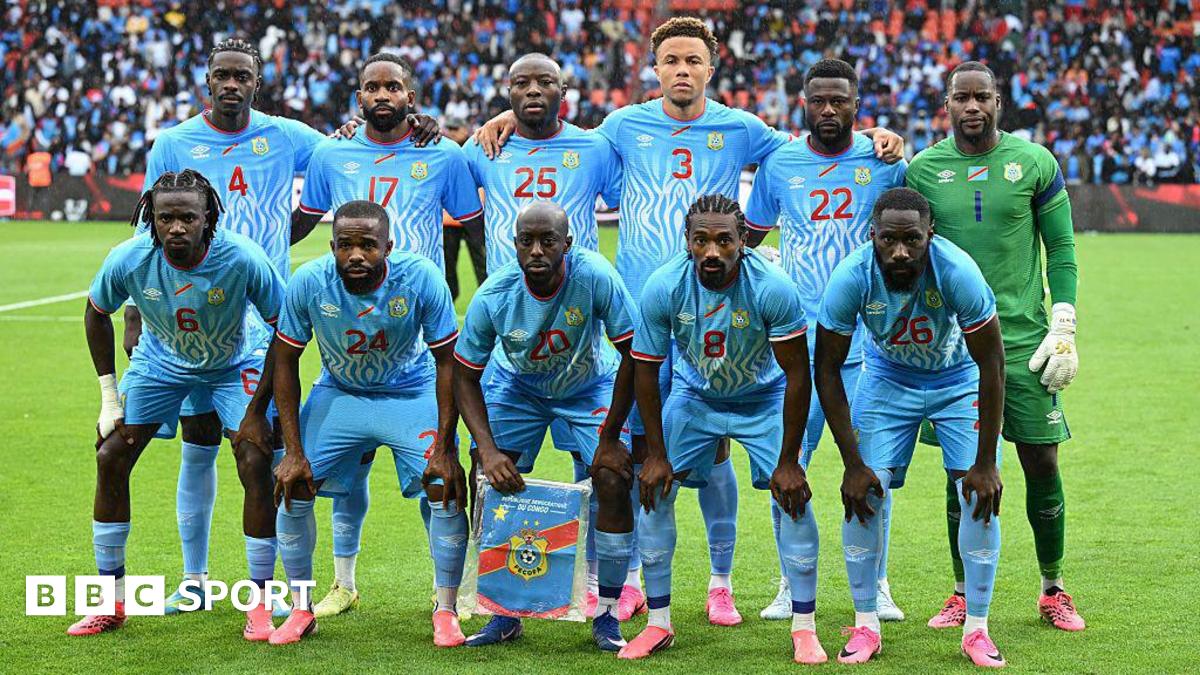
    As the 2026 FIFA World Cup approaches, DR Congo’s final pre-tournament warm-up fixture against Chile has undergone a last-minute reshuffle, shifting to a closed-door setup in the French city of Orleans following widespread public health concerns tied to an ongoing Ebola outbreak in the central African nation. The match, set to kick off at 16:00 BST this Tuesday, was originally slated to be held in La Linea de la Concepcion, a Spanish border town. However, local authorities ultimately blocked the match from proceeding at that venue, with the mayor issuing an official decree framing the cancellation as a necessary precautionary measure to protect public health.

    The 2026 World Cup, co-hosted by the United States, Mexico and Canada, has put in place strict entry requirements for all delegates coming from DR Congo: all squad members and team officials must complete a 21-day stay outside the country and remain completely free of Ebola symptoms before they are granted entry to the U.S. for the tournament. According to reporting from BBC Sport, none of DR Congo’s senior players – every one of whom currently plies their trade for club teams outside of DR Congo – have traveled back to their home country in recent weeks. However, a number of the national team’s non-playing support staff and traveling fan contingent have made the journey from DR Congo to join the squad ahead of the World Cup, which has triggered the ongoing public health precautions.

    Currently, the DR Congo squad is wrapping up their final preparations at a training base in Marbella, Spain. This follows a 10-day pre-camp in Belgium, where the side earned a credible 0-0 draw in a friendly test against Denmark ahead of their first World Cup appearance in half a century. This tournament marks a historic milestone for DR Congo: it is the first time the nation has qualified for the World Cup since 1974, when it competed under the former name Zaire and finished at the bottom of its group after three opening-round losses to Scotland, Brazil and Yugoslavia.

    For the 2026 tournament, DR Congo has based its pre-tournament operations in Houston, Texas, where it will kick off its Group K campaign against Portugal on June 17. After the opening match, the team will travel to Guadalajara, Mexico, for their second group-stage fixture against Colombia, before returning to U.S. soil to play their final group game against Uzbekistan in Atlanta.

    The Ebola outbreak that has sparked these precautions is centered in eastern DR Congo, and is caused by the rare Bundibugyo strain of the virus. As of the latest public health updates, no licensed vaccine currently exists for this specific Ebola variant, and the World Health Organization has confirmed that it could take as long as nine months to develop and approve an effective vaccine for public use.

  • Hundreds of captives freed from Boko Haram mountain hideout

    Hundreds of captives freed from Boko Haram mountain hideout

    A large group of captives held by Boko Haram jihadists in Nigeria’s northeastern Borno State has been freed from a remote mountain stronghold, ending months of harsh captivity, though conflicting accounts have emerged over who is responsible for the operation.

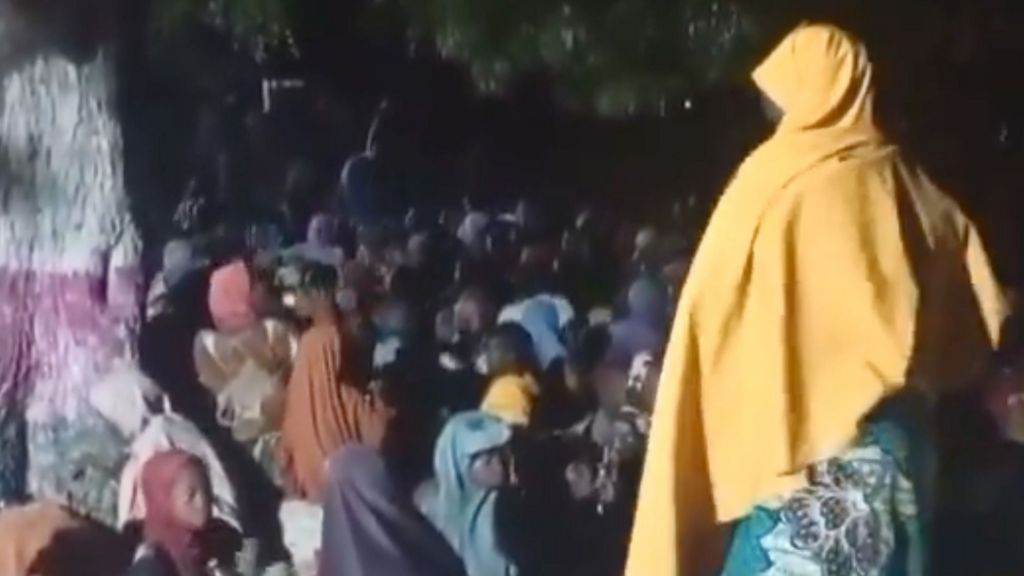
    The hostages, most residents of the majority-Muslim Ngoshe community near the Cameroon border, were abducted in early March as locals gathered to break their daily Ramadan fast. The Nigerian military confirms at least 360 people were rescued, while a local youth organization, the Borno South Youth Initiative, puts the total number of freed captives at 416.

    In an official statement, military spokesperson Lieutenant-Colonel Haruna M Sani framed the operation as one of the most ambitious hostage rescues the Nigerian armed forces have carried out in the northeast. The weeks-long mission, built on detailed intelligence, struck the Boko Haram hideout in the Mandara Mountains under cover of darkness, catching the insurgents off guard. Facing the rapid, overwhelming force of advancing troops, Sani said many fighters fled into the surrounding rugged terrain and others surrendered without resistance.

    However, local community groups have pushed back against the military’s account. Samaila Kaigama, president of the Borno South Youth Alliance (Bosaya), said his organization spent weeks negotiating with Boko Haram to secure an unconditional release, and accused government forces of trying to take credit for work led by local mediators. In a public Facebook video, Kaigama criticized “government boys” for claiming glory for the community-led effort.

    According to Nigerian authorities, all freed hostages have received initial medical screenings, and are receiving ongoing care after their ordeal. Tragically, two young infants did not survive the harsh conditions of their prolonged captivity, dying from exhaustion exacerbated by the mountainous terrain, Daniel Bwala, special adviser to Nigerian President Bola Tinubu, confirmed in a post on X.

    The release comes at a time when the Tinubu administration faces growing public backlash over soaring insecurity across the country. The presidency has publicly commended the military for the operation, and local officials have stated that work is underway to secure the Ngoshe area so that the freed captives can return to their homes and farms. Officials also noted that a small number of abductees are believed to have escaped into Cameroon during the operation, and cross-border efforts are ongoing to bring them home safely. On Sunday, the Nigerian military released photos and videos showing the freed hostages resting under trees overnight following their rescue, matching images posted to the official Nigerian Army social media channel.

    Mass kidnapping has become an endemic tactic for armed groups across Nigeria in recent years, with criminal and insurgent factions targeting soft, high-vulnerability locations including remote villages, schools, churches and mosques to generate revenue through ransom payments. While Nigerian law bans the payment of ransoms to abductors, analysts confirm that payments from desperate hostage families, intermediaries, and in some cases state officials have continued, directly fueling the cycle of abductions across the country.

    The 2014 kidnapping of 276 schoolgirls from the northeastern village of Chibok remains one of Boko Haram’s most notorious attacks, with roughly 90 girls still missing after more than a decade. During the group’s insurgency, captives were often forced into sexual slavery, domestic servitude, or coerced into serving as suicide bombers.

    Boko Haram first launched its armed campaign to establish an Islamic state across northern Nigeria in 2009. While the group no longer controls the large swathes of territory it held at the height of its power in the early 2010s, it and its splinter factions (including the Islamic State West Africa Province) retain the capability to carry out regular attacks and kidnappings across the country’s northeast.

    Nigeria has received international support to counter ongoing insurgency and kidnapping threats. Earlier in 2024, a small contingent of U.S. military personnel deployed to the country to train local armed forces and provide intelligence support. Just last month, Nigerian and U.S. forces announced they had carried out a joint operation that killed a senior Islamic State leader in the region. Nigeria’s security challenges remain multifaceted, overlapping threats that include Islamist insurgency, criminal kidnapping gangs, intercommunal land clashes, and separatist unrest in the country’s south.

  • The Nigerian army frees 360 abducted people in northeastern Borno state

    The Nigerian army frees 360 abducted people in northeastern Borno state

    ABUJA, Nigeria – In a significant blow to jihadist insurgency in Nigeria’s restive northeast, the Nigerian Army announced Sunday that it has freed 360 people held captive by the militant group Boko Haram in southern Borno State. The liberation operation targeted the Mandara Mountains, a rugged terrain long recognized as one of the extremist organization’s key entrenched strongholds.

    Among the freed hostages were dozens of children, all abducted from scattered civilian communities across Borno State, according to an official statement from the military. Army spokesperson Haruna Sani confirmed that two infants died from exhaustion after the rescue, their health already broken by the harsh conditions of prolonged captivity and the difficult crossing of mountainous terrain during extraction efforts.

    “All remaining rescued abductees have been successfully evacuated to secured locations, where they are receiving urgent medical care and targeted humanitarian support,” Sani said, framing the operation as a major operational victory that delivers a crippling blow to the terrorist network.

    Nigeria has grappled with a worsening, multi-layered security crisis for more than a decade, particularly across its northern regions. Long-standing insurgency by Boko Haram and its splinter faction, the Islamic State West Africa Province (ISWAP) – which pledged allegiance to the Islamic State group – has been compounded by widespread kidnappings for ransom, illegal mining operations, and attacks on civilian communities by armed gangs that have stretched state security resources thin.

    Just one month prior, Nigerian forces partnered with the United States military to carry out a joint offensive that killed 175 ISWAP fighters, marking another high-profile win against the insurgency. Data from the United Nations estimates that more than 10 years of extremist unrest in northeast Nigeria has killed thousands of civilians and displaced millions more from their homes.

    Despite repeated public pledges from President Bola Tinubu’s administration to curb insecurity and protect Nigerian citizens, independent security analysts continue to argue that the federal government has fallen short of deploying the resources and strategic action needed to resolve the long-running crisis.

  • Health workers at the epicenter of Congo’s Ebola outbreak labor with little pay or rest

    Health workers at the epicenter of Congo’s Ebola outbreak labor with little pay or rest

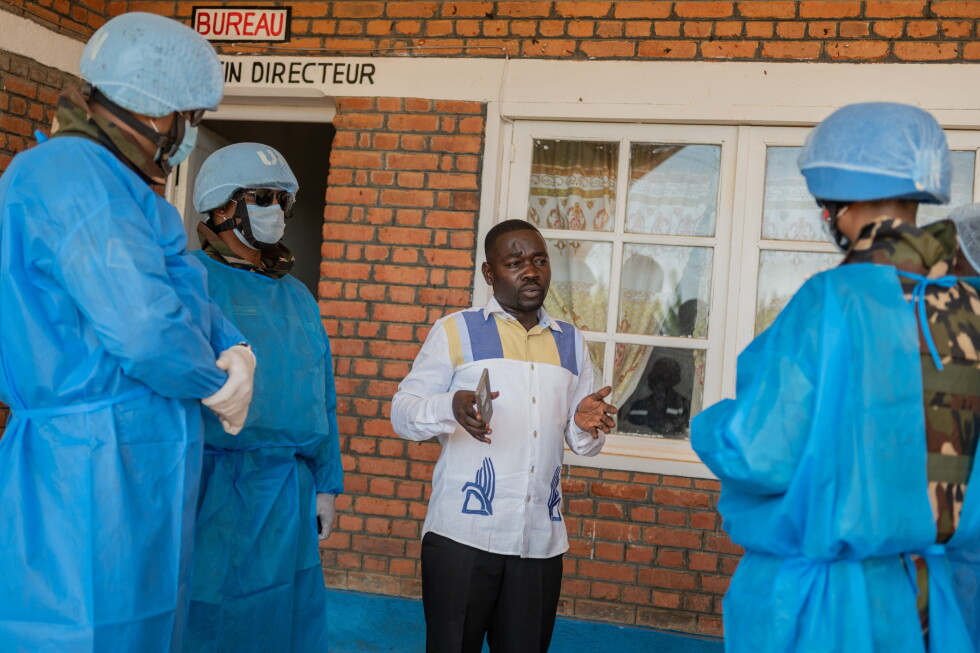
    In the gold-mining town of Mongbwalu, located in the eastern Democratic Republic of the Congo’s Ituri province, a devastating Ebola outbreak of the rare Bundibugyo strain has spread unchecked for weeks, overwhelming local healthcare workers who already face systemic challenges that threaten both their work and their lives. At the heart of the response is Mongbwalu General Referral Hospital, where medical director Dr. Richard Lokudu has spent every working hour treating a steady stream of infected patients — even responding to suspected case alerts in the dead of night — yet he has received almost no compensation for his frontline work.

    This outbreak, which health authorities trace back to Mongbwalu’s bustling mining sector, caught regional officials completely off guard after spreading silently through communities for more than a month before detection. Today, it has become one of the deadliest Ebola events the country has faced in recent years, with Congolese health officials confirming 452 total cases and 82 deaths as of reporting. A single day this week saw 71 new infections, a marker that officials say confirms widespread active transmission across local communities.

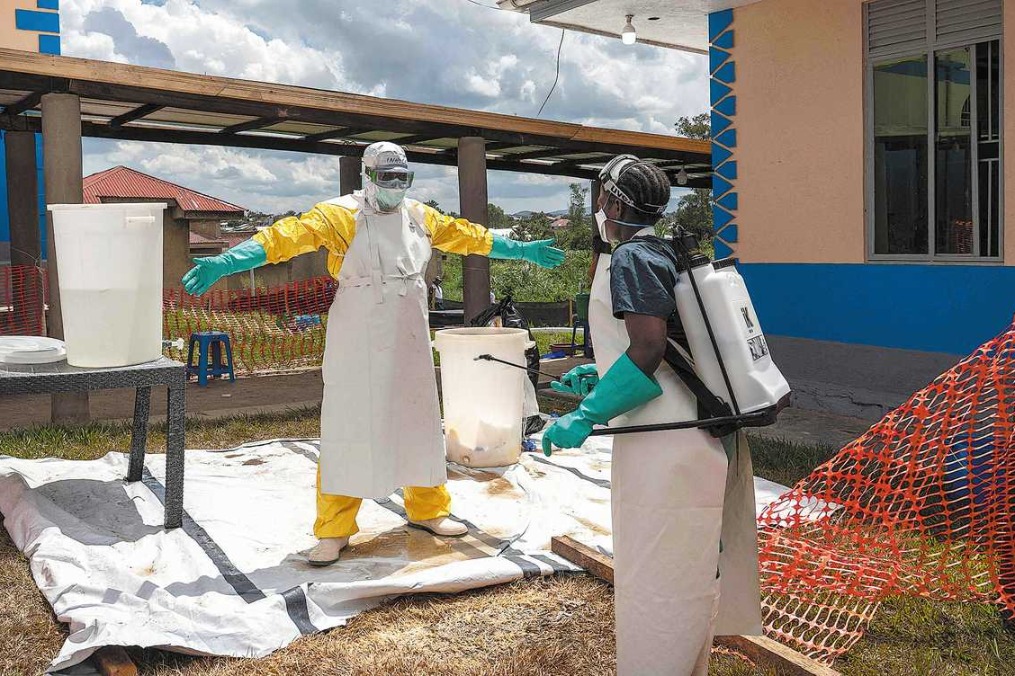
    Mongbwalu’s unique economic and living conditions have created the perfect environment for Ebola, which spreads through close contact with infected bodily fluids including blood, sweat, feces, and vomit, to multiply rapidly. Thousands of migrant gold miners flock to the town to work in dangerous, cramped pit and cave mines, then reside in overcrowded informal camps with limited access to clean water, sanitation, or basic health guidance. Compounding this risk is widespread community skepticism about the virus, with many residents distrusting medical authorities and avoiding care — a trend that has already cost the lives of multiple frontline health and response workers who were exposed while trying to contain the spread.

    For the workers on the ground, the daily struggle extends far beyond the risk of infection. Many have gone months without pay or promised hazard allowances, even as they sacrifice all personal time to respond to the crisis. “During the first week, we did not even have time to go home and eat. The second week was the same. We only eat once a day, what amounts to breakfast in the evening,” explained Alice Bamuhinga, a nurse at the Mongbwalu hospital. Dr. Lokudu echoes the frustration of his colleagues, noting that frontline teams deserve fair compensation and regular pay for the risks they take. “It is one thing to be far away and hear statistics being reported, but what is happening on the ground is enormous. People are sacrificing their rest and comfort for this cause. There should be recognition that they deserve compensation,” he said. To date, the Congolese government has not responded to requests for comment on the delayed payments.

    The outbreak is also being fought with almost no dedicated resources, years of underinvestment in the country’s public health system have left regional facilities ill-equipped to handle a large-scale infectious disease event. Unlike more common Ebola strains, the Bundibugyo variant has no approved vaccines or targeted treatments, leaving clinicians only able to manage patients’ symptoms as they wait for outcomes. When the outbreak was first officially confirmed by the Congolese Ministry of Health on May 15, local hospitals had no ability to test for the specific strain — a gap that allowed the virus to gain a critical foothold, according to World Health Organization Director-General Tedros Adhanom Ghebreyesus. International aid groups have scrambled to deploy support to the region, but critical supplies including personal protective equipment, masks, gloves, boots, and symptom-managing medications were in acute short supply in the critical early weeks of the response.

    “There has been an erosion of the health system. There has not been investment in the health system, and this has been going on for years,” said Heather Kerr, country director for the International Rescue Committee in Congo.

    Even as the outbreak worsens, frontline workers continue to navigate barriers that extend beyond resource gaps. Ongoing conflict between the Congolese government, the Rwanda-backed M23 rebel group, and Islamist militant factions has restricted movement into affected communities, leaving many response teams unable to reach remote areas to investigate new case alerts. “Despite the alerts we receive and the teams we have on site, we lack the means to travel into the field. As a result, there are alerts we are unable to investigate,” Dr. Lokudu explained.

    For many local residents, the outbreak has already brought irreversible loss. Asero Jeanne, a 52-year-old Mongbwalu resident, lost two of her five children to Ebola within two weeks after community misinformation led her family to avoid hospital care at first. Neighbors told the family anyone who sought treatment at the hospital would die immediately, and the family initially mistook her daughter’s symptoms for malaria. After three weeks of shifting between home care and delayed hospital treatment, her daughter died, followed days later by her son. Jeanne ultimately contracted the virus herself but survived, one of at least five confirmed recoveries reported by the Congolese government. “I saw about 20 people die. I watched them being taken to the morgue, yet God is allowing me to leave here alive. I thank the doctors,” she said.

    In response to the growing crisis, Tedros announced a $518 million international response plan Friday to contain the outbreak, noting that “containing Ebola depends on political commitment, sustained financing, and the trust and engagement of communities.” For frontline workers like Dr. Lokudu, however, the immediate need remains clear: fair pay, adequate resources, and the support required to stop an outbreak that is currently spreading faster than their existing capacity to treat it.