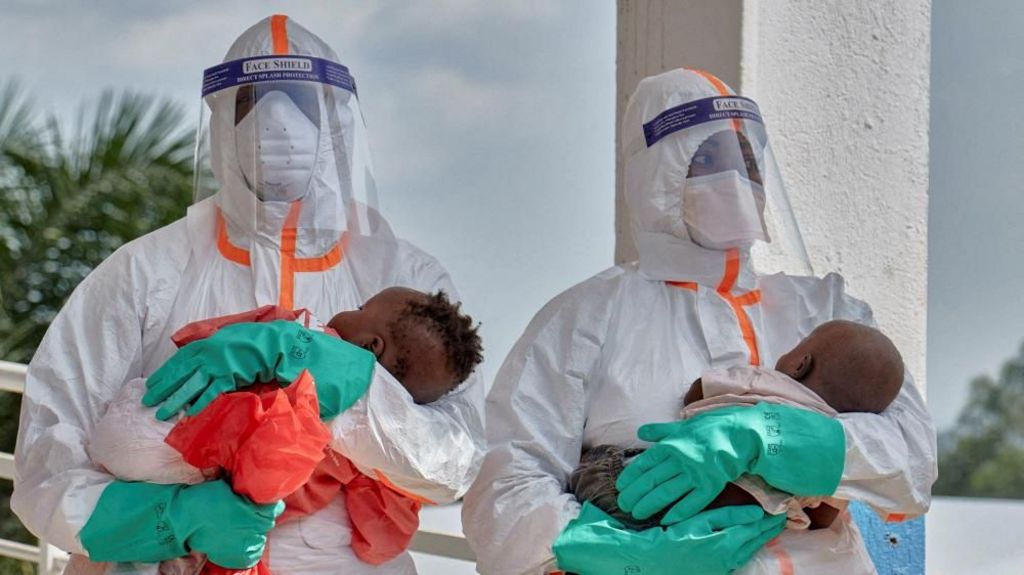
The World Health Organization has confirmed that the ongoing Ebola outbreak in the Democratic Republic of the Congo (DRC) has become the largest in the nation’s recorded history, with case numbers continuing to climb at an alarming rate months after the outbreak was first declared.
As of July 30 this year, national and global health authorities have documented 3,605 confirmed Ebola infections, with 1,587 people dying from the virus – putting the current fatality rate at 44 percent. This outbreak, which was officially announced on May 15, 2026, is driven by the Bundibugyo strain of Ebola, and has already exceeded the size of the previous largest DRC outbreak recorded between 2018 and 2020, which registered just under 3,500 total cases. That earlier outbreak, caused by a different strain, recorded roughly 2,300 fatalities.
Unlike more widely studied Ebola strains, there are currently no formally approved vaccines or targeted treatments available for the Bundibugyo variant, a gap that has made controlling the outbreak far more challenging. However, research teams in the United Kingdom and Singapore are actively advancing candidate vaccine development, with the WHO naming a candidate being developed in Singapore as the most promising for rapid deployment. Clinical trials for a second potential vaccine have already launched in the UK.
In a public statement posted to the social platform X, the WHO warned that the outbreak is intensifying, with sustained community transmission driving consistent increases in both new cases and deaths. In the seven days leading up to July 30, the outbreak hit a new grim milestone: 567 new confirmed cases and 296 deaths, the highest weekly caseload recorded since the outbreak began. WHO officials noted that these numbers highlight the exceptional speed at which the virus is spreading through vulnerable populations.
Multiple overlapping challenges are severely hampering international and local response efforts, health officials say. The outbreak is centered in DRC’s northeastern Ituri Province, which shares borders with South Sudan and Uganda. It has since spread to neighboring North and South Kivu provinces, large swathes of which are controlled by the M23 armed group, a militia supported by Rwanda. Chronic insecurity, mass population displacement from conflict zones, unregulated cross-border movement, and limited access to affected communities have all combined to slow emergency response work and raise the risk of the virus spreading further afield.
To date, the outbreak has crossed international borders: 20 confirmed cases have been recorded in Uganda, one case has been reported in France, and two Congolese patients have been transferred to Germany for treatment. Over the past half-century, Ebola – which spreads through direct contact with infected bodily fluids – has killed more than 15,000 people across the African continent, with most major outbreaks concentrated in Central Africa.