标签: Africa

非洲

  • Operation against Nigerian kidnapping gang kills ‘200 bandits’ – official tells BBC

    Operation against Nigerian kidnapping gang kills ‘200 bandits’ – official tells BBC

    Nigerian security forces have launched a decisive multi-agency offensive against criminal networks in central Nigeria, resulting in the elimination of more than 200 suspected armed bandits according to official statements. The large-scale operation, which commenced on Saturday across densely forested areas of Kogi state, represents one of the most significant counter-insurgency actions in recent months.

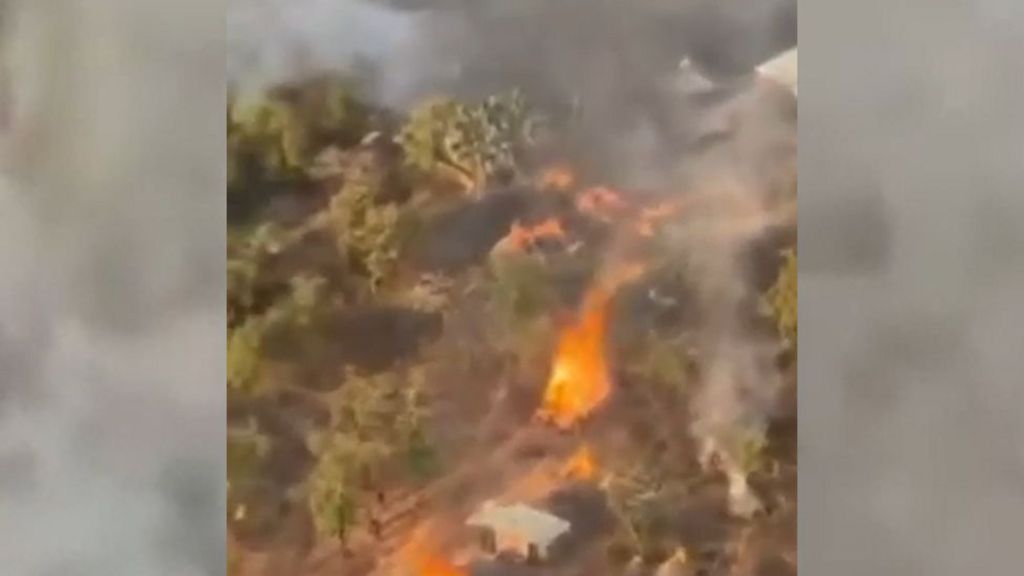
    Dramatic aerial footage captured by police helicopters and shared with international media shows extensive bandit encampments engulfed in flames as coordinated strikes targeted multiple hideouts. Kingsley Fanwo, Kogi State’s Information Commissioner, confirmed that several criminal bases were destroyed during the weekend operations involving combined Nigerian security and paramilitary units.

    The offensive follows escalating national outrage over mass abductions, including targeted attacks on educational institutions that have plagued northwestern regions. While criminal elements have traditionally operated in Nigeria’s northwest, security analysts note their recent expansion into central states like Kogi, whose strategic forest corridors connecting northern and southern regions provide ideal terrain for cross-border criminal operations.

    Security operations face particular challenges as bandits reportedly utilize kidnapped civilians as human shields to prevent full-scale assaults. “Security forces have put them in disarray wherever they try to regroup,” Fanwo stated, while acknowledging that “the bandits have kidnapped several individuals which they are using as human shields.”

    The operation aligns with President Bola Tinubu’s recent directive to security chiefs to intensify efforts against armed groups. However, security expert Bashir Galma, a retired army major, cautioned that casualty figures might be exaggerated for political purposes with elections approaching, while conceding that surprise attacks could indeed yield significant results.

    Nigeria’s complex security landscape includes not only kidnapping gangs but also Islamist insurgencies, resource conflicts, and separatist movements. International support has emerged with the United States military recently delivering “critical military supplies” to Abuja, emphasizing their “shared security partnership.” This follows December airstrikes by US forces against Islamist militant camps in northwestern Nigeria.

    The government maintains that all citizens, regardless of faith, remain vulnerable to attacks in a nation with over 250 ethnic groups and mixed religious demographics. Foreign ministry spokesman Alkasim Abdulkadir recently reaffirmed Nigeria’s commitment to “protecting all citizens, Christians and Muslims alike, without discrimination” amid international concerns about religiously-motivated violence.
  • Salah-Mane rivalry renewed in Afcon semi-finals

    Salah-Mane rivalry renewed in Afcon semi-finals

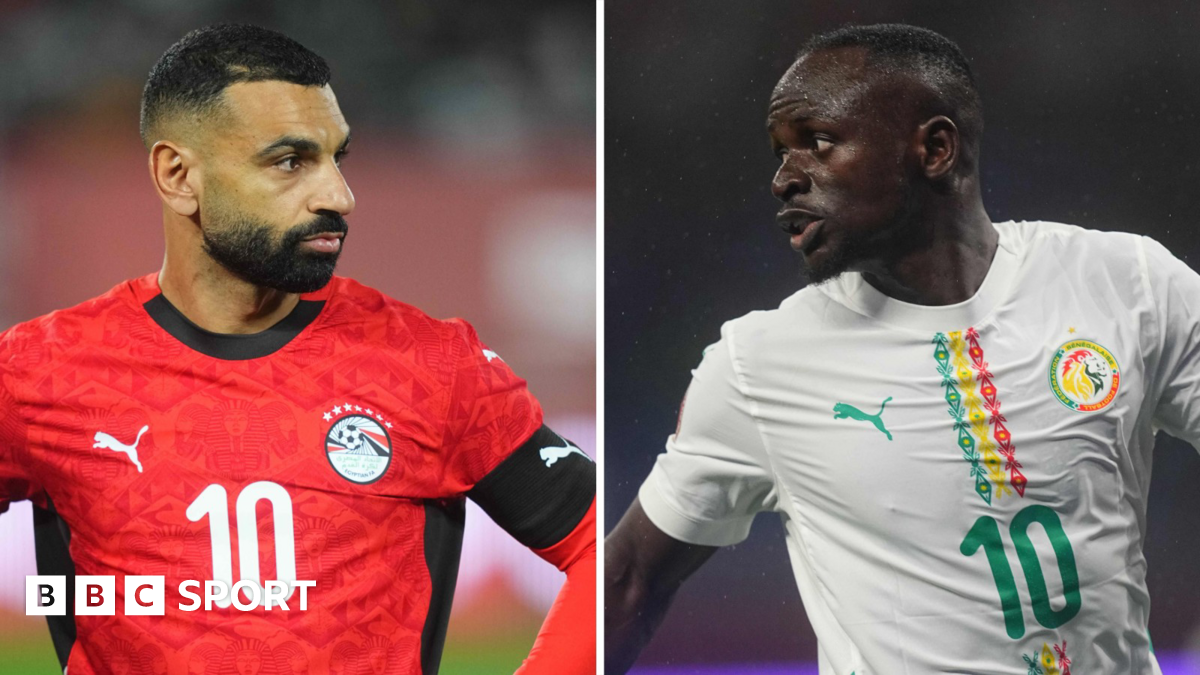
    Tangier, Morocco – The 2025 Africa Cup of Nations semifinal presents a narrative far surpassing a mere football match, evolving into a deeply personal quest for legacy. Egyptian captain Mohamed Salah, 33, confronts not only the formidable Senegalese squad but also the specter of past disappointments on the continental stage. His opponent, and former Liverpool teammate, Sadio Mane, has been the architect of Salah’s most painful international defeats.

    Egypt, the record seven-time champions, last lifted the trophy in 2010. Salah’s journey has been marked by near-misses: finishing as runner-up in 2017 and 2021, a round-of-16 exit in 2019, and an injury-plagued 2023 tournament. ‘Nobody, even in Egypt, wants to win this trophy more than me,’ Salah declared after his decisive goal secured a quarter-final victory against Ivory Coast. ‘I have won almost every prize. This is the title I am waiting for.’

    The historical context adds immense weight to the clash. In the 2021 Afcon final, a tense stalemate led to a penalty shootout where Mane redeemed an earlier missed penalty by converting the winning spot-kick, securing Senegal’s first continental title while a distraught Salah watched, unused. Just months later, their World Cup qualifying playoff again went to penalties. Salah blazed his effort over the bar, and Mane once again scored the decisive penalty, sending Senegal to the 2022 World Cup in Qatar.

    This semifinal arrives amid a tumultuous period for Salah. His participation followed public comments expressing frustration with his situation at Liverpool, revealing a strained relationship with manager Arne Slot and sparking intense transfer speculation. However, the tournament has offered a sanctuary. He has found prolific form, netting four times in four matches—equaling his Premier League goal tally for the season—and stands just one goal shy of Egypt’s all-time Afcon scoring record.

    Conversely, Mane has seamlessly transitioned into a leadership role for the Teranga Lions. While scoring once and providing three assists, his influence extends beyond statistics. ‘His role is an inspiration for his team-mates. Beyond his on-field skills, his leadership is vital,’ noted BBC Afrique journalist Babacar Faye. Senegal boasts a multifaceted attack, featuring talents like Iliman Ndiaye and Ismaila Sarr, reducing their reliance on any single player.

    With the Afcon transitioning to a quadrennial schedule after the 2027 edition, this tournament likely represents the final opportunity for both aging superstars to claim Africa’s ultimate prize. For Salah, it is a chance to cement his legacy, validate his individual accolades with team glory, and finally overcome his Senegalese nemesis. For Mane, it is a mission to defend his crown and reaffirm his continental supremacy.

  • Israel’s recognition of breakaway Somaliland brings uproar and threats to a volatile region

    Israel’s recognition of breakaway Somaliland brings uproar and threats to a volatile region

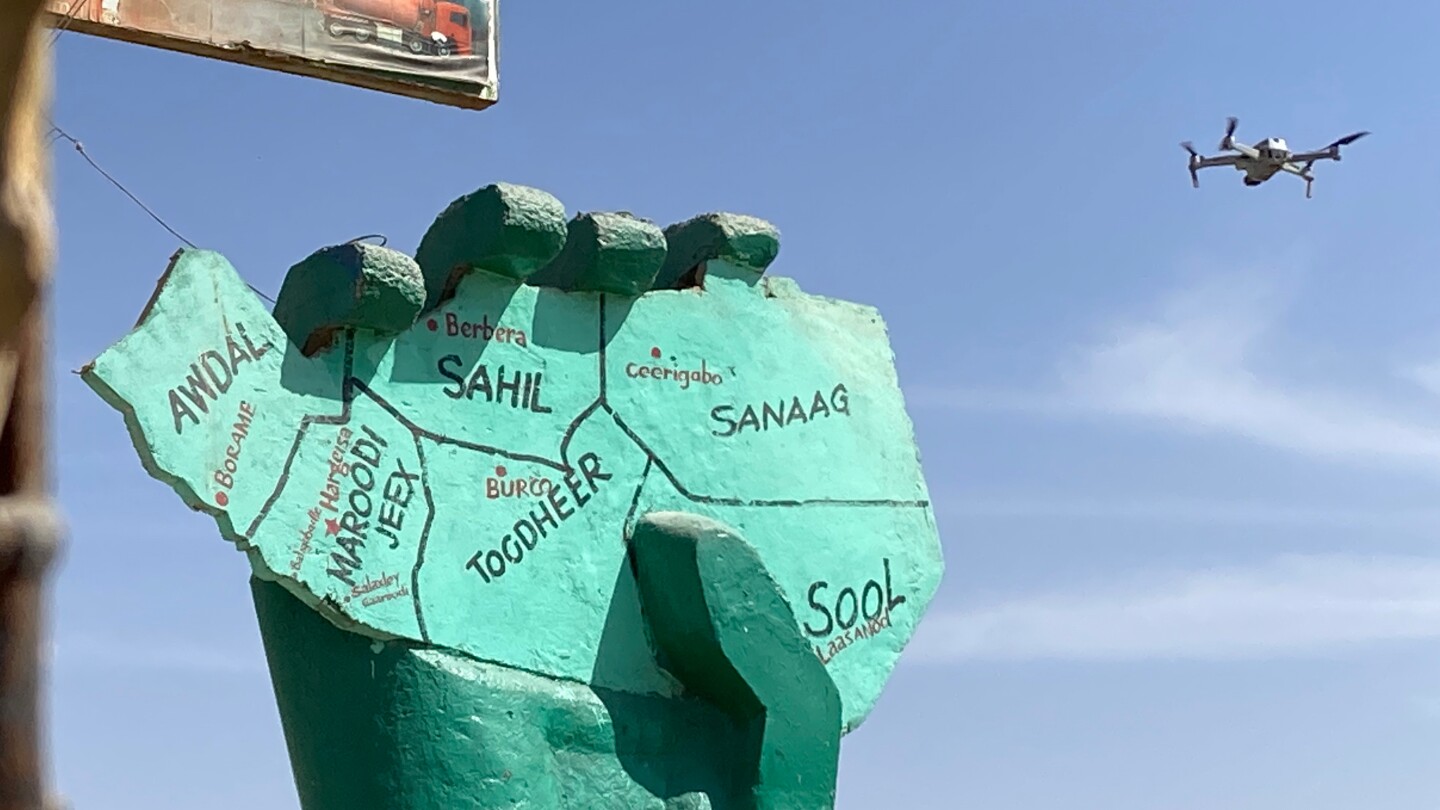
    Israel’s groundbreaking recognition of Somaliland has ignited complex geopolitical dynamics across the Horn of Africa and Middle East, creating unexpected alliances and tensions in one of the world’s most strategic maritime regions. The diplomatic move positions the breakaway territory as a potential Israeli partner against Iran-backed Houthi rebels in Yemen while raising questions about previously discussed proposals to resettle Palestinians from Gaza.

    The recognition marks Somaliland’s first acceptance as an independent nation by any country since it declared autonomy from Somalia in 1991. Somaliland Foreign Minister Abdirahman Dahir Adan characterized the relationship as “mutually beneficial friendship” that would bring technological cooperation and investment to his territory while providing Israel with enhanced regional capabilities.

    Strategic considerations drive the partnership. Somaliland’s location along vital shipping lanes near the Bab el-Mandeb Strait—where Houthi attacks have disrupted $1 trillion in annual commerce—makes it invaluable for monitoring maritime threats. Military analyst Andreas Krieg of King’s College London noted that “a small footprint in Somaliland can provide disproportionate utility” for countering Houthi activities.

    The development has triggered immediate backlash. Somalia’s government condemned the recognition as a violation of its sovereignty, with President Hassan Sheikh Mohamud declaring Somali territory “cannot be divided by a piece of paper written by Israel.” Al-Shabab militants issued audio threats vowing to “fight against” Israeli presence, potentially destabilizing Somaliland’s relative stability.

    Regional powers are recalibrating relationships. Somalia annulled defense agreements with the United Arab Emirates, which has invested heavily in Somaliland’s Berbera port. The move reflects broader great power competition involving China, Turkey, and Gulf states—all with strategic interests in Somali ports and concern about shifting alliances.

    While Somaliland officials hope Israeli recognition will spur broader international acceptance, analysts warn the partnership could provoke violence and proxy conflicts. The Organization of Islamic Cooperation and African Union have condemned Israel’s move, highlighting the delicate balance between Somaliland’s aspirations for sovereignty and regional stability concerns.

  • Vismaya Mohanlal’s film debut, ‘Thudakkam’, to release in August

    Vismaya Mohanlal’s film debut, ‘Thudakkam’, to release in August

    Malayalam cinema prepares to welcome a new generation of talent as Vismaya Mohanlal, daughter of legendary actor Mohanlal, makes her acting debut in the upcoming film ‘Thudakkam.’ The production has been strategically scheduled for an August 2026 release, coinciding with Kerala’s cherished Onam festival celebrations.

    Director Jude Anthany Joseph, renowned for his critically acclaimed disaster film ‘2018 – Everyone’s a Hero’ and the popular comedy ‘Om Shanthi Oshaana,’ helms the project. The film benefits from the expertise of producer Antony Perumbavoor, a longtime collaborator with Mohanlal’s filmography.

    The announcement gained momentum when Mohanlal shared the theatrical poster on his social media platforms with the caption: ‘Vismaya Thudakkam #OnamRelease2026.’ The project was initially revealed in July 2025, with filming commencing later that year. Mohanlal has publicly expressed both support and paternal pride in his daughter’s career decision.

    Vismaya represents the second generation of the distinguished film family, following her brother Pranav Mohanlal who has established himself in films like ‘Hridayam’ and ‘Varshangalkku Shesham.’ Despite her cinematic pedigree, Vismaya initially pursued creative expression through alternative channels. In 2021, she published ‘Grains of Stardust,’ a collection of poetry and illustrations demonstrating her artistic versatility. She also gained behind-the-camera experience as part of the crew for her father’s directorial venture ‘Barroz 3D-Guardian of Treasures.’

    The debut comes during a successful period for Mohanlal’s career, with three of his 2025 releases—’L2: Empuraan,’ ‘Thudarum,’ and ‘Hridayapoorvam’—achieving significant box office success. ‘L2: Empuraan,’ the sequel to the blockbuster ‘Lucifer,’ particularly cemented his status as a bankable superstar in Malayalam cinema.

  • Seed Group–Oongalee partnership to introduce fintech and interactive dining technology in the UAE

    Seed Group–Oongalee partnership to introduce fintech and interactive dining technology in the UAE

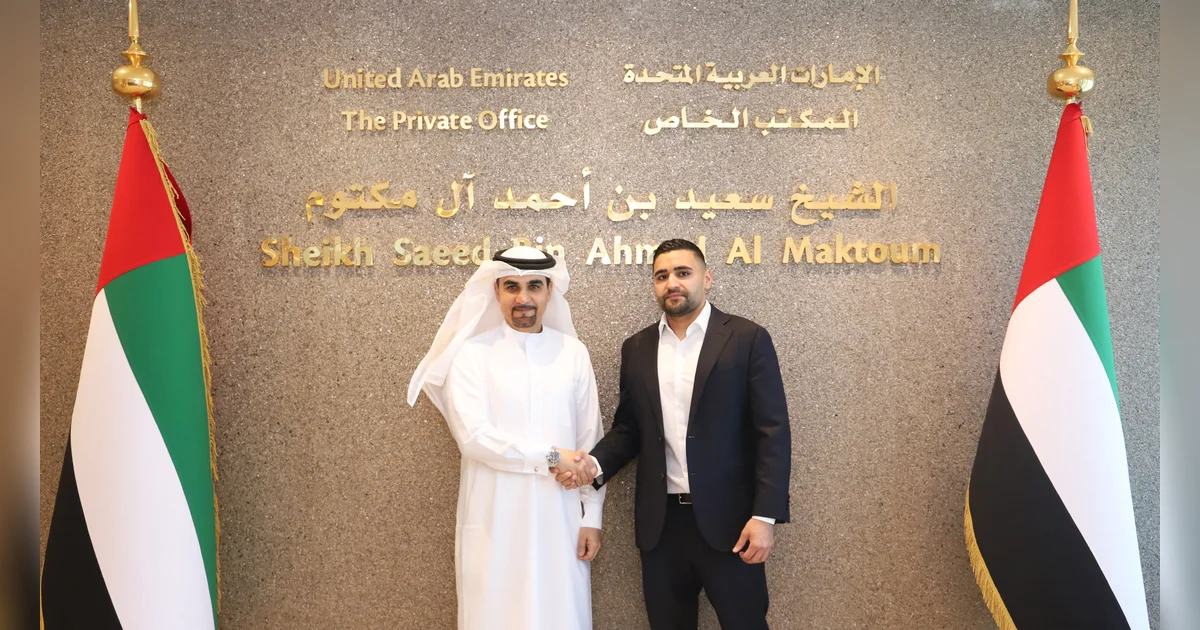
    In a landmark move for the Middle Eastern hospitality sector, UAE-based Seed Group, a company of The Private Office of Sheikh Saeed bin Ahmed Al Maktoum, has announced a strategic alliance with Canadian fintech innovator Oongalee. This partnership is set to redefine the dining experience across the Emirates by introducing advanced interactive table-side technology that seamlessly integrates media, entertainment, and payment solutions.

    The collaboration marks Oongalee’s inaugural entry into the UAE market following its proven success in Canada, where it operates the nation’s largest interactive tabletop media network. With an impressive footprint of over 400 restaurants and 14,000 screens, the platform has facilitated more than 20 million annual guest interactions. Backed by Seed Group’s regional expertise and influence, Oongalee intends to utilize the UAE as its strategic launchpad for subsequent global expansion throughout the Middle East.

    Hisham Al Gurg, CEO of Seed Group, emphasized the practical innovation behind the technology: “Oongalee’s platform addresses genuine operational challenges within the hospitality industry. By modernizing table-side services and enabling targeted, measurable advertising, it creates tangible value for both restaurant operators and brands. This initiative perfectly aligns with the UAE’s vision for a digitally empowered economy.”

    Karan Sareen, Co-founder and CEO of Oongalee (UAE), highlighted the significance of the partnership: “While Canada validated our technological model, our collaboration with Seed Group provides the strategic credibility and market access necessary for impactful scaling. Our mission remains centered on enhancing guest experiences while delivering concrete commercial benefits for our partners.”

    Established in 2019, Oongalee combines purpose-built hardware with integrated software to create a comprehensive dining assistant. The platform enables restaurants to boost operational efficiency and optimize revenue streams while offering advertisers a high-engagement, data-driven channel to connect with captive audiences. Globally, the network generates over five billion annual impressions across more than 400 locations, attracting major international brands.

    This initiative is expected to significantly advance Dubai’s position as a regional hub for smart dining solutions and fintech integration, supporting broader economic diversification efforts and enhancing customer experiences across the hospitality landscape.

  • Eritrea included in Afcon 2027 preliminary qualifying

    Eritrea included in Afcon 2027 preliminary qualifying

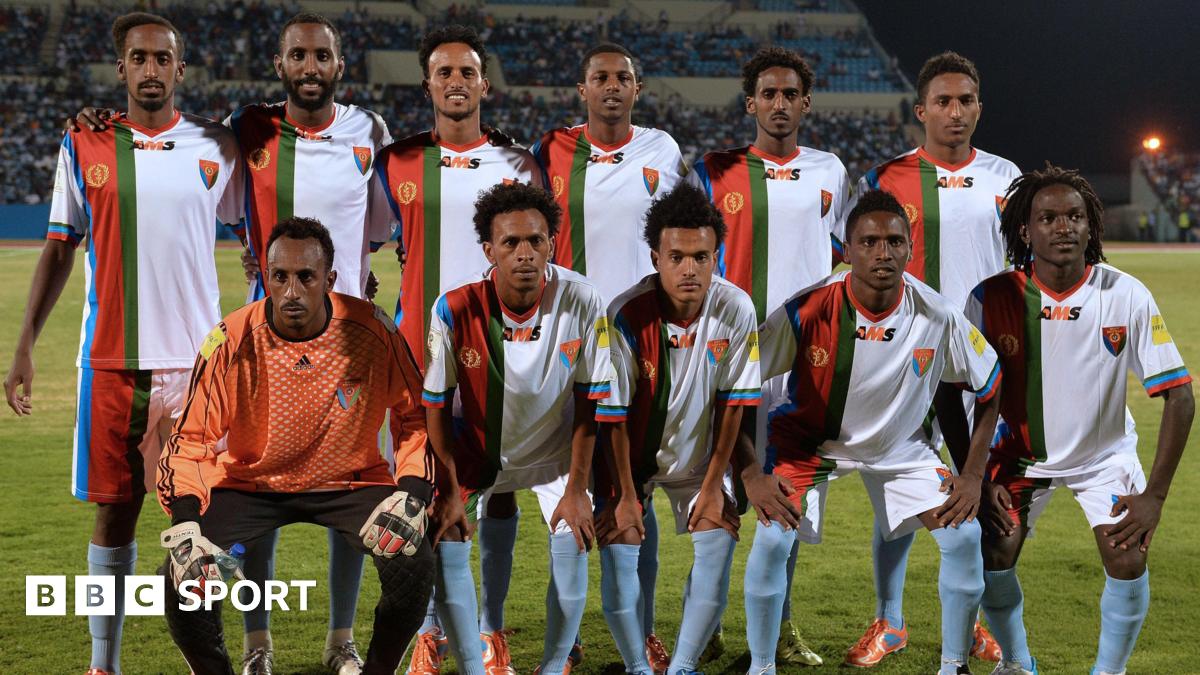
    In a surprising development for African football, Eritrea has been included in the preliminary qualifying round draw for the 2027 Africa Cup of Nations (Afcon) despite holding an unranked status with world governing body FIFA. The East African nation, which has participated in just two international matches since February 2020, will face Eswatini in the preliminary stage.

    This inclusion comes despite Eritrea’s recent history of tournament withdrawals, having pulled out of qualifiers for both the 2023 Afcon and the 2026 FIFA World Cup. The latter withdrawal occurred just one week before their scheduled match against Morocco, Africa’s top-ranked team.

    The preliminary round draw, conducted in Rabat ahead of the 2025 Afcon semi-finals, paired several other nations: Djibouti with South Sudan, Chad with Burundi, Somalia with Mauritius, Seychelles with Lesotho, and Sao Tome e Principe with Ethiopia, the 1962 champions.

    These two-legged qualifying ties are scheduled for late March, with the six victorious teams advancing to join the continent’s 42 highest-ranked sides in the main group stage. The Confederation of African Football has yet to announce specific dates for both the 2027 Afcon qualifiers and the tournament itself, which will be jointly hosted by Kenya, Tanzania, and Uganda.

    Eritrea’s international football history remains marked by their last Afcon qualifying campaign ahead of the 2008 finals and a notable incident in October 2015 when ten players claimed asylum in Botswana following a World Cup qualifier.

  • Australia to hold day of mourning for Bondi shooting victims on January 22

    Australia to hold day of mourning for Bondi shooting victims on January 22

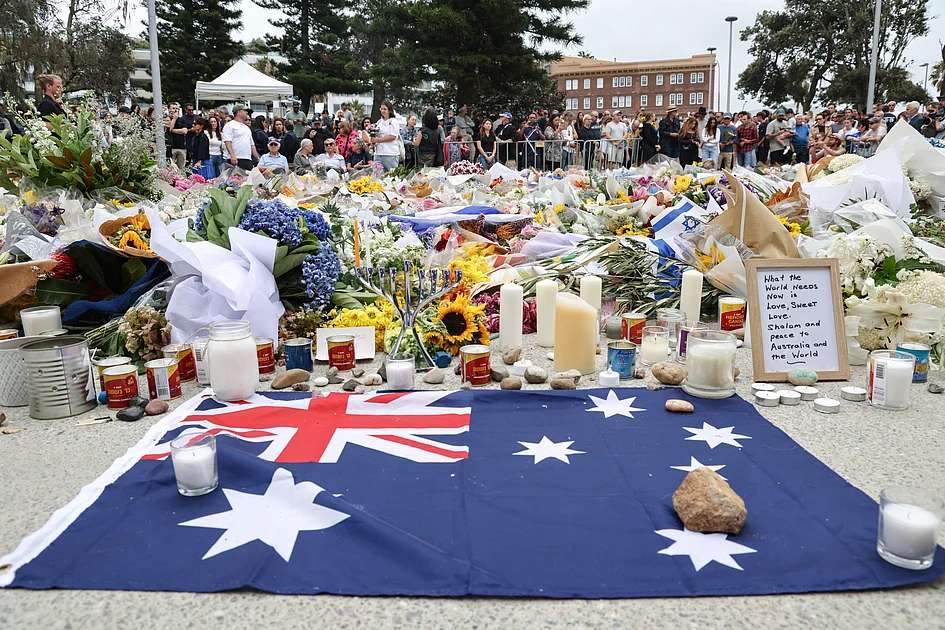
    Australia will observe a national day of mourning on January 22nd to honor the fifteen victims of the devastating mass shooting at Bondi Beach. Prime Minister Anthony Albanese announced the solemn commemoration, which will be marked by flags flying at half-mast nationwide under the unifying theme ‘light will win’.

    The December 14th attack, which targeted a Jewish Hanukkah celebration and represents the country’s deadliest mass shooting in three decades, has triggered profound national introspection. The incident has raised critical questions about antisemitism, public safety failures regarding the protection of Jewish communities, and has catalyzed government commitments to strengthen firearm regulations.

    Organized in collaboration with Jewish community representatives, the memorial gathering will serve as a moment of collective remembrance. The Chabad of Bondi, hosts of the original festival, described the event as an opportunity to honor those lost, support the injured and their families, and collectively reaffirm values of compassion and solidarity.

    In response to mounting public pressure, Prime Minister Albanese has authorized a royal commission—the highest form of government inquiry—to conduct a comprehensive investigation. This probe will examine potential intelligence failures, the proliferation of antisemitic sentiment within Australia, and all circumstances surrounding the attack.

    The alleged perpetrators, Sajid Akram and his Australian-born son Naveed, have brought scrutiny upon national security protocols. Despite being flagged by intelligence agencies in 2019, Naveed Akram—now charged with terrorism and fifteen counts of murder—was deemed not to pose an imminent threat and subsequently dropped from surveillance.

    In the tragedy’s aftermath, Australian authorities have initiated substantial policy reforms, including a major gun buyback program described as the most significant since the 1996 Port Arthur massacre reforms. This initiative forms part of a broader crackdown on both firearm accessibility and hate speech, addressing systemic vulnerabilities exposed by the Bondi Beach shooting.

  • Dubai: Gold prices ease slightly after hitting record high

    Dubai: Gold prices ease slightly after hitting record high

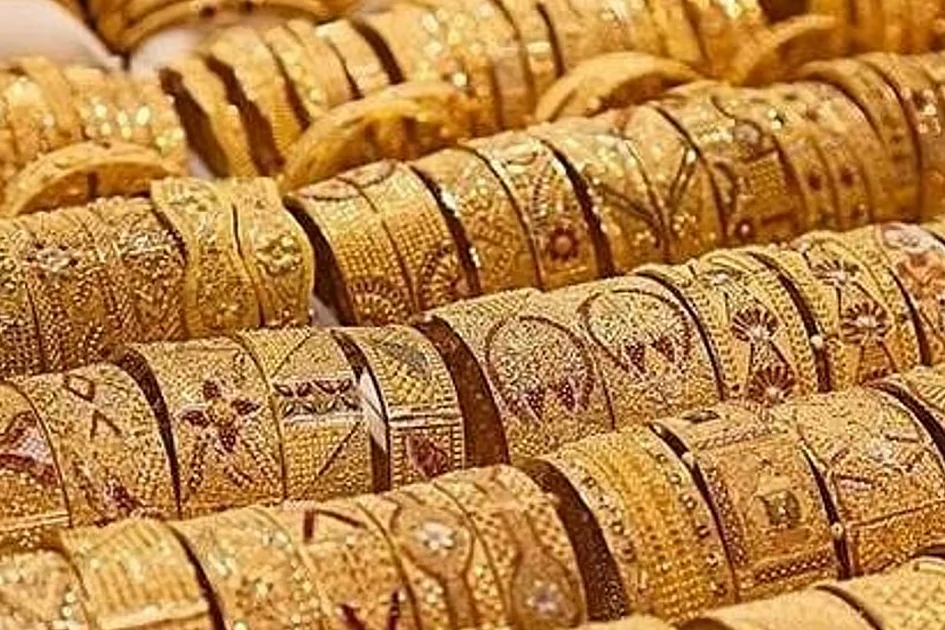
    Dubai’s gold market experienced a slight correction on Tuesday morning following a historic surge that propelled prices to unprecedented levels just one day earlier. The 24K gold variety, representing the purest form of the precious metal, declined to Dh554.0 per gram at 9am UAE time after reaching an all-time peak of Dh555.75 per gram on Monday.

    The broader gold market displayed similar patterns across various karat weights. The 22K variant settled at Dh513.0 per gram, while 21K, 18K, and 14K gold traded at Dh491.75, Dh421.5, and Dh328.75 per gram respectively. This modest pullback occurred despite international spot gold maintaining strength at $4,594.34 per ounce, hovering near the psychologically significant $4,600 threshold.

    Market analysts attribute the sustained gold rally to profound structural shifts rather than temporary speculative activity. Rania Gule, Senior Market Analyst for MENA at XS.com, emphasized that the current market dynamics reflect deep-seated investor anxiety driven by multiple geopolitical and economic factors. “Gold’s ability to remain close to its peaks despite the absence of strong expansionary monetary stimulus confirms that current demand is driven by the search for safety rather than the pursuit of short-term gains,” Gule noted.

    The analyst identified several critical factors sustaining gold’s elevated position, including US intervention in Venezuela, potential military action against Iran, intensifying Russia-Ukraine hostilities, and escalating China-Japan tensions. These interconnected developments have created what Gule describes as “structural demand for gold as a safe haven” that transcends temporary market reactions.

    This trend is further reinforced by a gradual erosion of global risk appetite, with investors not only retreating from high-risk assets but fundamentally reassessing the stability of the international financial system. Gold’s unique position as an asset outside the credit system, unlinked to direct sovereign obligations, provides it with distinct advantages during periods of geopolitical uncertainty and institutional doubt.

  • Uganda’s military deployed in national capital ahead of upcoming presidential election

    Uganda’s military deployed in national capital ahead of upcoming presidential election

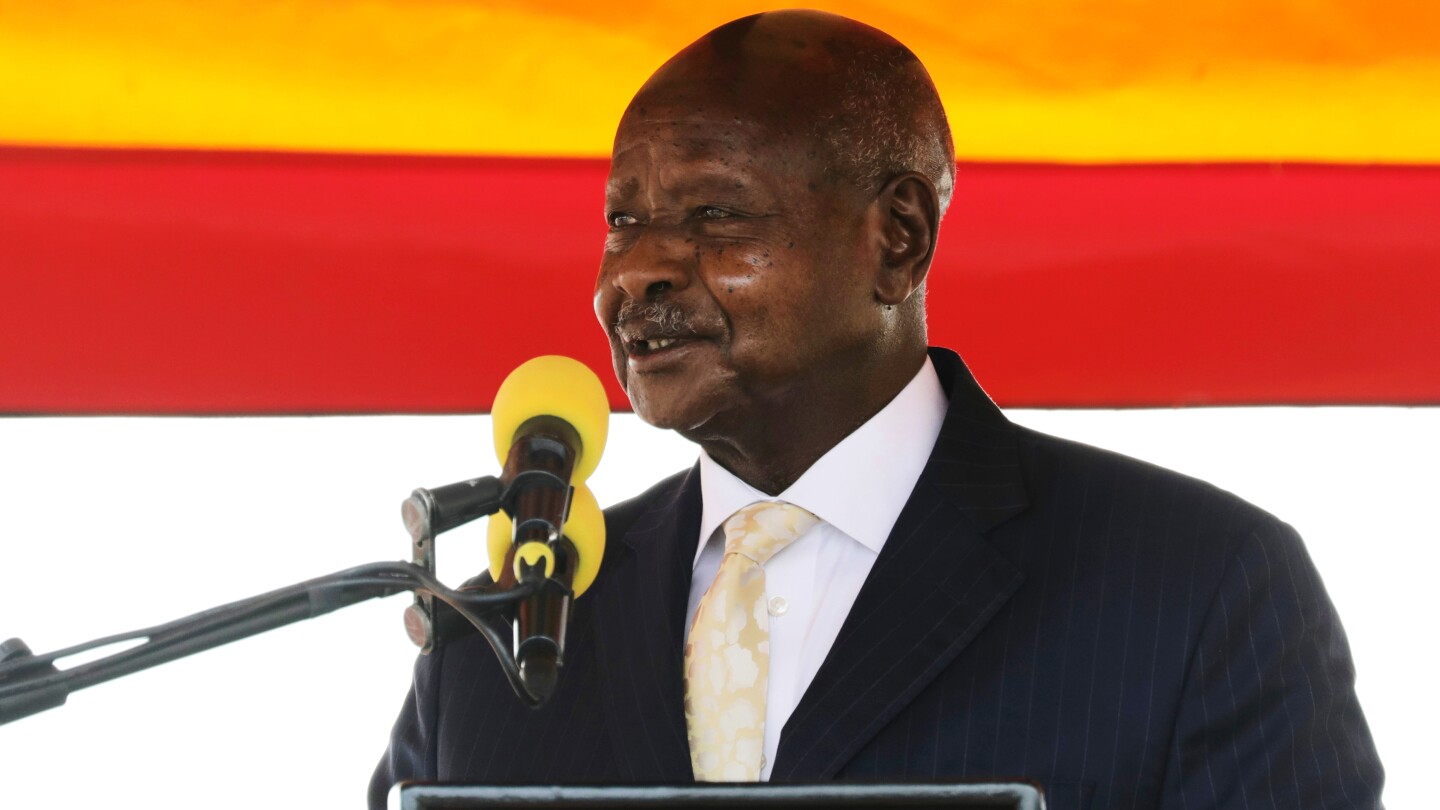
    KAMPALA, Uganda — Uganda stands at a critical juncture as the nation prepares for a high-stakes presidential election on Thursday, pitting long-serving President Yoweri Museveni against a coalition of opposition candidates led by charismatic challenger Bobi Wine. The electoral process has been overshadowed by unprecedented military deployments across the capital, raising concerns about democratic integrity and the potential for authoritarian consolidation.

    President Museveni, Africa’s third-longest ruling leader at 81 years old, seeks to extend his nearly four-decade reign with a seventh term. His primary opponent is 43-year-old musician-turned-politician Bobi Wine (born Kyagulanyi Ssentamu), who represents a burgeoning youth movement demanding political transformation. Six additional candidates complete the presidential field in this East African nation of 45 million people, with electoral authorities reporting 21.6 million registered voters.

    The security situation has intensified markedly since Saturday, when Ugandan authorities initiated widespread troop deployments throughout Kampala. Armored vehicles have positioned themselves strategically across the urban landscape while soldiers conduct visible street patrols. Military spokesman Colonel Chris Magezi characterized these measures as necessary precautions against potential election violence, dismissing concerns about anti-democratic implications.

    This election represents a rematch of the 2021 contest where Wine surprisingly captured 35% of the vote against Museveni’s 58%—the president’s narrowest victory margin since first competing in elections three decades ago. Wine has maintained his popularity among urban youth and in eastern regions, campaigning under heavy security protection including flak jackets and helmets following numerous attacks by security forces documented by Amnesty International.

    Museveni retains strong support in northern Uganda and his western home region, where supporters credit him with establishing relative stability in a nation hosting hundreds of thousands of refugees. However, his campaign slogan of ‘protecting the gains’ has drawn criticism for allegedly justifying corruption and suggesting power is non-negotiable.

    Complicating the political landscape is the prominence of Museveni’s son, four-star General Muhoozi Kainerugaba, who has openly discussed succeeding his father and recently generated diplomatic incidents through controversial tweets. Many analysts suggest the military’s loyalty to the first family rather than democratic institutions makes electoral transition particularly challenging.

    The International Crisis Group recently concluded that Museveni will likely retain power, though voter concerns about unemployment and democratic fatigue remain pressing issues. For many young Ugandans like 37-year-old motorcycle operator Farouk Mugaya, who has never known another leader, the election represents a fundamental choice between continuity and change in a nation struggling with economic opportunities despite relative peace.

  • Niger revokes licences of tanker drivers who refuse to go to Mali amid jihadist blockade

    Niger revokes licences of tanker drivers who refuse to go to Mali amid jihadist blockade

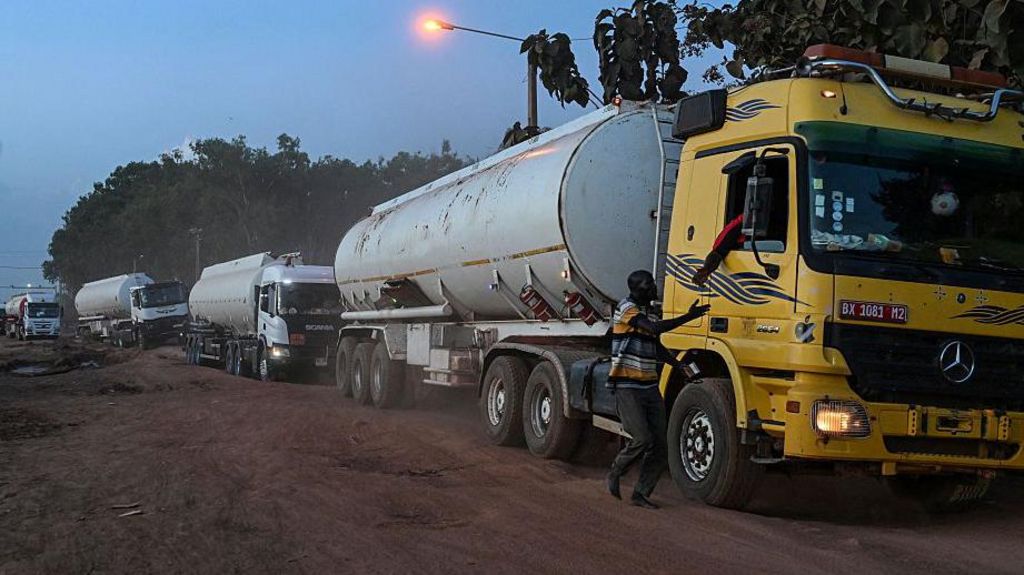
    Niger’s transport ministry has imposed severe sanctions on transport operators and drivers who refused to deliver critical fuel shipments to neighboring Mali, where jihadist attacks have created a dangerous blockade. The ministry revoked licenses of 14 transport companies and 19 drivers, citing “serious violation of legal and regulatory obligations” in an official statement from Transport Minister Abdourahamane Amadou dated January 6th. An additional operator received a one-year suspension.

    The sanctions come as Mali faces an escalating energy crisis precipitated by al-Qaeda affiliate Jama’at Nusrat al-Islam wal-Muslimin (JNIM), which imposed a fuel blockade in September and has systematically attacked petrol tankers on major highways. The militant group has expanded its years-long insurgency to include economic warfare, kidnapping drivers and burning lorries traversing the dangerous routes.

    Despite both nations being governed by military juntas facing similar jihadist threats, the 1,400-kilometer supply route from oil-producing Niger to landlocked Mali remains extremely perilous. Even military-escorted convoys have faced attacks. Last November, Niger successfully delivered 82 fuel tankers that temporarily stabilized Mali’s energy supply, but subsequent shipments were disrupted by transport refusals.

    The fuel shortage has created widespread consequences across Mali, forcing temporary closures of schools and universities and prompting international travel warnings from both the United States and France. Mali’s military government under General Assimi Goïta, who seized power in a 2020 coup, has hired Russian mercenaries to address security concerns after the departure of UN peacekeeping missions and French forces. Large portions of the country remain outside government control despite these measures.