标签: Africa

非洲

  • UAE residents can now see air taxis up close near Dubai Mall

    UAE residents can now see air taxis up close near Dubai Mall

    Dubai has taken a significant step toward revolutionizing urban transportation by publicly displaying Joby Aviation’s electric air taxi near Dubai Mall. This exhibition allows residents and visitors to interact directly with the futuristic aircraft, marking a pivotal moment in the city’s advanced air mobility preparations.

    The eVTOL (electric vertical takeoff and landing) aircraft represents a new category of urban transport that combines helicopter-like vertical takeoff capabilities with airplane efficiency for forward flight. Featuring six tilting electric propellers, the vehicle operates with dramatically reduced noise levels—reportedly inaudible when flying at standard operational altitudes of approximately 1,000 feet.

    Joby Aviation’s UAE Flight Operations Manager Lorcan Lynch emphasized the importance of public engagement: “This initiative enables people to see, touch, and comprehend the forthcoming transportation revolution. We aim to foster familiarity before passengers ever book their inaugural flight.”

    The comprehensive urban air mobility network will initially connect four strategic vertiports across Dubai: Dubai International Airport (reportedly near completion), Palm Jumeirah, Dubai Marina near the American University, and Downtown Dubai. The Downtown vertiport will be strategically positioned atop a dedicated parking structure, optimizing urban space utilization.

    This public demonstration follows the successful completion of the UAE’s first eVTOL test flight in November 2025, a 17-minute journey that would typically require 50 minutes by conventional road transportation. Authorities have confirmed that pricing structures will align with public transportation affordability objectives as the service progresses toward commercial implementation.

  • McKenzie clarifies claim South Africa will host Wafcon 2026

    McKenzie clarifies claim South Africa will host Wafcon 2026

    South Africa’s Sports Minister Gayton McKenzie has clarified that no official decision has been made regarding the relocation of the 2026 Women’s Africa Cup of Nations (WAFCON) from Morocco, despite his deputy’s premature announcement that the country would host the tournament. The clarification came after Deputy Minister Peace Mabe publicly declared at an awards ceremony on Sunday that South Africa would step in as hosts following Morocco’s apparent withdrawal. Mabe later told SABC Sport: “When Morocco said ‘We are not able to host’, South Africa, we said ‘Yes, we are available’. We are going to take it.” However, Minister McKenzie emphasized that Morocco remains the officially designated host for the 2026 tournament, stating that Mabe’s remarks “do not constitute a formal confirmation or assumption of hosting responsibilities.” He noted that the Confederation of African Football (CAF) has not yet initiated any alternative hosting process, though South Africa has expressed willingness to support CAF if alternative arrangements become necessary. The potential hosting change comes as Morocco has invested significantly in football infrastructure while preparing to co-host the 2030 FIFA World Cup. The North African nation has been a crucial supporter of women’s football in recent years, with few other countries expressing interest in hosting WAFCON due to its significantly smaller supporter base compared to the men’s Africa Cup of Nations. With just 43 days remaining until the expanded 16-team tournament kicks off on March 17, South Africa would face substantial logistical challenges despite having 13 CAF-approved stadiums available.

  • South African singer Tyla edges out Davido to clinch Grammy

    South African singer Tyla edges out Davido to clinch Grammy

    South African music sensation Tyla has captured her second Grammy Award in the Best African Music Performance category, cementing her status as a leading force in African music. The 24-year-old artist triumphed with her track “Push 2 Start” at the Los Angeles ceremony, outperforming formidable contenders including Nigerian stars Ayra Starr, Burna Boy, and Davido, plus Ugandan performer Eddy Kenzo.

    This victory marks a repeat achievement for Tyla, who previously won the same award in 2024 for her international breakthrough single “Water.” Her latest win demonstrates consistent excellence in a category dominated by West African artists.

    Following her emotional acceptance, Tyla expressed overwhelming excitement: “This is insane, this is so insane! I’m just so lucky to be here and I’m so proud to be African. I’m excited to see more of us over here.”

    The celebration extended beyond the ceremony as “Congratulations Tyla” trended across social media platforms. South African fans flooded social media with pride, with one supporter posting on X: “South Africa is proud of you! We are proud of you!” Even fans of competing artists acknowledged her deserving victory, with one user noting: “While I wished that Starr had won, I concede that Tyla worked hard. You deserve it.”

    The Grammy event also featured another South African highlight as comedian Trevor Noah hosted the main ceremony for an impressive sixth consecutive year.

    Nominees in the Best African Music Performance category included:
    – “Love” by Burna Boy
    – “With You” by Davido featuring Omah Lay
    – “Hope & Love” by Eddy Kenzo & Mehran Matin
    – “Gimme Dat” by Ayra Starr featuring Wizkid
    – “Push 2 Start” by Tyla

  • ‘Executions, torture, abductions, rape’: Ethiopia’s hidden conflict

    ‘Executions, torture, abductions, rape’: Ethiopia’s hidden conflict

    Deep within the forested terrain of Ethiopia’s Oromia region, rebel commander Jaal Marroo maintains a nomadic existence, evading government drones while leading the Oromo Liberation Army (OLA). Designated as a terrorist organization by Ethiopian authorities, the OLA has waged an insurgency since 2018, with both sides accused of committing severe human rights violations against civilians.

    Marroo, in a rare interview from an undisclosed location, refuted government allegations that his fighters target civilians. “Our war is not against the people,” he told The Associated Press. “It is against the brutal regime that has occupied and oppressed the nation for generations. We are fighting to correct a system that treats the Oromo as subjects, rather than citizens.”

    The conflict has created a humanitarian crisis largely obscured from international view due to government restrictions on journalists and rights groups. United Nations investigators and human rights organizations document atrocities committed by both parties, including summary executions, torture, abductions, and sexual violence.

    Amnesty International’s regional spokesperson Sarah Kimani stated: “Our research puts both the OLA and government forces in the middle of the conflict in terms of summary executions, torture, abductions, and rape of women.” The organization plans to publish a comprehensive report on human rights abuses in March.

    Civilians recount harrowing experiences of being targeted by both sides. Ayantu Bulcha, an opposition party member, described how soldiers killed her cousin, father, and uncle in early December after accusing them of supporting rebels. “I can’t even go there to grieve with her,” Bulcha said of her mother. “I am afraid for my own safety.”

    The violence has crippled essential services, with the UN reporting 3.2 million children out of school due to fighting. Humanitarian aid distribution remains severely constrained, contributing to widespread malnutrition. Medical facilities have not been spared—the International Committee of the Red Cross reported in 2023 that nearly all 42 health posts in Oromia’s Begi district had been looted or damaged.

    Although recent government offensives have degraded OLA capabilities, including convincing a key commander to defect, the region remains highly unstable. Beyond the insurgency, criminal enterprises engage in extortion, kidnapping, and robberies, creating a complex security landscape where civilians suffer regardless of affiliation.

    Prime Minister Abiy Ahmed’s Oromo heritage has not resolved longstanding grievances among Ethiopia’s largest ethnic group, who say they remain marginalized in the federal power structure. With movement severely restricted and violence pervasive, residents describe Oromia as fundamentally insecure, caught between multiple armed factions with civilians paying the ultimate price.

  • UAE expresses solidarity with DR Congo after massive mine collapse kills at least 200

    UAE expresses solidarity with DR Congo after massive mine collapse kills at least 200

    The United Arab Emirates has formally expressed its solidarity with the Democratic Republic of the Congo in the wake of a devastating mining disaster that has resulted in massive casualties. Through an official statement released by its Ministry of Foreign Affairs (MoFA), the UAE conveyed profound condolences and sympathy to both the bereaved families and the Congolese government and people.

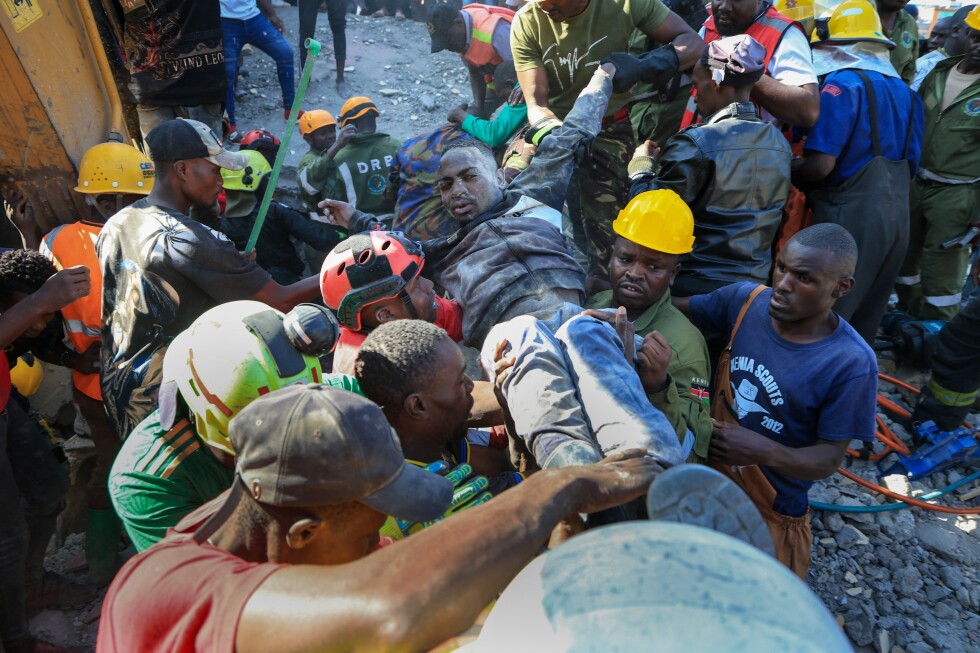
    The tragic incident occurred at an artisanal coltan mine located in the town of Rubaya, within the conflict-ridden eastern region of the DRC. According to reports from the Congolese government, a catastrophic series of landslides struck the mining site, first on Wednesday afternoon and again on Thursday morning, leading to what local authorities describe as at least 200 fatalities.

    This mining operation exists within a complex geopolitical context. Since 2021, the M23 armed group, allegedly with Rwandan support, has controlled significant portions of eastern DRC, including the Rubaya mine which they seized in April 2024. The mine represents a crucial node in global technology supply chains, producing approximately 15-30% of the world’s coltan—a vital mineral used extensively in electronics manufacturing including smartphones and laptops.

    The tragedy highlights the perilous conditions faced by thousands of artisanal miners who work with minimal safety equipment, often relying on basic tools like shovels while wearing only rubber boots for protection. Eraston Bahati Musanga, the M23-appointed governor of North Kivu province who visited the disaster site, confirmed the staggering death toll while noting that recovery efforts continue and an exact count remains uncertain.

    The UAE’s expression of sympathy aligns with its pattern of offering international condolences during global humanitarian crises, recently extending similar gestures to Kenya and Mozambique following natural disasters in those nations.

  • Three West African juntas have turned to Russia. Now the US wants to engage them

    Three West African juntas have turned to Russia. Now the US wants to engage them

    The United States has initiated a fundamental recalibration of its foreign policy toward three West African nations currently combating Islamist insurgencies. This strategic shift sees Washington prioritizing security cooperation and mineral resource interests over previously emphasized democratic governance principles.

    State Department officials confirmed that Nick Checker, head of the Bureau of African Affairs, will soon visit Bamako to formalize this new approach centered on “respect for Mali’s sovereignty.” The diplomatic mission aims to establish revised relations with Mali and its allies Burkina Faso and Niger, collectively known as the Alliance of Sahel States (AES).

    This policy transformation, increasingly evident since Donald Trump’s return to presidency twelve months ago, represents a dramatic departure from previous administrations. The Biden government had suspended military cooperation following constitutional overthrows that deposed elected civilian leaders in all three nations between 2020-2023.

    The revised American stance explicitly sidelines democracy and human rights concerns that previously dominated diplomatic engagements. Instead, Washington now emphasizes counterterrorism collaboration and economic interests, particularly regarding the region’s substantial mineral resources including gold, lithium, and uranium.

    This recalibration responds to several strategic considerations. Security apprehensions remain paramount as the Sahel region currently accounts for approximately half of global terrorism-related fatalities according to some metrics. Islamic State in the Greater Sahara (ISGS) maintains particularly strong presence in the tri-border area where Mali, Burkina Faso and Niger converge.

    Additionally, the administration seeks to counterbalance Russia’s growing influence. Moscow has deployed approximately 1,000 security contractors across the three nations, establishing itself as their primary defense partner following their rejection of French military cooperation.

    The new American approach will not involve significant troop deployments, aligning with President Trump’s campaign promises to avoid “forever wars.” Instead, support will center on intelligence sharing, potential weapons transfers, and limited training missions rather than reactivating former operational bases like the Agadez drone facility in Niger.

    This policy evolution occurs as regional dynamics continue shifting. The three military governments have withdrawn from ECOWAS, the West African regional bloc, to form their own confederation. This development has enabled remaining ECOWAS members to pursue practical security cooperation without addressing the AES nations’ internal governance standards.

  • ‘At least 200’ feared dead in massive mine landslide in DR Congo, says govt

    ‘At least 200’ feared dead in massive mine landslide in DR Congo, says govt

    A catastrophic landslide has struck a coltan mining operation in the Democratic Republic of Congo’s eastern region, resulting in what government officials fear to be at least 200 fatalities. The disaster occurred at the militia-controlled Rubaya mine in North Kivu province, an area that has been under the occupation of the M23 armed group since April 2024 with alleged support from neighboring Rwanda.

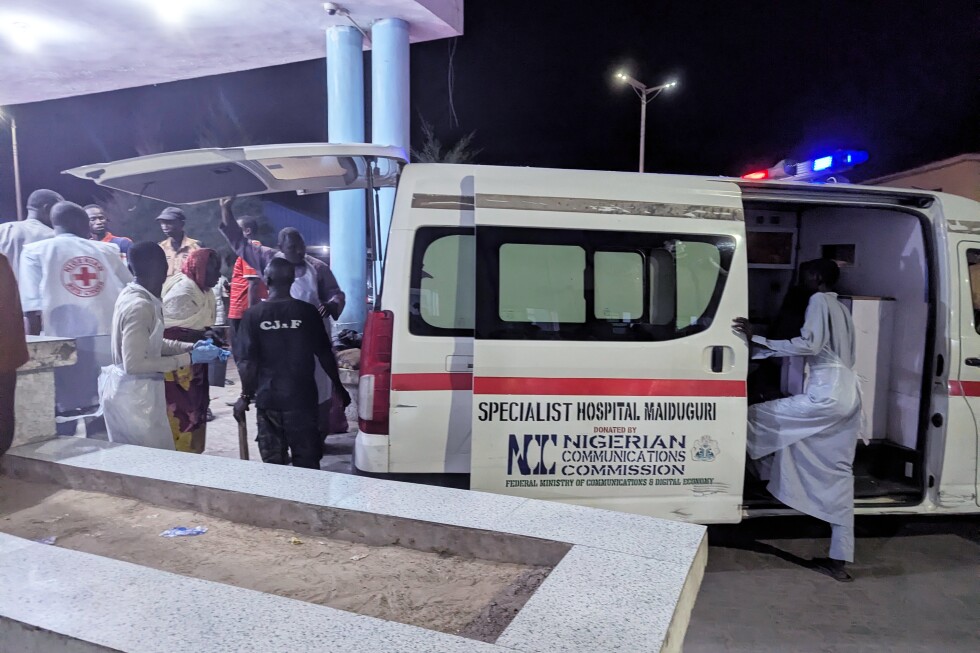
    The communications ministry expressed profound dismay in an official statement, confirming that the massive slope failure likely buried hundreds of artisanal miners who worked under perilous conditions with minimal equipment. According to information obtained by humanitarian sources, the initial collapse occurred Wednesday afternoon, followed by a secondary landslide on Thursday morning, compounding the tragedy.

    This mining facility represents a significant portion of global coltan production, responsible for 15-30% of worldwide supply. The rare mineral serves as a critical component in manufacturing electronic devices including smartphones and laptops. Despite an official mining ban implemented in February 2025, between 112 and 125 tonnes continue to be extracted monthly and routed exclusively to Rwanda, according to Congolese authorities.

    The remote location and ongoing conflict have severely hampered rescue operations and verification efforts. Phone networks remain inoperative for several days, while civil authorities evacuated when M23 forces seized control. Information emerges sporadically via motorcycle couriers navigating the volatile region, making accurate casualty assessment extremely challenging.

    United Nations experts have documented that M23 has established parallel administrative structures to regulate mine operations, generating approximately $800,000 monthly through a seven-dollar-per-kilo taxation system on coltan production and sales. Kinshasa has condemned what it describes as “armed occupation and organized looting” by Rwanda-backed militants, urging international awareness of both the human tragedy and systematic resource exploitation.

    Injured survivors have been transported to inadequately equipped local medical facilities, while recovery efforts continue under extremely difficult circumstances in this conflict-ravaged region that has endured three decades of persistent violence.

  • After Career Slam, will Alcaraz chase a clean sweep of majors this year?

    After Career Slam, will Alcaraz chase a clean sweep of majors this year?

    Carlos Alcaraz has etched his name in tennis history by capturing the Australian Open title, completing a career Grand Slam at just 22 years old. The Spanish sensation defeated Novak Djokovic in a thrilling final at Melbourne’s Rod Laver Arena, surpassing compatriot Rafael Nadal as the youngest male player to achieve this remarkable feat.

    Beneath his charismatic exterior and trademark smile lies an intensely driven competitor focused on rewriting the record books. Alcaraz’s victory over Djokovic marks his seventh major title and demonstrates his evolution into a complete player capable of winning on all surfaces. His journey to the top began in the small town of El Palmar and has been characterized by unprecedented achievements, including becoming the only player to defeat both Nadal and Djokovic consecutively at the 2022 Madrid Open.

    The newly crowned champion credits his mental toughness and never-say-die attitude as key factors in his success. This was particularly evident during his semifinal clash against Alexander Zverev, where he battled through physical discomfort and a fifth-set deficit to secure victory. ‘I just hate giving up,’ Alcaraz stated, reflecting on his competitive philosophy. ‘When I was younger there were matches I didn’t want to fight anymore, but I matured and now I hate that feeling of losing.’

    Despite his historic accomplishment, Alcaraz remains grounded about the possibility of achieving a calendar Grand Slam in 2026. ‘It’s going to be a big challenge,’ he told reporters. ‘Those are big words, to be honest. I just want to take it one tournament at a time.’ His immediate focus turns to the French Open, where he has ‘great memories’ and feels ‘really special’ every time he competes.

    Beyond Grand Slam aspirations, Alcaraz has set additional goals including completing all Masters 1000 tournaments, winning the ATP Finals, and securing Davis Cup glory for Spain. In keeping with tradition, the champion plans to commemorate his Australian Open victory with a kangaroo tattoo, joining his collection of body art that includes symbols from his previous major triumphs.

  • First passenger flight lands at Sudan’s Khartoum airport nearly 3 years into war

    First passenger flight lands at Sudan’s Khartoum airport nearly 3 years into war

    In a landmark development signaling potential progress in Sudan’s protracted conflict, a commercial passenger aircraft successfully touched down at Khartoum International Airport on Sunday, February 1, 2026. This event marks the first such arrival since April 2023, when violent hostilities between the national army and rival paramilitary factions forced the complete suspension of commercial aviation operations.

    The significant flight, operated by Sudan’s national carrier Sudan Airways, originated from Port Sudan, a Red Sea coastal city that has served as the country’s provisional administrative capital during the conflict. Sudanese aviation authorities confirmed the aircraft transported passengers upon its arrival in Khartoum, formally inaugurating the highly anticipated resumption of airport functionality after an extensive period of wartime closure.

    This aviation milestone occurs amidst a complex and ongoing military situation. Recent reports indicate continued security challenges, including a drone strike targeting the airport’s vicinity just prior to its scheduled reopening, demonstrating the fragile and volatile conditions that persist. The decision to resume commercial flights follows meticulous assessments and represents a critical step toward reestablishing essential international connections and facilitating humanitarian and economic movement.

    The resumption of air travel to the nation’s capital is interpreted by regional observers as a cautiously positive indicator, potentially reflecting negotiated security arrangements or localized de-escalation agreements between the warring parties. However, analysts emphasize that a single flight does not signify a comprehensive resolution to the broader conflict, which has resulted in severe humanitarian consequences and widespread displacement across the region.

  • Longevity and mental health: How the real biohack is a calm, resilient mind

    Longevity and mental health: How the real biohack is a calm, resilient mind

    The global wellness industry, projected to reach $610 billion by 2025, has ushered in what experts term the ‘longevity era’—a cultural shift marked by intensive biohacking, optimized nutrition regimens, and sophisticated supplement routines. However, beneath this surface of self-improvement lies a concerning psychological phenomenon: Longevity Fixation Syndrome.

    Clinical specialists at Paracelsus Recovery report increasing cases where well-intentioned health practices evolve into obsessive patterns of bodily surveillance and micromanagement. This condition, analogous to orthorexia in the eating disorder spectrum, emerges not from vanity but typically from untreated anxiety, unresolved stress, or feelings of powerlessness in other life domains.

    The fundamental paradox of this syndrome reveals itself through physiological consequences: the very stress generated by compulsive optimization negates the intended health benefits. Research indicates that depression elevates all-cause mortality risk by 60%, while serious mental illnesses correlate with reduced lifespan of 10-20 years. Similarly, chronic anxiety demonstrates strong associations with cardiovascular disease and increased mortality rates.

    Social connectivity and emotional wellbeing present powerful countermeasures. Individuals with robust social relationships experience 50% higher survival likelihood, while optimism alone correlates with lifespan extension of up to 15%. The world’s longest-lived populations consistently demonstrate strong community bonds and emotional resilience rather than obsessive health practices.

    The article concludes that sustainable longevity arises not from technological biohacking but from psychological wellbeing. True health extension requires addressing emotional distress, building meaningful relationships, and developing stress resolution capabilities—emphasizing that mental tranquility remains the ultimate biohack for physical vitality.