标签: Africa

非洲

  • Chronic water shortages dampen holiday mood in Tanzania’s biggest city

    Chronic water shortages dampen holiday mood in Tanzania’s biggest city

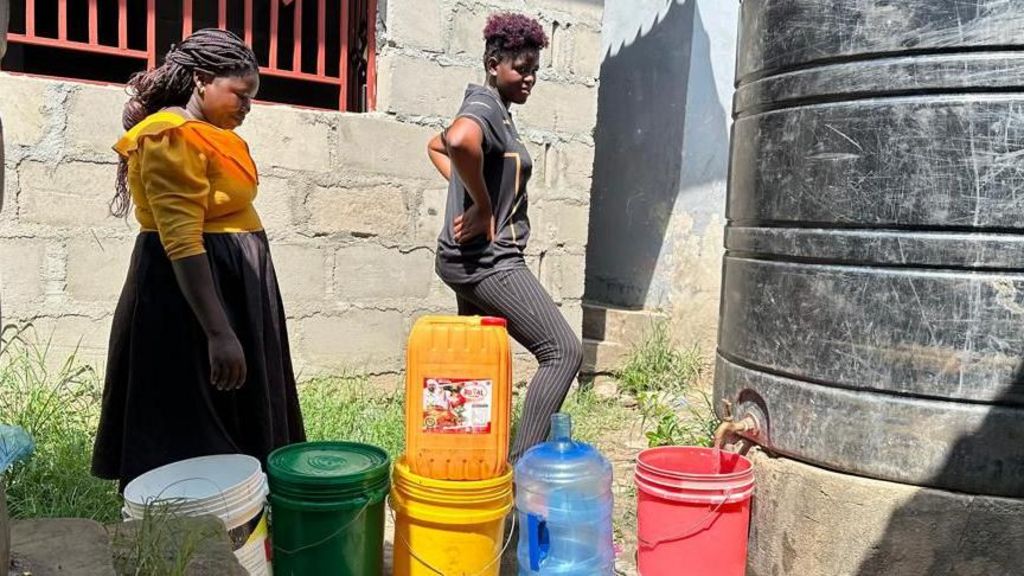
    Dar es Salaam, Tanzania’s bustling economic center with over six million residents, is grappling with an unprecedented water shortage that has cast a shadow over Christmas festivities. The city’s water distribution system has collapsed to the point where households receive water only once weekly, with some enduring weeks-long waits between supplies.

    The crisis stems from a prolonged drought following the May rainy season conclusion, drastically reducing water levels in the Ruvu River—which provides approximately 70% of the city’s drinking water. Compounding the problem are leaking distribution pipes and skyrocketing demand in one of Africa’s fastest-growing urban centers, whose population has more than doubled in two decades.

    Residents have developed coping mechanisms that include stacking plastic containers outside homes ready for deployment when taps briefly flow, typically during late nighttime hours. Many depend on private vendors who extract water from boreholes and tanks, though prices have surged from $4 to $10 per 1,000 liters—creating severe financial strain for low-income families.

    Cedric Ndosi from Madale district expresses his holiday concerns: ‘Christmas is here without tap water. We must purchase water for cooking from shops and from trucks for bathing, creating unexpected expenses where we previously allocated funds for celebrations.’

    The crisis disproportionately affects women and small businesses. Food vendors, salon operators, and car wash services have reduced operating hours or increased prices. Furaha Awadhi, a mother of two in Tegeta, confirms the price hikes have fundamentally altered household economics.

    Government officials acknowledge the severity while proposing long-term solutions. Water Minister Juma Aweso revealed plans for dam construction to aggregate freshwater from multiple sources and increased borehole drilling investments to climate-proof the city’s water supply.

    The Dar es Salaam Water and Sanitation Authority has issued apologies and conservation appeals, though critics demand improved communication, transparent rationing schedules, and accelerated infrastructure projects. As temperatures hover around 33°C (91°F), some residents like Joyce Fredrick are temporarily relocating to cooler regions with better water access, clinging to hope that next year will bring improvement to Tanzania’s parched economic capital.
  • Guinea’s junta leader is expected to win first election since 2021 coup

    Guinea’s junta leader is expected to win first election since 2021 coup

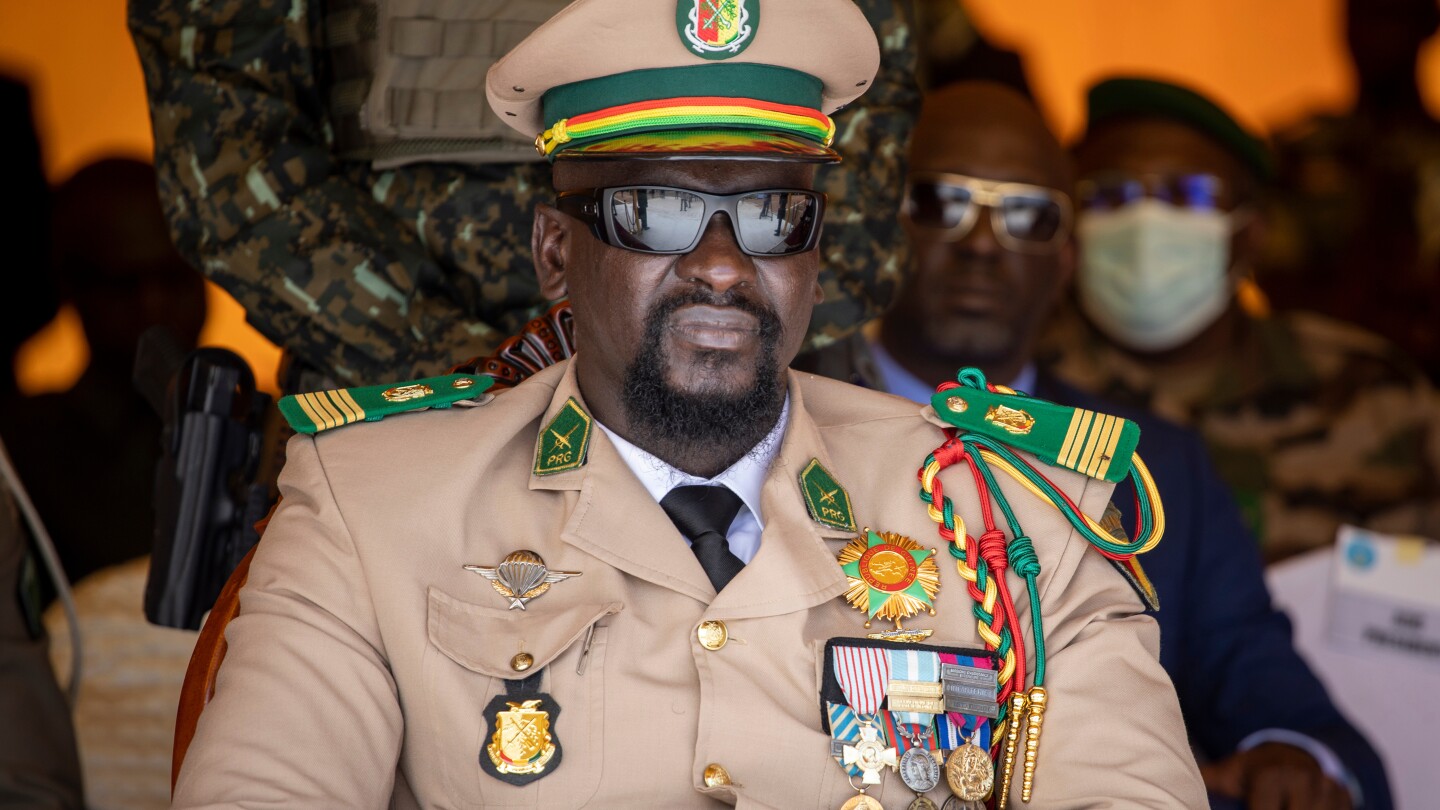
    DAKAR, Senegal — Guinea prepares for a watershed moment in its political history as citizens head to the polls Sunday for the nation’s first presidential election since the 2021 military coup. Junta leader General Mamadi Doumbouya emerges as the overwhelming favorite in an electoral process critics describe as fundamentally compromised.

    The West African nation joins a troubling regional pattern where military leaders have seized power across ten African countries since 2020, often subsequently legitimizing their rule through elections. Since overthrowing President Alpha Condé four years ago, General Doumbouya has systematically suppressed major opposition voices and dissent, creating a political landscape with no formidable challengers to his seven-year term aspirations.

    Despite Guinea’s status as the world’s leading exporter of bauxite—a crucial mineral for aluminum production—the country faces severe socioeconomic challenges. The World Food Program reports over half of Guinea’s 15 million population experiences unprecedented poverty and food insecurity levels.

    Approximately 6.7 million registered voters will cast ballots across 24,000 polling stations nationwide, with preliminary results anticipated within 48 hours. The West African regional bloc ECOWAS has deployed election observers to monitor the process.

    A significantly weakened opposition field features nine candidates, with Doumbouya’s most prominent challenger being relatively unknown figure Yero Baldé from the Democratic Front of Guinea party. Notable exclusions on technical grounds include former prime minister Lansana Kouyaté and former minister Ousmane Kaba, while established opposition leaders Cellou Dalein Diallo and Sidya Toure remain in exile.

    The election occurs under a new constitutional framework approved in a September referendum that opposition parties urged voters to boycott. This revised constitution notably eliminated the prohibition on military leaders seeking office and extended presidential mandates from five to seven years.

    Alioune Tine, founder of West African political think tank Afrikajom Center, expressed skepticism: “This is an election excluding principal opposition leaders occurring within a heavily restricted civic space. The vote primarily serves to legitimize Doumbouya’s consolidation of power.”

    This sentiment resonates with citizens like Conakry restaurant owner Mamadou Bhoye Diallo, who dismissed the election as a “farce” and questioned the integrity of a process where “a candidate simultaneously serves as referee.”

    Human rights organizations document concerning patterns since the coup, including silenced civil society leaders, abducted critics, and press censorship. Authorities previously dissolved over 50 political parties in what they described as “cleaning up the political chessboard” despite widespread condemnation.

    Nevertheless, Doumbouya maintains substantial popular support, particularly among citizens who endorse his vision for national prosperity. His campaign emphasizes infrastructure developments and reforms implemented during his four-year tenure, including digital skills training programs that have resonated with younger voters.

    The junta’s showcase project is the Simandou mining operation—the world’s largest iron ore deposit, 75% Chinese-owned—which commenced production last month after decades of delays. Authorities position this mega-project as an economic transformation cornerstone, with an associated national development plan promising tens of thousands of jobs across agriculture, education, transport, technology, and healthcare sectors.

    Doumbouya’s campaign has dominated Guinea’s political landscape through massive rallies and extensive media coverage, with state media and administrative resources providing him decisive advantages over underfunded rivals.

  • Afcon ‘bringing hope’ to Sudan amid civil war

    Afcon ‘bringing hope’ to Sudan amid civil war

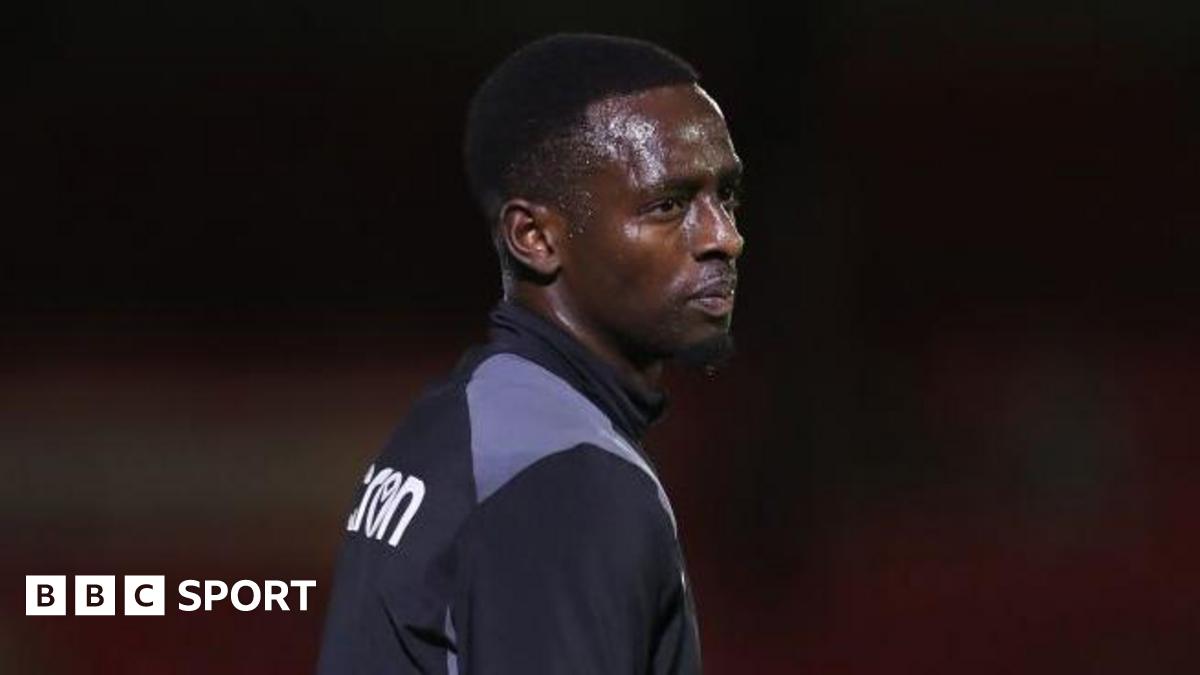
    Amid what the United Nations identifies as the world’s most severe humanitarian catastrophe, Sudan’s national football team has emerged as an unexpected symbol of national unity and hope. Forward Abobaker Eisa, currently playing for Thai club Chonburi after stints with English Football League teams, reveals how Sudan’s qualification for the Africa Cup of Nations provides temporary solace for a nation torn apart by conflict.

    The ongoing civil war, triggered by a violent power struggle between the national army and paramilitary Rapid Support Forces in April 2023, has resulted in catastrophic consequences: over 150,000 fatalities, more than 12 million displaced persons, widespread famine, and reported genocide in Darfur. This devastating context forced Sudan to play all their qualifying matches on foreign soil, making their Afcon qualification—only their fourth since 1976—particularly remarkable.

    Eisa emphasizes the transformative power of football during these dark times: ‘There’s not a lot of smiles at the minute, so we’re trying to use football as a way to get people’s minds off the war. Even qualifying for Afcon and having fans cheer us on—the fact that we’re there is already bringing hope.’

    The team’s preparation reflects the nation’s displacement crisis. Even players from Sudanese clubs Al-Hilal and Al-Merrikh now train abroad due to security concerns, with teams relocating first to Mauritania and subsequently to Rwanda.

    Despite physical distance, the conflict remains emotionally present for players. Eisa acknowledges the complex emotional dynamic: ‘It’s difficult to block the war out. Some people’s families are still there, many have been affected.’ This awareness creates both despair and determination, with players discussing how to assist through donations while recognizing their limitations.

    As the 1970 champions prepare to face Algeria, Equatorial Guinea, and Burkina Faso in the group stage, Eisa confirms every match represents a ‘big deal’ for Sudanese citizens seeking distraction from suffering. His concluding message encapsulates the team’s mission: ‘As long as we go out there and fight for what’s ours, I think everyone will be happy.’

  • Libya’s top military chief, four other officials killed in plane crash in Turkey

    Libya’s top military chief, four other officials killed in plane crash in Turkey

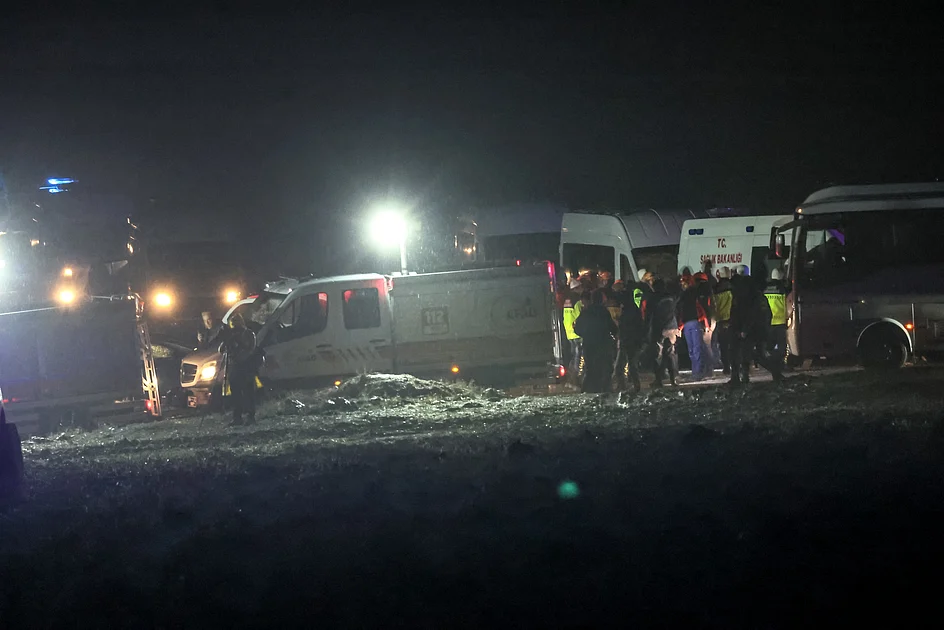
    In a devastating aviation disaster, Libya’s highest-ranking military officer Lieutenant General Mohammed al-Haddad and seven others were killed when their business jet crashed near Ankara on Tuesday evening. The Falcon 50 aircraft, carrying four senior Libyan officials and three crew members, went down approximately 45 miles from the Turkish capital following reported electrical failure.

    The tragedy unfolded shortly after the delegation’s diplomatic meetings with Turkish defense leadership. Turkish Interior Minister Ali Yerlikaya confirmed the aircraft departed Esenboga airport at 17:10 GMT and lost contact 42 minutes into the flight. According to official statements, the pilots reported critical electrical system malfunction 16 minutes after takeoff and requested emergency landing procedures before communications terminated abruptly.

    Eyewitnesses near the crash site in Haymana district described a massive explosion illuminating the night sky. “I heard a tremendous explosion sound—it resembled a detonating bomb,” recounted local resident Burhan Cicek to AFP correspondents. Turkish security forces rapidly located the wreckage and initiated comprehensive investigation procedures under the Ankara chief prosecutor’s supervision.

    The deceased delegation included Major General Al-Fitouri Ghraibil, Major General Mohammed Jumaa, and senior advisor Mohammed Al-Assawi, representing devastating losses to Libya’s military leadership structure. Libyan Prime Minister Abdulhamid Dbeibah expressed profound grief on social media, acknowledging the immense tragedy for the nation’s armed forces.

    This catastrophe occurs amid Libya’s protracted political division between the UN-recognized government in Tripoli and Khalifa Haftar’s eastern administration. Turkey maintains significant military and economic ties with the Tripoli government while recently engaging in diplomatic overtures to eastern factions, highlighting the complex geopolitical landscape surrounding this incident.

  • Gold tops $4,500 for first time on rate cut bets, geopolitics

    Gold tops $4,500 for first time on rate cut bets, geopolitics

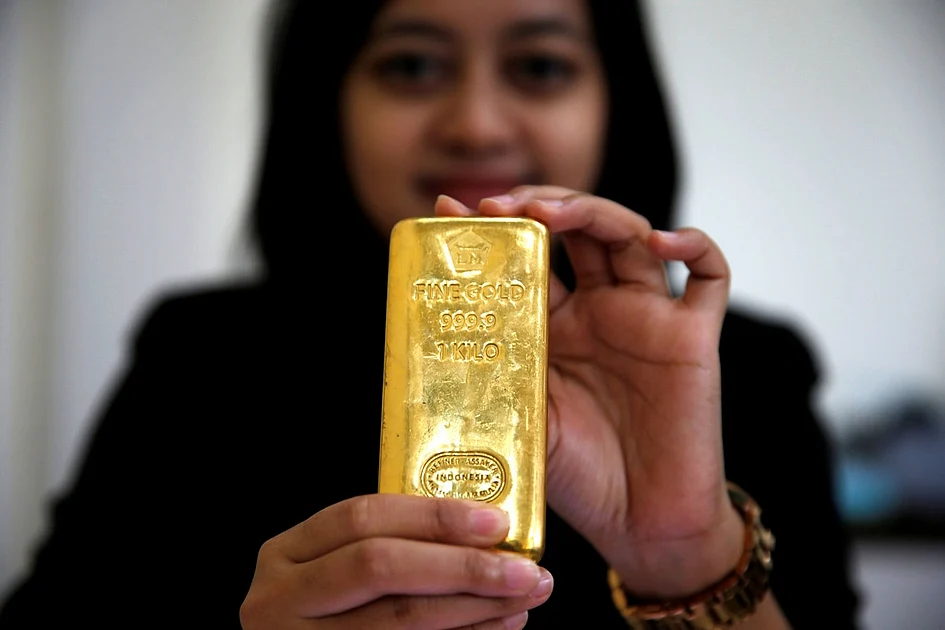
    In a historic market movement, gold prices shattered the $4,500 barrier during Asian trading hours on Wednesday, December 24, 2025, establishing a new peak at $4,519.78 per ounce. This landmark achievement extends a powerful rally that has propelled the precious metal’s value by over 70 percent since the commencement of 2025, marking one of its most robust annual performances.

    The unprecedented surge is primarily driven by a confluence of two major factors. Firstly, growing market optimism surrounds the anticipated continuation of interest rate cuts by the U.S. Federal Reserve in the coming year. Lower interest rates diminish the opportunity cost of holding non-yielding assets like gold, thereby enhancing its appeal to investors seeking value storage. Secondly, escalating geopolitical friction, particularly a notable flare-up in tensions between the United States and Venezuela, has triggered a classic flight to safety. Investors traditionally flock to gold during periods of global uncertainty, reinforcing its status as a premier safe-haven asset.

    This record-breaking performance underscores a significant shift in investor sentiment and strategic portfolio allocation. Analysts are monitoring whether this momentum can be sustained, viewing the $4,500 level as a critical psychological and technical threshold. The event signals deep-seated expectations for a softer U.S. monetary policy and reflects ongoing nervousness within global markets regarding political instability.

  • Mozambique target historic first Afcon win in Morocco

    Mozambique target historic first Afcon win in Morocco

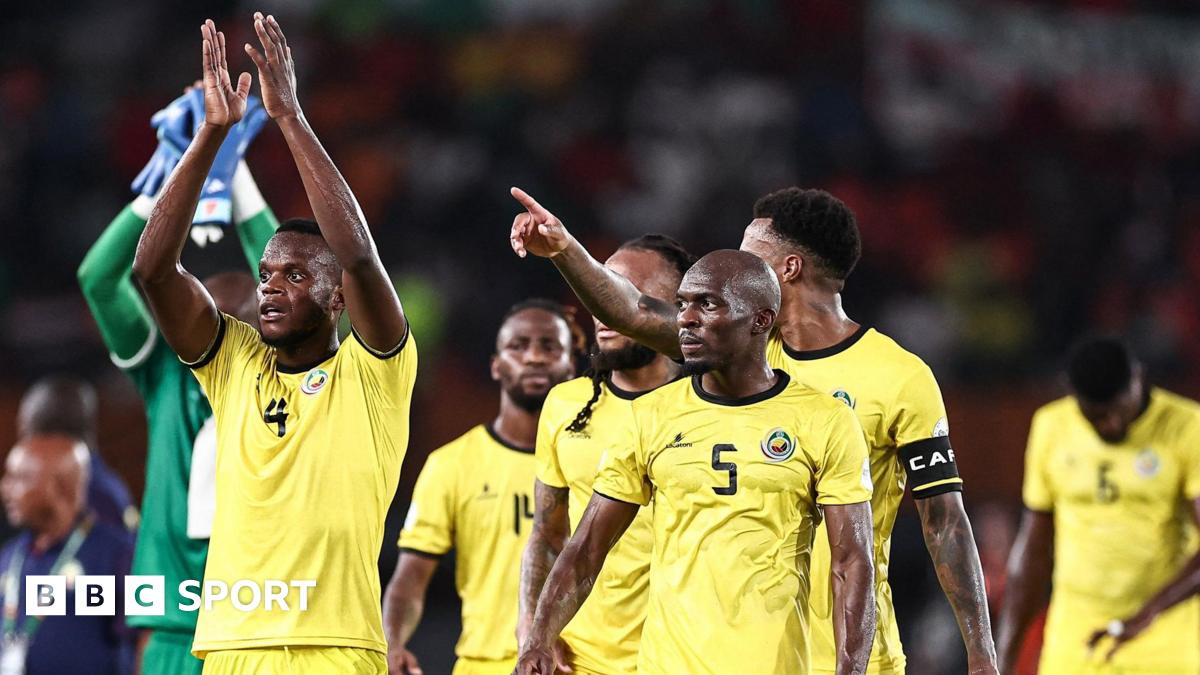
    Mozambique’s national football team approaches the 2025 Africa Cup of Nations with unprecedented optimism despite being drawn in the tournament’s most challenging group. Former international star Manuel ‘Tico Tico’ Bucuane reveals the growing belief within the squad that they can achieve their first-ever knockout stage appearance.

    The Mambas face formidable opponents in Group F, including defending champions Ivory Coast, five-time winners Cameroon, and Gabon led by superstar Pierre-Emerick Aubameyang. This daunting challenge comes despite Mozambique’s historical struggles at the continental showcase—having never advanced beyond the group stage in five previous attempts and still seeking their first victory after 15 matches (5 draws, 10 losses).

    Bucuane, who scored Mozambique’s inaugural Afcon goal in 1996, emphasizes the significance of qualification itself: “Mozambique doesn’t always play at this level so whenever the team qualifies, it’s a big achievement for the country.” The retired striker notes substantial progress under coach Chiquinho Conde, who took charge in October 2021, particularly through strategic naturalization of players from diverse football environments.

    A transformative factor in Mozambique’s development has been the breakthrough of players in elite European competitions. Left-back Reinildo made history as the first Mozambican Premier League player with his Sunderland debut in August following a transfer from Atletico Madrid. Meanwhile, defender Bruno Langa (Pafos) and forward Geny Catamo (Sporting CP) have gained valuable Champions League experience this season.

    “Reinildo playing in the Premier League is a huge thing for the country,” Bucuane stated. “He’s really carrying the Mozambique flag and opening that door in England. All that experience these players are gaining they’re bringing back to the national team.”

    The team’s recent performances have fueled optimism, including holding African powerhouses Egypt and Ghana to draws during the 2023 edition. This marked the first time Mozambique achieved back-to-back Afcon qualifications since 1998, demonstrating consistent progress in their football development.

    Bucuane, whose iconic 1996 goal remains etched in national memory, emphasizes football’s social significance: “Mozambique goes through a lot of challenges socially and football is the light that comes to shine on the people. We’re all behind the team and looking forward to our first Afcon victory.”

    The Mambas begin their campaign against Ivory Coast on December 25th, followed by matches against Gabon (December 28th) and Cameroon (December 31st), carrying the hopes of a nation eager to rewrite its football history.

  • What to know about the Central African Republic ahead of its election

    What to know about the Central African Republic ahead of its election

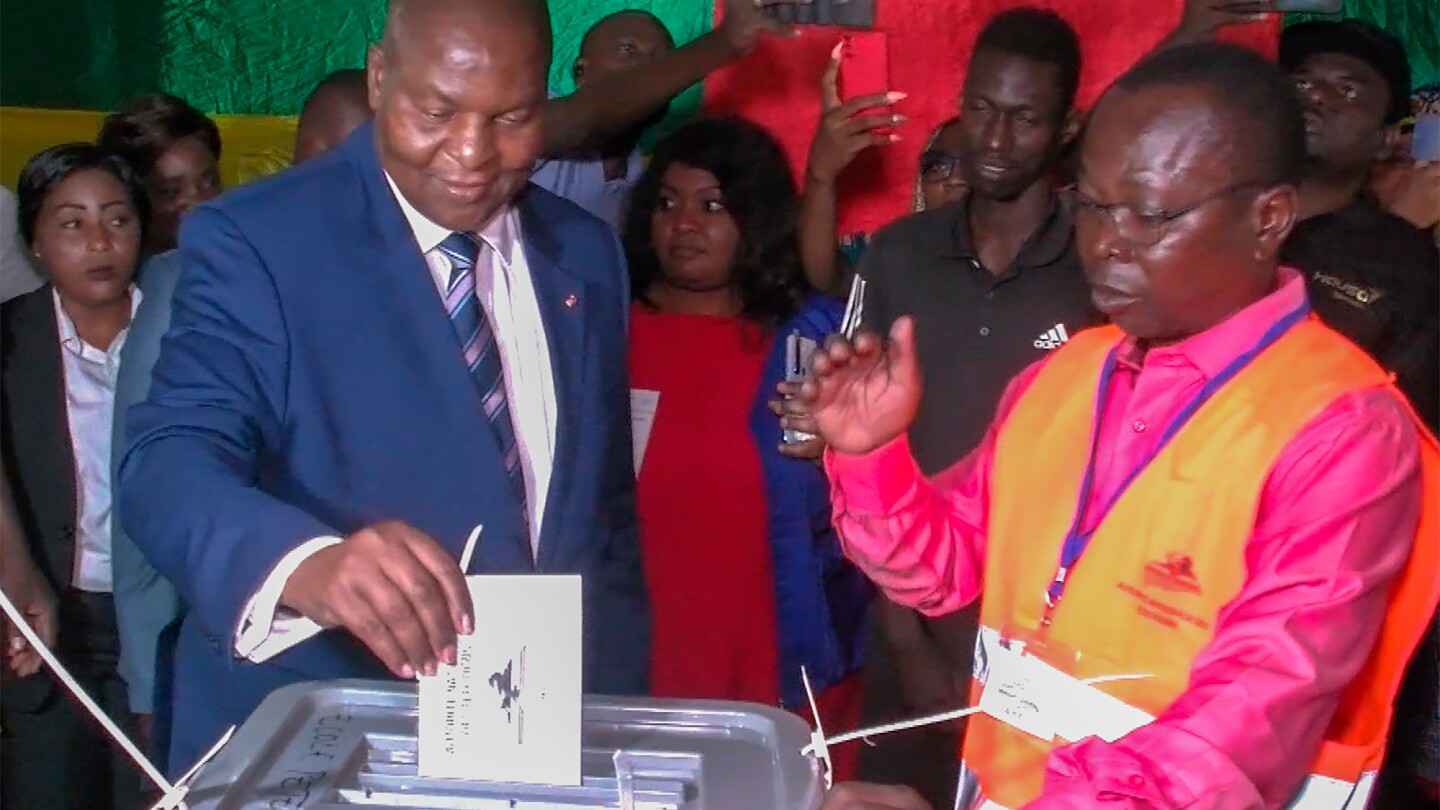
    The Central African Republic prepares for critical presidential and legislative elections on December 28th, unfolding against a complex backdrop of security realignments and political controversies. President Faustin Archange Touadéra, who has held power since 2016, stands as the probable victor following a constitutional referendum that eliminated presidential term limits in 2023.

    The electoral process occurs amid escalating tensions between CAR and its primary security partner, Russia. Moscow has pressured Bangui to replace the Wagner Group mercenary force with its newly established Africa Corps military unit. This demand has created diplomatic friction, as CAR officials reportedly prefer Wagner’s effectiveness and their mineral-based payment arrangement over cash transactions preferred by the Russian government.

    Security conditions show paradoxical improvements despite persistent challenges. Human Rights Watch acknowledges that recent peace agreements with armed groups have created unprecedented stability, bolstered by UN peacekeeping forces (MINUSCA), Rwandan special forces, and Russian security contractors. The 17,000-strong MINUSCA contingent will provide election security despite planned reductions due to budget constraints.

    Electoral integrity faces serious questions as the main opposition coalition announces a boycott, citing an uneven political landscape. Administrative obstacles previously barred prominent candidates Anicet Georges Dologuélé and Henri-Marie Dondra until their late November reinstatement by the Constitutional Council. Human Rights Watch has documented incomplete voter registries and insufficiently trained polling staff, particularly in rural areas.

    Regional dynamics further complicate the political landscape. Rwanda maintains significant military influence through both UN participation and bilateral agreements that grant Kigali access to CAR’s agricultural and mineral resources in exchange for security support. This arrangement reflects Rwanda’s strategy of securing alternative mineral sources amid tensions with the Democratic Republic of Congo over alleged support for M23 rebels.

    Analysts predict the opposition boycott and limited campaign period will likely ensure Touadéra’s victory and continued dominance by his ruling party, raising questions about the election’s democratic legitimacy amid CAR’s delicate security balance.

  • An alleged drug cartel and a murdered witness: South Africa’s police corruption probe

    An alleged drug cartel and a murdered witness: South Africa’s police corruption probe

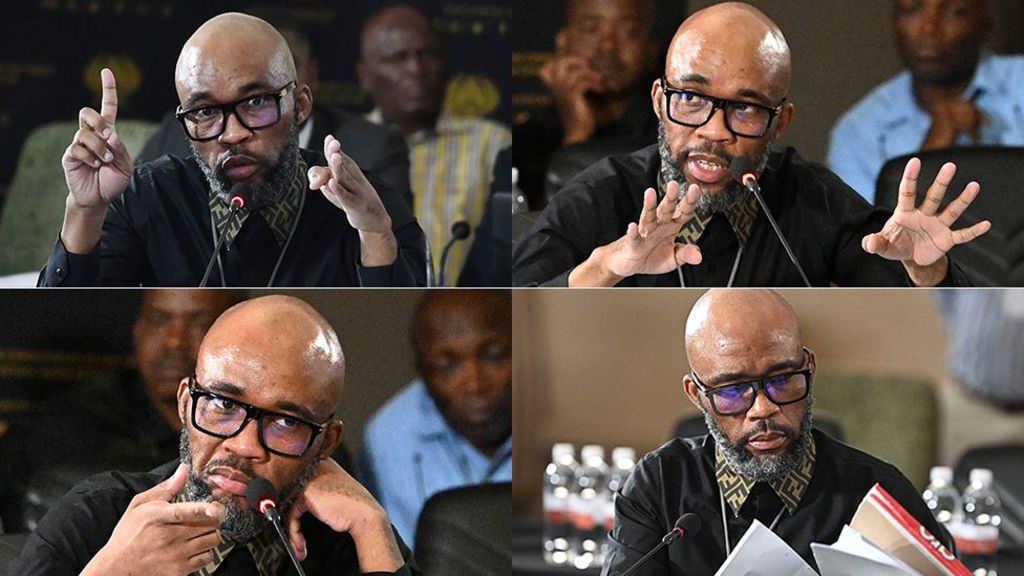
    South Africa faces a profound institutional crisis as parallel investigations reveal alarming evidence of criminal cartels infiltrating the highest levels of law enforcement and government. The suspension of Police Minister Senzo Mchunu—a senior African National Congress (ANC) figure and presidential ally—marks a critical juncture in President Cyril Ramaphosa’s response to systemic corruption allegations within the police force.

    The crisis emerged dramatically in July when KwaZulu-Natal police chief Lt-Gen Nhlanhla Mkhwanazi publicly alleged that organized crime groups had penetrated government structures. His testimony directly implicated Minister Mchunu, claiming he maintained ties to crime kingpins and had deliberately dismantled an elite unit investigating political murders. These assertions triggered two separate inquiries: the Madlanga Commission, headed by retired Constitutional Court judge Mbuyiseli Madlanga, and a parliamentary investigation in Cape Town.

    Testimony before these commissions has unveiled a sophisticated criminal network dubbed ‘the Big Five,’ allegedly operating a multinational narcotics empire while engaging in contract killings, cross-border hijackings, and kidnappings. Police crime intelligence commander Lt-Gen Dumisani Khumalo testified that this cartel had ‘penetrated the political sphere’ and could manipulate investigations, suppress evidence, and obstruct legal proceedings through connections within the criminal justice system.

    Central to the allegations is controversial businessman Vusimusi ‘Cat’ Matlala, currently facing 25 criminal charges including attempted murder. Witnesses allege Matlala provided financial support for Mchunu’s political ambitions, though both men deny any wrongdoing. Matlala’s testimony before parliament revealed astonishing details about relationships with current and former ministers, including claims that ex-Police Minister Bheki Cele demanded a 1 million rand ‘facilitation fee’ to prevent police harassment—allegations Cele denies while admitting to accepting ‘freebie’ stays at Matlala’s penthouse.

    The investigations turned deadly in early December when Marius van der Merwe, a witness who had implicated police officials in torture and extrajudicial killings, was murdered in full view of his family weeks after testifying. His killing highlights the extreme dangers facing whistleblowers in South Africa, where Human Rights Watch documents frequent retaliation against those exposing corruption.

    President Ramaphosa now holds an interim report from the Madlanga Commission, though his spokesperson Vincent Magwenya states it won’t be made public until finalized next year. The commission operates in three phases: allegation presentation, response from implicated officials, and witness recall for clarification. With both inquiries continuing into 2026, South Africans await answers about whether their government can effectively address what Gen Mkhwanazi described as ‘terrorism’—criminal elements seeking to control government not through ballots but through illicit means.

  • Premier League: Penalty king Jimenez strikes for Fulham to sink Forest

    Premier League: Penalty king Jimenez strikes for Fulham to sink Forest

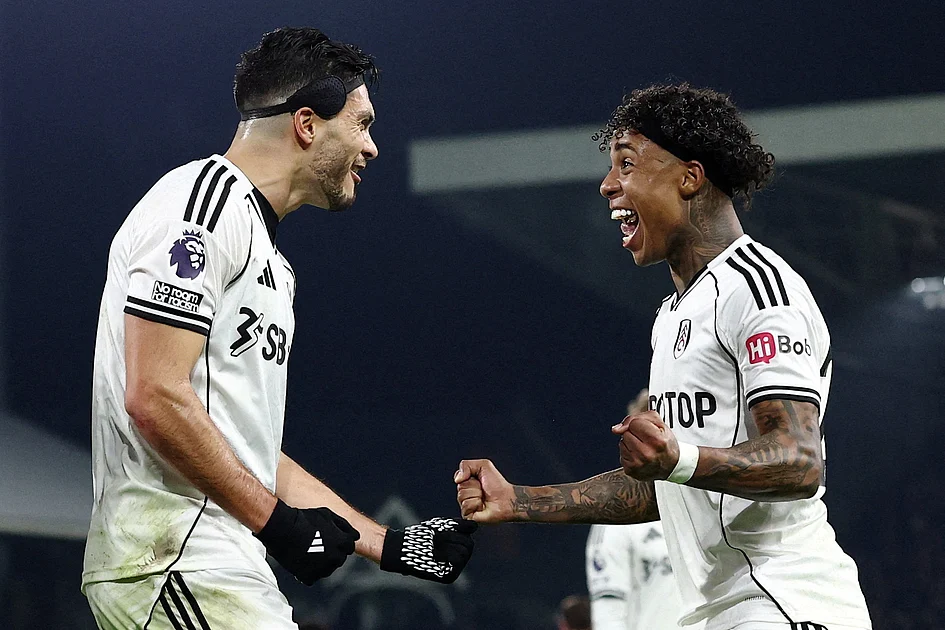
    Fulham Football Club secured a crucial 1-0 victory against Nottingham Forest in Monday’s Premier League clash at Craven Cottage, significantly altering the relegation landscape. Mexican striker Raul Jimenez proved the difference-maker, converting a first-half penalty to maintain his impeccable record from the spot in England’s top flight.

    The match represented a classic six-pointer between teams positioned near the bottom of the table. Marco Silva’s Fulham entered the contest merely two points above their opponents, but Jimenez’s clinical finish in stoppage time of the opening half propelled them to a more comfortable position in the standings.

    Forest, despite arriving with momentum from six wins in their previous eight matches across all competitions—including a impressive 3-0 triumph over Tottenham—failed to replicate their recent form. Manager Sean Dyche lamented his team’s lack of cutting edge, noting their inability to convert opportunities into meaningful threats on goal.

    The game’s decisive moment arrived when Douglas Luiz fouled Fulham’s Kevin in the penalty area deep into first-half added time. Jimenez stepped up and calmly dispatched the spot-kick, marking his 11th successful penalty from 11 attempts in Premier League competition, sending goalkeeper John Victor the wrong way.

    Forest created several opportunities to equalize, particularly through Brazilian striker Igor Jesus who wasted two first-half chances and saw a second-half chip drift just over the crossbar. Additional efforts from Murillo and Morgan Gibbs-White tested Fulham’s defense but ultimately failed to beat goalkeeper Bernd Leno.

    The victory provides Fulham with consecutive league wins following their triumph over Burnley, despite missing several key players including Samuel Chukwueze, Alex Iwobi, and Calvin Bassey who are representing Nigeria at the Africa Cup of Nations.

  • Africa Cup of Nations: Salah, Foster take Egypt and South Africa to Group B summit

    Africa Cup of Nations: Salah, Foster take Egypt and South Africa to Group B summit

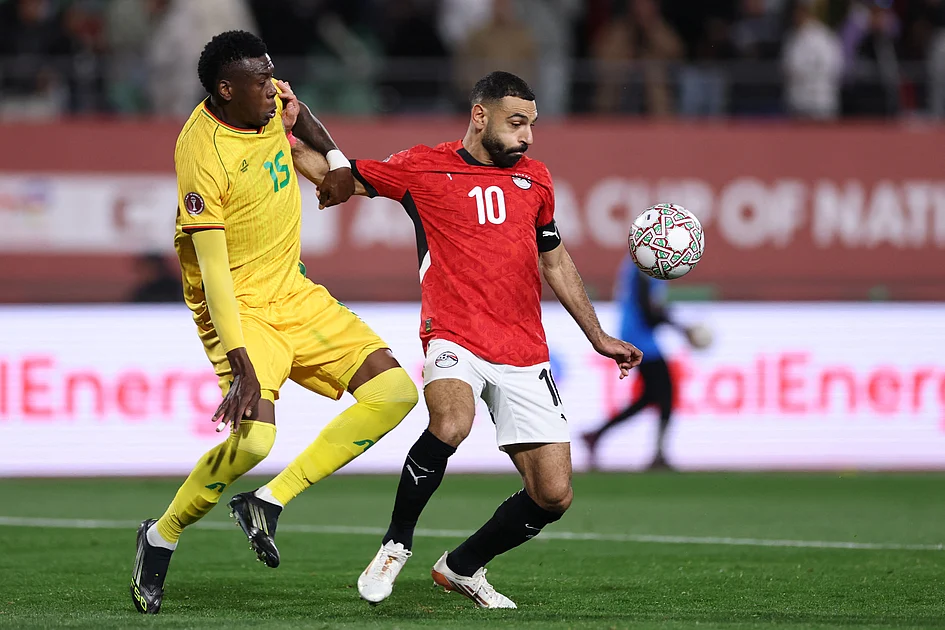
    The Africa Cup of Nations witnessed thrilling opening encounters in Group B as continental heavyweights Egypt and South Africa emerged victorious in hard-fought matches on Monday. In a dramatic conclusion in Agadir, Egypt’s Mohamed Salah delivered a decisive blow deep into stoppage time, securing a 2-1 comeback victory against a resilient Zimbabwe. The Pharaohs found themselves trailing after Prince Dube’s 20th-minute opener but equalized through Manchester City’s Omar Marmoush in the 63rd minute before Salah’s last-gasp heroics.

    Simultaneously in Marrakesh, South Africa ended their longstanding opening-match jinx with a 2-1 triumph over Angola. Burnley striker Lyle Foster became the match-winner with his 79th-minute strike, capitalizing on South Africa’s second-half dominance. The 2024 bronze medalists had taken an early lead through Oswin Appollis before Angola’s Show leveled the scoreline. The victory marked South Africa’s first opening match win since 2006, setting up a crucial top-of-the-table clash against Egypt on Friday.

    In Group A action, Mali experienced late disappointment as they conceded a stoppage-time equalizer to Zambia in Casablanca, settling for a 1-1 draw. Lassina Sinayoko’s 61st-minute opener was canceled out by Patson Daka’s dramatic header in added time. Mali coach Tom Saintfiet described the result as ‘very painful,’ particularly after El Bilal Toure had missed a first-half penalty. The result leaves hosts Morocco atop Group A with three points following their opening victory against Comoros.