标签: Africa

非洲

  • UAE: This new AI system can predict heart disease risks up to 12 years in advance

    UAE: This new AI system can predict heart disease risks up to 12 years in advance

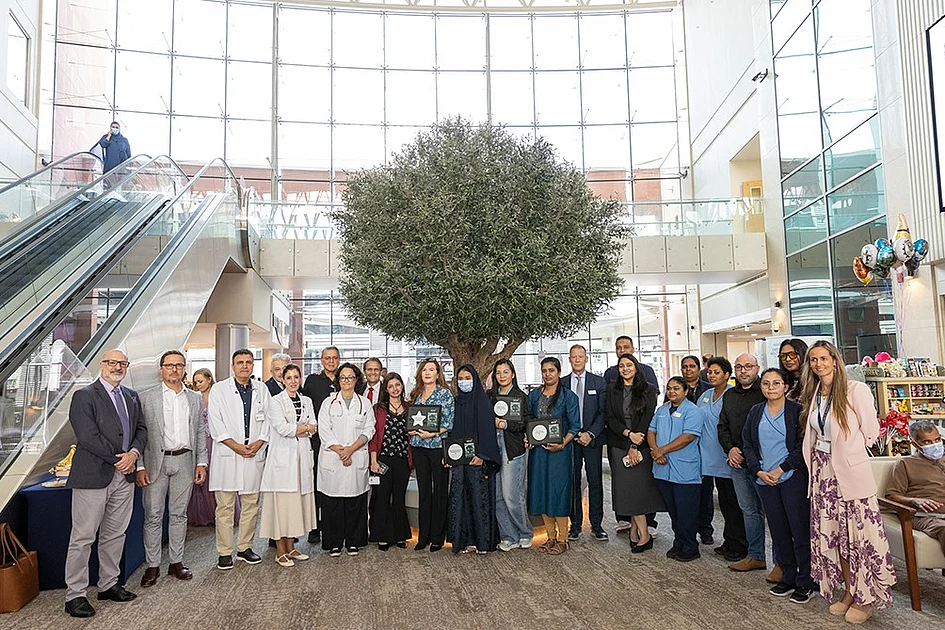
    Researchers at Mohamed bin Zayed University of Artificial Intelligence have developed a groundbreaking artificial intelligence system capable of predicting cardiovascular mortality risks up to twelve years before symptoms manifest. The innovative technology, named GluFormer, leverages continuous glucose monitoring data to identify subtle metabolic patterns that conventional blood tests consistently overlook.

    Published in the prestigious journal Nature, the study co-led by Professor Eran Segal demonstrates how wearable glucose monitors—typically utilized by diabetes patients—can uncover hidden health dangers years before clinical signs emerge. The AI model analyzed over 10 million glucose measurements collected from 10,812 participants, most without diabetes, tracking readings at 15-minute intervals to capture comprehensive metabolic patterns.

    GluFormer achieved remarkable predictive accuracy, identifying 69% of cardiovascular deaths within its highest-risk category while recording zero fatalities in the lowest-risk group during the study period. ‘Traditional blood tests act like a single still frame,’ Professor Segal explained. ‘GluFormer analyzes the entire feature film of your metabolic life.’

    The research holds particular significance for the UAE, where recent reports indicate approximately 40% of both adults and children face obesity-related health challenges, contributing to increased prevalence of diabetes, heart disease, and cancer.

    The AI system functions by detecting ‘risk trajectories’—patterns revealing how the body manages energy during daily activities, including post-meal responses and sleep metabolism. Rather than focusing on isolated readings, GluFormer assesses continuous glucose dynamics to generate personalized risk forecasts. Surprisingly, 40% of participants classified as ‘normal’ through traditional fasting glucose tests exhibited patterns consistent with prediabetes when monitored continuously.

    For predictive purposes, participants only required 10-14 days of continuous glucose monitoring. In comparative assessments, GluFormer outperformed HbA1c—the current clinical standard—by identifying 66% of future diabetes cases among prediabetic individuals. Beyond cardiovascular risk, the model successfully forecasted indicators related to visceral fat accumulation, kidney function, liver health, and lipid profiles years in advance.

    An enhanced version incorporating dietary data alongside glucose readings demonstrated improved prediction accuracy for over 90% of participants regarding eating patterns. The long-term vision involves creating a ‘digital twin’ of individual metabolism—a virtual model simulating how lifestyle modifications might influence future health outcomes.

    While the scientific validation is complete, Professor Segal notes that widespread clinical implementation requires additional trials and healthcare infrastructure upgrades to manage continuous data streams. Given UAE’s direct involvement in this pioneering research, local institutions are optimally positioned to participate in subsequent validation studies as predictive medicine advances toward practical application.

  • UAE’s mobility planning needs to keep up with urban growth, Al-Futtaim study shows

    UAE’s mobility planning needs to keep up with urban growth, Al-Futtaim study shows

    A comprehensive analysis by Al-Futtaim reveals a critical disconnect between urban development and transportation systems across rapidly growing UAE communities. The white paper ‘Rethinking Urbanisation and Mobility in the GCC’ demonstrates how accelerated urban densification is creating accessibility challenges even in otherwise sustainable neighborhoods.

    According to Ellora-Julie Parekh, Chief Sustainability Officer at Al-Futtaim, current planning approaches remain fragmented. “Decision-making occurs in community-level silos with mobility considerations treated as an afterthought,” Parekh explained. This methodology has resulted in practical difficulties with ingress and egress from otherwise well-designed communities.

    The research incorporated survey data from 2,000 UAE residents which revealed unanimous concern about traffic congestion as the primary urban challenge. While preferences for liveability factors varied by nationality—ranging from affordability to safety and green spaces—congestion emerged as the universal priority. Despite these concerns, only 33% of respondents currently utilize public transportation, with 30% citing lack of availability in their areas.

    The study identifies significant momentum toward green mobility transitions, with 24% of car buyers intending to purchase new energy vehicles within two years. However, charging infrastructure remains the principal barrier to electric vehicle adoption, surpassing range anxiety concerns. Parekh compared the current charging situation to early broadband development, emphasizing that “ubiquitous charging requires collaboration between private sector and government.

    Looking forward, the report advocates for integrated planning utilizing digital modeling and AI technologies. “Cities can now create digital twins of future spaces to test scenarios before construction,” Parekh noted, highlighting how predictive analytics could prevent costly retrofits and improve coordination between urban development and transportation systems.

  • Nigerian imam honoured for saving Christian lives dies aged 90

    Nigerian imam honoured for saving Christian lives dies aged 90

    Imam Abubakar Abdullahi, the Nigerian cleric internationally acclaimed for his heroic actions during sectarian violence, has passed away at age 90. His son confirmed to BBC Hausa that Abdullahi died Thursday night while receiving hospital treatment for a heart condition.

    The imam earned global recognition for his courageous intervention during the 2018 Plateau state violence in central Nigeria. When armed attackers targeted predominantly Christian communities, Abdullahi witnessed terrified families fleeing toward his Muslim-majority village and made the instantaneous decision to provide sanctuary.

    Defying grave personal risk, the religious leader sheltered 262 people across his personal residence and mosque. When the armed assailants—suspected to be Muslim cattle herders—demanded he surrender those seeking refuge, Abdullahi refused without hesitation. Instead, he and other Muslim community members employed emotional appeals, weeping and pleading until the attackers eventually withdrew, though not before burning two nearby churches.

    This act of bravery occurred within the broader context of Nigeria’s persistent farmer-herder conflicts, primarily between Muslim Fulani herders and Christian Berom farmers competing over land and grazing rights. The violence continues to plague the central region, with US officials previously criticizing Nigeria’s protection of religious minorities—a claim Nigerian authorities contest.

    Abdullahi’s moral conviction was summarized in his own words: ‘God created mankind differently, but he wants us to live together in peace and harmony, and not harm each other.’

    His legacy received significant official recognition, including one of Nigeria’s highest national honors from then-President Muhammadu Buhari in 2022 and the International Religious Freedom Award from the US State Department in 2019. Plateau State Governor Caleb Mutfwang described Abdullahi’s passing as a ‘monumental loss,’ praising his ‘unwavering commitment to peace, unity, and the protection of the vulnerable.’

  • Libya to try a gang member linked to a mass grave of 21 migrants for human trafficking

    Libya to try a gang member linked to a mass grave of 21 migrants for human trafficking

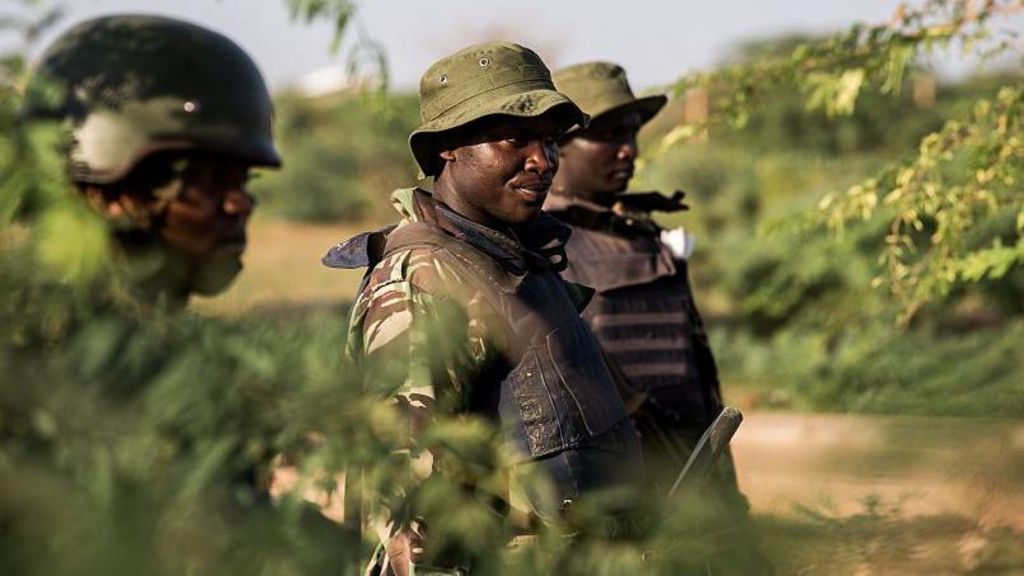
    Libyan authorities have initiated judicial proceedings against a criminal network member implicated in human trafficking operations, following the grim discovery of a mass grave containing 21 migrants. The Attorney General’s office announced the referral to court on Friday via an official Facebook statement, revealing evidence of organized illegal migration activities centered in al-Kufra (southeastern Libya) and Ajdabiya (eastern Libya).

    The investigation uncovered that the criminal organization had detained 195 migrants under torturous conditions to extort ransom payments from families. While one suspect remains in custody, manhunts continue for additional gang members. The statement deliberately withheld identifying information about the criminal network.

    Libya’s strategic position as a primary migration corridor has intensified since the 2011 civil war that ousted dictator Moammar Gadhafi, creating power vacuums exploited by trafficking syndicates. The country remains fractured between rival eastern and western administrations—Prime Minister Ossama Hammad governing the east and Prime Minister Abdul-Hamid Dbeibah leading the western Tripoli-based government—both supported by armed factions and international allies.

    Forensic analysis continues to determine the circumstances and timeline of the 21 deaths. Officially released images depict victims wrapped in black plastic bags with partial soil coverage, though independent verification remains pending.

    This case emerges amid escalating migrant tragedies in the Central Mediterranean. Recent data from the International Organization for Migration’s Missing Migrants Project indicates over 1,000 deaths since January 2025, including 500+ disappearances off Libya’s coast. A separate capsizing incident alone claimed至少 42 lives, highlighting the extreme perils faced by those attempting sea crossings to Europe.

  • Dubai: Gang of five to stand trial over Dh3-million office robbery

    Dubai: Gang of five to stand trial over Dh3-million office robbery

    Dubai judicial authorities have initiated criminal proceedings against an organized criminal network allegedly responsible for a meticulously planned office robbery amounting to approximately 3 million UAE dirhams ($816,000). The sophisticated operation targeted a trading company situated within a commercial high-rise in Deira, marking one of the most significant commercial theft cases recently handled by Dubai law enforcement.

    According to official court documentation, the criminal investigation commenced following an emergency alert received by Dubai Police regarding an active robbery incident. Specialized patrol units and forensic investigation teams were immediately dispatched to secure the crime scene and initiate evidence collection procedures.

    Investigative findings reveal that the perpetrators specifically targeted a Turkish national who was conducting business alone within the office premises. Surveillance footage obtained from the commercial tower captured the moment the victim responded to a door inquiry, subsequently being confronted by multiple individuals who forcibly accessed the premises. The assailants proceeded to extract a substantial sum of cash from the company’s secure storage facility before making their escape.

    Through comprehensive digital forensic analysis and coordinated international investigative techniques, authorities identified five primary suspects originating from Eastern European nations. The criminal network demonstrated advanced operational coordination both preceding and following the commission of the offense. Current investigations indicate three suspects remain in custody while two accomplices have reportedly fled UAE jurisdiction.

    Notably, Dubai law enforcement successfully intercepted and recovered approximately 300,000 dirhams ($81,600) of the stolen funds, which have been formally seized and deposited with the Public Prosecution as material evidence. The arrested individuals now face multiple criminal charges including organized robbery, illegal confinement, and handling criminal proceeds. Judicial authorities continue collaborative investigations with international law enforcement agencies to facilitate the apprehension of remaining suspects and complete legal proceedings.

  • Mashriq Elite set to deliver over 1,200 residential units in two years

    Mashriq Elite set to deliver over 1,200 residential units in two years

    Dubai-based real estate developer Mashriq Elite Real Estate Developments has unveiled an ambitious delivery timeline for over 1,200 residential units across multiple projects in Dubai over the coming two years. The company, celebrating its third anniversary, confirmed that 380 apartments are slated for completion in the fourth quarter of 2026, located primarily in the Arjan and Discovery Gardens districts.

    With a cumulative project portfolio valued at AED 1.5 billion encompassing 1,525 units, Mashriq Elite successfully handed over its inaugural development, Floarea Residence in Arjan, comprising 206 units, last year. The developer’s current pipeline includes Floarea Grande in Arjan (222 units) and Floarea Vista in Discovery Gardens (158 units), both scheduled for completion in 2026.

    CEO Kamran Muhammad emphasized the company’s disciplined growth strategy, stating: ‘2025 marked a significant year with the launch of four prime property developments, including our debut project in Dubai Islands. We are now entering a robust delivery phase that will expand our footprint to over two million square feet across Dubai’s most active residential areas.’

    The company’s portfolio currently consists of eight projects: five under active development, one completed, and two new developments set to launch in Q1 2026. Ongoing construction includes Floarea Skies in Jumeirah Village Circle (192 units), Floarea Oasis in Dubai Land Residential Complex (257 residences), and Floarea Breeze in Dubai Islands (48 apartments and 4 townhouses), with delivery timelines extending through 2027-2028.

    Muhammad revealed strategic expansion plans into Meydan and Dubai Production City (IMPZ), citing infrastructure development and competitive pricing as key attractions for investors. Both new projects are scheduled for launch in early 2026.

    The CEO noted sustained demand from global, regional, and local buyers, including both end-users and investors, reinforcing Dubai’s position as a premier real estate investment destination. Mashriq Elite leverages its leadership’s cross-sector experience in real estate and telecommunications across Saudi Arabia, Singapore, Indonesia, and the UAE to maintain its focus on quality and innovation in property development.

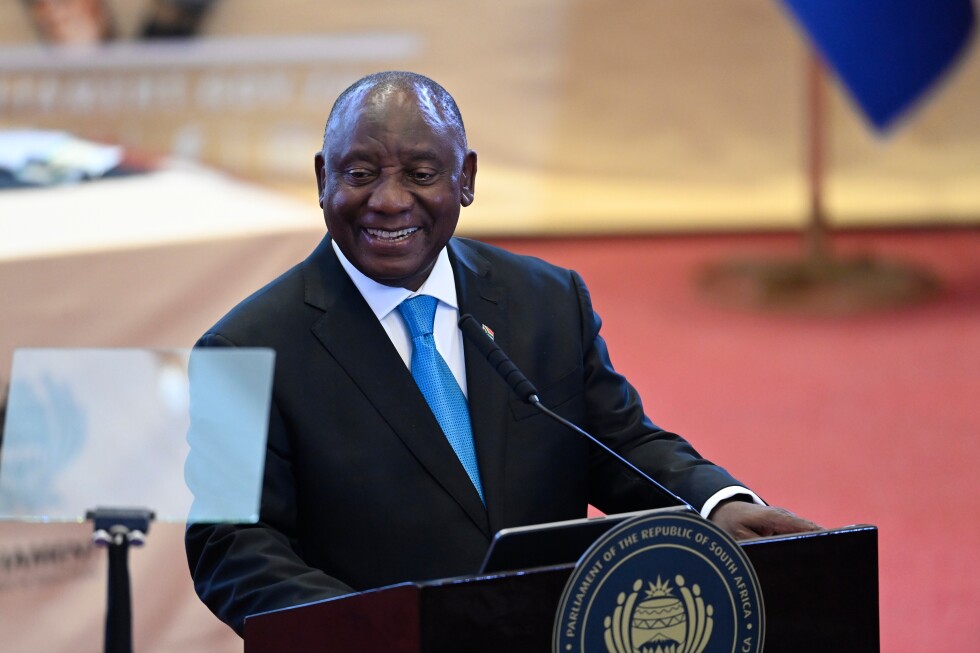
  • South African national park closed due to floods

    South African national park closed due to floods

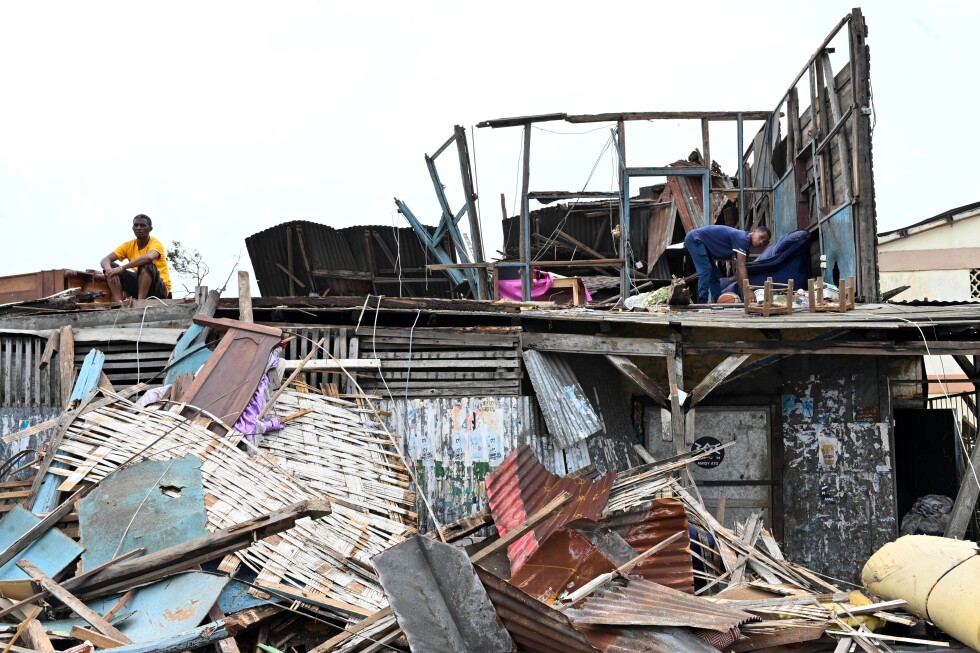
    South African authorities have taken the unprecedented step of closing Kruger National Park, one of Africa’s premier wildlife reserves, in response to catastrophic flooding conditions sweeping across the country’s northeastern regions. The park administration announced the complete suspension of all tourist activities and access routes as emergency teams assess extensive damage to infrastructure and potential threats to wildlife.

    The closure comes as meteorological services report continuous heavy rainfall across Mpumalanga and Limpopo provinces, where rising water levels have transformed normal riverbeds into dangerous torrents. Park officials confirmed that several critical access roads and bridges have been either submerged or structurally compromised, creating potentially life-threatening conditions for visitors and staff alike.

    Environmental specialists express particular concern for animal populations within the 7,500-square-mile reserve, noting that sudden flooding can displace species from their natural habitats and disrupt delicate ecological balances. Conservation teams are monitoring the situation closely, though current conditions have hampered ground-based assessment efforts.

    The tourism industry anticipates significant economic repercussions from the closure, as Kruger typically attracts over 1.5 million visitors annually. Local safari operators and hospitality businesses have begun implementing emergency contingency plans while awaiting further updates from park management. Government disaster response units have been deployed to affected regions, prioritizing human safety while developing strategies for eventual recovery operations.

    Climate scientists note this event continues a pattern of increasingly extreme weather phenomena affecting Southern Africa, with current flooding representing some of the most severe hydrological conditions recorded in the past decade. Park authorities have established emergency communication channels and pledged daily updates as the situation evolves.

  • UAE doctors race against time to reattach worker’s arm torn off by machine

    UAE doctors race against time to reattach worker’s arm torn off by machine

    In a remarkable display of medical expertise and coordination, Abu Dhabi surgeons have successfully reattached the completely severed arm of a factory worker following a devastating industrial accident. The incident occurred when 50-year-old Tanveerullah Arif, a Pakistani resident of Al Dhannah City with two decades of lathe machine experience, suffered a catastrophic crush-avulsion injury that tore his left arm from his body at forearm level.

    The emergency response unfolded with precision timing beginning at approximately 4:30 PM when coworkers and first responders rapidly transported the injured worker to Burjeel Al Dhannah Hospital. Recognizing the need for specialized microsurgical capabilities, medical professionals arranged an urgent transfer to Burjeel Medical City (BMC), where a multidisciplinary team began preparations upon receiving advance notice at 5:30 PM.

    The patient arrived at BMC via emergency transport at 8:15 PM, remaining conscious despite significant blood loss. Medical teams immediately initiated stabilization procedures including nerve blocks before commencing the complex surgical intervention. Dr. Praveen Kumar Arumugam, Specialist in Plastic and Reconstructive Surgery at BMC, emphasized the particular challenge: ‘This was not a clean cut but a crush-avulsion injury, substantially increasing surgical complexity.’

    The marathon procedure spanned nearly ten hours and involved meticulous microsurgical techniques under high-powered magnification. Surgeons first debrided damaged and contaminated tissue from both the amputated limb and remaining forearm before performing skeletal stabilization using plates and screws. The most critical phase involved reestablishing vascular circulation through the microscopic repair of two arteries and four veins, utilizing blood thinners to prevent clotting complications.

    Following successful revascularization, the surgical team reconstructed muscular, tendinous, and neural structures before completing cutaneous closure. The patient received six units of blood during the procedure while anesthesiology specialists monitored for potential reperfusion injury complications. Three days postoperatively, surgeons applied skin grafts to affected areas and immobilized the limb in an elevated cast to optimize healing conditions.

    The successful outcome depended on multiple favorable factors: the patient’s relative youth, absence of comorbidities, transportation within the critical six-hour window, and proper preservation of the severed limb during transit. Tanveerullah has now commenced physiotherapy and demonstrates encouraging early signs of functional recovery with returning hand movement.

  • Watches: Oris translates Fire Horse energy into a purpose-driven limited edition

    Watches: Oris translates Fire Horse energy into a purpose-driven limited edition

    Swiss watchmaker Oris has masterfully blended cultural symbolism with horological excellence in its latest limited edition timepiece commemorating the 2026 Chinese Year of the Fire Horse. The independent manufacturer continues its tradition of creating purpose-driven watches that balance emotional resonance with mechanical sophistication.

    The timepiece immediately captivates with its deep crimson dial that embodies the Fire Horse’s energetic essence, while subsidiary dials introduce dynamic hues creating visual depth and movement. Rather than overt decorative elements, Oris employs color psychology to convey themes of heat, momentum, and inner power. Practical functionality remains paramount with luminous hands and applied indices ensuring optimal legibility despite the complex displays.

    At its mechanical heart beats the hand-wound Oris Caliber 113, one of the brand’s most ambitious in-house movements. This sophisticated mechanism functions as a complete business calendar, tracking day, date, month, and week—an unusual combination that demonstrates Oris’s commitment to practical complications. The week indicator along the dial’s periphery adds both visual interest and reinforces the watch’s purpose-driven design philosophy.

    The movement’s substantial 10-day power reserve features an intelligent non-linear indicator that increases precision as energy diminishes. Two elegantly engraved horse motifs—one dynamic, one at rest—frame this display, poetically mirroring the mainspring’s energy state. This artistic touch adds narrative depth without compromising technical seriousness.

    Housed in a 43mm multi-piece stainless steel case, the watch provides ample space for the complex dial architecture. Dual sapphire crystals front and back invite interaction with the mechanical artistry within. With 5 bar water resistance and a dark brown cordovan leather strap secured by a folding clasp, the timepiece is designed for regular wear rather than occasional ceremony.

    Limited to 88 numbered pieces—a number traditionally associated with prosperity in Chinese culture—each watch arrives in a wooden presentation box. This release transcends mere symbolic tribute, representing Oris’s distinctive character: independent in spirit, technically assured, and culturally fluent in the narratives that give fine watchmaking enduring significance.

  • Is FOMO making you invest in crypto at the wrong time?

    Is FOMO making you invest in crypto at the wrong time?

    In the volatile world of cryptocurrency investing, emotional decision-making continues to plague retail investors, often leading to poor timing and diminished returns. A recent personal account reveals how Fear Of Missing Out (FOMO) drives investors to purchase digital assets during market peaks, only to watch values decline shortly afterward.

    This pattern of emotional investing—buying during green market days and panicking during downturns—represents a systemic issue in cryptocurrency markets. Institutional investors routinely capitalize on this behavior, leveraging retail investors’ tendency to enter markets late during bull runs, thereby creating optimal exit opportunities for early adopters.

    The psychological dynamics behind these investment mistakes reveal deeper behavioral economics principles. Investors frequently delay entering markets until they feel fully prepared, only to act impulsively when prices surge, driven by anxiety about missing potential gains. This emotional response consistently results in suboptimal entry points and diminished long-term returns.

    A promising solution emerging within investment education circles involves automating cryptocurrency purchases to eliminate emotional factors. Following principles advocated by investment educators like Mark Moss, investors can implement systematic weekly purchases of cryptocurrencies such as XRP and Bitcoin, regardless of market conditions. This approach aligns with sound money principles and macroeconomic strategy rather than emotional reactions.

    Contrary to popular misconception, effective cryptocurrency investing doesn’t require substantial capital. The strategy of ‘stacking sats’—accumulating small fractions of Bitcoin over time—demonstrates how consistent, disciplined investing regardless of amount can yield significant long-term results. This method directly counters the emotional investing patterns that widen the wealth gap between disciplined institutional investors and reactive retail participants.

    The investment wisdom of being ‘fearful when others are greedy, and greedy when others are fearful’ remains particularly relevant in cryptocurrency markets. Developing emotional discipline and implementing automated systems may represent the most effective strategy for retail investors seeking to improve their investment outcomes in the unpredictable digital asset landscape.