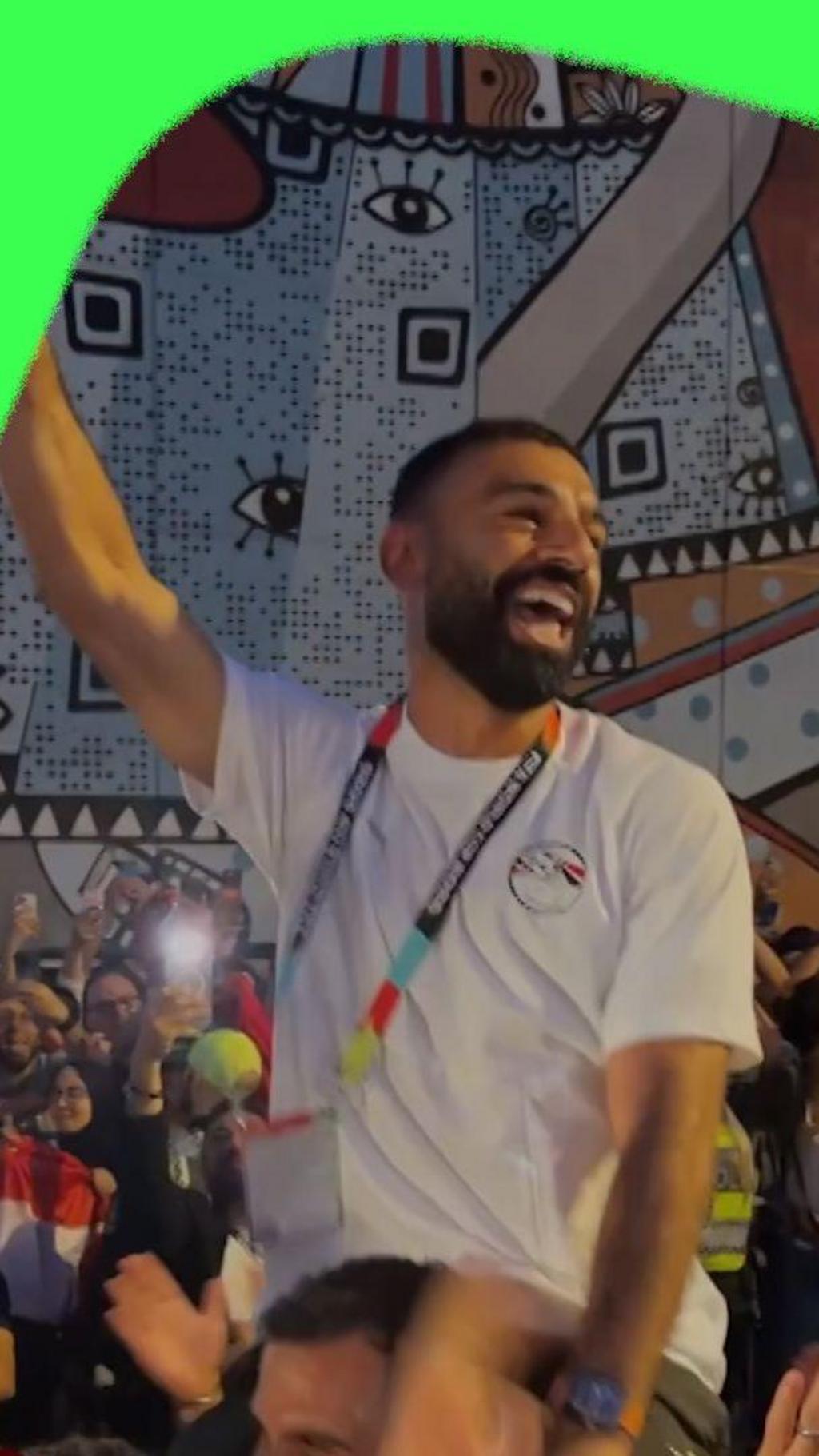
A landmark moment in Egyptian football history has sparked joyful celebrations, with star forward Mohamed Salah leading street festivities alongside teammates and supporters in Vancouver following the North African nation’s first-ever win at the FIFA World Cup. The groundbreaking result ends a long drought of World Cup victories for Egypt, delivering a moment of national pride that transcended borders even for squad members and fans gathered abroad in Canada. Videos and on-the-ground reports capture the jubilant scene, where Salah and his fellow players joined fans in dance, reveling in the achievement that has cemented this match as a defining entry in Egyptian football lore. For years, Egypt’s national team had competed on the world’s biggest football stage without claiming a win, making this breakthrough result far more than a simple match victory—it is a historic milestone for the country’s football program. Supporters gathered in Vancouver joined fans across the globe in marking the occasion, turning city streets into an impromptu celebration of the long-awaited win that was capped by a decisive goal from Salah, who turned past World Cup disappointment to deliver the historic performance.
标签: Africa
非洲
-
DR Congo Ebola cases top 1,000
KINSHASA, June 22 — Health authorities in the Democratic Republic of the Congo (DRC) announced in an updated epidemiological briefing on Sunday that the total number of confirmed Ebola cases across the country has crossed the 1,000 threshold, marking a worrisome milestone in the ongoing outbreak.
Latest official data released by the DRC Ministry of Health puts the current cumulative confirmed caseload at 1,003. As of the update, the outbreak has claimed 254 lives, bringing the overall case fatality rate to 25.3 percent. Of the active cases, 365 patients are currently receiving care in isolation facilities or hospital wards, while 100 people who contracted the virus have successfully recovered and been discharged.
The outbreak is concentrated across three provinces in the eastern part of the country, where public health teams are working to trace all close contacts of confirmed cases to slow transmission. Current data shows that just 58 percent of identified contacts are successfully being monitored and followed up, a gap that response teams are working to address.
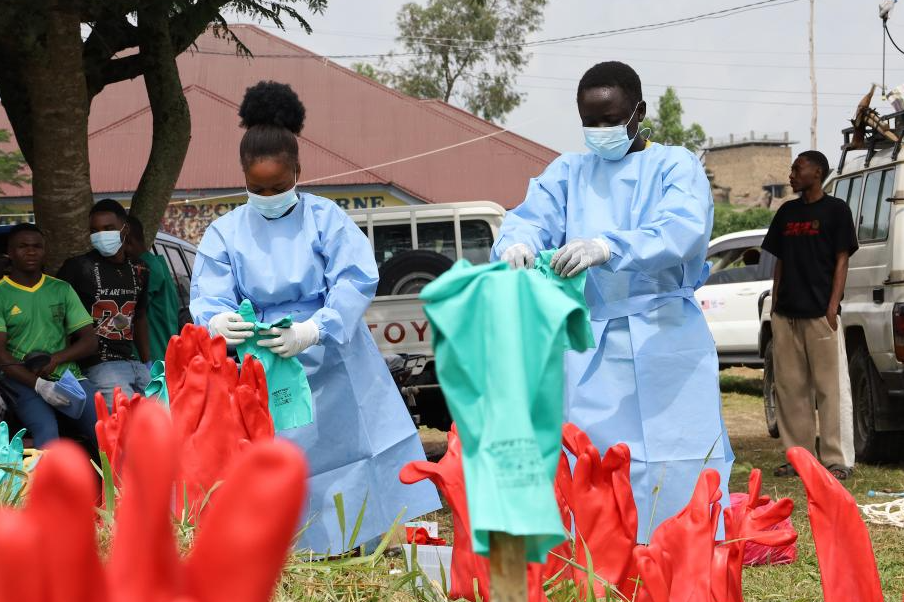
Even as case numbers continue to climb, health authorities emphasize that all outbreak response operations remain fully active. Response measures include enhanced pathogen surveillance at border crossings and community levels, expanded public outreach and education campaigns to raise awareness of transmission risks, and ongoing work to boost clinical case management and expand diagnostic testing capacity across affected regions. The photo provided, captured on June 16 at an Ebola treatment center in Rwampara, eastern DRC, shows frontline health workers drying disinfected protective gloves ahead of their next shift caring for patients.
-
Confirmed Ebola cases in Congo outbreak top 1,000 with 254 deaths, authorities say
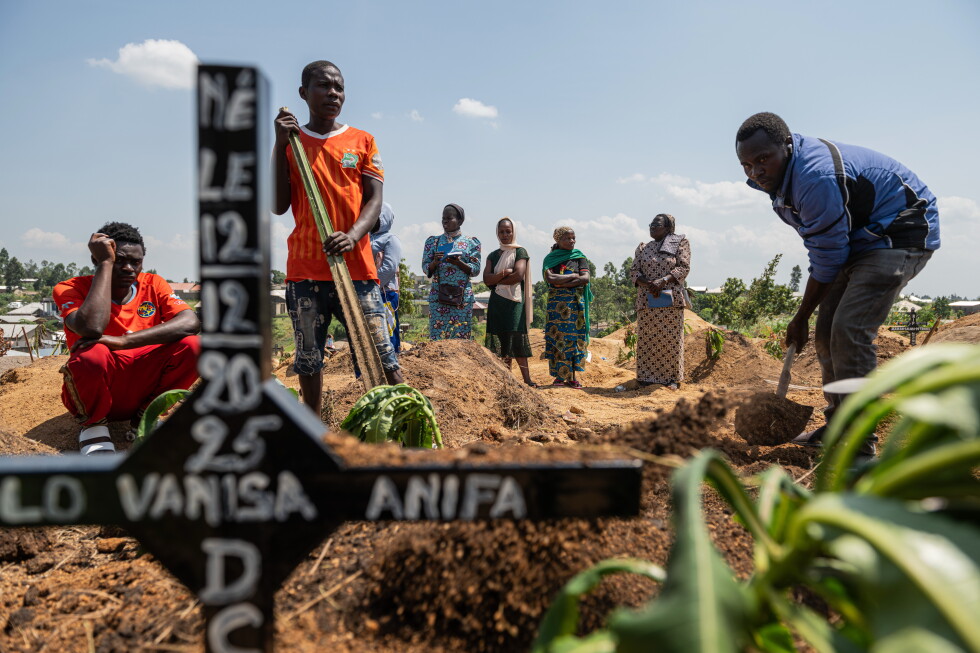
BUNIA, Democratic Republic of Congo — A worsening Ebola outbreak in the eastern region of the country has hit a grim new milestone, with confirmed infections climbing to 1,003 and confirmed deaths totaling 254, according to an official statement released by Congolese health authorities late Sunday.
Since the outbreak was first declared on May 15, the virus has been concentrated primarily in Ituri province, where 100 infected patients have successfully recovered to date, the Congolese Ministry of Health confirmed.
What makes this outbreak particularly alarming is that it is driven by the rare Bundibugyo Ebola virus, a strain for which no approved vaccines or specific targeted treatments currently exist. In its first month of spread, the outbreak already became the most severe recorded event caused by this specific strain, and health officials have acknowledged that the true scale of the crisis is likely far larger than current confirmed numbers suggest. Many unreported cases are still undetected across the affected region, and top health leaders warn that the outbreak has not yet reached its highest point.
Contact tracing, a core public health intervention to stop Ebola transmission, remains a major unmet challenge for local response teams. As of the latest update, only 55 percent of required contact tracing has been completed across the affected zone. Compounding these challenges, response teams have not yet been able to identify the index case, also known as patient zero, that sparked the current outbreak. As of last week, more than 35,000 people who have had documented exposure to infected individuals are still awaiting contact tracing and monitoring.
-
High oil prices drive a surge in Chinese electric vehicle sales, but charging networks lag behind
The ongoing conflict in Iran and subsequent disruptions to global energy flows through the Strait of Hormuz have triggered a rapid shift in the global electric vehicle landscape, creating an unprecedented opportunity for Chinese automakers to expand their footprint across developing economies in Asia and Africa. As skyrocketing fossil fuel prices push cash-strapped drivers and cash-strapped governments to embrace vehicle electrification, the explosive growth of EV imports has exposed a critical bottleneck: a widespread lack of matching charging infrastructure.
Blockades of the Strait of Hormuz, a strategic chokepoint through which roughly 20% of the world’s daily crude oil and liquified natural gas shipments pass, sent energy prices soaring across key importing regions. The supply shock first hit major Asian fuel importers, then spread quickly to African markets, accelerating a transition to electric mobility that was already gaining traction across the developing world.
Trade data underscores the speed of this shift. A recent analysis of Chinese customs data by energy think tank Ember shows that China’s global EV exports hit an all-time high of $9.4 billion in April alone. Shipments to markets including Australia, Brazil, Southeast Asia and East Africa have surged at double-digit rates. Official data from the Chinese Association of Automobile Manufacturers adds that China exported roughly 435,000 passenger electric vehicles and plug-in hybrids in May, more than doubling the volume recorded in the same month one year prior.
For individual drivers across developing Asia and Africa, the switch to EVs is being driven by immediate household budget pressures. In these regions, transport consistently ranks among the largest recurring expenses for average families. Limited public transit networks, long daily commutes, and widespread reliance on private vehicles leave households extremely vulnerable to volatile global fuel prices. A 2024 study from Stellenbosch University in South Africa’s Western Cape province found that transportation alone accounts for nearly 20% of total household spending in the country. For gig workers like Nguyen Thien Bao, a delivery and ride-hail driver in Hanoi, Vietnam, the cost savings are transformative. “Before, so much of my income went into fuel,” he explained. “Now, I can actually save some money.”
Governments across the developing world are also prioritizing the EV transition to cut ballooning oil import costs and reduce the heavy fiscal burden of fuel subsidies. Laos has gone as far as banning imports of new fossil fuel-powered vehicles through 2026 to speed up the shift, while Ethiopia has enacted a similar ban on non-EV imports to cut energy dependency. Data from China’s Commerce Ministry shows that African imports of Chinese EVs reached roughly 44,000 units in 2025, marking a 130% year-over-year jump. The International Energy Agency (IEA) projects that global electric car sales will continue to climb through 2026, hitting 23 million units and accounting for nearly 30% of all new cars sold worldwide. Up from one in four new cars sold globally last year, this growth is heavily supported by Chinese manufacturers, which currently supply around 60% of all electric vehicles sold worldwide.
Major Chinese automakers are already acting on this momentum. “In the next five years, we will accelerate our overseas expansion,” Jerry Gan, CEO of leading Chinese automaker Geely Auto, announced at a company event in March, as the group expands its EV footprint across Southeast Asia and other emerging regions. While Chinese manufacturers have dominated growth in developing markets, regional players are also reaping benefits: Vietnam’s VinFast reported a 42% year-over-year increase in first-quarter revenue, driven largely by rising EV demand across Southeast Asia.
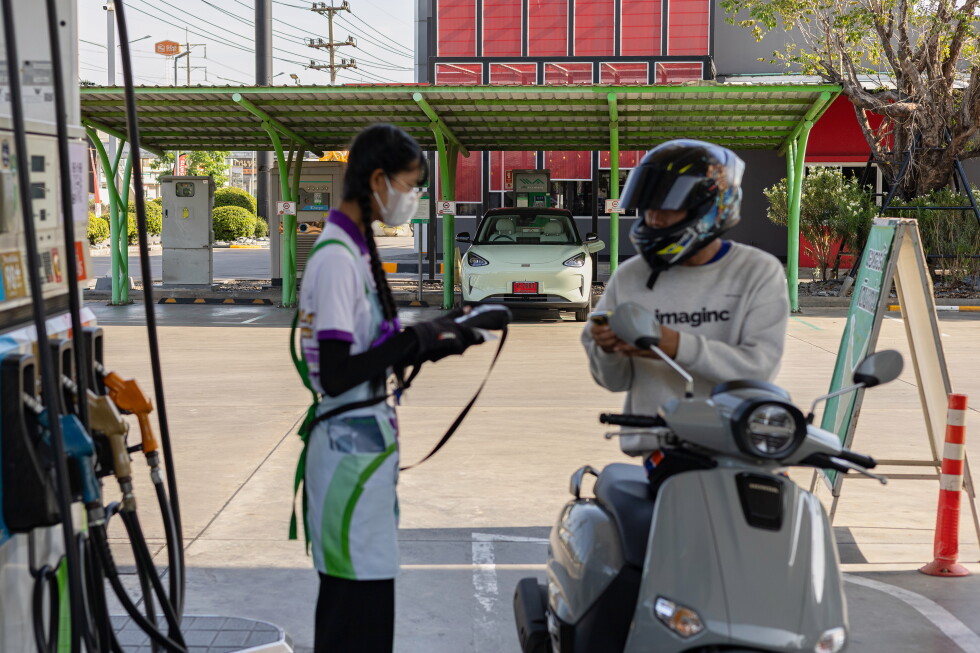
Despite the explosive growth of EV adoption, this rapid shift has outpaced the buildout of required charging infrastructure, creating what analysts describe as a classic “chicken-and-egg problem.” Without enough charging stations, many drivers remain hesitant to switch to fully electric vehicles, but low EV adoption rates do not create enough demand to justify large-scale infrastructure investment. Data from across the region highlights this gap: Thailand currently counts roughly 4,600 public charging locations serving more than 424,000 battery EVs and plug-in hybrids, working out to one charging location for every 92 vehicles. For ride-hail drivers like Yutthana Samranwong in northern Thailand’s Phitsanulok province, securing an open public charging slot online is often an unpredictable gamble. “It’s a bit of a headache,” he said, noting that the strain on Bangkok’s charging networks has even led some drivers to consider returning to gasoline-powered cars.
The gap is even more pronounced in lower-income African markets. As of mid-2025, Ethiopia, which has banned non-EV imports to speed up electrification, only had around a dozen public charging stations operational, despite government estimates showing more than 1,170 stations are needed to meet current demand. Forty additional stations are currently under construction in the capital Addis Ababa. “In developing markets, affordability can accelerate the shift, but the pace of adoption will still depend heavily on infrastructure, power reliability and use case,” noted Chris Liu, a technology analyst with research and advisory firm Omdia.
To resolve this bottleneck, many emerging economies are turning to state-owned utilities to lead charging network buildout, a model analysts say could be replicated across other developing regions to speed the transition away from fossil fuels. Indonesia already has more than 4,500 public charging stations deployed by its state-owned power utility PLN. Across Africa, where only around 2,000 public EV charging stations exist today (with South Africa holding the largest share), state utilities are stepping in: Kenya Power, the country’s state-controlled electricity provider, plans to construct 44 new charging stations within the next 12 months.
“Utilities are recognizing that electric mobility will become a meaningful source of future electricity demand,” explained Ndia Magadagela, co-founder and CEO of South African commercial EV leasing firm Everlectric. Analysts note that state utilities are uniquely positioned to lead this work, as they are already integrated into national grid planning, electricity pricing and distribution infrastructure. Large Chinese automakers, by contrast, typically have little incentive to invest heavily in charging networks outside of their home market, leaving a gap that public entities can fill.
“At that stage, government support for infrastructure could help accelerate adoption,” explained Paul Gong, head of UBS’ China automotive industry research, echoing the broader consensus that public investment is the most viable path to breaking the current infrastructure deadlock and unlocking continued growth of electric mobility across the developing world.
-
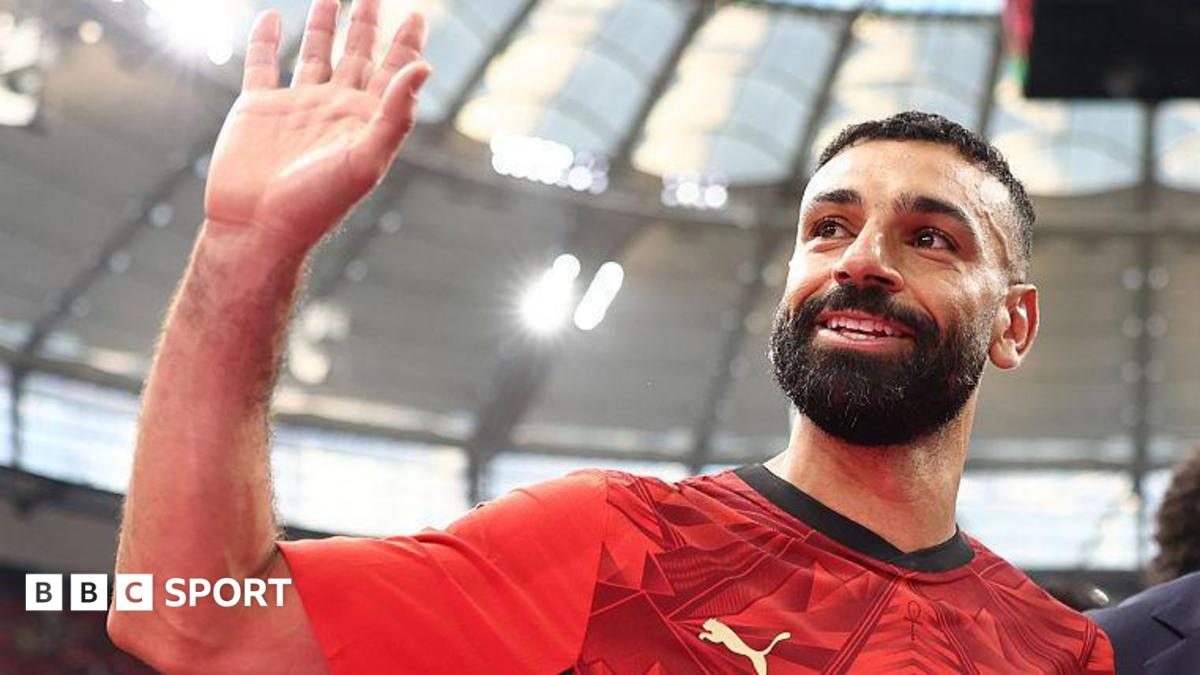
Salah’s World Cup pain ends as he fires Egypt to historic win
After nearly a century of heartbreak and near-misses across nine World Cup appearances, Egypt has finally secured its first ever victory at football’s biggest global tournament, spearheaded by national icon Mohamed Salah who delivered a defining second-half performance to sink New Zealand in a 3-1 Group Stage clash.
The match got off to a rocky start for the Pharaohs, as New Zealand stunned the favorites with an early opening goal, and Salah looked set to continue a run of quiet, underwhelming performances that had marked his start to the 2026 World Cup. The 34-year-old superstar had turned in an ineffectual shift in Egypt’s opening 1-1 draw with Belgium, and remained off the pace through the first 45 minutes against New Zealand, leaving fans fearing his long history of World Cup misery would stretch on.
But Salah flipped the script in spectacular fashion in the second half. In the 67th minute, he fired home the goal that put Egypt ahead, capping a patient comeback from the early deficit. Later, his perfectly delivered corner kick found the head of Trezeguet, who netted the sealing goal to lock in the historic 3-1 result. The win puts Egypt on the cusp of qualifying for the knockout round, with a point from their final Group Stage fixture against Iran all but guaranteeing a spot in the round of 16, and the side could even progress without picking up that point depending on other results.
For Salah personally, the moment was years in the making. His first World Cup appearance in 2018 was marred by injury, a disjointed campaign, and three straight defeats that ended with Egypt crashing out in the group stage. The fallout from that failure was so severe that Salah publicly criticized the Egyptian Football Association for mismanaging preparations, and reports emerged that he had considered stepping away from international football entirely. Egypt then failed to qualify for the 2022 Qatar World Cup, extending both the country’s and Salah’s wait for a breakthrough on the global stage.
Off the pitch, the forward is coming off a turbulent final season at Liverpool, where he fell out with manager Arne Slot before announcing his departure this summer, with his future club still unconfirmed. Despite that off-field uncertainty, Salah prioritized his national team’s World Cup run, determined to correct the mistakes and disappointments of the past. Ahead of the New Zealand match, Egyptian head coach Hossam Hassan was even forced to deny public speculation of a rift between himself and Salah, after substituting the star early in the Belgium draw.
Sunday’s strike was Salah’s 68th international goal for Egypt in 118 appearances, moving him just one goal behind Hassan’s all-time national scoring record. Industry figures and pundits were quick to praise the superstar’s impact. Former Tottenham Hotspur manager Ange Postecoglou, commentating for ITV, noted: “If there was any doubt about Mo’s impact on this team, you can still see it. It will give them enormous belief. They had to deal with adversity and their big player stood up and that will give them big confidence. You need your big players to perform to progress.” Former Jamaica international winger Jobi McAnuff echoed that sentiment, adding: “Just when he was needed, Mo Salah stood up for his country.”
Salah’s status as a national icon in Egypt cannot be overstated – far beyond his stardom in European club football, he is a cultural institution in his home country, with every touch of the ball drawing roars from the stands and massive pressure on his shoulders every time he pulls on the national jersey. His importance to the side is so profound that when he suffered a serious shoulder injury in the 2018 Champions League final just weeks before that year’s World Cup, Egypt’s Minister of Health personally reached out to the national team medical staff to check on his condition. “I even had calls from Egypt’s Minister of Health,” recalled Dr Mohamed Aboud, the Egyptian national team medic.
Though Salah has claimed multiple domestic and European trophies during his time at Liverpool, he has never lifted a major title with Egypt. The generation before his claimed three straight Africa Cup of Nations titles between 2006 and 2010, but Egypt has fallen at the final hurdle twice in recent AFCON tournaments, losing the 2017 final to Cameroon and the 2021 final (held in early 2022) to Senegal. With this landmark World Cup win, however, Egypt has finally laid to rest one of its longest-running football ghosts, and Salah has cemented his legacy as the man who delivered the country’s most coveted milestone in nearly a century.
Speaking after the final whistle, Salah kept his focus on the task ahead: “It’s a great achievement for all the players. It’s a great win. It’s a great vibe. The next game is very important.”
-
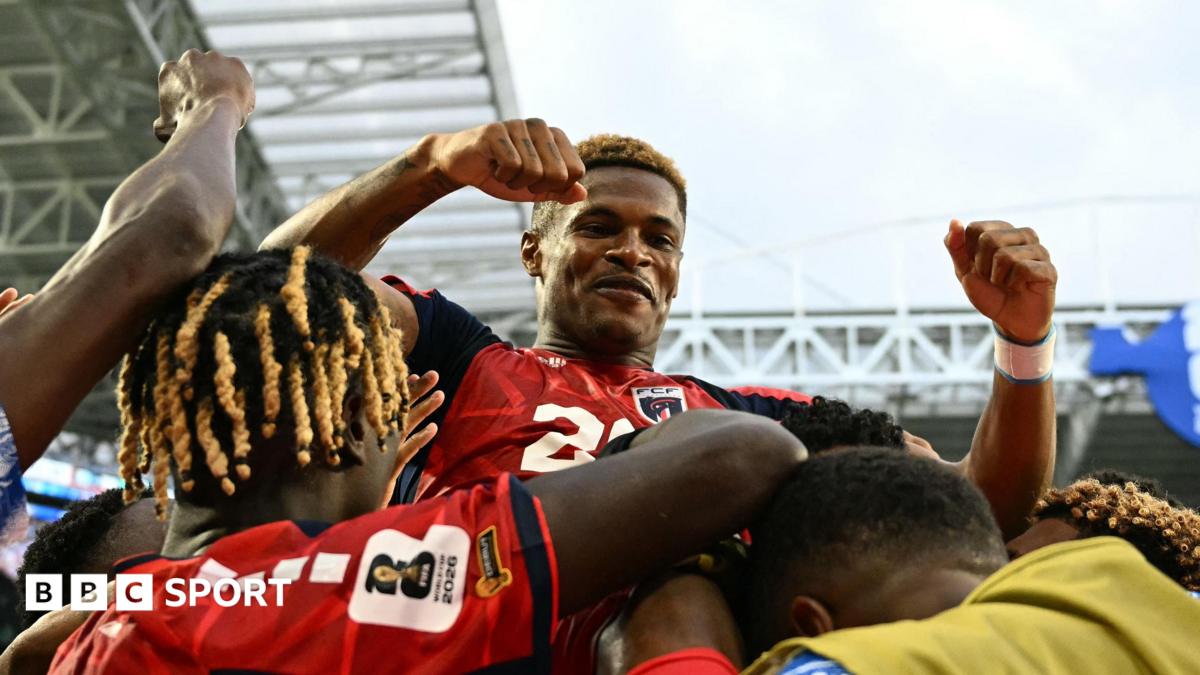
One of World Cup’s great stories – can Cape Verde become legends?
Against all pre-tournament expectations, the tiny Atlantic island nation of Cape Verde is writing one of the most memorable underdog stories in modern World Cup history, sitting just one result away from advancing to the knockout stage on their tournament debut after a thrilling 2-2 draw with two-time world champions Uruguay.
The Blue Sharks, ranked 63rd in the FIFA world rankings, already sent shockwaves through global football earlier in the group stage when they held 65 places higher-ranked Spain to a stalemate. On Sunday, they replicated and even built on that performance to earn a hard-fought point against a Uruguayan side long established as World Cup stalwarts, cementing their reputation as the most entertaining surprise package of the 2026 expanded tournament.
With a total population of just under 525,000 spread across 10 Atlantic islands according to World Bank data, Cape Verde has punched far above its weight against two of the most experienced sides in the competition. Unlike the Spain draw, where goalkeeper Vozinha emerged as an unlikely social media sensation (growing from 40,000 pre-tournament Instagram followers to more than 15 million after his heroics), this time the Blue Sharks’ defensive organization limited Uruguay to only two shots on target, and the match-winning contributions came from the attacking end. Notably, Vozinha was able to share the moment with his mother, who could not attend the Spain match due to prohibitive U.S. visa costs but was present in Miami to watch her son’s side hold the South American giants.
From the opening whistle, Cape Verde adopted a bold, attack-minded game plan, constantly pushing the ball upfield to put Uruguay under sustained pressure, leaving the tournament heavyweights reeling against the debutants’ energetic, free-flowing play. The first history-making moment came in the first half, when Kevin Pina stepped up to take a 30-yard free kick. Uruguay’s defensive wall jumped to block the effort, but split open unexpectedly, allowing Pina’s well-struck shot to arrow through the gap and beat keeper Fernando Muslera for Cape Verde’s first ever World Cup goal. Back in the nation’s capital Praia, the strike sparked wild celebrations among fans who had already dared to dream after the Spain draw.
Written off by almost all pundits before kickoff – including former Wales defender Ashley Williams and former South Africa striker Benni McCarthy, who both predicted a Uruguay win on BBC One – Cape Verde refused to conform to expectations. After Uruguay fought back to take the lead, Helio Varela capitalized on a defensive mistake to produce a clinical finish, rounding a stranded Muslera with a deft touch before slotting the ball into an empty net to equalize. In the second half, Cape Verde combined the steely defensive resilience that earned them a point against Spain with continued attacking threat, pushing hard for a winning goal that would have delivered an even bigger upset. They ended the match with 12 total shots, four on target – double Uruguay’s tally, with 10 of those chances coming in the second half as they chased victory.
The stunning back-to-back performances have already won over neutral fans and pundits alike. McCarthy told BBC One after the match that he had “a new lease of respect” for Cape Verde, praising their bravery and sensational play: “They really came out to play. I think they’ve won a lot of people’s hearts after this performance.” Williams called it the “most entertaining” game he had covered at the 2026 World Cup so far, adding: “Even at the end, they wanted the win – and that’s against Uruguay.” Former England forward Sue Smith described the display as “outstanding from Cape Verde yet again”, noting that “the story of this team keeps going.” Former Scotland forward James McFadden highlighted the side’s joy as a key part of their appeal: “The biggest thing for me is how much Cape Verde are enjoying themselves. It’s been a joy to watch.”
The result leaves Cape Verde third in Group H, level on two points with Uruguay, entering their final group stage match against Saudi Arabia. Under the new expanded World Cup format, the Blue Sharks have a clear path to the knockout stage: three points from Saturday’s fixture will be enough to seal progression, and pundits including McCarthy believe the underdogs are well positioned to pull off the win. Only two teams ranked lower than Cape Verde’s current 63rd place have ever advanced to the World Cup knockout stage before: 74th-ranked Nigeria in 1998 and 70th-ranked Russia in 2018. If Cape Verde can beat Saudi Arabia, they will not only make their own tournament history, but cap off one of the most remarkable underdog runs the World Cup has ever seen. Cape Verde are also the first World Cup debutants to remain unbeaten through their first two group games since Senegal’s iconic run in 2002, putting them in elite underdog company already. As Williams put it: “They’ll be going into the Saudi Arabia game with their tails up thinking ‘we can qualify here.’” Speaking from a U.S. fan park, one Cape Verde fan summed up the mood surrounding the team: “everybody doubted us, everybody thought we weren’t going to make it. We’re here now.”
-

Cape Verde fan goes wild live on BBC News as his country scores
In a moment of unscripted, raw sports joy that has captured global attention, a Cape Verde football fan’s euphoric reaction went viral during a live BBC News interview amid the 2026 FIFA World Cup. The encounter unfolded when BBC reporter Paul Njie was mid-conversation with the supporter, who had traveled to support his underdog national side in their group stage match against Uruguay. Just as the interview was underway, Cape Verde netted their first ever goal in World Cup history – a milestone that had been decades in the making for the small island nation. The fan immediately abandoned any composure, erupting into wild celebration, yelling and jumping in a moment of unfiltered elation that quickly spread across social media platforms. The clip, published six hours ago by the BBC’s World Cup section, has already racked up hundreds of interactions, with fans around the world celebrating the historic moment for Cape Verde alongside the elated supporter. Note that full video access is currently restricted to users located within the United Kingdom.
-
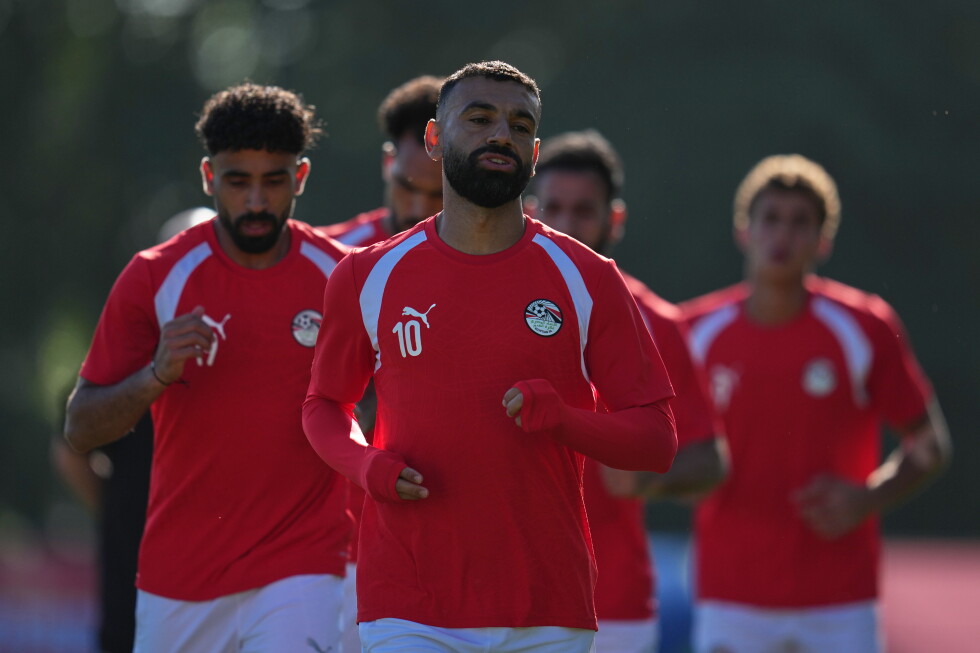
Egypt hopes to continue rise of African football with first-ever World Cup win against New Zealand
VANCOUVER, British Columbia — As the sun rose over the Canadian city this weekend, one of African football’s most promising 2026 World Cup stories was waiting to be written. Ranked 28th globally, Egypt’s national team, affectionately nicknamed the Pharaohs, steps onto the pitch Sunday against 83rd-ranked New Zealand (the All Whites) on the cusp of a historic milestone: the program’s first ever World Cup match victory. A win would not only cement that long-awaited breakthrough, it would also put Egypt firmly in the driver’s seat to advance to the tournament’s knockout round.
Speaking to reporters Saturday through an Arabic translation, Egyptian head coach Hossam Hassan summed up the weight of the moment: “This match is everything in our world for the moment.”
Egypt’s chase of history is far from an isolated story — it is the latest chapter in a dramatic, long-building surge in African soccer’s standing on the global stage. This year’s expanded 48-team World Cup format has opened new doors for the continent, granting African nations more slots than ever before to compete against the world’s elite. A record 10 African squads have qualified for the 2026 tournament, a milestone that reflects the growing depth of talent across the region.
“The national squads of Africa have proven their great performance many times at the World Cup, including this one,” Hassan said. That claim is already backed up by results from the early stages of the tournament. Morocco captured global attention with a legendary run to the World Cup semifinals in 2022, and this year, other African sides have already delivered upset after upset.
Ghana opened its tournament with a win over Panama, while Ivory Coast defeated 2022 runner-up Ecuador in its first match. Four African squads, Egypt included, earned draws in their opening fixtures. Egypt’s 1-1 draw with Belgium marked the first World Cup point the program has earned since 1990, and it also delivered two more firsts: the Pharaohs held a lead over Belgium going into halftime, only the second time the team has ever held a lead against any opponent in World Cup history.
Early tournament upsets have cemented African soccer’s new reputation as a threat to traditional powerhouses. Morocco held off five-time World Cup champion Brazil, Congo secured a hard-fought draw against Portugal, and tiny Cape Verde pulled off one of the biggest shocks of the tournament so far, holding pre-tournament favorite Spain to a scoreless 0-0 draw after notching its first ever World Cup goal earlier in the competition.
Out of all the rising African contenders, Egypt stands out as a long-standing regional powerhouse. The Pharaohs have claimed the Africa Cup of Nations title seven times, more than any other nation, and Hassan says the squad is determined to prove that its dominance translates to the global stage. “We want to represent African football and Arab football,” said Hassan, who is Egypt’s all-time leading men’s goal scorer and competed for the Pharaohs at the 1990 World Cup.
Hassan’s decades of experience at the top of the sport have been instrumental in guiding Egypt back to the World Cup after the squad missed out on qualification in 2022. The team is led by global superstars Mo Salah and Omar Marmoush, with Salah just two goals away from matching Hassan’s all-time scoring record for the national side. A talented crop of young talent adds depth to the roster, including 18-year-old Hamza Abdelkarim, who made his senior international debut in a friendly against Russia just last month — one of dozens of young African stars making their first World Cup appearances this year.
Hassan says the team’s biggest motivation is delivering for the millions of Egyptian fans back home and across the diaspora. “We want to live up to the aspirations of the Egyptian fans,” he said. “I only think about bringing happiness to our fans.”
After Sunday’s match against New Zealand, Egypt closes out its group stage play with a match against Iran in Seattle. As the Pharaohs stand one win away from making program history, they are not just playing for their own nation — they are playing for the entire continent of Africa, as the world watches African soccer’s rise unfold.
-
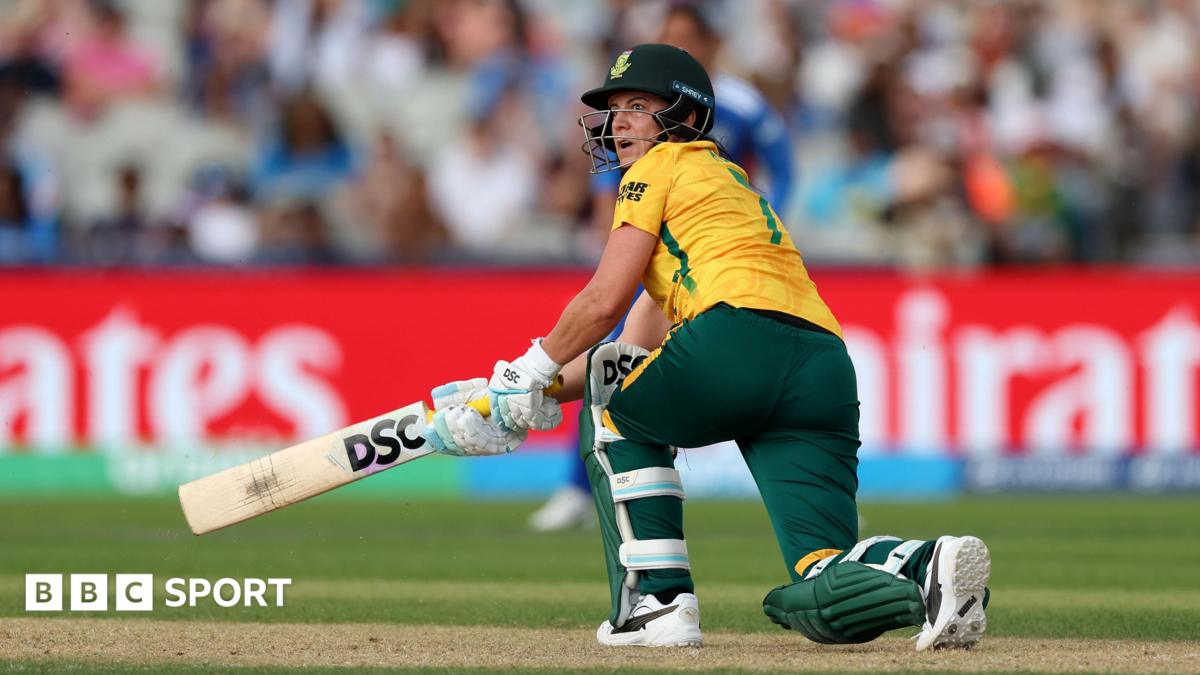
Brilliant Kapp leads South Africa past India
At the 2024 Women’s T20 World Cup Group 1 clash hosted at Old Trafford in Manchester, all-rounder Marizanne Kapp delivered a career-defining all-round performance to hand South Africa a dramatic six-wicket victory over India, reigniting the Proteas’ chances of reaching the tournament’s semi-finals. With just five deliveries remaining in their chase, South Africa crossed the finish line of a 159-run target, capping off a stunning comeback led by Kapp’s unbeaten 45-ball knock of 81, which included seven fours and four blistering sixes. This result leaves both sides level on four points in the group standings, setting up a decisive final stretch of group stage fixtures for both nations.
India captain Harmanpreet Kaur, playing her milestone 200th T20 International match, won the toss and opted to bat first, a decision that got off to a promising start. Opening batter Shafali Verma got the side off to a flying start, notching 31 runs off just 15 deliveries with three boundaries and one six, lifting India to 59-2 by the end of the mandatory powerplay. But the innings stalled early: both opening batters were back in the pavilion before the powerplay ended, with Smriti Mandhana bowled while attempting a risky scoop shot and Verma edging a short delivery behind to the wicketkeeper. No subsequent Indian batter was able to match Verma’s aggressive start, and despite a late 29 runs from 21 balls from Deepti Sharma, India could only post a competitive total of 158-7 from their 20 overs. Kapp was India’s undoing with the ball as well, claiming two key wickets for just 27 runs, including the scalps of Mandhana and dangerous lower-order batter Richa Ghosh, while Shabnim Ismail backed her up with 2-28 to keep India’s total in check.
South Africa’s chase got off to a rocky start, with Indian leg-spinner Sree Charani picking up three wickets for 24 runs, including two strikes in three balls that left the Proteas reeling at 25-2 by the final over of the powerplay. It was at this precarious juncture that Kapp joined Tazmin Brits at the crease to rebuild the innings. The pair started cautiously, reaching only 59 runs by the halfway point of the chase, before gradually shifting gears and building a match-winning partnership. When Brits fell for 40 runs off 36 balls, caught in the deep off Verma, the partnership was just three runs short of a century, leaving Kapp with the majority of the chase still ahead. Minutes later, Kapp survived a major scare when Indian spinner Radha Yadav dropped a straightforward catch at long-on, a missed opportunity that would prove costly for India.
Kapp made India pay immediately for the error, hammering two consecutive sixes over the ropes off Deepti Sharma in the penultimate over of the chase, putting the Proteas within touching distance of victory. Chloe Tyron eventually sealed the win with a edge for four off Nandni Sharma in the 19th over, securing the six-wicket win with five balls to spare. Post-match, South Africa captain Laura Wolvaardt heaped praise on the match-winner, calling Kapp the most impactful big-match player she has ever shared a dressing room with. “Whenever something is on the line or we’re playing in a World Cup she finds a way,” Wolvaardt said. “She said she didn’t feel great today so I hope she doesn’t feel great every game! She just has that competitive nature and it brings out the best in her.” Analysis of the match also noted that India struggled to adjust their bowling plans when Kapp moved around the crease and targeted the area behind square on the leg side, allowing her to accumulate runs at will in the back half of the innings.
For the group standings, the result puts South Africa level with India on four points, behind unbeaten group leaders Australia who sit top with six points from two matches. South Africa still has group fixtures against Bangladesh and the Netherlands to come, while India now faces a do-or-die clash against Australia at Lord’s on 28 June, a match that will likely decide which of the two sides advances to the semi-finals from Group 1. Having suffered a 65-run thrashing at the hands of Australia in their opening group fixture, this win was a must for South Africa to retain any realistic hope of claiming one of the two Group 1 semi-final spots, and Kapp’s historic knock has kept their campaign firmly on track.
-
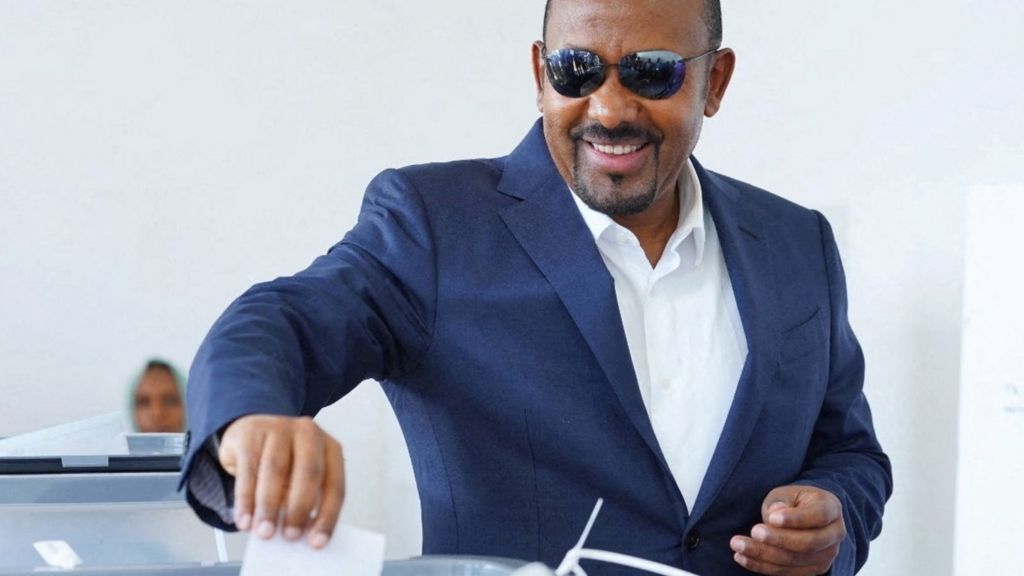
Nobel Peace Prize winner triumphs at Ethiopian polls but fears grow of new conflict
Ethiopia’s recent general election has delivered a resounding victory to Prime Minister Abiy Ahmed and his ruling Prosperity Party, cementing the incumbent’s hold on power for another five-year term as the country grapples with deep-seated security challenges and regional instability. With 438 of 501 declared parliamentary seats already secured by the Prosperity Party, Abiy is set to be sworn in for a new term in early October. Supporters of the prime minister point to his pledges to continue driving economic transformation across Africa’s second most populous nation, where the capital Addis Ababa has already seen widespread rapid infrastructure development in recent years. But critics and regional analysts warn that the lopsided election result, overshadowed by widespread opposition boycotts, ongoing insurgencies and broken peace accords, could deepen divisions and push the country back into large-scale conflict. Abiy first rose to power in 2018, amid widespread anti-government protests that shook the long-standing ruling coalition. Initially celebrated for his promises of national reconciliation and democratic opening, he quickly drew backlash from politicians of the northern Tigray region, which had dominated Ethiopian national politics for more than 20 years. Just one year after taking office, Abiy was awarded the 2019 Nobel Peace Prize, primarily for his diplomatic efforts to end two decades of hostilities with neighboring Eritrea. That breakthrough has since unraveled, however, creating a dangerous new web of regional alliances that threaten stability across the Horn of Africa. The 2020-2022 Tigray civil war, which killed an estimated 600,000 people and pushed millions to the brink of famine, formally ended with a November 2022 peace deal brokered by the African Union. But tensions have remained high, and the entire Tigray region – home to six million people across 36 electoral constituencies – was completely excluded from the recent general election, as fears of renewed fighting grow. Both sides have repeatedly accused one another of violating the terms of the 2022 peace accord. In the weeks leading up to the election, Tigray’s dominant Tigray People’s Liberation Front (TPLF) restored its pre-war regional administration, disbanding an interim body appointed by Abiy’s government. Local reports have emerged of forced recruitment of young Tigrayan men to rearm, claims that TPLF-aligned local authorities deny, saying civilians are only receiving voluntary self-defense training. But regional analysts note that the rising tensions are driven by actions from both Abiy and TPLF leadership. Cameron Hudson, an Africa analyst and former U.S. State Department official, explained that Abiy’s government has stepped back from the terms of the peace deal and made threatening military moves toward Tigray, while TPLF actions have stoked fears of preparations for renewed conflict. The regional dynamic has been further complicated by a dramatic shift in alliances along the Ethiopia-Eritrea border. When the Tigray war broke out, Eritrean troops fought alongside Abiy’s federal forces against the TPLF, with widespread allegations of atrocities against Tigrayan civilians that Eritrean and Ethiopian authorities have denied. Today, Abiy’s repeated public calls for Ethiopia to regain access to a Red Sea port – lost when Eritrea gained independence in 1993 – have pushed relations between Addis Ababa and Asmara to a breaking point. Eritrea now accuses Ethiopia of imperial ambitions, and Asmara has formally aligned with the TPLF, raising the prospect that any new conflict in Tigray would draw in a neighboring sovereign state. Ongoing insurgencies in two of Ethiopia’s most populous regions, Amhara and Oromia, have further disrupted the election process. On voting day, 143 polling stations failed to open in the two regions due to safety threats from anti-government armed groups: the Fano militia in Amhara and the proscribed Oromo Liberation Army (OLA) in Oromia, both of which demand greater regional autonomy and rejected the election and its final results. Beyond Ethiopia’s borders, the country is also embroiled in the ongoing civil war in neighboring Sudan. Multiple international reports have accused Addis Ababa of providing support to the Rapid Support Forces (RSF), one of the main warring factions in Sudan’s conflict, claims that the Ethiopian government has repeatedly denied. Eritrea and the TPLF, meanwhile, are known to maintain close ties with the Sudanese military, which is fighting the RSF, creating a connected web of conflict that analysts warn could spill across regional borders. The international community has already begun to sound the alarm over rising tensions. The European Union has called for immediate de-escalation in northern Ethiopia, while the United States – a key broker of the 2022 Tigray peace deal – recently announced targeted visa restrictions on hardline TPLF members and their immediate families, citing their role in undermining efforts to resolve the regional crisis. While many analysts do not expect an immediate return to full-scale civil war, they warn that the ongoing low-level polarisation and tension creates a dangerous powder keg. Magnus Taylor, a Horn of Africa analyst at the International Crisis Group, explained that the current dynamic leaves the door open for miscalculation: with the federal government in Addis Ababa convinced the TPLF is aligned with Ethiopia’s foreign enemies, even small clashes could escalate into a full regional conflict centered on Tigray. Opposition figures in Tigray echo that concern, noting that both sides have refused to return to negotiated talks to resolve outstanding differences. For the upcoming months following the election, analysts say the path Abiy chooses will shape the entire future of Ethiopia. While some observers worry the prime minister will use his newly consolidated political power to attempt a military solution to the ongoing Tigray conflict, his supporters maintain he will focus on delivering the economic transformation he has promised to a country that has long struggled with poverty and instability.