标签: Africa

非洲

  • Kenya launches a carbon registry to boost climate finance and credibility

    Kenya launches a carbon registry to boost climate finance and credibility

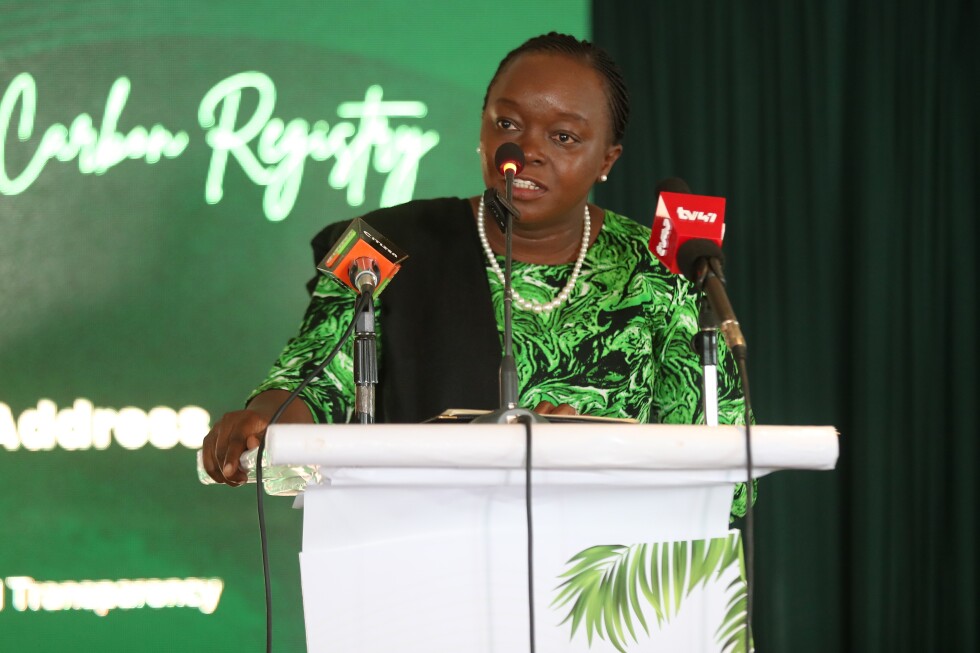
    NAIROBI, Kenya — In a strategic move to establish itself as a premier destination for climate finance, Kenya has officially launched a comprehensive national carbon registry designed to enhance transparency and integrity in carbon credit markets. The initiative, jointly introduced by the Ministry of Environment and the National Environment Management Authority, represents a significant advancement in Africa’s climate action landscape.

    The newly established registry will function as the central mechanism for monitoring carbon credit projects, validating emissions reductions, and eliminating the persistent issue of double counting that has plagued carbon markets globally. This development arrives as developing nations increasingly seek equitable participation in climate financing mechanisms under the Paris Agreement framework.

    Africa possesses substantial carbon sequestration capabilities through its vast forests and natural ecosystems, yet currently receives disproportionately minimal investment in global carbon markets. Kenya, endowed with extensive forest coverage, grassland territories, and renewable energy resources, aims to leverage this registry to attract foreign climate investment while ensuring local communities receive fair benefits from carbon trading activities.

    Carbon markets enable nations and corporations to offset their greenhouse gas emissions by purchasing credits generated from projects that reduce or remove atmospheric carbon dioxide, such as reforestation initiatives or renewable energy installations. However, these markets have faced criticism regarding inadequate oversight, exaggerated environmental claims, and inequitable benefit distribution.

    Cabinet Secretary for Environment, Climate Change and Forestry Deborah Mlongo declared, “Today marks a transformative moment in carbon market governance. This registry signals to international investors and the global community that Kenya is prepared to engage in carbon markets with unprecedented transparency, robust integrity, and strong regulatory oversight.”

    The registry will provide a standardized national accounting system aligned with international protocols, recording project approvals, tracking emissions reductions, and authorizing credit transfers. This infrastructure will enable Kenya to comply with international carbon trading regulations governing the transfer of emissions reductions between countries without duplicate counting.

    Government officials reported substantial interest from developers and investors, with over 80 carbon project concept notes already submitted for consideration. Special Climate Envoy Ali Mohamed emphasized that “this registry establishes the foundational architecture for an efficient market ecosystem, enabling comprehensive project monitoring, credit issuance, and corresponding adjustments that reinforce Kenya’s credibility as a serious carbon market jurisdiction.”

    The Kenyan government projects that carbon markets could generate significant investment inflows while simultaneously supporting conservation efforts, job creation, and sustainable development objectives. Environment Principal Secretary Festus Ng’eno emphasized the system’s design prioritizes equitable benefit distribution between communities and investors, particularly recognizing those who conserve and protect forest resources.

    Technical and financial support for the registry has been provided by Germany through its development agency GIZ, which recently announced an additional €2.4 million ($2.6 million) to enhance Kenya’s carbon market readiness. The registry is anticipated to become fully operational within the current year, incorporating a forestry carbon registry launched previously to support Kenya’s ambitious national tree-growing program.

  • Fake funeral suspects allegedly used hearse to smuggle charcoal in Malawi

    Fake funeral suspects allegedly used hearse to smuggle charcoal in Malawi

    Malawian authorities are investigating an elaborate charcoal smuggling operation after nine suspects escaped police custody following their arrest in a highly unusual trafficking case. The incident unfolded when forestry officials, acting on intelligence, intercepted a hearse at a roadblock near Blantyre that was purportedly part of a funeral procession.

    Upon inspection, officials discovered an empty coffin strategically placed over multiple bags of illegally sourced charcoal with an estimated market value of $1,700. The discovery revealed what forestry official William Mitembe described to local media as “the most complex illegal charcoal trafficking case in the country’s history.”

    The case took a curious turn when Patrick Dimba, manager of the involved funeral service, provided an alternative account to the BBC. According to Dimba, their driver was returning from a bereavement visit where he had transported two coffins for family selection. The empty coffin remained after the family made their choice, and the driver allegedly purchased 11 bags of charcoal during his return journey without other passengers present.

    Police reports contradict this narrative, indicating that approximately 30 bags of charcoal were concealed beneath the coffin during the interception in Chikwawa district, approximately 40 kilometers south of Blantyre. The suspects were briefly detained but subsequently escaped custody, abandoning the impounded vehicle.

    Hector Nkawihe, another forestry official, confirmed to Reuters that the individuals face charges of illegal possession and transportation of forestry products. If convicted, penalties include up to five years imprisonment or substantial fines.

    This incident highlights Malawi’s ongoing struggle with rampant charcoal trafficking, which has become a primary driver of deforestation nationwide. The high demand for charcoal as cooking fuel persists due to frequent electricity blackouts that plague the country. The economic context has worsened recently, with Malawi’s energy regulator implementing over 40% increases in petrol and diesel prices last month—the second significant fuel cost hike within four months.

    President Peter Mutharika’s administration continues to grapple with revitalizing Malawi’s struggling economy while addressing environmental challenges exacerbated by illegal fuel operations.

  • UAE in pole position as global wealth migration surges

    UAE in pole position as global wealth migration surges

    A significant structural shift in global wealth distribution is underway as high-net-worth individuals increasingly seek jurisdictions offering fiscal predictability and political stability. According to fresh data from financial advisory firm deVere Group, approximately 35% of affluent investors are actively considering relocation to lower-tax, policy-stable environments, signaling a fundamental transformation in international wealth management strategies.

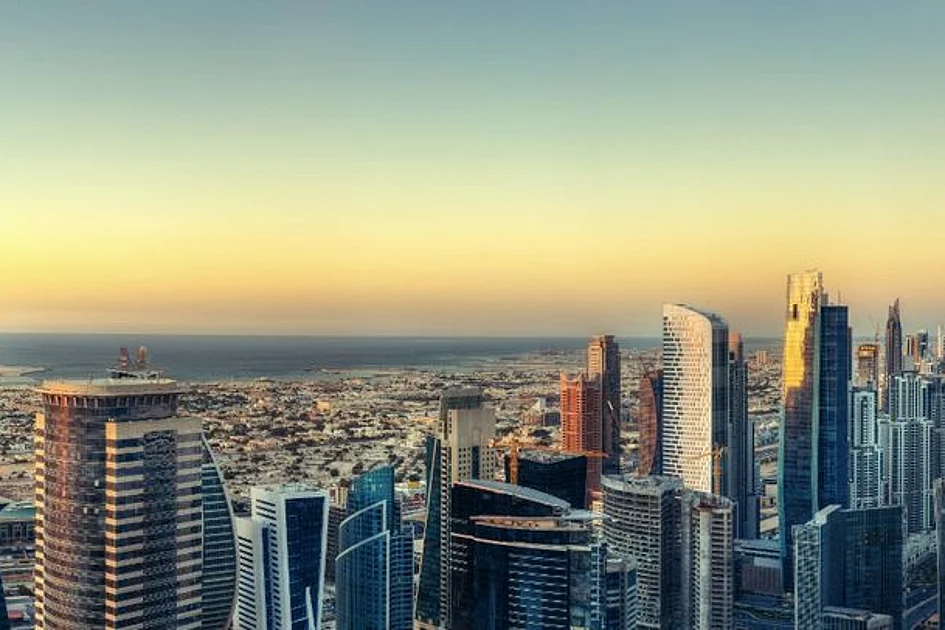
    The United Arab Emirates has positioned itself as the primary beneficiary of this capital migration trend, attracting entrepreneurs, investors, and ultra-high-net-worth families through its zero personal income tax regime, robust legal framework, and world-class infrastructure. The country’s Golden Visa program and long-term residency options have further enhanced its appeal as a secure base for internationally mobile capital.

    Industry analysts confirm the acceleration of what has been termed the ‘Great Wealth Migration,’ with defensive wealth preservation strategies now driving relocation decisions rather than purely expansion-oriented motives. Nigel Green, CEO of deVere Group, emphasizes that wealthy individuals are systematically reassessing their geographic bases in response to tax changes, geopolitical tensions, and policy unpredictability in traditional wealth centers.

    Property markets in Dubai and Abu Dhabi have played a crucial role in attracting global capital, with luxury real estate transactions reaching record levels over the past three years. Knight Frank’s research indicates that Dubai has firmly established itself as a leading destination for private capital and family offices, offering a unique combination of tax efficiency, regulatory transparency, and lifestyle advantages.

    Henley & Partners’ Private Wealth Migration Report consistently ranks the UAE as the world’s leading destination for millionaire inflows, a trend expected to continue through 2026. The country’s strategic location between East and West, coupled with its status as a global aviation and financial hub, provides unparalleled connectivity for internationally mobile families and businesses.

    Wealth managers note that clustering around policy-stable jurisdictions is becoming more pronounced, with the UAE standing out for its regulatory clarity and consistency. Full foreign ownership provisions, streamlined business setup processes, and sophisticated financial services infrastructure are encouraging entrepreneurs to shift both personal and corporate bases to the country.

    As geopolitical and fiscal uncertainties persist across traditional wealth centers, the UAE’s rise as a global magnet for capital and talent is projected to accelerate further, reshaping the landscape of international wealth management for years to come.

  • Fakih IVF opens a new branch in Khalifa City to strengthen healthcare services in Abu Dhabi

    Fakih IVF opens a new branch in Khalifa City to strengthen healthcare services in Abu Dhabi

    Fakih IVF, a pioneering institution in reproductive medicine across the Middle East, has inaugurated a new state-of-the-art facility on Al Forsan Street in Khalifa City, Abu Dhabi. This strategic expansion addresses the growing regional demand for specialized fertility services while reinforcing the organization’s commitment to healthcare accessibility.

    Under the visionary leadership of Dr. Michael Fakih, a renowned Consultant in Reproductive Endocrinology and IVF pioneer, the institution has facilitated the birth of over 35,000 children throughout its three-decade history. The new Khalifa City branch continues this legacy by offering comprehensive reproductive solutions including in vitro fertilization (IVF), intracytoplasmic sperm injection (ICSI), advanced genetic screening, and fertility preservation services through egg and sperm cryopreservation.

    The facility distinguishes itself through the integration of cutting-edge artificial intelligence technologies within its embryology laboratories. Notably, the center pioneered the implementation of AI-assisted sperm search technology in the region, providing breakthrough solutions for cases of severe male infertility. These advanced systems enhance treatment precision, optimize clinical protocols, and improve overall reproductive outcomes while maintaining rigorous safety standards.

    Dr. Michael Fakih emphasized the dual commitment to scientific excellence and compassionate care: “Our expansion into Khalifa City demonstrates our dedication to making world-class fertility treatment accessible to more families in Abu Dhabi. We believe every individual deserves personalized care, advanced treatment options, and emotional support throughout their reproductive journey.”

    The new center eliminates geographical barriers for residents of Khalifa City and surrounding communities, providing convenient access to internationally recognized fertility expertise without requiring extensive travel. This development represents a significant enhancement to Abu Dhabi’s healthcare infrastructure and reaffirms the UAE’s position as a hub for medical innovation in reproductive health.

  • How the tide turned against the leader of South Africa’s second-biggest party

    How the tide turned against the leader of South Africa’s second-biggest party

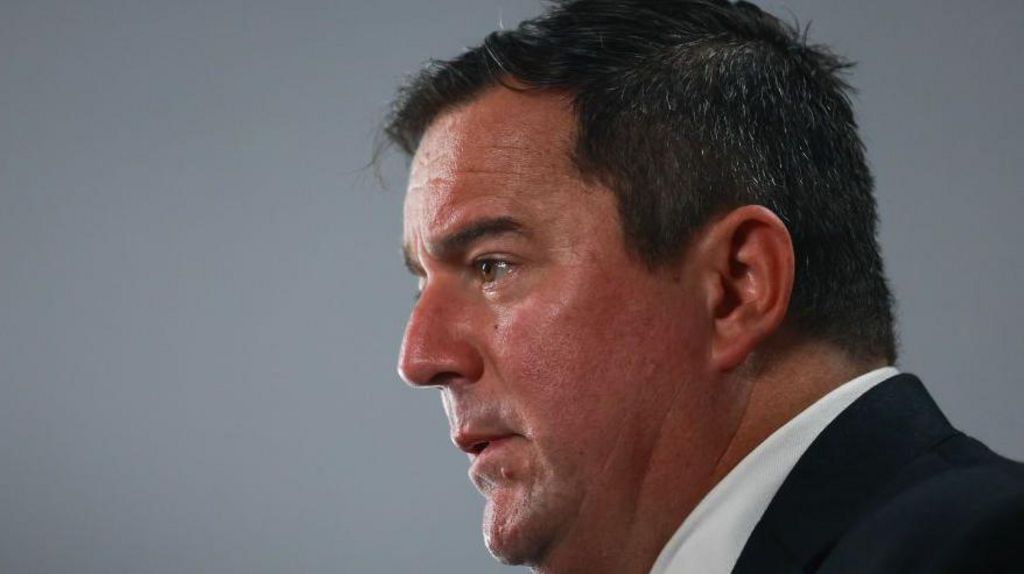
    South Africa’s political landscape faces renewed turbulence as Democratic Alliance (DA) leader John Steenhuisen announces his resignation following multiple scandals that have shaken the party’s carefully cultivated image of integrity. The development triggers a potentially divisive leadership contest that threatens to expose racial faultlines within the opposition party.

    The DA, historically perceived as representing racial minorities, joined the governing coalition for the first time following the 2024 elections that failed to produce an outright winner. Steenhuisen, serving as Agriculture Minister in President Cyril Ramaphosa’s cabinet, found himself embroiled in controversies that ultimately forced his political retreat.

    The minister faced intense criticism from farming communities over his handling of a devastating foot-and-mouth disease outbreak that crippled South Africa’s livestock industry. Theo de Jager of the Southern African Agri Initiative accused Steenhuisen’s administration of systematically silencing critics through exclusion and isolation tactics.

    More damaging emerged a financial scandal revealing Steenhuisen faced a default court judgment for unpaid personal credit card debt exceeding 150,000 rand despite earning an annual salary of 2.69 million rand. The Daily Maverick’s revelation prompted public scrutiny of how a leader unable to manage personal finances could oversee national agricultural policy.

    The controversy deepened when Steenhuisen orchestrated the dismissal of Environment Minister Dion George, the DA’s federal finance chair. While official reasons cited under-performance, conservation groups decried the move as a ‘political execution’ linked to George’s anti-wildlife trafficking stance. The EMS Foundation accused Steenhuisen of aligning with wildlife breeding interests upon assuming his ministerial portfolio.

    George’s subsequent resignation revealed further complications: he had confiscated Steenhuisen’s party-issued credit card last year due to unreconciled spending on UberEats, car rentals, and hotel accommodations. Although a DA inquiry cleared Steenhuisen of wrongdoing, the cumulative scandals proved politically insurmountable.

    Political analysts offer contrasting assessments of Steenhuisen’s legacy. Sandile Swana cited the leader’s 2010 extramarital affair, public fallout with George, and financial management issues as evidence of poor leadership. Conversely, Khanyi Magubane suggested Steenhuisen’s cooperative relationship with the ANC in coalition government represented the ‘core issue’ leading to his departure, disappointing DA hardliners expecting continued opposition.

    The leadership contest now pits Cape Town mayor Geordin Hill-Lewis against Gauteng leader Solly Msimanga, with analysts suggesting racial dynamics may influence the outcome. Magubane noted the DA’s conservative base might resist a black leader, reflecting persistent racial divisions within the party despite efforts to broaden its appeal following Mmusi Maimane’s leadership from 2015-2019.

    The developments underscore the challenges facing South Africa’s political evolution three decades after apartheid’s end, as historical divisions continue shaping contemporary governance dynamics.

  • Dubai announces revised paid parking timings for Ramadan; two hours free

    Dubai announces revised paid parking timings for Ramadan; two hours free

    Dubai’s Roads and Transport Authority (RTA) has unveiled comprehensive schedule adjustments for public services during the upcoming holy month of Ramadan. The revised operational timings affect paid parking zones, metro services, tram lines, and public buses to accommodate altered daily routines during this significant religious period.

    Paid parking facilities across Dubai will implement a dual-period fee system from Monday through Saturday. The first charging window runs from 8:00 AM to 6:00 PM, followed by a second collection period from 8:00 PM until midnight. In a considerate gesture toward observant residents, the RTA has established a complimentary two-hour parking window around Maghrib time—the evening prayer period when Muslims traditionally break their daily fast. Multi-story parking complexes will maintain their standard 24/7 operational schedule without interruption.

    Metro services will operate on extended schedules throughout Ramadan. Both Red and Green Lines will run from 5:00 AM to midnight from Monday to Thursday, with extended service until 1:00 AM on Fridays. Saturday operations mirror the weekday schedule, while Sunday services commence slightly later at 8:00 AM, continuing until midnight.

    The Dubai Tram network will enhance its service hours, operating from 6:00 AM to 1:00 AM the following day from Monday to Saturday. Sunday tram services begin at 9:00 AM, similarly extending until 1:00 AM. For public bus routes and marine transportation schedules, commuters are directed to consult the S’hail mobile application or the official RTA website for precise timing details.

    These transportation adjustments coincide with the Emirates’ moon-sighting committee convening on February 17th to officially confirm the commencement of Ramadan. Saudi Arabian authorities will simultaneously conduct crescent observation efforts, encouraging citizens to report sightings through appropriate channels.

  • England survive Italy scare to reach World Cup Super Eights

    England survive Italy scare to reach World Cup Super Eights

    England’s national cricket team narrowly avoided a major upset on Monday, securing a tense 24-run victory against tournament newcomers Italy to advance to the Super Eight stage of the Twenty20 World Cup. The twice champions demonstrated both vulnerability and resilience in a match that highlighted the growing competitiveness of associate nations in international cricket.

    Batting first, England posted their highest total of the tournament at 202-7, largely due to Will Jacks’ explosive unbeaten 53 from just 22 deliveries. The middle-order batsman delivered a spectacular performance, hammering four sixes and three fours during a critical final six-over onslaught that yielded 88 runs. Jacks received valuable support from Sam Curran, who contributed 25 off 19 balls, after England found themselves in a precarious position at 105-5.

    Italy’s response began disastrously as they slumped to 22-3 within four overs, with Jofra Archer claiming two early wickets. However, the debutants mounted a stunning comeback through Ben Manenti’s blistering 60 from 25 balls, featuring six maximums, and Justin Mosca’s steady 43. The pair added 92 runs in just eight overs, threatening what would have been one of the greatest upsets in T20 World Cup history.

    The match turned decisively when Curran dismissed the dangerous Grant Stewart for 45 in the 19th over, effectively ending Italy’s hopes. Jamie Overton sealed the victory by taking the final two wickets, finishing with three dismissals alongside Curran, who also claimed three wickets.

    England captain Jos Buttler acknowledged the close call, stating: ‘The associate nations have genuinely challenged the established teams throughout this tournament, which is tremendously exciting for the global game. We were certainly tested today.’

    The victory completed England’s Group C campaign with three wins and one loss to West Indies, who also qualified for the next stage. Italy, already eliminated from advancement, will play their final match against West Indies on Thursday.

  • Sharjah introduces electronic toll gates for trucks: How fees will be collected

    Sharjah introduces electronic toll gates for trucks: How fees will be collected

    Sharjah has implemented a groundbreaking electronic toll collection system named ‘Masar’ specifically designed for heavy commercial vehicles, marking a significant technological advancement in the region’s transportation infrastructure. This innovative system utilizes artificial intelligence and advanced sensor technology to automatically process fees without requiring trucks to stop at checkpoints.

    The system represents a collaborative effort between the Sharjah Roads and Transport Authority and the Sharjah Central Finance Department, replacing traditional manual collection methods with a fully automated, data-driven approach. Engineer Yousef Khamis Al Othmani, Chairman of the Roads and Transport Authority, described the project as “a pioneering initiative in electronic fee collection for commercial trucks and represents a qualitative leap in institutional work systems.”

    Masar’s technological framework integrates with the emirate’s existing digital payment infrastructure through the ‘Tahseel’ smart payment gateway, enabling secure cashless transactions and real-time financial reporting. Waleed Al Sayegh, Director General of the Central Finance Department, emphasized that the project “strengthens integration between government entities by connecting electronic toll gates to the digital wallet.”

    Beyond financial processing improvements, the system delivers multiple operational benefits including reduced congestion at checkpoints, decreased transit times for commercial vehicles, and minimized human error in fee collection. Environmental advantages are also significant, as reduced idling time for trucks contributes to lower emissions across Sharjah’s transportation network.

    The implementation supports Sharjah’s broader smart city initiatives and reflects the emirate’s commitment to technological innovation in public infrastructure. Officials confirm that the automated system enhances transparency, accelerates collection processes, and improves overall logistics efficiency throughout the region.

  • UAE weather tomorrow: Dusty conditions likely; Dubai temperatures to dip to 17ºC

    UAE weather tomorrow: Dusty conditions likely; Dubai temperatures to dip to 17ºC

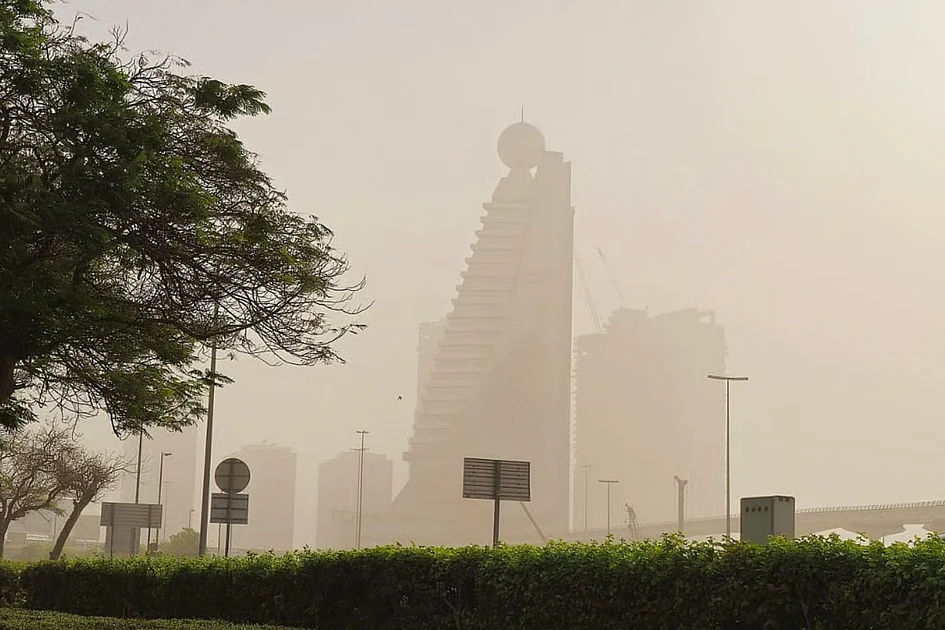
    Meteorological authorities in the United Arab Emirates have issued a weather advisory forecasting dusty conditions across the nation on Tuesday, February 17th. The National Centre of Meteorology (NCM) anticipates partly cloudy skies with increased cloud formation expected in eastern regions during daytime hours.

    Temperature readings are projected to reach seasonal lows, with Dubai experiencing minimum temperatures of 17°C while Abu Dhabi will see slightly warmer conditions at 18°C. Despite the dust disturbances, thermal conditions remain within comfortable parameters for residents.

    Weather patterns indicate rising humidity levels overnight into Wednesday morning, creating favorable conditions for fog and mist development, particularly across internal and coastal zones. Western areas are identified as most susceptible to reduced visibility due to these meteorological phenomena.

    Wind patterns will shift from northwesterly to southeasterly directions, maintaining light to moderate intensity with periodic freshening. Wind speeds are forecast between 10-25 km/h, occasionally reaching 40 km/h, potentially exacerbating dust dispersion across urban centers.

    Maritime conditions present varying circumstances, with the Arabian Gulf experiencing moderate to slight waves while the Oman Sea faces rougher waters, particularly during morning hours. The comprehensive forecast underscores the region’s transition period between seasonal weather patterns, characteristic of February’s meteorological behavior in the Gulf region.

  • More third-country nationals have been deported by the US to Cameroon, lawyers tell AP

    More third-country nationals have been deported by the US to Cameroon, lawyers tell AP

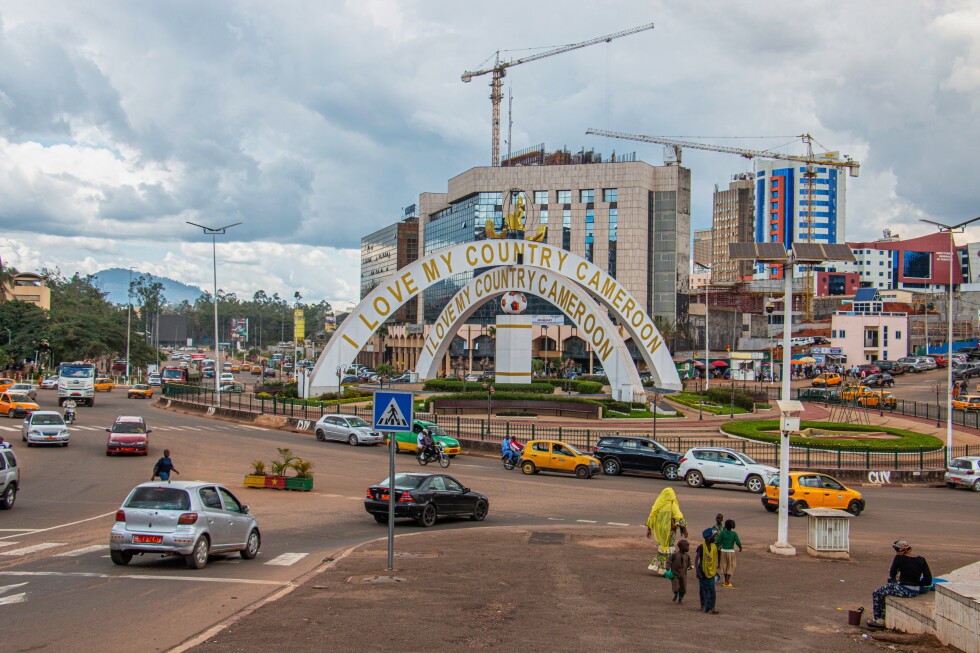
    The United States has executed a second deportation flight transporting non-Cameroonian nationals to Yaoundé, according to legal representatives familiar with the matter. This development follows the recent revelation that nine African migrants from various countries were secretly relocated to Cameroon in January through a controversial immigration program.

    US-based attorney Alma David of Novo Legal Group confirmed the arrival of eight third-country nationals aboard Monday’s flight to the Cameroonian capital. Both David and Cameroon-based lawyer Joseph Awah Fru, who are providing legal assistance to the previously deported group, anticipate extending counsel to the newly arrived deportees.

    “My immediate priority is addressing their state of shock,” Fru stated regarding the psychological impact on deportees.

    The Trump administration’s program, which involves transferring migrants to nations without established connections, has drawn significant criticism after documents revealed that eight of the nine individuals deported in January possessed protection orders from US immigration judges. These judicial protections prohibited their return to home countries due to credible fears of persecution, torture, or violence—particularly concerning LGBTQ+ individuals and political activists.

    Cameroon becomes the latest participant in a series of agreements with at least seven African nations, including South Sudan, Rwanda, Uganda, Eswatini, Ghana, and Equatorial Guinea. State Department records indicate that some countries have received multimillion-dollar payments to accept deported migrants, though specific terms of the Cameroon arrangement remain undisclosed.

    According to a Senate Foreign Relations Committee report compiled by Democratic staff, the administration has allocated approximately $40 million to deport nearly 300 migrants to non-native countries across Africa and Central America. Internal documents reviewed by the AP reveal 47 third-country agreements in various negotiation stages, with 15 finalized and 10 nearing completion.

    The State Department declined to comment on diplomatic communications but affirmed that “implementing the Trump Administration’s immigration policies remains a top priority,” emphasizing their “unwavering commitment to end illegal and mass immigration.”

    Human rights advocates express grave concerns that deporting migrants to countries with documented human rights abuses—particularly under Cameroon’s long-standing President Paul Biya—creates risks of denied due process and potential mistreatment. This concern echoes the situation in Eswatini, where four deportees have been held without charges in maximum-security confinement for over six months despite completing US criminal sentences.