标签: Africa

非洲

  • Iconic House announces regional expansion to Cairo under new “Iconic MENA” platform

    Iconic House announces regional expansion to Cairo under new “Iconic MENA” platform

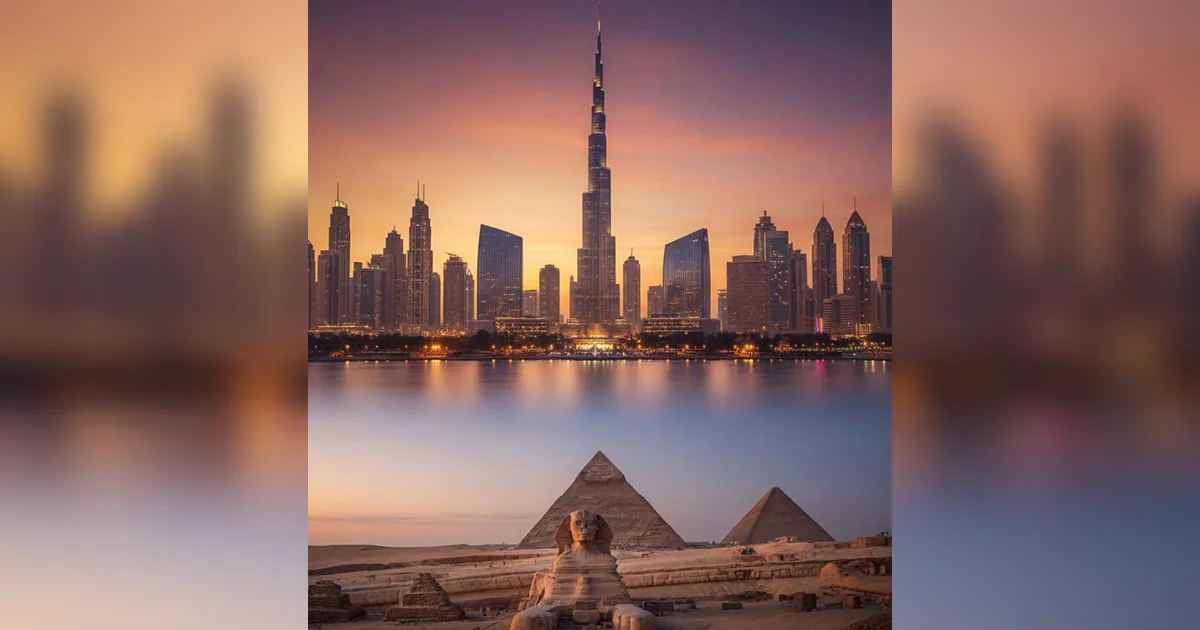
    Dubai-based commercial and industrial property firm Iconic House has unveiled a strategic regional expansion into Cairo, marking its inaugural step in establishing an integrated Middle Eastern network. The expansion is structured under the newly launched “Iconic MENA” platform, designed to connect major commercial hubs across the region.

    The move represents a significant milestone in the company’s growth strategy, transitioning from its established presence in Dubai’s competitive property market to creating cross-border commercial corridors. Iconic House has built its reputation in the UAE by providing access to warehouses, industrial plots, labor accommodations, showrooms, and restaurant spaces, along with business acquisition services.

    Founder and CEO Moustafa Khater emphasized the strategic timing of the Egyptian expansion, noting that “Egypt is entering a significant phase of industrial and commercial growth. There is clear demand for structured processes, transparency, and higher service standards, and this is the environment we are prepared to operate within.”

    Operations in Cairo have already commenced, with initial focus on industrial zones, logistics corridors, commercial assets, and business acquisition advisory. The company will implement the same rigorous due-diligence procedures and client-service approach that established its success in the UAE.

    The Iconic MENA platform will consolidate services into a unified regional framework connecting Dubai and Cairo, featuring comprehensive property services, business-for-sale advisory, market entry support, and investor acquisition opportunities. This structure aims to strengthen connections between investors, operators, and businesses seeking cross-market expansion throughout the Middle East.

    Khater highlighted the complementary strengths of both markets: “Dubai taught us discipline. Cairo gives us scale and energy. Combining both creates a balanced platform that responds to market needs.”

    The expansion reflects the company’s commitment to responsible advisory practices and supporting sustainable development across commercial and industrial sectors. Future phases of the regional strategy will explore potential entry into Saudi Arabia and additional Gulf markets, further expanding the platform’s regional connectivity.
  • Police probe deaths of famed actor-director Rob Reiner and wife as apparent homicide

    Police probe deaths of famed actor-director Rob Reiner and wife as apparent homicide

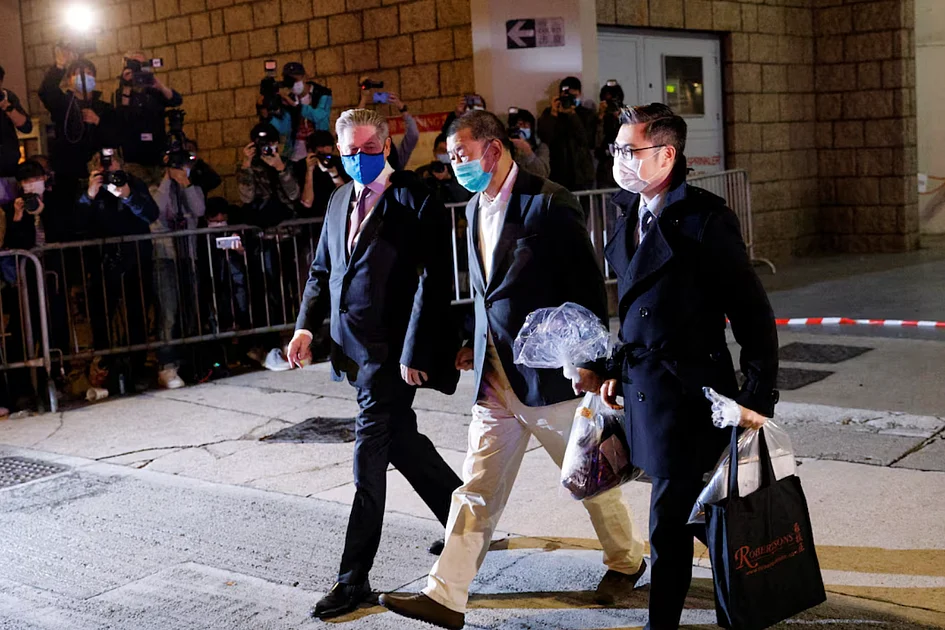
    Los Angeles authorities are investigating the shocking deaths of acclaimed filmmaker Rob Reiner and his wife Michele as an apparent double homicide. The couple was discovered deceased inside their Beverly Hills residence on Sunday afternoon when police officers responded to a welfare call.

    While official identification remains pending from the Los Angeles Police Department, both Mayor Karen Bass and California Governor Gavin Newsom have issued separate statements confirming the tragic passing of the 78-year-old director and his 68-year-old wife. The LAPD’s robbery-homicide division has assumed control of the investigation, with detectives awaiting a search warrant to conduct a comprehensive examination of the crime scene.

    Deputy Chief Alan Hamilton addressed reporters Sunday evening, characterizing the case as an ‘apparent homicide’ investigation while confirming that no suspects have been identified thus far. The precise cause of death will be determined by the Los Angeles County Medical Examiner’s Office in due course.

    Reiner’s monumental career spanned both acting and directing, beginning with his breakthrough role as Michael ‘Meathead’ Stivic in the groundbreaking television series ‘All in the Family.’ His transition behind the camera established him as one of Hollywood’s most versatile directors, creating beloved classics including ‘The Princess Bride,’ ‘When Harry Met Sally…,’ ‘Stand by Me,’ and the courtroom drama ‘A Few Good Men.’

    Michele Reiner, formerly Michele Singer, enjoyed her own creative career as a photographer, notably capturing the cover image for Donald Trump’s 1987 business memoir ‘The Art of the Deal.’ The couple shared three children during their marriage.

    Beyond his cinematic achievements, Reiner remained actively engaged in political advocacy, supporting Democratic presidential candidates including Al Gore, John Kerry, and Hillary Clinton. His father, comedy legend Carl Reiner, preceded him in death in 2020.

    The entertainment industry and political circles have expressed profound grief over the loss, with Mayor Bass describing the tragedy as ‘a devastating loss for our city and our country’ while acknowledging Reiner’s significant contributions to American culture and social justice advocacy.

  • UAE and GCC travel deal: Explore more with the iconic Japan rail pass

    UAE and GCC travel deal: Explore more with the iconic Japan rail pass

    A groundbreaking travel arrangement is set to transform the Japanese exploration experience for Middle Eastern tourists. Al Tayer Travel has secured official authorization as a distributor for Japan’s renowned Rail Pass, marking a significant advancement in travel convenience for UAE and GCC residents. This strategic partnership eliminates the traditional logistical hurdles associated with accessing Japan’s world-famous railway system upon arrival.

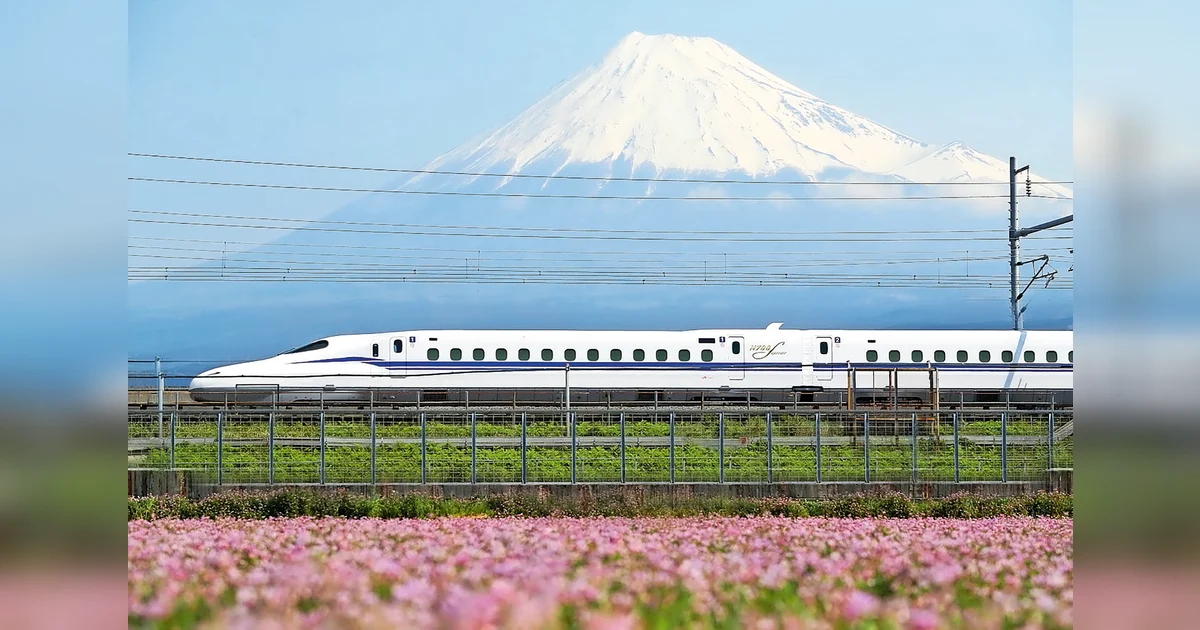
    The Japan Rail Pass, administered by the Japan Railways Group, represents one of the most comprehensive transportation solutions available to international visitors. The pass grants unlimited access to the country’s extensive rail network, including the celebrated Shinkansen bullet trains, regional services, and local transit connections that link urban centers with rural destinations across the archipelago.

    According to Asif Hussain, Manager of Outbound Operations at Al Tayer Travel, “The growing demand for seamless mobility within Japan among GCC travelers prompted this initiative. Our appointment as an authorized distributor reinforces our commitment to delivering reliable and convenient travel solutions that significantly enhance the overall customer experience.”

    This development revolutionizes trip planning for Middle Eastern visitors. Instead of navigating transportation options after arriving in Japan, travelers can now procure their rail passes through Al Tayer Travel’s regional branches before departure. This pre-arrangement enables tourists to proceed directly to platform gates upon landing, exchanging their documentation promptly to commence their Japanese adventure without delay.

    The rail pass program offers multiple duration options and class distinctions, catering to diverse travel preferences including family vacations, romantic getaways, business trips, and solo expeditions. The flexibility of unlimited travel encourages spontaneous exploration, enabling detours to lesser-known destinations and last-minute itinerary adjustments that enrich the travel experience.

    Complementing the pass distribution, Al Tayer Travel provides comprehensive consultation services to optimize itinerary planning. Their expertise helps first-time visitors navigate Japan’s complex rail system while offering returning travelers more efficient route planning assistance.

    Japan’s popularity among Middle Eastern tourists continues to surge, attributed to its renowned safety standards, cultural hospitality, culinary excellence, and diverse landscapes ranging from ultra-modern cities to pristine natural environments. The enhanced accessibility to the Japan Rail Pass further strengthens the destination’s appeal, facilitating seamless journeys between Tokyo’s metropolitan energy, Kyoto’s traditional districts, Osaka’s culinary markets, and Hokkaido’s scenic countryside.

    Interested travelers can obtain the Japan Rail Pass or seek itinerary guidance through Al Tayer Travel’s network of branches throughout the UAE and GCC region, making Japanese exploration more organized and accessible than ever before.

  • UAE real estate trend: Creator-ready homes redefine residential design for digital economy

    UAE real estate trend: Creator-ready homes redefine residential design for digital economy

    A transformative shift is underway in United Arab Emirates residential real estate as developers respond to the explosive growth of the creator economy by designing specialized ‘creator-ready’ homes. This emerging housing category represents a fundamental reimagining of residential spaces to accommodate the professional needs of digital content producers.

    With the global creator economy valued at approximately $250 billion and projected to reach $480 billion by 2027 according to Goldman Sachs, and over 165 million new creators entering the space since 2020 per Adobe’s research, the UAE presents an exceptionally ripe market. DataReportal confirms the nation achieved 99% internet penetration with 11.3 million users in 2026, while maintaining a remarkable 112% social media adoption rate indicating multiple profiles per user.

    These demographic realities have created unprecedented demand for residential properties that function as production studios. Unlike traditional home offices, creator-ready homes prioritize acoustic optimization through double-insulated walls, specialized HVAC systems, and acoustic paneling to ensure professional-grade audio recording capabilities. Visual production needs are addressed through strategically oriented windows for consistent natural lighting, neutral wall shades, modular backdrop systems, and in some pioneering developments, integrated LED walls for digital background versatility.

    The infrastructure requirements extend beyond aesthetics to practical considerations. These homes feature dedicated equipment storage with padded compartments, advanced cable management systems, built-in charging stations, and enhanced electrical systems capable of supporting multiple high-wattage production devices. Connectivity receives particular attention with mesh WiFi systems and enterprise-grade networking infrastructure to facilitate large file uploads and uninterrupted streaming.

    Real estate professionals in Dubai and Abu Dhabi report a significant portion of younger buyers and renters—estimated at one in three—now evaluate properties primarily through the lens of content creation suitability. This includes assessing layout flexibility, acoustic privacy, lighting conditions, and technical infrastructure before making purchasing decisions.

    The trend presents substantial opportunities for developers to differentiate offerings in a competitive market. Properties with creator-friendly features command premium interest, particularly among Gen Z and millennial demographics who increasingly view digital production capabilities as essential to their career identity and lifestyle. Co-living operators similarly report high utilization rates of shared podcast studios, photography zones, and creator suites during evenings and weekends.

    As the UAE continues to expand freelance permits for digital professionals and content creators, this housing evolution appears positioned for sustained growth. The convergence of ultra-high digital adoption rates, favorable regulatory frameworks, and generational career shifts suggests creator-ready homes will become increasingly mainstream rather than a niche offering, fundamentally reshaping residential design priorities for the foreseeable future.

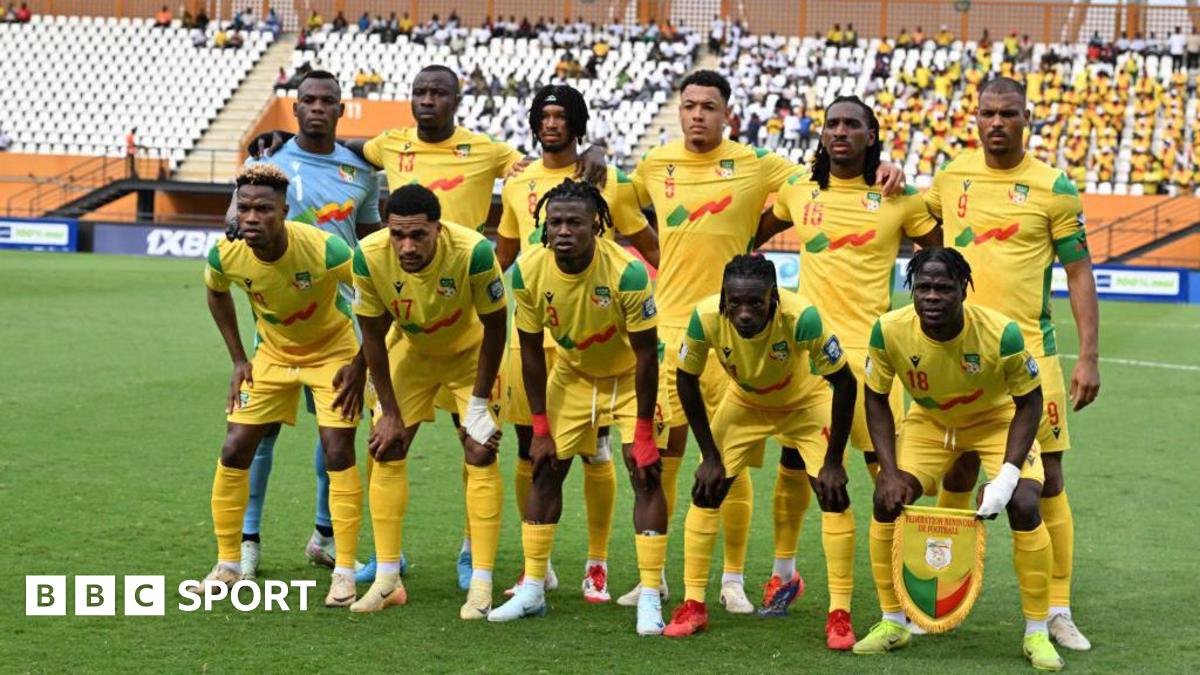
  • Benin have point to prove at Afcon after World Cup pain

    Benin have point to prove at Afcon after World Cup pain

    The Benin national football team arrives in Morocco for the 2025 Africa Cup of Nations carrying both ambition and recent disappointment. Ranked 92nd globally, the Cheetahs face formidable Group D opponents including Senegal (19th) and DR Congo (56th), alongside Botswana.

    This tournament marks Benin’s fifth appearance at Africa’s premier football event, their first since missing both the 2021 and 2023 editions. The squad draws inspiration from their historic 2019 campaign where they reached the quarter-finals despite not winning any group stage matches—becoming the first team to advance to knockouts without victory.

    Assistant coach Tunde Adelakun acknowledges the challenge ahead: “I’d love to win the tournament. The journey will be tough [but] what I’ve got at the moment is seven Afcon finals to navigate.” The technical staff, led by head coach Gernot Rohr, has selected players who impressed during the 2026 World Cup qualifiers, where Benin came agonizingly close to historic qualification before a final-match defeat to Nigeria.

    The team features emerging talents of Nigerian descent including Junior Olaitan and Tosin Aiyegun, who have become influential figures. Adelakun, himself Nigerian and former member of Rohr’s Super Eagles staff, notes: “These are players who have got the DNA of Nigeria… playing in a team that has what it takes to actually go out there and make impressions.”

    Benin opens their campaign against DR Congo on December 23rd, facing a team that recently defeated African heavyweights Cameroon and Nigeria in World Cup qualifiers. Despite the challenging group, Adelakun remains optimistic: “We’ve put [World Cup disappointment] behind us, there’s no regrets [and] we’re proud of what we did. It’s time to get onto the African stage and prove to the world what we are made of.”

  • Dozens killed in Morocco flash floods

    Dozens killed in Morocco flash floods

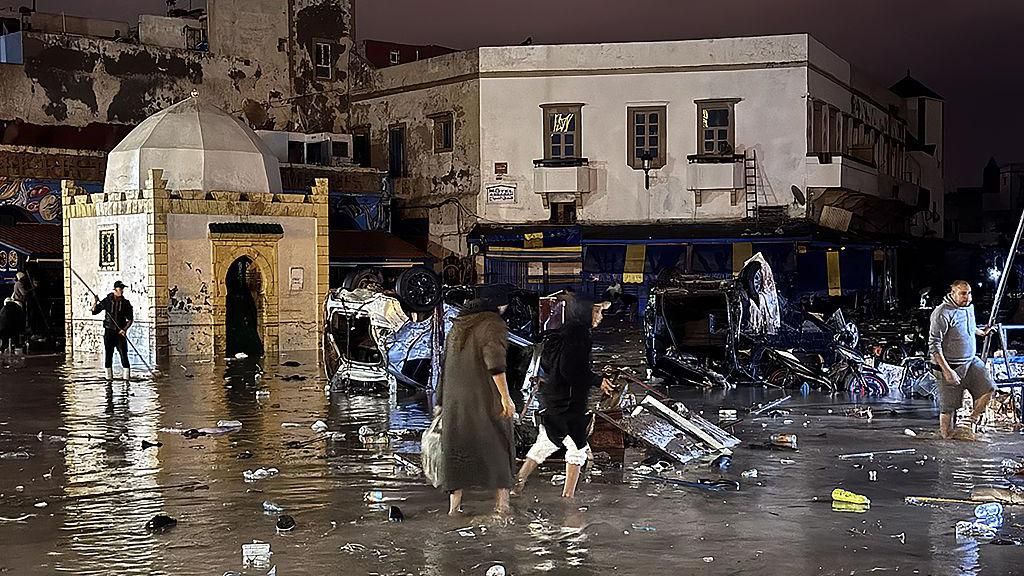
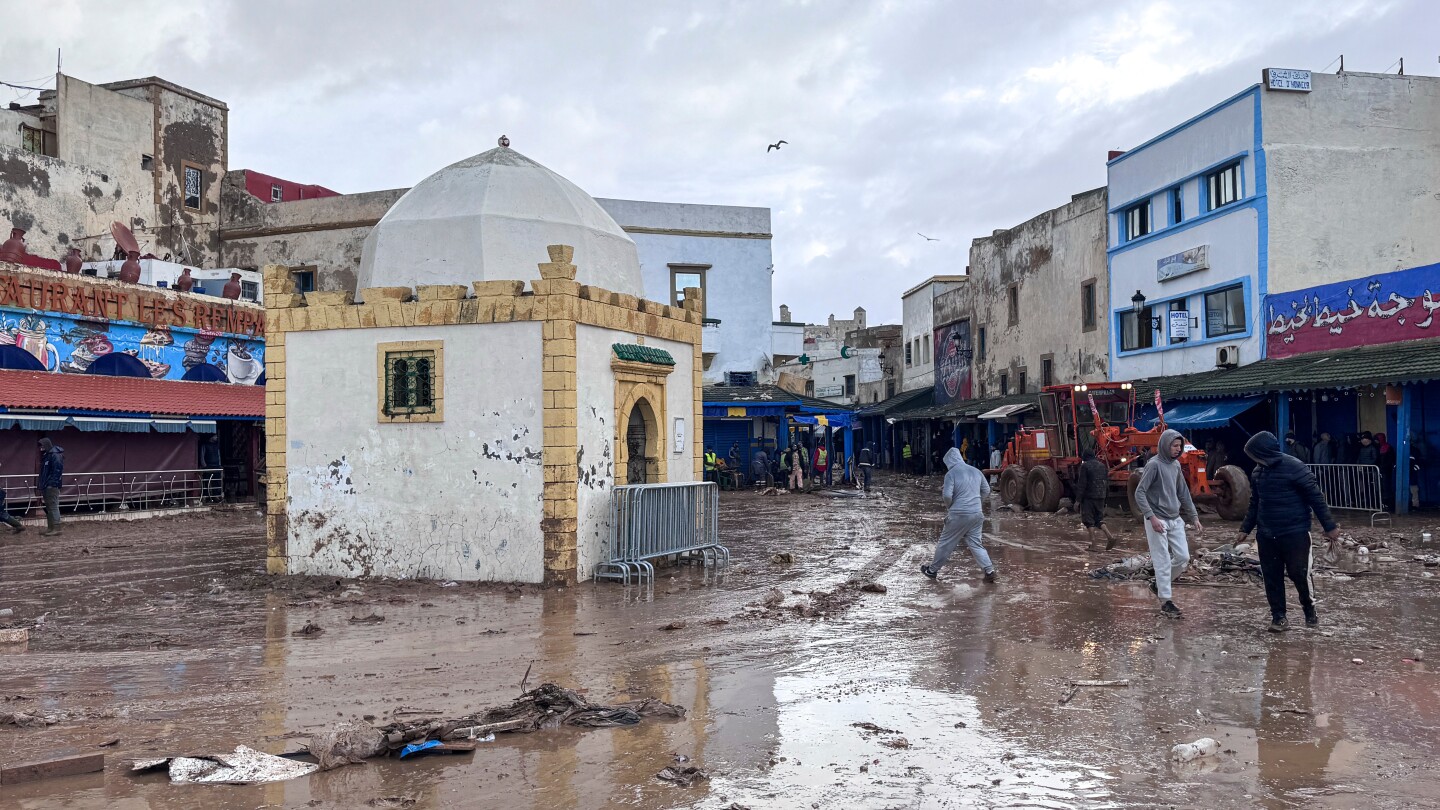
    A catastrophic flash flooding event has devastated Morocco’s coastal Safi region, resulting in a confirmed death toll of 37 individuals as reported by state television. The tragedy unfolded on Sunday when torrential rains triggered violent floodwaters that inundated the port city, sweeping away vehicles and massive accumulations of debris through urban thoroughfares.

    Local authorities have confirmed dozens of injured residents are currently receiving emergency medical treatment at area hospitals. The historic city center has suffered significant damage with at least 70 residential properties completely submerged under floodwaters. Transportation networks have been severely compromised with multiple access routes to the city rendered impassable due to extensive damage and accumulated wreckage.

    Eyewitness accounts describe Sunday’s events as a ‘dark day’ for the community, with residents expressing frustration over delayed governmental response. One local resident communicated to AFP his urgent desire to see official emergency vehicles deployed for water extraction operations.

    Moroccan emergency services continue search and rescue operations as the nation grapples with the aftermath. Meteorological experts are linking these extreme weather phenomena to broader climate crisis patterns, noting that North Africa has experienced seven consecutive years of drought that have critically depleted water reservoirs. This context makes the sudden torrential rainfall particularly alarming to climate scientists.

    The national weather service has issued continued advisories warning that heavy precipitation is expected to persist through Tuesday, with simultaneous snowfall anticipated across the Atlas Mountain range. This compounding weather emergency occurs against the backdrop of 2024 being officially recorded as the hottest year in modern history, adding to concerns about increasing climate volatility in the region.

  • Ugandan army admits holding priest who’d been missing for days

    Ugandan army admits holding priest who’d been missing for days

    The Ugandan military has officially acknowledged holding Catholic priest Father Deusdedit Ssekabira, who had been missing since December 3rd, alleging his participation in “violent subversive activities.” In a concise statement, military authorities confirmed the clergyman’s arrest, stating he remains in “lawful custody” and will face formal court charges.

    This declaration follows urgent appeals from the Masaka Catholic Diocese, which previously reported Father Ssekabira’s alleged abduction by individuals wearing Uganda Army uniforms. The church institution has yet to respond to the military’s specific accusations against the priest.

    The incident occurs as Uganda approaches next month’s elections amidst increasing international scrutiny regarding human rights violations, including enforced disappearances and extended detention without trial.

    Masaka Bishop Serverus Jjumba characterized the priest’s disappearance as a “grievous wound inflicted on Masaka Diocese, the entire Catholic Church and Father Ssekabira’s family,” confirming ongoing efforts through legal channels to secure his safe return.

    Opposition leader Bobi Wine promptly condemned the military’s detention of civilians, alleging systematic abductions of his supporters by state security forces. The presidential candidate, whose legal name is Robert Kyagulanyi, asserted this incident reflects the current governance reality under President Yoweri Museveni.

    This case echoes previous incidents involving opposition figures and human rights activists. Last year, opposition politician Kizza Besigye mysteriously disappeared in Nairobi before reappearing in Ugandan military court, while two Kenyan activists were detained for five weeks after attending Wine’s campaign event before being released.

    President Museveni previously described detained activists as “experts in riots” who had been placed “in the fridge for some days,” employing terminology that has drawn criticism from human rights organizations.

    Ugandan security agencies continue facing allegations of detaining opposition supporters while out of uniform, with some detainees eventually surfacing in court facing criminal charges.

  • Torrential rains and flash floods kill 37 in Moroccan city of Safi

    Torrential rains and flash floods kill 37 in Moroccan city of Safi

    CASABLANCA, Morocco — Catastrophic flooding has struck the coastal city of Safi, Morocco, resulting in at least 37 fatalities according to an official statement released Monday by the nation’s Interior Ministry. The disaster unfolded as torrential overnight rains triggered severe flash floods that submerged approximately 70 residential and commercial properties while sweeping away 10 vehicles. Emergency services reported 14 individuals hospitalized with injuries.

    The severe weather event has prompted local authorities to announce three-day school closures as recovery efforts continue. Beyond Safi, significant flooding and infrastructure damage have been reported across multiple Moroccan regions including the northern city of Tetouan and the mountainous community of Tinghir.

    Situated approximately 320 kilometers from the capital Rabat, Safi serves as a vital economic center for Morocco’s fishing and mining sectors, employing thousands in resource extraction and processing operations. The city of 300,000 residents hosts a major phosphate processing facility, though operations have been disrupted by the catastrophic flooding.

    Disturbing social media footage depicts vehicles partially submerged and stranded as powerful floodwaters surged through urban thoroughfares. Climate scientists note that Morocco’s weather patterns have grown increasingly unpredictable due to climate change impacts. The region has experienced prolonged drought conditions that have hardened soils and reduced natural absorption capacity, exacerbating flood vulnerability.

    This tragedy follows another recent building collapse incident in Fez that claimed 22 lives, raising questions about infrastructure resilience and building code enforcement. While Morocco has invested in disaster risk reduction initiatives, implementation varies significantly at local government levels, particularly regarding drainage systems and construction standards. These infrastructural disparities became a focal point during youth-led protests that emerged across the nation earlier this year.

  • War scars cast shadow in eastern DR Congo

    War scars cast shadow in eastern DR Congo

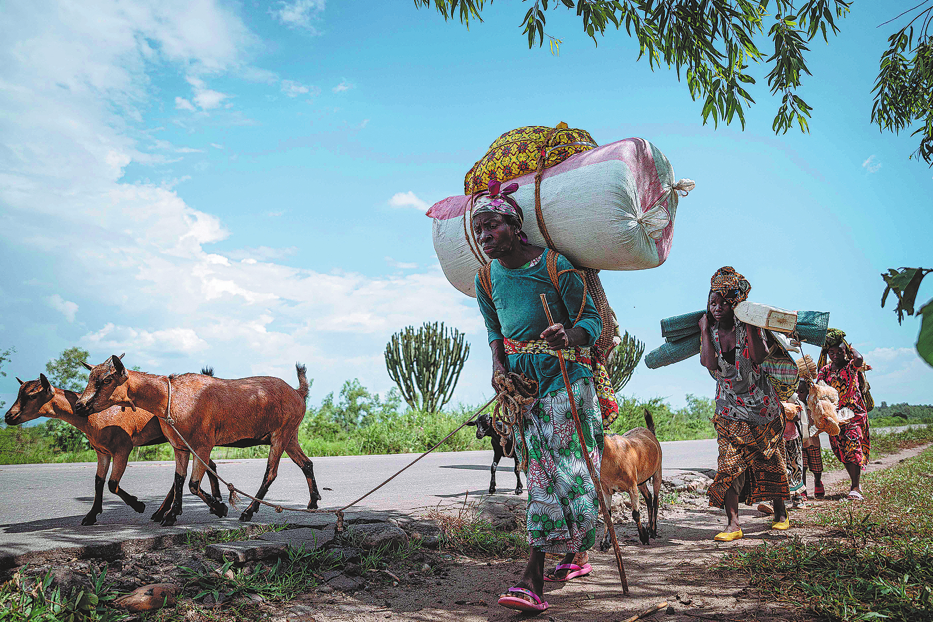
    The eastern Democratic Republic of Congo faces a severe humanitarian emergency as renewed hostilities by M23 rebels create widespread devastation and displacement across South Kivu Province. Recent military advances have left visible scars along strategic transport routes, with charred military vehicles and bullet-riddled buildings lining the road from Bukavu to Uvira—a vital artery connecting northern and southern parts of the conflict-ridden region.

    Since December 2nd, intensified fighting on multiple fronts has precipitated one of the largest displacement crises in recent memory. United Nations humanitarian agencies report approximately 500,000 individuals have been forced from their homes, while Congolese authorities confirm over 400 casualties since the offensive began. The M23’s claimed capture of Uvira—South Kivu’s second-largest city—has transformed urban centers into militarized zones where residents navigate daily life under rebel surveillance.

    The conflict’s regional implications are rapidly expanding. Burundi’s closure of border crossings with the DRC has severed critical supply routes for essential commodities including food and fuel, exacerbating an already dire humanitarian situation. This development coincides with reports of approximately 38,000 Congolese asylum seekers crossing into Burundi between December 5-9, according to Burundian state media.

    UN officials have raised alarms about the potential for broader regional conflict. Jean-Pierre Lacroix, UN Under-Secretary-General for Peace Operations, warned the Security Council that the current offensive “revived the specter of a regional conflagration with incalculable consequences.” He emphasized the increasing regionalization of the conflict, noting that cross-border movements of both civilians and combatants heighten escalation risks.

    International concern continues to mount, with China’s UN representative Fu Cong emphasizing the urgent need for immediate hostilities cessation. The DRC government has announced potential negotiations with Burundi regarding establishing temporary humanitarian corridors to address the growing crisis, though details remain undeveloped amid ongoing volatility.

  • Their diamond-rich land in South Africa was taken. Now they want it back

    Their diamond-rich land in South Africa was taken. Now they want it back

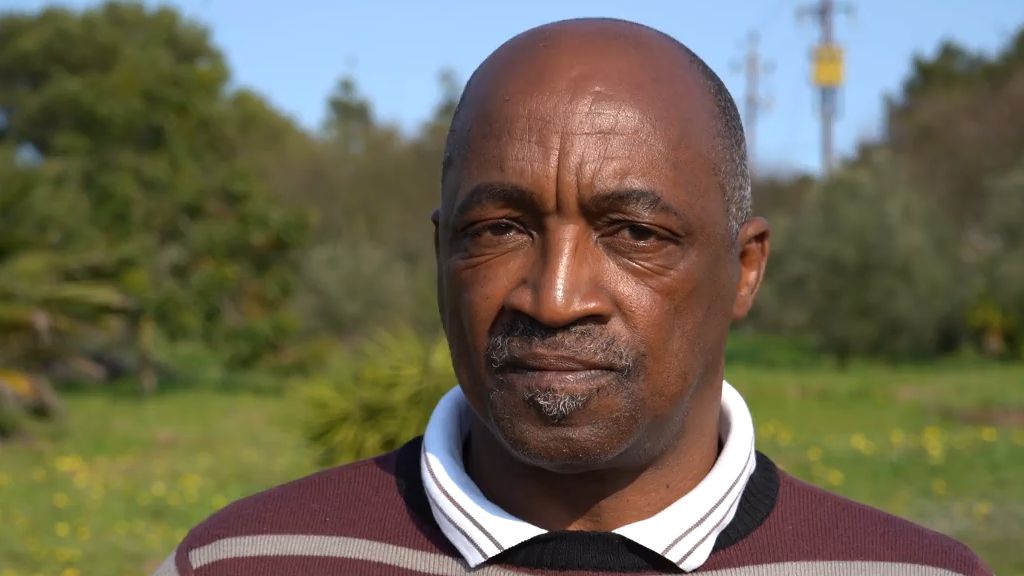
    Along South Africa’s northwestern coastline, a stark environmental and economic divide tells the story of the Nama people’s century-long struggle. The journey from Cape Town to the Namibian border reveals breathtaking natural vistas gradually giving way to a pockmarked lunar landscape—visible scars from decades of diamond extraction that generated hundreds of millions in wealth, yet left indigenous communities in persistent poverty.

    The Nama people, descendants of the region’s original Khoi and San inhabitants, have faced systematic displacement since European colonization. Their ancestral lands around the Orange River were annexed in the mid-19th century, with forced removals intensifying following the 1920s diamond rush. Despite a landmark 2003 Constitutional Court victory recognizing their inalienable land and mineral rights, the community remains trapped in what leader Martinus Fredericks describes as ‘hand-to-mouth existence’ with sky-high unemployment.

    The court ruling should have been transformative. Instead, a controversial 2007 agreement between state-owned miner Alexkor and the Richtersveld Communal Property Association (CPA) allocated 51% of mineral rights to the company and 49% to the community. Fredericks maintains this arrangement was made without proper community consent, and two decades later, residents report seeing no benefits from diamond wealth extracted from their land.

    Alexkor contends it has transferred approximately 240 million rand ($14 million) to community entities, but acknowledges through current chairperson Dineo Peta that ‘the community has not received the full economic benefit of the operations,’ blaming previous management’s ‘maladministration and malfeasance.’ A state capture investigation revealed corruption within the company, though no convictions have resulted.

    Parliamentary hearings recently revealed that over 300 million rand ($17.6 million) intended for community development remains unaccounted for, with lawmakers describing the CPA as ‘dysfunctional.’ The association failed to respond to BBC inquiries regarding the missing funds.

    Beyond financial concerns, environmental degradation poses another crisis. Abandoned mines dot the coastline with minimal rehabilitation, despite legal obligations. Mining giants Trans Hex and De Beers maintain they fulfilled their responsibilities before selling sites, though De Beers committed 50 million rand toward rehabilitation in recent sale agreements.

    Fredericks has now initiated legal proceedings against the CPA, seeking to reclaim authentic community representation. ‘A Nama people cannot be a Nama people without control of Nama land,’ he asserts, emphasizing the intrinsic connection between identity and territory that continues to drive their fight for restorative justice.