标签: Africa

非洲

  • Over 700 migrants reach UK in small boats after pause in crossings

    Over 700 migrants reach UK in small boats after pause in crossings

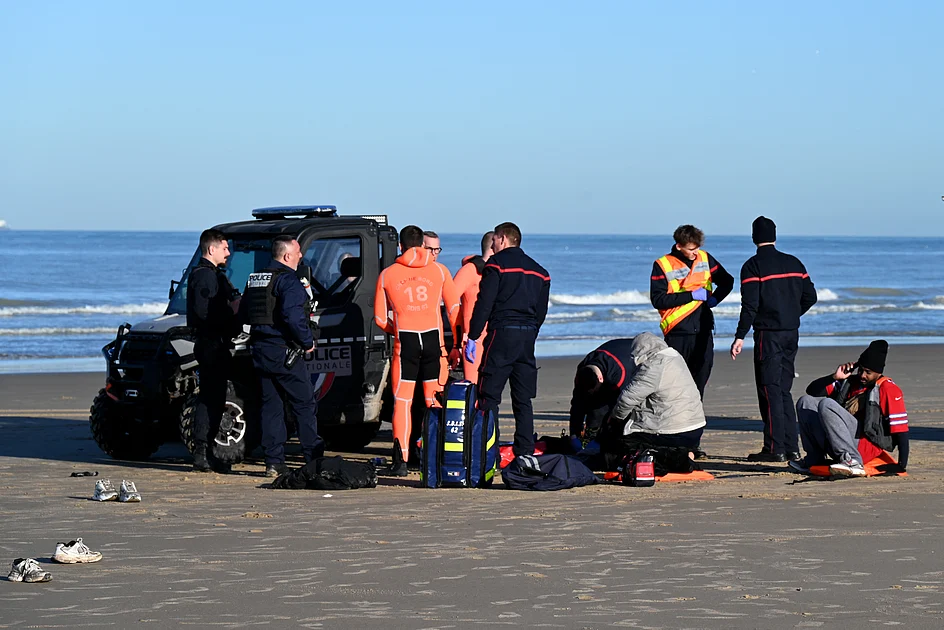
    A significant resurgence of migrant crossings occurred on December 13th as 737 individuals successfully traversed the English Channel in small vessels, according to official figures released by the UK Interior Ministry. This movement ended a notable 28-day hiatus in arrivals—the longest interruption in seven years—primarily attributed to adverse weather conditions preventing maritime travel.

    The latest influx involved eleven separate boats making the perilous journey from northern France to England’s southern coastline. With this arrival, the cumulative total of migrants reaching UK shores via small boats throughout 2025 has now reached 40,029 persons. This figure positions the current year to potentially become the second-highest annual arrival period since systematic record-keeping began in 2018.

    These Channel crossings have evolved into a contentious political issue within the United Kingdom, significantly influencing domestic politics. The anti-immigration Reform Party, under the leadership of Nigel Farage, has capitalized on public concern regarding migrant arrivals. Opinion polling throughout much of the year has consistently shown Reform maintaining double-digit advantages over Prime Minister Keir Starmer’s Labour Party, indicating the substantial political impact of migration patterns.

    The cyclical nature of crossings—directly correlated with maritime weather conditions—demonstrates the persistent challenge facing border enforcement authorities. Despite heightened surveillance and enforcement measures, the fundamental dynamics of migration patterns continue to be heavily influenced by environmental factors beyond governmental control.

  • 9 African migrants died in freezing temperatures near Morocco-Algeria border

    9 African migrants died in freezing temperatures near Morocco-Algeria border

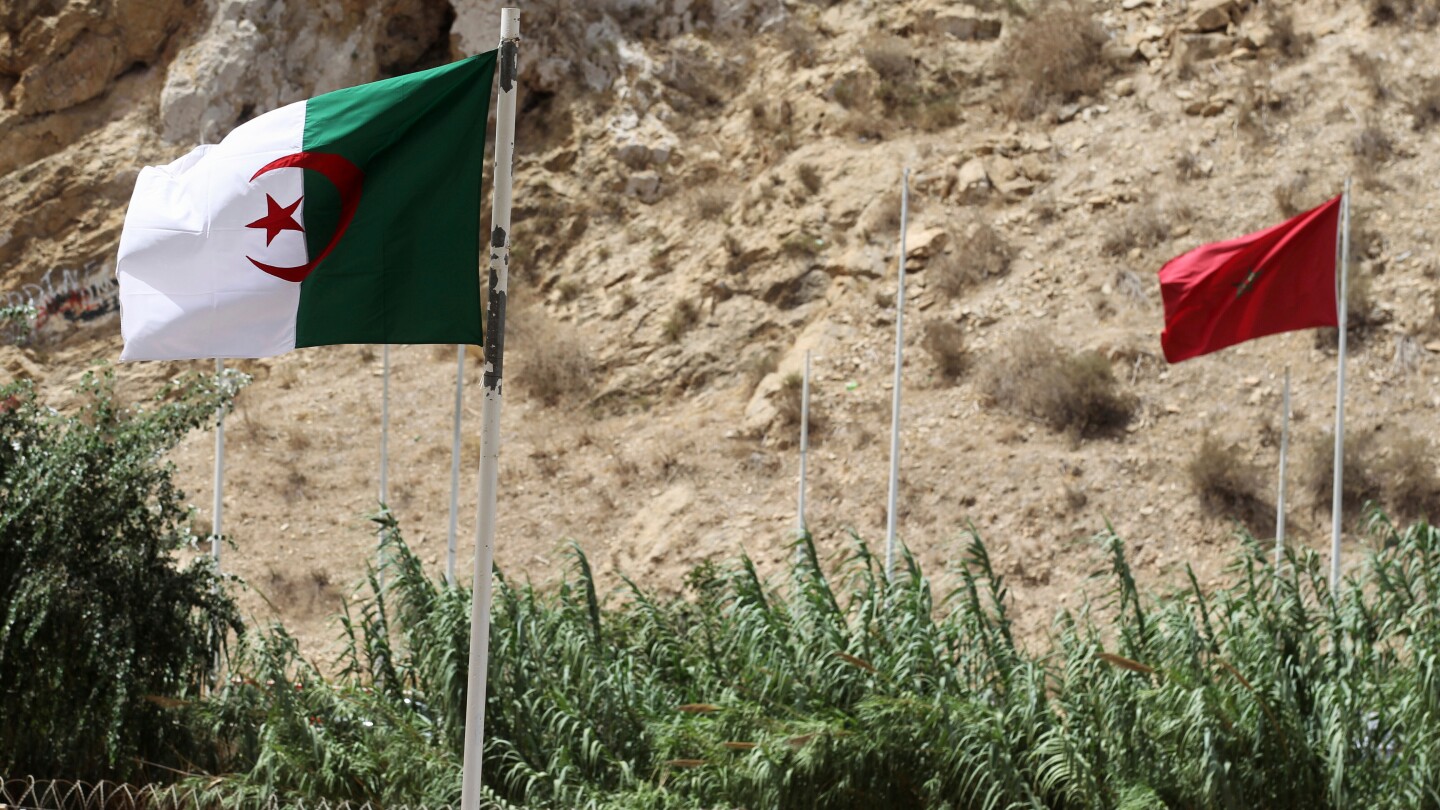
    In a devastating incident highlighting the perils of irregular migration, nine African migrants perished from extreme cold exposure near Morocco’s mountainous border region with Algeria. The tragic discovery in Ras Asfour—a remote area known for its harsh winter conditions—has triggered significant concern among human rights organizations across North Africa.

    The Moroccan Association of Human Rights confirmed the victims included seven men and two women from various sub-Saharan nations, with one individual identified as Guinean. According to their Saturday statement, “Their exhausted bodies could not withstand the plunging temperatures” that characterize this treacherous transit zone.

    This tragedy occurs within the broader context of ongoing migration patterns where thousands annually attempt dangerous journeys from North Africa to European destinations. Many seek entry via Spain’s North African enclaves of Ceuta and Melilla through fence scaling or swimming, while others undertake the perilous Atlantic route to the Canary Islands.

    The region has increasingly become a focal point for migration control efforts, with EU security agreements enhancing North African authorities’ capabilities to deter irregular movement. Many migrants spend months or years in informal employment sectors—including construction, agriculture, and domestic work—while awaiting crossing opportunities across the Mediterranean or Atlantic.

    Human rights groups have responded forcefully to the incident. The Moroccan Organization of Human Rights has called for border humanization policies, decriminalization of irregular migration and residence, and establishment of mechanisms to track missing migrants. Meanwhile, six victims have been buried locally while two bodies were preserved for family identification purposes.

    Morocco’s Interior Ministry has not yet issued official comments regarding the specific circumstances of these deaths, though the nation’s security forces regularly report intercepting migration attempts through this corridor.

  • Fans go crazy ahead of Lionel Messi’s event in Mumbai

    Fans go crazy ahead of Lionel Messi’s event in Mumbai

    Football icon Lionel Messi’s arrival in Mumbai for his GOAT India Tour 2025 has ignited unprecedented excitement among Indian fans, despite controversy surrounding previous tour stops. The Argentine legend, fresh from leading his country to World Cup glory in 2022, received an overwhelmingly warm reception in Hyderabad before proceeding to Mumbai’s iconic Wankhede Stadium.

    Indian supporters expressed extraordinary enthusiasm for the opportunity to witness the global football superstar. Vedansh, a dedicated Messi fan from Pune, revealed his long-standing admiration: ‘I began following football around 2012-13 during the peak Messi-Ronaldo debates. For me, it was always Messi—his playing style captivated me, and the 2022 World Cup victory cemented his legendary status.’

    The emotional connection runs deep among Indian fans. Abhinav, another devoted supporter, shared his profound anticipation: ‘Seeing Messi has always been my dream. I’m so excited I might actually cry if I get to see him in person.’ Many fans undertook significant journeys, including three-hour train rides from Pune, demonstrating their commitment to witnessing the football genius.

    However, the tour’s Kolkata segment concluded disastrously when frustrated fans resorted to vandalism after Messi’s premature departure. Attendees who paid premium prices expressed anger over poor event management and alleged that VIPs and politicians monopolized Messi’s attention, preventing ordinary fans from even glimpsing their hero. The situation escalated to the point where police intervention was required to disperse the crowd.

    In response to the Kolkata incident, promoter Satadru Dutta was arrested and remanded to 14 days police custody by the Bidhannagar Court. Meanwhile, Messi demonstrated his humanitarian side in Hyderabad, engaging in memorable interactions with children at the Rajiv Gandhi International Cricket Stadium as part of his UNICEF Goodwill Ambassador role.

    The GOAT India Tour 2025 will conclude with a final event in Delhi on Monday, marking the end of Messi’s historic visit to the subcontinent.

  • How $67.5b pledge by tech giants is turning India into next global digital juggernaut

    How $67.5b pledge by tech giants is turning India into next global digital juggernaut

    India is undergoing a profound metamorphosis from its historical identity as an outsourcing hub to emerging as a central player in global digital innovation. This transformation is being propelled by an unprecedented wave of strategic investments from the world’s foremost technology corporations, signaling a fundamental recalibration of global tech priorities.

    In a landmark series of commitments announced in December 2025, Amazon, Microsoft, and Google collectively pledged approximately $67.5 billion toward developing India’s technological infrastructure. Amazon’s staggering commitment of over $35 billion by 2030—supplementing its existing $40 billion investment—represents one of the company’s most substantial global financial deployments. This capital infusion will expand e-commerce capabilities, integrate artificial intelligence into millions of small enterprises, strengthen logistics networks, and target a quadrupling of exports to $80 billion.

    Microsoft has designated its largest Asian investment ever—$17.5 billion over four years—to establish hyperscale data centers, amplify its cloud and AI ecosystem, and implement extensive upskilling programs to cultivate AI expertise among millions of Indians. Concurrently, Google has allocated an estimated $15 billion to construct a major AI data center and innovation hub in Visakhapatnam, positioning India as a critical nexus within its worldwide AI infrastructure network.

    Industry analysts interpret these monumental investments as recognition that India’s digital economy has achieved strategic indispensability within global technology ecosystems. This status stems from the country’s vast youth population, rapidly expanding internet user base, and maturing digital infrastructure framework, including foundational systems like Aadhaar and the Unified Payments Interface (UPI).

    India’s exceptional human capital potential represents a core attraction. Projections indicate the country will host the world’s largest developer community by 2030, with its share of global AI talent accelerating rapidly. This abundant workforce—combined with competitive operational costs and a vibrant startup culture—provides technology multinationals with both scale and innovative capacity that established tech hubs increasingly cannot match.

    The investment surge coincides with shifting global economic geopolitics, wherein technology firms are seeking to diversify geographic footprints amid trade tensions and supply chain vulnerabilities. India’s democratic stability, enormous market scale, growing middle class, and policy incentives—including subsidies for AI and semiconductor manufacturing—present a compelling alternative to regional concentration.

    While challenges persist in semiconductor manufacturing capabilities and research & development investment, the momentum behind India’s digital transformation appears irreversible. The nation’s evolution into a global technology powerhouse is now being underwritten by substantial capital commitments from the most influential companies shaping the digital future.

  • Heavy rains in UAE: Food deliveries delayed amid unstable weather

    Heavy rains in UAE: Food deliveries delayed amid unstable weather

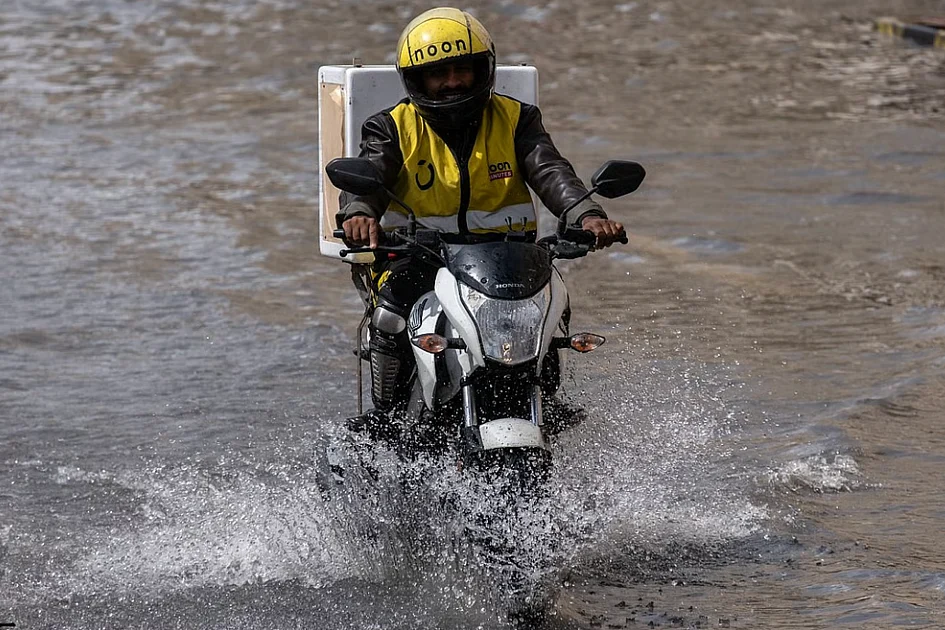
    The United Arab Emirates is experiencing significant disruptions to food and grocery delivery services as unstable weather conditions persist across the country. Multiple delivery platforms including Talabat, Deliveroo, and Careem have implemented safety measures that include pausing services in affected areas and warning customers of extended wait times.

    Heavy rainfall and dropping temperatures prompted delivery companies to prioritize rider safety over service continuity. Talabat issued an in-app advisory announcing temporary delivery pauses, while Deliveroo notified customers that they might encounter limited restaurant options and extended delivery windows. The companies have implemented geographic restrictions in severely affected areas and empowered riders to assess local conditions and temporarily suspend operations if they perceive driving risks.

    The National Centre of Meteorology has forecasted continued unstable weather throughout the week, with temperatures expected to drop to 13°C. The meteorological authority has issued public guidelines urging residents to exercise caution during this period of adverse weather conditions.

    Observers noted dozens of delivery riders stationed along Mohammed Bin Zayed Road during mid-morning hours on Sunday, highlighting the practical impact of weather-related safety measures on delivery operations. Companies have committed to resuming normal service patterns once weather conditions improve and safe driving can be assured.

  • Liveability now key in Dubai’s luxury real estate market

    Liveability now key in Dubai’s luxury real estate market

    A fundamental transformation is reshaping Dubai’s high-end property sector, where the traditional allure of prestigious brands is being eclipsed by a new premium on holistic wellness and sustainable living. This paradigm shift, driven by an influx of global ultra-high-net-worth (UHNW) individuals, is redefining luxury not as mere opulence but as an ecosystem that enhances physical and mental wellbeing.

    At the forefront of this movement is MAG Lifestyle Development with its Dh3 billion Keturah Reserve project in Meydan. Conceived as a pioneering ‘bio-living’ community, the development is strategically located a short, low-congestion drive from Downtown Dubai. CEO Talal M. Al Gaddah identifies liveability as the paramount concern for today’s affluent buyers, stating that properties which genuinely elevate resident wellness create a natural, sustainable demand. This, he argues, forms the foundation of a superior investment proposition: “where people insist on living, capital inevitably follows.”

    The design philosophy transcends conventional landscaping. Thousands of Ficus and ‘Rain’ trees from Thailand, alongside sculptural dry gardens, are integral functional infrastructure designed to foster a profound connection to nature. The community will comprise 533 low-rise apartments, 93 sold-out townhouses, and 90 villas, all meticulously crafted to maximize natural light, airflow, and harmony with the environment.

    Enhancements to the original blueprint include expanded residential blocks, upgraded wellness amenities, and improved communal spaces. Apartments, ranging from 1,106 to 4,883 sq ft, are notably larger than market averages. Further elevating the resident experience is a premium concierge service, featuring on-demand Rolls-Royce chauffeur bookings accessible via a dedicated community application.

    In a significant move towards market transparency and integrity, fäm Properties has been appointed as the exclusive Master Agency for the project’s final sales phase. New investors are offered milestone-based payment plans coupled with contractual delivery guarantees. Main contractor CITIC Middle East Contracting LLC is committed to a phased handover schedule, with townhouses completed by Q2 2027, apartments by Q3/Q4 2027, and villas by Q1 2028. This approach is hailed as aligning with the Dubai Land Department’s objectives for robust investor protection and is seen as empowering brokers who prioritize client financial safety.

  • UN chief condemns drone attacks on peacekeeping base in Sudan

    UN chief condemns drone attacks on peacekeeping base in Sudan

    United Nations Secretary-General Antonio Guterres has issued a forceful condemnation of drone strikes that targeted a UN peacekeeping logistics base in Kadugli, Sudan, on Saturday. The assault resulted in significant casualties among international peacekeeping personnel stationed at the facility.

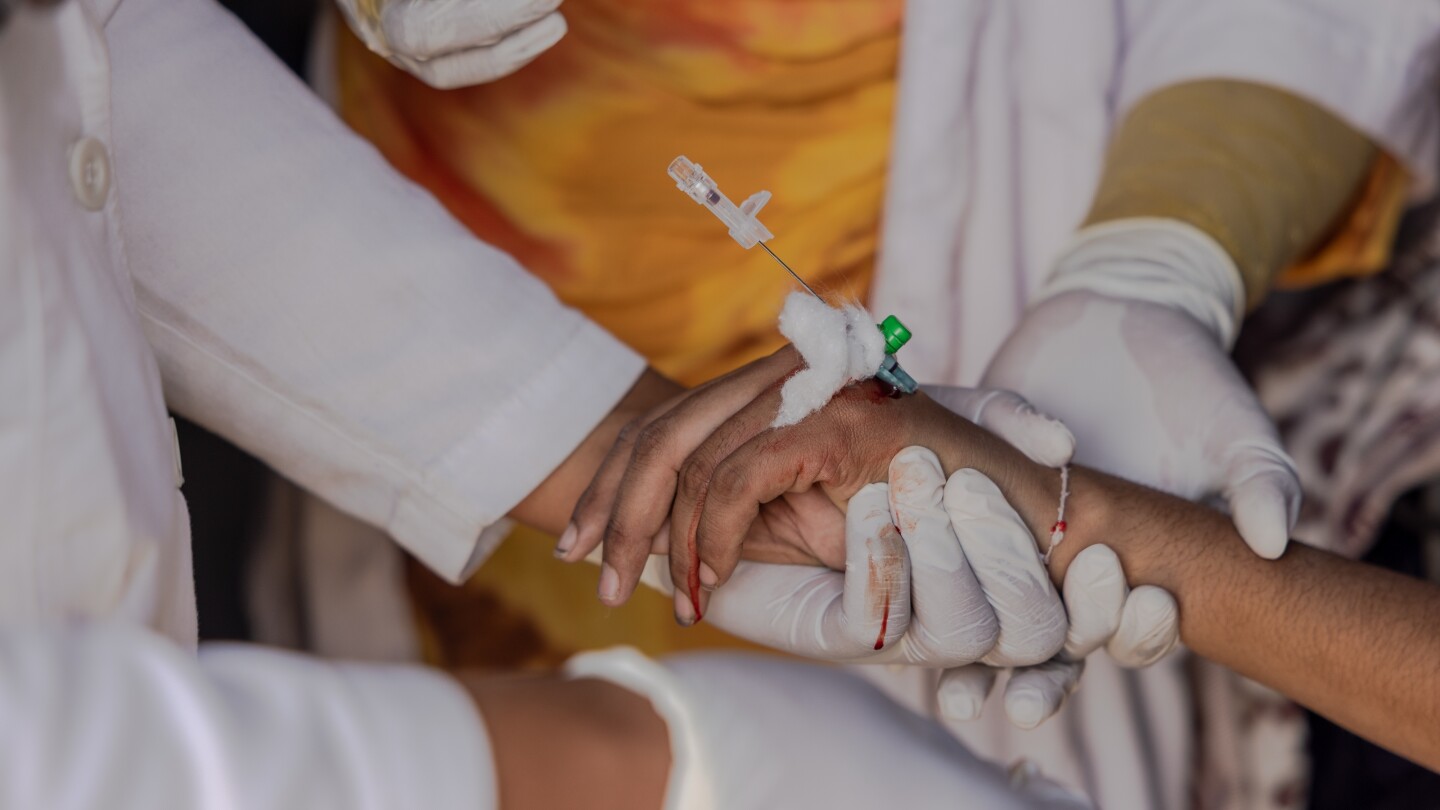
    The attack claimed the lives of six peacekeepers from Bangladesh and left eight others wounded. All casualties were members of the Bangladeshi contingent serving with the UN Interim Security Force for Abyei (UNISFA). Secretary-General Guterres conveyed his profound condolences to the government and citizens of Bangladesh, extending sympathies to the families of deceased personnel and wishes for rapid recovery to those injured.

    In an official statement, Guterres emphasized that assaults targeting United Nations peacekeeping operations may be classified as war crimes under established international law. He reminded all conflict participants of their fundamental obligation to ensure the protection of UN personnel and civilian populations, explicitly stating that accountability measures would be necessary.

    The UN leader reiterated urgent appeals for warring factions to implement an immediate cessation of hostilities and resume diplomatic negotiations aimed at establishing a sustainable ceasefire. He further emphasized the necessity of developing a comprehensive political process that is both inclusive and Sudanese-owned.

    The Sudanese Armed Forces have attributed responsibility for the drone strike to the paramilitary Rapid Support Forces (RSF), allegations that the RSF leadership has categorically denied. This incident represents a significant escalation in violence targeting international peacekeeping missions within the region.

  • Look: Face to face with a giant, swimming with whale sharks in Indian Ocean

    Look: Face to face with a giant, swimming with whale sharks in Indian Ocean

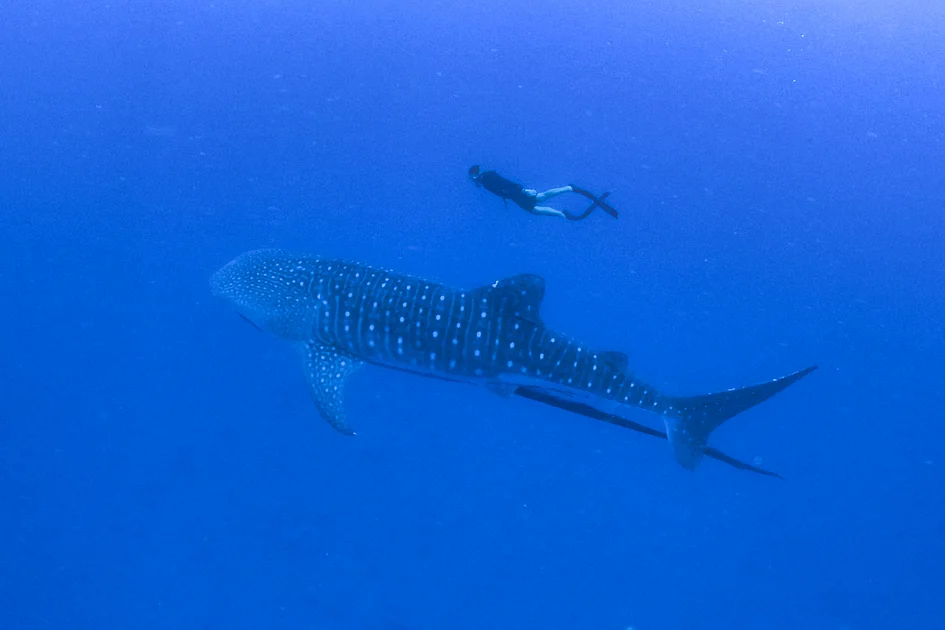
    Off the coast of Tanzania’s Shungimbili Island Marine Reserve, an extraordinary encounter with the ocean’s largest fish species is redefining sustainable tourism. At Jumeirah Thanda Island, visitors during migration season (October-February) can participate in carefully managed swimming excursions with whale sharks – creatures reaching lengths comparable to minibuses yet possessing remarkably gentle dispositions.

    Marine biologist Rianne Laan, resident expert at the private island sanctuary, emphasizes these filter-feeding behemoths pose no threat to humans. “Despite their imposing size, they exclusively consume small fish and plankton,” Laan explains. “The individuals we observe typically measure 8-10 meters, though the species can grow to nearly 20 meters.”

    The operation employs sophisticated tracking methods, with local Tanzanian spotters scanning ocean surfaces for visual cues while researchers monitor shark movements through acoustic and satellite tags. Each whale shark possesses a unique identification pattern – a constellation of white spots functioning as a natural fingerprint.

    Island operations manager Maya de Villiers stresses the importance of respectful interaction protocols. “Their primary defense mechanism involves diving to profound depths when disturbed,” she notes. “Maintaining silence and minimal disruption allows for prolonged observation of these magnificent creatures in their natural habitat.”

    The experience transcends typical tourism, offering participants profound perspective on marine ecosystems. Sheikh Fahim bin Sultan Al Qasimi, present during recent excursions, contextualized the initiative within broader conservation efforts spanning from turtle rehabilitation in Dubai to marine protection in Tanzanian waters. “We are guests in their home,” he reflected. “This awareness should guide every human interaction with marine environments.”

    Beyond the adrenaline of close encounters, the Thanda Island experience demonstrates how luxury tourism can successfully integrate conservation education, fostering humility and respect for oceanic ecosystems while supporting local research and preservation initiatives.

  • Morocco aims to boost legal cannabis farming and tap a global boom

    Morocco aims to boost legal cannabis farming and tap a global boom

    BAB BERRED, Morocco — For generations, farmers in Morocco’s rugged Rif Mountains have cultivated cannabis under constant threat of prosecution. Now, a groundbreaking legalization initiative is transforming this clandestine agricultural tradition into a regulated industry, offering veteran growers unprecedented legal protection and economic stability.

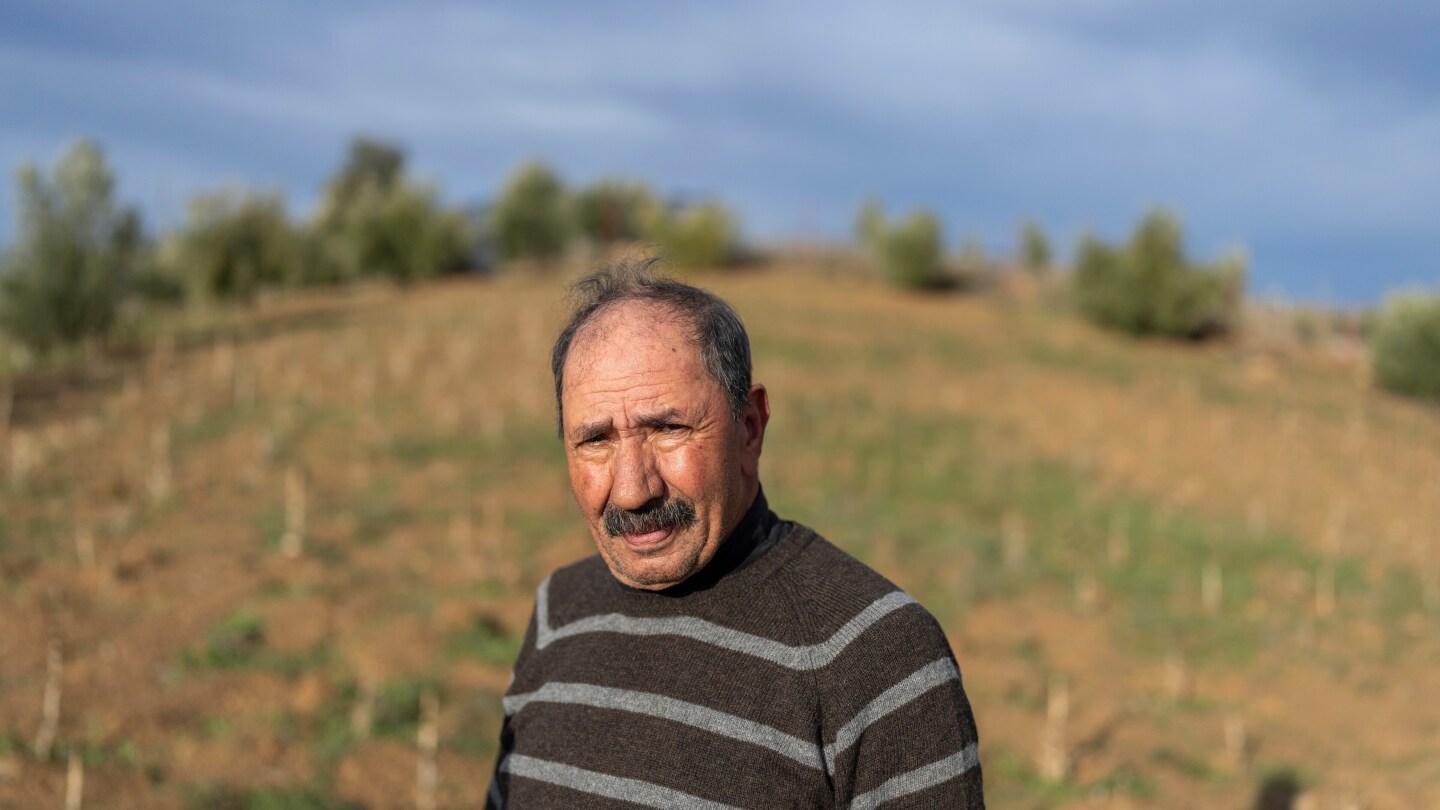
    Mohamed Makhlouf, a 70-year-old farmer who began cultivating at age 14, exemplifies this dramatic transition. Where once the aroma of his crops signaled danger, today his government-approved plants grow openly under police observation without consequence. “Legalization is freedom,” Makhlouf reflects. “If you want your work to be clean, you work with the companies and within the law.”

    This shift represents Morocco’s ambitious effort to integrate its massive cannabis production—long recognized as the world’s largest supplier of hashish resin—into the formal economy. The 2021 legislation made Morocco the first major illegal cannabis producer and first Muslim-majority nation to legalize certain cultivation forms, specifically for medicinal and industrial applications.

    The regulatory framework established since 2022 governs every production aspect, from seed selection to distribution. The national cannabis agency has licensed over 3,371 growers across the Rif region, recording nearly 4,200 tons of legal production. These farmers now supply cooperatives like Biocannat near Bab Berred, which transforms raw plants into CBD oil, skincare products, chocolates, and industrial hemp textiles—all containing less than 1% THC to comply with medicinal standards.

    Beyond agricultural benefits, legalization has spawned an entire ecosystem of packaging, transportation, and irrigation jobs. “All of it made possible through legalization,” notes Aziz Makhlouf, director of a cooperative with deep family roots in cannabis farming.

    However, challenges persist in this unprecedented transition. The legal market remains insufficient to absorb the hundreds of thousands dependent on illicit trade, with government data showing legal cultivation on 14,300 acres compared to 67,000 acres still used illegally. Recent protests in Taounate highlighted payment delays to farmers working through official channels, revealing tensions in implementation.

    As described by the Global Institute Against Transnational Organized Crime, Morocco currently experiences “coexistence of both markets rather than a decisive transition.” The nation now navigates parallel cannabis economies—one regulated, one outlawed—attempting to bring a centuries-old trade into the light without abandoning those who sustained it through decades of marginalization.

  • Takeaways from AP report on sexual violence in Mali

    Takeaways from AP report on sexual violence in Mali

    DOUANKARA, Mauritania — In a disturbing development within Mali’s protracted conflict, multiple women have provided The Associated Press with harrowing accounts of surviving or witnessing alleged sexual assaults perpetrated by members of the newly established Russian Africa Corps. This military unit, which has replaced the Wagner mercenary group, is currently assisting Malian forces in counter-extremism operations.

    Medical professionals and aid workers on the ground confirm that sexual violence has become a weapon employed by all factions in the conflict, including gang rape and sexual slavery. However, the deeply conservative and patriarchal nature of local societies creates a culture of silence that prevents most victims from reporting these atrocities, thereby hindering accountability efforts.

    The AP gained unprecedented access to refugee settlements along the Mauritanian border, where thousands of Malians have sought sanctuary. Beyond sexual violence, refugees reported indiscriminate killings and beheadings, alleging that Africa Corps has adopted the same brutal tactics previously associated with Wagner mercenaries. Legal experts emphasize that Russian authorities bear direct responsibility for these fighters’ actions, as the unit reports to Moscow’s defense ministry, which declined to respond to inquiries.

    Among the most distressing cases documented was a 14-year-old victim who developed severe infections following sexual assault by individuals her family identified as Russian soldiers. The AP verified four additional cases of sexual violence involving Africa Corps fighters, consistently described by survivors as ‘white men.’

    One survivor recounted defending herself ‘by the grace of Allah’ when armed men invaded her home and attempted to undress her. Another victim exhibited visible scratch marks on her neck and experienced uncontrollable trembling when recounting her ordeal. A third woman described her experience as something that ‘stays between God and me,’ while a fourth witnessed armed men abducting her 18-year-old daughter, whom she has not seen since.

    The complex landscape of sexual violence in Mali extends beyond Russian fighters. A women’s health clinic in the Mopti region reported treating 28 survivors of sexual assault by JNIM militants, an al-Qaeda affiliate that represents the most powerful armed group in the country.

    According to Mirjam Molenaar, a medical team leader with Doctors Without Borders (MSF), ‘People undergo these things and they live with it, and it shows in post-traumatic stress.’ The organization notes that fear of reprisals, limited access to healthcare, and social stigma surrounding sexual assault contribute to significant underreporting.

    This pattern of abuse echoes previous allegations against Wagner mercenaries, including one refugee’s account of witnessing mass rape in her village in March 2024, where even her 70-year-old mother was victimized. A 2023 UN report documented at least 58 cases of rape and sexual assault during an attack on Moura village by Malian troops and ‘armed white men,’ leading Mali’s government to expel the UN peacekeeping mission and creating an information blackout regarding conflict-related sexual violence.

    The humanitarian situation continues to deteriorate, with the refugee camp on the Mauritanian border operating at full capacity with over 150,000 people. Recent fighting has pushed an additional 3,000 refugees across the border in the past month, many settling in fragile shelters made of fabric and branches. MSF has established a free clinic that has already treated three survivors of sexual violence, but aid workers express concern about the countless women who never come forward.

    ‘We know from the stories shared that there is a huge need,’ Molenaar stated, highlighting the urgent requirement for specialized support services in an environment where accountability remains elusive and trauma largely unaddressed.