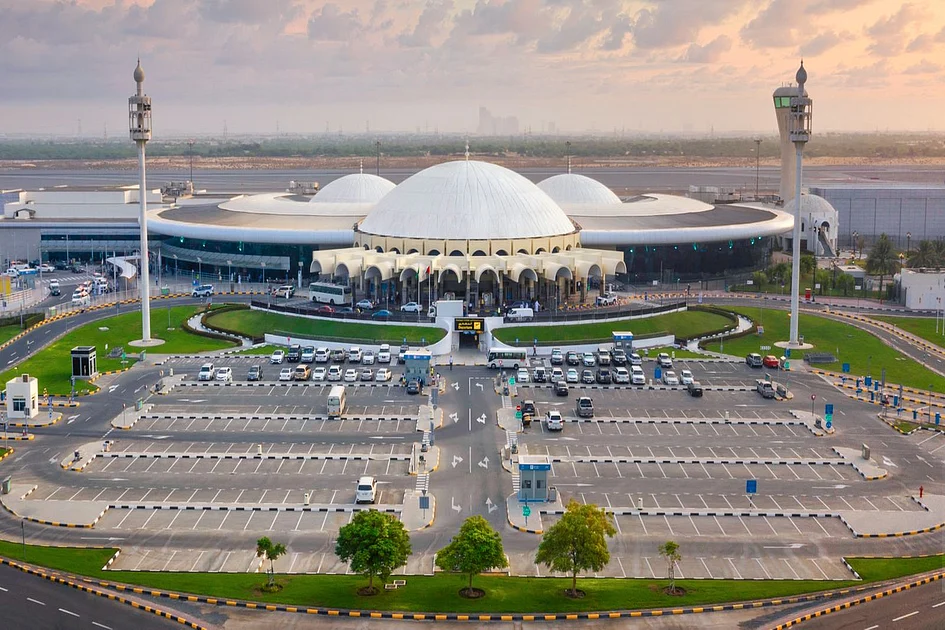
Sharjah Airport experienced significant disruptions on Thursday morning as dense fog blanketed the region, leading to multiple flight cancellations and delays. The airport issued an advisory urging passengers to verify their flight status before heading to the terminal. Visibility dropped below 500 metres in several areas, prompting the National Centre of Meteorology (NCM) to issue red alerts across Dubai, Abu Dhabi, Sharjah, and Ajman. The fog, which began forming shortly after midnight, severely impacted flight operations, ground handling, and aircraft movements. Sharjah Police also warned drivers to exercise caution, maintain safe distances, and reduce speeds due to the hazardous conditions. Similar warnings were echoed by Dubai and Abu Dhabi Police, with the latter activating speed reduction systems on major roads. Motorists were advised to avoid using hazard lights in fog, as it could confuse other drivers and increase the risk of accidents. The disruptions highlight the challenges posed by extreme weather conditions in the UAE, particularly during the winter months.
标签: Africa
非洲
-

Pioneering future ready education at Al Yasat Private School
In an era defined by rapid technological advancements and global interconnectedness, the role of education is undergoing a profound transformation. Al Yasat Private School, a leading educational institution in the UAE, is at the forefront of this evolution, equipping students with the skills and mindset needed to thrive in a dynamic future. Under the leadership of Superintendent Scott Carnochan, the school is redefining traditional education by blending rigorous academic programs with cutting-edge initiatives tailored to the demands of tomorrow.
-
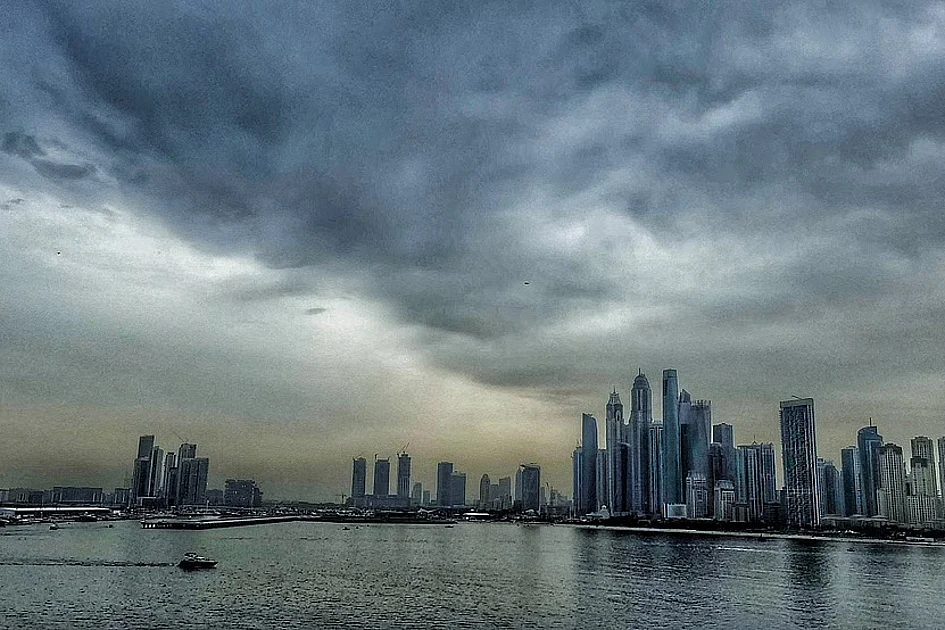
UAE weather: 7.8°C recorded in Al Ain; lowest this winter season
The United Arab Emirates (UAE) witnessed its coldest temperature of the winter season on Thursday, November 20, 2025, as the mercury plummeted to 7.8°C in Al Ain’s Raknah area at 7am. This record-breaking low was confirmed by the National Centre of Meteorology (NCM), which also noted that the same location had recorded the previous day’s lowest temperature of 9.2°C. As winter tightens its grip, temperatures across the nation are expected to drop further, with Dubai and Abu Dhabi forecasted to experience lows of 23°C and 21°C, respectively. Adding to the wintry ambiance, dense fog enveloped several regions of the UAE on Thursday morning, significantly reducing horizontal visibility. The NCM issued warnings urging residents to exercise caution, particularly while driving, as motorists navigated the foggy conditions at slower speeds. Police forces across the emirates reinforced safety reminders as visibility continued to deteriorate. This weather phenomenon underscores the seasonal transition and its impact on daily life in the UAE.
-

Nigerian separatist leader convicted on terrorism charges
A Nigerian court has delivered a guilty verdict against Nnamdi Kanu, the leader of the separatist movement advocating for an independent state of Biafra in southeastern Nigeria. Kanu was convicted on six out of seven terrorism-related charges, with the judge, James Omotosho, stating that the evidence clearly demonstrated Kanu’s involvement in inciting violence and carrying out preparatory acts of terrorism. The court highlighted that Kanu’s broadcasts, aimed at promoting Biafran independence, had incited killings and unrest. Kanu, who founded the Indigenous People of Biafra (Ipob) in 2014, has been a controversial figure since launching Radio Biafra in 2009, which called for Igbo independence from Nigeria. Ipob was designated a terrorist organization in 2017, and its armed wing, the Eastern Security Network, has been accused of violent acts. Kanu, who holds British nationality, was first arrested in 2015 but fled Nigeria in 2017 after a military raid on his home. He was re-arrested in Kenya in 2021 and has since faced legal proceedings. During the trial, Kanu accused the judge of bias and claimed he was denied the opportunity to file his final written address. The verdict was delivered after Kanu was forcibly removed from the courtroom for unruly behavior. The Biafran independence movement traces back to 1967, when Igbo leaders declared a Biafran state, leading to a devastating civil war that resulted in up to a million deaths before the rebellion was quashed.
-

Nigerian court convicts separatist leader Nnamdi Kanu of terrorism-related charges
In a landmark ruling on Thursday, a Nigerian court found Nnamdi Kanu, the leader of the separatist group Indigenous People of Biafra (IPOB), guilty on seven counts of terrorism-related charges. Kanu, who has long advocated for the creation of an independent state in southeastern Nigeria, faced accusations of orchestrating acts of terrorism, enforcing violent stay-at-home orders, and inciting violence against government institutions. His actions have been linked to significant disruptions in the region, including weekly shutdowns every Monday, as well as the tragic loss of hundreds of lives and billions of dollars in economic damage. The charges also included allegations of providing instructions on bomb-making to target government facilities. Kanu’s arrest in 2021, following his extradition from Kenya, marked a turning point in the government’s efforts to curb separatist activities. Judge James Omotosho emphasized that while the right to self-determination is a political right, it must be exercised within the framework of Nigeria’s constitution. Kanu’s movement seeks to revive the short-lived Republic of Biafra, which existed from 1967 to 1970 and sparked a devastating civil war that claimed over 3 million lives. The conviction underscores the ongoing tensions between the Nigerian government and separatist groups in the country’s eastern region.
-

Look: Burj Khalifa, Burj Al Arab disappear behind curtain of fog on Thursday morning
On the morning of Thursday, November 20, 2025, residents and visitors in the United Arab Emirates witnessed a rare meteorological phenomenon as dense fog enveloped the region, obscuring some of the country’s most iconic landmarks. The Burj Khalifa, the world’s tallest building, and the luxurious Burj Al Arab hotel were among the structures that disappeared behind a thick curtain of fog. The unusual weather event, which began in the early hours, created a surreal visual spectacle, transforming the bustling urban landscape into a scene of ethereal beauty. Meteorologists attributed the fog to a combination of high humidity levels and cooler overnight temperatures, a common occurrence during the UAE’s winter months. The fog persisted until mid-morning, gradually dissipating as the sun rose higher in the sky. Social media platforms were flooded with images and videos of the fog-covered landmarks, with many users marveling at the rare sight. While the fog added a touch of mystique to the cityscape, it also prompted authorities to issue advisories for drivers, urging caution due to reduced visibility on the roads. The event served as a reminder of the UAE’s unique climatic conditions and the occasional surprises they bring.
-

UAE weather: Red alert issued for fog as visibility drops
The United Arab Emirates (UAE) has been gripped by severe fog conditions, prompting authorities to issue red and yellow alerts across the region. The National Centre of Meteorology (NCM) reported significantly reduced visibility, particularly in western areas over the sea and islands, leading to disruptions in daily activities. School buses were delayed, and motorists were advised to exercise extreme caution while driving. Sharjah Police emphasized the importance of maintaining safe distances between vehicles and reducing speed. Additionally, Abu Dhabi Police activated speed reduction systems on key roads, including Sweihan Road and the Abu Dhabi-Al Ain route, to ensure safety. The weather forecast predicts fair to partly cloudy conditions, with humidity expected to increase by night and into Friday morning. Light to moderate winds, reaching speeds of up to 40 km/hr, may cause blowing dust in some areas. Temperatures are expected to drop to lows of 23ºC in Dubai, 21ºC in Abu Dhabi, and 18ºC in Sharjah. The Arabian Gulf will experience slight to moderate sea conditions, while the Oman Sea remains calm. Authorities continue to monitor the situation and urge residents to stay updated on weather advisories.
-

Dubai: New solid-line road markings surprise daily commuters, lead to fines
Dubai’s daily commuters have been taken aback by the sudden appearance of new solid-line road markings on major routes such as Ittihad Road, Baghdad Street, the Airport Tunnel, E311, and E611. These ‘no passing lines,’ designed to regulate traffic flow, have left many drivers struggling to adapt, resulting in unexpected fines. The markings, which are positioned close to exits, have made quick lane changes difficult for motorists accustomed to the previous patterns. According to the Roads and Transport Authority (RTA), these continuous white lines prohibit overtaking, lane switching, or turning, and violations incur penalties. Residents like Basha S, who frequently use these roads, have expressed frustration over the lack of prior notice or signage. Basha recently received a Dh400 fine for overtaking on one of the new lines, stating that the markings appeared suddenly without warning. Similarly, C George, a commuter on E311, was fined after unintentionally crossing a solid line near Exit 63. While some drivers acknowledge the safety benefits of the new system, they have called for clearer communication and advance warnings to help them adjust. Ahmed Salah, a daily driver on Airport Tunnel Road, emphasized the need for signage indicating ‘no lane change ahead’ to prevent fines and confusion. Motorists have urged authorities to provide better guidance as the new markings are rolled out, stressing that while safety measures are welcome, smoother implementation is essential.
-

Ethiopia receives historic artefacts held in Germany for 100 years
In a significant cultural restitution, twelve historical artefacts have been officially returned to Ethiopia after being held by a German family for over a century. The collection, which includes crowns, shields, and paintings of immense cultural and historical value, was originally gathered in the 1920s by Franz Weiss, Germany’s then-envoy to Ethiopia, and his wife Hedwig. The artefacts were ceremoniously handed over to the Institute of Ethiopian Studies at Addis Ababa University on Wednesday. Germany’s current envoy to Ethiopia, Ferdinand von Weyhe, emphasized that these items symbolize the enduring and amicable relationship between the two nations. Professor Ramon Wyss, whose father was born during the family’s diplomatic tenure in Ethiopia, facilitated the return, expressing the family’s desire to share these treasures with the public and preserve the cultural and historical legacy tied to his father’s birthplace. Ethiopia’s Tourism Minister, Selamawit Kassa, lauded the Weiss family for their dedication to preserving and returning these artefacts, marking this event as a pivotal moment in safeguarding Ethiopia’s cultural heritage. The artefacts will soon be accessible to the public for research and academic study. This repatriation aligns with broader efforts by African nations to reclaim looted cultural items, a movement that has seen some success in recent years, including Germany’s 2022 return of the Benin Bronzes to Nigeria as part of its reckoning with colonial history.
-
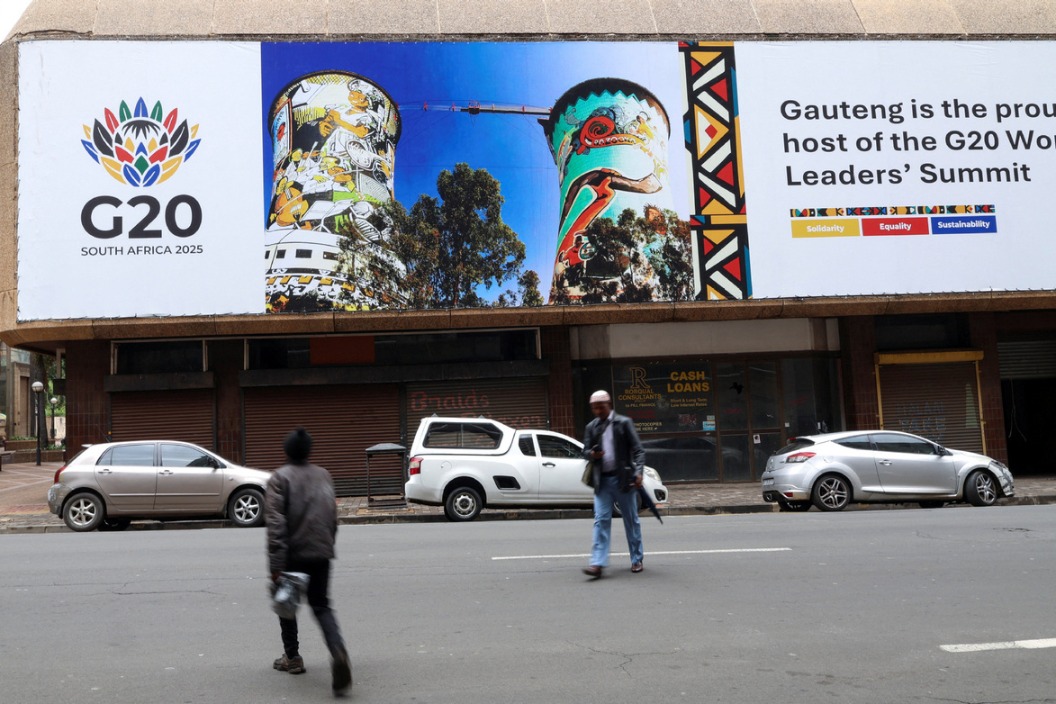
Africa sees rising role in global governance
Africa is increasingly asserting its influence on the global stage, transitioning from a passive participant to an active shaper of international governance. This shift is underscored by the African Union’s (AU) inclusion in the G20 and its deepening engagement within the BRICS+ framework. The continent is leveraging these platforms to advocate for critical issues such as climate justice, trade equity, debt reform, digital sovereignty, and the restructuring of the global financial system. Experts highlight that Africa’s growing role is a response to the inadequacies of existing financial institutions, which were historically designed to serve Western interests rather than those of Africa and the Global South. Gordon K’Achola, CEO of the Nairobi-based nonprofit One Stop Development Agency, emphasized that Africa’s strategic importance, particularly in the global green transition driven by its vast mineral resources like cobalt, copper, and lithium, makes its inclusion in global discussions indispensable. The continent’s shift from ‘norm-taker’ to ‘norm-shaper’ is evident in its active participation in BRICS+, where countries like Egypt, South Africa, and Ethiopia are already members. K’Achola stressed that Africa must embrace broader engagement and reform its internal policies to capitalize on this momentum. James Shikwati, director of the Inter Region Economic Network, noted that Africa’s governance structures, originally designed for a unipolar world, must adapt to the emerging multipolar order. He believes Africa’s abundant natural resources, youthful population, and rapid urbanization position it to play a pivotal role in global supply chains and geopolitical frameworks. African leaders are also using platforms like the G20 and BRICS+ to push for equitable debt restructuring and fair financing conditions. K’Achola further highlighted the importance of the African Continental Free Trade Area (AfCFTA) in fostering intracontinental trade and reshaping global business norms. To solidify its influence, Africa must project a unified voice and pursue a policy-driven agenda within international forums.