标签: Africa

非洲

  • Leaders press on with G20 summit in South Africa that won’t have US and Trump

    Leaders press on with G20 summit in South Africa that won’t have US and Trump

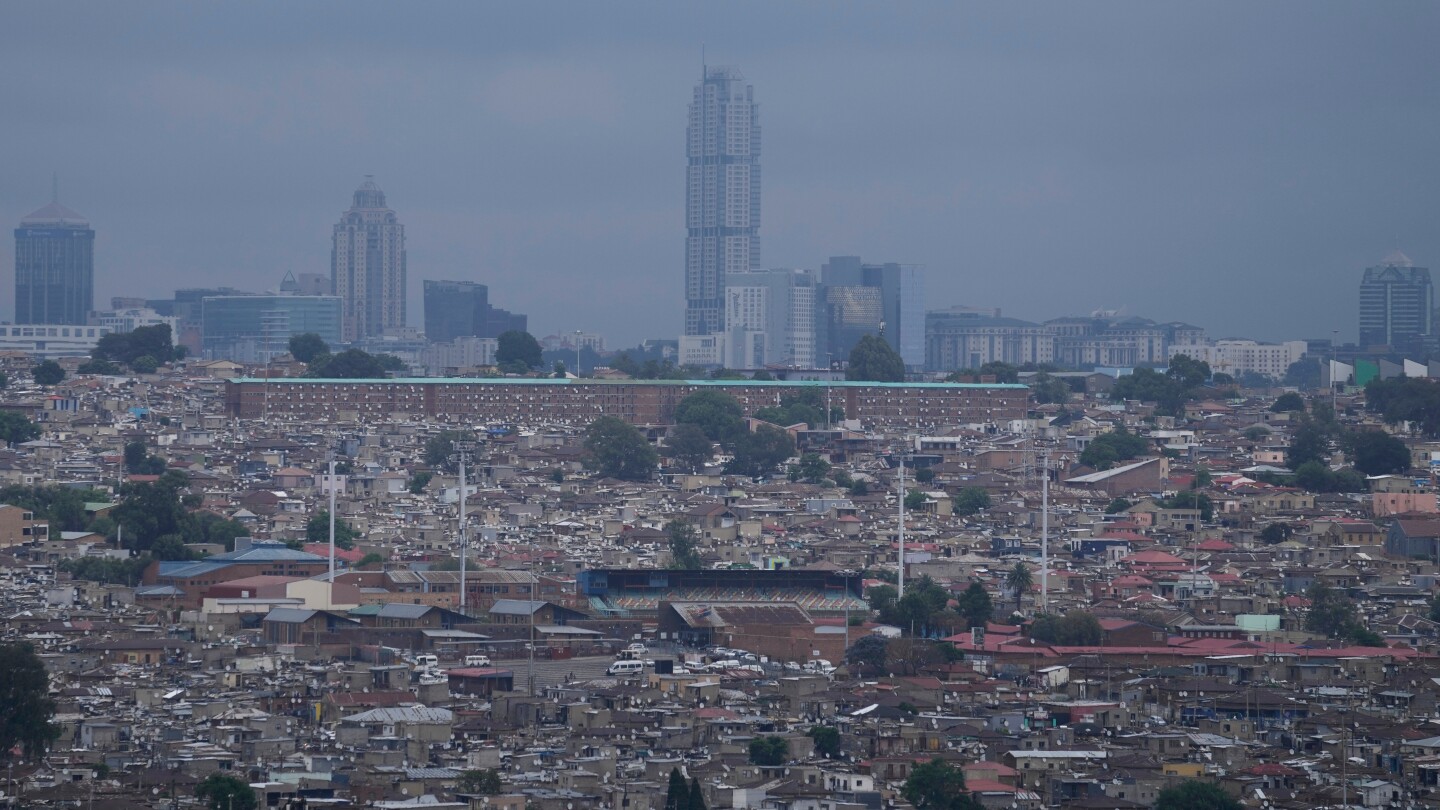
    The Group of 20 (G20) summit, hosted for the first time in Africa, is underway in Johannesburg, South Africa, but the absence of U.S. President Donald Trump and his administration has overshadowed the event. Trump’s boycott, citing alleged discrimination against South Africa’s white farmers, has sparked controversy and dominated discussions, diverting attention from the summit’s agenda, which includes climate resilience, debt sustainability for poor nations, and global inequality. South African President Cyril Ramaphosa has refuted Trump’s claims, calling them ‘completely false.’

    The U.S. boycott extends beyond Trump’s absence, with no U.S. officials attending the summit. The U.S. has also discouraged member nations from adopting a ‘Leaders Declaration,’ which would signify multilateral consensus. This move has raised concerns about the summit’s effectiveness, though South Africa’s Foreign Minister Ronald Lamola views it as an opportunity to demonstrate that the world can progress without U.S. involvement, albeit with challenges.

    Other notable absences include Russian President Vladimir Putin, who faces an arrest warrant from the International Criminal Court over Russia’s war in Ukraine, and Chinese President Xi Jinping, who has sent Premier Li Qiang as his representative. Despite these absences, Johannesburg has been bustling with preparations, including street clean-ups and vibrant decorations.

    South Africa, as the G20 president, is focusing on advancing an inclusive agenda, particularly addressing the needs of poor nations. Key issues include securing financing for climate change mitigation, with experts estimating a need for $1 trillion annually by 2030. The African Union plans to advocate for African countries facing climate and financial challenges, while experts emphasize the importance of global governance reform to ensure all regions, including Africa, have a meaningful voice in global priorities.

    Support for the summit remains strong among other major nations, including France, Germany, and the United Kingdom, whose leaders are expected to attend. U.N. Secretary-General António Guterres has also confirmed his participation, expressing commitment to advancing international financial reforms and sustainable development in Africa.

  • Europe’s semiconductor dreams confront business realities

    Europe’s semiconductor dreams confront business realities

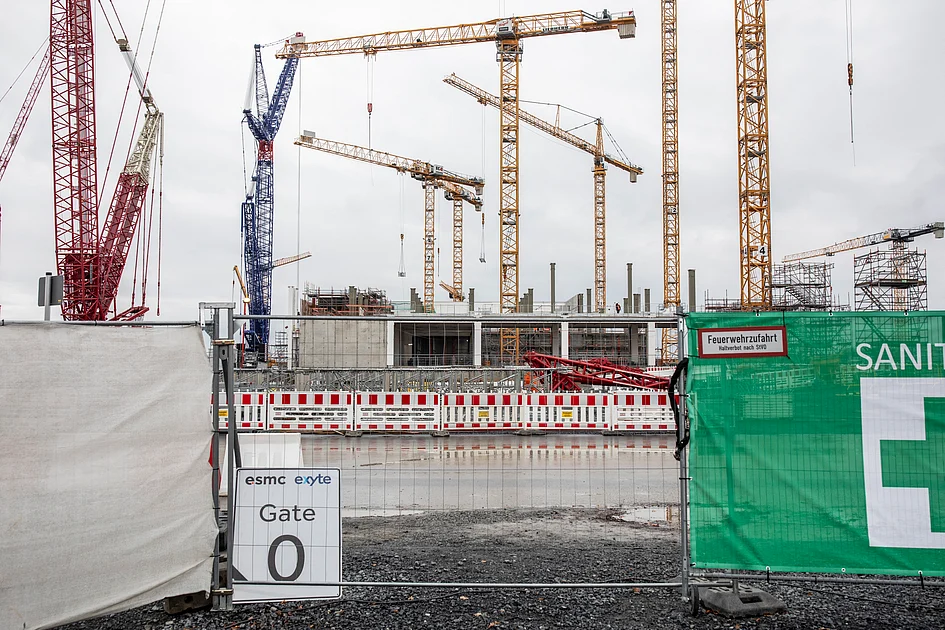
    Europe’s aspirations to bolster its semiconductor industry are encountering significant challenges as it seeks to reduce its reliance on global supply chains. Currently, Europe produces less than 10% of the world’s advanced chips, a figure that European officials aim to double by 2030 with the assistance of Taiwan Semiconductor Manufacturing Co. (TSMC). This ambitious goal comes in response to supply chain disruptions during the COVID-19 pandemic and geopolitical tensions surrounding Taiwan, which dominates global chip production. Germany, alongside the United States and Japan, is investing heavily in domestic chip manufacturing. A joint venture between TSMC and European chipmakers, including Bosch, Infineon, and NXP, is constructing a €10 billion ($11 billion) facility near Dresden, expected to commence operations in 2027. The project aims to transform the region into a hub for semiconductor innovation, dubbed “Silicon Saxony.” However, the initiative faces obstacles such as complex permitting processes, labor laws, and environmental regulations. Additionally, Taiwanese suppliers supporting TSMC’s operations in Europe are grappling with visa issues, language barriers, and cultural integration. The high costs of building factories in Europe, nearly double those in Taiwan, further complicate the endeavor. Despite these challenges, European officials remain optimistic, viewing the TSMC project as a catalyst for job creation and economic growth. Meanwhile, concerns persist in Taiwan about the potential dilution of its semiconductor dominance as TSMC expands globally. Former Taiwanese President Tsai Ing-wen recently visited the Dresden site, urging Taiwanese engineers to remain connected to their homeland while contributing to the global semiconductor industry.

  • Digital readiness and e-commerce surge drive Buy Now, Pay Later adoption in UAE

    Digital readiness and e-commerce surge drive Buy Now, Pay Later adoption in UAE

    The United Arab Emirates (UAE) is witnessing a seismic shift in consumer finance, driven by the rapid adoption of Buy Now, Pay Later (BNPL) services. This transformation is fueled by the nation’s robust digital infrastructure, a tech-savvy population, and a booming e-commerce sector. With smartphone penetration projected to reach 90% by 2030 and mobile wallets becoming ubiquitous, BNPL is redefining shopping habits and business models across the Emirates.

  • Abu Dhabi Securities Exchange  celebrates 25 years of growth and innovation

    Abu Dhabi Securities Exchange celebrates 25 years of growth and innovation

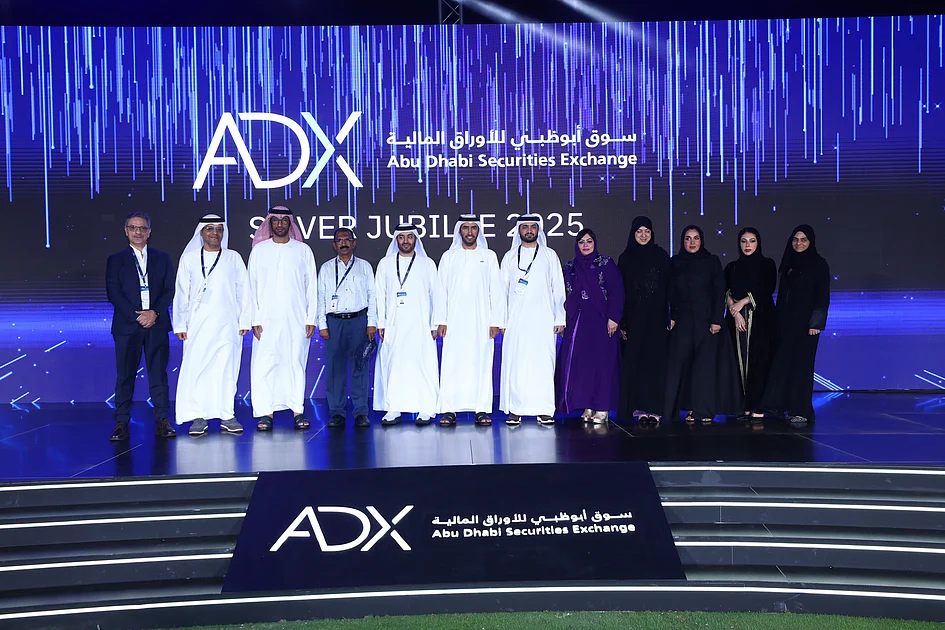
    The Abu Dhabi Securities Exchange (ADX) commemorates its 25th anniversary, marking a quarter-century of remarkable growth, innovation, and global influence. Established in 2000 with a modest foundation of 12 listed companies and local investors, ADX has evolved into a powerhouse in the financial world. Today, it boasts over 200 listed securities, serves 1.2 million investors from more than 200 nationalities, and ranks among the top 20 exchanges globally by market capitalization, with a market value exceeding Dh3 trillion. Since 2020, ADX has facilitated IPOs raising approximately Dh59 billion, solidifying its position as a global hub for capital and investment. Ghannam Al Mazrouei, Chairman of the ADX Group, reflected on the exchange’s journey, emphasizing its transformation from a local market to a strategic gateway for global capital. The past five years have been particularly transformative, with IPO activity raising nearly Dh18 billion in 2023 and Dh12.8 billion in 2024. ADX-listed companies have distributed over Dh320 billion in cash dividends since 2020, achieving a compound annual growth rate of over 33%. Abdulla Salem Alnuaimi, Group CEO of ADX, highlighted the exchange’s forward-looking strategy, focusing on expanding products, deepening liquidity, embracing technology, and creating long-term value for stakeholders. ADX has also pioneered regional firsts, including exchange-traded funds, foreign sovereign bonds, blockchain-enabled eVoting, and the region’s first blockchain-based digital bond. Looking ahead, ADX aims to strengthen digital infrastructure, expand investment products, and deepen regional integration through platforms like Tabadul, which links six regional markets. With a legacy of innovation and a roadmap for future growth, ADX stands poised to continue empowering capital, investors, and sustainable prosperity for generations to come.

  • UAE clarifies gold import rules amid Sudan reports

    UAE clarifies gold import rules amid Sudan reports

    The UAE Ministry of Foreign Trade has issued a detailed statement addressing recent reports concerning gold imports from Sudan, reaffirming the nation’s commitment to transparency and regulatory excellence in the gold trade. In 2024, the UAE processed a staggering $186 billion worth of gold, with only $1.97 billion originating from Sudan, accounting for a mere 1.06% of the total. This figure represents less than 0.4% of the UAE’s GDP, underscoring the limited economic impact of Sudanese gold imports. The ministry emphasized that the UAE, as the world’s second-largest gold trading hub, sources gold from exporters across all continents. Over the past five years, the UAE has implemented a robust regulatory framework to ensure the security, safety, and transparency of gold transactions. This framework includes mandatory anti-money laundering measures, customer due diligence protocols, annual audits, and compliance with OECD guidelines for responsible supply chains from conflict-affected regions. The UAE’s regulatory standards mandate enhanced due diligence for gold refineries and traders, particularly for suppliers operating in high-risk areas. This risk-based approach, supported by stringent oversight and comprehensive training programs, has significantly reduced the likelihood of conflict-affected gold entering the legitimate supply chain. These measures have bolstered the UAE’s reputation as a stable and reliable gold trading center, earning the trust of global exporters. The ministry concluded by affirming its commitment to maintaining the highest international standards in collaboration with global regulatory bodies.

  • Johnson Controls’ new building automation system sets new industry standard

    Johnson Controls’ new building automation system sets new industry standard

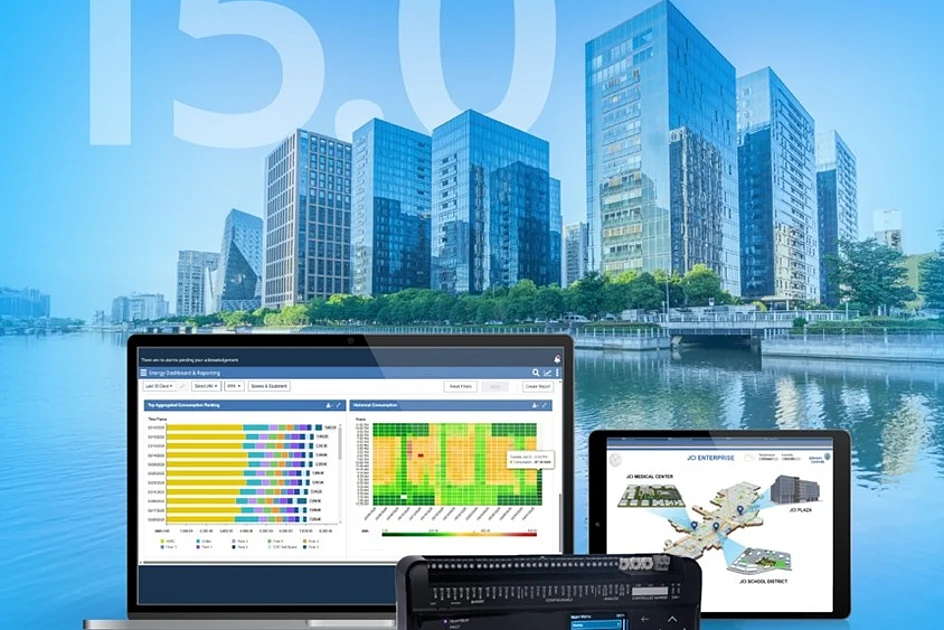
    Johnson Controls has introduced Metasys 15.0, a cutting-edge building automation system designed to revolutionize energy management and operational efficiency in mission-critical environments. This latest iteration of the company’s flagship open building automation system offers unparalleled scalability, built-in resiliency, and real-time energy intelligence, empowering facility managers to optimize building performance, ensure compliance, and accelerate decarbonization efforts.

  • Next year’s UN climate talks set for Turkey, as Australia backs out of bid in compromise

    Next year’s UN climate talks set for Turkey, as Australia backs out of bid in compromise

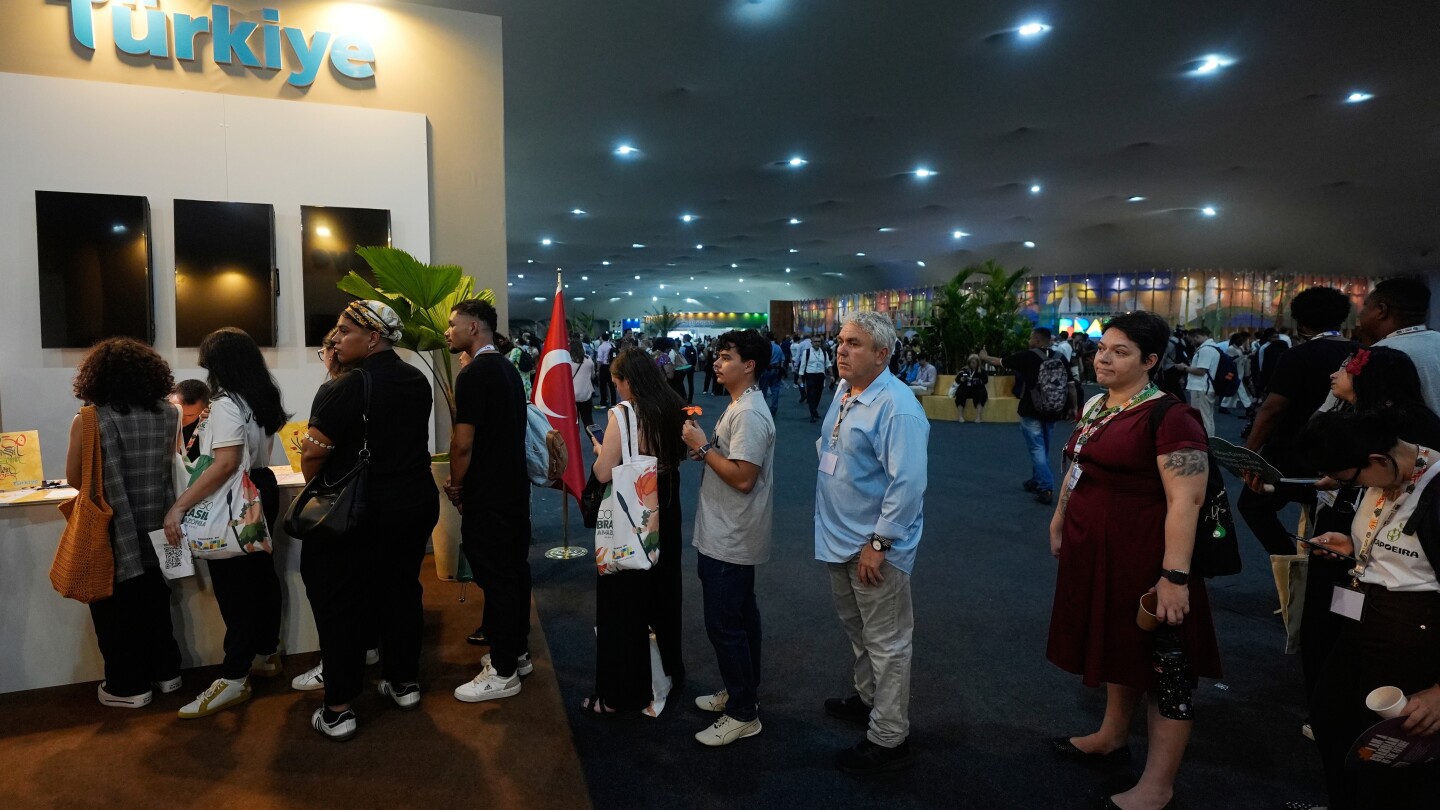
    In a significant development at the ongoing United Nations climate talks in Belem, Brazil, Turkey has been selected to host next year’s COP31 climate conference in the coastal city of Antalya. This decision came after Australia officially withdrew from the bidding process, ending a prolonged stalemate. Australian Climate and Energy Minister Chris Bowen made the announcement on the sidelines of the conference, emphasizing that while it would have been ideal for Australia to host, compromises were necessary. Under the agreement, Bowen will serve as the president of the COP31 negotiations, wielding full authority to manage discussions, appoint co-facilitators, draft texts, and issue final decisions. Environmental advocacy group Greenpeace described the arrangement as “highly unusual” but stressed the importance of maintaining urgency and focus on phasing out fossil fuels and halting deforestation. Meanwhile, Ethiopia has been confirmed as the host for COP32, with other nations, including India, already expressing interest in hosting subsequent conferences. The announcement underscores the growing global commitment to addressing climate change, even as logistical challenges and geopolitical considerations shape the hosting landscape.

  • Northern Warriors clinch last-ball thriller in Abu Dhabi T10

    Northern Warriors clinch last-ball thriller in Abu Dhabi T10

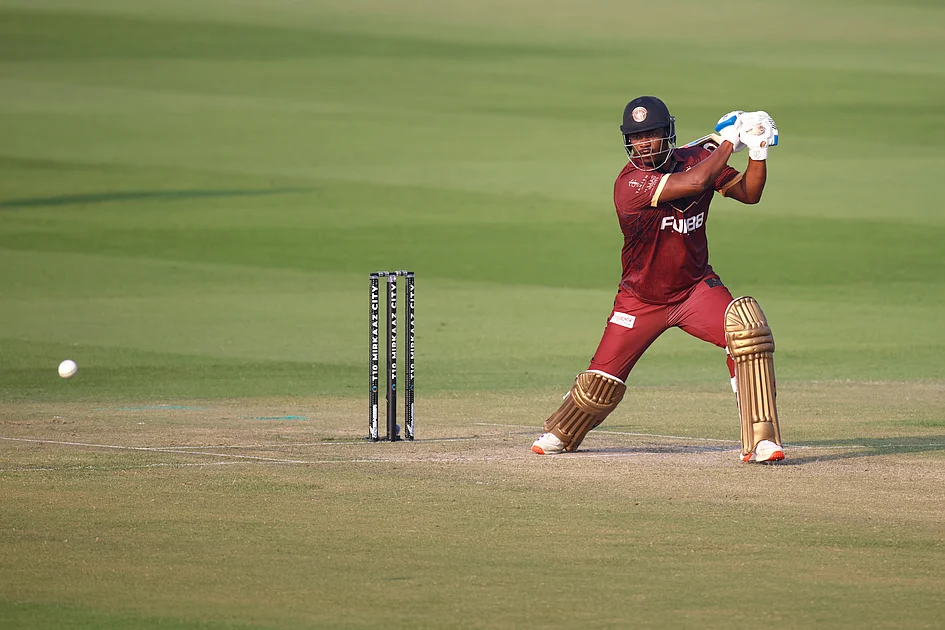
    In a heart-stopping finish at the Zayed Cricket Stadium, the Northern Warriors emerged victorious in a last-ball thriller against the Aspen Stallions in the 2025 Abu Dhabi T10 tournament. The Warriors, determined to recover from their initial defeat, posted a competitive total of 114/1, anchored by Johnson Charles’ unbeaten 55 off 34 balls. The Stallions, despite a spirited chase, fell short by four runs, ending their innings at 110/6. The match was a rollercoaster of emotions, with both teams showcasing exceptional skill and determination. The Warriors’ bowlers, particularly Taskin Ahmed and Shahnawaz Dahani, played pivotal roles in restricting the Stallions’ batting lineup. Dahani’s final over was a masterclass in pressure bowling, conceding just two runs and taking two crucial wickets to seal the win for the Warriors. This victory not only bolstered the Warriors’ campaign but also highlighted the unpredictable and exhilarating nature of T10 cricket.

  • Design your own masterpiece at the Dubai Watch Week

    Design your own masterpiece at the Dubai Watch Week

    The Dubai Watch Week, a premier event for watch enthusiasts and collectors, has kicked off its grandest edition yet, marking its 10th anniversary. Spanning an impressive 200,000 square feet at Burj Park, the exhibition showcases over 90 global watch brands, offering everything from quirky everyday timepieces to exquisite handmade creations worth millions of dirhams. The event, which runs until November 23, is free to the public upon online registration.

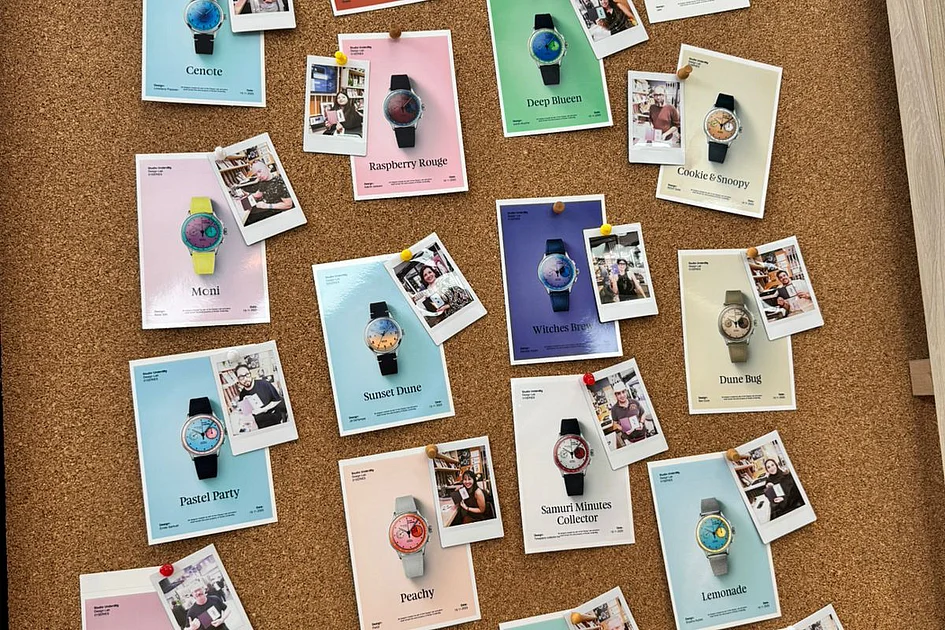
    On the opening day, Ahmed Seddiqi unveiled ten limited-edition watches, crafted in collaboration with renowned watchmakers to commemorate the company’s 75th anniversary. Among these, one platinum-crafted edition is limited to just three pieces, though prices remain undisclosed. The event also features the Studio Underdog pavilion, where visitors can design their own watches, with winning designs to be released in limited quantities next year.

    For the first time, Swiss watchmakers Rexhep Rexhepi are exhibiting, offering a behind-the-scenes look at their meticulous craftsmanship. Each watch takes approximately a year to create, with every detail handcrafted, from the leather straps to the intricate mechanisms. Despite the secrecy surrounding their prices, these timepieces are highly sought after and difficult to source.

    The Dubai Watch Week continues to be a hub for innovation and tradition in the watchmaking industry, attracting horophiles from around the globe.

  • An anti-migrant group in South Africa is blocking foreigners from health clinics

    An anti-migrant group in South Africa is blocking foreigners from health clinics

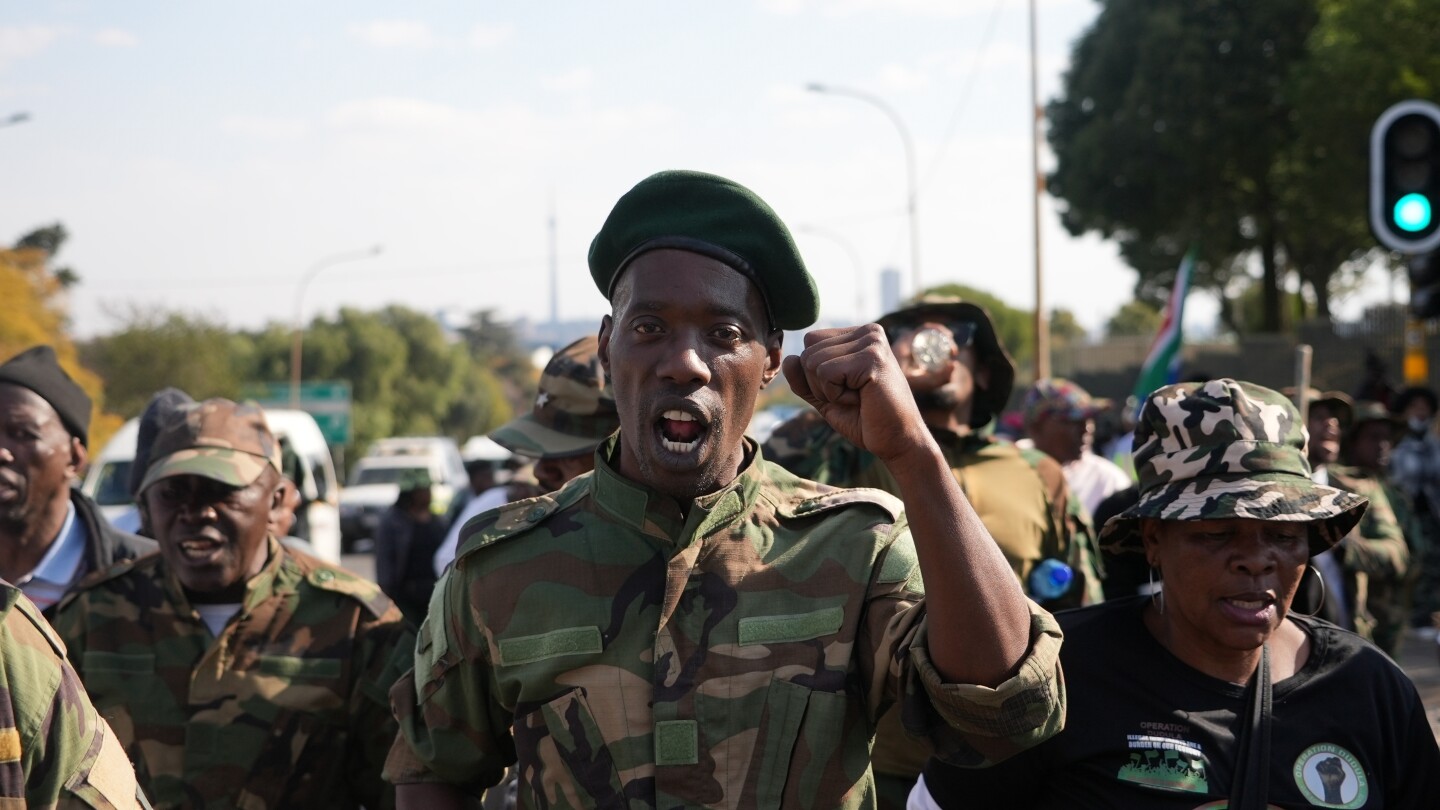
    In the early hours of the morning, Tholakele Nkwanyana and members of Operation Dudula, a South African anti-immigrant group, gather at the Diepsloot public health clinic in Johannesburg. Their mission is not to seek medical care but to prevent foreigners from accessing it. Dressed in military-style attire, they block the clinic’s entrance, demanding identity documents and turning away mothers with children and the sick, directing them to private hospitals that charge fees. This scene has become increasingly common across Gauteng, South Africa’s most populous province, as healthcare becomes the latest flashpoint in the nation’s contentious immigration debate. Despite a Johannesburg High Court order to cease harassing migrants, Operation Dudula vows to appeal, claiming their actions prioritize South Africans amid a perceived overburdening of resources. South Africa, Africa’s most developed economy, attracts migrants from neighboring countries like Zimbabwe, Mozambique, and Lesotho, as well as from Nigeria and Ethiopia. In the year ending March 31, nearly 47,000 undocumented migrants were deported, an 18% increase from the previous year. Operation Dudula, which has grown in visibility, has also targeted foreign-owned businesses and schools, accusing migrants of exacerbating South Africa’s 31% unemployment rate. The group’s organized structure, including regional leaders and public engagements, hints at potential political ambitions. South Africa’s government condemns these actions, emphasizing that healthcare is a universal right. However, police resources are stretched thin in a country with high crime rates, limiting their ability to protect clinics. Recent arrests of Operation Dudula members in Soweto highlight the group’s aggressive tactics. The South African Human Rights Commission warns of a global rise in anti-immigrant sentiment, urging against scapegoating migrants for systemic healthcare failures. South Africa spends 8.5% of its GDP on healthcare, yet faces overcrowded hospitals, medication shortages, and crumbling infrastructure. Meanwhile, migrants like Blessing Tizirai and Nonhlanhla Moyo, who fled Zimbabwe’s collapsed public health system, face life-threatening barriers to care. As tensions escalate, Zimbabwe’s government refuses to fund its citizens’ treatment in South Africa, even as its political elite seek medical care abroad.