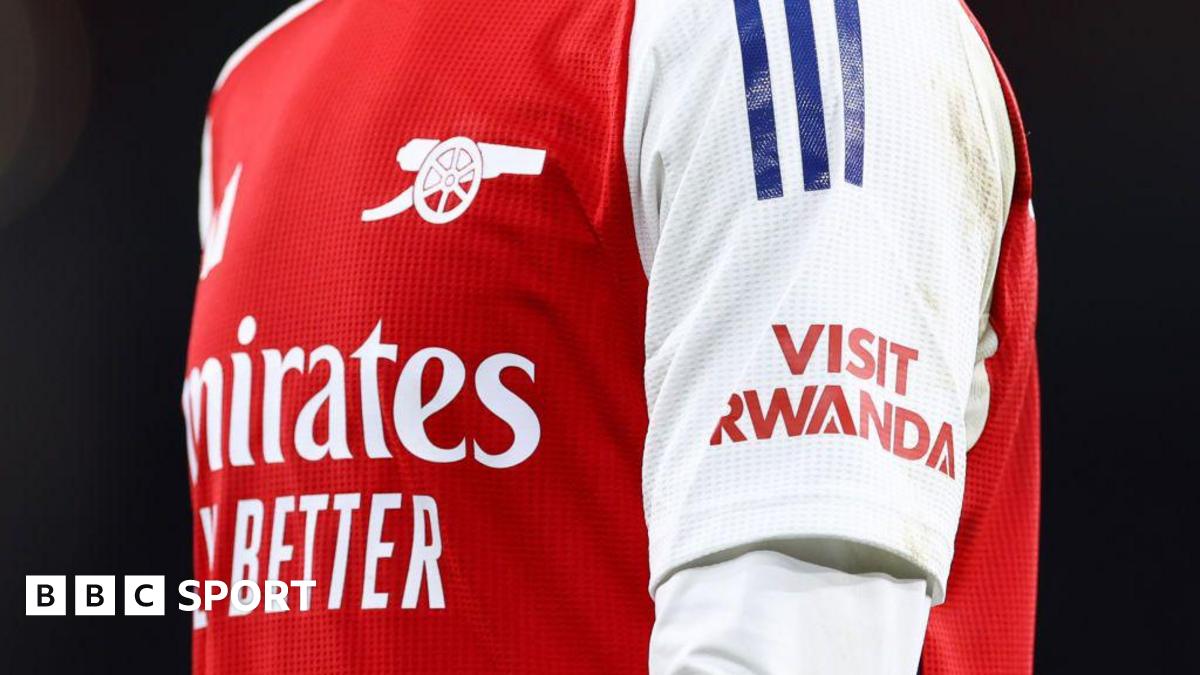
Arsenal Football Club has announced the termination of its eight-year sponsorship agreement with Visit Rwanda, set to conclude at the end of the 2025-26 season. The partnership, which began in 2018 and reportedly valued at over £10 million ($13.3 million) annually, has faced increasing scrutiny due to escalating violence in the eastern Democratic Republic of Congo (DRC), a region bordering Rwanda. Despite a recent framework for peace signed between Rwandan-backed M23 rebels and the Congolese government, the sponsorship has drawn criticism from humanitarian groups and activists. Campaigners, including the group Gunners for Peace, have protested outside Emirates Stadium, urging the club to sever ties with Visit Rwanda, citing the humanitarian crisis in the DRC. Arsenal stated that the partnership had achieved its original goals of promoting conservation, sustainable tourism, and Rwanda’s ambition to become a sporting hub in Africa. However, the club emphasized its commitment to aligning sponsorships with its core values. Meanwhile, other clubs like Paris St-Germain and Atletico Madrid continue their associations with Visit Rwanda, sparking debates about the ethical implications of such deals in the world of sports.
标签: Africa
非洲
-
Energy cooperation with China to boost Africa’s green transition
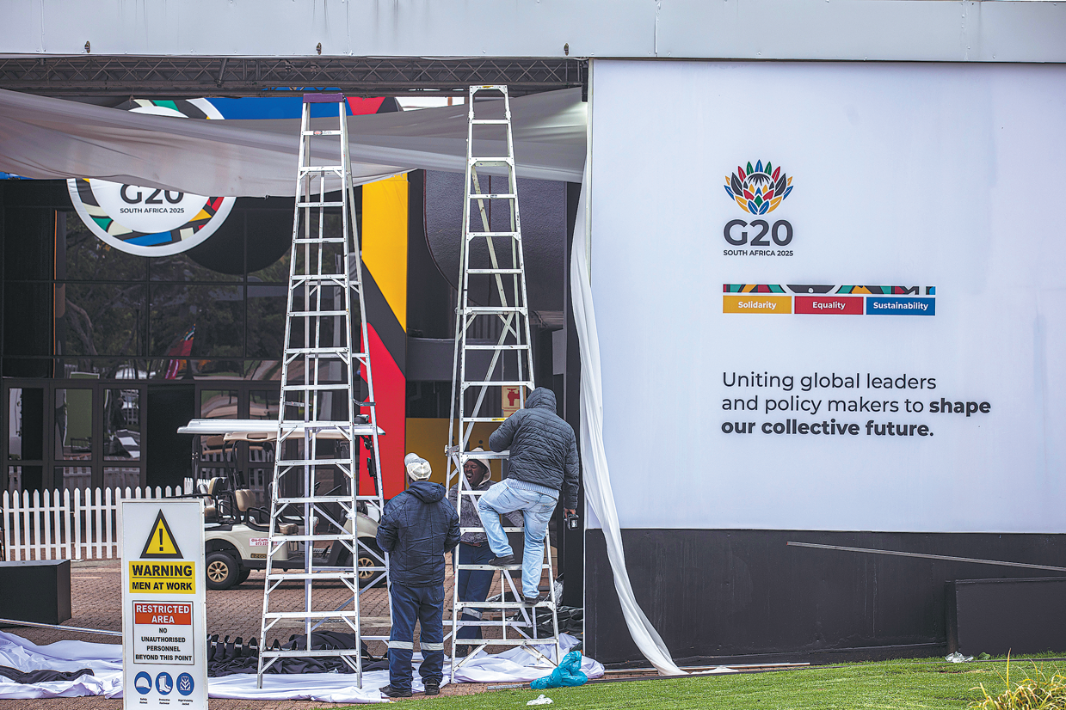
As South Africa prepares to host the first-ever G20 summit on African soil, the spotlight is on the transformative potential of China-Africa energy cooperation in driving a just and inclusive green transition. Experts emphasize that this partnership could redefine Africa’s role in the global climate and industrial transformation, moving the continent from the periphery to the center of sustainable development.
-
Christians in Nigeria ‘driven from their homes and killed’, Nicki Minaj says
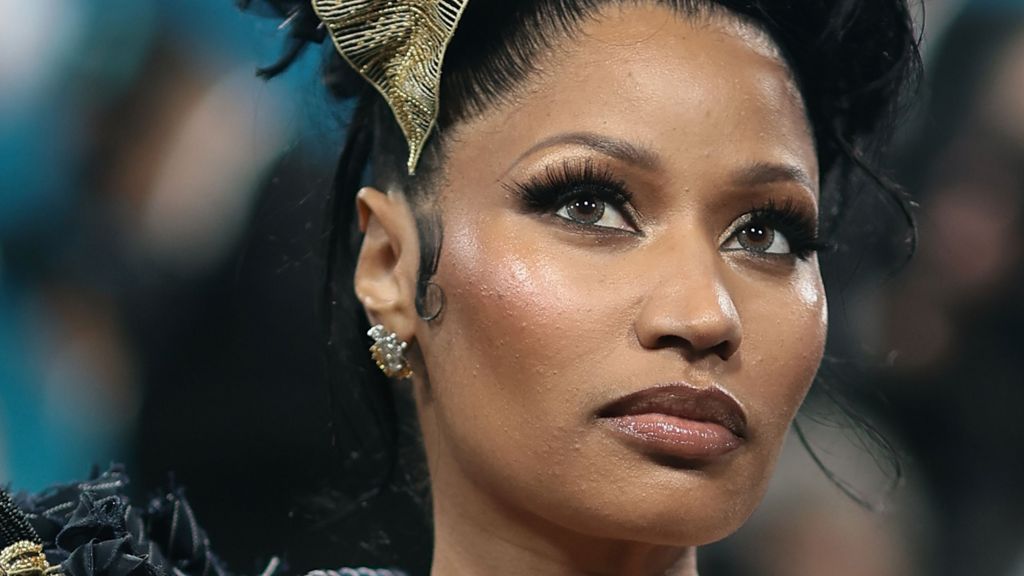
Nicki Minaj, the Trinidadian-American rap superstar, has publicly supported former U.S. President Donald Trump’s allegations of Christian persecution in Nigeria. Speaking at a United Nations event organized by the U.S. on Tuesday, Minaj stated, ‘In Nigeria, Christians are being targeted. Churches have been burned, families have been torn apart… simply because of how they pray.’ Her comments align with Trump’s recent threats to deploy U.S. troops to Nigeria if the government fails to address the alleged violence against Christians. However, the Nigerian presidency has countered these claims, emphasizing that the widespread violence in the country affects all citizens, regardless of religious or ethnic background. Minaj, whose real name is Onika Tanya Maraj-Petty, clarified that her advocacy is not about division but about ‘uniting humanity’ and standing against injustice. She expressed gratitude to Trump for prioritizing the issue and acknowledged Nigeria’s rich cultural and faith traditions. U.S. Ambassador to the UN, Mike Waltz, praised Minaj for using her platform to highlight the atrocities. While right-wing campaigners in Washington have accused Islamist militants of systematically targeting Christians, analysts argue that much of the violence is driven by disputes over resources and ethnic tensions rather than religion. Nigeria’s government maintains that terrorists attack all who oppose their ideology, regardless of faith. Minaj’s appearance at the UN marks her most significant political intervention to date. The rapper, who has faced criticism for spreading COVID-19 vaccine misinformation and her ongoing feud with Cardi B, emphasized her commitment to justice, stating, ‘The Barbz & I will never stand down in the face of injustice.’
-
Africa hosts its first G20 and urges the rich world to do more against climate disasters
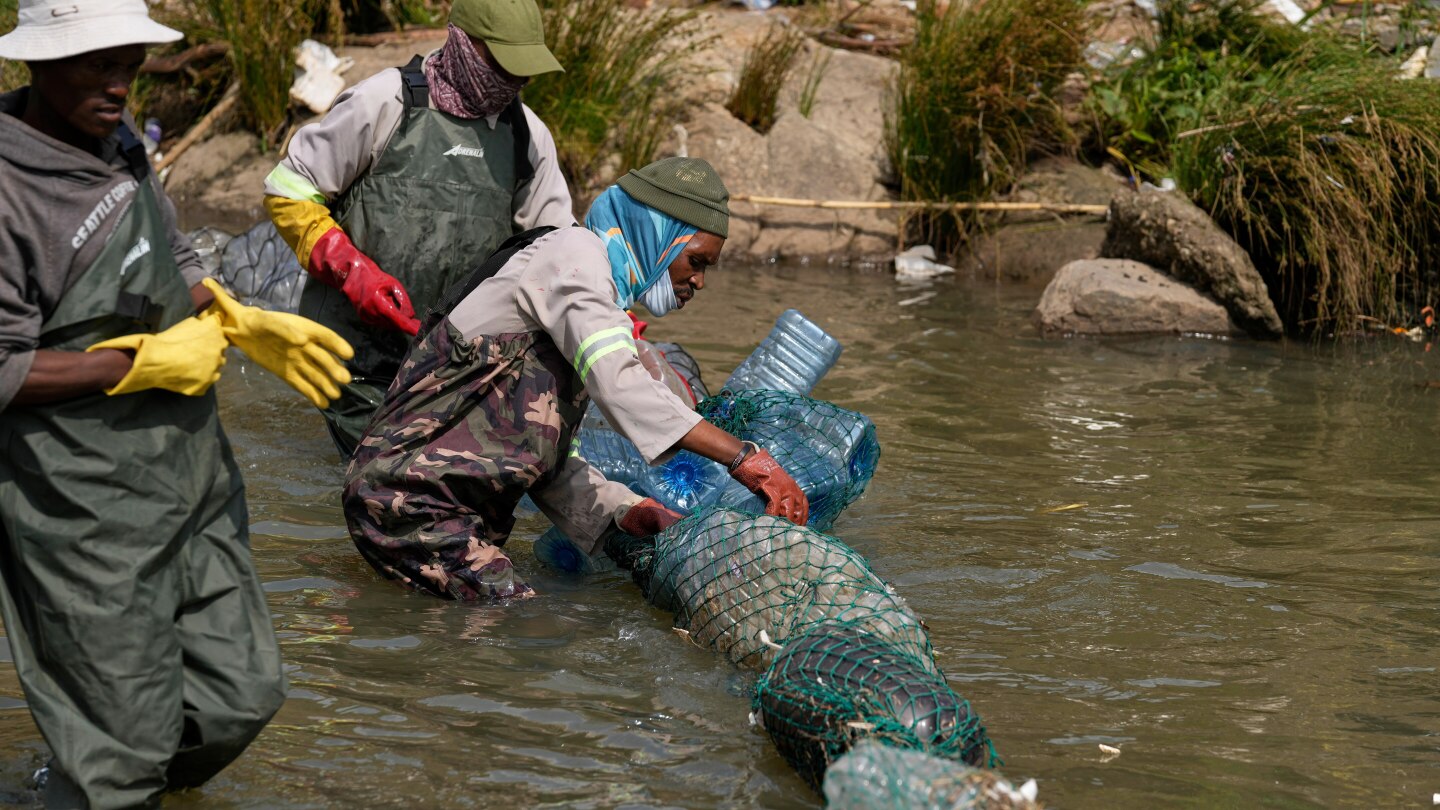
In the heart of South Africa’s oldest township, Alexandra, volunteers clad in wetsuits wade into the polluted Jukskei River to repair damaged garbage nets, a critical defense against flooding that threatens the shacks of this low-lying community. This scene underscores the urgent climate challenges facing South Africa as it hosts the Group of 20 (G20) summit in Johannesburg, marking the bloc’s first meeting on African soil. The summit aims to prioritize issues affecting impoverished nations, particularly the escalating impacts of climate change. South Africa is poised to call on wealthier nations and international financial institutions to bolster support for developing countries grappling with climate-induced disasters. Alexandra, home to over half a million residents, lies just steps away from Sandton, Johannesburg’s affluent financial hub. Yet, frequent flooding isolates the township, leaving children stranded and unable to attend school. Semadi Manganye, co-founder of the Alexandra Water Warriors, describes the situation as a “big hazard,” highlighting the stark contrast between wealth and poverty in the region. The climate crisis exacerbates inequality, a point emphasized by Binaifer Nowrojee, president of the Open Society Foundations, who notes that poor nations face a dire choice between economic growth and climate action. The World Bank reports that natural disasters have surged nearly eightfold in the poorest countries over the past four decades. Southern Africa, in particular, has endured devastating tropical storms, such as Cyclone Idai in 2019, which caused $2 billion in damages across Mozambique, Malawi, and Zimbabwe. The region also suffered from severe droughts last year, crippling agriculture and deepening poverty. Climate financing remains a contentious issue, with rich nations pledging $300 billion annually by 2035 to aid developing countries, though experts argue $1 trillion per year is needed by 2030. The absence of the United States, one of the world’s largest polluters, from the G20 summit further complicates efforts to reach meaningful climate agreements. Meanwhile, South Africa’s own struggles with inequality and inadequate infrastructure exacerbate the climate crisis. Amnesty International’s recent report criticizes the government for failing millions living in informal settlements, who are disproportionately affected by flooding and other climate-related disasters. Despite these challenges, grassroots initiatives like the Alexandra Water Warriors offer hope. Since its formation in 2021, the group has planted trees, recycled waste, and engaged thousands in climate resilience projects, supported by a mix of public and private funding. As the G20 summit unfolds, South Africa seeks to champion green growth as a pathway to development, emphasizing that sustainable and resilient economies can drive faster progress.
-

‘It would have been better if they’d killed me’: A forgotten war destroying women’s lives
In the heart of Ethiopia’s Amhara region, a harrowing narrative of sexual violence unfolds amidst the ongoing conflict between the Ethiopian army and the Fano militia. This report, based on extensive interviews and data collation by the BBC, sheds light on the untold suffering of women and girls caught in the crossfire of this brutal insurgency.
-
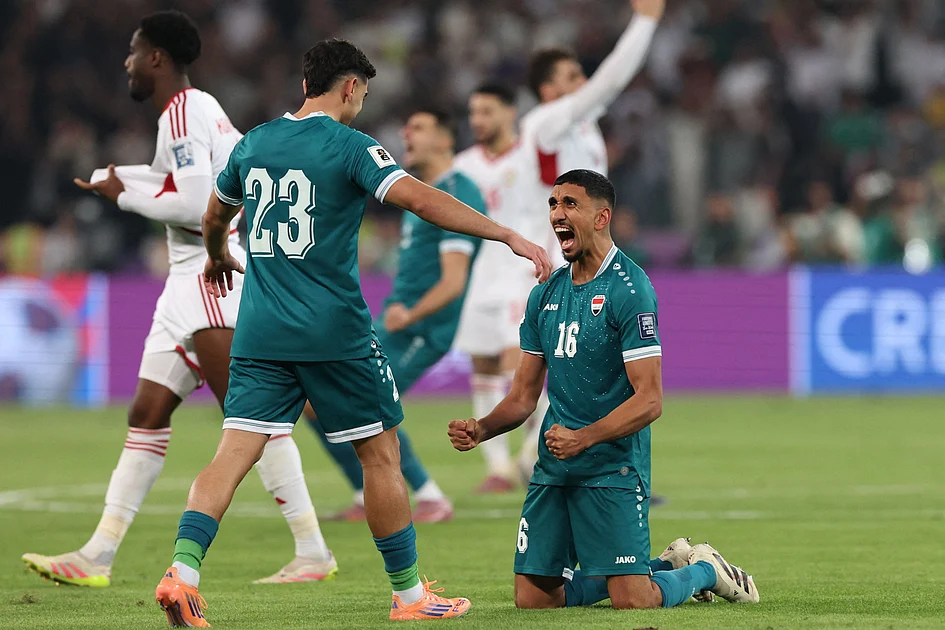
World Cup dreams shattered as Iraq beat UAE 2-1, advance to intercontinental playoff
In a dramatic turn of events, Iraq shattered the United Arab Emirates’ World Cup aspirations with a thrilling 2-1 victory in Basra on Tuesday. The match, which saw both teams locked in a tense battle, culminated in a last-gasp penalty by Amir Al-Ammari in the 15th minute of injury time. The decisive moment came after a VAR review, sending Iraq to the intercontinental playoff for a chance to qualify for the 2026 FIFA World Cup. The UAE, who had drawn the first leg of the fifth-round playoff in Abu Dhabi on November 13, needed a win to keep their dreams alive. Despite a valiant effort, including a stunning goal by Caio Lucas in the 52nd minute, the UAE succumbed to Iraq’s resilience. Mohanad Ali’s equalizer in the 66th minute set the stage for the dramatic finale, leaving the UAE players devastated as their World Cup journey ended in heartbreak. Iraq, with only one previous World Cup appearance in 1986, now has a golden opportunity to join other Gulf nations in the global tournament.
-
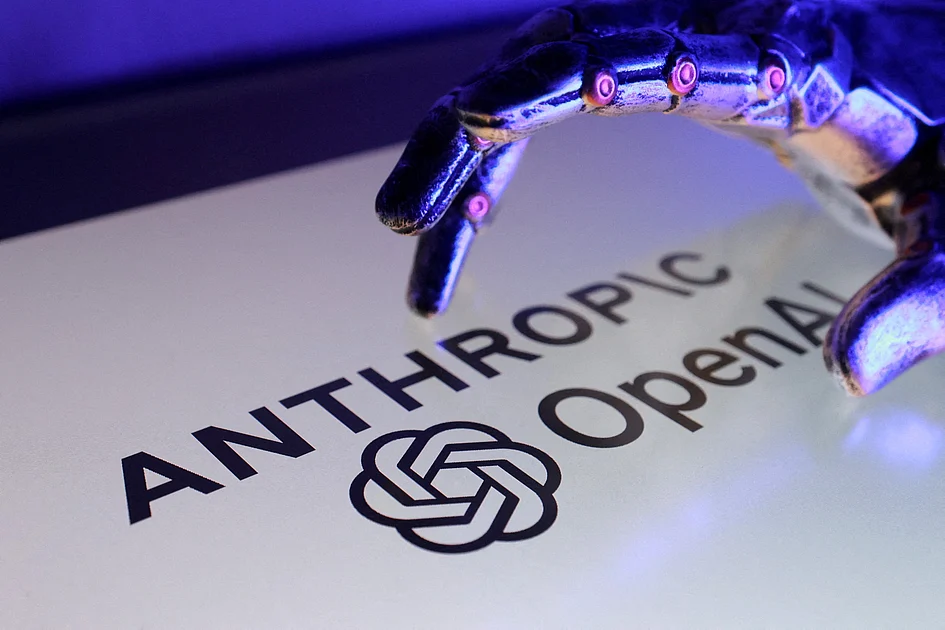
Microsoft, Nvidia to invest in Anthropic as Claude maker commits $30 billion to Azure
In a landmark move that highlights the escalating competition in the artificial intelligence (AI) sector, Microsoft and Nvidia have announced plans to invest in Anthropic, the creator of the Claude AI model. This partnership includes a staggering $30 billion commitment by Anthropic to utilize Microsoft’s Azure cloud services. Nvidia will contribute up to $10 billion, while Microsoft will invest up to $5 billion, according to statements released on Tuesday. Although specific details remain undisclosed, sources indicate that both companies are set to participate in Anthropic’s upcoming funding round. The collaboration underscores the AI industry’s relentless demand for computing power as companies vie to develop systems capable of rivaling or surpassing human intelligence. Microsoft CEO Satya Nadella emphasized the symbiotic nature of the partnership, stating, ‘We’re increasingly going to be customers of each other. We will use Anthropic models, they will use our infrastructure, and we’ll go to market together.’ He also reaffirmed Microsoft’s continued commitment to OpenAI, a key partner in its AI endeavors. This development follows OpenAI’s recent restructuring, which has seen the company pivot further from its non-profit origins, securing greater financial and operational flexibility. Anthropic, founded in 2021 by former OpenAI employees, has emerged as a formidable competitor, boasting a valuation of $183 billion and a rapidly expanding customer base of over 300,000 businesses. The company projects its annualized revenue run rate to potentially triple to $26 billion next year. As part of the deal, Anthropic will collaborate with Nvidia to enhance chip and model performance, committing up to 1 gigawatt of computing power using Nvidia’s Grace Blackwell and Vera Rubin hardware. Industry experts estimate that 1 gigawatt of AI computing could cost between $20 billion and $25 billion. Additionally, Microsoft will grant Azure AI Foundry customers access to the latest Claude models, positioning Claude as the only frontier model available across all three major cloud providers. Analysts view this partnership as a strategic move to diversify the AI economy’s reliance on OpenAI. ‘Microsoft has decided not to rely on one frontier model company,’ noted D.A. Davidson analyst Gil Luria. ‘Nvidia, which was somewhat dependent on OpenAI’s success, is now helping generate broader demand.’ The deal reflects the ongoing consolidation of the AI industry around a few dominant players, signaling a new era of collaboration and competition in the race to advance AI capabilities.
-
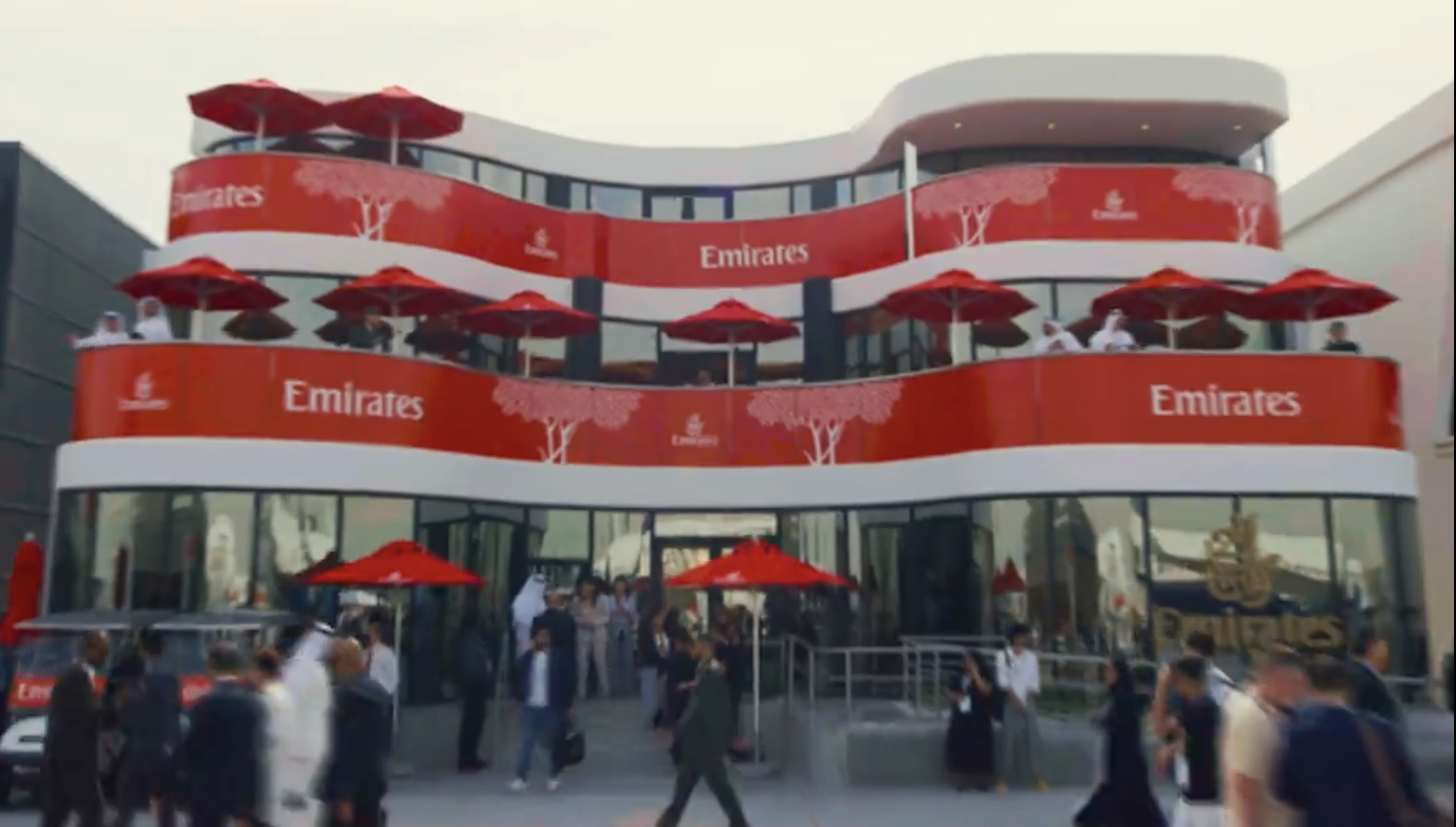
More jobs in UAE: Emirates plans to continue hiring as it adds more aircraft
Emirates Airline, the Dubai-based aviation giant, is set to continue its recruitment drive as it prepares to expand its fleet and launch new ventures. Sheikh Ahmed bin Saeed Al Maktoum, Chairman and CEO of Emirates Airline, announced the plans during the Dubai Airshow 2025, emphasizing the need for additional staff to support the growing operations. The airline has placed orders for hundreds of new aircraft, including 65 Boeing 777-9s, valued at $38 billion, as part of its ambitious expansion strategy. This brings its total orderbook with Boeing to 315 widebody aircraft and 540 GE9X engines. Emirates Group, which includes both the airline and ground handling services firm dnata, has already hired over 3,700 employees in the first half of the 2025-26 financial year, bringing its total workforce to 124,927. The group plans to recruit 17,300 people this year, equivalent to the population of a mid-sized town, across various roles such as cabin crew, pilots, engineers, and support services. Additionally, Emirates has partnered with Safran Seats to establish a manufacturing and seat assembly facility in Dubai, creating highly-skilled jobs in the region. The airline’s expansion is also supported by new ventures like Linencraft, a Dh160 million laundry arm under Emirates Flight Catering, which is expected to generate 400 direct jobs. These initiatives underscore Emirates’ commitment to innovation, operational excellence, and employee welfare as it continues to strengthen its position as a global aviation leader.
-

Inside the mind of a maker: Jigar Sagar
Jigar Sagar, a prominent investor-judge on *The Final Pitch Dubai*, has carved a unique niche in the entrepreneurial ecosystem of the Middle East. With 15 years of experience in both building companies and fostering the conditions for their growth, Sagar has become a pivotal figure in early-stage entrepreneurship. His approach is a blend of pragmatism and idealism, offering a rare combination of experience, curiosity, and empathy.
-
Experts from Kenya hail the Global Development Initiative
Kenyan experts have praised the Global Development Initiative (GDI), introduced four years ago, for its significant contributions to promoting equitable and inclusive growth and enhancing South-South cooperation. The initiative, which aims to address global development challenges, has been lauded for its role in fostering collaboration among developing nations and ensuring sustainable progress. Experts highlighted that the GDI has been instrumental in bridging gaps in infrastructure, technology, and education, particularly in Africa. They emphasized that the initiative aligns with Kenya’s development goals and has provided a platform for mutual learning and resource sharing. The positive reception from Kenyan experts underscores the GDI’s impact in creating a more balanced and interconnected global development landscape.