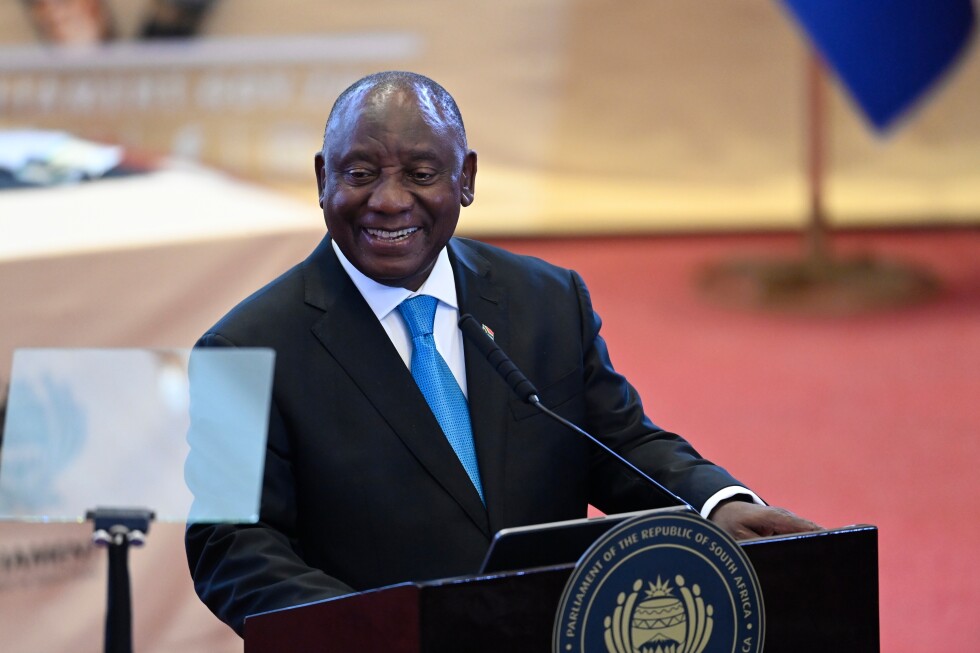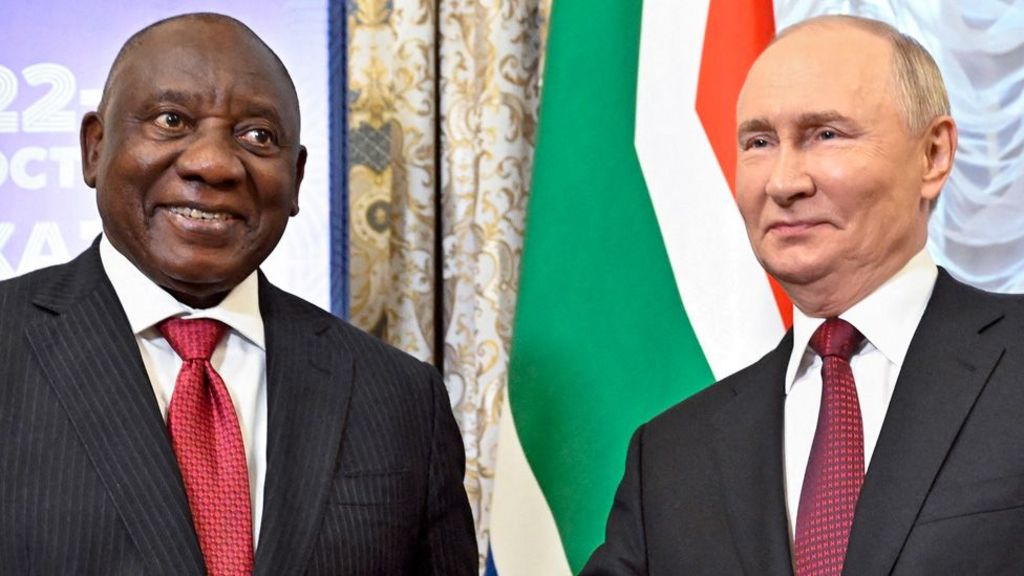
In a significant diplomatic development, South African President Cyril Ramaphosa has successfully negotiated the repatriation of 17 citizens who were allegedly misled into participating in the Russia-Ukraine conflict as mercenaries. The breakthrough follows a crucial February 10th telephone discussion between President Ramaphosa and Russian President Vladimir Putin, which paved the way for their release.
According to official statements from the South African presidency, four individuals have already returned home as of last Friday, with eleven others scheduled for imminent repatriation. Two remaining citizens are currently in Russia—one receiving medical treatment at a Moscow hospital and another completing necessary administrative procedures before returning.
This complex situation began unfolding last November when the South African government received emergency communications from citizens claiming they had been deceived into joining mercenary forces. The individuals reportedly traveled to Russia expecting to receive bodyguard training, only to discover they had been contracted to fight against Ukrainian forces. Due to contracts written exclusively in Russian, the recruits were unable to comprehend the actual nature of their engagement.
The case has triggered multiple investigations into recruitment practices, with notable figures facing serious allegations. Duduzile Zuma-Sambudla, daughter of former President Jacob Zuma, has been identified as a central figure in the recruitment scheme—an accusation she vehemently denies. In a sworn affidavit, Zuma-Sambudla maintained she believed the training program was legitimate and lawful, stating she would never knowingly endanger family members or other citizens.
South African authorities have taken parallel legal action, arresting five individuals in December—including a public broadcaster radio personality—on charges related to illicit recruitment activities. All suspects have been released on bail pending trial proceedings.
The South African government has reiterated that mercenary activities or fighting for foreign governments without official authorization violates national law. The country’s embassy in Moscow continues to monitor the situation and provide consular assistance to the remaining citizen hospitalized in Russia.