标签: Africa

非洲

  • Netanyahu slams ‘extremist’ Israeli settlers in West Bank

    Netanyahu slams ‘extremist’ Israeli settlers in West Bank

    Israeli Prime Minister Benjamin Netanyahu has strongly denounced the actions of extremist settlers in the occupied West Bank, following a surge in violence that has exacerbated tensions in the region. On Monday evening, homes and vehicles in the Palestinian village of Jab’a were set ablaze, marking the latest in a series of attacks attributed to Israeli settlers. Netanyahu labeled the perpetrators as ‘a handful of extremists’ who do not represent the broader settler community and vowed to address the issue personally. He called on law enforcement to act decisively against the rioters, emphasizing the need to uphold the rule of law. The incident occurred hours after Israeli security forces clashed with members of the Hilltop Youth movement while dismantling an illegal settler outpost in the Gush Etzion area. The settlers, who oppose government policies, aim to establish unauthorized settlements by displacing Palestinian residents. The UN has reported that October 2025 was the worst month for settler violence in the West Bank since records began in 2006, with 264 attacks causing casualties or property damage. Despite international condemnation, few perpetrators have faced accountability. Israeli officials, including Foreign Minister Gideon Saar and Defense Minister Israel Katz, have condemned the violence, with Katz pledging to continue developing settlements while maintaining regional stability. The West Bank remains a flashpoint, with over 500,000 Israeli settlers living alongside three million Palestinians. The ongoing violence has claimed the lives of at least 1,006 Palestinians and 43 Israelis since the Gaza war began in October 2023.

  • ‘Not fair’ how South Africa are treated, says coach

    ‘Not fair’ how South Africa are treated, says coach

    South Africa’s assistant coach, Mzwandile Stick, has voiced concerns over what he perceives as unfair treatment of the Springboks following a series of red-card incidents in recent matches. Speaking to reporters in Dublin ahead of South Africa’s Test against Ireland, Stick highlighted the suspensions of key players, including Lood de Jager and Franco Mostert, as evidence of biased officiating. De Jager received a four-game ban for a high tackle on France’s Thomas Ramos, while Mostert was sent off for a shoulder-to-head challenge on Italy’s Paolo Garbisi. Both incidents have sparked controversy, with Stick questioning the consistency of disciplinary decisions. ‘Every week we are losing players, and it’s sad,’ Stick lamented. He also referenced recent bans for South African players Makazole Mapimpi and Jan-Hendrik Wessels in the United Rugby Championship, suggesting a pattern of disproportionate punishment. Stick defended Mostert’s actions, arguing that the tackle was not intentionally dangerous and that the physical nature of rugby sometimes leads to imperfect outcomes. He also criticized the officiating in the match against Italy, claiming that 20 out of 21 decisions in the first half went against South Africa. Despite the controversies, Stick emphasized the Springboks’ commitment to fair play and expressed regret over the impact on Italy’s performance. The Springboks, reigning world champions, continue to face scrutiny as they navigate these challenges on the international stage.

  • Schoolgirl escapes as search continues for 24 others abducted in Nigeria

    Schoolgirl escapes as search continues for 24 others abducted in Nigeria

    In a dramatic turn of events, one of the 25 schoolgirls abducted from the Government Girls Comprehensive Secondary School in Kebbi, Nigeria, has managed to escape and return home safely. The school’s principal, Musa Rabi Magaji, confirmed the news to The Associated Press on Tuesday, stating that the student arrived home late Monday, just hours after the kidnapping occurred. Another student, who was not among the confirmed abductees, also escaped shortly after the attack. Both are reported to be unharmed. The incident took place in the early hours of Monday when gunmen stormed the school, killing a staff member and kidnapping the girls. Security forces have since ramped up efforts to rescue the remaining captives, with Nigeria’s Chief of Army Staff, Lt. Gen. Waidi Shaibu, personally visiting the school and ordering “intelligence-driven operations” to locate the missing girls. No group has claimed responsibility for the abduction, but analysts suspect it could be the work of armed gangs known for targeting schools and communities for ransom. This incident highlights the ongoing security challenges in northern Nigeria, where mass kidnappings have become increasingly common. Experts attribute the crisis to rampant corruption, inadequate weapon supplies for security forces, and porous borders that facilitate the flow of arms to criminal groups. The kidnapping of schoolchildren, in particular, has been described as a strategic move by gangs to gain widespread attention and leverage.

  • UAE weather: Dubai temperatures to drop to 20ºC; fog likely

    UAE weather: Dubai temperatures to drop to 20ºC; fog likely

    Residents of the UAE can anticipate a shift in weather patterns this week, with temperatures in Dubai expected to drop to a cool 20ºC. According to the National Centre of Meteorology (NCM), the country will experience fair to partly cloudy conditions on Tuesday, November 18, with increased cloud cover in western regions. Humidity is forecast to rise by night and into Wednesday morning, particularly in coastal and internal areas, where mist or fog may form. Across the UAE, temperatures will remain comfortable, not exceeding 33ºC, while Abu Dhabi will see lows of 21ºC. Light to moderate Northeasterly to Northwesterly winds, occasionally freshening over the sea, will sweep the region, with gusts reaching speeds of 10-25kmph and potentially peaking at 40kmph. The Arabian Gulf is expected to experience slight to moderate sea conditions, turning rough westward by evening, while the Oman Sea will remain calm. Residents are advised to stay updated on weather developments and exercise caution in fog-prone areas.

  • Which Premier League teams will lose most players to Afcon?

    Which Premier League teams will lose most players to Afcon?

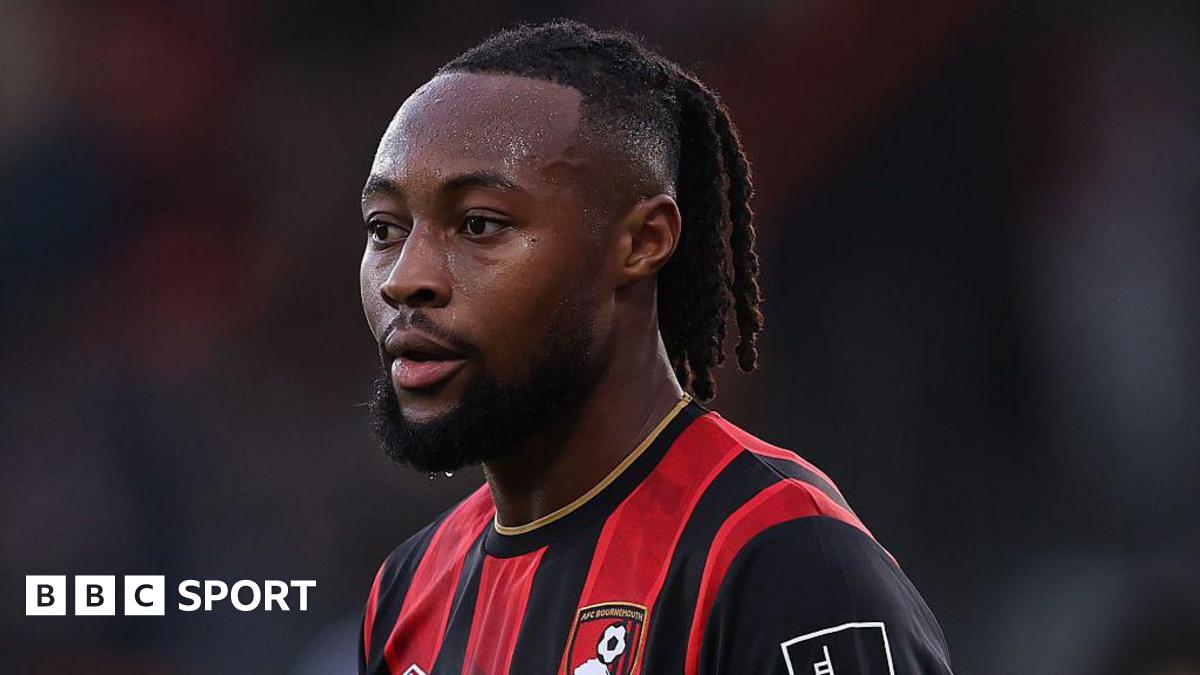
    The 2025 Africa Cup of Nations (Afcon) is set to commence earlier than usual, running from December 21 to January 18, and will significantly impact up to 17 Premier League clubs. Hosted in Morocco, the tournament will see numerous players depart mid-season, potentially missing up to six or seven Premier League matches, as well as FA Cup and Carabao Cup fixtures, depending on their teams’ progress in the competition. Clubs like Sunderland and Wolverhampton Wanderers are expected to be the hardest hit, with multiple key players leaving for international duty. In contrast, Arsenal, Chelsea, and Leeds United will remain unaffected as they have no players participating in the tournament. The group stages conclude on December 31, meaning players from eliminated teams may return sooner, missing fewer matches. However, for those advancing to the final, the absence could stretch into mid-January. Among the notable departures are Mohamed Salah (Liverpool), Ismaila Sarr (Crystal Palace), and Bryan Mbeumo (Manchester United). Clubs like Aston Villa and Bournemouth will face minimal disruption, with only fringe players involved. The tournament’s timing during the busy festive period poses a significant challenge for Premier League managers, who must adapt their squads to cope with the loss of key contributors. The exact release dates for players remain uncertain, as they may vary based on individual club agreements with national teams.

  • Global Anglican ties are under stress. It’s unclear if they’re at the breaking point

    Global Anglican ties are under stress. It’s unclear if they’re at the breaking point

    The Anglican Communion, one of the world’s largest Protestant church families, faces a historic schism as conservative leaders within the Global Anglican Future Conference (Gafcon) call for a complete break from the traditional structure. This move follows decades of escalating tensions over issues of sexuality, theology, and leadership. The announcement came shortly after the appointment of Bishop Sarah Mullally as the first female Archbishop of Canterbury, a decision hailed as groundbreaking in Western nations but criticized by Gafcon and other conservative bishops. Gafcon’s leaders, including Archbishop Laurent Mbanda of Rwanda, declared the need for a “reordered” Anglican Communion, rejecting the historical authority of the Archbishop of Canterbury and proposing a new council of top bishops to oversee a restructured global body. While some African provinces, such as Nigeria and Uganda, have endorsed the plan, others remain silent, leaving the scale of the potential breakaway uncertain. The schism reflects deep divisions over LGBTQ+ inclusivity, with conservatives opposing same-sex unions and liberal trends in Western churches. The Anglican Communion, which spans 165 countries and 85 million members, now faces a pivotal moment as it navigates these profound theological and structural challenges.

  • Takeaways from AP’s report on the violence in northern Nigeria

    Takeaways from AP’s report on the violence in northern Nigeria

    Northern Nigeria has been engulfed in a prolonged security crisis, marked by widespread violence that has drawn international attention. U.S. President Donald Trump has specifically criticized Nigeria for what he describes as the “killing of Christians” by “radical Islamists.” While victims and church leaders affirm that Christians face persecution, many experts and residents argue that the situation is more complex. The violence, they say, spares no one, regardless of religious affiliation.

  • In the violence plaguing Nigeria, many say everyone — Christian or Muslim — is a potential victim

    In the violence plaguing Nigeria, many say everyone — Christian or Muslim — is a potential victim

    In the remote village of Ligari, nestled in Nigeria’s northwestern Kaduna state, a harrowing incident unfolded during a church service in November 2024. Armed gunmen on motorcycles stormed the gathering, firing indiscriminately and abducting at least 62 individuals, including the pastor and several children. The hostages were forcibly marched into the bush, enduring a grueling two-day trek to a forest hideout, where they were held captive for nearly a month. Families, desperate for their loved ones’ release, sold farmland, livestock, and motorcycles to meet the kidnappers’ ransom demands. The hostages faced severe deprivation, with little food or sleep, and were pressured to renounce their Christian faith. Tragically, two hostages were killed during the ordeal. Four survivors recounted their experiences to The Associated Press, highlighting the trauma and resilience of their community. This attack is emblematic of the broader security crisis plaguing Nigeria’s north, where violence has become a grim reality for many. Just days after the Ligari incident, gunmen abducted 25 schoolgirls from a boarding school in Kebbi, killing at least one staff member. The pervasive violence has left nearly every household in Ligari mourning a lost or abducted relative. While U.S. President Donald Trump has framed the crisis as a targeted persecution of Christians by radical Islamists, local voices and experts paint a more complex picture. Many argue that the violence is indiscriminate, affecting both Christians and Muslims alike. Abdulmalik Saidu, a Muslim resident of Zamfara state, recounted how his brother was killed during a highway kidnapping, emphasizing that the attackers’ primary motive is financial gain rather than religious ideology. Similarly, Imam Idris Ishaq of Kaduna shared the loss of multiple family members to violence, underscoring the shared suffering across faiths. Nigeria’s security challenges are exacerbated by rampant corruption, inadequate law enforcement, and porous borders that facilitate the flow of weapons to criminal gangs. In the northeast, Boko Haram and its offshoots continue their insurgency, while in the northwest, rogue gangs terrorize villages and farming communities. The Ligari community, located just 20 kilometers from Kaduna’s capital, remains vulnerable due to its remote location and lack of security infrastructure. Despite the dire circumstances, some villagers have struck deals with gangs to access their farmlands, a testament to their desperation. The Nigerian government’s failure to address the crisis has drawn criticism, with some viewing Trump’s threat of military intervention as a potential catalyst for change. However, analysts caution that the situation requires nuanced solutions, as the violence transcends religious divides and reflects deeper systemic issues. As Nigeria grapples with this ongoing crisis, the resilience of its people remains a beacon of hope amidst the darkness.

  • Oil prices steady after loadings resume at Russian export hub

    Oil prices steady after loadings resume at Russian export hub

    Oil prices remained relatively stable on Monday following the resumption of loadings at Russia’s Novorossiysk export hub, which had been temporarily halted due to a Ukrainian attack. Brent crude saw a marginal decline of 8 cents, settling at $64.31 per barrel, while U.S. West Texas Intermediate (WTI) crude dipped by 10 cents to $59.99. The Novorossiysk port, a critical Black Sea facility, resumed operations on Sunday after a two-day suspension that disrupted approximately 2% of global oil supply. The pause had initially caused a 2% surge in oil prices on Friday, but the market quickly adjusted as operations normalized. However, concerns persist over Ukraine’s continued targeting of Russian oil infrastructure, including recent strikes on the Ryazan and Novokuibyshevsk refineries. Analysts are closely monitoring the long-term impact of these attacks on Russia’s crude exports, alongside the effects of Western sanctions. The U.S. has imposed sanctions on Russian oil companies Lukoil and Rosneft, effective November 21, aiming to pressure Moscow into peace negotiations. Additionally, OPEC+ has maintained its December output target increase of 137,000 barrels per day, consistent with October and November levels, while pausing further increases in the first quarter of 2026. Despite these developments, the oil market faces ongoing volatility due to geopolitical risks and fluctuating global supply. Speculators have increased net long positions in ICE Brent, reflecting cautious optimism amid supply uncertainties. Analysts predict that oil prices will remain supported, with potential dips in the near term but a more positive outlook for the latter half of 2026.

  • Gunmen kidnap 25 schoolgirls in northwestern Nigeria

    Gunmen kidnap 25 schoolgirls in northwestern Nigeria

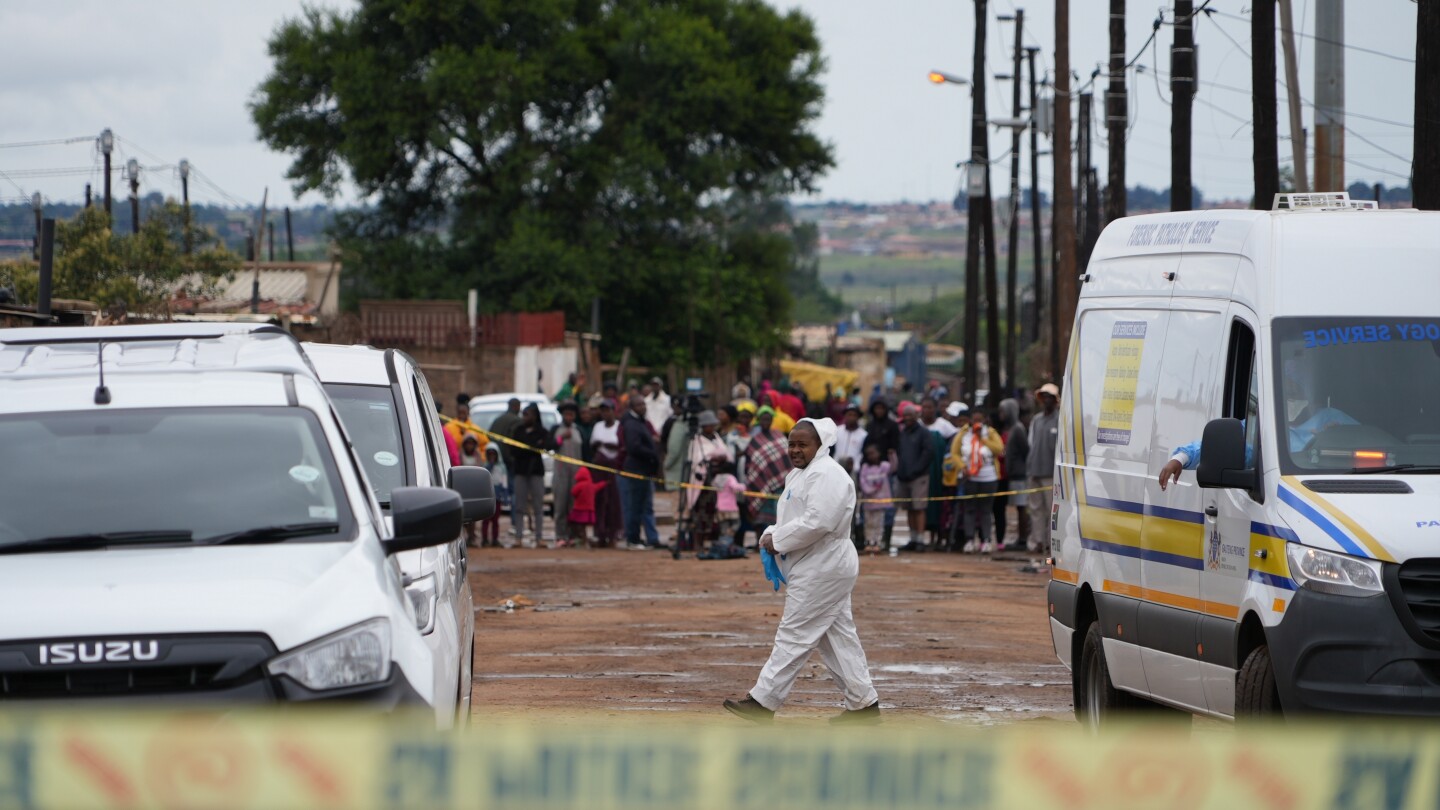
    In a harrowing early morning raid on Monday, gunmen from a criminal gang stormed the Government Girls Comprehensive Secondary School in Kebbi state, northwestern Nigeria, kidnapping 25 schoolgirls and killing a staff member. Armed with sophisticated weapons, the assailants breached the school’s defenses, abducting the students and fleeing to an unknown location. The attack has reignited fears of a spiraling kidnapping crisis in Nigeria, reminiscent of the infamous 2014 Chibok abduction, where 276 girls were taken by Boko Haram insurgents. Police, military units, and local vigilantes have launched a manhunt to rescue the abducted students and apprehend the perpetrators. This incident marks the second mass school abduction in Kebbi in four years, following a 2021 attack where over 100 students and staff were taken. The region has become a hotspot for kidnappings, with heavily armed gangs exploiting the security vacuum to terrorize communities. Despite efforts by authorities to negotiate peace deals and deploy vigilante groups, the kidnapping crisis continues to escalate, leaving families and communities in despair. Nigeria’s northwest, plagued by armed violence and banditry, remains the epicenter of this growing humanitarian and security crisis.