标签: Africa

非洲

  • As fighting spirals in South Sudan, a humanitarian crisis looms for displaced survivors

    As fighting spirals in South Sudan, a humanitarian crisis looms for displaced survivors

    A resurgence of violence in South Sudan’s Jonglei state has displaced approximately 280,000 people over the past two months, creating a severe humanitarian crisis that threatens to unravel the nation’s fragile peace agreement. The conflict between government forces (South Sudan People’s Defense Forces) and opposition groups (Sudan People’s Liberation Movement In Opposition) has escalated dramatically since December when opposition fighters seized government outposts.

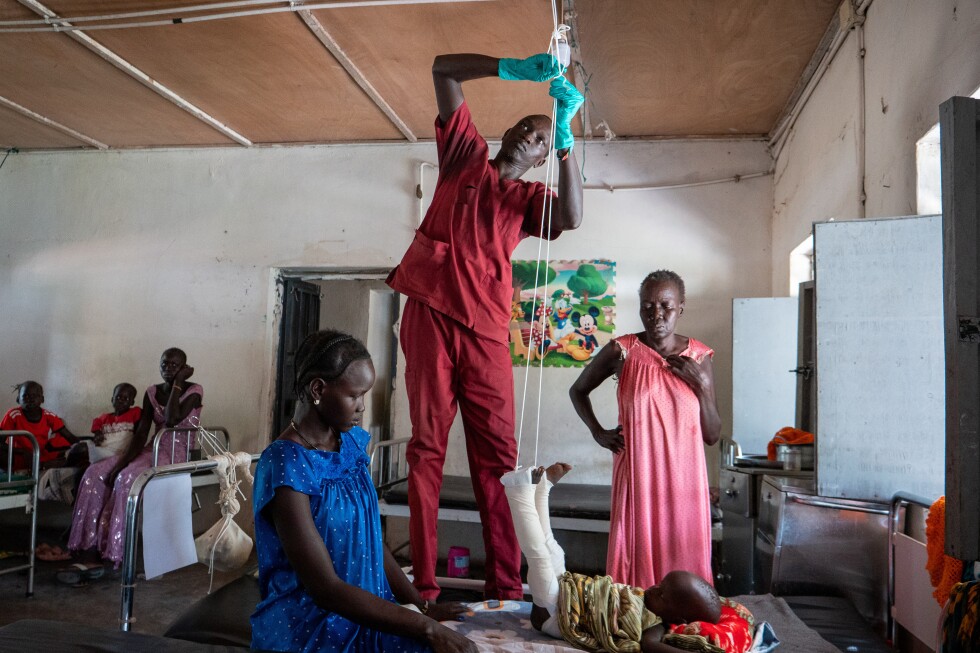
    The human toll is devastating. Eighteen-month-old Kool Gatyen Pajock represents one of countless civilian casualties, hospitalized with bullet wounds inflicted by government forces according to his grandmother Nyayual Chuol, who witnessed the killing of the infant’s parents. Chuol carried her grandson 130 kilometers to Akobo hospital, now separated from her four other children who fled in different directions during the attack.

    Despite a 2018 peace agreement that ended five years of civil war and a 2020 power-sharing arrangement that made opposition leader Riek Machar first vice president alongside President Salva Kiir, tensions erupted again in March. Machar was placed under house arrest and charged with treason in September alongside seven opposition members linked to attacks on government forces.

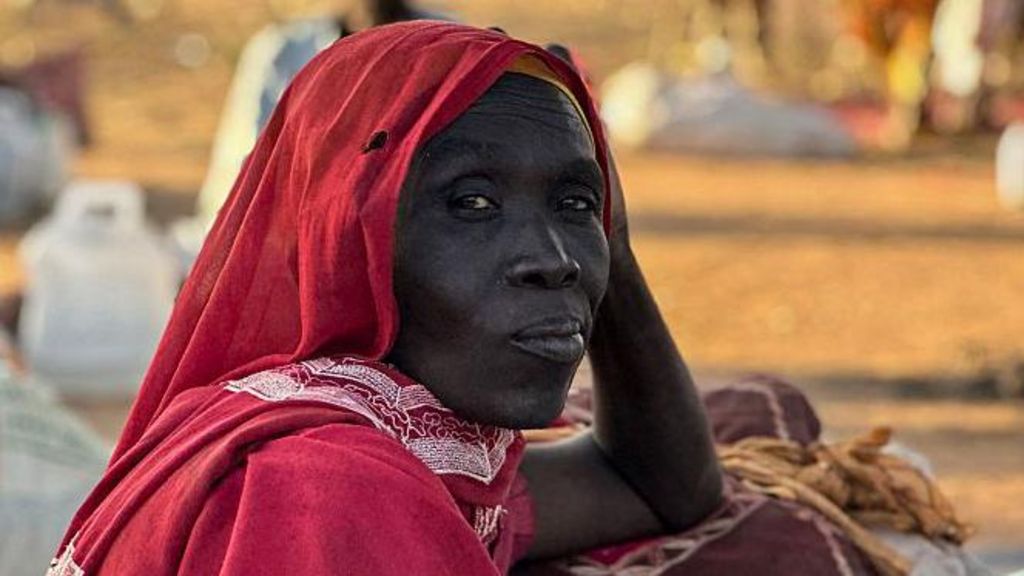
    The government’s counteroffensive since January has included aerial bombardments and ground assaults, despite official commitments to peace. Nyankhiay Gatluak Jock, 28, described fleeing her village of Walgak after government helicopters bombed the area followed by ground troops shooting from vehicles. She now shelters with 42,000 other displaced persons in Akobo under UN protection.

    Humanitarian operations have been severely compromised. Thirteen health facilities in Jonglei have been looted or partially destroyed, including a Doctors Without Borders hospital bombed on February 3. Nyaphan Nyang Lual escaped that attack with her family but her husband was shot and daughter abducted during their journey to Akobo. She arrived with her one-month-old granddaughter suffering from diarrhea but found no available medicine or food assistance.

    Funding cuts and government-imposed restrictions on aid organizations have crippled relief efforts. Susan Tab, a reproductive health officer with South Sudanese organization Nile Hope, reported having “nothing … no feeding, no medication” to offer beyond psychosocial support.

    UN humanitarian chief Tom Fletcher, during a February 21 visit to Akobo, declared South Sudan “one of the most neglected crises in the world right now” and pledged to make the situation more visible to prompt international response. He was greeted by thousands of displaced women and children holding posters with handwritten messages, including one that starkly stated: “They killed everyone.”
  • Is Ethiopia heading back to war in Tigray?

    Is Ethiopia heading back to war in Tigray?

    Northern Ethiopia faces escalating tensions that threaten to plunge the region back into armed conflict merely three years after the devastating civil war concluded. The fragile Pretoria peace agreement, brokered by the African Union in November 2022, shows alarming signs of disintegration as multiple geopolitical fault lines reactivate.

    Current indicators mirror the distressing pre-war period: banking institutions in Mekelle impose strict withdrawal limits of approximately 2,000 birr ($13) daily amid severe cash shortages. Commodity prices surge exponentially as civilians stockpile essentials. A significant exodus is underway, with those possessing means fleeing via air travel while others resort to overcrowded buses toward Addis Ababa.

    The core tensions stem from multiple unresolved issues. Eritrea’s absence from the original peace talks continues to destabilize the region, with Ethiopia recently accusing Asmara of supporting Tigrayan hardliners. Simultaneously, the Western Tigray territorial dispute with Amhara forces remains incendiary. The recent electoral board decision to administer disputed territories independently rather than under Tigrayan or Amharic jurisdiction has further inflamed tensions.

    Political complications abound: The TPLF’s legal status remains in limbo after its electoral license revocation, preventing participation in June’s elections. Internal fractures have emerged within the party, with splinter groups forming new political entities. Prime Minister Abiy Ahmed’s government now confronts hostility from former allies—Eritrea and Amhara militias—while managing a low-level rebellion in Amhara since 2023.

    The Red Sea access dispute compounds these tensions, with landlocked Ethiopia increasingly vocal about securing maritime territories. Abiy’s parliamentary statements suggesting potential forceful acquisition of Assab port have intensified regional anxieties.

    International observers warn of catastrophic consequences should conflict reignite. The UN describes the situation as ‘highly volatile,’ with drone strikes already reported and flight suspensions implemented. Experts caution that any new conflict would likely merge with Sudan’s existing crisis, potentially destabilizing the entire Horn of Africa region.

    Diplomatic intervention remains uncertain, with diminished AU leverage and divided attention among global powers. Gulf state involvement offers limited hope, though their competing allegiances (UAE with Ethiopia, Saudi Arabia with Eritrea) may hinder cohesive peace efforts.

  • South African police question 11 men lured to Russia to fight in Ukraine

    South African police question 11 men lured to Russia to fight in Ukraine

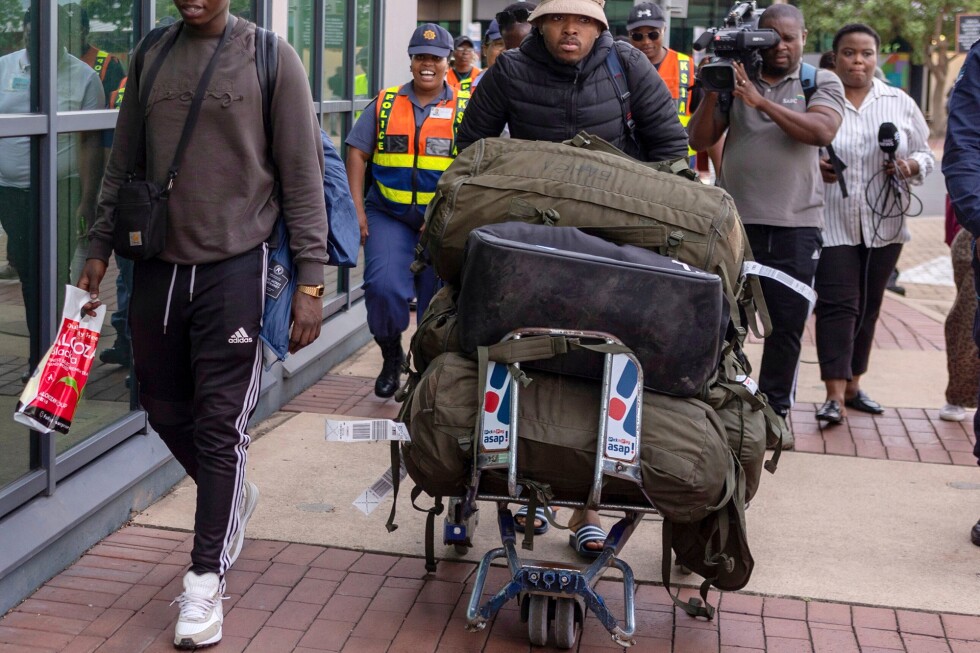
    JOHANNESBURG — Eleven South African citizens allegedly deceived into combat roles for Russia in the Ukraine conflict returned home Wednesday amid ongoing investigations into their recruitment. The group arrived at King Shaka International Airport in Durban and was immediately escorted to a police station for debriefing regarding their involvement in foreign hostilities.

    Observers noted one individual required wheelchair assistance upon disembarkation, while others carried military-style baggage. This repatriation brings the total number of returned citizens to 15, with two remaining in Russia—one hospitalized and another awaiting documentation completion, according to President Cyril Ramaphosa’s Tuesday statement.

    South African law strictly prohibits citizens from engaging in external conflicts without governmental authorization. Police Colonel Katlego Mogale confirmed an active investigation into potential violations, with at least five individuals facing scrutiny for alleged recruitment activities.

    Among those under investigation is Duduzile Zuma-Sambudla, daughter of former President Jacob Zuma, who has denied wrongdoing but resigned from parliament following the allegations. Some returnees are reportedly Zuma family members allegedly recruited directly by Zuma-Sambudla. Five suspects arrested in December now face charges related to the recruitment scheme and are scheduled for April court appearances.

  • Pope Leo to visit four African countries in April

    Pope Leo to visit four African countries in April

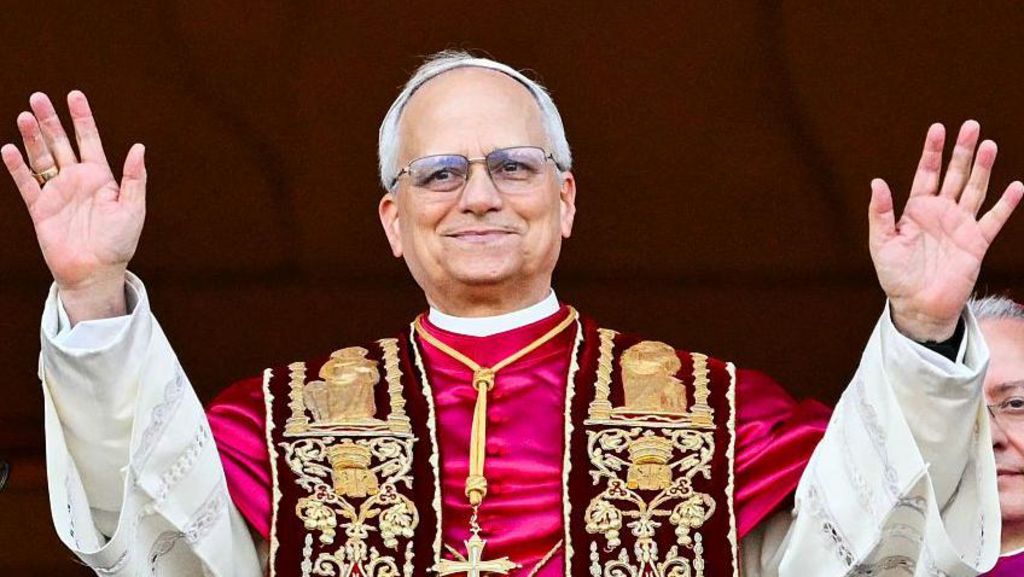
    Vatican officials have confirmed that Pope Leo XIV will embark on a significant 10-day pastoral journey across four African nations commencing April 13th. This landmark visit will mark the pontiff’s first official trip to the African continent since ascending to leadership of the Catholic Church.

    The extensive itinerary includes Algeria, Cameroon, Angola, and Equatorial Guinea, with detailed stops planned across each nation. The Pope’s schedule will include visits to Algiers and Annaba in Algeria; Yaoundé, Bamenda and Douala in Cameroon; Luanda, Muxima and Saurimo in Angola; and Malabo, Mongomo and Bata in Equatorial Guinea.

    This visit carries particular significance as it represents the first papal visit to Algeria, a predominantly Muslim nation. The choice holds personal meaning for Pope Leo, who belongs to the Augustinian religious order and has previously expressed interest in visiting the birthplace of St. Augustine of Hippo. His selection of Cameroon’s Northwest region, specifically the Anglophone city of Bamenda currently experiencing armed conflict, signals a pastoral emphasis on areas experiencing turmoil.

    While this marks his first African visit as Pope, Cardinal Robert Prevost (his former title) had extensive prior experience on the continent, having visited Kenya and Tanzania. The journey underscores Africa’s growing importance within the global Catholic community, which now counts approximately 20% of the world’s Catholics among its African congregants.

    The visit follows Pope Leo’s first international trip to Turkey and Lebanon in late 2025, where he advocated for Middle Eastern peace and reconciliation. It also continues the tradition of papal engagement with Africa established by his predecessor, Pope Francis, who visited the Democratic Republic of Congo and South Sudan in February 2023.

    Cardinal Fridolin Ambongo, Archbishop of Kinshasa, previously hinted at this April visit, noting that papal journeys to crisis-affected nations primarily serve to ‘give hope to the people, especially people who are suffering.’ The full official program detailing the Pope’s activities during the April 13-23 tour is expected to be released in the coming weeks.

  • Citing AP investigation, new bill seeks to prohibit DHS from using full-body restraints

    Citing AP investigation, new bill seeks to prohibit DHS from using full-body restraints

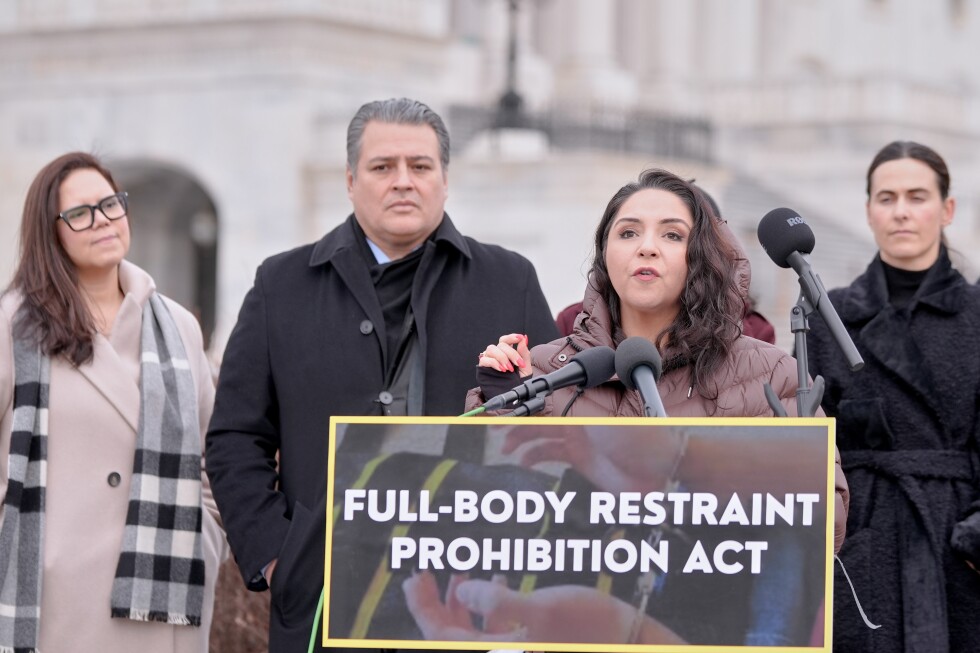
    A groundbreaking legislative initiative has emerged in the U.S. House of Representatives seeking to prohibit the Department of Homeland Security from utilizing the controversial WRAP restraint system. The Full-Body Restraint Prohibition Act, introduced by Illinois Democratic Representative Delia Ramirez on Wednesday, would permanently ban future acquisitions of the device while establishing stringent oversight and reporting protocols.

    The legislative action follows an extensive Associated Press investigation that documented multiple instances of U.S. Immigration and Customs Enforcement deploying the WRAP apparatus during deportation flights since 2020. According to the findings, individuals were frequently restrained in the device for extended periods, sometimes spanning several hours.

    Representative Ramirez condemned the practice, stating that the WRAP “fuels destruction in our communities and human suffering” and characterizing the legislation as a critical step toward ending “the pain and violence caused by DHS.”

    The California-manufactured device, produced by Safe Restraints Inc., has become the subject of numerous federal lawsuits alleging that improper application constitutes punishment and torture. Advocacy groups have raised alarms about ICE’s failure to document WRAP usage in accordance with federal force reporting requirements, creating significant transparency gaps regarding the true scope of implementation.

    Beyond immigration enforcement contexts, the AP investigation identified twelve fatal incidents over the past decade where autopsies determined WRAP usage by local law enforcement agencies contributed to prisoner deaths. This pattern has drawn concern from DHS’s own civil rights division, which voiced internal reservations about the device in a 2023 report.

    Financial records reveal DHS has allocated $268,523 to Safe Restraints Inc. since initial purchases began during the Obama administration in late 2015, with contracts extending through June 2025. Notably, approximately 91% of this expenditure occurred during the two Trump administrations.

    Safe Restraints CEO Charles Hammond defended the product as a “safer, more humane, pain-free alternative to other restraint methods,” warning that elimination would force a return to “alternative restraints and tactics proven to cause pain, injury and even fatalities.” The company developed a modified version specifically for ICE with adaptations for prolonged use during flights and extended transportation.

    However, the AP investigation found ICE personnel routinely deploy the WRAP under circumstances far exceeding manufacturer guidelines. Multiple detainees reported being restrained in the device after already being shackled, often as intimidation or punishment for requesting legal counsel or expressing deportation fears.

    The mounting evidence has prompted significant political response, with eleven Democratic U.S. senators dispatching a formal letter to immigration officials citing “serious human rights concerns” following the AP’s October investigation. DHS has declined repeated requests for comment regarding WRAP usage practices and the newly proposed legislation.

  • UN sanctions paramilitary leaders over Sudan atrocities

    UN sanctions paramilitary leaders over Sudan atrocities

    The United Nations Security Council has levied targeted sanctions against four high-ranking commanders of Sudan’s paramilitary Rapid Support Forces (RSF) for their direct involvement in atrocities committed during the capture of el-Fasher. Among those designated are Abdul Rahim Hamdan Dagalo (brother of RSF chief Mohamed ‘Hemedti’ Dagalo) and Brigadier General Al-Fateh Abdullah Idris, infamously dubbed the ‘Butcher of el-Fasher.’ The list also includes deputy commander Gedo Hamdan Ahmed and field commander Tijani Ibrahim.

    This decisive action follows a damning UN fact-finding mission report that characterized the RSF’s violent October takeover of the city as bearing the ‘hallmarks of a genocide.’ The operation, which ended an 18-month siege on the capital of North Darfur, was described as ‘three days of horror’ marked by summary executions, systematic sexual violence, and mass detentions primarily targeting the ethnic Zaghawa population.

    The UN cited extensive evidence, including graphic videos posted by Idris himself, showing him executing civilians and boasting of killing over 2,000 people. Dagalo was identified as having overseen operations on the day of the capture, during which his forces conducted mass killings and ethnically targeted executions.

    This marks the fourth international sanction designation for Dagalo, following similar actions by the United States, United Kingdom, and European Union. While war crimes investigators from The Sentry organization welcome the coordinated targeting of officials, they emphasize that far more comprehensive measures are needed to impose real financial consequences on the RSF and its support networks.

    The conflict in Sudan, escalating since April 2023 between the RSF and national army, has created what the UN describes as a ‘war of atrocities,’ resulting in tens of thousands of deaths and triggering the world’s most severe hunger and displacement crisis. According to the UN refugee agency, over 70,000 people have fled el-Fasher since its capture, with many civilians remaining trapped, missing, or detained by RSF forces within the city.

    The specific sanctions imposed were not detailed in the announcement, though the UN Security Council holds authority to implement measures including asset freezes and travel bans.

  • Man Utd ruled out signing Osimhen ‘because of Afcon’

    Man Utd ruled out signing Osimhen ‘because of Afcon’

    Former Manchester United first-team coach Benni McCarthy has disclosed that the biennial Africa Cup of Nations (AFCON) tournament was the decisive factor in the club’s decision to abandon a potential move for Nigerian striker Victor Osimhen. McCarthy, who was involved in recruitment under manager Erik ten Hag, revealed that Osimhen was initially ‘at the top of the list’ of targets following his spectacular 26-goal season that propelled Napoli to the 2022-23 Serie A title. The South African coach believed the Nigerian’s robust playing style and mental fortitude made him a ‘perfect fit’ for Old Trafford. However, the prospect of losing a hypothetical £100 million signing for a critical period during the European season proved too significant a risk for the club’s hierarchy. United’s apprehension centered on the tournament’s traditional scheduling in January and February, which would deprive the team of its primary striker during a congested and decisive phase of the domestic campaign. This concern ultimately led United to divert their attention and secure the signature of Danish forward Rasmus Hojlund from Atalanta for £72 million in August 2023. Osimhen, despite being crowned African Footballer of the Year in 2023, later moved to Galatasaray, initially on loan in September 2024 before making the transfer permanent. McCarthy expressed personal disappointment at the outcome, lamenting the persistent club-versus-country conflict that affects African players. He suggested the Confederation of African Football (CAF) could better synchronize the tournament with FIFA and UEFA to avoid clashing with major European league schedules, perhaps by utilizing the June-July window, despite the lack of player rest it would cause. In a significant development, CAF has since announced that AFCON will transition from a biennial to a quadrennial event starting in 2028, a move intended to better align with the global football calendar and potentially alleviate such recruitment dilemmas for European clubs in the future.

  • Zimbabwe rejects ‘lopsided’ US health aid deal over data concerns

    Zimbabwe rejects ‘lopsided’ US health aid deal over data concerns

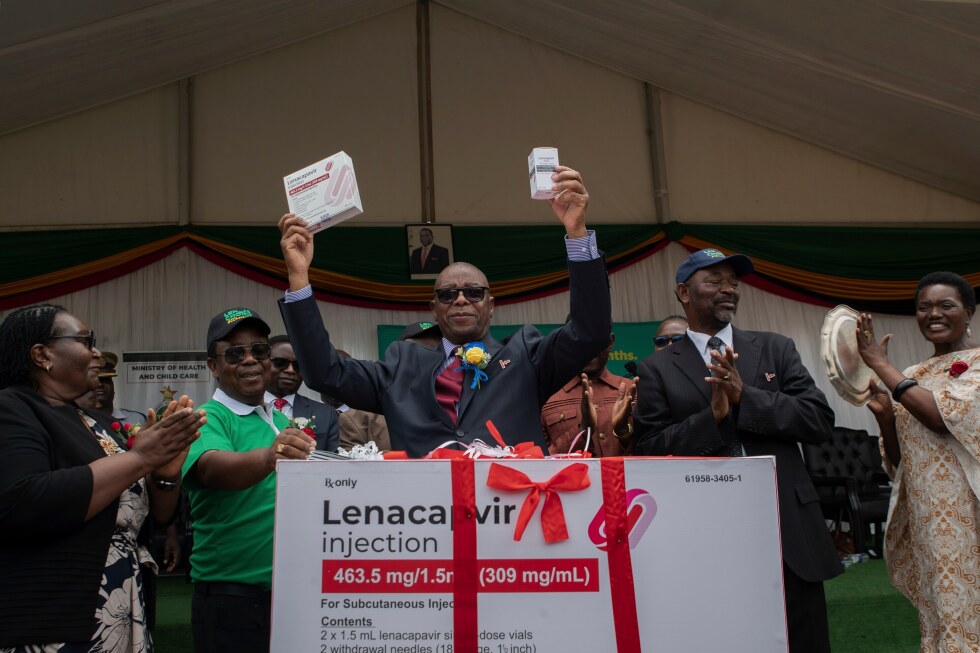
    Zimbabwe has formally declined a substantial health assistance package from the United States valued at $367 million, citing concerns over data sovereignty and inequitable terms. The decision emerged through a leaked government memorandum from December, revealing President Emmerson Mnangagwa’s characterization of the proposed five-year agreement as “lopsided.”

    According to government spokesperson Nick Mangwana, the rejection stemmed from Washington’s demands for unrestricted access to Zimbabwe’s biological samples and health data for research and potential commercial applications, without guaranteeing reciprocal benefits. “Zimbabwe was being asked to share its biological resources and data over an extended period, with no corresponding guarantee of access to any medical innovations—such as vaccines, diagnostics, or treatments—that might result from that shared data,” Mangwana stated.

    The US Embassy in Zimbabwe expressed disappointment, noting that the funding would have supported critical programs addressing HIV/AIDS treatment and prevention, tuberculosis, malaria, maternal and child health, and disease outbreak preparedness. US Ambassador Pamela Tremont announced the “difficult and regrettable task of winding down our health assistance in Zimbabwe,” highlighting that the US had provided over $1.9 billion in health funding to the country over the past two decades.

    This development occurs within the broader context of the Trump administration’s foreign aid restructuring, which has emphasized bilateral government-to-government agreements while reducing support for multilateral institutions. The US withdrawal from the World Health Organization (WHO) and pursuit of direct health pacts with African nations have raised concerns about existing global health frameworks. Zimbabwe pointed to the WHO’s Pathogen Access and Benefit Sharing scheme as a more equitable alternative for future pandemic response.

    Notably, Kenya’s High Court suspended a similar US health agreement in December over data safety concerns, indicating a growing pattern of scrutiny regarding health data sovereignty in US-Africa relations. Despite the rejection, Zimbabwe emphasized that its decision “should not be misconstrued as anti-American sentiment” and expressed willingness to continue dialogue on future cooperation that respects “the sovereignty and dignity of both nations.”

  • US to end health aid to Zimbabwe after funding talks collapse

    US to end health aid to Zimbabwe after funding talks collapse

    ZIMBABWE’S PUBLIC HEALTH SYSTEM faces unprecedented challenges following the collapse of negotiations between Harare and Washington regarding a proposed $367 million health assistance package. The United States has announced it will progressively terminate all health funding to the African nation after Zimbabwean authorities rejected a bilateral agreement requiring comprehensive access to sensitive health data.

    The disputed five-year funding proposal would have represented the largest international health investment in Zimbabwe, supporting critical programs for HIV/AIDS treatment and prevention, tuberculosis control, malaria eradication, and maternal-child healthcare. U.S. Ambassador Pamela Tremont characterized the decision as “difficult and regrettable,” noting that Zimbabwe had indicated preparedness to continue its HIV response independently.

    Zimbabwean government spokesperson Nick Mangwana explained the rejection stemmed from multiple concerns regarding data sovereignty, fairness, and reciprocal benefits. “The United States was not offering reciprocal sharing of its own epidemiological data with our health authorities,” Mangwana stated. “Our nation would provide the raw materials for scientific discovery without assurance that end products like vaccines or treatments would be accessible to our people.”

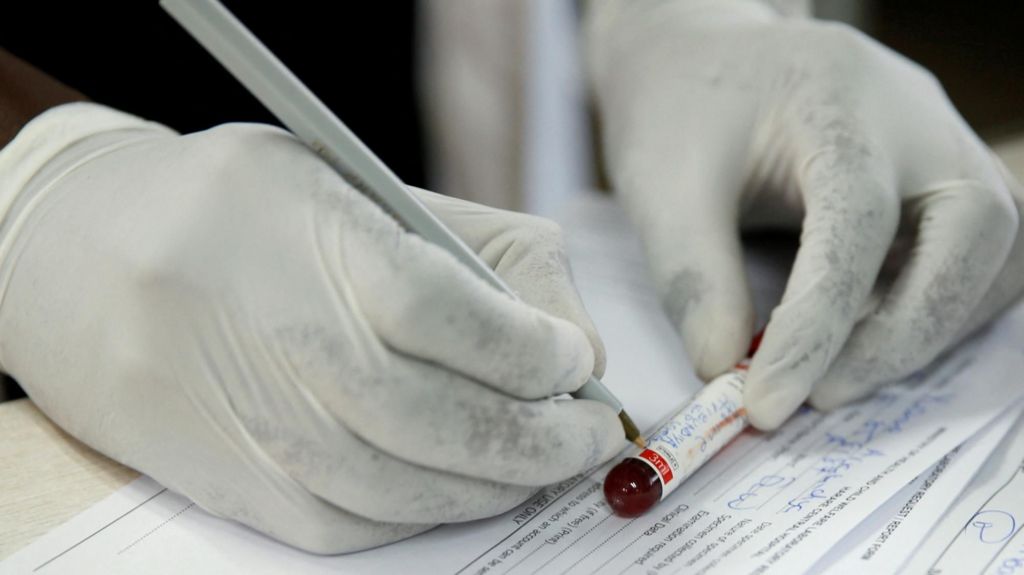
    The funding termination jeopardizes programs supporting approximately 1.2 million Zimbabweans currently receiving HIV treatment through U.S.-backed initiatives. Medical professionals have expressed alarm, with the College of Public Health Physicians warning that abrupt discontinuation could cause treatment interruptions, increased transmission rates, drug resistance emergence, and additional strain on an already fragile health system.

    This development reflects the Trump administration’s broader shift toward bilateral “America First” health agreements, replacing previous multilateral frameworks. The U.S. has signed similar pacts with 16 African nations totaling over $18 billion, though implementation has faced challenges elsewhere, including legal delays in Kenya over data safety concerns.

    Zimbabwean officials criticized the bilateral model as a departure from established WHO mechanisms designed to ensure equitable benefit sharing when countries contribute pandemic-related data. The nation has been a major recipient of U.S. health assistance, receiving nearly $2 billion since 2006 through programs including PEPFAR, which has been instrumental in helping Zimbabwe achieve UN HIV treatment targets.

  • Guinea confirms detention of 16 Sierra Leonean soldiers

    Guinea confirms detention of 16 Sierra Leonean soldiers

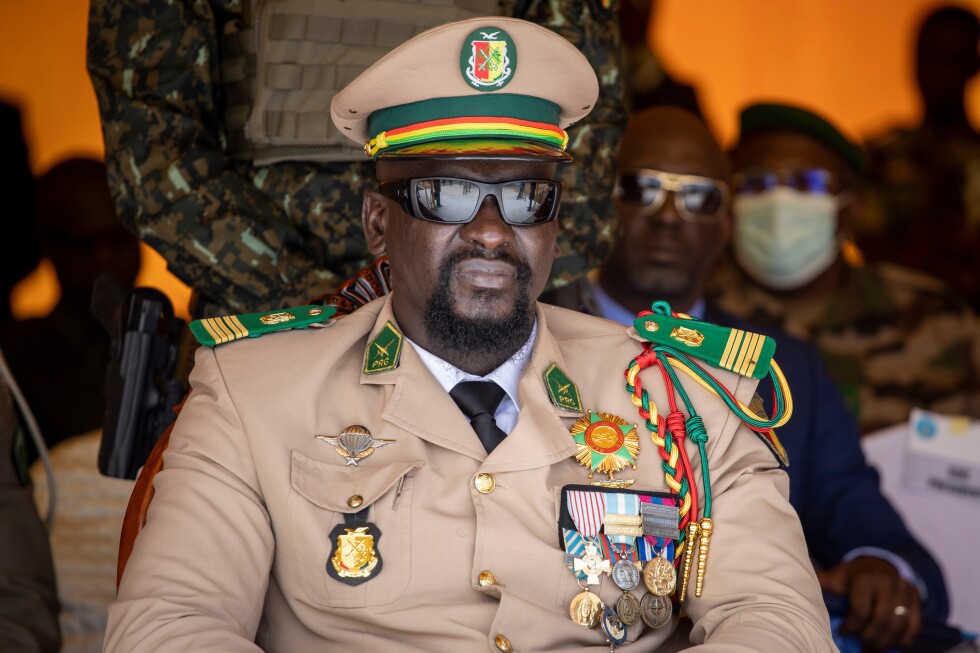
    Guinea’s military authorities have formally announced the detention of sixteen Sierra Leonean military personnel, alleging unauthorized border incursion and provocative flag-raising activities on Guinean territory. The incident occurred in the Koudaya district of Faranah region, a contested border zone between the two West African nations.

    According to an official statement released by Guinea’s Ministry of National Defense late Tuesday, the detained soldiers had established an unauthorized encampment and raised the Sierra Leonean flag on Guinean soil. Guinean security forces subsequently confiscated their military equipment and supplies.

    This development represents the latest escalation in a protracted border dispute dating back to the Sierra Leonean Civil War (1991-2002). Historically, Guinea had deployed troops to assist Sierra Leone in securing its eastern borders during the conflict, but these forces never fully withdrew following the war’s conclusion, creating ongoing territorial ambiguities.

    The Sierra Leonean government provided a contrasting narrative earlier Tuesday, stating that security personnel—including one officer—were engaged in legitimate construction activities for a border post in Kalieyereh, Falaba district, when apprehended on Monday.

    This incident follows similar tensions last year when Guinean military forces entered a mineral-rich border town within Sierra Leone’s territory, demonstrating the persistent volatility in the region. Both nations continue to maintain differing interpretations of their shared border, with this latest detention further complicating diplomatic relations.