标签: Africa

非洲

  • Africa CDC backs Zimbabwe, Zambia over US health deal dispute

    Africa CDC backs Zimbabwe, Zambia over US health deal dispute

    The Africa Centres for Disease Control and Prevention (Africa CDC) has formally endorsed the positions of Zimbabwe and Zambia regarding a contentious health cooperation framework proposed by the United States government. The continental health body cited fundamental concerns about transparency, data governance, and national sovereignty as primary reasons for its supportive stance.

    Dr. Jean Kaseya, Director-General of the African Union’s health agency, declared that the organization would support any member nation choosing to either withdraw from or renegotiate terms within the new health partnership arrangement. While acknowledging his reservations about the ‘America First Global Health Strategy’ that has superseded previous USAID frameworks, Kaseya simultaneously committed to providing full implementation support to countries that have already signed the agreement.

    During weekly briefings held on Thursday, Kaseya emphasized the advisory rather than coercive nature of Africa CDC’s role: “We are not imposing on our countries. We are advising our countries… we are talking about sovereignty.”

    The Director-General revealed that his concerns regarding US health financing to Africa predate current negotiations, particularly referencing his disagreement with Washington when Africa CDC was initially relegated to observer status during discussions between the US and selected African nations. “We cannot be observers when a partner is coming to talk to our countries,” Kaseya stated. “If there is disagreement, we cannot sit there and be seen as part of it.”

    Central to the dispute are apprehensions surrounding control and sharing of pathogen data. Kaseya warned that Africa must protect its public health information from external interference, citing historical instances where funding cuts by international donors abruptly disrupted access to critical health data, thereby exposing the continent’s vulnerabilities when essential systems are externally managed or financed.

    “We want to hold our data in Africa. We want to own our future,” Kaseya asserted.

    This diplomatic tension has already manifested in concrete actions, with Zimbabwe withdrawing from talks on a $367 million health agreement and Zambia rejecting a proposed $1 billion bilateral health pact with the United States. Both nations cited concerns regarding requirements to share sensitive health data in exchange for US financial support as determining factors in their decisions.

  • South Africa beat Zimbabwe to set up NZ semi-final

    South Africa beat Zimbabwe to set up NZ semi-final

    In a decisive Men’s T20 World Cup Super 8s clash in Delhi, South Africa secured a five-wicket victory over Zimbabwe to claim the top position in Group 1. Despite an uncharacteristically shaky batting performance, the Proteas successfully chased Zimbabwe’s total of 153-7 with 13 balls remaining, finishing at 154-5.

    The match saw Zimbabwe’s captain Sikandar Raza deliver an exceptional all-round performance, scoring a defiant 73 runs from just 43 deliveries and claiming three crucial wickets for 29 runs. His efforts with the bat propelled Zimbabwe to a competitive total, supported by Clive Madande’s unbeaten 26-run contribution that included several late boundaries.

    South Africa’s chase encountered early turbulence as Raza’s bowling dismantled the top order, removing openers Quinton de Kock and Aiden Markram for minimal scores. The situation demanded intervention from 22-year-old Dewald Brevis, whose explosive 42 runs from merely 18 balls provided critical momentum. Brevis partnered with David Miller (22 off 16) to establish a 50-run fourth-wicket stand that fundamentally shifted the match’s trajectory.

    Though both batsmen fell within a narrow five-delivery window, George Linde (30 not out) and Tristan Stubbs (21 not out) demonstrated composure under pressure to guide South Africa to victory. The bowling department saw teenage sensation Kwena Maphaka emerge as the most effective bowler, recording impressive figures of 2-21.

    This victory marks South Africa’s seventh consecutive win in the tournament, solidifying their semifinal matchup against New Zealand while simultaneously confirming England’s position against either India or West Indies in the final four. Cricket analysts have noted South Africa’s remarkable consistency and the strategic advantage of testing backup players during this match, highlighting the team’s comprehensive preparation and growing confidence throughout the competition.

  • Kosgei wins Tokyo Marathon in record time

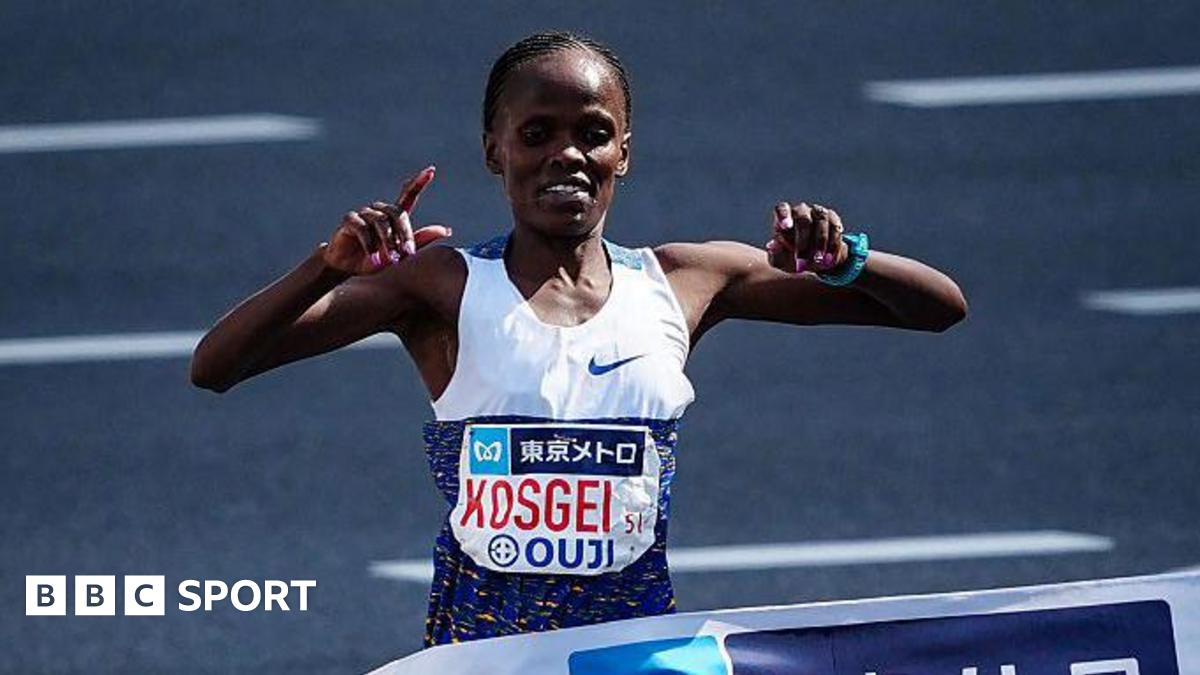
    Kosgei wins Tokyo Marathon in record time

    In a spectacular display of athletic prowess at the Tokyo Marathon, Kenyan long-distance runner Brigid Kosgei delivered a historic performance by obliterating the women’s course record. The 32-year-old Olympic silver medalist crossed the finish line with an astonishing time of 2:14:29, establishing a new benchmark for the prestigious event.

    Kosgei’s dominant victory saw her finish more than two minutes ahead of her closest competitor, Ethiopia’s Bertukan Welde, who secured second place with a time of 2:16:36. Another Ethiopian athlete, Hawi Feysa, completed the podium with a third-place finish of 2:17:39. The previous course record of 2:15:55, set by two-time champion Sutume Asefa Kebede in 2024, was convincingly surpassed by Kosgei’s remarkable achievement.

    In a post-race revelation, Kosgei announced her intention to represent Turkey at the 2028 Los Angeles Games, citing her desire to create opportunities for emerging Kenyan talent. “We have abundant athletic potential in Kenya,” Kosgei stated. “My transition to representing Turkey will hopefully inspire the next generation of Kenyan runners to join me in this new chapter.”

    The men’s competition provided equal drama as Ethiopia’s Tadese Takele successfully defended his title in one of the most thrilling finishes in marathon history. The 23-year-old champion clocked 2:03:37, matching the official time of Kenyan rival Geoffrey Toroitich, with another Kenyan athlete, Alexander Mutiso Munyao, finishing just one second behind in third place.

    Takele described his strategic approach to the nail-biting finale: “I anticipated the final stage would determine the outcome. At approximately 41 kilometers, I maintained patience to assess the situation before executing my decisive move immediately before the finish line.” The event showcased exceptional international competition, particularly between Ethiopian and Kenyan athletes who continue to dominate long-distance running globally.

  • Algerians struggle to afford Ramadan feasts as prices rise despite government pledges

    Algerians struggle to afford Ramadan feasts as prices rise despite government pledges

    ALGIERS, Algeria — The sacred month of Ramadan, traditionally marked by spiritual reflection and communal feasting, has become a period of financial anxiety for many Algerians grappling with severe economic pressures. Despite Algeria’s substantial oil and gas reserves, declining purchasing power has pushed numerous families below the poverty line, transforming what should be a time of celebration into one of calculation and sacrifice.

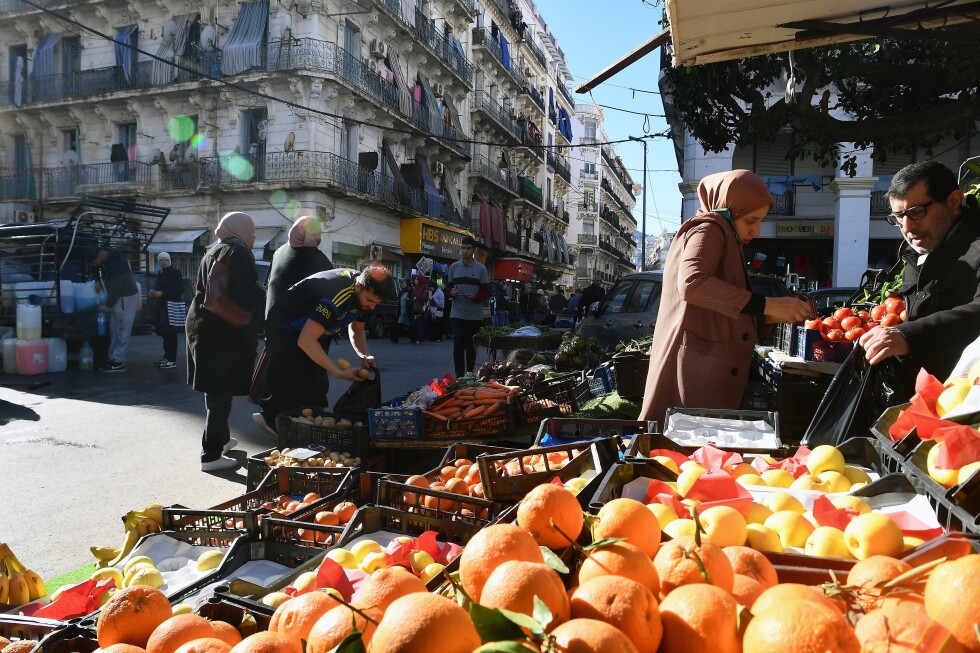
    At Algiers’ bustling Clauzel market, the commercial epicenter of the capital, stalls overflow with vibrant fruits and vegetables artfully displayed. Yet beneath this appearance of abundance lies a harsh reality: essential food items have experienced dramatic price surges. Onions doubled from 45 to 100 dinars (approximately $0.35 to $0.77) per kilogram within days, while carrots reached 150 dinars, peppers 200 dinars, and green beans an astonishing 550 dinars per kilogram.

    The situation has created tense confrontations between vendors and consumers, with occasional eruptions of violence in marketplaces. Ahmed Messai, a retired railway worker, reflects on the stark contrast: “In the 1970s, we didn’t earn much, but we could stock up for Ramadan and afford fresh meat, fruit, and vegetables.”

    President Abdelmadjid Tebboune’s administration has attempted to address the crisis through measures including the importation of 144,000 sheep and 46,000 cattle to improve meat accessibility. However, even with government intervention, locally sourced mutton from the High Plateaus and cattle from the Kabyle mountains remain prohibitively expensive for middle-income professionals.

    The growing economic distress has catalyzed a remarkable solidarity movement. Restaurant owners across the country have converted their establishments into “mercy restaurants” serving free meals to those in need. The Algerian Red Crescent operates one of the largest such initiatives in Algiers, serving up to 800 meals daily in a massive tented community space.

    Academic Hocine Zairar notes that while these efforts demonstrate “solidarity and civic awareness,” their proliferation signals a troubling societal shift: “Poverty is gaining ground in our country.” Indeed, mercy restaurants—once frequented primarily by singles, homeless individuals, and travelers—now regularly serve entire families.

    President Tebboune acknowledged the profound economic transformation during a recent television interview, stating that “the middle class, once the pride of Algeria, is now being decimated by the crisis.” His administration has promised wage increases, raised the minimum wage from 20,000 to 24,000 dinars, and increased retirement pensions by 5-10%.

    According to Professor Redouane Boudjema of the Institute of Journalism in Algiers, these Ramadan assistance measures represent a governmental effort to maintain “social peace” and mitigate political discontent arising from restrictions on civil and trade union freedoms. With the average Algerian salary equivalent to approximately $330 officially (and less than $235 on the informal market), the economic challenges extend far beyond the holy month, threatening the nation’s social fabric.

  • China’s know-how helps boost Uganda’s rice production

    China’s know-how helps boost Uganda’s rice production

    In the fertile wetlands of eastern Uganda’s Butaleja district, a quiet agricultural revolution is underway. Robert Sagula, a lifelong farmer, now walks with newfound pride through his emerald-green rice paddies—a sight that represents a dramatic departure from his family’s generational farming practices.

    The transformation began in 2018 with the introduction of hybrid rice varieties through the FAO-China-Uganda South-South Cooperation project. This initiative marked a significant upgrade from the traditional rice varieties first introduced by China to Uganda in 1975, which had yielded modest harvests for decades.

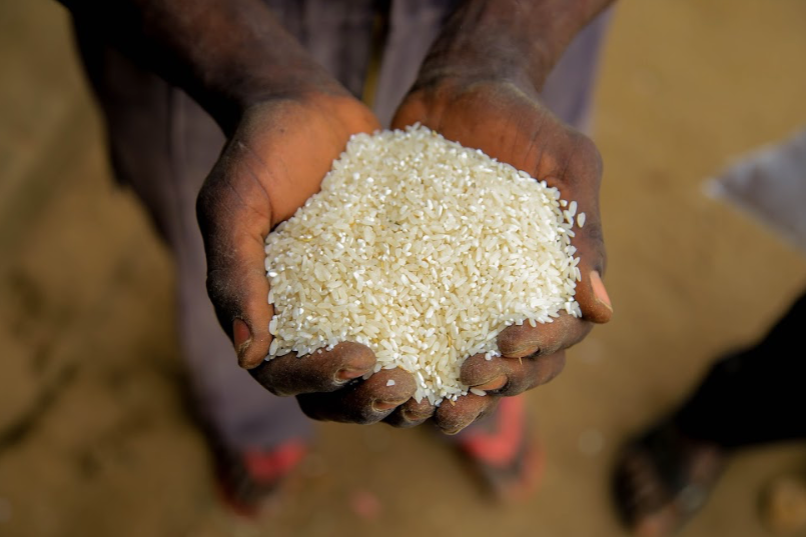
    Sagula’s agricultural output has undergone a remarkable metamorphosis. Previously producing only 15-25 bags (approximately 2,000 kg) of milled rice per hectare, he now harvests about 12 metric tons per hectare each season. With two growing seasons annually, his 1.2-hectare farm produces 7,500 kg of milled rice per season, generating approximately $8,348 in seasonal revenue.

    The financial impact has been life-changing. Sagula’s annual income has skyrocketed to roughly $16,697—more than six times his previous earnings. This economic boost has enabled him to educate his children in quality private schools, some of whom have now graduated, and construct a modern family home.

    Beyond individual success stories, the project has created ripple effects throughout the agricultural community. Sagula has become a mentor to fellow farmers, with many seeking his expertise in hybrid rice cultivation. The demonstration sites established during the project’s second phase proved particularly influential, with initial harvests of approximately 2,800 kg of milled rice capturing farmers’ attention nationwide.

    Julius Twinamasiko, program coordinator at Uganda’s Ministry of Agriculture, Animal Industry and Fisheries, emphasizes the project’s broader impact: ‘The initiative has been instrumental in mechanizing and commercializing Uganda’s agricultural sector.’ The program has additionally introduced three varieties of foxtail millet and plans to release new chili and sorghum varieties.

    While challenges such as seasonal flooding persist, the integration of Chinese agricultural expertise with Ugandan farming practices has strengthened the country’s extension system, enhanced food security, and improved nutrition standards to meet the demands of Uganda’s growing population.

  • S. Africa eyes more visitors with visa push

    S. Africa eyes more visitors with visa push

    South Africa is embarking on an ambitious global tourism promotion campaign specifically targeting China and India, the world’s fastest-growing outbound travel markets. The strategic initiative follows the successful pilot of the country’s digitized visa processing system during the G20 summit in Johannesburg last November.

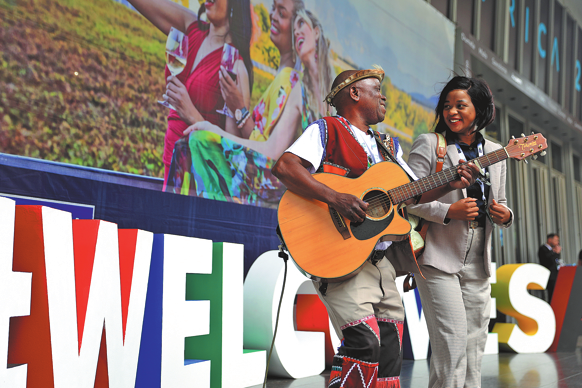
    Tourism Minister Patricia de Lille announced the campaign at Meetings Africa 2026 in Johannesburg, highlighting the breakthrough in addressing long-standing visa bottlenecks that have historically constrained tourism growth. The digital system, which processed travelers from China, India, Indonesia, and Mexico during the pilot phase, was described as “seamless” in operation.

    “We shouldn’t assume that people know about the digitized visa system, especially the main source markets like India and China,” de Lille stated, emphasizing the need for targeted promotion.

    The ministry has been collaborating with Chinese tourism authorities for two years to increase visitor numbers from China. South African tourism offices in Beijing and Shanghai have been instructed to appoint local destination marketing companies to position the country as a preferred travel destination. Parallel efforts are underway in the Indian market.

    Tshifhiwa Tshivhengwa, CEO of the Tourism Business Council of South Africa, identified both markets as critical to achieving South Africa’s target of 15.6 million international tourist arrivals annually by 2030. The industry aims to attract 500,000 visitors annually from each country.

    China receives particular focus as a priority market due to its massive population and expanding middle class. South Africa is developing a comprehensive “China-ready” strategy that includes adaptation to Chinese digital platforms, payment systems, and cultural preferences. The strategy addresses language barriers through Mandarin instruction programs and culinary training for chefs to better accommodate Chinese visitors.

    The Trusted Tour Operators Scheme, launched in early 2025, has simplified visa applications through a fully digital platform. Government-approved operators can now submit applications online with processing times of three to five working days.

    Air connectivity emerges as another critical component under the Tourism Growth Partnership Plan. South Africa is currently negotiating with China and India to increase direct flight capacity. South African Airways will relaunch its Hong Kong route, strengthening connectivity to mainland China.

    The economic significance of tourism growth is substantial, with de Lille noting that every 13 international arrivals create one permanent job and three indirect jobs in South Africa’s economy.

  • As Europe readies tougher migration measures, a Greek island sees illegal crossings spike

    As Europe readies tougher migration measures, a Greek island sees illegal crossings spike

    The Libyan Sea has become the stage for one of Europe’s most dangerous migration corridors, with the Greek island of Crete experiencing a dramatic surge in irregular arrivals despite an overall decline in Mediterranean migration patterns. According to Frontex data, Crete witnessed approximately 20,000 arrivals in 2025—a threefold increase that establishes it as Greece’s busiest entry point even as EU-wide irregular migration decreased by 26%.

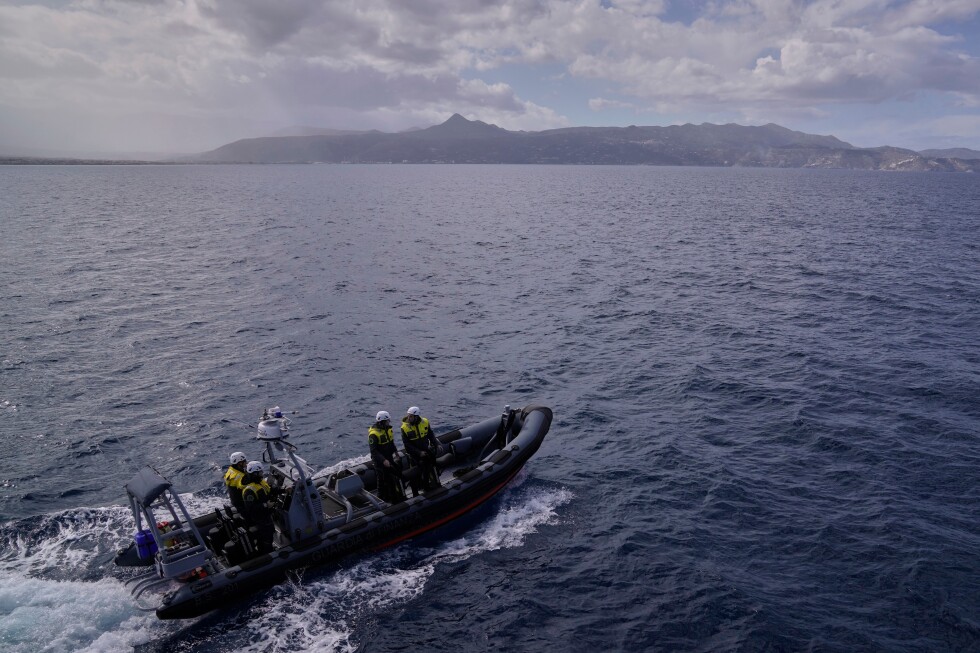
    This emerging route presents unique challenges due to its extraordinary length and perilous conditions. Migrants now embark from eastern Libya on a 350-kilometer (220-mile) journey across open waters—a significantly more dangerous passage than the traditional Turkey-Greece route. The exposed crossing requires larger vessels and has resulted in numerous tragedies, including the 2023 sinking that claimed 700 lives and recent incidents where Greek authorities rescued 20 migrants while recovering four bodies.

    Frontex has responded with enhanced surveillance and operational capabilities. The agency has deployed advanced Israeli-built Heron 2 drones equipped with sophisticated sensors capable of detecting concealed activity below deck. “This asset is of critical importance,” stated Mariusz Kawczynski, a senior Frontex operations official. “There is no substitute in modern technology to have eyes for Europe of the threats that are coming to our borders.”

    The EU is implementing tougher migration measures coinciding with this strategic shift. New bloc-wide rules effective June 2025 aim to strengthen border screening and accelerate deportation procedures. Frontex’s standing corps is simultaneously expanding to 10,000 officers—double its 2021 strength—reflecting expectations of sustained pressure along this deadly corridor.

    Behind the migration surge lies complex geopolitical instability. The Uppsala University’s war-tracking project recorded 61 active global conflicts in 2024—the highest since World War II—with expanding militant activity in western Africa creating significant displacement. The International Organization for Migration estimates at least 2,185 Mediterranean deaths or disappearances in 2025, with 606 already recorded by late February, though limited access to rescue information suggests the actual toll is likely higher.

    As Frontex prepares for anticipated spring increases in crossings, the agency’s operations in Greece and Cyprus emphasize that despite seasonal lulls, the structural drivers of migration remain potent, ensuring that Crete will continue to represent both a humanitarian challenge and a political flashpoint for European migration policy.

  • Soldiers on the streets. What’s behind South Africa’s plan to deploy army in high-crime areas

    Soldiers on the streets. What’s behind South Africa’s plan to deploy army in high-crime areas

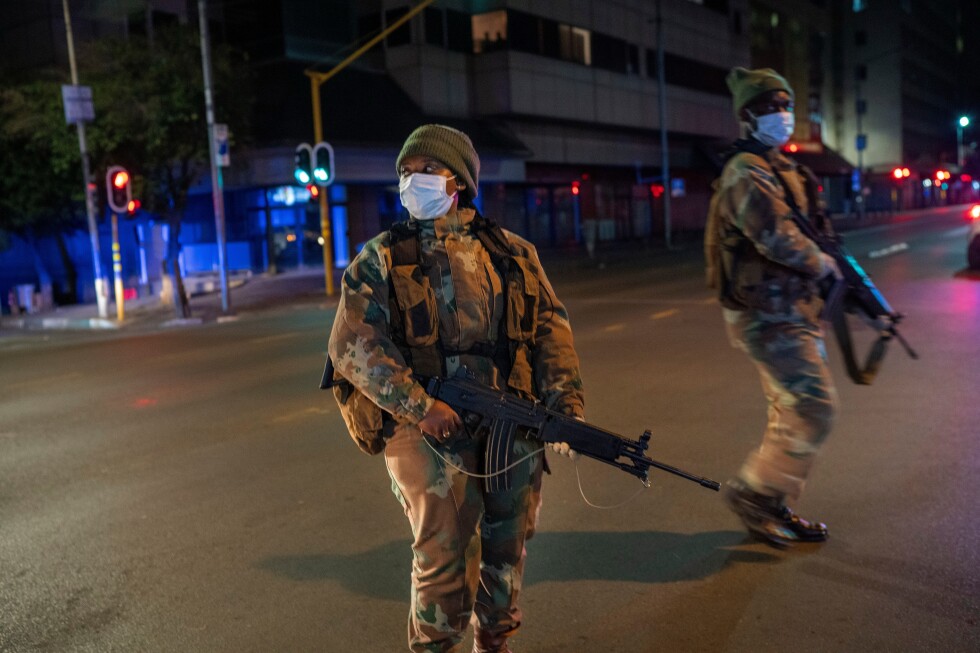
    In an unprecedented security response, South African President Cyril Ramaphosa has authorized military deployment to combat the nation’s escalating crisis of organized crime, gang violence, and illegal mining operations. The strategic intervention will target three provinces—Western Cape, Gauteng, and Eastern Cape—identified as epicenters of criminal activity that threatens both democratic stability and economic development.

    Cape Town, despite its global tourism appeal, harbors the notorious Cape Flats region where gang warfare has created some of the world’s highest violent crime rates. Street gangs including the Americans, Hard Livings, and Terrible Josters engage in brutal turf wars over drug territories, extortion networks, and contract killings, frequently claiming innocent bystanders as casualties.

    Simultaneously, Gauteng province faces a different criminal epidemic: illegal mining syndicates known as zama zamas. These heavily armed operations employ desperate recruits to extract residual minerals from abandoned shafts, generating an estimated $4 billion annually in illicit gold trade. The mining gangs have been connected to horrific crimes, including the mass rape of eight women during a 2022 video shoot and violent standoffs resulting in dozens of deaths.

    President Ramaphosa, acknowledging South Africa’s painful history of military deployment during apartheid, emphasized this decision followed careful consideration of the “most immediate threat” to public safety. The army will operate under police command with time-limited objectives to stabilize critical areas without supplanting traditional law enforcement.

    While Police Minister Firoz Cachalia supports the deployment as necessary to prevent daily loss of life, security experts question the long-term efficacy of military solutions for systemic criminal enterprises deeply rooted in socioeconomic despair and cross-border migration patterns.

  • Guinea releases 16 soldiers and police officers from Sierra Leone after border dispute

    Guinea releases 16 soldiers and police officers from Sierra Leone after border dispute

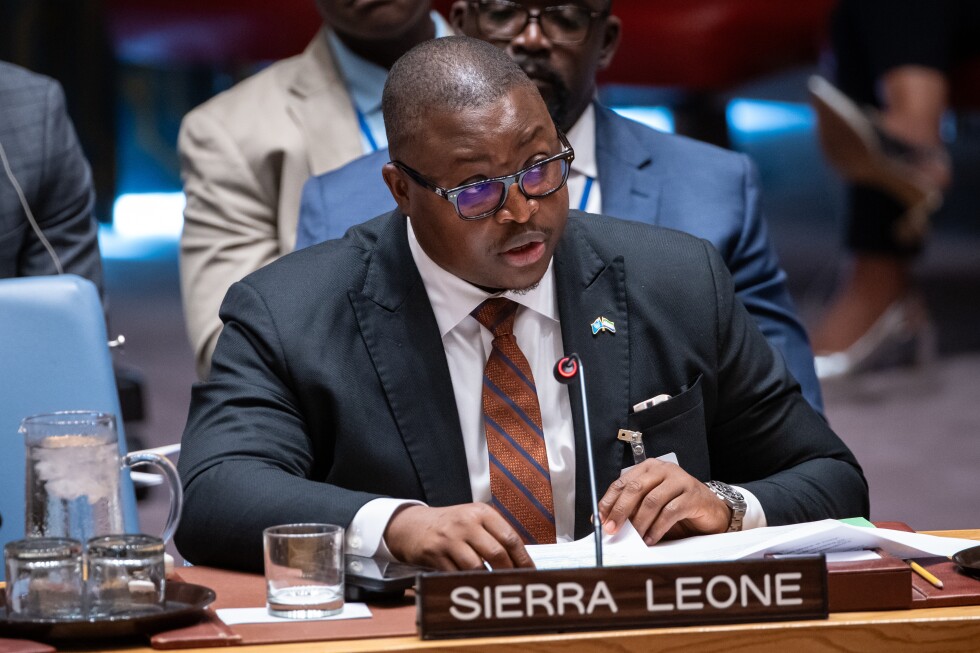
    CONAKRY, Guinea – In a significant diplomatic development, Guinean authorities have released sixteen Sierra Leonean security personnel who were detained earlier this week amid ongoing border tensions between the two West African nations. The release occurred on Friday following high-level diplomatic negotiations between the neighboring countries.

    Sierra Leone’s Ministry of Information confirmed the safe return of all security officers through an official Facebook statement, noting that their release followed a diplomatic mission to Conakry led by Sierra Leone’s Foreign Minister Alhaji Timothy Kabba.

    The detention incident originated on Monday in the border town of Kalieyereh, located within Sierra Leone’s Falaba District. According to official reports from Sierra Leone, the security team—comprising both military and police personnel—was engaged in constructing border infrastructure, including brick-making activities for a planned border post and accommodation facility.

    Guinean military authorities provided a different perspective, stating in an official release that the Sierra Leonean team had allegedly crossed approximately 1.6 kilometers into Guinean territory without authorization. The Guinean statement further claimed the security personnel had established a temporary encampment and raised Sierra Leone’s national flag within disputed border areas.

    This incident represents the latest chapter in a complex border dispute spanning more than two decades. The territorial tensions originated during Sierra Leone’s civil war (1991-2002), when Sierra Leone invited Guinean forces to assist in securing its eastern borders. Despite the conflict’s conclusion in 2002, Guinean troops maintained a presence in contested areas, creating ongoing diplomatic friction.

    The resolution of this particular incident through diplomatic channels contrasts with a similar event last year when Guinean military forces entered a mineral-rich border region within Sierra Leone, raising concerns among regional observers about potential escalation.

  • South Africa starts mass cattle vaccination program to halt foot-and-mouth outbreak

    South Africa starts mass cattle vaccination program to halt foot-and-mouth outbreak

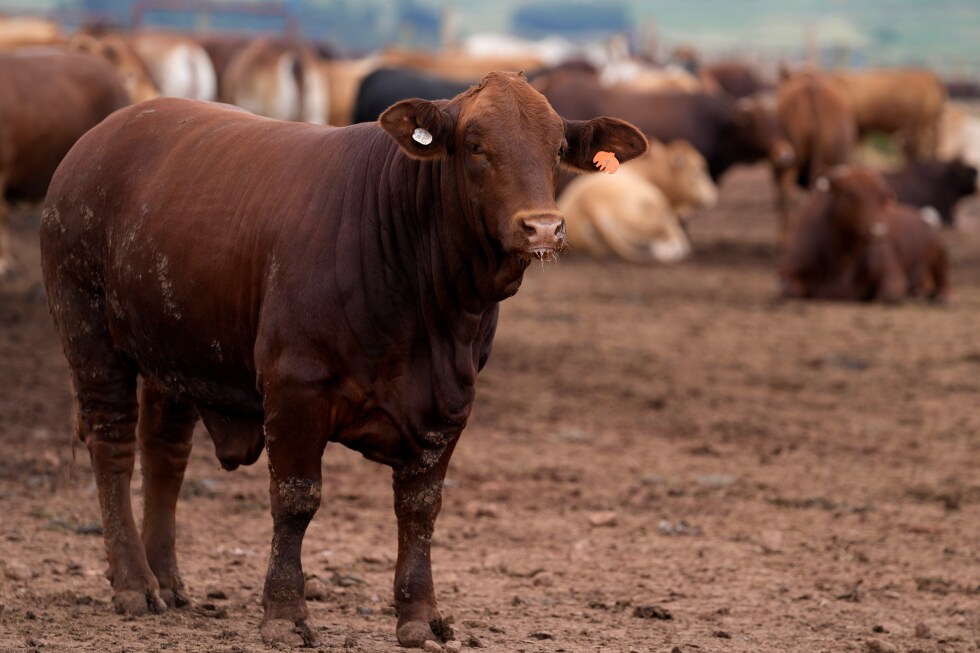
    HEIDELBERG, South Africa — South African authorities initiated a massive emergency vaccination campaign for cattle on Friday in response to a devastating foot-and-mouth disease outbreak that has rapidly spread throughout the nation’s livestock sector, threatening food security and export economies.

    The escalating biological crisis, which began intensifying in late 2022, has already infected over 297,000 cattle and necessitated the culling of more than 120,000 animals as containment measures. The outbreak has triggered international trade restrictions from key importers including China and Zambia, potentially causing massive meat shortages, widespread job losses, and millions in lost agricultural revenue.

    Agriculture Minister John Steenhuisen formally launched the national vaccination drive using an initial shipment of one million vaccines recently acquired from Turkey. Additional doses are anticipated to arrive this weekend, though concerns persist that current supplies remain substantially inadequate for the estimated 12 million cattle requiring immunization.

    “Our definitive strategy involves mass vaccination to proactively manage foot-and-mouth disease nationwide,” Steenhuisen stated. “This approach enables outbreak prevention rather than reactive containment measures.”

    The coastal province of KwaZulu-Natal has emerged as the epidemic’s epicenter with over 17,000 affected farms. The government has officially declared the situation a national disaster, activating legal provisions for emergency funding allocation primarily directed toward vaccine procurement.

    The national treasury has committed approximately $25 million to combat the outbreak, with the majority designated for vaccination purposes. Agricultural producers face mounting challenges as they quarantine infected livestock, suspend trading operations, and manage critical vaccine shortages.

    Dr. Dirk Verwoerd, veterinarian at South Africa’s largest meat producer Karan Beef, described the outbreak as “completely out of control” with rampant infections occurring daily across all provinces. The company’s Heidelberg facility—the nation’s largest feedlot spanning 2,300 hectares with capacity for 140,000 cattle—illustrates the industry’s vulnerability.

    “The damage permeates entire supply chains,” Verwoerd explained. “Primary producers cannot sell livestock, processors cannot purchase animals, slaughter operations halt, and ultimately consumers bear the economic consequences. Our immediate objective must be achieving stability through national herd vaccination.”