标签: Africa

非洲

  • Chad shuts border with Sudan in bid to stop conflict spreading

    Chad shuts border with Sudan in bid to stop conflict spreading

    Chad has implemented an indefinite closure of its eastern frontier with Sudan, citing repeated military incursions by Sudanese armed factions as the primary justification. The decisive action, announced on Monday, follows intense combat in the border settlement of al-Tina involving Sudan’s Rapid Support Forces (RSF) and local militias aligned with the Sudanese national army.

    Government officials characterized the border shutdown as an essential security precaution amid mounting concerns that Sudan’s internal conflict is encroaching upon Chadian territory. Communications Minister Mahamat Gassim Cherif issued an official statement emphasizing the measure’s purpose to prevent regional spillover of violence and ensure protection for both citizens and refugee populations.

    While the closure remains in effect indefinitely, authorities indicated they would consider humanitarian exemptions on a case-by-case basis with formal authorization. The government simultaneously issued a stern warning that Chad maintains the right to respond decisively to any aggression or border violations.

    The border region has witnessed deteriorating security conditions following weekend clashes that resulted in significant casualties. Preliminary reports indicate five Chadian soldiers and three civilians lost their lives, with at least twelve others sustaining injuries during cross-border hostilities.

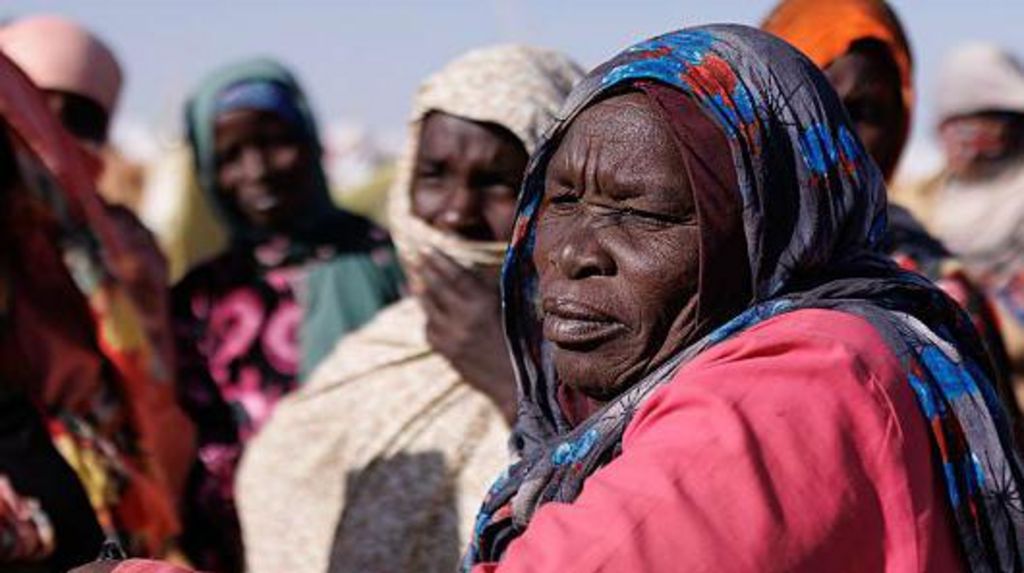
    This development compounds an already severe humanitarian situation, with approximately one million Sudanese refugees having crossed into Chad since the civil war’s inception in April 2023. The nation serves as both a sanctuary for displaced persons and a critical conduit for humanitarian assistance entering Sudan.

    The conflict originated from a power struggle between army commander Gen Abdel Fattah al-Burhan and RSF leader Gen Mohamed Hamdan Dagalo (Hemedti), initially centering on integration of paramilitary forces into the regular army before escalating into full-scale warfare. Chad has repeatedly denied allegations from Sudanese authorities claiming it provides support to RSF operations.

  • Supporters of jailed Ugandan opposition figure pray for him after president tries to stop it

    Supporters of jailed Ugandan opposition figure pray for him after president tries to stop it

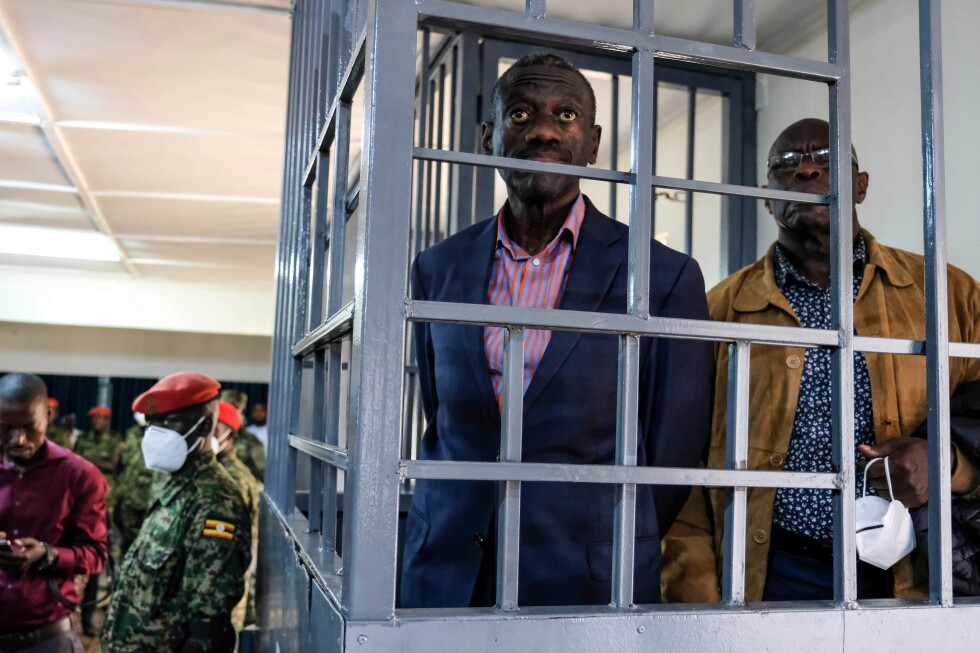
    In a remarkable display of defiance, hundreds of Ugandan activists gathered Monday at Kampala’s Lubaga Cathedral for an impromptu prayer vigil demanding the release of imprisoned opposition leader Kizza Besigye. The event unfolded after Archbishop Paul Ssemogerere unexpectedly postponed a scheduled mass following alleged presidential intervention.

    The planned religious service was intended to highlight Besigye’s deteriorating health after more than a year in detention without trial on treason charges. Instead, supporters transformed the cathedral into a venue of peaceful resistance, singing hymns and praying under the leadership of Winnie Byanyima, Besigye’s wife and UNAIDS executive director.

    Byanyima revealed to attendees that President Yoweri Museveni had personally requested the postponement pending an investigation into the event’s political nature. ‘We are here unable to have the Mass because of the order of our president,’ she stated, while encouraging continued prayer.

    The 69-year-old opposition figure, once Museveni’s personal physician during the guerrilla war that brought him to power in 1986, now faces capital charges alleging he plotted to overthrow the government. Besigye has appeared recently in court using a wheelchair, with bail repeatedly denied despite growing calls for compassionate release due to his declining health.

    Presidential spokesperson Sandor Walusimbi offered no comment on the day’s developments. Meanwhile, Museveni’s son, General Muhoozi Kainerugaba, Uganda’s top military commander, has publicly labeled Besigye ‘a dead man walking’ and accused him of plotting presidential assassination.

    This incident occurs against the backdrop of Museveni’s recent election victory, where he secured a seventh term with 71% of votes amid allegations of electoral interference and the subsequent disappearance of main opposition rival Bobi Wine.

  • England & South Africa postpone T20 series in 2027

    England & South Africa postpone T20 series in 2027

    Cricket authorities have announced a significant reshuffling of England’s upcoming tour to South Africa, with the three-match T20 international series originally scheduled for winter 2026-2027 officially postponed. The England and Wales Cricket Board (ECB) and Cricket South Africa jointly confirmed the scheduling change, attributing it to calendar conflicts with the expanding global cricket circuit.

    The revised itinerary will now feature exclusively the longer formats of the game, with three Test matches followed by three One-Day Internationals spanning December 2026 through January 2027. The decision notably removes the shortest format from what was initially planned as a comprehensive multi-format tour under the International Cricket Council’s Future Tours Programme.

    A primary factor in the rescheduling appears to be the scheduling clash with South Africa’s premier domestic T20 competition, the SA20 tournament, which runs from January 9 to February 14, 2027. This franchise-based event typically attracts numerous elite players from both nations, creating selection conflicts and logistical challenges.

    The Test series will commence at Johannesburg’s historic Wanderers Stadium on December 17, 2026, followed by the traditional Boxing Day Test at Centurion’s SuperSport Park beginning December 26. The red-ball segment concludes with the New Year’s Test at Cape Town’s picturesque Newlands ground starting January 3, 2027.

    The ODI leg follows immediately after, opening at Boland Park in Paarl on January 10, with the subsequent matches scheduled for Bloemfontein’s Manguang Oval on January 13 and 15. Both cricket boards have indicated they are actively exploring alternative windows to reschedule the T20 series, though no specific dates have been proposed.

    This scheduling adjustment reflects the ongoing challenges cricket administrators face in balancing international commitments with the growing prominence of domestic franchise tournaments worldwide.

  • Artist wrongfully jailed for 27 years in US to auction art for UAE inmate releases

    Artist wrongfully jailed for 27 years in US to auction art for UAE inmate releases

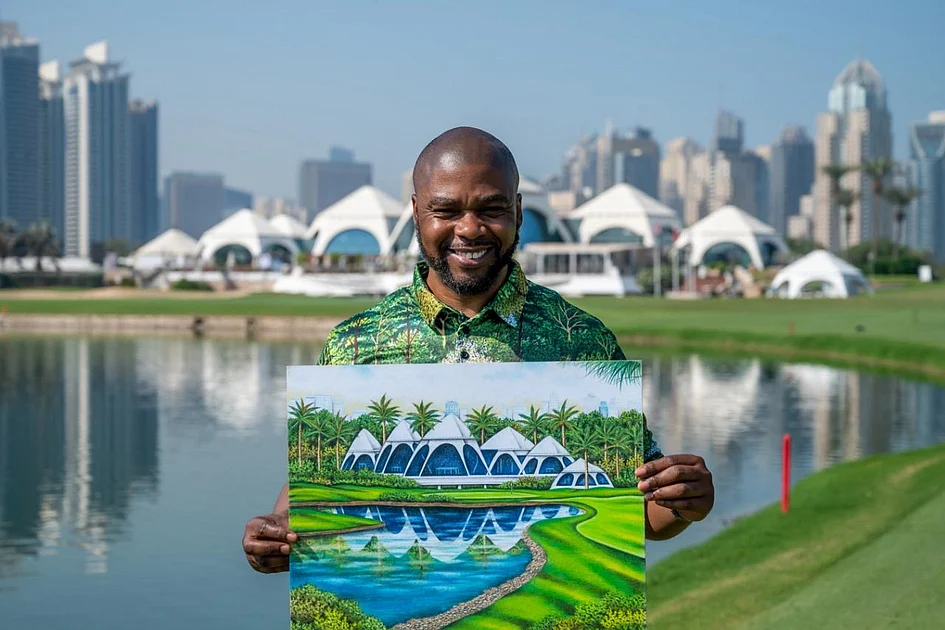
    Valentino Dixon, an American artist who endured 27 years of wrongful imprisonment before his exoneration, is launching a charitable art auction to support debt-ridden inmates in the UAE during Ramadan. The initiative, inspired by Dubai philanthropist Firoz Merchant’s prisoner release program, will see Dixon donate 50% of proceeds from the sale of artworks created during his incarceration.

    Now known as Tariq Ramzan Abdullah after converting to Islam in 1999, Dixon was wrongly convicted of a fatal shooting in Buffalo, New York at age 21. Despite evidence pointing to another perpetrator, he received a 39-year sentence at Attica Correctional Facility where he developed his artistic practice, sometimes drawing for up to ten hours daily.

    His breakthrough came when prison authorities requested he sketch golf courses—a subject he had never personally experienced. Over two decades, Dixon produced more than 300 golf landscape drawings, including eight depicting Dubai courses like Emirates Golf Club and Dubai Creek, based solely on magazine references. These works eventually attracted national attention through Golf Digest’s coverage, leading legal advocates to reopen his case and secure his release in 2018.

    Today, Dixon’s art commands substantial value with original works selling for tens of thousands of dollars and large-scale pieces reaching up to $1 million. His collectors include prominent figures such as former President Bill Clinton and Michelle Obama, who acquired one of his golf pieces as a Christmas gift for President Barack Obama.

    Now residing in Southeast Asia, Dixon expresses no bitterness about his ordeal, crediting Islam with providing spiritual peace. His upcoming auction represents a full-circle moment: using the art that sustained him during imprisonment to help others regain their freedom. “If half of what I sell can help someone walk out prison,” Dixon stated, “that would mean more than any price tag.”

  • Former Zimbabwe President Robert Mugabe’s son faces attempted murder charges in South African court

    Former Zimbabwe President Robert Mugabe’s son faces attempted murder charges in South African court

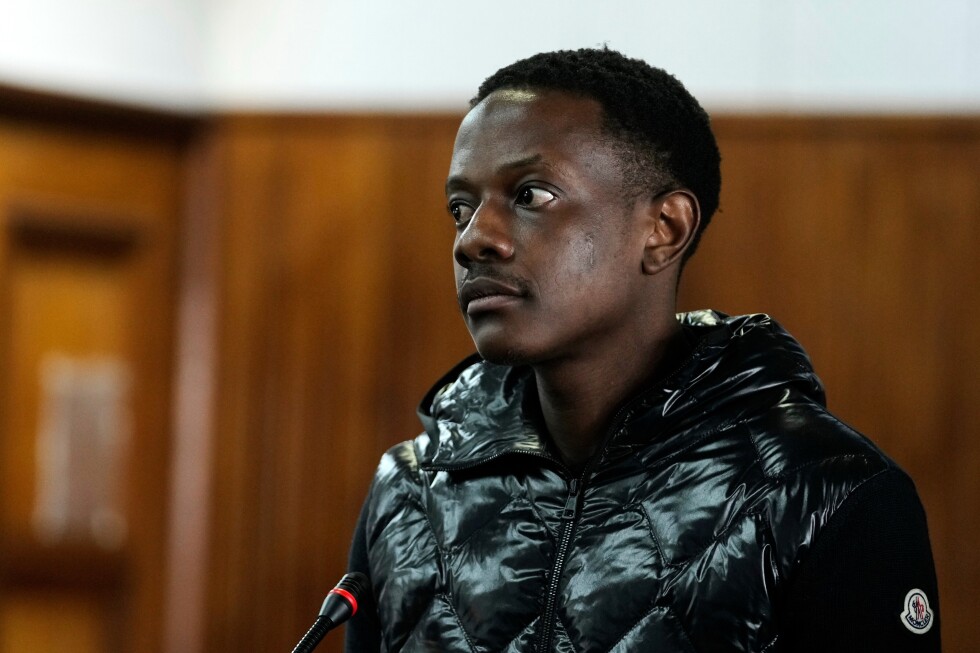
    JOHANNESBURG — Bellarmine Chatunga Mugabe, the youngest son of Zimbabwe’s late former president Robert Mugabe, made his initial court appearance in Johannesburg on Monday alongside co-accused Tobias Mugabe Matonhodze. The pair face serious criminal charges including attempted murder, obstruction of justice, and illegal firearm possession following a shooting incident at the Mugabe family residence in the affluent Hyde Park suburb.

    The case stems from an altercation last Thursday that resulted in the shooting of a domestic employee at the Mugabe property. According to law enforcement authorities, the victim—identified as the family’s gardener—sustained gunshot wounds requiring immediate hospitalization. While the precise motive remains under investigation, police confirmed the firearm allegedly used in the shooting has not been recovered since the suspects’ arrest on the day of the incident.

    During their hearing at Alexandra Magistrates Court, the defendants learned their formal bail application would be heard on March 3. The 29-year-old Mugabe scion and his 33-year-old associate now await further judicial proceedings while in custody.

    This development brings renewed attention to the Mugabe family’s legal troubles in South Africa. Robert Mugabe, who ruled Zimbabwe for 37 years until his 2017 ouster, died in Singapore in 2019. His widow Grace Mugabe has previously faced legal challenges in South Africa, including allegations of assault in 2017.

  • South Sudan villagers killed after being lured from homes with promise of aid, witnesses say

    South Sudan villagers killed after being lured from homes with promise of aid, witnesses say

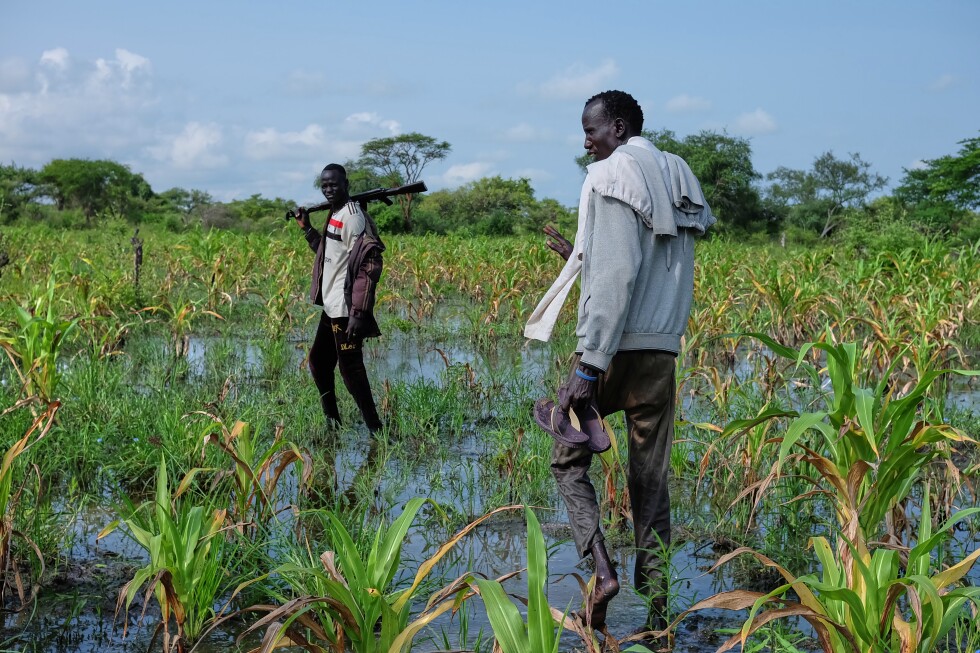
    In a horrific incident underscoring the brutal realities of South Sudan’s ongoing conflict, more than a dozen civilians were systematically executed after being deceived by government-allied militia fighters promising humanitarian food aid. The attack occurred Saturday morning in the remote village of Pankor, located within the conflict-ravaged Jonglei State approximately 400 kilometers north of the capital, Juba.

    According to two survivors who spoke anonymously for fear of reprisal, several dozen armed combatants arrived in pickup trucks and used loudspeakers to announce a registration drive for food assistance. Trusting the promise of aid in a region facing severe food insecurity, villagers gathered in a traditional cattle enclosure known as a ‘luak.’

    The situation turned from hope to horror as the fighters bound the hands of multiple men before opening fire on the entire group. Survivors reported 22 fatalities with additional injuries, while government-appointed Ayod County Commissioner James Chuol Jiek confirmed at least 16 deaths, predominantly women and children. Graphic photographs obtained by The Associated Press, too disturbing for publication, showed victims shot at close range with their hands tied behind their backs.

    Commissioner Jiek identified the perpetrators as members of the Agwelek militia, a Shilluk ethnic force that operates alongside the national army despite not being fully integrated. He claimed the fighters acted without their commander’s knowledge, characterizing the massacre as retaliatory violence for attacks by Nuer militias on Shilluk villages in 2022. Jiek stated several officers had been arrested and 150 fighters disarmed, while vehemently denying the aid registration was used as a lure, calling this narrative ‘an opposition lie.’

    The incident occurs against a backdrop of intensified violence in northern Jonglei, an opposition stronghold where UN estimates indicate approximately 280,000 people have been displaced since December. The region faces compounded crises including armed clashes, aerial bombardments, and extreme flooding that have left over half of Ayod County’s population experiencing severe food insecurity. Aid organizations have repeatedly warned that access restrictions to opposition-held territories are endangering civilian lives.

    This massacre follows international condemnation of Agwelek militia commander Lt. Gen. Johnson Olony, who was filmed in January explicitly ordering his forces to kill civilians without mercy during operations in Jonglei. Although Olony has since apologized for his remarks, opposition officials continue to characterize government actions in Nuer-majority areas as genocidal in intent.

  • UAE weather: Foggy conditions continue as temperature drops to 18°C in Abu Dhabi

    UAE weather: Foggy conditions continue as temperature drops to 18°C in Abu Dhabi

    Meteorological conditions across the United Arab Emirates are characterized by persistent fog and humidity, with overnight and early morning temperatures dropping to 18°C in Abu Dhabi. The National Center of Meteorology reports that coastal and internal regions will experience mist formation through Tuesday morning, creating reduced visibility conditions for residents.

    Temperature readings indicate a moderate climate pattern, with Abu Dhabi reaching daytime highs of 30°C while Dubai anticipates maximum temperatures of 28°C. Minimum temperatures will register at 18°C and 20°C in the respective emirates, representing typical seasonal variations for February.

    Wind patterns remain generally light to moderate, blowing from northeast to northwest directions at speeds ranging from 10-20 km/h, with occasional gusts reaching 35 km/h. Maritime conditions remain calm with slight sea states reported in both the Arabian Gulf and Oman Sea.

    The meteorological phenomenon follows established seasonal patterns where temperature differentials between land and sea create ideal conditions for fog formation. Residents have documented the weather conditions through photographic evidence shared with Khaleej Times, showing substantial fog accumulation across urban and coastal areas.

    Authorities continue monitoring conditions closely as reduced visibility impacts transportation networks. The weather pattern aligns with previous forecasts indicating persistent morning fog and mist conditions expected to continue through mid-week.

  • Robert Mugabe’s son charged with attempted murder in South Africa

    Robert Mugabe’s son charged with attempted murder in South Africa

    Bellarmine Mugabe, the 28-year-old youngest son of Zimbabwe’s late former leader Robert Mugabe, has been formally indicted on attempted murder charges in a South African court. The arrest occurred last week following a shooting incident that left a 23-year-old man critically wounded at an upscale Johannesburg residence.

    Mugabe appeared alongside his personal bodyguard, who faces identical charges, with both defendants remaining silent regarding the allegations. Judicial authorities have postponed proceedings until March 3rd, when legal representatives are expected to submit a formal bail application.

    Investigators conducting forensic examination of the crime scene recovered multiple bullet cartridges but have yet to locate the alleged firearm. This absence has prompted additional charges of ‘defeating the ends of justice’ against both defendants, according to prosecutorial statements.

    The case has drawn significant attention due to Bellarmine’s political lineage. His father, Robert Mugabe, governed Zimbabwe for 37 years until his 2017 ousting at age 93, passing away two years later. The Mugabe family maintains considerable influence in southern African political circles despite the patriarch’s death.

    Medical authorities confirm the shooting victim remains hospitalized in critical condition. The incident represents the latest legal challenge for the Mugabe family, whose members have faced various international legal proceedings since their departure from power.

  • Technology gives room to roam

    Technology gives room to roam

    Across Kenya’s diverse landscapes—from the sprawling Maasai Mara to the rugged plains of Tsavo—a technological revolution is quietly unfolding. Advanced early-warning systems now create an invisible safety net that protects both wildlife and human communities from destructive encounters.

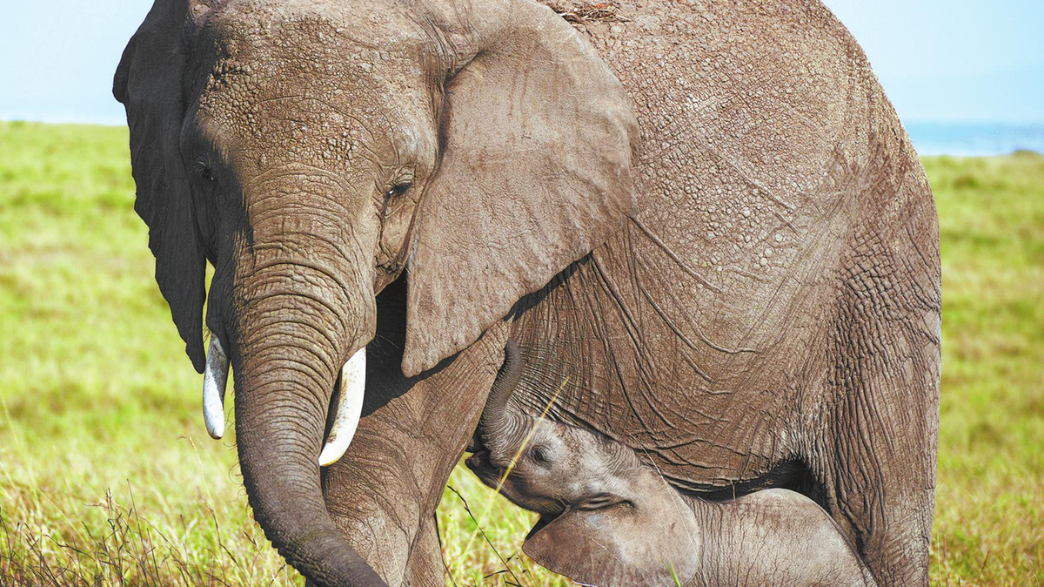
    In regions like Kajiado, where farmers once lost entire crops to marauding elephants overnight, instant alerts now provide critical advance notice before herds approach settlements. This transformation stems from Kenya Wildlife Service’s comprehensive digital strategy that integrates artificial intelligence, long-range telemetry, thermal imaging, and community knowledge into a unified conservation framework.

    At the heart of this initiative lies EarthRanger, an innovative platform that aggregates data from satellite collars, drones, smart camera traps, and thermal sensors into a single operational dashboard. When elephants breach virtual boundaries, automated notifications instantly alert rangers’ handheld devices, WhatsApp groups, and command centers in Nairobi. Different species appear as moving icons on screens, enabling precise tracking of elephants crossing migratory corridors, lions approaching settlements, and rhinos near sanctuary boundaries.

    Response teams now deploy within minutes, sometimes guided by overhead drones, to gently redirect animals to safety. This coordinated approach has transformed human-wildlife interactions from chaotic clashes into managed encounters. Farmers gain precious time to secure livestock and activate deterrent systems, while rangers can preemptively defuse conflicts before they escalate.

    The technological infrastructure extends even to remote parks like Marsabit and Samburu through long-range, low-power radio networks capable of transmitting telemetry over 20 kilometers. Thermal cameras detect movements in complete darkness, while acoustic sensors identify gunshots, chainsaws, and animal distress calls around the clock. Beyond terrestrial monitoring, scientists employ environmental DNA to detect aquatic species without direct observation and underwater camera traps to monitor coral reef health.

    This conservation technology creates unexpected economic opportunities. After suitable training, community members become drone pilots, telemetry analysts, and data technicians—diversifying livelihoods beyond tourism-dependent economies.

    Complementing these technological advances, the International Fund for Animal Welfare’s Room to Roam initiative seeks to secure over 9 million hectares of connected habitat across East and Southern Africa. The program focuses on maintaining migratory paths, restoring degraded rangelands, and collaborating with communities along elephant movement routes. Conservationists emphasize that success requires integrating conservation with local development needs, land-use planning, and community benefits.

    Despite these advancements, experts caution that no single solution fits all contexts. Research combining species distribution modeling with AI analysis reveals that 19.1% of Kenya’s land faces high human-elephant conflict risk with limited tourism potential. In these areas, alternative interventions—including wildlife corridors, electric fencing, and strengthened land-use planning—remain essential.

    Kenya’s approach demonstrates how technology, when combined with human expertise and community engagement, can create sustainable coexistence between humans and wildlife while emerging as a continental leader in innovative conservation practices.

  • More Ghanaians are wearing a cultural outfit after their president was mocked

    More Ghanaians are wearing a cultural outfit after their president was mocked

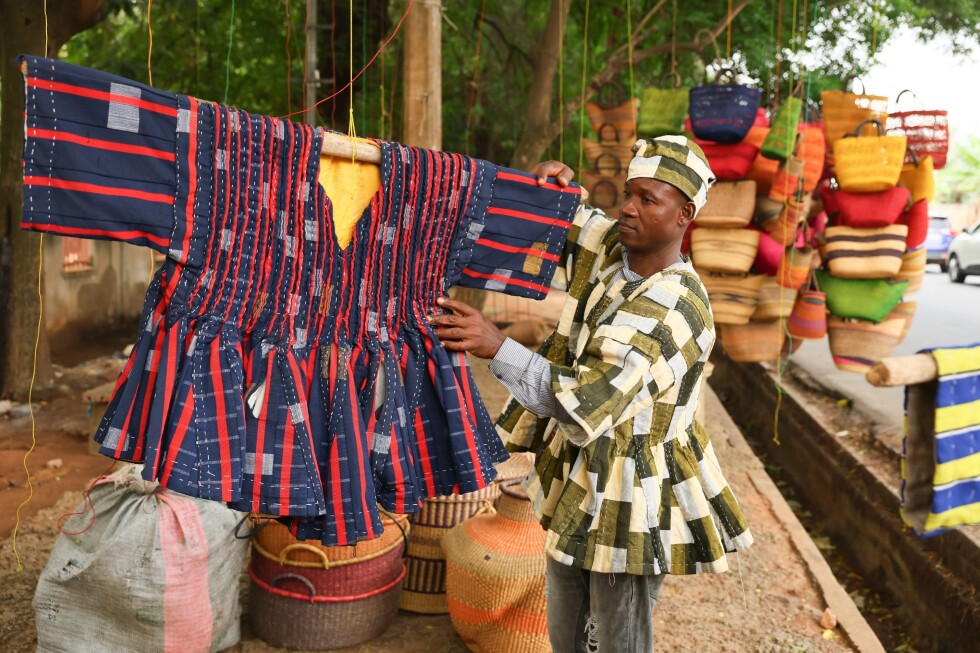
    ACCRA, Ghana — A cultural revival is sweeping through Ghana as the traditional fugu garment gains unprecedented popularity, transforming from regional attire into a national symbol of heritage pride. This remarkable resurgence originated from an unexpected source: social media criticism directed at President John Dramani Mahama’s choice to wear the distinctive striped smock during an official visit to Zambia in early February.

    The online mockery triggered a powerful counter-movement among Ghanaians determined to defend their cultural legacy. The groundswell of support culminated in Tourism Minister Abla Dzifa Gomashie’s official declaration of Wednesdays as “Fugu Day” on February 10, establishing a weekly celebration of national identity through fashion.

    Across central Accra, vendors like Clement Azaabire witness the transformation firsthand as he displays meticulously sewn fugu smocks that dance in the breeze. After fifteen years of dedicated craftsmanship, Azaabire now experiences unprecedented demand, with inventory selling rapidly since the cultural movement gained momentum.

    The fugu’s historical significance traces back to Ghana’s independence era when first President Kwame Nkrumah wore the garment during the landmark 1957 ceremony. Traditionally handwoven by northern artisans using narrow looms, the fabric (known locally as batakari) represents generations of weaving expertise passed through families. Scholars attribute its development to West African trade routes and cultural exchanges with Mossi and Hausa communities, with the term ‘fugu’ deriving from the Mossi word for cloth.

    Contemporary fashion designers like Perfectual Linnan of Roots by Linnan are reimagining the traditional fabric for modern audiences, creating jackets, trousers and everyday wear that maintains cultural connections while appealing to broader demographics. “We’re demonstrating how northern fabric can adapt to different styles,” Linnan explains. “Even those who prefer contemporary fashion can carry cultural heritage with them.”

    This renaissance presents both opportunities and challenges for the artisan community. Moses Adibasa, who has crafted traditional smocks for nearly two decades, expresses optimism about the economic ripple effect benefiting thread sellers, weavers and tailors alike. However, production limitations threaten to constrain growth. Abigail Naki Gabor, secretary of Ghana’s smock weavers and sellers association, notes that many artisans struggle to meet escalating demand due to manual production methods.

    The government is responding with broader initiatives including the “Wear Ghana” campaign promoting local fashion through upcoming trade exhibitions, according to Kofi Atta Kakra Kusi of the Ghana Tourism Authority. Yet Linnan cautions against treating the garment purely as commodity: “This represents careful, intentional craftsmanship. If we prioritize commercialization over cultural preservation, we risk losing something profoundly important.”