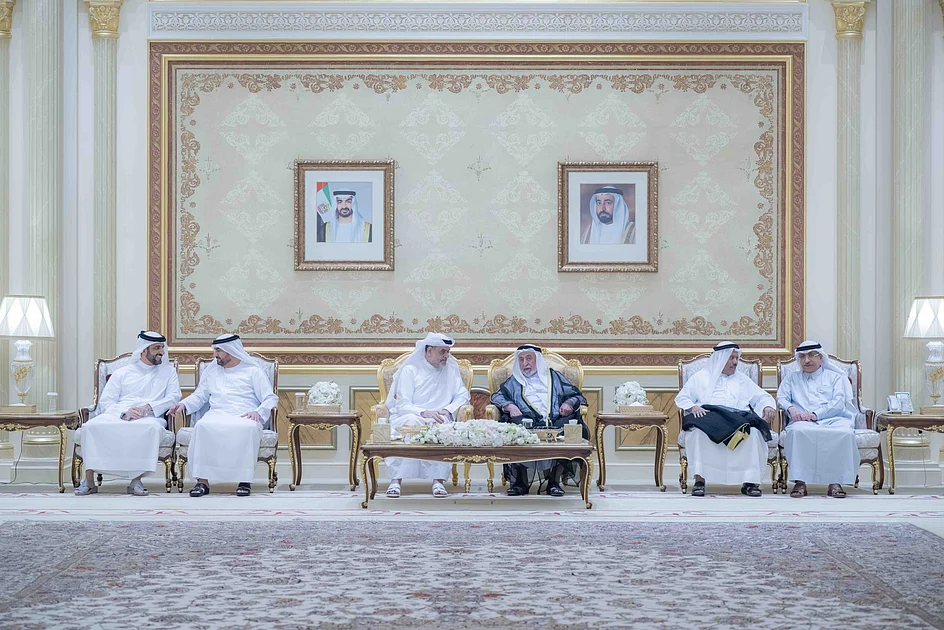
In a display of traditional leadership and communal solidarity, His Highness Sheikh Dr. Sultan bin Muhammad Al Qasimi, Supreme Council Member and Ruler of Sharjah, hosted an official reception ceremony at Al Badee Palace on Wednesday evening to mark the commencement of the holy month of Ramadan. The event saw the attendance of prominent government figures, including Abdulrahman bin Mohammed Al Owais, Minister of State for Federal National Council Affairs, alongside senior officials, department directors, high-ranking police officers, tribal representatives, and citizens. The Ruler was accompanied by Sheikh Sultan bin Mohammed bin Sultan Al Qasimi, Crown Prince and Deputy Ruler of Sharjah; Sheikh Abdullah bin Salem bin Sultan Al Qasimi, Deputy Ruler; and Sheikh Sultan bin Ahmed bin Sultan Al Qasimi, Deputy Ruler. Well-wishers extended their heartfelt congratulations for the sacred occasion, offering prayers for the Ruler’s continued health and wellbeing. They further invoked divine blessings for the UAE’s ongoing development and prosperity, as well as for peace and harmony throughout Arab and Islamic nations during this period of spiritual reflection.
标签: Africa
非洲
-
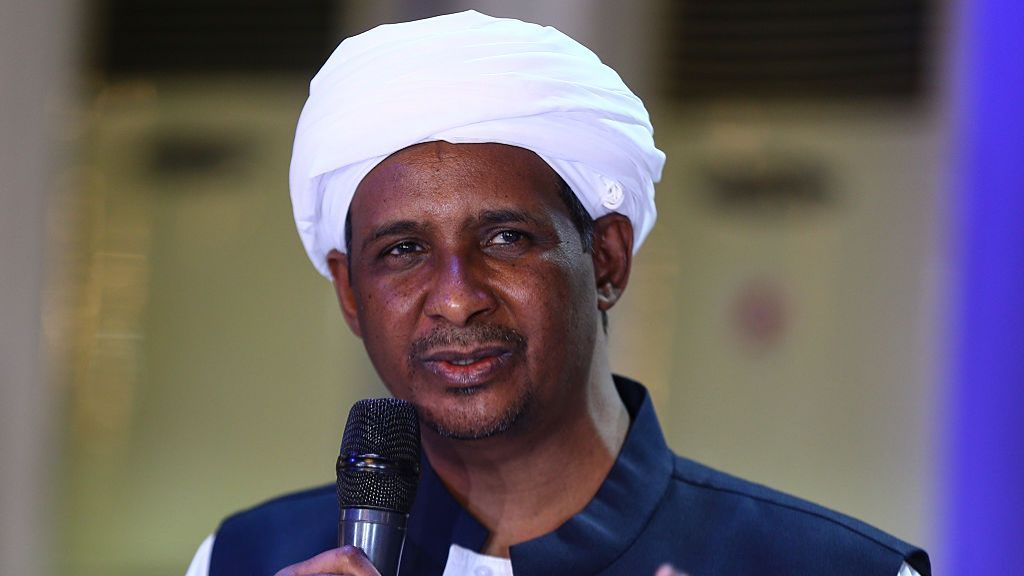
‘Affront to humanity’: Sudan slams Uganda for hosting RSF paramilitary boss
Sudan’s government has issued a formal condemnation against Uganda for hosting paramilitary leader Mohamed Hamdan Dagalo, commander of the Rapid Support Forces (RSF), labeling the diplomatic engagement an “affront to humanity.” The Sudanese foreign ministry, representing the nation’s armed forces, accused Uganda of violating international law by welcoming Dagalo, whose forces stand accused of perpetrating extensive atrocities throughout Sudan’s ongoing civil conflict.
The diplomatic confrontation emerged after Ugandan President Yoweri Museveni met with Dagalo—commonly known as Hemedti—at his presidential residence in Entebbe last Friday. Museveni, who serves as an African Union-appointed mediator between Sudan’s military and the RSF, stated that he emphasized the necessity of a “peaceful political solution” to end the conflict.
In a strongly-worded statement released on Sunday, Sudan’s foreign ministry denounced the reception of the “rebel leader” and described the meeting as an “unprecedented move” that insults not only the Sudanese people but humanity as a whole. While acknowledging Uganda’s sovereign right to host foreign visitors, Khartoum insisted that welcoming Dagalo constitutes a breach of international legal standards.
The RSF and Sudan’s national armed forces have been embroiled in a devastating power struggle for nearly three years, resulting in hundreds of thousands of casualties and displacing over 13 million people. Both factions face allegations of committing atrocities, with recent UN reports suggesting that RSF actions during the siege of el-Fasher may amount to genocide.
This incident echoes previous regional tensions, including Sudan’s suspension of imports from Kenya last year after Nairobi hosted RSF representatives. African nations continue to grapple with diplomatic balancing acts as they attempt to mediate a conflict that shows no signs of abatement, with the RSF recently announcing the capture of al-Tina in North Darfur following intense fighting.
-

Trump says sending hospital boat to Greenland to treat ‘many sick people’
Former President Donald Trump declared via his Truth Social platform on Saturday that a U.S. naval hospital ship is en route to Greenland, citing a need to provide medical care for “many sick people” in the autonomous Danish territory. The announcement revives attention on Trump’s longstanding strategic interest in the Arctic region.
The post featured an apparent AI-generated image depicting the USNS Mercy, an 894-foot medical vessel typically stationed off Southern California, approaching Greenland’s distinctive snow-capped mountains. Trump provided no specific details regarding the nature of the medical crisis, the number of affected individuals, or verification that the Mercy is actually the vessel being deployed.
This development occurs within the context of significantly strained U.S.-Denmark relations following Trump’s repeated expressions of desire to acquire Greenland, at one point threatening forcible seizure. His administration has consistently framed the mineral-rich territory as vital to U.S. and NATO security interests, particularly concerning Russian and Chinese Arctic expansion.
The initiative is reportedly coordinated with Louisiana Governor Jeff Landry, whom Trump designated as his special envoy to Greenland in December. During recent Mardi Gras festivities in New Orleans, Landry posted a photograph of himself alongside Greenlandic representatives holding the territory’s flag, captioning it, “Great to host some of the wonderful people of Greenland.”
This announcement follows closely after Danish King Frederik X’s visit to Greenland, a trip that carried heightened significance given the geopolitical tensions surrounding Trump’s overtures. Last month, Trump temporarily stepped back from acquisition threats after negotiating a preliminary framework with NATO Secretary General Mark Rutte to secure increased U.S. influence in the region without formal transfer of sovereignty.
-

The US deported a gay asylum-seeker to a third country where homosexuality is illegal
In a controversial move that has drawn sharp criticism from immigration advocates, the Trump administration has deported a Moroccan woman with a valid US immigration protection order to Cameroon—a country where she had no connections and where homosexuality remains criminalized.
Farah, a 21-year-old gay woman who fled Morocco after facing violent persecution from her family, endured a harrowing journey through six countries before reaching the US border in early 2025. Despite receiving a judicial protection order in August that explicitly prohibited her deportation to Morocco due to life-threatening risks, Immigration and Customs Enforcement (ICE) officials transported her to Cameroon just three days before her scheduled release hearing.
Her case represents one of dozens confirmed instances where migrants with legal protection from US immigration judges have been deported to third countries under the administration’s “third-country agreements” with African nations. According to legal representatives, all nine deportees on the January flight to Cameroon possessed similar protection orders.
Legal experts have condemned the practice as a dangerous loophole that violates both US immigration laws and international treaties. Alma David, an immigration lawyer with Novo Legal Group, stated: “By deporting them to Cameroon, and giving them no opportunity to contest being sent to a country whose government hoped to quietly send them back to the very countries where they face grave danger, the US not only violated their due process rights but our own immigration laws.”
The Department of Homeland Security defended the actions, asserting: “We are applying the law as written. If a judge finds an illegal alien has no right to be in this country, we are going to remove them. Period.”
Currently, at least seven African nations—including Cameroon, South Sudan, Rwanda, Uganda, Eswatini, Ghana, and Equatorial Guinea—have entered into agreements with the US to accept deported third-country nationals. Senate Foreign Relations Committee documents reveal the administration has spent approximately $40 million to deport about 300 migrants to countries other than their own.
Farah, now back in Morocco and living in hiding, expressed her disillusionment: “What was done to me was unfair. A normal deportation would have been fair, but to go through so much and lose so much, only to be deported in such a way, is cruel.”
-
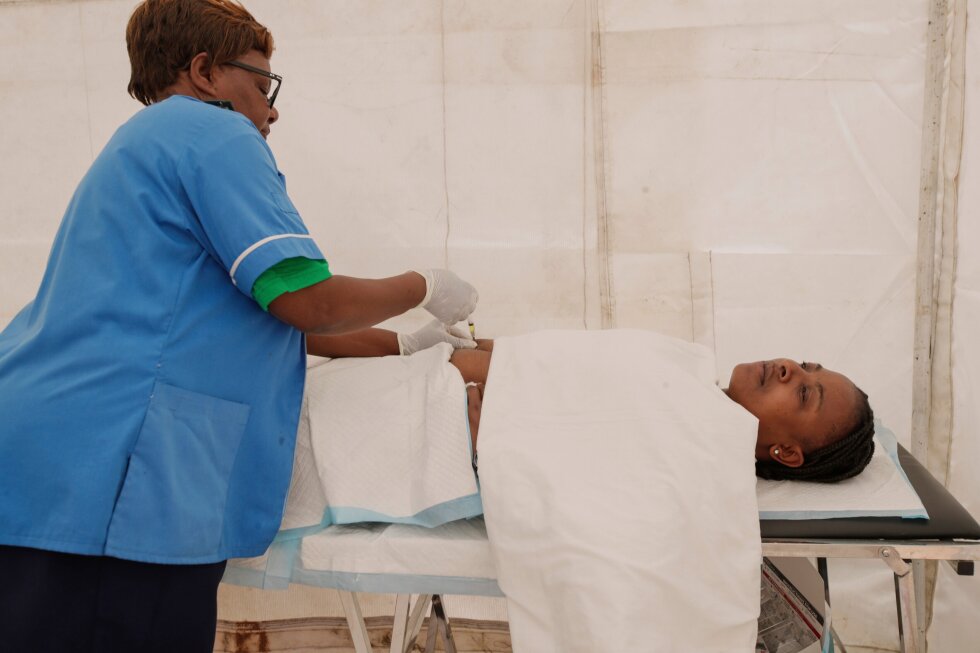
A long-acting HIV drug arrives in Zimbabwe for some at highest risk
ZIMBABWE has emerged as a pioneering nation in the global fight against HIV/AIDS by launching a groundbreaking twice-yearly preventive injection that promises to transform prevention strategies for vulnerable populations. The revolutionary drug lenacapavir, administered just semiannually, represents a significant advancement over daily oral PrEP medications that have long posed adherence challenges for high-risk groups.
At a dedicated rollout event in Harare’s outskirts, diverse beneficiaries including sex workers, young mothers, and LGBTQ+ individuals received their initial injections in mobile clinic settings. The atmosphere reflected both hope and relief among recipients who have struggled with the practical limitations of existing prevention methods.
Developed by California-based pharmaceutical innovator Gilead Sciences, this long-acting injectable demonstrates near-total protection efficacy in clinical trials. The African rollout across ten nations including Zimbabwe, Zambia, and Eswatini receives substantial support through PEPFAR (President’s Emergency Plan for AIDS Relief) in collaboration with the Global Fund.
Health Minister Douglas Mombeshora emphasized the transformative potential during the launch ceremony: ‘Effective prevention must integrate seamlessly into real lives. When health solutions prove overly complex, demanding, or visibly stigmatizing, compliance inevitably suffers. Lenacapavir fundamentally reimagines our approach to HIV prevention.’
Despite Zimbabwe’s remarkable progress in epidemic control—achieving WHO testing, treatment, and viral suppression targets—new infections persist concerningly among adolescent girls and young women. UN data reveals HIV prevalence among sub-Saharan African females aged 10-24 remains persistently triple that of male counterparts, driven by structural inequalities and healthcare access disparities.
Practical implementation challenges loom large, however. With each injection costing approximately $54 annually per person even at negotiated nonprofit pricing, sustainable scaling remains financially constrained for many African governments. Health infrastructure limitations and diminishing foreign aid further complicate widespread accessibility.
Medical professionals stress that lenacapavir should complement rather replace existing prevention tools. ‘Condoms remain essential—they’re affordable and prevent additional sexually transmitted infections,’ noted Enerst Chikwati of AIDS Healthcare Foundation.
For early recipients like Constance Mukoloka, a 27-year-old sex worker, the injection already delivers profound impact: ‘This means security and professional confidence. Daily pills created client suspicion and scheduling difficulties. Now I can work without compromising protection for six months.’
-
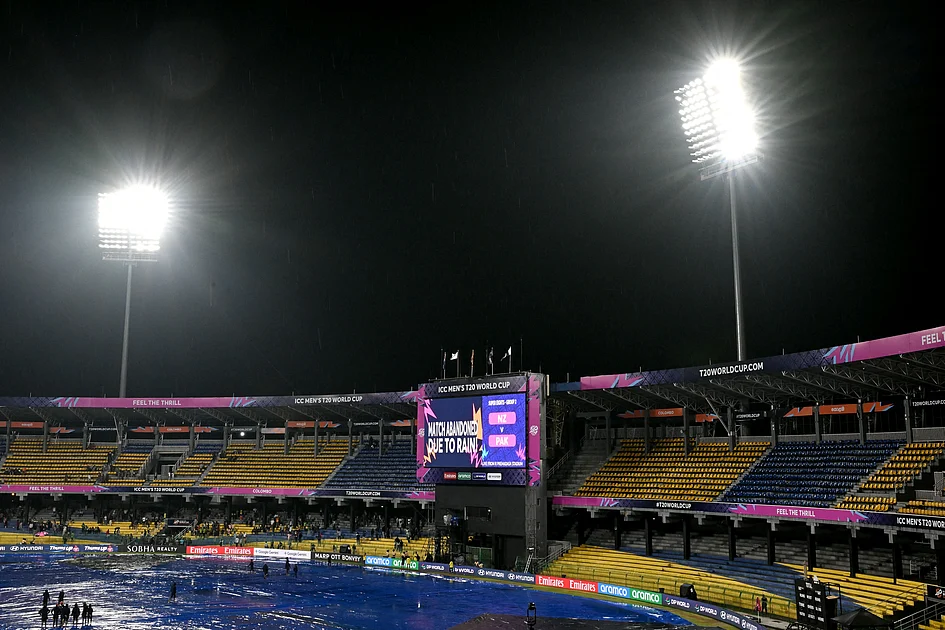
New Zealand-Pakistan Super Eight World Cup clash rained off
Colombo’s R Premadasa Stadium witnessed a complete washout of the highly anticipated Super Eight stage match between Pakistan and New Zealand in the ICC Twenty20 World Cup on Saturday. The encounter was abandoned without a single delivery being bowled due to unrelenting heavy rainfall that commenced immediately following the coin toss.
Pakistan captain had won the toss and elected to bat first, but persistent drizzle prevented any play from commencing. Match officials maintained hope for a reduced-overs contest throughout the evening, but conditions failed to improve. After multiple inspections, umpires officially called off the match at 9:05 PM local time (15:35 GMT), determining that even a minimum five-over per side contest couldn’t be conducted before the 10:16 PM cutoff deadline.
The abandonment results in both teams receiving one point each in the Group 2 standings of the Super Eight phase. This outcome significantly impacts the tournament dynamics as Pakistan, New Zealand, England, and co-hosts Sri Lanka now compete for two semi-final qualification spots from this group.
In the parallel Group 1, defending champions India are positioned alongside South Africa, Zimbabwe, and West Indies, with identical qualification rules applying. The meteorological disruption marks the first complete washout in the Super Eight stage of this tournament, raising concerns about scheduling and weather contingencies for future matches in the Sri Lankan leg of the competition.
-
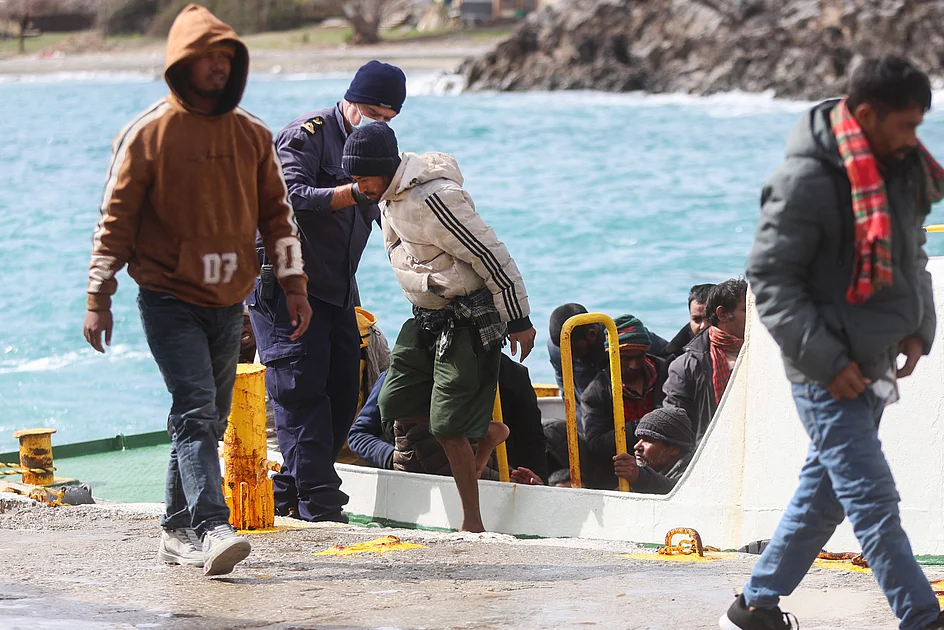
At least 3 dead as migrant boat capsizes off Greek island
A deadly maritime incident unfolded off the coast of Crete on Friday when an overloaded migrant vessel capsized during rescue operations, resulting in at least three confirmed fatalities. The tragedy occurred as a commercial ship, dispatched by the Greek Search and Rescue Center, attempted to evacuate passengers from the precarious wooden boat.
According to eyewitness accounts from survivors, approximately 50 people were aboard the distressed vessel when the rescue operation commenced. As migrants attempted to transfer to the commercial ship using ladders, a sudden shift in weight distribution caused the fragile craft to overturn, plunging all occupants into the open waters.
The Hellenic Coast Guard launched an extensive search mission involving four patrol boats, aerial surveillance aircraft, and two vessels from the European Border and Coast Guard Agency (Frontex). Twenty individuals, including four minors, were successfully rescued from the waters. Most survivors identified as Egyptian and Sudanese nationals, reflecting ongoing migration patterns from North Africa.
Simultaneously, authorities detected a second migrant vessel carrying approximately forty people in the same vicinity, prompting additional rescue efforts. This incident highlights the continuing shift in migration routes from traditional Aegean passages to the more dangerous Libya-Crete corridor.
Official data from the UN High Commissioner for Refugees reveals that 16,770 asylum seekers reached Crete in 2025, with 107 recorded deaths or disappearances in Greek waters during the same period. In response to mounting arrivals, the Greek government implemented a three-month suspension of asylum application processing last summer, particularly targeting migrants arriving from Libyan departure points.
This latest tragedy underscores the persistent humanitarian challenges facing Mediterranean migration routes and the extreme risks vulnerable populations undertake seeking European refuge.
-

UAE Lottery announces latest Lucky Day draw results
The UAE Lottery has announced the outcomes of its weekly Lucky Day drawing held on Saturday, February 21, 2026. While the massive Dh30 million grand prize remained unclaimed, three fortunate participants each secured a substantial windfall of Dh100,000.
The official winning numbers drawn for the event were confirmed as follows: Days – 18, 10, 1, 8, 5, and 11, with the Lucky Month number being 10.
In the accompanying Lucky Chance segment of the draw, three individuals were identified as the major winners. The lottery authority released the victorious Lucky Chance IDs: AB0008685, CE5528979, and BS4363602. Each of these holders is now Dh100,000 richer.
This weekly event operates under a revised structure implemented at the beginning of the year. The current format features a tiered prize system, headlined by the life-changing Dh30 million jackpot. A significant Dh5 million second prize is also available, alongside the recurring weekly Dh100,000 awards. The Lucky Day draws continue to be held every Saturday, offering consistent opportunities for participants across the UAE.
-
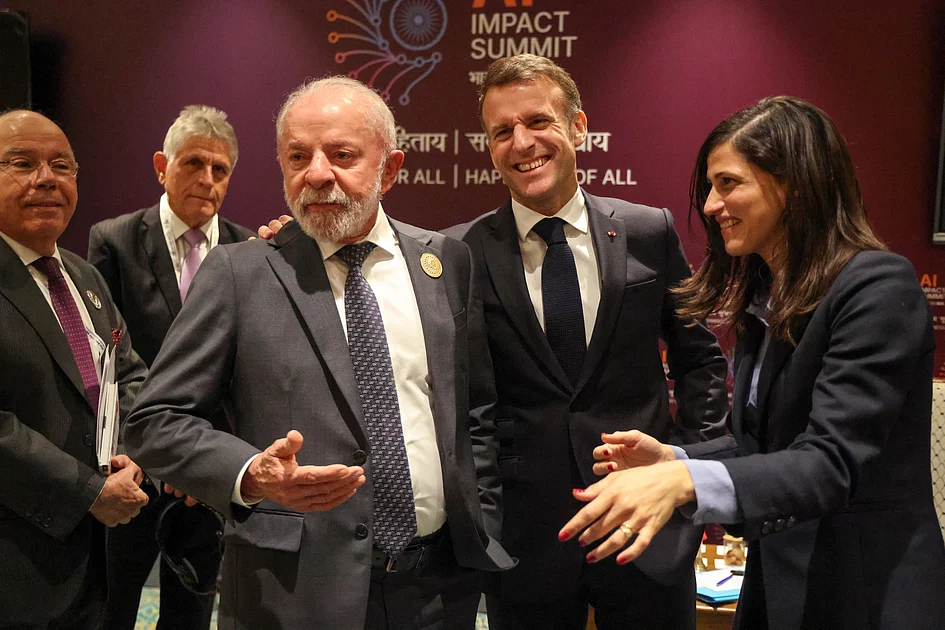
Global summit calls for ‘secure, trustworthy and robust AI’
The fourth annual AI Impact Summit concluded in Delhi on Saturday with a broad declaration signed by 86 nations, including previous holdout the United States and technological rival China. The joint statement advocated for ‘secure, trustworthy and robust’ artificial intelligence but stopped short of establishing any binding regulatory frameworks or concrete commitments.
Attended by tens of thousands of participants, including top technology executives, the five-day summit marked the first gathering hosted by a developing nation. The declaration acknowledged generative AI as ‘an inflection point in technological evolution’ and emphasized that AI’s promise is best realized ‘only when its benefits are shared by humanity.’
Despite the wide endorsement, the summit faced significant criticism from analysts and advocacy groups. Amba Kak, co-executive director of the AI Now Institute, dismissed the declaration as ‘another round of generic voluntary promises’ that primarily served industry interests rather than public protection.
The statement addressed several critical areas including AI safety risks, job displacement concerns, and the technology’s substantial energy consumption. It emphasized reskilling initiatives for workers and developing energy-efficient AI systems, but provided no specific mandates or timelines for implementation.
The event was not without its controversies and organizational challenges. US delegation head Michael Kratsios explicitly rejected global AI governance prior to the signing, stating America’s approach would remain ‘unapologetically friendly to entrepreneurship and innovation.’ The summit also produced viral moments, notably the awkward refusal of rival CEOs Sam Altman (OpenAI) and Dario Amodei (Anthropic) to hold hands on stage.
Looking forward, the UN will establish an Independent International Scientific Panel on Artificial Intelligence to work toward ‘science-led governance,’ while the next AI summit is scheduled for Geneva in 2027. India leveraged the event to announce over $200 billion in expected AI investments, positioning itself to compete with established technological superpowers.
-
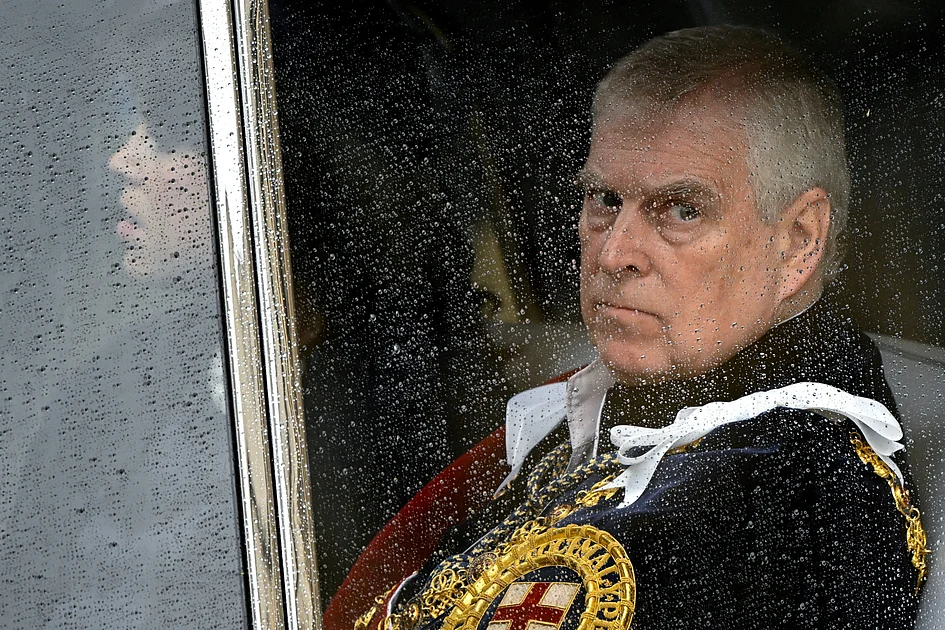
UK to consider removing Andrew from royal succession line, official says
The British government is preparing to initiate unprecedented constitutional proceedings that could permanently remove Prince Andrew from the royal line of succession, according to an official statement released on Friday. This extraordinary measure, which would represent one of the most significant modifications to royal succession protocols in modern history, awaits the conclusion of the ongoing police investigation into the Duke of York’s associations with convicted sex offender Jeffrey Epstein.
A senior UK official, speaking on condition of anonymity, revealed that legislative action would be contemplated once law enforcement authorities complete their examination of Andrew’s connections to the disgraced financier. The potential removal of a direct heir to the throne requires navigating complex constitutional channels, including obtaining consensus from all Commonwealth realms where King Charles III serves as head of state.
This development marks a dramatic escalation in the royal crisis surrounding Prince Andrew, whose public standing has deteriorated substantially since his association with Epstein became subject to criminal investigation. The proposed legislative measure underscores the seriousness with which the government approaches the allegations and their potential impact on the monarchy’s integrity.
The constitutional process involves intricate diplomatic coordination across multiple sovereign nations, including Australia, Canada, and New Zealand, all of which must ratify any alterations to the established line of succession. This multinational requirement reflects the complex nature of the Commonwealth’s shared constitutional monarchy system.
The government’s consideration of this extraordinary step demonstrates the increasing pressure on the royal institution to address the controversies surrounding Prince Andrew’s conduct and associations. While the palace has previously distanced itself from the Duke’s activities, this potential constitutional action represents an unprecedented formal response to the ongoing scandal.