标签: Africa

非洲

  • ‘Zaire president killed my grandad and targeted my dad’ – TKV’s family story

    ‘Zaire president killed my grandad and targeted my dad’ – TKV’s family story

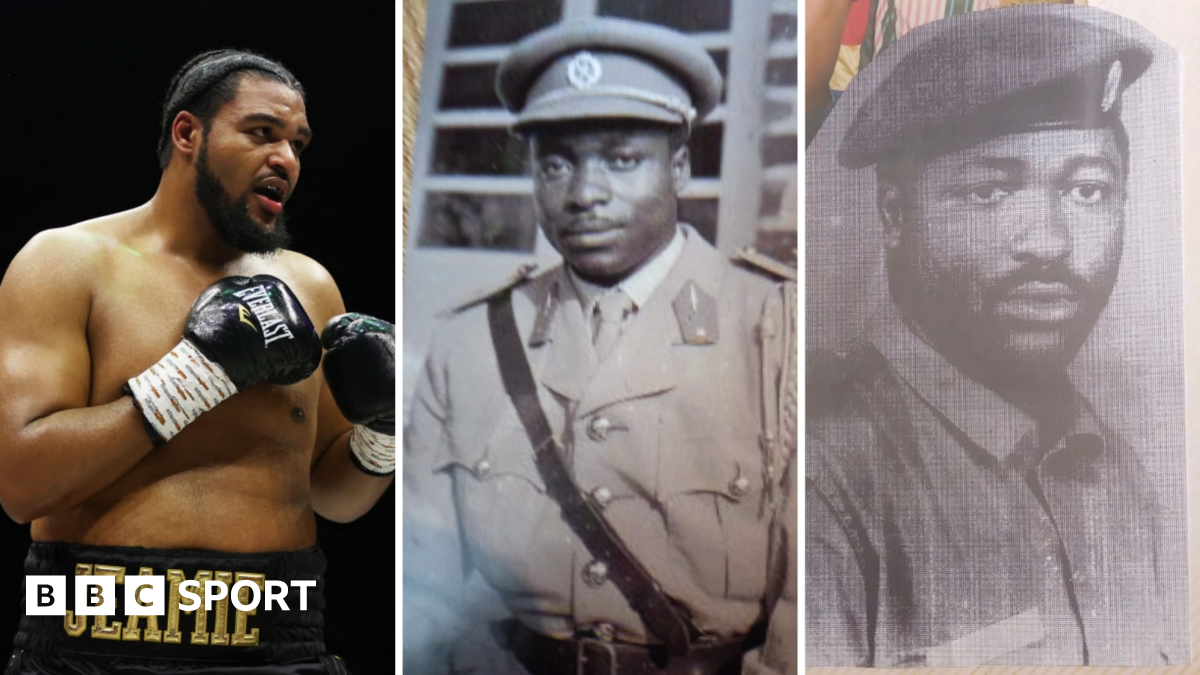
    British heavyweight boxer Jeamie ‘TKV’ Tshikeva envisions a triumphant return to the Democratic Republic of Congo as champion, carrying the symbolic weight of his family’s extraordinary political saga. The Tottenham-born athlete, who faces Frazer Clarke for the British title on November 29th, sees his boxing career as both personal redemption and historical reconciliation.

    Tshikeva’s dream transcends athletic achievement, connecting to DR Congo’s storied boxing history that includes the legendary 1974 “Rumble in the Jungle” between Muhammad Ali and George Foreman. Yet his personal narrative reveals deeper layers of political intrigue, exile, and survival that span three generations.

    The family’s story begins with his grandfather, Andre-Bruno Tshikeva, a high-ranking officer in the Zairean army during the Belgian colonial era. After serving as bodyguard to King Baudouin of Belgium, he returned to help Mobutu Sese Seko seize power in 1965. This alliance proved fatal when Mobutu, perceiving Andre-Bruno as a threat, orchestrated his downfall through false accusations, imprisonment, and ultimately poisoning that claimed his life in 1975.

    This legacy of persecution continued with Jeamie’s father, Makasi Tshikeva, who joined the army specifically to avenge his father’s death. Rising to become a commando instructor, Makasi faced multiple assassination attempts—from poisoned meals to sabotaged training equipment—before fleeing to London in 1991 with his young family.

    In Tottenham, Makasi channeled his combat skills into wrestling, operating as ‘Big Papa T’ and establishing a wrestling school while maintaining vigilance against potential threats. Jeamie grew up immersed in both his family’s dramatic history and North London’s contemporary challenges, including witnessing the aftermath of the 2011 Mark Duggan shooting and subsequent riots.

    Despite earning a degree in Film and TV Studies, the family’s fighting tradition ultimately called Jeamie to combat sports. Transitioning from wrestling to boxing’s more lucrative opportunities, he compiled 72 amateur bouts and represented DR Congo at the 2019 African Games before turning professional in 2022.

    Now standing on the brink of a British championship, TKV sees his upcoming bout as more than a athletic contest—it represents a potential pathway back to his ancestral homeland and an opportunity to rewrite a family narrative historically marked by political persecution and exile.
  • A visit to Somalia’s crumbling hospitals shows the toll of aid cuts and war

    A visit to Somalia’s crumbling hospitals shows the toll of aid cuts and war

    MOGADISHU, Somalia — The precarious state of Somalia’s healthcare system has been thrust into sharp relief following drastic funding cuts from international donors, particularly the United States. The termination of USAID support has triggered a cascade of failures across the nation’s medical infrastructure, leaving vulnerable populations struggling to access basic care.

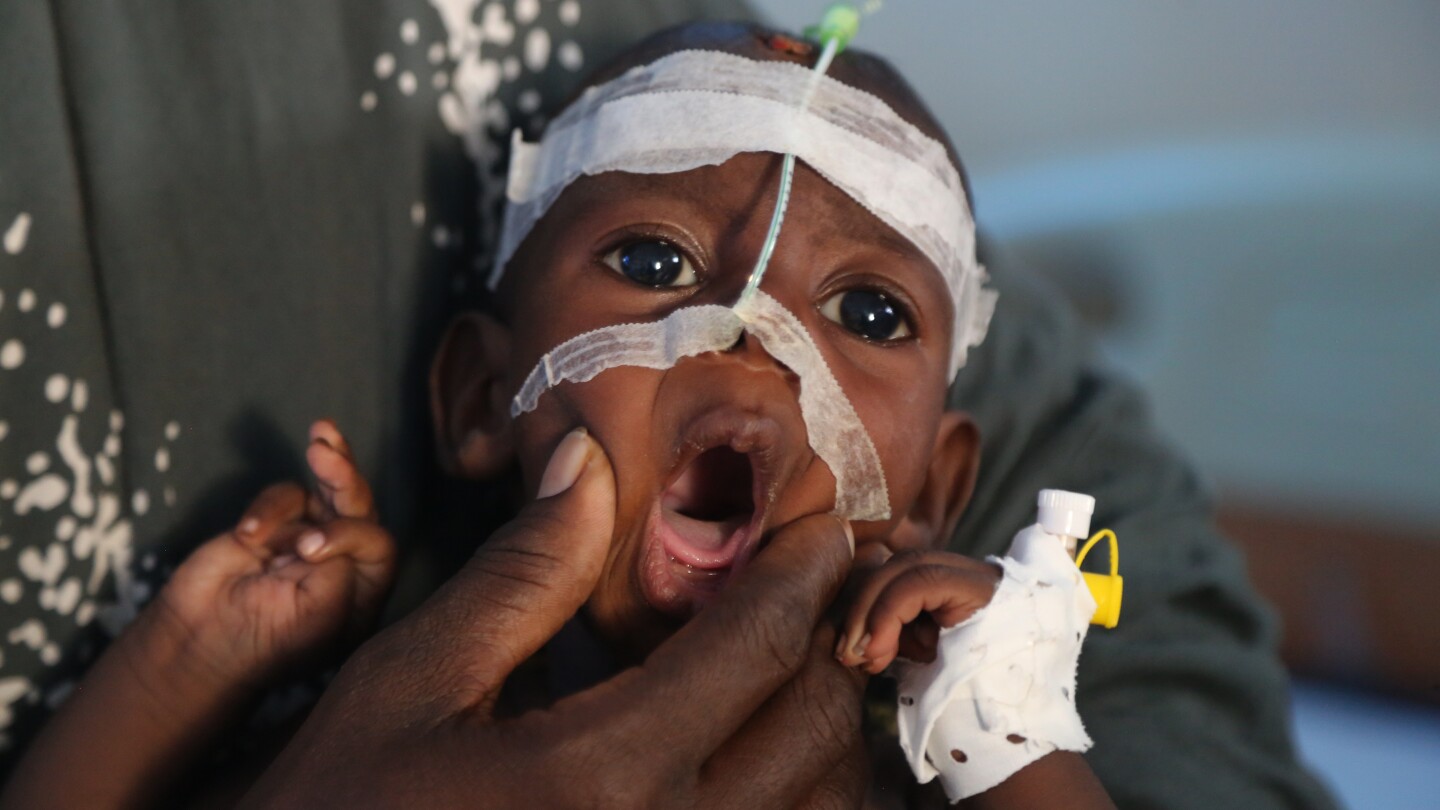
    Yusuf Bulle’s journey from rural southern Somalia to Mogadishu exemplifies the desperate measures families must take for medical treatment. His severely malnourished three-year-old son survived only after a 15-day stay at Banadir Hospital—a facility that remains operational primarily through international partnerships. “Where I come from, there is no hospital,” Bulle stated, highlighting the healthcare desert that characterizes much of the countryside.

    The Trump administration’s dissolution of USAID programs this year has resulted in over 6,000 healthcare workers losing their jobs and approximately 2,000 medical facilities facing operational challenges, according to Deputy Health Minister Mohamed Hassan Bulaale. This represents a catastrophic blow to a nation already ranked among those most vulnerable to donor withdrawal by the Center for Global Development.

    Despite recent security gains against al-Shabab militants through President Hassan Sheikh Mohamud’s “total war” campaign, hospital administrators and civic leaders report that the government’s singular focus on security has come at the direct expense of healthcare and other essential public services.

    Somalia’s healthcare system operates on a precarious financial model. The Ministry of Health received $91 million in this year’s national budget—a significant increase from last year’s $52 million—but almost entirely comprised of donor funds tied to specific projects. Mahad Wasuge of Somali Public Agenda think tank notes that “security remains the first priority” for authorities, even as foreign support diminishes from key benefactors including Britain.

    Historical institutions like Chinese-built Banadir Hospital (1977) and Italian-established De Martino Hospital (1922) now depend critically on United Nations and humanitarian organization support. At Banadir’s malnutrition unit, supervisor Dr. Mohamed Haashi revealed that 37 staff positions were eliminated due to U.S. cuts, with Concern Worldwide currently funding the remaining 13 positions along with essential nutritional supplies.

    The situation at De Martino Hospital illustrates the systemic challenges. Director Dr. Abdirahim Omar Amin expressed concern about impending funding crises when contracts with humanitarian groups expire in 2025. The hospital currently treats numerous diphtheria cases—a vaccine-preventable disease now spreading in rural areas where parents fear militant attacks during vaccination trips.

    “Donors are fatigued,” Amin observed, gesturing to laboratory equipment entirely acquired through international funding. While most services remain free through support from the International Rescue Committee and Population Services International, the hospital technically belongs to the Ministry of Health, which provides minimal direct support.

    The deputy health minister acknowledged developing contingency plans with partners but provided no specifics. The challenges are deeply rooted in Somalia’s history—De Martino Hospital once sheltered displaced people after the 1991 fall of dictator Siad Barre, when many public facilities were destroyed during civil war.

    Despite support from African Union peacekeepers, U.S. airstrikes, and security consultants from nations like Turkey (which funds an ICU-equipped hospital in Mogadishu), the federal government struggles to assert authority. As Wasuge notes, even functional public hospitals “don’t get direct government budget that allows them to provide better healthcare services.”

    National assembly representative Mohamed Adam Dini criticized the government’s “deficient” priorities, noting that “a lot of diseases have been spreading unchecked” due to the absence of both a national healthcare plan and a comprehensive political strategy. For unemployed mother Amina Abdulkadir Mohamed, who recently delivered at De Martino Hospital, the choice was simple: “I was told there is free medication.” In a nation where healthcare remains a privilege rather than a right, such institutions represent the last line of defense for Somalia’s most vulnerable citizens.

  • Sharjah: 2 new roads to ease traffic congestion on Mleiha Road

    Sharjah: 2 new roads to ease traffic congestion on Mleiha Road

    In a significant move to address urban mobility challenges, Sharjah’s ruler has authorized two major transportation infrastructure projects with a combined budget of Dh150 million ($40.8 million). The initiative, approved by Sheikh Dr. Sultan bin Mohammed Al Qasimi, Supreme Council Member and Ruler of Sharjah, targets critical congestion points along the Mleiha Road corridor.

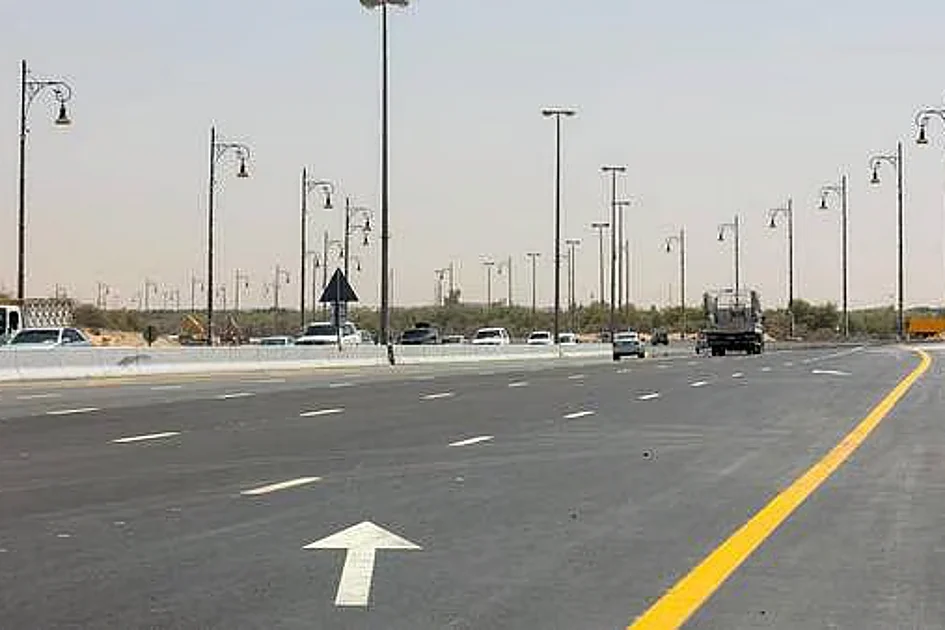
    The first project involves a comprehensive upgrade of a five-kilometer segment of Sharjah Ring Road near the Etihad Rail station, allocated Dh90 million. This development will substantially enhance capacity along this crucial transportation artery. Concurrently, the University City Bridge will undergo significant expansion to incorporate four lanes—two in each direction—improving connectivity to Rakan Bridge.

    The second development features the construction of a new Dh60 million bridge adjacent to the Martyrs’ Monument. This architectural project will serve dual purposes: creating a modern, aesthetically pleasing landmark while establishing a direct route for vehicles traveling between Mleiha Road and Mohamed bin Zayed Road. The bridge will additionally accommodate traffic flow from Sheikh Khalifa Street toward Maliha Road.

    According to the Sharjah Media Bureau, these projects represent strategic investments in urban infrastructure designed to enhance traffic safety, reduce congestion, and significantly decrease travel times across various regions. The modern design approach for the new bridge particularly emphasizes both functionality and visual enhancement of the surrounding area.

  • UAE National Day: Rulers order release of over 6,500 prisoners

    UAE National Day: Rulers order release of over 6,500 prisoners

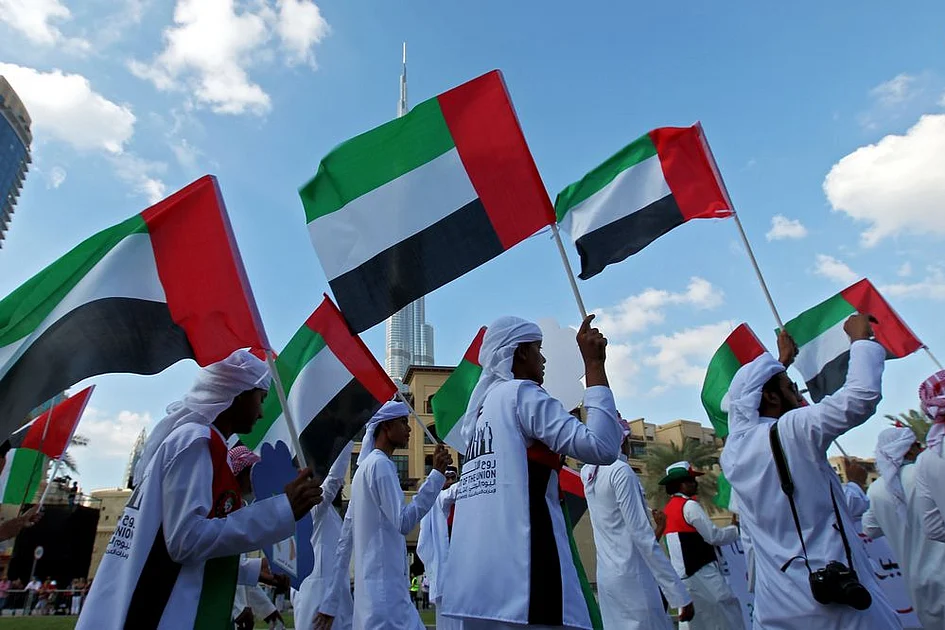
    In a sweeping humanitarian gesture marking the nation’s 54th Union Day celebrations, UAE rulers have collectively ordered the release of more than 6,500 prisoners across all seven emirates. The mass pardon initiative, a longstanding tradition during national festivities, demonstrates the leadership’s commitment to social harmony and rehabilitation.

    President Sheikh Mohamed bin Zayed Al Nahyan spearheaded the compassionate move by authorizing the release of 2,937 inmates from correctional facilities nationwide. In an extraordinary extension of clemency, the President further committed to settling all financial penalties owed by the pardoned individuals.

    Dubai’s ruler, Sheikh Mohammed bin Rashid Al Maktoum, contributed significantly to the initiative by ordering the liberation of 2,025 detainees from the emirate’s penal institutions. Simultaneously, other emirates joined the nationwide effort: Ras Al Khaimah released 854 inmates, Sharjah pardoned 366 prisoners, Ajman freed 225 individuals, and Fujairah granted clemency to 129 detainees.

    The beneficiary selection process followed stringent criteria, prioritizing inmates who had demonstrated exemplary conduct and rehabilitation progress. Eligibility requirements included serving a substantial portion of their sentence and exclusion from those convicted of severe criminal offenses. This careful vetting process ensures the initiative supports genuine rehabilitation while maintaining public safety.

    Correctional authorities across the emirates have begun coordinating the logistical implementation of the royal directives. The comprehensive pardon program aims not only to provide second chances to reformed individuals but also to reunite families and reinforce social cohesion during the national celebrations. This tradition reflects the UAE’s broader commitment to restorative justice and inclusive societal development.

  • The kidnap gangs, jihadists and separatists wreaking havoc in Nigeria

    The kidnap gangs, jihadists and separatists wreaking havoc in Nigeria

    Nigeria confronts a complex security landscape extending far beyond recent mass abductions, challenging international oversimplifications of its crises. The nation’s security apparatus—comprising 400,000 military personnel and 370,000 police officers—struggles to contain multiple overlapping threats across its vast territory, which exceeds the combined area of France and Germany.

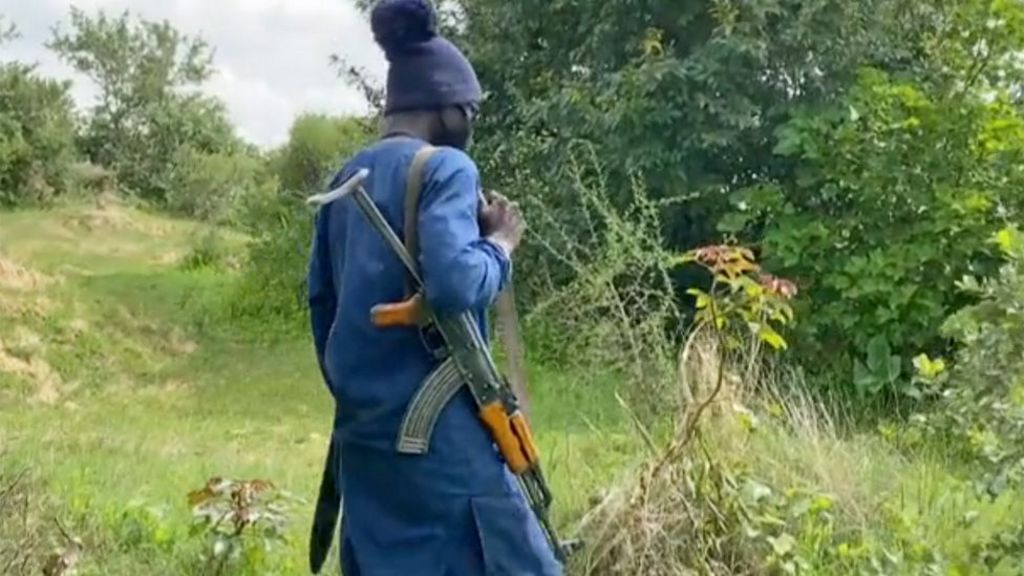
    In the northwest, criminal factions dubbed ‘bandits’ operate with sophisticated mobility. Predominantly from the Fulani ethnic group, these groups have transitioned from pastoral livelihoods to armed criminality using weapons proliferated after Libya’s 2011 collapse. Their tactics involve large-scale motorcycle deployments for rapid strikes and escapes, exemplified in recent school abductions. Though lacking centralized leadership, notable figures like Ado Aleru and Bello Turji have bounties placed against them, with the government designating these groups as terrorists in 2022.

    The northeast remains plagued by Islamist insurgencies. Boko Haram gained global notoriety through the 2014 Chibok schoolgirl abduction and maintains operations despite factionalization. Its splinter group, Islamic State West Africa Province (Iswap), emerged around 2016 rejecting excessive violence against Muslims and focusing on military targets. Both groups continue operating despite internal conflicts, with Iswap recently ambushing and killing Brig Gen Musa Uba in Borno state.

    Central regions experience persistent farmer-herder conflicts primarily over land and water resources, often mischaracterized as religious conflicts. Urbanization has disrupted traditional grazing routes, fueling cycles of retaliation that have spawned ethnic militias engaging in criminal activities.

    Southeast separatist movements continue advocating for Biafran independence, with the Indigenous People of Biafra (Ipob) and its armed Eastern Security Network implicated in violence against civilians and security forces. Recent convictions of leaders Nnamdi Kanu (life sentence for terrorism) and Simon Ekpa (Finland conviction) have not fully dismantled these networks.

    New militant groups compound these challenges. Ansaru operates around Kainji Lake National Park with Islamic State connections, while Lakurawa imposes strict Islamist controls in northwestern border regions. Most alarmingly, Jama’at Nasr al-Islam wal Muslimin (JNIM)—already dominant in Mali and Burkina Faso—may be establishing Nigerian operations with claimed attacks in Kwara state.

    The complexity of Nigeria’s security situation defies simplistic religious framing, involving criminal opportunism, ideological extremism, resource competition, and separatist ambitions across multiple regions simultaneously.

  • Stocks, bitcoin edge up as investors bank on Fed rate cuts

    Stocks, bitcoin edge up as investors bank on Fed rate cuts

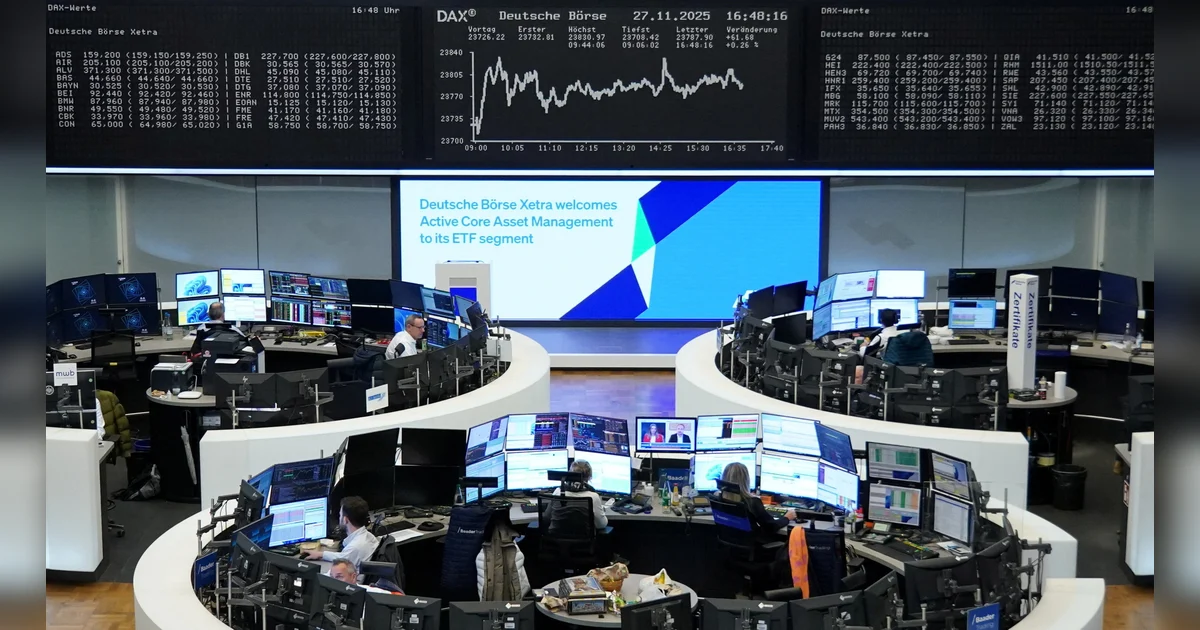
    Financial markets exhibited cautious optimism on Thursday as investor confidence in an impending Federal Reserve rate cut fueled upward momentum across European equities and digital assets. The STOXX 600 index advanced 0.2%, propelled by robust performances in defense and technology sectors that effectively counterbalanced declines in healthcare stocks.

    Market activity remained relatively subdued due to the U.S. Thanksgiving holiday closure, creating an atypical trading environment across major asset classes. The prevailing market sentiment continues to be dominated by expectations of monetary policy easing, with traders now pricing in an 85% probability of a December rate cut according to CME FedWatch data—a significant increase from just 30% the previous week.

    Currency markets displayed remarkable stability, with the dollar maintaining its position against a basket of major currencies. Sterling retreated from recent four-week highs following British Finance Minister Rachel Reeves’ budget announcement, which alleviated concerns about the nation’s long-term fiscal health. The euro held steady at $1.1593 while the pound remained unchanged at $1.324.

    The Japanese yen emerged as a particular focus for currency traders, strengthening to 156.375 per dollar from nearly 158 a week earlier. Market participants are closely monitoring potential intervention from Tokyo authorities after weeks of verbal warnings aimed at curbing the currency’s persistent decline. Prime Minister Sanae Takaichi explicitly dismissed comparisons to Britain’s ‘Truss moment’, asserting confidence in her administration’s spending plans.

    Cryptocurrency markets joined the positive trend, with Bitcoin gaining 0.7% to reach $90,800—positioning the digital asset to break a four-week losing streak with an approximately 3% weekly gain. Gold experienced minimal pressure, easing 0.1% to $4,159 per ounce.

    Market analysts attribute the sustained bullish sentiment to diminishing concerns about AI investment valuations and an overall positive earnings season. Chris Beauchamp, IG chief markets strategist, noted that while AI spending concerns remain the ‘market’s kryptonite’, the primary economic engines continue to perform satisfactorily, pushing valuation worries to the background for the immediate future.

  • ‘Chasing hype, not solutions’: Why so many startups fail

    ‘Chasing hype, not solutions’: Why so many startups fail

    At the KT+150 Summit in Abu Dhabi, prominent entrepreneur and investor Jigar Sagar delivered a critical assessment of startup failure patterns, identifying “hype chasing” as a primary culprit. Speaking to an audience of emerging innovators at the Helipad by Frozen Cherry venue, Sagar emphasized that sustainable businesses must prioritize genuine problem-solving over trend-following.

    Sagar’s keynote address, titled “From Seed to Scale,” challenged conventional startup wisdom by asserting that many ventures “are built for valuation, not for value.” He cautioned founders against developing businesses that merely start trends rather than address tangible market needs, noting that without solving real problems, companies build on “shaky ground.”

    Beyond identifying problems, Sagar provided strategic guidance for scaling successful enterprises. He stressed that organizational infrastructure must evolve alongside growth, stating plainly that “you cannot scale chaos.” The transition from ten to one hundred employees requires deliberate process implementation, he advised.

    Regarding funding, Sagar urged selective investor alignment rather than pursuing capital indiscriminately. “Don’t raise money just to raise money,” he counseled. “Raise with purpose. Build with purpose. And scale with purpose.” This approach ensures mission continuity between founders and their financial partners.

    The summit, featuring the KT+150 list of promising innovators, facilitated discussions on developing the UAE’s next generation of unicorn companies—those that create substantial value through addressing genuine market needs rather than pursuing transient trends.

  • Property Data via DIFC collaboration: The real-time signals Dubai landlords and tenants act on

    Property Data via DIFC collaboration: The real-time signals Dubai landlords and tenants act on

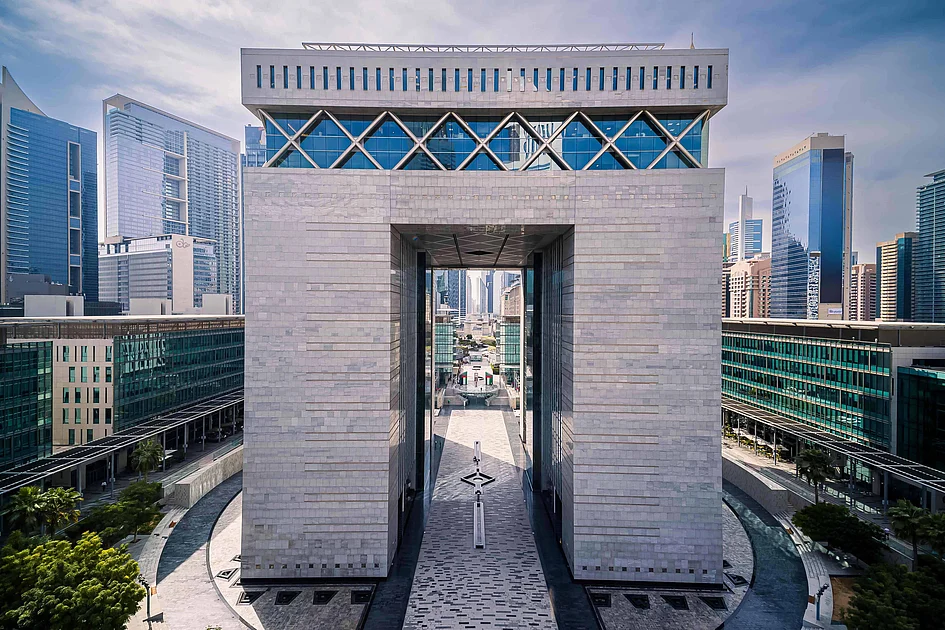
    Dubai’s notoriously fast-paced rental market, where properties can be viewed, decided upon, and leased within a single week, has long been hampered by a significant obstacle: information fog. Critical decisions on pricing, yields, and fair market value were often based on speculation rather than concrete data. A groundbreaking data collaboration anchored through the Dubai International Financial Centre (DIFC) is now cutting through this uncertainty, delivering verified, privacy-safe rental signals in real-time to all market participants.

  • Middle East life sciences M&A set to accelerate amid Gulf innovation push

    Middle East life sciences M&A set to accelerate amid Gulf innovation push

    The Middle Eastern life sciences sector is entering a transformative period of mergers and acquisitions, driven by ambitious national strategies and substantial government investments in biotechnology infrastructure. According to a comprehensive analysis by Grand View Research, this acceleration in deal-making activity is directly tied to the Gulf region’s strategic pivot toward advanced therapies, biologics manufacturing, and supply chain localization initiatives.

    Key national visions including Saudi Arabia’s Vision 2030 and the UAE’s Life Sciences Strategy are catalyzing this movement, positioning the region for significant consolidation ahead of the World Health Expo 2026 in Dubai. The report identifies substantial market growth projections, with the Middle Eastern healthcare Contract Development & Manufacturing Organisation (CDMO) market expected to nearly double from $6.27 billion in 2024 to approximately $11.91 billion by 2033, representing a compound annual growth rate of 7.5%.

    Dubai has emerged as a central hub in this transformation, leveraging its strategic geographic position, regulatory frameworks, and investment incentives to attract cross-border partnerships. The city’s combination of free-zone advantages, logistics infrastructure, and access to global talent positions it as an ideal coordination center for regional M&A activities.

    The analysis highlights particularly explosive growth in specialized segments, with the cell therapy raw materials market projected to expand nearly fourfold from $39.2 million to $169.8 million by 2033, achieving one of the highest global growth rates at 17.8% CAGR. While small molecules currently dominate CDMO revenues at 36%, strategic priorities are shifting toward biologics, biosimilars, and cell-based therapies.

    Swayam Dash, Managing Director of Grand View Research, emphasizes that “localization is no longer just about cost – it’s about creating a viable ecosystem for advanced therapies that can serve the region and export beyond it.” This fundamental shift is creating compelling opportunities for global players seeking access to the region’s growth while supporting Gulf governments’ capability development objectives.

    The report notes potential challenges including regulatory harmonization delays and specialized talent gaps that could impact execution timelines for major cross-border transactions. Despite these considerations, the overall trajectory indicates strong momentum toward establishing the Middle East as both a consumer and producer of advanced therapies, with M&A activity serving as the primary catalyst for this transformation.

  • FireBull AB sets global benchmark in lithium-ion fire safety amid rising battery risks

    FireBull AB sets global benchmark in lithium-ion fire safety amid rising battery risks

    In a landmark development for fire safety technology, FireBull AB has established a new global standard for combating lithium-ion battery fires as concerns mount over the risks associated with widespread battery adoption. The fluorine-free firefighting formulation, engineered by Enforcer One and distributed regionally by Frontline Innovations, has obtained certification under the stringent NTA 8133 lithium-ion battery fire standard, positioning it as the world’s sole foam agent meeting this critical benchmark.

    Independent testing has demonstrated unprecedented efficacy, with FireBull AB extinguishing hazardous battery blazes within a remarkable 16 to 20 second window while preventing reignition for periods exceeding 20 minutes. This performance breakthrough addresses critical safety gaps in electric vehicle infrastructure, battery logistics, warehousing operations, and maritime transport where conventional fire suppression methods have proven inadequate.

    John Kneller, Director at Frontline Innovations, emphasized the significance: “This certification validates that lithium-ion battery fires can now be contained swiftly, safely, and without environmental trade-offs.” The formulation is completely free of PFAS/PFOS compounds, eliminating environmental and ESG concerns associated with fluorinated chemicals while maintaining operational effectiveness at just 0.25% concentration.

    The solution offers practical advantages through compatibility with existing fire suppression infrastructure, allowing integration without costly system upgrades. For rapid response scenarios, Enforcer One’s portable Compressed Air Foam Systems including the wearable Enforcer Air 3 unit provide mobility for high-risk environments, while larger vehicle-mounted systems support dynamic operational needs.

    This technological advancement arrives amid escalating frequency and severity of lithium-ion battery incidents, with significant implications for insurance risk assessment, regulatory compliance frameworks, and corporate liability management. Safety experts caution that continued reliance on uncertified or outdated fire suppression systems may jeopardize insurance claims and expose organizations to substantial reputational damage.

    With formal approval from UAE Civil Defence already secured, Frontline Innovations has announced upcoming regional demonstrations allowing operators to witness the technology’s capabilities firsthand. As global industries accelerate electrification initiatives, FireBull AB represents a critical safeguard against one of the most persistent and dangerous hazards in the energy transition landscape.