标签: Africa

非洲

  • Daughter of Zambia’s unburied ex-president loses seat as MP

    Daughter of Zambia’s unburied ex-president loses seat as MP

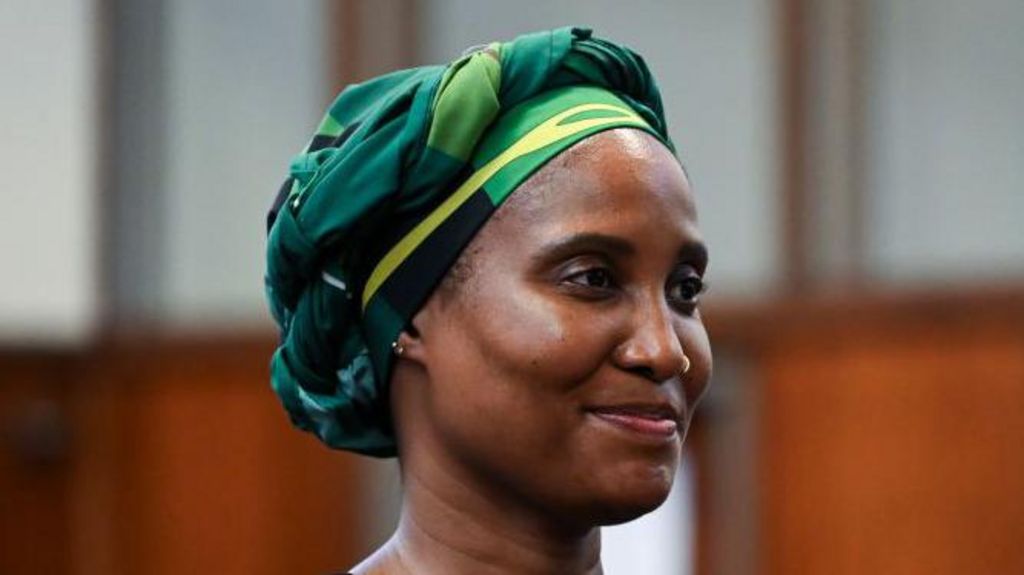
    Zambia’s parliamentary leadership has officially vacated the parliamentary seat of Tasila Lungu, daughter of late former President Edgar Lungu, following her extended absence during a period of mourning and ongoing legal battles. The decision has ignited fierce political controversy and accusations of governmental hypocrisy.

    Ms. Lungu, who represented the Chawama constituency for the opposition Patriotic Front, had been absent from legislative duties since the passing of her father in June. The situation originates from a deeply contentious dispute between the Lungu family and current President Hakainde Hichilema regarding the repatriation and burial arrangements for the former leader.

    The parliamentary process unfolded over several months despite initial accommodations. Speaker Nelly Mutti initially granted a 14-day compassionate leave period in July, with expectations that Ms. Lungu would return when parliament reconvened in September. When she failed to resume duties, further extensions were requested as the family continued legal proceedings in South African courts regarding burial arrangements.

    The parliamentary Committee on Privileges and Absences attempted to find a compromise by suggesting virtual participation until the burial matter was resolved. However, Speaker Mutti firmly rejected this proposal, asserting that physical representation remains indispensable for parliamentary responsibilities.

    The ruling United Party for National Development initiated the action against Ms. Lungu’s seat, with MP Brian Kambita questioning her eligibility due to prolonged absence. The move has drawn sharp criticism from opposition figures, including Independent MP Binwell Mpundu, who publicly denounced the government as ‘hypocrites’ for claiming solidarity with the grieving family while simultaneously pursuing legal action against them.

    In response to her removal, Ms. Lungu hinted at a potential challenge to the decision, telling constituents in a Facebook message that ‘where there is a will there is a way.’ She expressed gratitude to her local team for maintaining constituency services during her absence.

    The vacancy triggers a by-election that must be conducted within 90 days, creating an unexpected electoral contest just months before Zambia’s scheduled general election next August. The decision has divided public opinion, with some arguing for compassion during bereavement while others maintain that constituents deserve active representation.
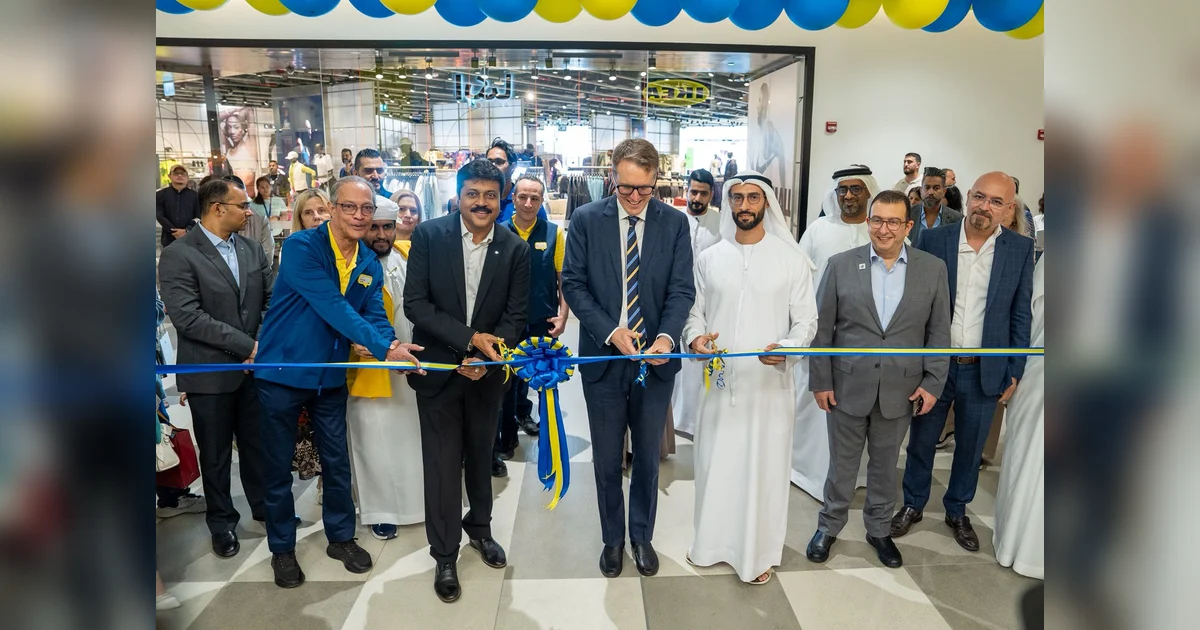

  • IKEA opens new store in Al Ain, bringing affordable and sustainable home solutions to the community

    IKEA opens new store in Al Ain, bringing affordable and sustainable home solutions to the community

    IKEA, under the operational leadership of Al-Futtaim, has inaugurated a strategically significant new retail location at JIMI Mall in Al Ain, reinforcing its expansion strategy across the United Arab Emirates. This launch represents the brand’s fourth UAE outlet, following a series of successful smaller-format stores in Fujairah, Abu Dhabi’s Al Wahta Mall, and Dalma Mall.

    The new 8,200-square-meter facility is engineered to deliver a compact, customer-centric shopping journey. It features a meticulously curated selection of over 4,300 displayed items and 3,500 products available for immediate purchase. The store’s design incorporates room settings and product displays inspired by Al Ain’s local culture and lifestyle, offering tailored home solutions that resonate with community preferences.

    A cornerstone of this launch is IKEA’s reinforced commitment to sustainability. The store has achieved Gold certification from the U.S. Green Building Council’s LEED rating system, recognizing its advanced sustainable interior design and construction. The facility operates entirely on renewable energy supplied by EWEC and incorporates numerous eco-conscious elements, including over 600 products featuring reduced pricing and more than 200 furniture items available for immediate takeaway.

    Vinod Jayan, Managing Director of IKEA UAE, Qatar, Oman, and Egypt, emphasized the strategic importance of this expansion: “Our presence in JIMI Mall represents a substantial advancement in our mission to democratize access to quality, sustainable home furnishings across the UAE. We’re dedicated to enhancing customer experiences while delivering affordable solutions that improve daily living conditions.”

    Beyond retail offerings, the location features comprehensive dining facilities including an IKEA Restaurant and Bistro with seating for over 100 guests, alongside a Swedish Food Market. These culinary offerings emphasize sustainable choices, featuring plant-based meals, ASC-certified salmon, and UTZ-certified coffee.

    The store exemplifies IKEA’s commitment to workplace diversity, maintaining nearly equal gender representation among employees. Additional services include interior design consultation, product assembly, delivery solutions, kitchen services, and dedicated parking for Click and Collect customers.

    This establishment strengthens IKEA’s position as a provider of functional, affordable, and modern home furnishing solutions while advancing the company’s sustainability objectives within the UAE market.

  • Inside school safeguarding: What parents need to know about anti-bullying measures in the UAE

    Inside school safeguarding: What parents need to know about anti-bullying measures in the UAE

    Educational institutions across the United Arab Emirates are deploying sophisticated safeguarding systems that transcend regulatory compliance to address parental concerns about bullying through proactive identification and restorative support mechanisms. While federal legislation mandates strict anti-bullying measures, schools are emphasizing cultural transformation over mere punitive approaches.

    Underpinned by UAE Federal Law No. 3 of 2016 (Wadeema’s Law), which mandates child protection from all forms of abuse, schools face severe penalties including fines up to Dh1 million or closure for non-compliance. However, education leaders indicate the real innovation lies in developing comprehensive prevention frameworks rather than merely enforcing zero-tolerance policies.

    Modern safeguarding infrastructure includes multi-tiered reporting channels featuring anonymous options, peer mentoring initiatives, and annual policy reviews aligned with both national and international standards. Central Safeguarding Teams and Child Protection Units ensure no concern goes unaddressed, creating systematic oversight from classroom to administration.

    Melissa Claridge, Assistant Head for Pastoral at Jumeira Baccalaureate School, explains: “Daily interactions form our first defense line. Homeroom teachers conducting weekly Personal Development lessons are strategically positioned to detect subtle behavioral changes. A simple ‘how are you?’ frequently reveals critical insights that documented monitoring then tracks for patterns.”

    The educational component teaches students to distinguish between harmless teasing and genuinely harmful behavior while empowering them to advocate for themselves and peers. While proven intentional bullying can result in suspension or expulsion, the primary focus remains relationship repair and accountability development.

    At Greenfield International School, Deputy Head Niall Crowley describes their well-being monitoring system: “Even minor behavioral shifts trigger informal teacher check-ins inside and outside classrooms. Emerging patterns prompt parental collaboration, forming a supportive team around the child. We investigate root causes through conversation, guided-play activities, or reflection exercises.”

    The school employs restorative justice principles where students acknowledge responsibility for actions, with parents notified throughout the process. Preventive initiatives like Anti-Bullying Week and well-being curricula across all grades complement these measures.

    GEMS Education’s Head of Safeguarding Claire Scowen emphasizes partnership with families: “We approach parental concerns without judgment, recognizing that behavior constitutes communication. Our focus remains understanding, education, and positive behavioral change rather than punishment.”

    The comprehensive support ecosystem includes pastoral care, counseling services, and structured well-being programs that prioritize student voice in resolution processes. Regular updates to families maintain transparency and collaborative engagement.

    Antony Koshy, Principal of Woodlem Park School in Qusais, summarizes the institutional philosophy: “Any behavioral alteration activates safeguarding protocols under our Student Safety & Protection Policy. We balance accountability with counseling and restorative support, ensuring every child—whether affected by or contributing to concerns—receives necessary guidance to feel secure within our educational community.”

  • Dubai to welcome Kerala’s grandest festival spirit with MMDE Thrissur Pooram 2025

    Dubai to welcome Kerala’s grandest festival spirit with MMDE Thrissur Pooram 2025

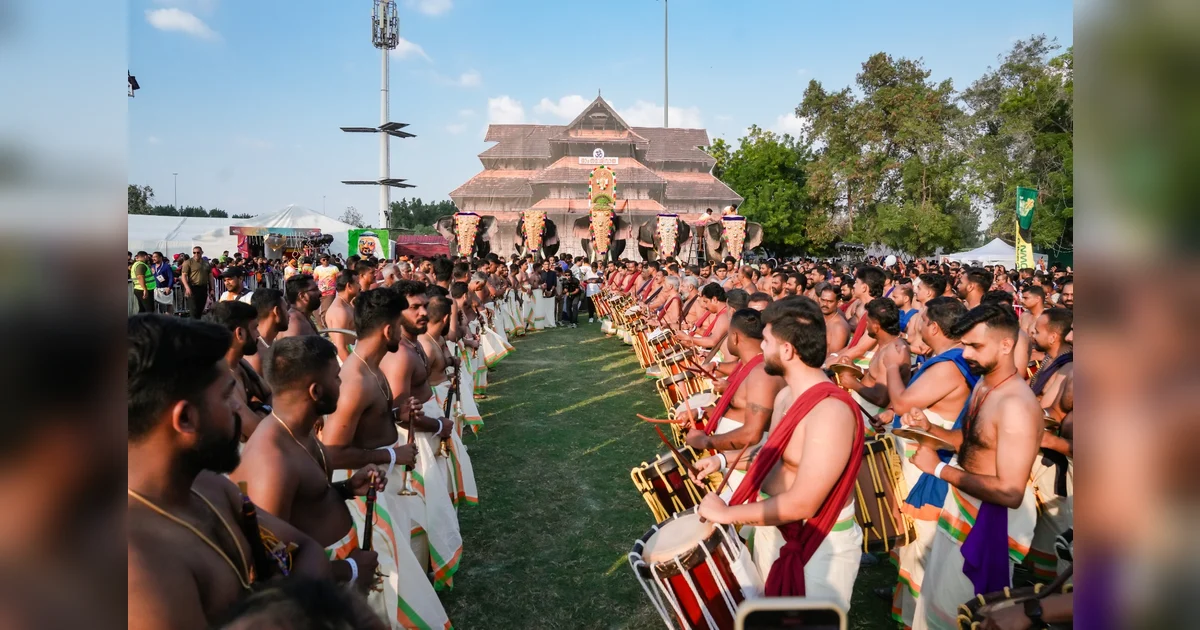
    Dubai is set to transform into a vibrant hub of Kerala’s cultural heritage as it hosts the sixth edition of MMDE Thrissur Pooram on December 1-2, 2025. The prestigious event, taking place at Etisalat Academy, represents the United Arab Emirates’ most authentic recreation of Kerala’s iconic temple festival, promising an immersive experience of traditional arts, rhythmic performances, and communal celebration.

    This year’s festival gains exceptional significance with the participation of Padma Shri awardee Jayaram as chief guest, whose profound connection to Kerala’s artistic traditions resonates deeply with the Malayalee diaspora. The event will also feature legendary percussionist Padma Shri Mattannur Sankarankutty Marar and Ilanjithara Melam virtuoso Kizhakkoott Aniyan Marar, creating an unprecedented gathering of Kerala’s cultural luminaries outside their homeland.

    The festival’s core revolves around eight traditional Ghataka Poorams represented by prominent Malayalee associations including Manaloor Desam, Anthikkadans, Abu Dhabi Malayali Samajam, and others. These groups collaboratively recreate the authentic Pooram experience, strengthening cultural ties within expatriate communities while maintaining connections to their ancestral roots.

    Visual spectacles include the magnificent Anachamayam procession featuring elaborately decorated elephant replicas, ornamental umbrellas, and ceremonial regalia that capture the essence of Thrissur’s temple grounds. The two-day program offers free entry on the first day, showcasing traditional Panchari Melam performances led by Paramekkavu Abhishek, recognized as Pooram’s youngest ‘Melapramani’.

    The second day culminates in a historic convergence of artistic masters presenting Ilanjithara Melam, Panchavadyam, Nadaswaram, and other traditional performances. Innovative elements include robotic elephants and a custom-built 40-foot Poorappandal structure, blending contemporary technology with ancient traditions.

    Organized by MMDE Thrissur UAE Official and co-produced by Equity Plus Advertising with support from HIT 96.7 FM and presenting sponsor 10X Properties, the event demonstrates how cultural heritage and community partnership can transform Dubai into a global stage for preserving and celebrating Kerala’s richest artistic traditions.

  • Tunisia hands prison terms to dozens of opposition figures

    Tunisia hands prison terms to dozens of opposition figures

    A Tunisian appeals court has delivered severe prison sentences ranging from four to forty-five years to dozens of opposition leaders, lawyers, and business figures accused of conspiring to overthrow President Kais Saied. The verdicts finalize what human rights organizations have condemned as a politically motivated judicial process targeting dissenters.

    Among the most prominent defendants, opposition leader Jawahar Ben Mbarek received a twenty-year prison term alongside party leaders Issam Chebbi and Ghazi Chaouachi. All three have remained in detention since their arrest during the government’s 2023 crackdown on opposition voices. Businessman Kamel Ltaif received the maximum sentence of forty-five years, while opposition politician Khyam Turki was sentenced to thirty-five years.

    The trial proceedings have drawn international criticism, with Amnesty International’s deputy regional director Sara Hashash describing the sentences as “unjust” and “an appalling indictment of the Tunisian justice system.” Defense lawyers characterized the trial as a judicial “farce” designed to eliminate political opposition.

    Notably, twenty defendants who had fled abroad were sentenced in absentia, including prominent politician and feminist Bochra Belhaj Hmida and French philosopher Bernard-Henri Lévy. The appeals court unexpectedly acquitted three defendants while increasing sentences for others.

    The case has unfolded against a backdrop of democratic backsliding in Tunisia since President Saied suspended parliament in 2021 and began ruling by decree. Tunisian authorities maintain the defendants, including former intelligence chief Kamel Guizani, genuinely attempted to destabilize the nation and topple the government.

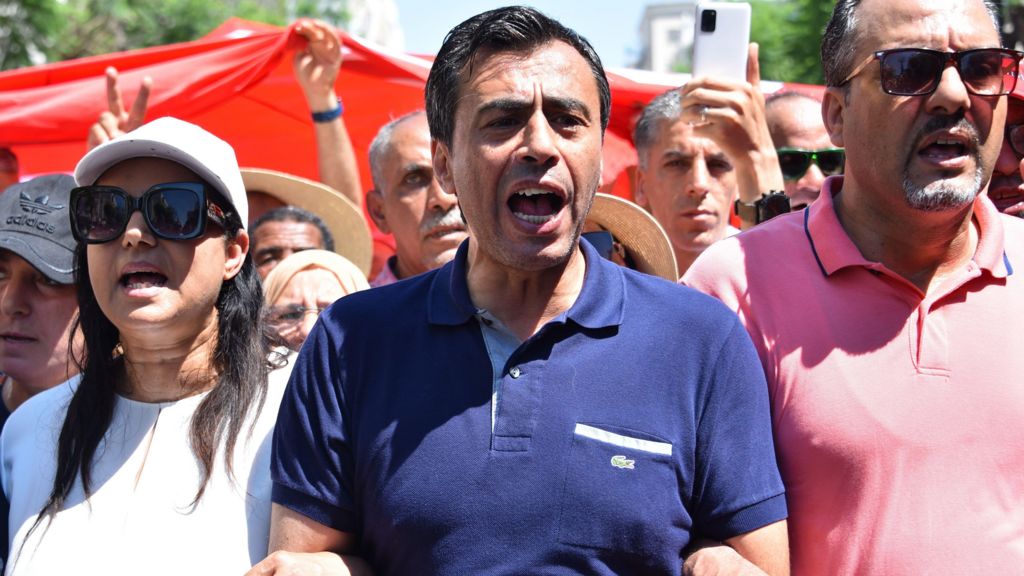
    The sentencing has sparked renewed protests, with thousands marching through Tunis on Saturday accusing Saied of establishing one-man rule through judicial and police powers. The UN High Commissioner for Human Rights had previously expressed serious concerns about political motivations behind the trial, urging Tunisia to refrain from using counter-terrorism legislation to silence dissent.

  • Guinea-Bissau coup: General sworn in as leader after president ousted

    Guinea-Bissau coup: General sworn in as leader after president ousted

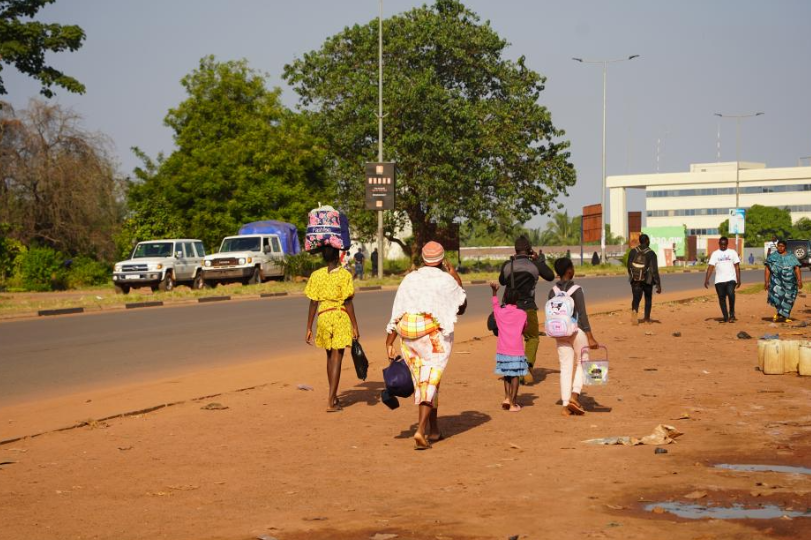
    In a dramatic escalation of political tensions, Guinea-Bissau’s military has orchestrated a governmental takeover, installing General Horta Nta Na Man as transitional leader. The power shift occurred just one day before anticipated election results were to be announced in the fiercely contested presidential race between incumbent Umaro Sissoco Embalo and challenger Fernando Dias.

    The self-proclaimed ‘High Military Command for the Restoration of Order’ declared their assumption of control through televised statements on Wednesday, marking the latest episode in the nation’s long history of political instability. Witnesses reported sustained gunfire near governmental buildings in the capital Bissau preceding the coup announcement.

    President Embalo, who claims to have survived three previous coup attempts during his tenure, reportedly contacted French media to confirm his deposition while his whereabouts remained unknown. The military leadership has not clarified whether Embalo has been taken into custody.

    International response emerged swiftly with African Union Chairperson Mahmoud Ali Youssouf condemning the unconstitutional power grab and demanding immediate release of detained officials. The Economic Community of West African States (ECOWAS) similarly expressed deep concern over reported arrests of electoral personnel and government figures.

    The political crisis unfolds against Guinea-Bissau’s notorious reputation as a narcotics trafficking hub, with cocaine smuggling flourishing under Embalo’s administration. The nation has experienced nine successful or attempted coups since gaining independence from Portugal in 1974.

    Challenger Fernando Dias had previously accused Embalo of fabricating crisis scenarios to derail electoral processes, while campaigning on promises to curtail military intervention in politics. The current situation leaves election observers from international organizations unaccounted for, including former Nigerian President Goodluck Jonathan who was monitoring the vote.

  • South African ex-leader’s daughter quits Parliament over Russian mercenary allegations

    South African ex-leader’s daughter quits Parliament over Russian mercenary allegations

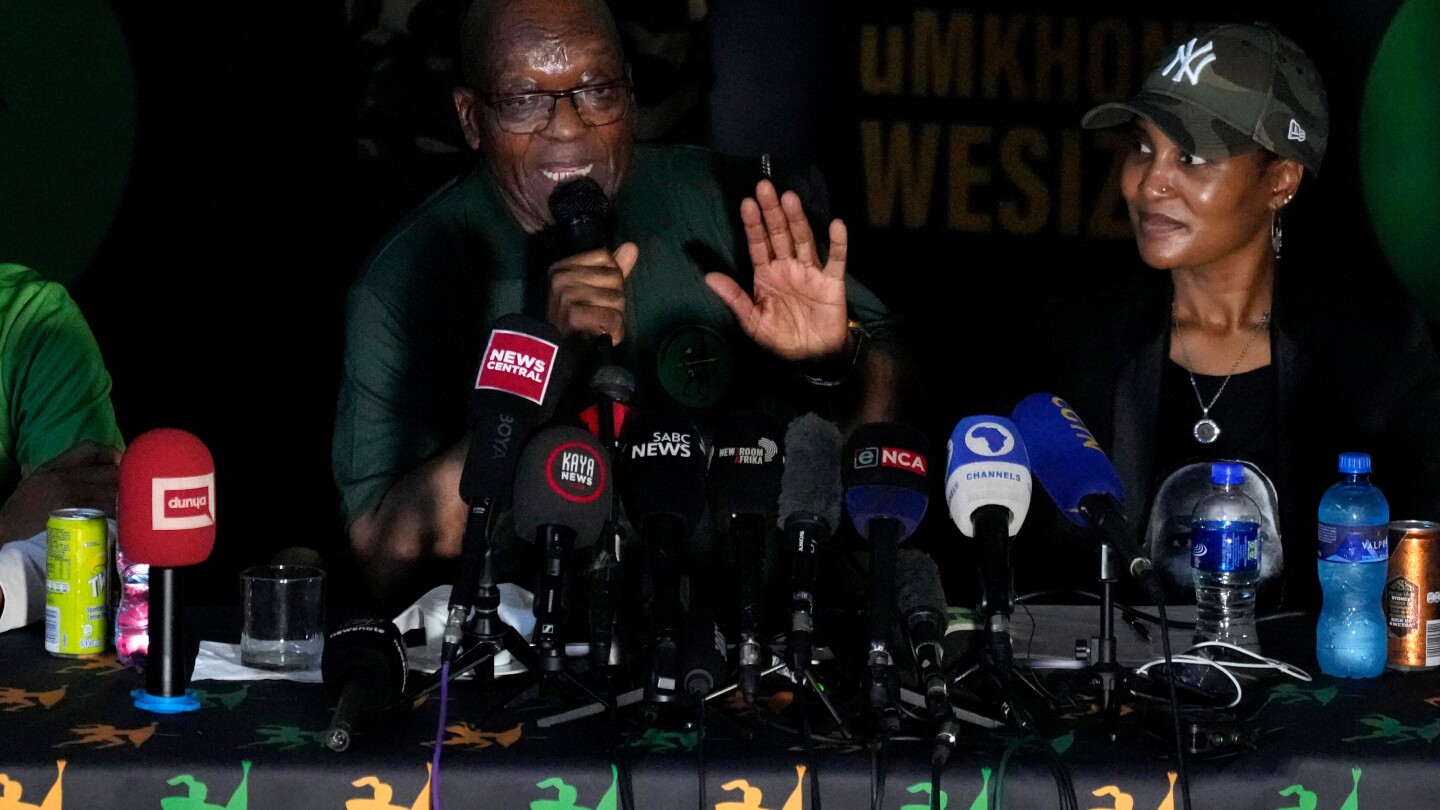
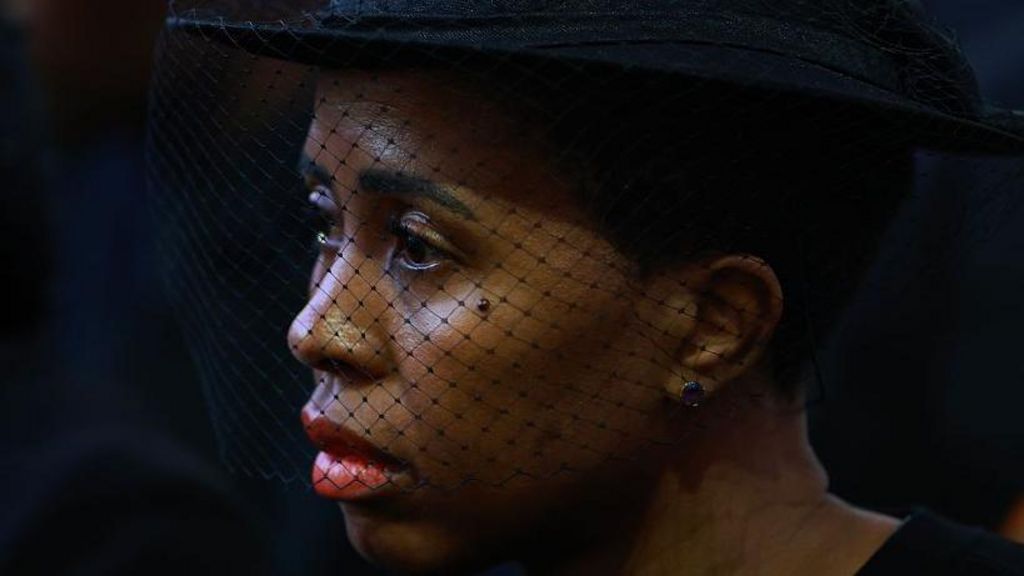
    In a significant political development, Duduzile Zuma-Sambudla, daughter of former South African President Jacob Zuma, has stepped down from her parliamentary position following allegations of involvement in recruiting citizens for Russian military operations in Ukraine. The resignation was confirmed by her political party, the MK Party, during a Friday press briefing.

    National Chairman Nkosinathi Nhleko announced the departure while acknowledging the “sensitivity” of the situation, though he provided limited details about the circumstances surrounding her resignation. The move comes as South African authorities investigate claims that Zuma-Sambudla participated in deceiving 17 South African men into traveling to Russia under false pretenses of security training opportunities, only to find themselves coerced into frontline combat roles in Ukraine’s Donbas region.

    According to official statements, the affected individuals—ranging from 20 to 39 years old—had initially believed they were accepting legitimate employment contracts. Distress communications from the group prompted intervention from South Africa’s foreign ministry and police agencies, who are now collaborating with international law enforcement to facilitate their repatriation.

    Notably, court documents submitted by Zuma-Sambudla’s half-sister, Nkosazana Bonganini Zuma-Mncube, allege that eight of the recruited men are extended family members. The affidavit further claims the South Africans were transferred to a Russian mercenary organization upon arrival.

    The MK Party leadership has explicitly denied institutional involvement in the recruitment operation while pledging support for the families seeking the safe return of their relatives. This controversy emerges alongside Zuma-Sambudla’s ongoing trial concerning unrelated charges of inciting violence during the 2021 anti-government protests, to which she has pleaded not guilty.

  • Horta Inta-A sworn in as transitional president of Guinea-Bissau

    Horta Inta-A sworn in as transitional president of Guinea-Bissau

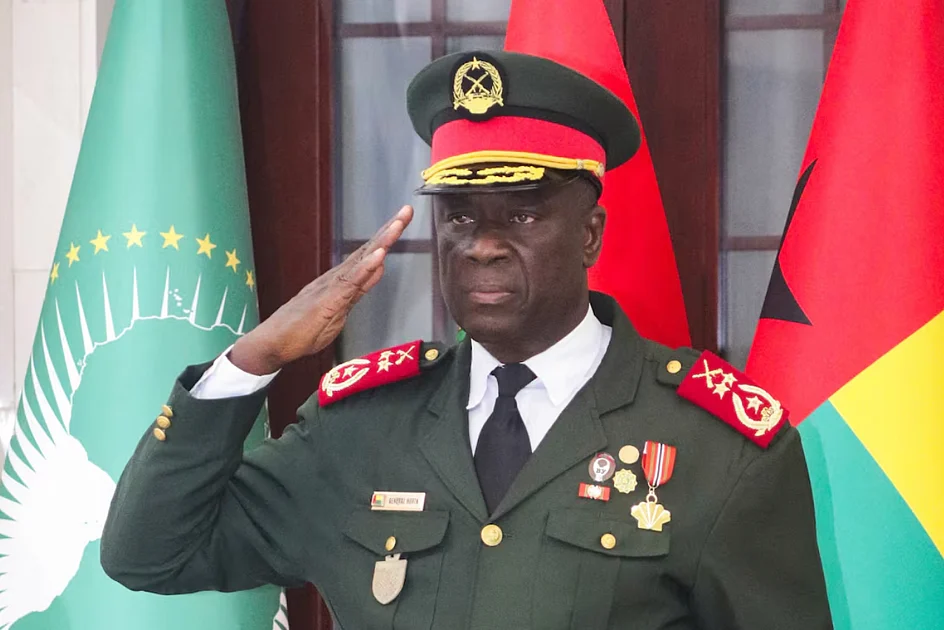
    In a significant political development, senior military officer Horta Inta-A assumed the role of transitional president of Guinea-Bissau on Thursday, November 27, 2025, following the armed forces’ declaration of complete state control. The swearing-in ceremony, broadcast live on national radio, marks a pivotal moment for the West African nation.

    Inta-A, previously serving as chief of staff of the Guinea-Bissau army and later as special chief of staff to the president since 2023, pledged to address the country’s persistent challenges during his one-year transitional term. In his inaugural address, he emphasized that the military’s intervention was necessary to ‘prevent the disintegration of the state’ amid escalating political instability.

    The newly installed leader outlined his administration’s priorities, committing to combat widespread corruption and drug trafficking—two critical issues that have historically undermined national stability and governance. Inta-A extended an appeal for cooperation to all citizens and political factions, urging collective efforts to ensure an orderly transition process.

    This political shift occurred just one day after the armed forces announced their complete takeover of state power through a national television broadcast. Military authorities justified their actions as a necessary response to alleged attempts by certain political figures to destabilize the country, though specific details about these alleged destabilization efforts were not provided.

    The international community continues to monitor the situation closely as Guinea-Bissau, with its history of political volatility and military interventions, enters this period of transitional governance under military leadership.

  • ‘Scared and desperate’ – the South Africans who claim they were duped by Zuma’s daughter to fight for Russia

    ‘Scared and desperate’ – the South Africans who claim they were duped by Zuma’s daughter to fight for Russia

    A disturbing case of international deception has emerged as South African citizens find themselves trapped in Ukraine’s war-torn Donbas region after being allegedly recruited under false pretenses. Multiple sources confirm that approximately two dozen men were lured to Russia with promises of security training programs, only to be forced into combat operations alongside Russian forces.

    The recruitment scheme allegedly involves high-profile political figures, including Duduzile Zuma-Sambudla, daughter of former South African President Jacob Zuma and current MP for the uMkhonto weSizwe (MK) opposition party. While Zuma-Sambudla denies intentional wrongdoing, claiming she herself was deceived, victims’ families provide chilling accounts of their relatives’ ordeal.

    One identified only as ‘Sipho’ for safety reasons described through voice messages how recruits were presented with contracts in Russian they couldn’t understand, then transported to frontlines within Ukraine. His brother Xolani, campaigning for his return in South Africa, reveals the group initially believed they were signing up for legitimate bodyguard training for the MK party.

    The situation has triggered formal investigations by South Africa’s elite Hawks police unit, examining potential charges including human trafficking, illegal recruitment, and fraud. The case has further complicated diplomatic relations, with the South African government acknowledging distress calls from 17 confirmed citizens in Donbas but remaining largely silent on rescue efforts.

    Family members report the recruits face extreme danger, with one reportedly wounded by shrapnel and others describing regular drone attacks. The victims consistently express desperation to return home, with Sipho noting in audio recordings: ‘Things you see in the movies, we’re seeing it live.’

    The scandal has exposed internal divisions within the Zuma family, with half-sister Nkosazana Zuma-Mncube filing police reports alleging her relative knowingly deceived recruits. The MK party has scheduled a press conference to address what it terms the ‘Russia-Ukraine matter,’ while international attention grows regarding mercenary recruitment practices in conflict zones.

  • Kenyan court declares law banning seed sharing unconstitutional

    Kenyan court declares law banning seed sharing unconstitutional

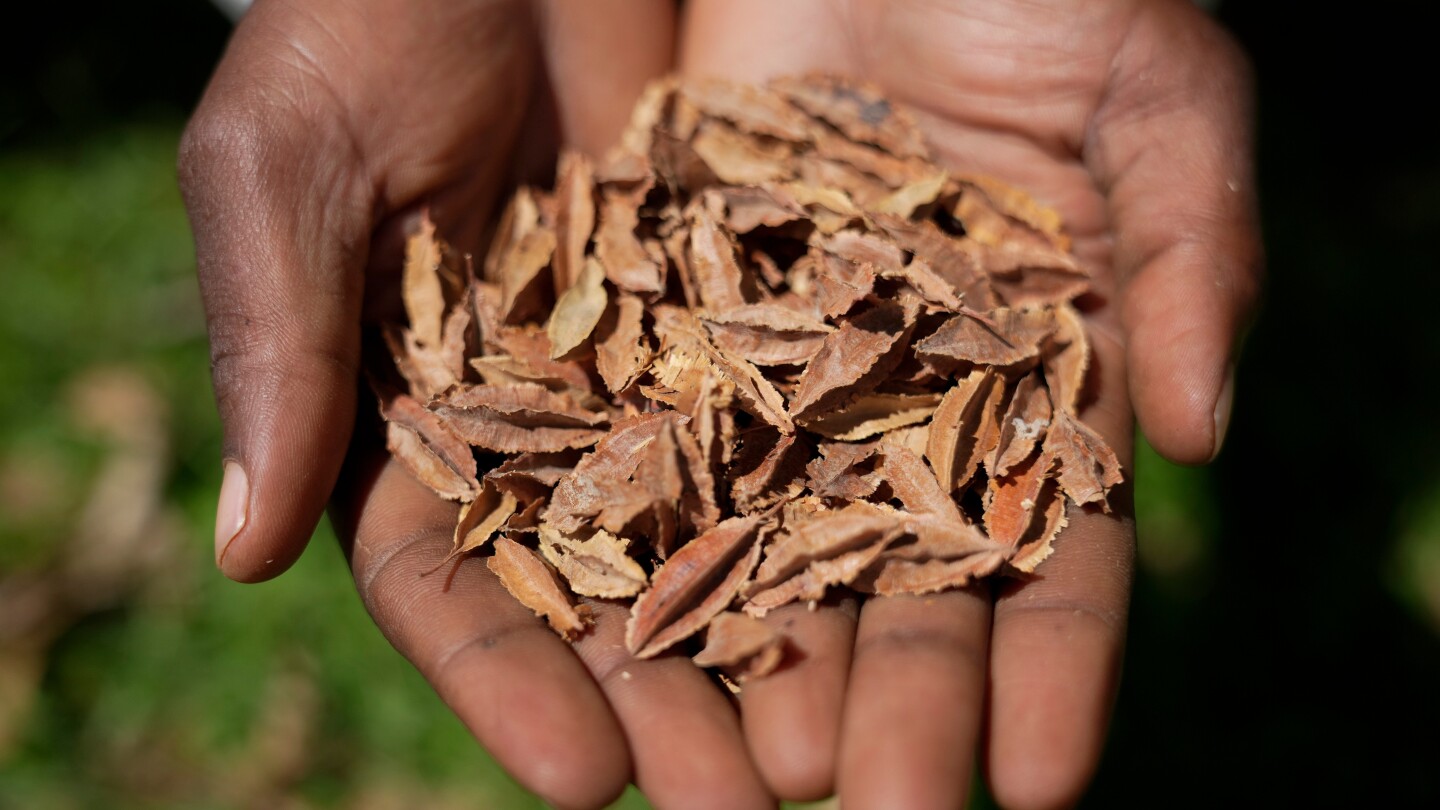
    In a groundbreaking judicial decision, Kenya’s High Court has struck down controversial provisions of the nation’s seed legislation that criminalized traditional farming practices. The ruling, delivered Thursday in Kisumu, nullifies sections of the 2012 seed law that imposed severe penalties—including two-year imprisonment and fines equivalent to $7,700—on farmers for sharing indigenous seeds through community seed banks.

    Presiding Justice Rhoda Rutto declared unconstitutional the statutory clauses that granted government authorities power to conduct raids on seed banks and confiscate seeds. The original legislation was enacted to combat the proliferation of counterfeit seeds that had caused significant agricultural losses, granting exclusive seed trading rights to licensed corporations.

    The case was brought before the court by fifteen smallholder farmers representing community seed banks that have preserved and distributed traditional seeds for generations. Plaintiff Samuel Wathome expressed profound relief, stating: “My grandmother saved seeds, and today the court has said I can do the same for my grandchildren without fear of the police or of prison.”

    Environmental and food security advocates hailed the decision as transformative. Elizabeth Atieno of Greenpeace Africa celebrated the outcome as “a victory for our culture, our resilience, and our future,” emphasizing that the ruling challenges corporate dominance over food systems while legitimizing climate-resilient agricultural practices.

    The court’s recognition of indigenous seeds—known for their drought resistance and adaptability to local conditions—marks a significant advancement for food security advocates who have long promoted farmer-government collaboration in seed preservation. While Kenya maintains a national seed bank near Nairobi, community-based seed preservation remains crucial for both variety accessibility and geographical convenience for farmers.

    This decision emerges against the backdrop of ongoing challenges in Kenya’s agricultural sector, where counterfeit seeds have resulted in massive financial losses for farmers dependent on rain-fed agriculture.