标签: Africa

非洲

  • UAE official calls for investing in water amid $7-trillion financing gap

    UAE official calls for investing in water amid $7-trillion financing gap

    A senior UAE official has issued a compelling call for increased private investment in global water infrastructure, highlighting a critical $7 trillion financing gap that threatens water security worldwide. Abdulla Balalaa, Assistant Minister for Energy and Sustainability at the UAE Ministry of Foreign Affairs, addressed the pressing issue during the World Governments Summit, emphasizing that international financial institutions have consistently overlooked water as a profitable investment opportunity.

    Balalaa presented a stark reality: while water represents an essential lifeline and reliable investment vehicle, more than 90% of current funding originates from public sources. This creates an unsustainable model for addressing the world’s growing water infrastructure needs. According to a December 2025 World Economic Forum report, this massive financing shortfall could leave billions vulnerable to outdated water systems by 2040.

    The UAE official positioned this challenge as a significant opportunity for sovereign wealth funds and private investors. He highlighted the UAE’s business-friendly policies, transparent regulatory processes, and expanding market as ideal conditions for water sector investments. Balalaa made these remarks during a panel discussion previewing the upcoming UN Water Conference, which the UAE will co-host with Senegal in Abu Dhabi from December 2-4, 2026.

    This third edition of the UN Water Conference will address Sustainable Development Goals related to water security, climate challenges, and infrastructure development. The UAE’s active role in hosting this international gathering underscores its strategic pivot toward positioning water security as both an economic opportunity and global priority, particularly for nations facing water scarcity challenges.

  • WHO announces restart of preventive cholera vaccinations after nearly 4-year halt

    WHO announces restart of preventive cholera vaccinations after nearly 4-year halt

    CAPE TOWN — The World Health Organization announced Wednesday the resumption of preventive cholera vaccination initiatives worldwide, marking a pivotal shift from reactive outbreak response to proactive immunization strategies. This development follows the resolution of a severe vaccine shortage that had paralyzed global prevention efforts for nearly four years.

    In a coordinated declaration, WHO alongside GAVI vaccine alliance and UNICEF revealed that the oral cholera vaccine stockpile has rebounded to approximately 70 million doses—a dramatic recovery from the critically low 35 million doses available during the 2022 shortage crisis. The improved supply enables the first preventive allocation of 20 million doses, with Mozambique receiving 3.6 million doses, Congo obtaining 6.1 million, and Bangladesh scheduled for 10.3 million doses.

    WHO Director-General Tedros Adhanom Ghebreyesus emphasized the strategic importance: “Global vaccine shortages previously confined us to merely reacting to cholera outbreaks. We now possess the capacity to break this cycle through preventive vaccination campaigns.”

    The resurgence of cholera—a waterborne diarrheal disease—has been exacerbated by intersecting crises of poverty, conflict, and climate change. Recent devastating floods in Mozambique affecting 700,000 people exemplify how climate-related disasters amplify cholera risks by compromising water sanitation infrastructure and facilitating bacterial spread.

    During the shortage, WHO implemented a single-dose vaccination protocol as an emergency measure. The organization now maintains this single-dose approach as standard practice, while considering two-dose campaigns based on specific epidemiological circumstances.

    Surveillance data reveals concerning trends: 2023 recorded over 600,000 cholera cases and approximately 7,600 fatalities worldwide. While case numbers showed a decline in 2025 after consecutive annual increases since 2021, cholera-related mortality rates continue to climb, underscoring the critical need for sustained preventive measures.

  • Gunmen reportedly kill dozens in Nigeria as US military deployment confirmed

    Gunmen reportedly kill dozens in Nigeria as US military deployment confirmed

    In a devastating escalation of violence, unidentified gunmen have launched a brutal assault on the neighboring villages of Nuku and Woro in Nigeria’s western Kwara State, resulting in significant casualties and widespread destruction. Local authorities report that attackers systematically torched homes, commercial establishments, and even the residence of the traditional leader, forcing mass displacement of residents.

    The precise death toll remains contested amid ongoing recovery operations. While local legislator Saidu Baba Ahmed confirmed at least 30 fatalities, Red Cross official Babaomo Ayodeji provided AFP with a substantially higher figure of 162 casualties, noting that search efforts for additional victims continue. The whereabouts of the community’s traditional monarch remain unknown following the Tuesday evening attack that commenced at approximately 17:30 local time.

    Kwara police spokesperson Adetoun Ejire-Adeyemi attributed the assault to suspected bandits—criminal elements notorious for looting and kidnappings for ransom—marking concerning geographical expansion of their operations from traditional northwest strongholds into central regions.

    This tragedy coincides with Nigeria’s defense ministry confirming the presence of American military personnel within the country—the first official acknowledgment since former President Donald Trump’s November directive to prepare for operations against Islamist militants. Defense Minister Christopher Musa clarified that the limited US contingent focuses on intelligence support and training, though specifics regarding deployment size, timing, location, and duration remain undisclosed.

    The development follows statements by US Africa Command’s General Dagvin Anderson, who characterized the deployment as response to Nigerian requests for specialized capabilities. ‘Our partnership with Nigeria exemplifies collaboration with a willing and capable partner seeking unique US capabilities,’ Anderson noted Tuesday.

    Kwara State Governor AbdulRahman AbdulRazaq interpreted the violence as retaliatory action for recent counter-terrorism successes, with his office stating the attack aimed to ‘distract security forces who have successfully neutralized several terrorist and kidnapping gangs.’

    Simultaneously, northeastern Borno State experienced parallel violence as suspected Boko Haram militants killed 17 individuals in coordinated attacks. Security analysts note concerning convergence between criminal banditry and ideological extremism, with some jihadists—potentially Boko Haram splinter factions—conducting targeted killings while utilizing motorcycle mobility to attack markets and community protection groups.

    US-Nigerian security cooperation has intensified significantly following Christmas Day airstrikes against Islamist militant camps in northwestern Nigeria—operations approved by President Bola Tinubu and involving Nigerian forces. The White House had previously pressured Nigeria to enhance security protections for Christian communities amid Trump’s controversial ‘Christian genocide’ allegations, which the Nigerian government vehemently rejected citing equal victimization across religious demographics.

    Recent weeks have witnessed intensified military operations against armed groups, including Sunday’s announcement of a senior Boko Haram commander and ten militants neutralized in Borno state. The US delivered critical security equipment to Nigerian forces last month, though military officials clarified these were previously purchased assets for counter-insurgency campaigns.

  • Maradiva: Redefining Mauritian luxury through space, privacy and human connection

    Maradiva: Redefining Mauritian luxury through space, privacy and human connection

    Nestled along the sun-kissed western coastline of Mauritius, where Tamarin Bay’s azure waters meet dramatic mountain vistas, Maradiva Villas Resort & Spa has emerged as a paradigm of refined luxury hospitality. Together with its sister property, Sands Suites Resort & Spa, this family-owned group has redefined premium tourism through a distinctive philosophy centered on space, privacy, and genuine human connections.

    The hospitality group traces its origins to the unwavering vision of late founder Sir Kailash Ramdanee, who defied conventional industry wisdom by launching directly into the luxury segment. His son and current CEO Sanjiv Kailash Ramdanee recounts how this bold approach materialized with the 2001 debut of Sands Suites, an all-suite establishment that quickly achieved approximately 90% annual occupancy through its exceptional service standards and prime beachfront location.

    Maradiva, established in 2004 and rebranded in 2009, represents an even more exclusive offering with its nomenclature blending Latin and Greek to signify ‘divine sea.’ The property features merely 64 private pool villas along a pristine kilometer-long beach, with entry-level accommodations spanning 165 square meters – the most spacious in their category across Mauritius. Each villa includes a heated private pool and approximately 16 meters of exclusive beach frontage, creating an atmosphere of absolute seclusion particularly appealing to discerning travelers from Gulf regions.

    The group has strategically positioned Mauritius as a premium Indian Ocean destination through high-profile international appearances at events including the Golden Globes, Royal Ascot, Cannes Film Festival, and elite polo tournaments. Domestically, the resorts support cultural initiatives like the Mauritius Classic Car Tour and host an Artist-in-Residence program that invites international creatives to draw inspiration from the island’s natural beauty.

    Personalization forms the cornerstone of the guest experience, facilitated by Clefs d’Or concierges who craft bespoke itineraries reflecting individual preferences. As an independently operated Mauritian enterprise, the group celebrates the island’s multicultural identity through intimate celebrations of Holi, Diwali, Eid, and Chinese New Year festivals.

    Wellness offerings adopt an equally personalized approach, featuring an on-site Ayurvedic doctor who provides tailored guidance without restrictive regimens. The 1,250-square-meter spa complex, combined with the resort’s expansive layout and tranquil atmosphere, creates an environment where wellbeing develops organically. The management emphasizes transformative human connections, citing examples where personalized natural treatments have produced remarkable guest recoveries.

    Service excellence stems from an internal culture that prioritizes continuous international training and firsthand exposure to global hospitality standards. The CEO’s office is strategically situated near staff areas to reinforce familial ethos, while team members receive opportunities to experience world-class service abroad, returning with inspiration that permeates the entire organization.

    Environmental sustainability receives serious commitment, with only one-third of Maradiva’s 27-acre estate developed and lush gardens featuring endemic plants that support local biodiversity. The resort has eliminated single-use plastics, operates its own sewage treatment facility, and implements research-backed ecological solutions appropriate for island ecosystems.

    With Sands Suites scheduled for comprehensive renovation in the coming year and new branded residences in development, the group continues its evolution while maintaining its foundational principles. The essence of luxury, as defined by the management, transcends physical space and privacy to encompass meaningful human experiences that resonate long after departure, establishing Mauritius as a destination of authentic refinement and discreet five-star hospitality.

  • Sheikh Mohamed says UAE committed to greener future on National Environment Day

    Sheikh Mohamed says UAE committed to greener future on National Environment Day

    On February 4, 2026, United Arab Emirates President Sheikh Mohamed bin Zayed Al Nahyan marked National Environment Day with a powerful declaration of the nation’s ongoing commitment to environmental stewardship. In his official address, the President emphasized the collective responsibility to advance sustainability initiatives and safeguard natural resources for future generations.

    The presidential message highlighted the UAE’s strategic approach to community empowerment, recognizing the critical role individuals play in environmental conservation. “Throughout our nation’s development, we have valued the contribution of every citizen in protecting our ecosystems,” Sheikh Mohamed stated. “Our commitment remains firm in enabling communities to support the creation of a more sustainable and healthier global environment.

    Recent governmental reports document substantial progress across multiple environmental fronts. The UAE has achieved significant milestones in reducing carbon emissions while implementing innovative sustainable fishing practices. Among the nation’s groundbreaking initiatives is the development of the Middle East’s inaugural waste-to-green-hydrogen conversion facility, representing a pioneering approach to renewable energy production.

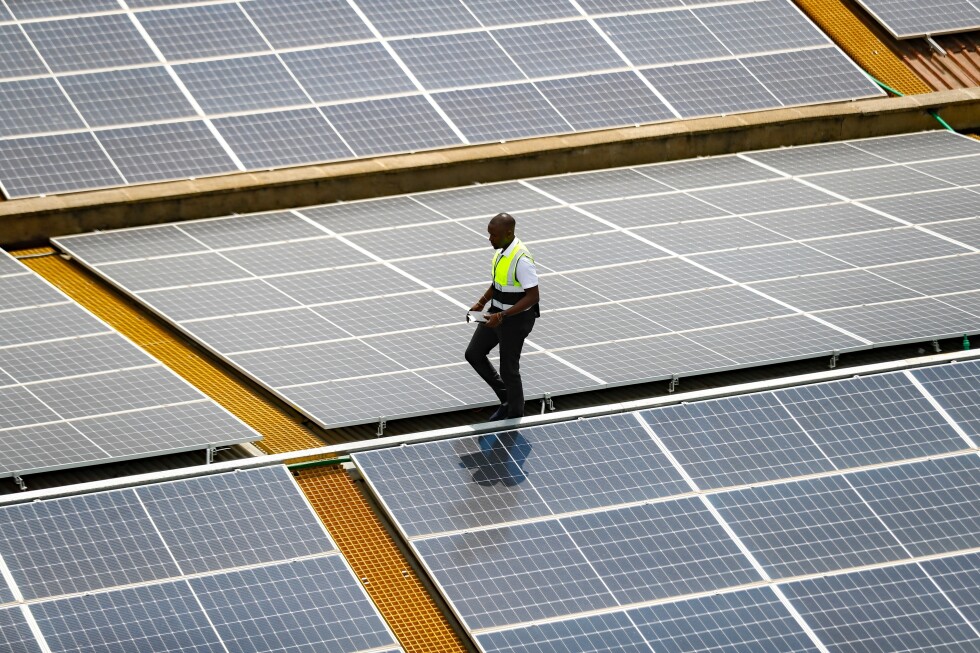
    Additional landmark projects include the creation of the region’s largest integrated solar energy and battery storage installation, demonstrating the UAE’s leadership in renewable energy infrastructure. The nation has also launched its first comprehensive marine exploration expedition to map seabed geological formations, enhancing scientific understanding of marine ecosystems.

    Notably, the Khor Fakkan marine conservation project has achieved remarkable success with the cultivation of over four million coral colonies, contributing significantly to marine biodiversity restoration. These initiatives form part of the UAE’s broader strategic vision outlined in its Net Zero 2050 roadmap, which continues to demonstrate tangible progress through reduced energy and water consumption patterns among residents.

    The comprehensive environmental strategy reflects the UAE’s transition from vision to implementation, establishing the nation as an emerging leader in sustainable development and ecological conservation within the region.

  • Mauritius’ most exclusive hotel-serviced penthouses for global investors

    Mauritius’ most exclusive hotel-serviced penthouses for global investors

    In an exceptional real estate offering, only two hotel-serviced penthouses remain available at Mauritius’ prestigious La Pirogue Residences, creating a scarcity-driven investment opportunity for global investors. These exclusive beachfront properties combine five-star resort living with professionally managed rental returns in one of the Indian Ocean’s most sought-after destinations.

    Positioned along Mauritius’ pristine natural beaches renowned for spectacular sunsets, these penthouses represent more than mere residential assets—they embody a lifestyle statement of success and luxury. The development’s extreme scarcity has created a closing window for acquisition, making this the definitive moment for discerning investors to secure a high-value paradise asset.

    Owners gain access to the extensive services and amenities of the adjacent La Pirogue and Sugar Beach resorts, transforming property ownership into a perpetual luxury holiday experience. Beyond the stunning architectural design and meticulous finishes, the core benefit remains the assurance of effortless, five-star living managed by hospitality professionals.

    The investment proposition is strengthened through a professionally managed rental pool program that handles all aspects of marketing, booking, and guest services. This structure ensures maximum occupancy and optimized returns without day-to-day management burdens, providing investors with a seamless path to passive income through a transparent and profitable system.

    Development firm 2Futures, recognized as one of Mauritius’ most reputable property developers, backs the project with a proven track record of delivering high-quality, high-return luxury real estate. Their legacy of trust and excellence provides investors with confidence in both the asset quality and long-term value proposition.

    This opportunity represents more than financial investment—it offers a legacy position in one of the world’s most desirable tropical destinations. Interested parties must act immediately to secure one of the final two remaining penthouses through the provided sales contacts.

  • UAE ranks highest globally for public satisfaction, says survey

    UAE ranks highest globally for public satisfaction, says survey

    The United Arab Emirates has achieved the world’s highest level of public satisfaction according to a comprehensive global survey released during the 2026 World Government Summit. The Gallup study, which gathered responses from adults across 107 nations, reveals that nearly one-third of UAE residents report no significant concerns regarding economic stability, employment opportunities, government performance, or safety and security.

    The groundbreaking research, titled ‘The World’s Most Important Problem: What People Need Leaders to Hear in 2026’, demonstrates that Gulf nations dominate the satisfaction rankings, with Kuwait and Bahrain following the UAE in global standings. The survey identifies four primary thematic concerns worldwide: economic stability, employment conditions, political governance, and security matters.

    Jon Clifton, CEO of Gallup, emphasized the human dimension of progress assessment: “People don’t feel progress through GDP charts. They experience it through safety, dignity and opportunity in their daily lives. Leaders who ignore this fundamental truth risk addressing the wrong priorities entirely.”

    Within the UAE specifically, environmental concerns (19%) emerged as the most pressing issue among residents, followed by employment considerations (12%), infrastructure development (12%), and economic matters (7%). This distribution indicates a society where basic needs are largely met, allowing attention to shift toward quality-of-life and sustainability issues.

    The findings align with the recently released 2026 Edelman Trust Barometer, which positions the UAE at the global forefront for governmental trust. Notably, 63% of UAE respondents believe future generations will experience improved living conditions—nearly double the global average of 32%.

    The study further reveals that personal experiences and perceptions shape national concerns more significantly than external indicators alone. Globally, economic anxiety represents the predominant concern across 71 nations, particularly among young adults aged 15-34 and female respondents.

    Wealthier nations demonstrate greater concern regarding political governance, especially where institutional trust is weak. Conversely, countries experiencing conflict or instability prioritize physical safety above all other considerations, including economic and governance issues.

  • Leader of South Africa’s second biggest political party says he will step down

    Leader of South Africa’s second biggest political party says he will step down

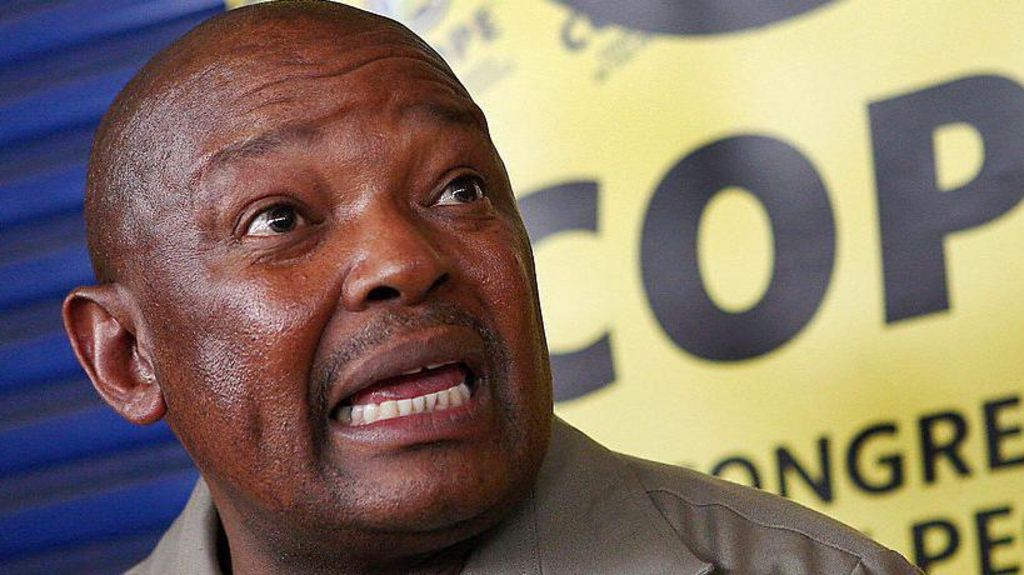
    JOHANNESBURG — In a significant political development, John Steenhuisen, the leader of South Africa’s Democratic Alliance (DA), announced on Wednesday his decision not to seek reelection as party leader. This move comes after Steenhuisen played a pivotal role in orchestrating the country’s unprecedented government of national unity following the African National Congress’s loss of parliamentary majority in the 2024 elections.

    Steenhuisen, who described the coalition formation as his foremost political accomplishment, emphasized the critical importance of transitioning his party from perpetual opposition to meaningful governance participation. “Only through accessing the levers of national power could we genuinely work toward building a more prosperous, fair and successful nation,” Steenhuisen stated during his announcement.

    The leadership transition follows internal party tensions involving allegations of fund misuse, though an internal investigation ultimately exonerated Steenhuisen. Despite stepping down from party leadership, Steenhuisen will maintain his current position as Minister of Agriculture, where he plans to focus intensively on combating the ongoing foot-and-mouth disease outbreak—a challenge he cited as incompatible with simultaneous election campaigning.

    The Democratic Alliance is scheduled to hold its leadership conference in April, ahead of local government elections later this year. Steenhuisen’s departure marks the end of an era for the party that successfully navigated South Africa’s most significant political realignment since the end of apartheid in 1994.

  • Bridging Sri Lanka and the region from DIFC

    Bridging Sri Lanka and the region from DIFC

    In a landmark move for Sri Lankan banking, Commercial Bank of Ceylon PLC has established its inaugural Middle Eastern presence with a Representative Office at Dubai International Financial Centre (DIFC). This strategic placement, finalized last year, marks the first regional foothold by any Sri Lankan financial institution within this globally recognized financial ecosystem.

    The newly operational office, situated at Level 3 of Gate Village Building 4, positions the bank at the core of one of the world’s most dynamic and rigorously regulated financial environments. DIFC serves as the principal financial gateway for the Middle East, Africa, and South Asia (MEASA) region, facilitating crucial connections between emerging markets and international trade corridors.

    While the Representative Office will not conduct transactional banking services, it functions as a vital liaison for corporations, entrepreneurs, and investors from Sri Lanka, Bangladesh, and the Maldives with operational interests in the UAE. The office will provide comprehensive information regarding the bank’s corporate banking solutions, trade finance instruments, SME banking services, and digital financial platforms.

    Chairman Sharhan Muhseen characterized this expansion as a natural progression of the bank’s international strategy. ‘As Sri Lanka’s premier private-sector bank, we are committed to supporting our clients’ global growth trajectories,’ Muhseen stated. The DIFC presence significantly enhances the bank’s capacity to cultivate closer relationships with Middle Eastern partners while solidifying its reputation as a trusted regional banking entity.

    Managing Director Sanath Manatunge emphasized the strategic advantages of operating within a globally respected financial center. ‘This office provides an exceptional platform to demonstrate our capabilities, facilitate cross-border business needs, and drive sustainable growth through intensified regional engagement,’ Manatunge explained.

    The expansion reinforces Commercial Bank’s position as the Sri Lankan bank with the most extensive international network, encompassing 20 branches in Bangladesh, a Tier I commercial bank in the Maldives, and a microfinance institution in Myanmar. These assets enable the bank to effectively support cross-border trade, investment flows, and regional supply chain operations – capabilities increasingly crucial for businesses operating between South Asia and the Middle East.

    Commercial Bank of Ceylon maintains several distinguished credentials: first Sri Lankan bank to achieve $1 billion market capitalization, inclusion in the Global Top 1000 Banks ranking, and recognition as the nation’s first fully carbon-neutral banking institution. The bank continues to lead in digital innovation while maintaining its status as Sri Lanka’s most awarded and respected financial organization.

  • The US authorizes a short extension to a longstanding African trade agreement. Here’s what to know

    The US authorizes a short extension to a longstanding African trade agreement. Here’s what to know

    CAPE TOWN, South Africa — President Donald Trump has signed into law a short-term extension of the African Growth and Opportunity Act (AGOA), a cornerstone trade agreement that provides duty-free access to the U.S. market for eligible sub-Saharan African nations. The move comes after the agreement was allowed to lapse temporarily last year, creating uncertainty across the continent.

    The extension, which runs only until December 31, 2026, represents a significant reduction from the traditional 10-year renewal periods. The Office of the United States Trade Representative confirmed the administration plans to modify AGOA to align with Trump’s ‘America First’ trade policy, though specific changes remain undisclosed.

    First established in 2000 under President Bill Clinton, AGOA has been instrumental in fostering economic ties between the U.S. and Africa, facilitating over $100 billion in bilateral trade in 2024. The agreement allows approximately 1,800 products—including crude oil, automobiles, textiles, and agricultural goods—to enter the U.S. market without tariffs. Eligibility requires participating nations to maintain market-based economies and uphold democratic standards and human rights, with Uganda recently removed for its anti-gay legislation.

    The short-term nature of the extension has raised concerns among African leaders and business communities. South Africa, one of the program’s largest beneficiaries, expressed apprehension about the limited timeframe. Trade Minister Parks Tau emphasized the need for certainty regarding the agreement’s future terms.

    The Trump administration has simultaneously applied diplomatic pressure on Africa’s largest economies. South Africa faces criticism over alleged anti-American sentiments and unsubstantiated claims of persecution against white minorities, while Nigeria confronts accusations of Christian persecution. These tensions have been compounded by the imposition of tariffs as high as 30% on some African exports.

    Trump’s America First policy has particularly impacted Africa through reduced aid and increased trade barriers. The dissolution of the United States Aid Agency and cuts to assistance programs have forced some nations to seek alternative partnerships, notably with China, which has emerged as the continent’s leading trading partner. The U.S. has begun renegotiating assistance methods, including recent bilateral health agreements that require African nations to invest in their own systems.

    The administration has called for reciprocal trade concessions, demanding African countries remove barriers to American imports while modernizing AGOA to better serve U.S. economic interests.