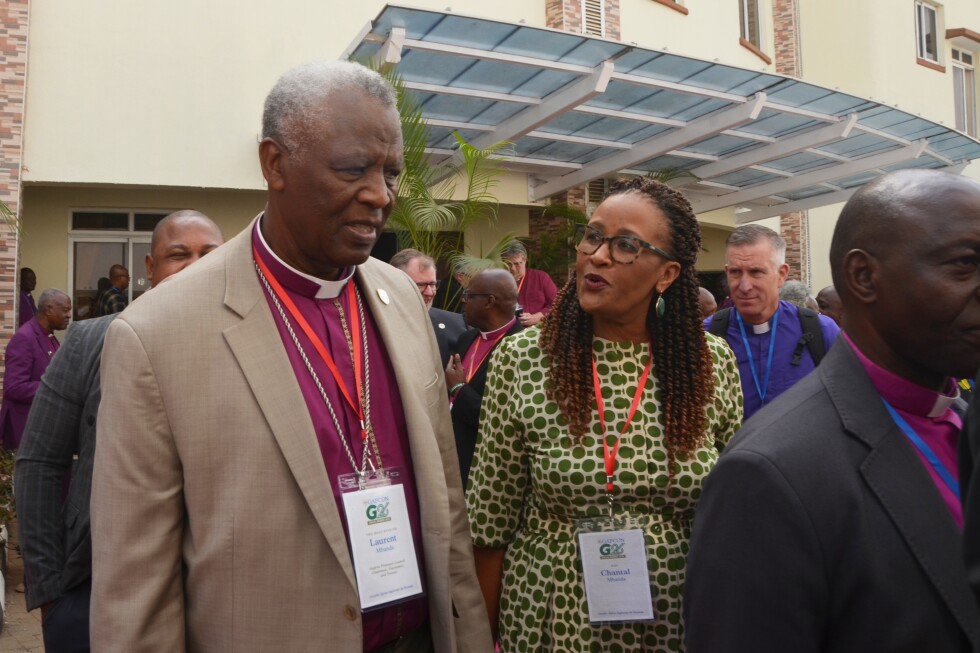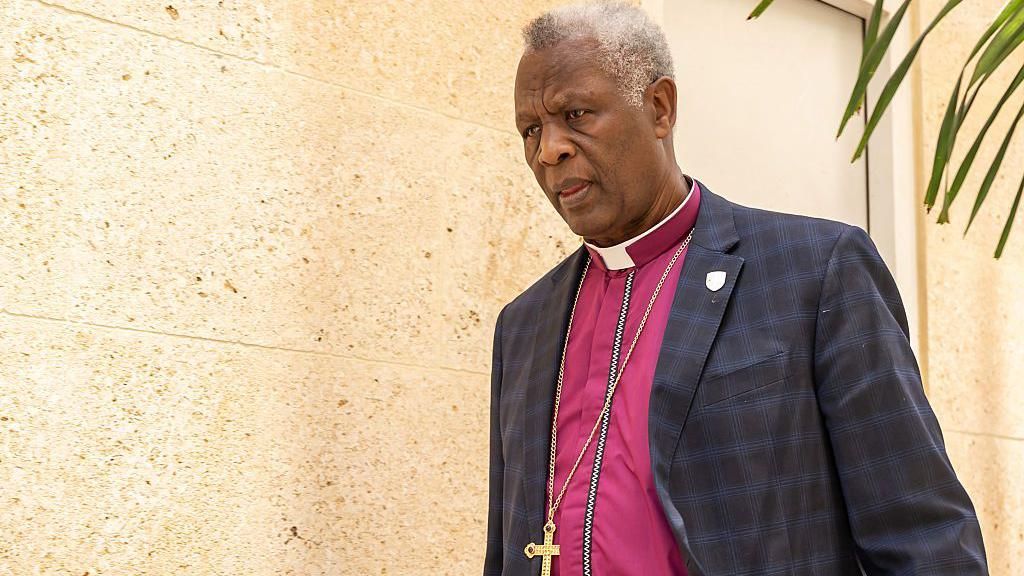
In a significant development within global Anglicanism, conservative factions convened in Abuja have established a parallel leadership structure while notably refraining from directly challenging the ceremonial title of the Archbishop of Canterbury. The Global Fellowship of Confessing Anglicans (Gafcon) announced Rwanda’s Archbishop Laurent Mbanda as chair of its new leadership council, effectively creating an alternative governance model without explicitly designating a rival ‘primus inter pares’—the traditional Latin designation for the Archbishop of Canterbury’s position.
The move comes precisely as Archbishop Sarah Mullally prepares for her formal installation later this month as the first female holder of the Canterbury position. While Gafcon representatives insisted their actions constitute structural innovation rather than direct confrontation, journalists expressed puzzlement at the nuanced positioning during Thursday’s announcements.
Gafcon spokesman Venerable Canon Justin Murff articulated the theological foundation of the separation, stating: ‘The issue is not same-sex marriage, nor is it about the female Archbishop. It is whether scripture or contemporary culture governs the life of this church.’ However, he simultaneously criticized Archbishop Mullally for having ‘repeatedly promoted unbiblical and revisionist teachings regarding marriage and sexual morality’ through her support for same-sex unions.
Archbishop Mbanda brings a remarkable personal history to his new role, documented in his autobiography ‘From Barefoot to Bishop: A Rwandan Refugee’s Journey.’ His background includes childhood refugee experiences in Burundi, theological education in the United States, and entrepreneurial ventures exporting recycled clothing to African nations.
The Anglican Communion Office in London expressed disappointment that Gafcon had bypassed ‘the formal and encouraging years-long process of global consultation.’ Meanwhile, the broader communion prepares for critical discussions on managing theological differences at an upcoming Belfast conference in June—a gathering Gafcon will boycott due to its non-recognition of the official Anglican body.
This development represents the culmination of decades of division over LGBTQ clergy and same-sex blessings, controversies that previously strained relations with former Archbishop of Canterbury Justin Welby. With two-thirds of the world’s 95 million Anglicans residing in Africa, the establishment of this parallel leadership structure signals a potentially permanent reconfiguration of global Anglican governance.