标签: Africa

非洲

  • Civilians feared killed after reports of air strike on Nigerian market

    Civilians feared killed after reports of air strike on Nigerian market

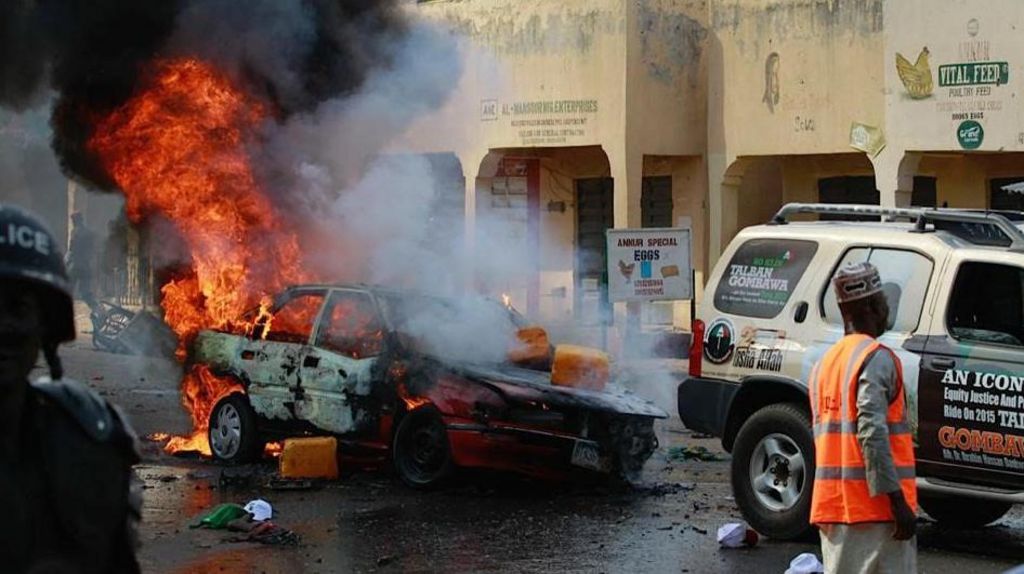
    Northeastern Nigeria is at the center of escalating controversy after an alleged accidental air strike by the Nigerian military on a busy weekly village market near the Yobe-Borno state border left scores of civilians feared dead, in what would be the latest in a string of deadly civilian casualties from counter-insurgency operations targeting Boko Haram militants.

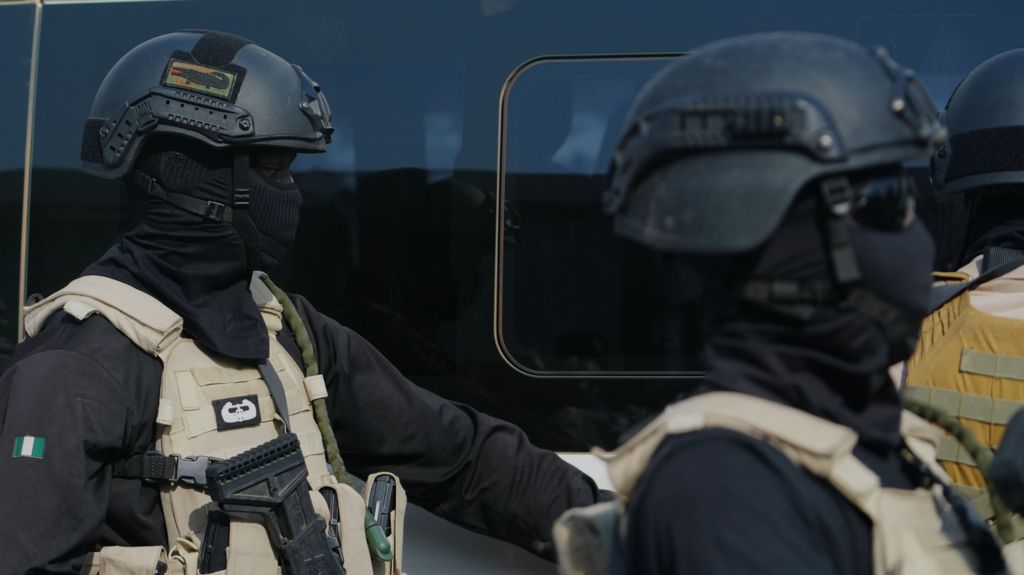
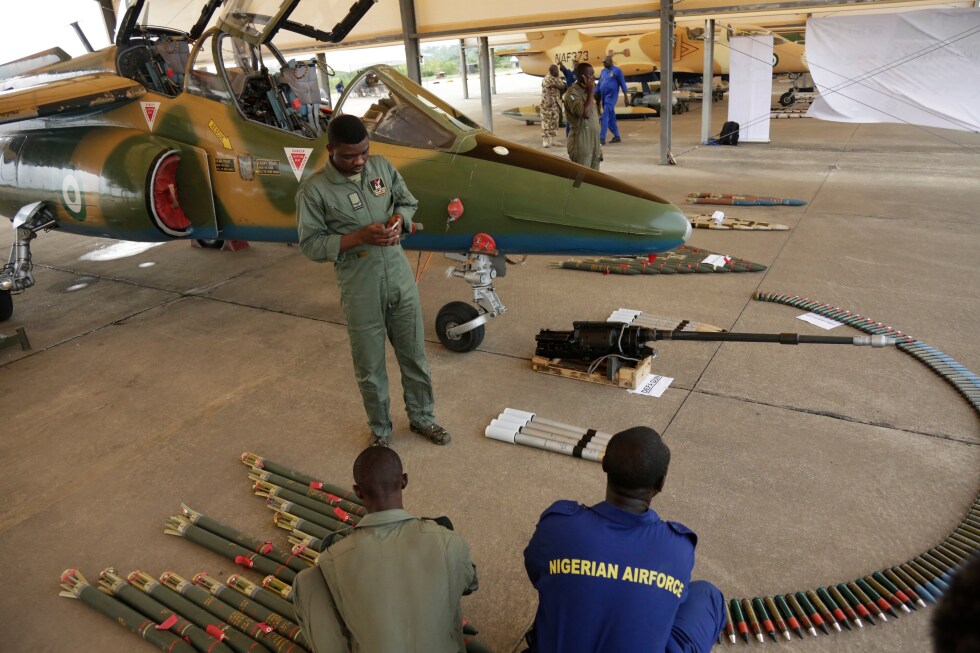
    The strike occurred Saturday on the Jilli market in Borno State’s Gubio local government area, during what the Nigerian Air Force (NAF) described as a “mop-up” operation against remaining terrorist factions. In an official statement, the NAF confirmed it carried out targeted strikes on what it labeled as “identified terrorist locations” in the Jilli axis, noting the mission was designed to eliminate fleeing insurgent remnants and regrouping cells that have taken advantage of the region’s rugged, hard-to-access terrain to rebuild their networks. The service has so far declined to confirm it hit the market or verify any civilian casualties from the operation.

    This zone of northeastern Nigeria has been the epicenter of a 15-year Boko Haram insurgency that has left more than 35,000 people dead and displaced over 2 million residents, with frequent military operations targeting insurgent strongholds near the Yobe-Borno border. The Jilli weekly market draws hundreds of traders and shoppers from cross-border communities in both states, making it a busy gathering point for local commerce at the time of the strike.

    As of Sunday, official casualty counts remain deeply conflicting across local and international sources. Citing multiple on-the-ground sources including a Yobe state councillor, three local residents, and an official from an international humanitarian organization, Reuters reported Saturday that at least 200 civilians were killed in the strike, with injured survivors transported to medical facilities in both Yobe and Borno states. Local councillor Lawan Zanna Nur Geidam called the event “a very devastating incident”. Two other major Nigerian national outlets, The Sun and Punch, have cited local sources putting the death toll at 10, with an unspecified number of additional people wounded. Abuja-based newspaper Daily Trust, meanwhile, cited an eyewitness account reporting at least 56 fatalities and 14 hospitalizations.

    Ahmed Ali, a 43-year-old trader who was at the market during the strike and sustained injuries, described the chaos of the attack to Reuters: “I became so scared and attempted to run away, but a friend dragged me and we all lay on the ground.”

    State emergency authorities have acknowledged the incident but have not confirmed a casualty count. In a Sunday Facebook post, the Yobe State Emergency Management Agency said it had received preliminary reports of an incident at Jilli Market that caused casualties among market participants, noting it had immediately activated emergency response protocols and deployed assessment teams to the remote area. The agency added that key details including the nature of the incident and the final number of casualties remain unverified as of Sunday. Brigadier General Dahiru Abdulsalam also confirmed via Facebook that residents from Yobe’s Geidam local government area, which borders the strike site in Borno, were among those affected.

    Amnesty International’s Nigeria branch has issued a sharp condemnation of the strike, putting the confirmed death toll at more than 100 people. In a post on the social platform X, the organization argued that “Launching air raids is not a legitimate law enforcement method by anyone’s standard. Such reckless use of deadly force is unlawful, outrageous and lays bare the Nigerian military’s shocking disregard for the lives of those it supposedly exists to protect.”

    This incident fits a documented pattern of repeated civilian casualties from Nigerian military counter-insurgency operations in the northeast over the past decade. Military air strikes targeting Islamist militants have previously mistakenly hit civilian sites including residential villages, camps for internally displaced persons, and public marketplaces, drawing ongoing criticism from human rights groups over inadequate safeguards to protect civilian populations.

  • At least 100 dead in Nigeria after air force ‘misfire’ on market, sources say

    At least 100 dead in Nigeria after air force ‘misfire’ on market, sources say

    MAIDUGURI, Nigeria — A tragic error in a Nigerian Air Force operation targeting extremist rebels has left more than 100 civilians, including children, dead after an airstrike hit an active weekly market in the country’s conflict-battered northeastern region, multiple sources including a leading global rights group and local media confirmed Sunday. The incident has reignited longstanding concerns about the heavy human cost of Nigeria’s 12-year counter-insurgency campaign in the Sahel.

  • The prophet and the mysterious death of Charmain Speirs

    The prophet and the mysterious death of Charmain Speirs

    More than a decade after 40-year-old Scottish woman Charmain Speirs was found dead in a Ghanaian hotel bathtub just six months after marrying self-proclaimed prophet Eric Adusah, a new BBC Disclosure documentary has uncovered critical omissions and unresolved inconsistencies in the official investigation into her death, alongside long-hidden accounts of abuse and manipulation from Adusah’s former partners.

    Charmain’s life, shaped by early hardship, led her to embrace Pentecostal Christianity as a source of comfort after struggling with post-natal depression as a single mother. Having weathered turbulent romantic relationships and personal tragedy — including the loss of one brother to a car crash and another to heroin addiction — she craved a partner rooted in faith, according to close friends. In spring 2014, she met Adusah, a Ghana-born prominent Pentecostal pastor who led the Global Light Revival Church and appeared regularly on Christian television, via a Christian dating platform. What followed was a whirlwind romance: the pair announced their engagement within weeks and married that September, shocking Charmain’s family who had not even known she was dating.

    After the wedding, Charmain stepped into the role of “first lady” of Adusah’s congregation, a position that transformed her social status within the movement. But cracks in the marriage quickly emerged. During a visit, friend Anne-Marie recalled Charmain confiding that her relationship lacked any love or affection. Pregnant with Adusah’s child, Charmain returned to her hometown of Arbroath, Scotland, to stay with her mother Linda, admitting the marriage was failing and that she planned to move home permanently. Just days later, she traveled to Ghana with Adusah, a trip that would be her last. Linda never saw her daughter alive again.

    According to police statements obtained by the BBC, Adusah told investigators that after a day of sightseeing with Charmain, he left the hotel just after midnight to travel to Accra for a 6 a.m. meeting ahead of a return flight to the UK, claiming Charmain had chosen to stay behind longer. But a hotel night worker, speaking to the documentary under the pseudonym Edward, revealed a key detail Adusah never disclosed to Ghanaian detectives: two unknown men arrived at the couple’s room 112 with Adusah late that night, stayed for nearly an hour, and helped him load bags into his car before he left. Adusah instructed hotel staff not to disturb his wife after his departure. Edward told the BBC he saw Charmain alive roughly five hours before Adusah and the men left the property.

    Ghanaian police documents confirm three men were present at the hotel that night, and two of the visitors have since been traced — both confirmed their presence through Adusah’s ministry, claiming they were only in the room to pray. One claimed Charmain was lively and active during the visit, while the other only confirmed she was present. A third man has never been located or interviewed by investigators.

    The BBC commissioned retired Scottish Detective Superintendent Allan Jones to review the entire Ghanaian police case file. Jones described Adusah’s failure to mention the late-night visitors as deeply suspicious. “If you’ve got that many people coming to that room, even as potential defence witnesses, you should absolutely mention them,” Jones noted. Further, when the BBC tracked down the reverend Adusah claimed he was meeting in Accra that morning, the cleric did not confirm Adusah’s alibi. Jones added that this critical alibi check was never conducted by Ghanaian investigators, a major gap in the probe. The Ghana Police Service did not respond to the BBC’s requests for comment on the investigation’s shortcomings.

    After Charmain’s body was found, Adusah framed his wife as a suicidal, long-term drug user — a narrative that secured his release from police custody on suspicion of murder due to insufficient evidence. The lead pathologist on the case, Dr. Afua Abrahams, recorded a probable cause of death as heroin overdose after finding heroin metabolites in Charmain’s blood and liver samples, and noted no obvious signs of violent trauma. But the case raises immediate red flags: heroin is extremely rare in Koforidua, the small Ghanaian city where Charmain was staying, and police found no drug paraphernalia, no traces of heroin in the hotel room, and no drugs among her personal belongings.

    More than 20 of Charmain’s close family and friends uniformly deny that she used drugs or was suicidal. Her mother Linda told the BBC Charmain despised drug use, often saying she could not understand why anyone would harm their body that way. Bridesmaid Mehrunissa Thomas added that Charmain would never have used drugs while pregnant, calling the claim totally out of character. A subsequent second post-mortem examination conducted in the UK tested Charmain’s hair for opioids and returned a negative result, confirming she was not a long-term drug user.

    The BBC’s investigation also uncovered that Adusah uses multiple aliases: he is known as Eric Adu Brefo in Ghana and Eric Isaiah Kusi Boateng in Maryland, the U.S. state where he currently resides and still preaches. Multiple former partners came forward to describe patterns of coercive control, emotional abuse, and manipulation rooted in his religious authority. One former partner, speaking under the pseudonym Emily, recalled Adusah controlling every aspect of her life, from her hairstyle and clothing to restricting her contact with family and confiscating her phone. He used religious doctrine to manipulate her, she said, framing his control as God’s will to avoid resistance.

    Charmain’s now 19-year-old son Isaac, who lived with the couple for a time, recalled firsthand witnessing physical and psychological abuse. “I heard my mum screaming and crying, and when he came to hit me, she stepped between us and he punched her in the face,” Isaac told the documentary. “He controlled every part of her life: her phone, her money, her clothes, even what she ate. That wasn’t a marriage — it was him dictating every part of her existence. What prophet hits a child and abuses their wife? He’s not a man of God, he’s an evil person.”

    Linda Speirs also said she discovered evidence of abuse when she found multiple bald patches on the back of Charmain’s scalp, which her daughter admitted came from Adusah pulling her hair. A church insider who gave a statement to UK police also revealed that shortly before her death, Charmain had obtained a secret second phone after Adusah confiscated her primary device. She had discovered Adusah was using a false name, lying about his age, and had another wife living in Ghana, and was planning to file for divorce. The insider told police she received a call from Charmain the night before she died, during which she could hear Adusah shouting and slamming his hand on the table, before a final bang cut the call short. This statement was never shared with Ghanaian investigators because UK authorities declined to share evidence with a country that retains the death penalty.

    When the BBC tracked Adusah to his current home in Maryland, he acknowledged the investigation but claimed the repeated questions had caused him severe emotional distress, saying he had already endured profound trauma after losing his wife and unborn child. He declined to answer any specific questions about the allegations of abuse, the gaps in his statement, or the multiple aliases.

    The full, three-part documentary *Charmain and the Prophet* is set to premiere on Monday 13 April, airing on BBC Two at 10 p.m. GMT and BBC One Scotland at 8 p.m. GMT, with all episodes available on BBC iPlayer following the broadcast. To this day, the full truth of what happened in hotel room 112 remains unconfirmed, and Isaac continues to search for answers about his mother’s death.

  • Benin votes for new president with finance minister favored to succeed Talon

    Benin votes for new president with finance minister favored to succeed Talon

    Voters across Benin flocked to more than 17,000 polling stations on Sunday to select a new head of state, bringing a close to 10 years of rule under outgoing President Patrice Talon, whose tenure leaves behind a divided national legacy marked by robust economic expansion, escalating extremist instability in the country’s northern region, and widespread accusations of opposition suppression.

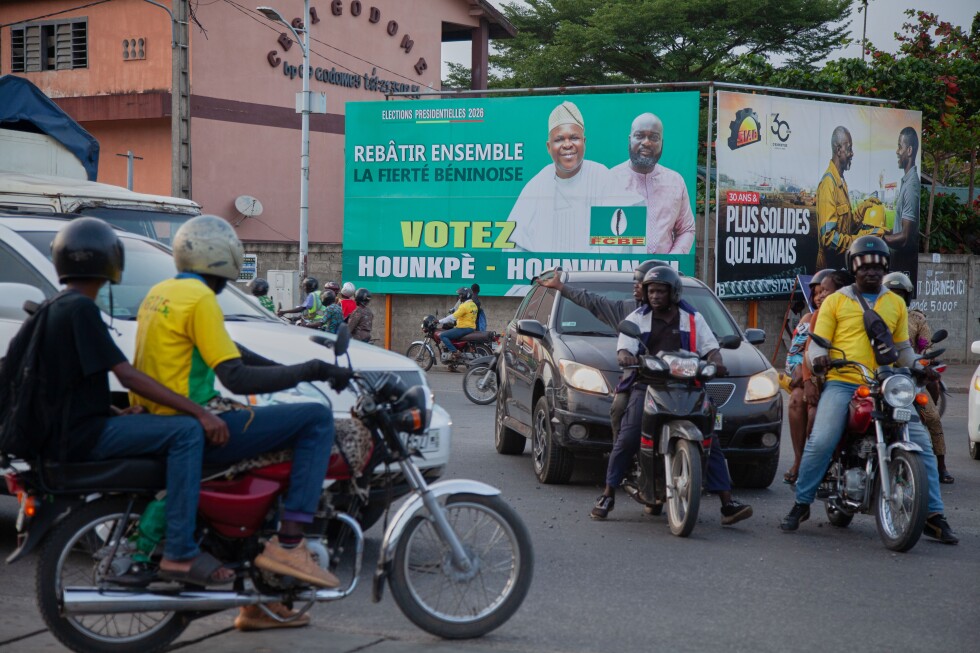
    At the center of the election are two candidates: Romuald Wadagni, the 49-year-old former finance minister and handpicked successor of Talon leading the ruling coalition, and Paul Hounkpè, the only opposition contender cleared to appear on the ballot. A total of nearly 8 million eligible Beninese are registered to participate in the vote for the West African nation, which counted more than 15 million total residents in 2024. Like most sub-Saharan African states, Benin has a predominantly young population. Polling was scheduled to conclude at 4 p.m. local time, with official preliminary projections expected to be released within 48 hours of closing.

    Most political analysts forecast a likely victory for Wadagni, an outcome shaped by the ruling bloc’s total domination of national legislative politics following January’s parliamentary election. During that vote, all opposition parties failed to meet the 20% support threshold required to earn seats in the 109-member National Assembly, leaving Talon’s two allied parties in full control of the legislative branch. Leading opposition figure Renaud Agbodjo, head of the Democrats party, was entirely barred from running in Sunday’s presidential contest after he could not secure the required number of parliamentary endorsements. Critics argue this requirement was deliberately designed to exclude political rivals from the race.

    Wadagni has centered his campaign on his 10-year record leading Benin’s finance ministry, pointing to the country’s consistent economic expansion as proof of his effective governance. Last year alone, Benin’s economy grew by 7%, cementing its position as one of West Africa’s most stable and high-performing economies. “Ten years at the Finance Ministry have given him something rare in African politics: a quantified record — verifiable and difficult to dismantle in a serious debate,” explained Fiacre Vidjingninou, a political analyst at the Lagos-based Béhanzin Institute.

    Despite Benin’s longstanding reputation as one of Africa’s most stable democratic nations, opposition leaders and global human rights groups have repeatedly accused Talon of weaponizing the national justice system to marginalize political opponents. Both Amnesty International and Human Rights Watch have documented a systematic crackdown on dissent during Talon’s tenure, highlighting widespread arbitrary detentions, stricter limits on public protest, and growing pressure on independent media outlets. In recent years, mass public protests over soaring living costs were quickly dispersed and suppressed by government security forces.

    The election also comes amid rising political and security instability across West Africa. In December, just months before the presidential vote, a group of military officers launched an unsuccessful coup attempt to overthrow Talon’s government, the latest in a string of attempted military takeovers across the African continent in recent years. Regional analysts note most recent coup attempts follow a consistent pattern: rooted in disputed election results, constitutional unrest, widespread security failures, and deep youth discontent with ruling governments. A core grievance cited by the December coup plotters was the sharp deterioration of security in northern Benin.

    For years, northern Benin has grappled with spillover extremist violence from neighboring Burkina Faso and Niger, where regional governments have battled Jama’at Nusrat al-Islam wal-Muslimin (JNIM), an al-Qaida-affiliated jihadi insurgent group. The tri-border region where the three nations meet has long been a hotspot for extremist activity, a crisis that has worsened in recent years after both Burkina Faso and Niger fell under the control of military juntas, eliminating much of the cross-border security cooperation that previously limited insurgent expansion.

  • Djibouti president Guelleh claims landslide election win

    Djibouti president Guelleh claims landslide election win

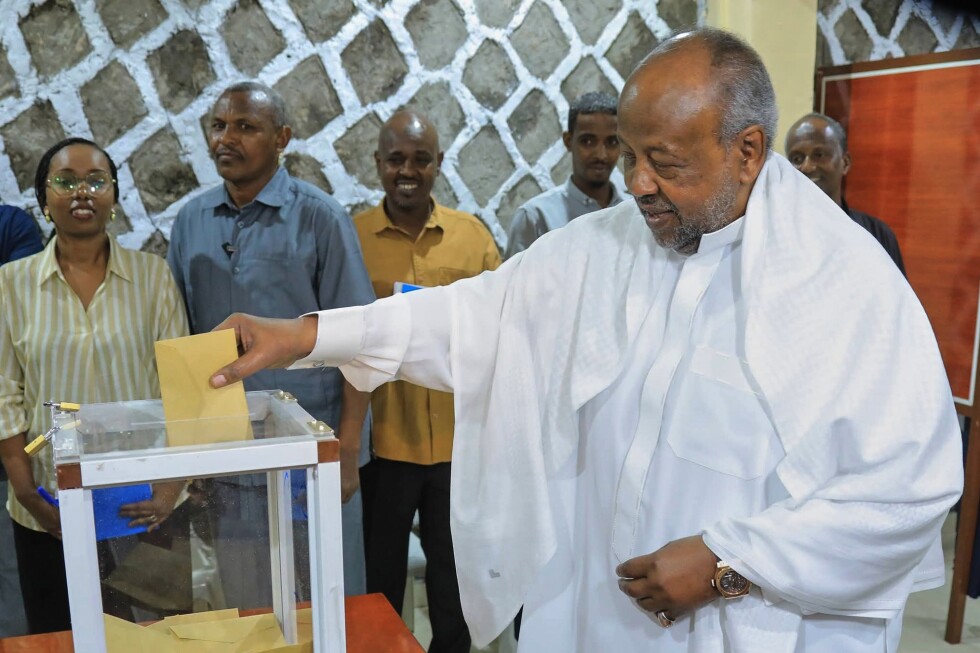
    One day after polling stations closed across the tiny Horn of Africa nation of Djibouti, sitting President Ismael Omar Guelleh has announced a landslide win in the country’s 2026 presidential election, positioning him to begin a sixth consecutive term in office.

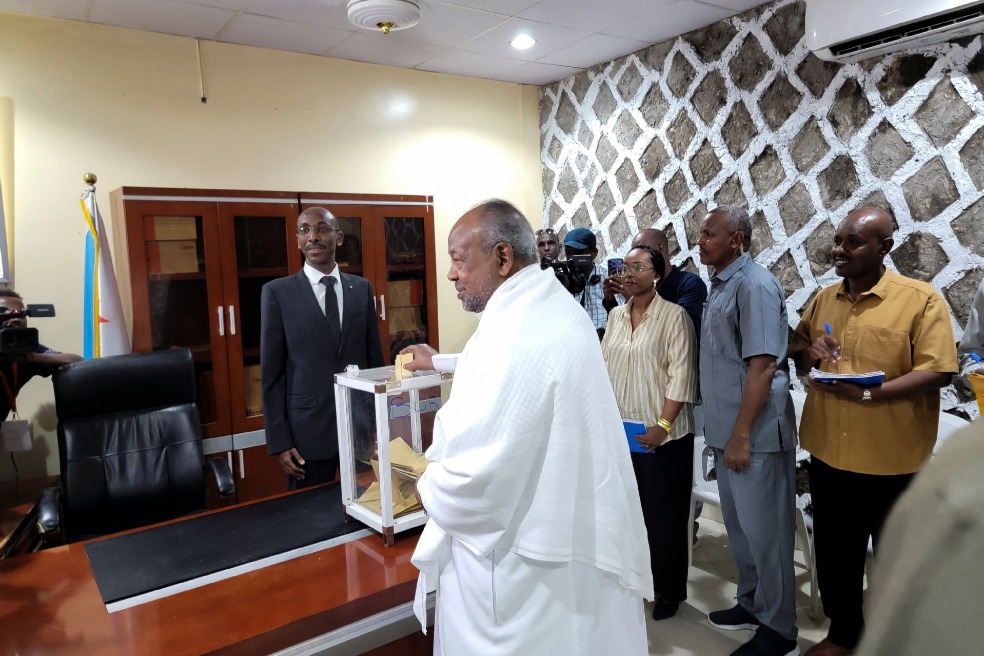
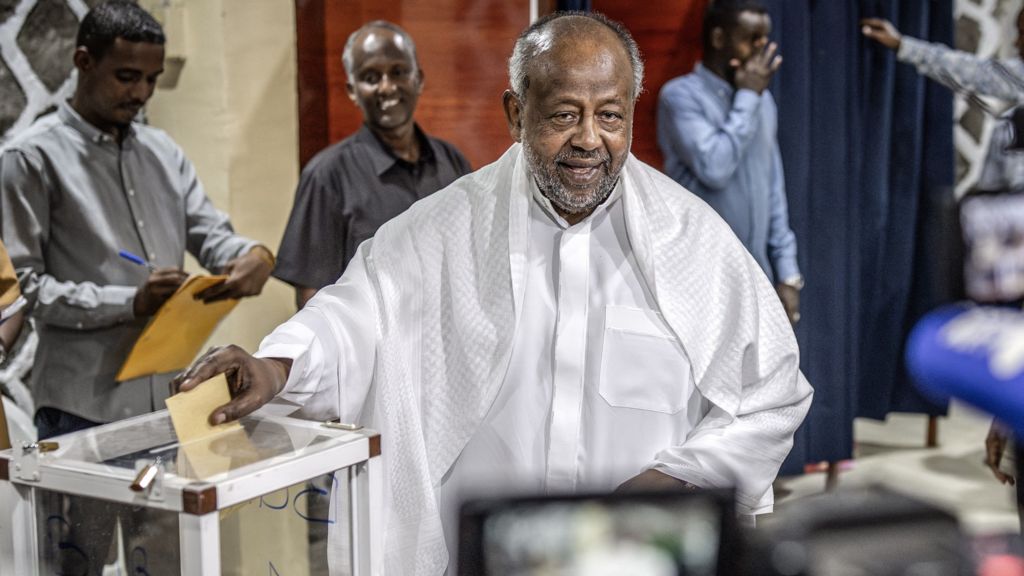
    The 78-year-old leader, who first rose to the nation’s top executive post in 1999, made the victory declaration public via a short post on his official X account on Saturday, April 11. The post simply read “Re-elected,” matching early official returns that show Guelleh securing more than 97% of the popular vote. In total, more than 256,000 registered voters were eligible to cast ballots across the country on April 10, when voting got underway at polling centers including the City Hall station in Djibouti City’s Ras-Dika district, where Guelleh cast his own ballot.

    Guelleh ran against just one opponent in the race: Mohamed Farah Samatar, a one-time member of Djibouti’s ruling party. The incumbent candidate’s ability to appear on the ballot came after a significant change to the nation’s constitution last year. Previously, Djibouti’s constitution barred candidates over the age of 75 from running for the presidency, which would have disqualified Guelleh from seeking a sixth term. A constitutional amendment approved in 2025 removed the age limit, clearing the path for Guelleh’s 2026 campaign.

  • Nearly 400 sentenced in Nigeria for links to militant Islamists

    Nearly 400 sentenced in Nigeria for links to militant Islamists

    More than a decade of brutal Islamist insurgency in northeastern Nigeria has pushed the country’s government to take landmark judicial action, convicting nearly 400 suspects on charges tied to banned extremist organizations in mass trials that wrapped up in Abuja this week.

    Of the 505 suspects arraigned at the Federal High Court in Nigeria’s capital, 386 were found guilty of ties to either Boko Haram or its splinter faction, the Islamic State West Africa Province (ISWAP), officials confirmed Friday. Sentences for the convicts run from a five-year prison term to life behind bars, reflecting the varying severity of the charges ranging from direct participation in militant attacks to facilitating extremist activities through funding, weapons smuggling, logistical support, or sharing intelligence. Two defendants were acquitted, eight were released without conviction, and proceedings for 112 additional suspects were adjourned to a later date. Early in the judicial process, five defendants entered guilty pleas, admitting they had supplied food, livestock and insider information to the militant networks.

    The mass convictions come as Nigeria’s federal government faces mounting public and international pressure to rein in a sprawling security crisis that has destabilized large swathes of the country. Africa’s most populous nation is currently confronting overlapping threats from multiple armed factions: alongside the long-running Islamist insurgency in the northeast, security forces are also battling separatist movements in the southeast and rampant kidnapping-for-ransom gangs that operate across many northern and central states.

    The Boko Haram insurgency, which first erupted in 2009, has left a devastating humanitarian toll in its wake. Aid organizations estimate the conflict has killed tens of thousands of people and forced more than 2 million residents to flee their homes, creating one of the world’s largest displaced populations.

    The deteriorating security landscape has prompted international warnings in recent days. On Wednesday, the U.S. State Department updated its travel advisory, urging American citizens to reconsider all trips to Nigeria due to heightened risks of violence, crime and kidnapping. This is not the first time Washington has taken direct action in response to militant activity in the region: on Christmas Day during the Trump administration, U.S. forces carried out an airstrike in northern Sokoto State targeting the lesser-known militant group Lakurawa. The strike followed then-President Trump’s public claim that Christians were being specifically targeted for persecution in Nigeria—a claim Nigerian officials rejected at the time, noting that people of all religious faiths, and those with no religious affiliation, have fallen victim to the country’s ongoing violence.

    As security conditions continue to fluctuate across the Sahel region, Nigeria’s judicial crackdown on militant suspects marks a major step by the government to demonstrate progress in its fight against extremism, even as insurgent attacks and intercommunal violence remain persistent threats across much of the north.

  • Djibouti’s president wins unprecedented sixth term with 97.8% of vote

    Djibouti’s president wins unprecedented sixth term with 97.8% of vote

    In a decisive landslide victory that cements nearly three decades of rule for the Horn of Africa nation, Djibouti’s incumbent President Ismail Omar Guelleh has won a sixth five-year term in office, preliminary official results from the country’s recent presidential election confirm. The 78-year-old leader secured a staggering 97.8% of the popular vote, with his only opponent, small-party candidate Mohamed Farah Samatar, taking just 2.19% of ballots cast.

    The result was widely anticipated after most of Djibouti’s major opposition coalitions announced a boycott of the poll, repeating longstanding claims that the country does not permit free and open political competition. Leading opposition figures including Dahir Ahmed Farah have boycotted every presidential election since 2016, a pattern that held for this 2025 contest.
    Samatar, who ran as the candidate of an unrepresented small opposition faction with no seats in Djibouti’s national parliament, has not issued any public response to the preliminary results as of the latest updates.

    Guelleh’s ability to run for another term came after a controversial constitutional amendment passed last November. The amendment removed a 75-year age cap for presidential candidates that would have disqualified him from running; the age limit was itself introduced in 2010, when Djibouti’s parliament already scrapped the previous two-term limit for the presidency and shortened presidential terms from six to five years to accommodate Guelleh’s extended tenure. The incumbent had previously publicly pledged to step down ahead of this election cycle, reversing that promise after the constitutional change was approved.

    Located on the strategic Bab el-Mandeb Strait, a critical chokepoint connecting the Red Sea to the Gulf of Aden and serving as the primary maritime gateway to the Suez Canal — one of the world’s busiest and most economically vital shipping lanes — Djibouti holds unique geostrategic importance. It hosts military bases for five major global powers: the United States, China, France, Italy, and Japan, making it a key hub for regional security and counter-terrorism operations.

    During his election campaign, Guelleh centered his platform on his track record of maintaining political stability in Djibouti, a rare constant in a region marked by ongoing armed conflict and political upheaval across neighboring states and nearby Middle Eastern nations. The 78-year-old leader is only the second president Djibouti has had since it gained full independence from France in 1977, and he has already held the presidency for 27 years. He won the 2021 election by a similarly overwhelming margin.

    Election officials reported that more than 80% of registered voters turned out to cast ballots in Friday’s vote. While the interior ministry has released the preliminary results, the outcome still requires formal validation by the Constitutional Council’s judiciary before Guelleh can be sworn in for his new five-year term. Celebrating his projected victory at his private residence, Guelleh framed the win as a success for the entire Djiboutian nation.

  • Djibouti President Ismaïl Omar Guelleh is reelected for a sixth term

    Djibouti President Ismaïl Omar Guelleh is reelected for a sixth term

    In the Horn of Africa nation of Djibouti, long-sitting head of state Ismaïl Omar Guelleh has secured another five-year mandate, winning a sixth presidential term with a dominant share of the vote according to official election results released after Friday’s ballot. The 78-year-old incumbent captured 97.81% of the total votes cast, capping off a political career that has already spanned more than 20 years at the country’s helm.

    Guelleh’s path to another term was cleared last year, when Djibouti’s legislative body voted to eliminate presidential age limits, a change that removed the last barrier to his reelection candidacy. The race itself saw only one challenger, Mohamed Farah Samatar, a one-time member of Guelleh’s own ruling party. Political analysts broadly agree that the contest offered voters no meaningful or competitive alternative to the incumbent, a reality that fits a broader pattern of Djibouti’s politics. Major opposition groups have repeatedly boycotted national elections in recent years, pointing to systematic restrictions on political speech and organizing that level the playing field heavily in favor of the ruling establishment.

    Election officials confirmed that voting across the country proceeded peacefully, with no major reports of unrest or disruption. On Saturday, crowds of Guelleh supporters gathered outside the presidential palace in the capital Mogadishu to celebrate the outcome, sharing congratulations and marking the victory.

    Guelleh first rose to the presidency in 1999, taking over from his uncle Hassan Gouled Aptidon, the country’s first post-independence leader. This handover cemented a family-led political system that has guided Djibouti’s trajectory for its entire modern history. Beyond its domestic politics, Djibouti occupies an outsize role in global geopolitics thanks to its strategic location along the critical shipping corridor connecting the Red Sea to the Gulf of Aden. The tiny nation, which counts just over 1 million residents, currently hosts multiple foreign military bases, operated by major global powers including the United States, China, France and Japan. Revenue from these base agreements, combined with income from port services provided to landlocked neighboring Ethiopia, forms the backbone of Djibouti’s small but strategically important economy.

  • Female rickshaw drivers in Sierra Leone rise above stigma to earn a living and empower women

    Female rickshaw drivers in Sierra Leone rise above stigma to earn a living and empower women

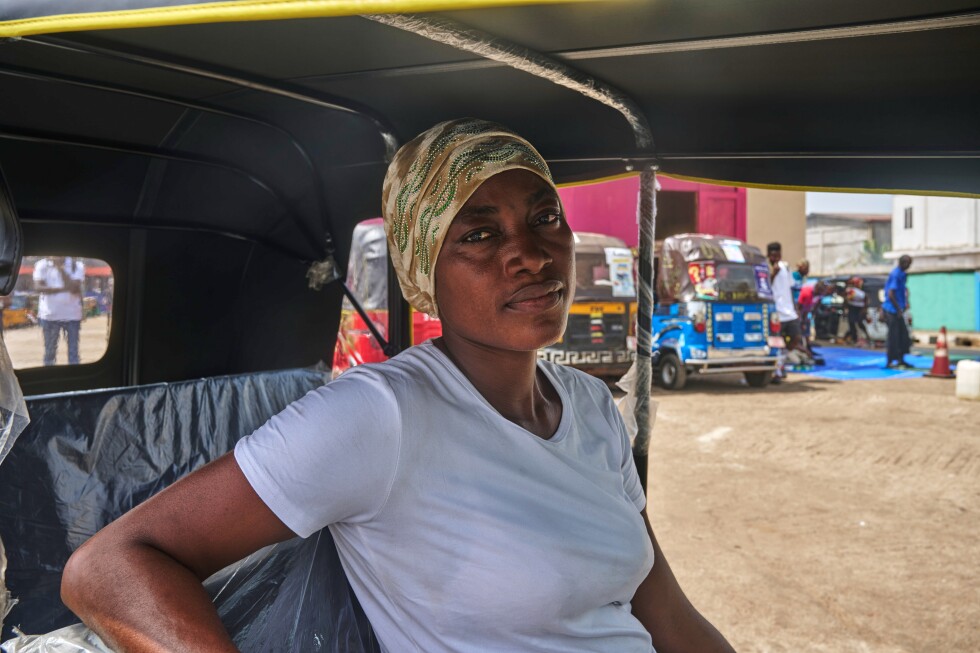
    On a late afternoon in Freetown, Sierra Leone’s bustling capital, 27-year-old single mother Hawa Mansaray pulls her motorized three-wheeled auto-rickshaw—locally called a kekeh—into the main transit park, stepping away for a short break and a moment of prayer. Mansaray is part of a small but steadily growing cohort of women entering a sector long dominated exclusively by men: Sierra Leone’s commercial transport industry.

    Decades after Sierra Leone’s devastating 1991–2002 civil war, the West African nation continues to grapple with rebuilding core infrastructure, and its public transport system has been stretched to breaking point. Freetown’s current population has swelled to more than 1.5 million, roughly three times the size the city’s original infrastructure was designed to accommodate. This gap has created surging demand for flexible, accessible private transport options, pushing motorcycles and kekehs to the forefront of urban mobility. Even though these rickshaws are often rickety, operate at low speeds, and carry higher safety risks due to their open-air design, commuters favor them for their widespread availability, ample ventilation, and comparative comfort for short trips across the city.

    For many women in Sierra Leone, this growing demand has opened an unexpected path out of systemic economic disenfranchisement. The country ranks among the lowest in Africa for access to formal financial services, leaving women and rural communities particularly vulnerable to economic shocks. Deeply entrenched patriarchal norms have long confined most women to low-stability petty trading that keeps them financially dependent on male partners, where income control translates to full decision-making power for men, according to women’s rights advocates.

    Marfoh Mariama Samai, a women’s rights advocate with Plan International Sierra Leone, explains that deep-seated cultural biases still frame women as unfit for many types of manual or commercial work. “When a young woman ventures into a certain type of job, they are stigmatized,” she says. But for women who have broken into the kekeh driving trade, the stigma has been outweighed by the promise of stable, independent income.

    Mansaray knows firsthand the costs of financial dependence. Born in Kailahun District at the height of the civil war, she was forced to drop out of primary school amid the conflict. After separating from her husband, she cycled through a series of small informal businesses to support herself and her child, none of which provided the stability kekeh driving has. She initially never planned to become a driver, but after seeing other women succeed in the trade, she paid for training and earned her spot behind the wheel. Today, she works for a local company that requires a 350 leone ($14 USD) daily return, leaving her with an average daily wage of 175 leones ($7 USD)—enough to support her family and well above the typical income for most working people in the country. “I have done different jobs since I came to Freetown but kekeh has done more for me,” Mansaray says. “I will advise my fellow women who aren’t employed to come into the game.”

    Alimatu Kamara, another female kekeh driver, shares Mansaray’s experience. Unemployed for years before entering the sector, she says the work has been life-changing, though challenges remain: most female drivers report frequent harassment from aggressive male colleagues, and many express ongoing safety concerns about working night shifts. “Some women can panic,” Kamara notes. “It takes mind and determination to continue.” Even so, she is already planning to expand her business by purchasing additional kekehs. “We can’t just sit, waiting for office jobs. With jobs like kekeh, you can even make more money,” she says.

    Union leaders in Freetown say while the number of women in the sector is still small, the growth is promising. The Sierra Leone Kekeh Riders Union counts more than 1,000 registered members in western Freetown, and only around 20 are women—but that number is steadily climbing. District chairman Mustapha Thoronka is a vocal supporter of expanding access for women, backing training programs and advocating for microloans to help cover the upfront cost of vehicles, which remains a major barrier for women with limited access to capital. “Whatever men can do, women can do better,” Thoronka says, adding that he hopes the sector will help more women support themselves and their families without relying on male income. He is now urging the Sierra Leonean government to step in with targeted support to make it easier for more women to enter the trade, noting the high upfront capital required puts it out of reach for many.

    Many commuters also favor female drivers, saying they bring a more careful approach to navigating Freetown’s crowded streets. Mariama Barrie, a regular commuter, says the growing presence of women in the sector sends a powerful message to women who rely on outside support. For Barrie, it is a call to action: “If you know how to ride, take kekeh … rather than sitting and waiting for handouts.” What began as a solution to Freetown’s broken public transport system has become a quiet movement, challenging gender norms and opening a new door to economic freedom for women in one of West Africa’s poorest nations.

  • The myrrh tree that’s key to luxury perfumes and African incomes is threatened by drought

    The myrrh tree that’s key to luxury perfumes and African incomes is threatened by drought

    In the parched, dust-choked lowlands of Ethiopia’s Somali region, a natural resource that has shaped global trade and culture for millennia is facing an unprecedented existential crisis. Myrrh, the aromatic tree resin that serves as a signature base note in hundreds of high-end perfumes from luxury brands including Tom Ford, Comme des Garcons, and Jo Malone, is being pushed to the brink by a climate-fueled historic drought that has ravaged the Horn of Africa for years. Once stretching across dense, sprawling forests across the region, the native Commiphora myrrha trees that produce the resin are now dying off, starved of water and grazed by desperate, hungry livestock struggling to survive in the arid landscape.

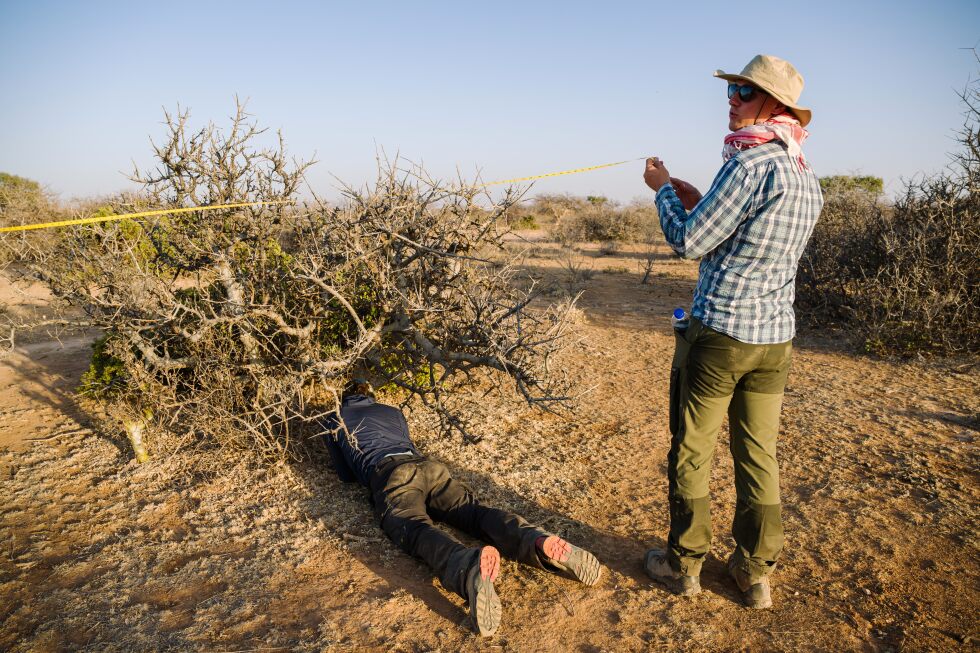
    This 2026 on-site research expedition, backed by the American Herbal Products Association and led by supply chain sustainability experts from the University of Vermont and ethical botanical supplier FairSource Botanicals, set out to address two overlapping crises threatening the myrrh trade: the ecological collapse of myrrh forests and the systemic exploitation of local harvesters by exploitative middlemen. For generations, myrrh harvesters in eastern Ethiopia have practiced traditional, low-impact harvesting methods that prioritize long-term forest health: rather than cutting intentional wounds into tree bark to force more resin production—a practice that weakens trees and makes them more vulnerable to pests and disease—local communities collect resin that naturally oozes from existing small wounds on tree trunks. This centuries-old technique produces the highest-quality resin on the global market, but leaves harvesters with just a tiny fraction of the profits generated by the luxury goods myrrh goes into.

    A kilogram of raw myrrh resin earned harvesters between just $3.50 and $10 in 2026, a tiny fraction of the $500 price tag carried by some luxury perfumes that rely on the resin’s distinct earthy fragrance. Currently, most myrrh produced in eastern Ethiopia is sold unregulated to traders from neighboring Somalia, with the Ethiopian government collecting no taxes on the commodity, and harvesters cut off from direct access to global markets that would let them negotiate fairer prices. The research team aims to change that by building transparency into the supply chain, connecting harvesters directly to global buyers to ensure a larger share of profits flow back to the communities that produce the resin.

    Beyond supply chain inequity, the far more urgent threat is the ongoing historic drought, amplified by human-caused climate change. The region’s annual seasonal rains have failed consistently for years, following a devastating extreme flood event in 2023 that devastated crops and grazing land. Today, once-full lakes outside towns like Afcadde sit completely dry, and herders travel as much as 200 kilometers across cracked, parched earth to access the few working wells that still hold water in villages like Sanqotor. Water gathering consumes entire days for local children, who drive donkey carts to deep wells dug into the dry beds of former lakes.

    The drought has hit myrrh populations hard. While mature trees are still largely standing, resin production has dropped sharply as trees conserve what little water they can access. More alarmingly, very few young myrrh seedlings are surviving the harsh conditions. Starving livestock graze on young tree buds, and children pulling goats and sheep through the forest often accidentally uproot small seedlings. Local elder Mohamed Osman Miyir explained that the entire myrrh tree population is declining at an alarming rate, leaving communities deeply worried about the future of a resource that has sustained them for generations. For the poorest residents of the region, who own no livestock and rely entirely on myrrh harvesting for their livelihoods, the collapse of the industry would be catastrophic.

    Myrrh has occupied a central place in global culture, medicine, and trade dating back to ancient Egypt, where it was used in burial rituals, cosmetics, and medicine. Today, growing global interest in natural remedies has sparked new demand for the resin, alongside its steady use in high-end perfumery and traditional local practices—from making ink for Quranic wooden tablets to burning in homes to repel bugs and snakes. Local researchers and harvesters hope that greater global visibility into the challenges facing their industry, paired with the push for direct, fair trade, will help them protect both the myrrh forests and their own traditional way of life. As senior researcher Abdinasir Abdikadir Aweys of the Somali Regional Pastoral and Agro-Pastoral Research Institute noted, local communities are counting on direct market access to deliver stable, sustainable livelihoods that let them continue protecting the forests that the rest of the world depends on for luxury fragrance and natural products.