标签: Africa

非洲

  • Gold shopping in Dubai leads to gold Mercedes win for expat

    Gold shopping in Dubai leads to gold Mercedes win for expat

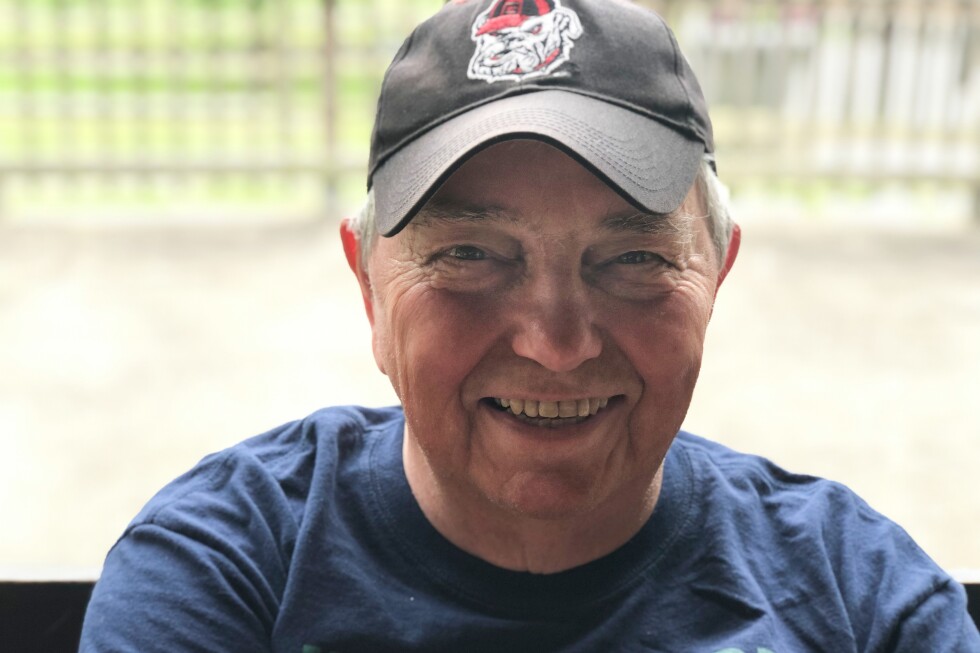
    A Dubai expatriate hailing from a modest Sri Lankan fishing community has experienced an extraordinary reversal of fortune after winning a gold Mercedes-Benz S-Class 500 through a shopping raffle. The life-changing prize came as part of Dubai Gold District’s ‘Shop & Win’ promotional campaign running from December 11 to February 8, where customers earned raffle entries with purchases exceeding Dh500 at participating jewelry and watch retailers.

    The winner, who had utilized his long-term savings to invest in gold at the District, expressed profound gratitude and astonishment at the unexpected turn of events. Having never envisioned luxury vehicle ownership even in his most ambitious dreams, he described the premium automobile as a transformative asset that would significantly alter his life trajectory.

    The campaign mechanism allocated one raffle entry for every Dh500 spent across Dubai’s premium gold and jewelry establishments, creating multiple opportunities for shoppers to participate while making planned purchases. The winner attributes his success to perseverance and philosophical patience, citing his personal mantra: ‘Keep going. Everything you need will come to you at the right time.’

    This remarkable story underscores Dubai’s reputation as a city where extraordinary opportunities can emerge from ordinary consumer activities, particularly within its renowned gold sector that continues to attract both investors and aspirational shoppers seeking value beyond their purchases.

  • Stake raises Dh113.7 million in Series B funding; Emirates NBD, Mubadala buy share

    Stake raises Dh113.7 million in Series B funding; Emirates NBD, Mubadala buy share

    Dubai-based real estate investment platform Stake has successfully concluded an oversubscribed Series B funding round, raising $31 million (Dh113.77 million) from a consortium of prominent regional investors. The investment was led by Emirates NBD bank and Mubadala Investment Company, with additional participation from Property Finder, Ellington Properties, Middle East Venture Partners (MEVP), STV NICE, Wa’ed Ventures, and GFH Partners.

    This latest injection of capital brings Stake’s total funding to date to $58 million (Dh213 million), significantly strengthening its position in the digital real estate investment sector. The platform, founded in the UAE in 2021 and expanded to Saudi Arabia in 2024, has built a substantial community exceeding 2 million users from 211 nationalities.

    Neeraj Makin, Group Head for Strategy, Analytics and Venture Capital at Emirates NBD, emphasized the strategic importance of the investment: “Real estate remains a foundational component of global investment portfolios, yet there is an opportunity to improve how many investors access and gain transparency into these assets. Our strategic investment in Stake represents a significant step in expanding our digital investment capabilities.”

    The funding will primarily support Stake’s expansion in the Saudi market, which the company identifies as a strategic growth opportunity. Since entering Saudi Arabia, Stake has already closed three real estate funds, attracting 6,930 international investors and channeling over SAR 416 million into the local real estate sector.

    Co-founder and co-CEO Rami Tabbara commented on the institutional backing: “To have institutions like Emirates NBD, Mubadala, Property Finder, MEVP, Wa’ed Ventures, GFH Partners, STV and Ellington Properties join us is a reminder that our region believes in ambitious ideas and in the power of technology to transform industries.”

    In a significant regulatory development, Stake has received In-Principle Approval from Dubai’s Virtual Assets Regulatory Authority (VARA) to advance regulated tokenization of real estate assets in collaboration with Property Finder. This positions the company at the forefront of blockchain integration in Middle Eastern real estate markets.

    To date, Stake has facilitated over 250,000 investments across 500-plus properties and four private real estate funds, distributing more than Dh55 million in rental income and surpassing Dh1.4 billion in real estate transactions.

  • US soldiers arrive in Nigeria to aid its fight against Islamist militants

    US soldiers arrive in Nigeria to aid its fight against Islamist militants

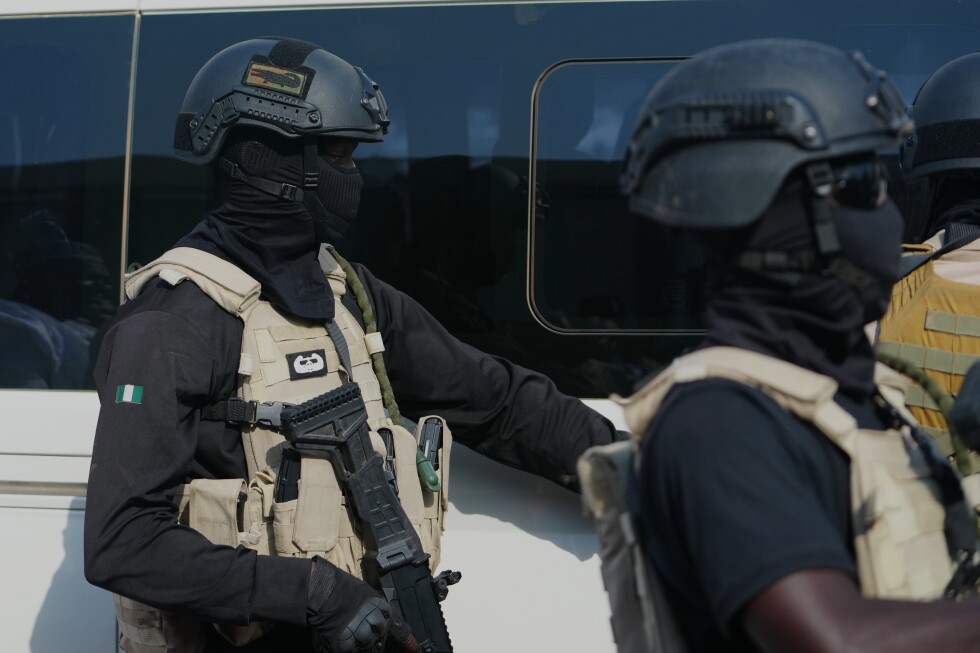
    Approximately 100 United States military personnel have been deployed to northeastern Nigeria, marking a significant escalation in security cooperation between the two nations. The troops arrived at an airfield in Bauchi state with specialized equipment to commence training operations with Nigerian armed forces.

    Defense spokesperson Major General Samaila Uba confirmed the deployment, emphasizing that American forces would not engage in direct combat operations but would provide critical intelligence support and technical training to enhance Nigeria’s counter-terrorism capabilities. The mission follows formal requests from the Nigerian government for assistance in addressing multiple security threats.

    This deployment represents the latest development in bilateral military coordination following December’s joint airstrikes against Islamist militant camps in northwestern Nigeria. The collaboration focuses on strengthening Nigeria’s capacity to deter terrorist organizations including Boko Haram and Islamic State West Africa Province (ISWAP), while improving protection for vulnerable communities.

    The security partnership evolved through diplomatic channels, including working group discussions between defense officials from both nations. This contingent supplements a small team of US forces already operating in the country, with Nigerian military officials previously indicating expectations of approximately 200 additional personnel.

    The deployment occurs against a complex backdrop of religious and ethnic dynamics. While the previous US administration expressed concerns about Christian persecution in Nigeria’s predominantly Muslim north, the current mission appears focused on technical cooperation rather than religious protection. Nigerian authorities have consistently maintained that violence affects all religious groups equally.

    President Bola Tinubu’s administration has explicitly endorsed the security cooperation, expressing gratitude for US support in addressing Nigeria’s multifaceted security challenges that include Islamist insurgencies, criminal kidnapping networks, resource-based conflicts, and separatist movements across this ethnically diverse nation of more than 250 distinct groups.

  • Powering industrial diversification efforts

    Powering industrial diversification efforts

    Brunei Fertilizer Industries (BFI) has rapidly transformed into a strategic national asset since its establishment in 2013, demonstrating remarkable success in advancing Brunei’s economic diversification agenda. Operating Southeast Asia’s largest single-train fertilizer facility, the company converts domestic natural gas into high-value ammonia and urea products for export across Asia, Africa, and the Americas.

    Under CEO Dr. Harri Kiiski’s leadership, BFI has achieved industry recognition as one of only 30 stewardship champions within the International Fertilizer Association’s 500-member network. The company boasts an exceptional safety record of over 4.2 million injury-free working hours while establishing itself as a reliable supplier with premium-quality products.

    The enterprise has significantly contributed to national workforce development, increasing Bruneian employment from 70% to 78% of its workforce. Through targeted graduate recruitment programs, BFI has developed 160 young professionals into key operational roles, aligning with Brunei’s Wawasan 2035 development vision.

    Technologically, BFI utilizes world-class licensed processes producing 2,200 tonnes of ammonia and 3,900 tonnes of urea daily. The company is advancing into specialty fertilizers containing inhibitors, micronutrients, and biostimulants to address regional food security challenges and soil health issues, particularly zinc deficiency affecting women and children.

    Environmental sustainability remains central to operations, with modern processes optimizing energy efficiency, reducing water intensity, and limiting emissions. The company explores future opportunities in carbon capture, storage, and green energy integration through the ASEAN grid.

    Strategically positioned at market center with superior logistics capabilities, BFI offers 30-40% lower transport emissions compared to Middle Eastern producers. The company now serves as a confidence anchor for investors in chemicals, energy transition, and advanced manufacturing, positioning Brunei as an emerging hub for future-oriented industries.

  • Kenya’s main airport resumes operations after 2-day strike

    Kenya’s main airport resumes operations after 2-day strike

    NAIROBI, Kenya — Operations at Kenya’s primary aviation hub are returning to normal following the resolution of a two-day labor strike that had severely disrupted air travel. The industrial action, which commenced on Monday and paralyzed activities at Jomo Kenyatta International Airport, was called off on Tuesday after productive negotiations between airport workers’ representatives and government transportation officials.

    The work stoppage created significant travel disruptions, with flight delays extending up to six hours and airlines advising passengers to reschedule their journeys. The Kenya Civil Aviation Authority confirmed in an official statement that airport functions would resume immediately following the successful mediation between the transport ministry and the trade union.

    Labor representatives had initiated the strike to demand improved working conditions, enhanced compensation packages, and better benefits for airport staff. These concerns were addressed during Tuesday’s discussions, which focused on implementing measures to meet the workers’ requirements.

    As a critical transportation nexus for both regional and international flights, the airport’s operational stability is considered vital to East Africa’s connectivity. Kenya Airways announced it was progressively normalizing its flight schedule, anticipating full operational resumption within 24 hours.

    Transport Minister Davies Chirchir reaffirmed the government’s dedication to maintaining stability within the aviation sector, emphasizing the importance of uninterrupted airport operations. The labor union had previously issued a strike notice last week after authorities failed to execute portions of an earlier agreement addressing labor conditions and compensation.

  • Nigeria and Kenya lead Africa’s push for electric vans assembled from Chinese EV kits

    Nigeria and Kenya lead Africa’s push for electric vans assembled from Chinese EV kits

    Across Africa’s largest economies, a transformative shift in transportation is underway as e-mobility companies establish local assembly operations for electric vehicles through strategic Chinese partnerships and innovative financing models. Nigeria and Kenya are emerging as continental leaders in this green transportation revolution, leveraging imported Chinese kits to build electric vans and taxis tailored for African markets.

    In Nigeria, Saglev—a joint venture between Stallion Group and China’s Sokon Motor—has commenced assembly of 18-seater electric passenger vans using components from Dongfeng Motor Corp. The Lagos-based manufacturer aims to produce up to 2,500 vehicles annually, with plans to expand to 17 electric models for West African markets. CEO Olu Falaye heralded this development as “a major step in Nigeria’s transition toward clean, fossil-free transportation,” marking the first mass transit EV assembled locally in sub-Saharan Africa.

    Simultaneously in Kenya, Rideence Africa has invested $2.46 million in a partnership with Associated Vehicle Assemblers (AVA) to produce electric taxis and minibuses using kits from Jiangsu Joylong Automobile and Beijing Henrey Automobile Technology. Managing Director Minnan Yu emphasized the company’s evolution “from operator to manufacturer,” with ambitions to create a “Kenya-rooted new-energy mobility company serving Africa.”

    The economic advantages are substantial: EV charging costs average approximately $3 for 200 kilometers compared to over $15 for petrol equivalent distances. However, the transition faces infrastructure challenges, particularly regarding reliable power sources. Saglev addresses this by planning solar-powered charging stations to ensure consistent energy supply.

    Innovative financing models are crucial to adoption. Rideence leases taxis to drivers for about $18 daily, while BasiGo-Kenya Vehicle Manufacturer requires a deposit plus 20 cents per kilometer driven. These pay-as-you-drive and lease-to-own options overcome financial barriers in markets where credit access is limited and upfront vehicle costs are prohibitive.

    Despite progress, EVs remain a tiny fraction of Africa’s vehicle population—approximately 30,000 compared to millions of fossil-fuel vehicles. The continent produced just 1.1 million vehicles total in the previous year, with 90% manufactured in Morocco and South Africa. Nevertheless, industry experts like Dennis Wakaba of Kenya’s Electric Mobility Association note that scaling local assembly has already reduced costs, making EVs increasingly accessible to transport operators across the continent.

  • Kenya launches a carbon registry to boost climate finance and credibility

    Kenya launches a carbon registry to boost climate finance and credibility

    NAIROBI, Kenya — In a strategic move to establish itself as a premier destination for climate finance, Kenya has officially launched a comprehensive national carbon registry designed to enhance transparency and integrity in carbon credit markets. The initiative, jointly introduced by the Ministry of Environment and the National Environment Management Authority, represents a significant advancement in Africa’s climate action landscape.

    The newly established registry will function as the central mechanism for monitoring carbon credit projects, validating emissions reductions, and eliminating the persistent issue of double counting that has plagued carbon markets globally. This development arrives as developing nations increasingly seek equitable participation in climate financing mechanisms under the Paris Agreement framework.

    Africa possesses substantial carbon sequestration capabilities through its vast forests and natural ecosystems, yet currently receives disproportionately minimal investment in global carbon markets. Kenya, endowed with extensive forest coverage, grassland territories, and renewable energy resources, aims to leverage this registry to attract foreign climate investment while ensuring local communities receive fair benefits from carbon trading activities.

    Carbon markets enable nations and corporations to offset their greenhouse gas emissions by purchasing credits generated from projects that reduce or remove atmospheric carbon dioxide, such as reforestation initiatives or renewable energy installations. However, these markets have faced criticism regarding inadequate oversight, exaggerated environmental claims, and inequitable benefit distribution.

    Cabinet Secretary for Environment, Climate Change and Forestry Deborah Mlongo declared, “Today marks a transformative moment in carbon market governance. This registry signals to international investors and the global community that Kenya is prepared to engage in carbon markets with unprecedented transparency, robust integrity, and strong regulatory oversight.”

    The registry will provide a standardized national accounting system aligned with international protocols, recording project approvals, tracking emissions reductions, and authorizing credit transfers. This infrastructure will enable Kenya to comply with international carbon trading regulations governing the transfer of emissions reductions between countries without duplicate counting.

    Government officials reported substantial interest from developers and investors, with over 80 carbon project concept notes already submitted for consideration. Special Climate Envoy Ali Mohamed emphasized that “this registry establishes the foundational architecture for an efficient market ecosystem, enabling comprehensive project monitoring, credit issuance, and corresponding adjustments that reinforce Kenya’s credibility as a serious carbon market jurisdiction.”

    The Kenyan government projects that carbon markets could generate significant investment inflows while simultaneously supporting conservation efforts, job creation, and sustainable development objectives. Environment Principal Secretary Festus Ng’eno emphasized the system’s design prioritizes equitable benefit distribution between communities and investors, particularly recognizing those who conserve and protect forest resources.

    Technical and financial support for the registry has been provided by Germany through its development agency GIZ, which recently announced an additional €2.4 million ($2.6 million) to enhance Kenya’s carbon market readiness. The registry is anticipated to become fully operational within the current year, incorporating a forestry carbon registry launched previously to support Kenya’s ambitious national tree-growing program.

  • Fake funeral suspects allegedly used hearse to smuggle charcoal in Malawi

    Fake funeral suspects allegedly used hearse to smuggle charcoal in Malawi

    Malawian authorities are investigating an elaborate charcoal smuggling operation after nine suspects escaped police custody following their arrest in a highly unusual trafficking case. The incident unfolded when forestry officials, acting on intelligence, intercepted a hearse at a roadblock near Blantyre that was purportedly part of a funeral procession.

    Upon inspection, officials discovered an empty coffin strategically placed over multiple bags of illegally sourced charcoal with an estimated market value of $1,700. The discovery revealed what forestry official William Mitembe described to local media as “the most complex illegal charcoal trafficking case in the country’s history.”

    The case took a curious turn when Patrick Dimba, manager of the involved funeral service, provided an alternative account to the BBC. According to Dimba, their driver was returning from a bereavement visit where he had transported two coffins for family selection. The empty coffin remained after the family made their choice, and the driver allegedly purchased 11 bags of charcoal during his return journey without other passengers present.

    Police reports contradict this narrative, indicating that approximately 30 bags of charcoal were concealed beneath the coffin during the interception in Chikwawa district, approximately 40 kilometers south of Blantyre. The suspects were briefly detained but subsequently escaped custody, abandoning the impounded vehicle.

    Hector Nkawihe, another forestry official, confirmed to Reuters that the individuals face charges of illegal possession and transportation of forestry products. If convicted, penalties include up to five years imprisonment or substantial fines.

    This incident highlights Malawi’s ongoing struggle with rampant charcoal trafficking, which has become a primary driver of deforestation nationwide. The high demand for charcoal as cooking fuel persists due to frequent electricity blackouts that plague the country. The economic context has worsened recently, with Malawi’s energy regulator implementing over 40% increases in petrol and diesel prices last month—the second significant fuel cost hike within four months.

    President Peter Mutharika’s administration continues to grapple with revitalizing Malawi’s struggling economy while addressing environmental challenges exacerbated by illegal fuel operations.

  • UAE in pole position as global wealth migration surges

    UAE in pole position as global wealth migration surges

    A significant structural shift in global wealth distribution is underway as high-net-worth individuals increasingly seek jurisdictions offering fiscal predictability and political stability. According to fresh data from financial advisory firm deVere Group, approximately 35% of affluent investors are actively considering relocation to lower-tax, policy-stable environments, signaling a fundamental transformation in international wealth management strategies.

    The United Arab Emirates has positioned itself as the primary beneficiary of this capital migration trend, attracting entrepreneurs, investors, and ultra-high-net-worth families through its zero personal income tax regime, robust legal framework, and world-class infrastructure. The country’s Golden Visa program and long-term residency options have further enhanced its appeal as a secure base for internationally mobile capital.

    Industry analysts confirm the acceleration of what has been termed the ‘Great Wealth Migration,’ with defensive wealth preservation strategies now driving relocation decisions rather than purely expansion-oriented motives. Nigel Green, CEO of deVere Group, emphasizes that wealthy individuals are systematically reassessing their geographic bases in response to tax changes, geopolitical tensions, and policy unpredictability in traditional wealth centers.

    Property markets in Dubai and Abu Dhabi have played a crucial role in attracting global capital, with luxury real estate transactions reaching record levels over the past three years. Knight Frank’s research indicates that Dubai has firmly established itself as a leading destination for private capital and family offices, offering a unique combination of tax efficiency, regulatory transparency, and lifestyle advantages.

    Henley & Partners’ Private Wealth Migration Report consistently ranks the UAE as the world’s leading destination for millionaire inflows, a trend expected to continue through 2026. The country’s strategic location between East and West, coupled with its status as a global aviation and financial hub, provides unparalleled connectivity for internationally mobile families and businesses.

    Wealth managers note that clustering around policy-stable jurisdictions is becoming more pronounced, with the UAE standing out for its regulatory clarity and consistency. Full foreign ownership provisions, streamlined business setup processes, and sophisticated financial services infrastructure are encouraging entrepreneurs to shift both personal and corporate bases to the country.

    As geopolitical and fiscal uncertainties persist across traditional wealth centers, the UAE’s rise as a global magnet for capital and talent is projected to accelerate further, reshaping the landscape of international wealth management for years to come.

  • Fakih IVF opens a new branch in Khalifa City to strengthen healthcare services in Abu Dhabi

    Fakih IVF opens a new branch in Khalifa City to strengthen healthcare services in Abu Dhabi

    Fakih IVF, a pioneering institution in reproductive medicine across the Middle East, has inaugurated a new state-of-the-art facility on Al Forsan Street in Khalifa City, Abu Dhabi. This strategic expansion addresses the growing regional demand for specialized fertility services while reinforcing the organization’s commitment to healthcare accessibility.

    Under the visionary leadership of Dr. Michael Fakih, a renowned Consultant in Reproductive Endocrinology and IVF pioneer, the institution has facilitated the birth of over 35,000 children throughout its three-decade history. The new Khalifa City branch continues this legacy by offering comprehensive reproductive solutions including in vitro fertilization (IVF), intracytoplasmic sperm injection (ICSI), advanced genetic screening, and fertility preservation services through egg and sperm cryopreservation.

    The facility distinguishes itself through the integration of cutting-edge artificial intelligence technologies within its embryology laboratories. Notably, the center pioneered the implementation of AI-assisted sperm search technology in the region, providing breakthrough solutions for cases of severe male infertility. These advanced systems enhance treatment precision, optimize clinical protocols, and improve overall reproductive outcomes while maintaining rigorous safety standards.

    Dr. Michael Fakih emphasized the dual commitment to scientific excellence and compassionate care: “Our expansion into Khalifa City demonstrates our dedication to making world-class fertility treatment accessible to more families in Abu Dhabi. We believe every individual deserves personalized care, advanced treatment options, and emotional support throughout their reproductive journey.”

    The new center eliminates geographical barriers for residents of Khalifa City and surrounding communities, providing convenient access to internationally recognized fertility expertise without requiring extensive travel. This development represents a significant enhancement to Abu Dhabi’s healthcare infrastructure and reaffirms the UAE’s position as a hub for medical innovation in reproductive health.