标签: Africa

非洲

  • Roads or rice fields – Madagascar’s highway dilemma

    Roads or rice fields – Madagascar’s highway dilemma

    In the tranquil village of Ambohidava, Madagascar, a crimson wooden post symbolizes an impending transformation that threatens to dismantle generations of agricultural tradition. This marker designates the path of a controversial $1 billion highway project linking the capital Antananarivo to Toamasina, the nation’s primary port city.

    The proposed infrastructure promises to revolutionize Madagascar’s economy by slashing the current 16-hour journey between these key cities to merely three hours. Government projections indicate the highway could triple activity at Toamasina port, facilitate exports of premium commodities like vanilla, and generate substantial employment opportunities along its 260-kilometer corridor.

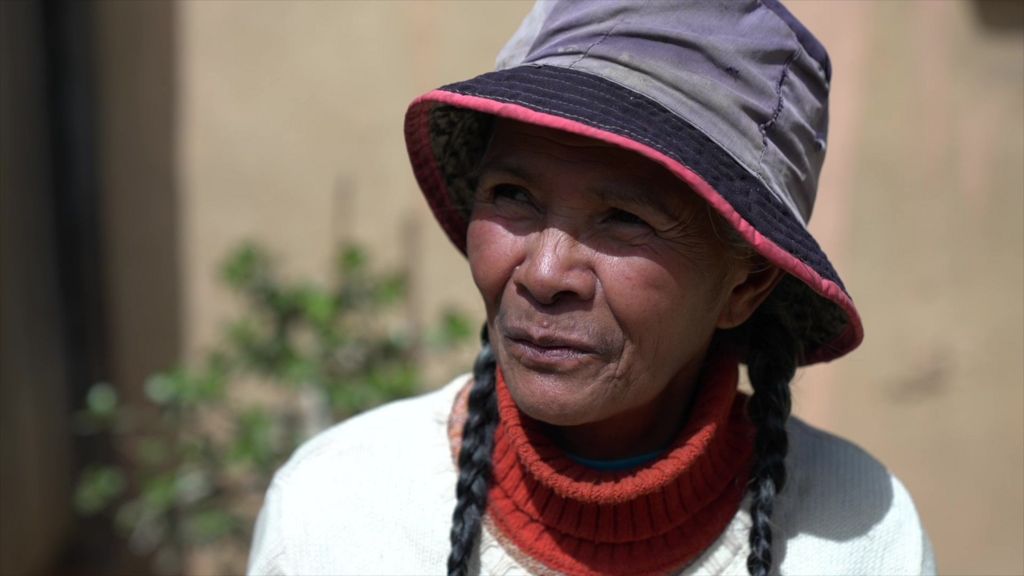
    However, this development exacts a profound human cost. Seventy-year-old Neny Fara, whose family has cultivated rice and pineapples in Ambohidava for generations, faces the potential destruction of her ancestral farmlands. “I feel stabbed in the back,” she expresses, highlighting the absence of official communication regarding compensation. Her concerns echo throughout the community, where multiple farmers report similar uncertainties despite governmental assurances of restitution within one year of the road’s completion.

    The project’s implementation continues despite recent political upheaval that deposed initial proponent President Andriy Rajoelina. The current administration maintains commitment to the venture, financed through a combination of state funds (20%) and international sources including the Arab Bank for Economic Development in Africa.

    Environmental considerations have undergone significant revision since the project’s inception. Originally feared to encroach upon pristine rainforests housing Madagascar’s unique biodiversity, the route now primarily traverses previously cleared agricultural zones. Egyptian construction firm Sancrete further claims the improved road could reduce transportation emissions by up to 30%.

    Yet cultural tensions persist. Villagers voice distress over potential desecration of ancestral burial grounds, considered sacred in Malagasy tradition. An impromptu community gathering, led by Neny Fara, revealed determined opposition to the current plans.

    Former Environment Minister Max Fontaine defended the balance between preservation and progress, emphasizing parallel initiatives to formalize land ownership and prevent corporate land grabs. “This highway will radically change the face of Madagascar,” he stated, acknowledging both the transformative potential and necessary safeguards for affected communities.

    As construction advances on the initial 8-kilometer segment, Ambohidava embodies the complex dilemma facing developing nations: reconciling economic advancement with environmental conservation and cultural heritage preservation.
  • UAE boards align with Vision 2050 but struggle to look ahead, new index finds

    UAE boards align with Vision 2050 but struggle to look ahead, new index finds

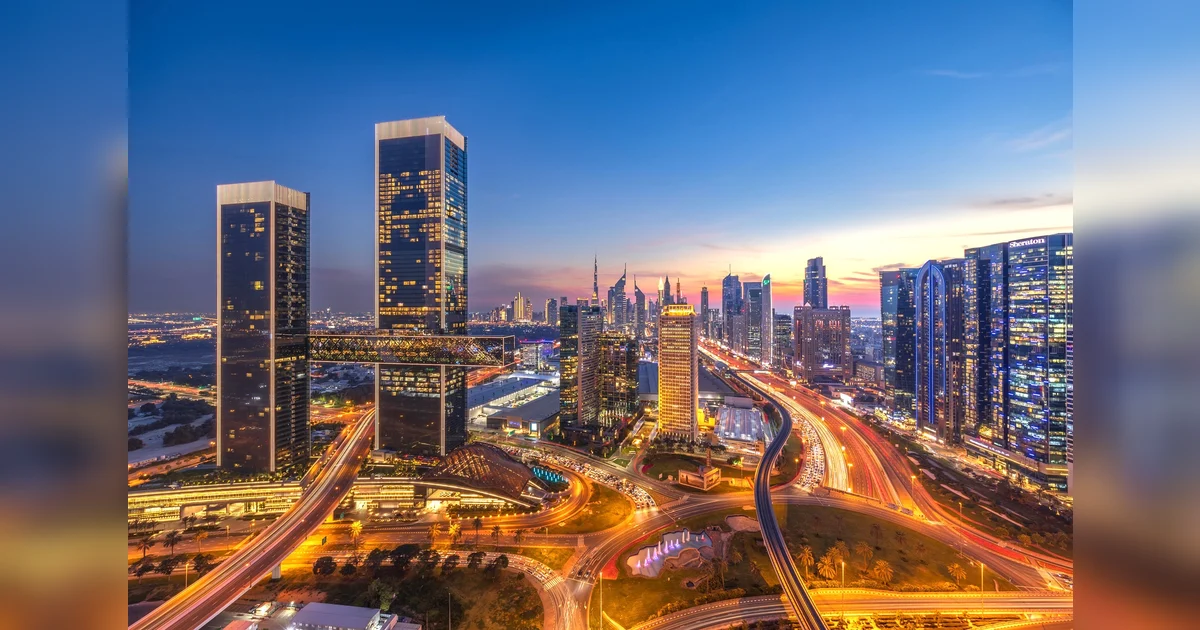
    A groundbreaking study reveals that corporate boards across the Middle East demonstrate remarkable alignment with national development agendas while simultaneously struggling to shift from retrospective review to forward-looking strategic planning. The inaugural Middle East Board Value Index, conducted by Board Intelligence, surveyed 100 board directors throughout the GCC region, uncovering significant insights about corporate governance trends.

    The research indicates that an overwhelming 97% of regional boards maintain substantial alignment with transformational national frameworks including UAE Vision 2050 and Saudi Vision 2030, with 60% characterizing this alignment as ‘extremely effective’ and 37% as ‘moderately aligned.’ This represents a strong commitment to incorporating national priorities into corporate strategic frameworks.

    However, the study exposes a critical strategic gap in temporal orientation among boardrooms. Merely 38% of boards prioritize future-focused discussions, while 41% acknowledge spending more time reviewing past performance than planning ahead. A mere 21% achieve equilibrium between retrospective analysis and prospective planning, potentially limiting their ability to anticipate market disruptions and generate long-term value.

    Despite these temporal challenges, board confidence remains notably high. Nearly half (48%) of directors perceive their boards as essential to performance and value creation, while 94% report efficient operational processes. The primary obstacles identified include suboptimal information quality (41%) and inflexible decision-making frameworks (38%), both of which constrain organizational agility in rapidly evolving market conditions.

    The research further highlights boards’ strategic positioning within regional transformation initiatives. While 98% describe themselves as aligned with integration and diversification agendas, only 48% claim active leadership in these efforts. Sovereign engagement emerges as a particular strength, with 61% of directors expressing high confidence in managing regulatory relationships and state stakeholder dynamics.

    Risk management capabilities present a varied picture: 60% of boards feel very confident addressing cybersecurity threats, and 58% believe they can anticipate geopolitical shifts. Nevertheless, the prevailing reactive rather than anticipatory posture suggests room for improvement in foresight capabilities and information quality enhancement.

    Pippa Begg, CEO of Board Intelligence, commented: ‘Middle Eastern boards are entering a new era of strategic confidence. The contemporary challenge involves leveraging this confidence through enhanced future orientation. In an environment characterized by rapid transformation, the most valuable boards will be those capable of converting insight into foresight and governance into sustainable growth.’

    As the region accelerates its economic diversification and digital transformation initiatives, these findings present a clear imperative for corporate governance evolution—from alignment with national visions to anticipation of future challenges and opportunities.

  • ‘Felt like humiliation’ – Egypt reacts to Salah’s Liverpool row

    ‘Felt like humiliation’ – Egypt reacts to Salah’s Liverpool row

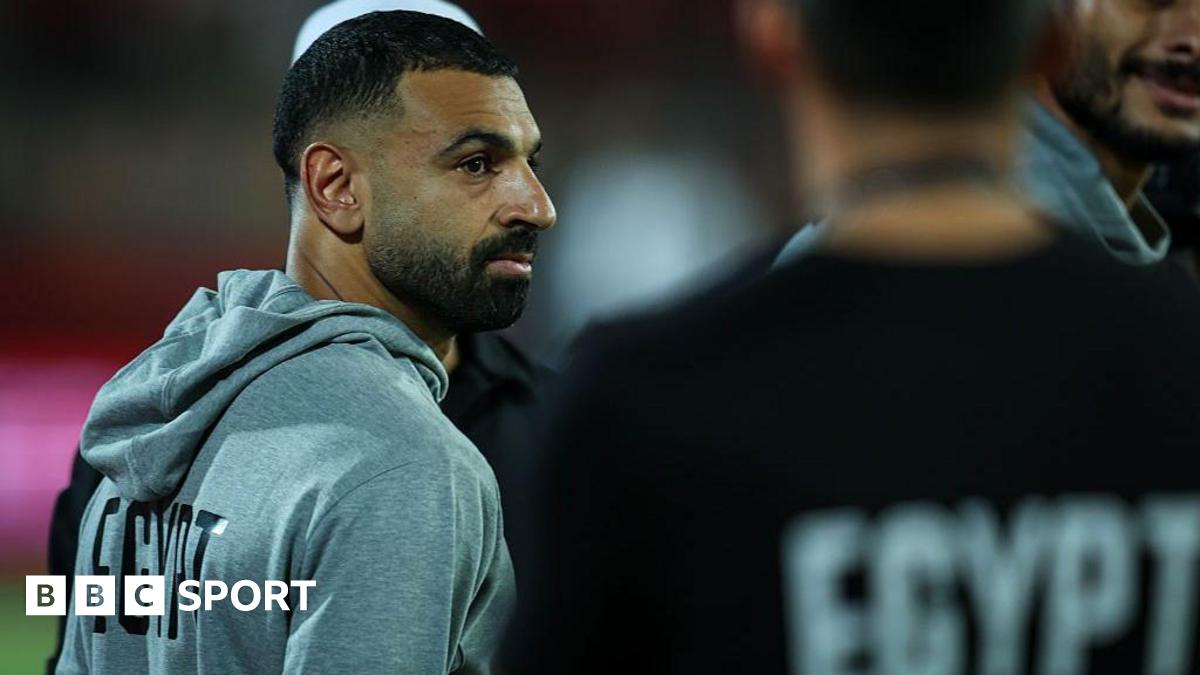
    In the bustling streets of Cairo, where 23 million people navigate the chaotic urban landscape, a singular name dominates conversations: Mohamed Salah. The recent controversy surrounding his explosive interview about Liverpool has ignited what locals describe as a “national revolution” of support for their football icon.

    When Salah claimed Liverpool had “thrown him under the bus” in his December 6th interview, the Egyptian response was immediate and overwhelming. Diaa El-Sayed, former Egypt assistant coach who has known Salah since his teenage years, stated: “This interview was like a revolution in Egypt. 99% of Egypt supports Salah.”

    The contrast between British and Egyptian perspectives couldn’t be more striking. While British media heavily criticized Salah, with former defender Jamie Carragher calling the interview a “disgrace,” Cairo residents view their ‘Egyptian King’ through entirely different lenses. “Before Salah, no-one supported Liverpool here,” explains Cairo local Noura Essam. “Before Salah, we didn’t have a global figure, so we will always support him.”

    Salah’s cultural significance transcends sports. During the 2018 presidential election, over one million Egyptians wrote his name on their ballots instead of voting for official candidates. He’s known affectionately as the ‘Fourth Pyramid’ – an unofficial national leader whose influence reaches far beyond football pitches.

    At Ramses Square, where teenage Salah once changed buses during his nine-hour daily commute to training, cafe patrons expressed disbelief at his recent benchings by Liverpool manager Arne Slot. The situation became so tense that when Liverpool faced Inter Milan in Champions League, “all of Egypt supported Inter Milan,” according to Osama Ismail, former Egyptian FA spokesman.

    The national team has mobilized to support their captain ahead of the Africa Cup of Nations. At Cairo International Stadium, where Egypt recently defeated Nigeria 2-1 in a friendly, the overwhelming mood was one of lifting their “son’s” morale. Sports Minister Ashraf Sobhy personally welcomed Salah upon his arrival in Cairo, demonstrating the government-level support he commands.

    Ahmed Gamal Ali, a Cairo-based journalist, explains the national sentiment: “We say he is our son, so we were emotionally taken aback because it felt like a humiliation for one of our family. To see one of our own hurting was shocking.”

    Within the Egyptian camp, support remains unwavering. Team staff describe working with Salah as “the best part of my job,” while players have universally posted social media support for their captain. Coach Hossam Hassan, Egypt’s all-time record goalscorer, has held extensive discussions with Salah, emphasizing that Egypt needs him at his best regardless of his Liverpool situation.

    The underlying tension stems from Salah’s changing role at Liverpool and potential departure. While neither party appears eager for a January separation, a summer move seems increasingly likely, with Saudi clubs interested in the £400,000-per-week forward. Yet even potential departure carries nuance – there’s belief Salah might return to Liverpool with his family after retirement because they “love the British way of life.”

    For now, Salah’s focus remains on international glory. He has never won the Africa Cup of Nations, losing finals in 2017 and 2021. His dedication to this goal is exemplified by his response to his daughters when they asked why he still trains despite winning everything with Liverpool: “No, not yet, this is Egypt.”

    The narrative also touches on Salah’s football hero, Mohamed Aboutrika, whose number 22 Salah once wore as tribute until Aboutrika was placed on Egypt’s terror list in 2017 (a designation removed in 2024). Unlike his idol who won two Afcon titles, Salah seeks his first international trophy.

    With Egypt drawn in a manageable World Cup group alongside Belgium, Iran and New Zealand for next year’s tournament, international success remains within reach. But immediate focus remains on Morocco, where Salah carries not just national hopes but personal motivation to prove he remains among football’s elite.

    As Mohamed Mamoun, a fan at Cairo stadium, perfectly captures: “Salah always wants to win but there is double motivation now to prove that he is still one of the best. We already know he is the best.” Though not tournament favorites, with Salah, Egypt will always believe.

  • DP World launches 36-hour Dubai-Iraq sea link, cutting costs and transit times

    DP World launches 36-hour Dubai-Iraq sea link, cutting costs and transit times

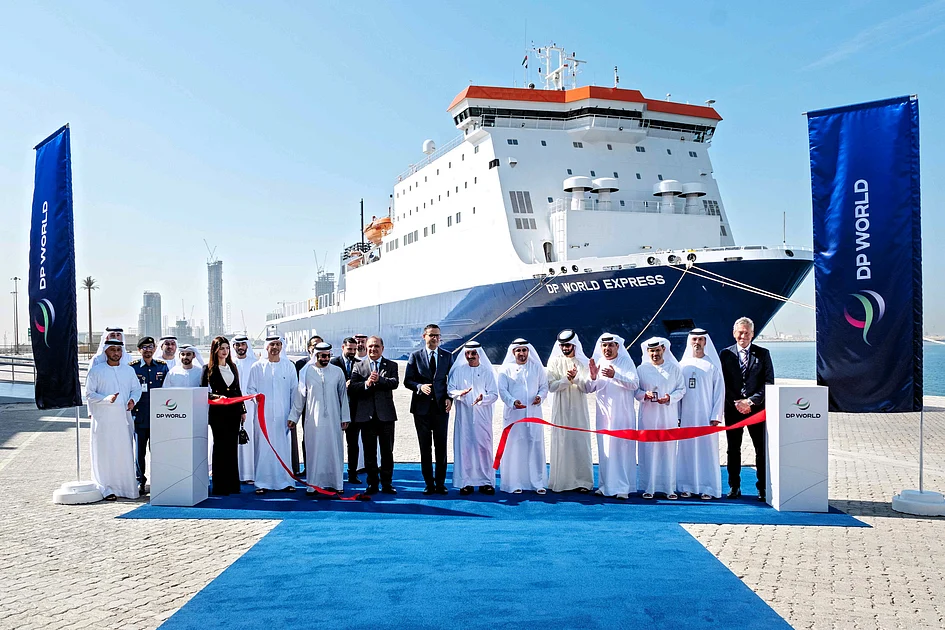
    In a strategic move to transform regional trade logistics, DP World has officially inaugurated a groundbreaking 36-hour maritime connection linking Dubai’s Mina Rashid with Iraq’s Umm Qasr Port. The new service, operated by the recently upgraded ‘DP World Express’ RoRo vessel, promises to revolutionize cargo transportation between the Gulf nations.

    The newly enhanced vessel, which recently completed upgrades at Drydocks World, boasts capacity for 145 accompanied trailers per sailing. This innovative approach allows drivers to travel aboard with their non-containerized trailer units, creating a secure door-to-door transportation solution that significantly outperforms traditional overland trucking routes.

    The inauguration ceremony witnessed the convergence of high-ranking officials from both nations, including Dr. Muzaffar Mustafa Al-Jubouri, Iraqi Ambassador to the UAE, and Sultan Ahmed bin Sulayem, Group Chairman & CEO of DP World, signaling the diplomatic importance of this infrastructure development.

    Sultan Ahmed bin Sulayem emphasized the strategic significance: “This new maritime bridge establishes a faster, more efficient trade corridor between Iraq and the UAE that will facilitate commerce throughout the Middle East. By providing a predictable route that reduces time, cost, and complexity, we’re creating long-term economic opportunities for both nations.”

    The service addresses growing market demand for accelerated, controlled trailer movements with reduced handling requirements. Beyond connecting main commercial centers in Iraq, the corridor enhances regional connectivity to Jordan and Syria through established inland routes. The return journey will carry Iraqi export cargo back to the UAE, creating a balanced two-way trade flow that optimizes regional supply chain efficiency.

    Abdulla Bin Damithan, CEO & Managing Director of DP World GCC, highlighted the customer-driven nature of the initiative: “The transition to accompanied trailers responds directly to market needs for more reliable cross-border movement. Our direct maritime solution from Mina Rashid enables businesses to plan with greater confidence, respond agilely to market demands, and streamline regional goods movement.”

  • EU to yield on combustion engines ban after automaker pressure

    EU to yield on combustion engines ban after automaker pressure

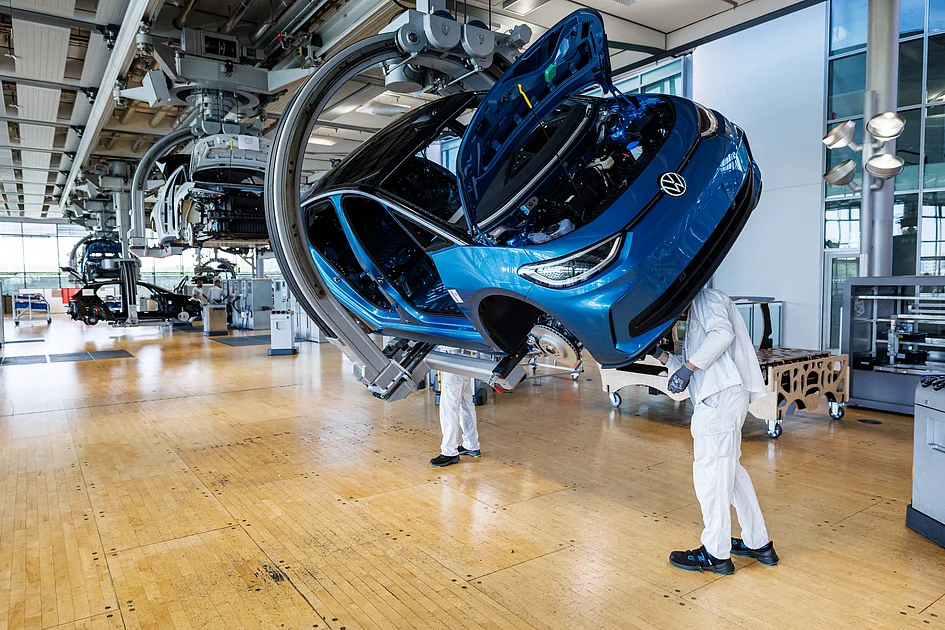
    In a major policy reversal, the European Commission has proposed scaling back its ambitious 2035 ban on combustion engine vehicles following intense lobbying from Germany, Italy, and European automakers. Instead of requiring 100% zero-emission vehicles as originally planned, the new proposal would mandate a 90% reduction in CO2 emissions from 2021 levels by 2035.

    The policy shift, which requires approval from EU governments and the European Parliament, represents the bloc’s most significant retreat from its green agenda in five years. The compromise would allow continued sales of plug-in hybrids and range extenders that utilize CO2-neutral biofuels or synthetic fuels, providing relief to European manufacturers struggling to compete with Tesla and Chinese electric vehicle makers.

    This development coincides with Ford Motor’s announcement of a $19.5 billion writedown and cancellation of several electric models, citing the Trump administration’s policies and weakening EV demand. European automotive giants including Volkswagen and Stellantis have similarly pointed to sluggish EV adoption and advocated for reduced targets and penalties.

    The auto industry lobby ACEA characterized the situation as ‘high noon’ for the sector, urging the Commission to also relax intermediate 2030 targets. German manufacturers face particular pressure as they lose market share in China to domestic producers while confronting competition from sophisticated Chinese EVs in their home markets.

    However, EV industry leaders warn that backtracking on emissions targets could undermine investment and widen Europe’s competitive gap with China. Polestar CEO Michael Lohscheller cautioned that ‘if we backtrack now, we won’t just hurt the climate. We’ll hurt Europe’s ability to compete.’

    Concurrently, the Commission is developing complementary measures to accelerate EV adoption, including incentives for corporate fleets (which represent approximately 60% of new car sales in Europe), potential new regulatory categories for small EVs with tax benefits, and sustainability credits for vehicles manufactured with low-carbon materials.

  • Michael Bay to collaborate with Bhanushali Studios, AR Rahman to compose music

    Michael Bay to collaborate with Bhanushali Studios, AR Rahman to compose music

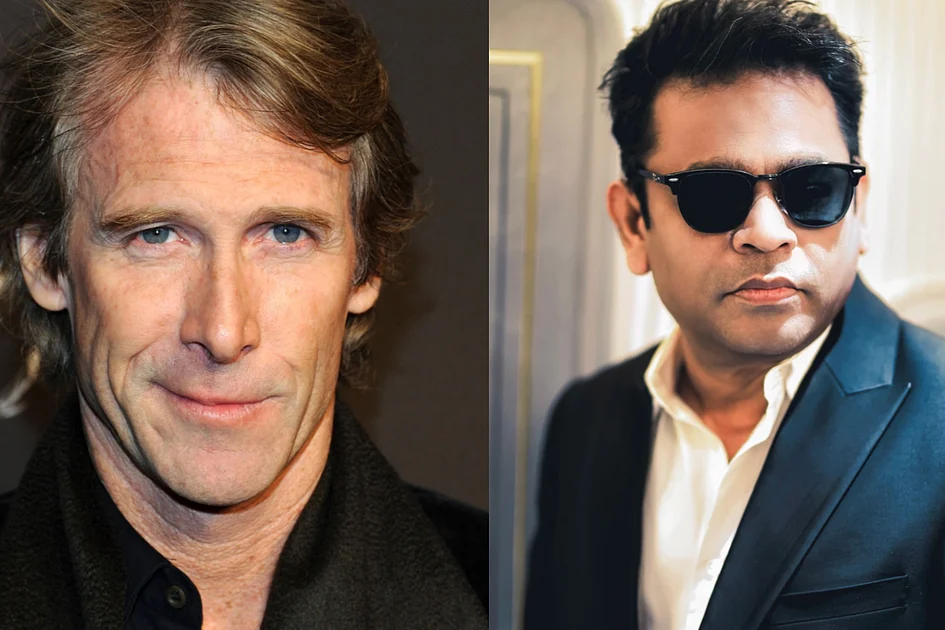
    In a groundbreaking cinematic collaboration, Bhanushali Studios has announced a major international partnership with renowned Hollywood director Michael Bay and Oscar-winning composer AR Rahman. The studio revealed through its official social media channels that Bay will serve as creative collaborator for an upcoming high-energy project directed by Anthony D’Souza, known for Indian blockbusters including ‘Boss’ and ‘Blue’.

    Michael Bay, celebrated for his work on globally successful franchises such as ‘Transformers,’ ‘Bad Boys,’ and ‘Armageddon,’ brings his signature action-packed storytelling to this cross-border venture. Simultaneously, AR Rahman, the musical genius behind Oscar-winning scores for ‘Slumdog Millionaire,’ will compose the film’s soundtrack, blending his distinctive Indian musical sensibility with international appeal.

    Vinod Bhanushali, leading the studio behind critically acclaimed productions like ‘Sirf Ek Bandaa Kaafi Hai’ and ‘Main Atal Hoon,’ described the collaboration as a celebration of cinema that transcends geographical boundaries. The project marks a significant moment in the globalization of Indian film production, combining Hollywood’s technical expertise with India’s creative talent.

    While specific details regarding the film’s plot, casting choices, and release timeline remain undisclosed, industry analysts anticipate this partnership could establish new benchmarks for international co-productions. The announcement has generated substantial excitement within both Hollywood and Bollywood circles, with many viewing this as a potential model for future cross-cultural cinematic ventures.

  • ‘Land does not lie’: Sharjah Ruler cites 200,000-year-old tools as Faya joins Unesco list

    ‘Land does not lie’: Sharjah Ruler cites 200,000-year-old tools as Faya joins Unesco list

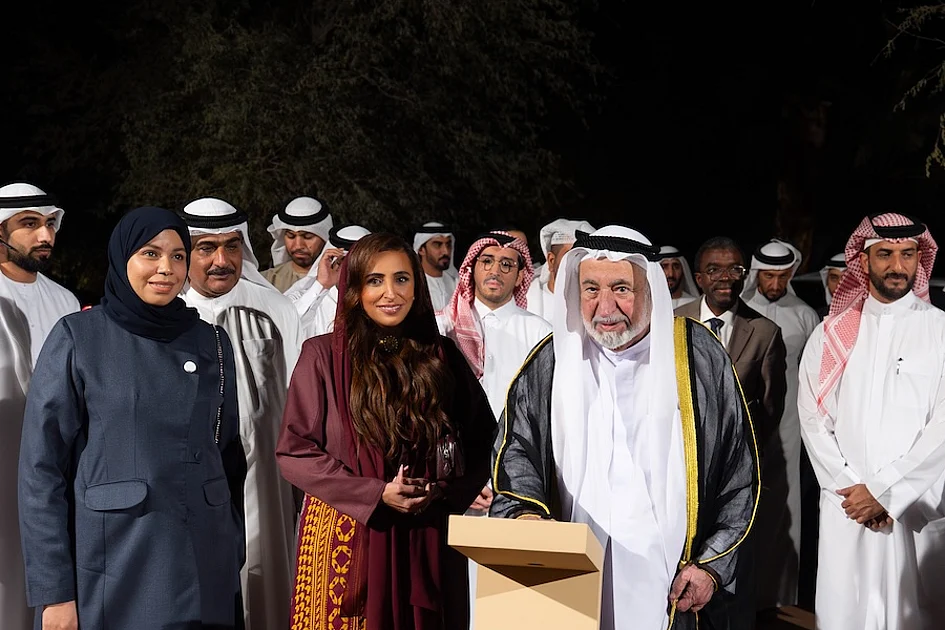
    SHARJAH – In a landmark ceremony at the Mleiha Archaeological Centre, His Highness Sheikh Dr. Sultan bin Muhammad Al Qasimi, Ruler of Sharjah, formally celebrated the inscription of the Faya archaeological site onto the UNESCO World Heritage List. The event marked international recognition of a location that has fundamentally altered scientific comprehension of early human migration patterns.

    The significance of Faya was underscored by the unveiling of a commemorative monument and the presentation of the official inscription certificate by Lazare Eloundou Assomo, Director of the UNESCO World Heritage Centre. Sheikh Dr. Sultan emphasized that this designation transcends regional importance, representing instead a profound contribution to humanity’s collective historical narrative.

    Central to Faya’s global value are the extraordinary discoveries made there, including exquisitely crafted stone tools dating back more than 200,000 years. These artifacts have effectively dismantled long-standing assumptions, providing compelling evidence that modern humans inhabited the Arabian Peninsula far earlier than previously documented. ‘The land spoke, and the land does not lie when it speaks through science,’ stated the Ruler, reflecting on the moment researchers realized they were confronting evidence that recalibrates the timeline of human settlement.

    Sheikh Dr. Sultan articulated Faya’s role as more than a transit corridor, establishing it as a crucial early homeland where human communities demonstrated remarkable adaptation to arid environments. The site offers a continuous record of human presence, ingenuity, and social organization over hundreds of millennia. He described Faya as ‘living pages of the book of humanity’ that illustrate how early societies transformed environmental challenges into knowledge, cooperation, and sustainable resource management.

    Beyond its archaeological importance, the Sharjah Ruler framed heritage preservation as an essential investment in cultural identity and future wisdom. He asserted that protecting sites like Faya safeguards accumulated human experience, providing ‘an open school for generations’ to understand their origins and contextualize their role in contemporary society. This philosophy aligns with Sharjah’s broader cultural vision, where heritage occupies a central position in understanding the region’s social foundations.

    The UNESCO recognition solidifies the United Arab Emirates’ growing role in global heritage conservation while highlighting how Arabian Peninsula discoveries are reshaping historical paradigms regarding civilization development through communication networks and adaptive strategies that remain relevant to modern challenges.

  • Sunny Deol gets teary-eyed at his first public event after Dharmendra’s demise

    Sunny Deol gets teary-eyed at his first public event after Dharmendra’s demise

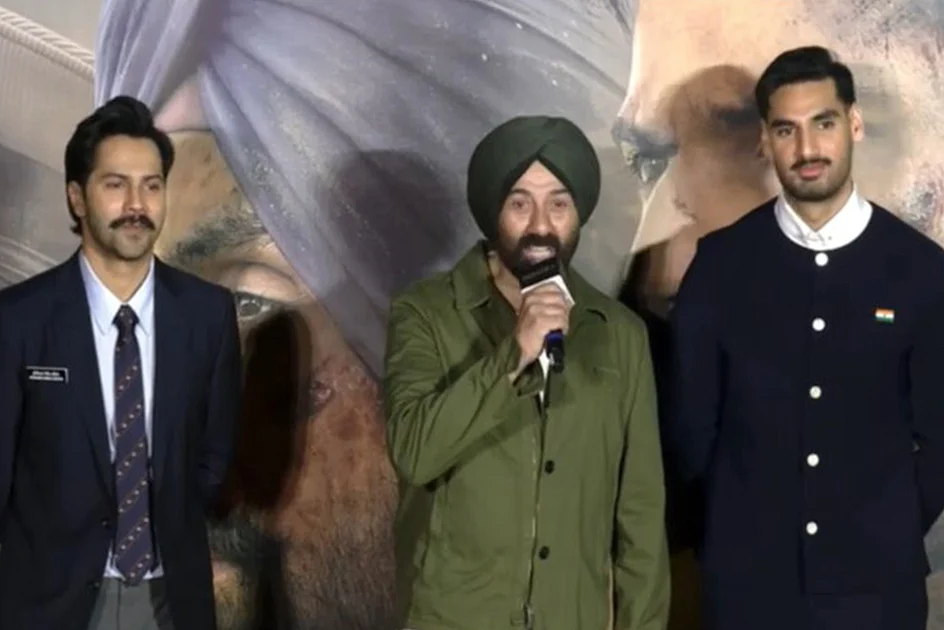
    Bollywood icon Sunny Deol made a poignant return to public life on November 24th during the highly anticipated teaser launch event for his upcoming war drama ‘Border 2’. This marked his first public appearance following the recent passing of his legendary father, veteran actor Dharmendra, whose November demise left the Indian film industry in mourning.

    The emotional weight of the moment became visibly apparent as Deol delivered his iconic dialogue with his trademark powerful voice, momentarily choking up during the performance. The actor’s dramatic entrance—arriving behind the wheel of a military jeep alongside co-stars Varun Dhawan and Ahan Shetty—immediately established the film’s intense atmosphere while symbolizing his resilient return to public life.

    Directed by Anurag Singh, ‘Border 2’ represents a significant expansion of the beloved franchise, introducing new ensemble cast members including Diljit Dosanjh, Medha Rana, Mona Singh, and Sonam Bajwa alongside returning star Deol. Produced by Bhushan Kumar alongside JP Dutta and Nidhi Dutta, the project continues the legacy of one of India’s most celebrated war film series.

    The production is strategically positioned for a major January 23, 2026 theatrical release, generating substantial anticipation among fans of the original film. The teaser launch event served both as a promotional milestone and an unintentional tribute to the enduring legacy of the Deol family in Indian cinema, capturing a raw moment of personal grief intersecting with professional commitment.

  • Sudan general ready to talk to US President Trump for peace

    Sudan general ready to talk to US President Trump for peace

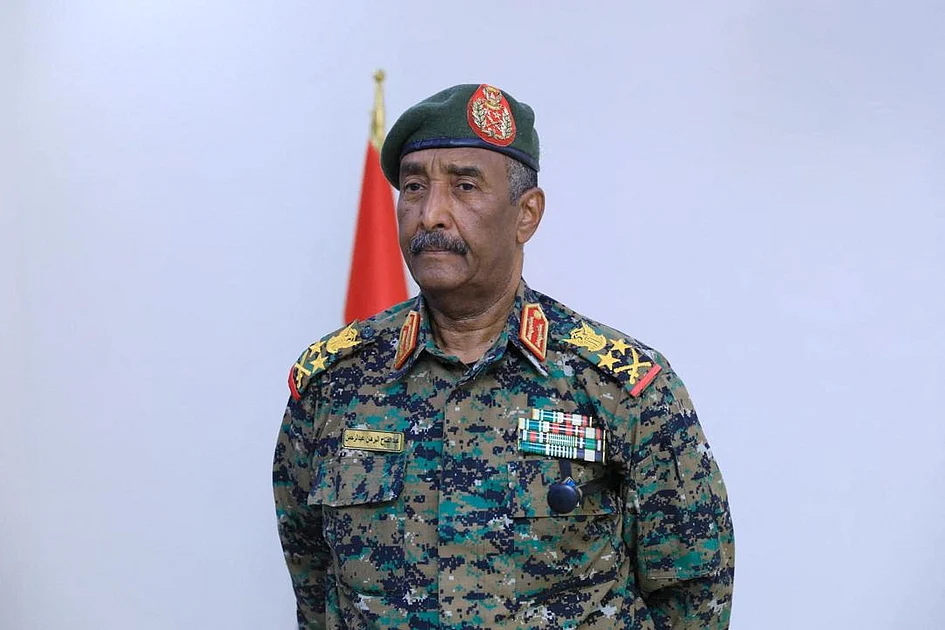
    In a significant diplomatic development, Sudan’s de facto leader General Abdel Fattah al-Burhan has expressed willingness to collaborate with U.S. President Donald Trump to resolve the ongoing conflict devastating his nation. The Sudanese foreign ministry confirmed this position on Tuesday following General al-Burhan’s diplomatic visit to Riyadh as an official guest of Saudi Crown Prince Mohammed bin Salman.

    The Saudi leadership recently presented President Trump with a comprehensive peace proposal for Sudan during Prince Mohammed’s official visit to Washington. According to the Sudanese statement, General al-Burhan commended President Trump’s demonstrated commitment to peace initiatives and acknowledged Saudi Arabia’s participatory role in these efforts.

    “He affirmed Sudan’s keenness to work with President Trump, his secretary of state, and his envoy for peace in Sudan to achieve this unquestionably noble goal,” the ministry stated, specifically referencing Secretary of State Marco Rubio and U.S. peace envoy Massad Boulos.

    This diplomatic overture occurs despite previous stalled negotiations led by a coalition of international mediators including the United States, Egypt, Saudi Arabia, and the United Arab Emirates. The peace process reached an impasse when General al-Burhan rejected envoy Boulos’s most recent framework proposal.

    Meanwhile, the Rapid Support Forces (RSF) paramilitary group maintains its official support for international ceasefire arrangements despite continued intense combat operations, particularly in Sudan’s southern Kordofan region. No new dates have been established for either U.S.-mediated discussions or parallel United Nations-led peace efforts.

    The devastating conflict, ongoing since April 2023, pits the nationally-recognized army controlling northern and eastern territories against the RSF forces dominating western regions and substantial southern areas. The humanitarian catastrophe has resulted in tens of thousands of fatalities and displaced millions, creating what United Nations agencies classify as the world’s most severe humanitarian emergency.

  • Melodica Music & Dance Academy ramps up UAE growth with multiple new locations

    Melodica Music & Dance Academy ramps up UAE growth with multiple new locations

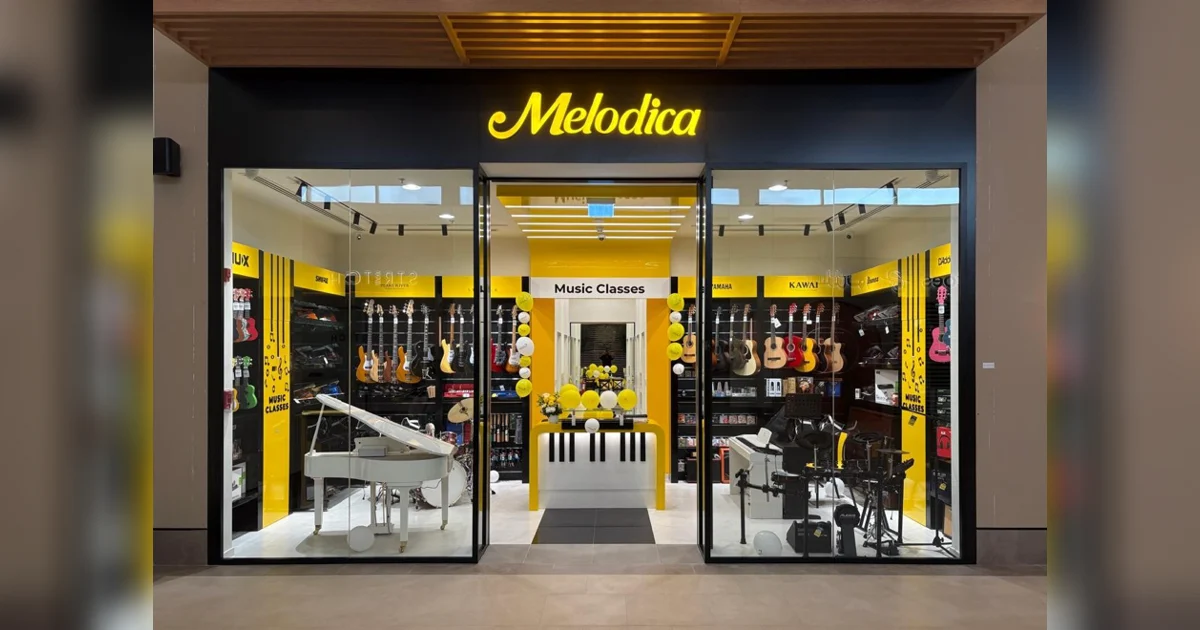
    Melodica Music & Dance Academy has unveiled an ambitious expansion strategy across the United Arab Emirates, signaling substantial growth in the region’s arts education sector. This development follows the recent inauguration of their 27th branch in Arabian Ranches 3, representing a pivotal moment in the institution’s strategic growth trajectory.

    The academy is currently preparing multiple new facilities across Dubai, with two branches in Dubai Festival City and Town Square undergoing final fit-out phases. Additionally, a strategically positioned facility within KidZania at The Dubai Mall is approaching completion, positioning the academy to capitalize on one of the city’s most frequented family entertainment destinations.

    Further expansion plans include confirmed locations at Ibn Battuta Mall, Dubai Expo Mall, and Al Khail Avenue Mall, significantly extending the academy’s accessibility across major residential and commercial districts. This multi-location expansion demonstrates Melodica’s commitment to broadening access to comprehensive arts education throughout the UAE, particularly targeting communities with demonstrated demand for quality educational programs.

    Afshin, Founder and CEO of Melodica Music & Dance Academy, articulated the institution’s vision: ‘Our fundamental objective is to ensure every child across the UAE has convenient access to music and dance education regardless of their geographical location. These new openings represent not merely physical expansion but the creation of enhanced opportunities for young learners to explore and develop their artistic capabilities.’

    The academy distinguishes itself through several key attributes, including its extensive network of over 27 operational branches across Dubai, Abu Dhabi, Sharjah, and Al Ain, with additional locations in development. Currently serving more than 25,000 students, Melodica caters to diverse learner levels from beginners to advanced practitioners across all age groups. The institution maintains rigorous academic standards through internationally trained instructors and offers certification programs through recognized examination boards including ABRSM, Trinity, MTB, and RAD.

    This expansion initiative reflects growing market demand for structured arts education within the UAE, as increasing numbers of families seek enrichment programs that foster creative development and personal growth in children. The academy’s strategic placement in high-traffic retail and residential locations underscores its commitment to accessibility and community engagement.